
Understanding the Versatility of 5/8 Threaded Bar
The 5/8 threaded bar, also known as a stud, is a fundamental fastener widely used across various industries. Its robust design and versatility make it an essential component in construction, machinery, and many other applications. This article will provide an in-depth look at the characteristics, applications, grades, and purchasing considerations for 5/8 threaded bars, helping you make informed decisions for your specific needs. You can find a comprehensive selection of high-quality threaded bars at HBTBLS.
What is a 5/8 Threaded Bar?
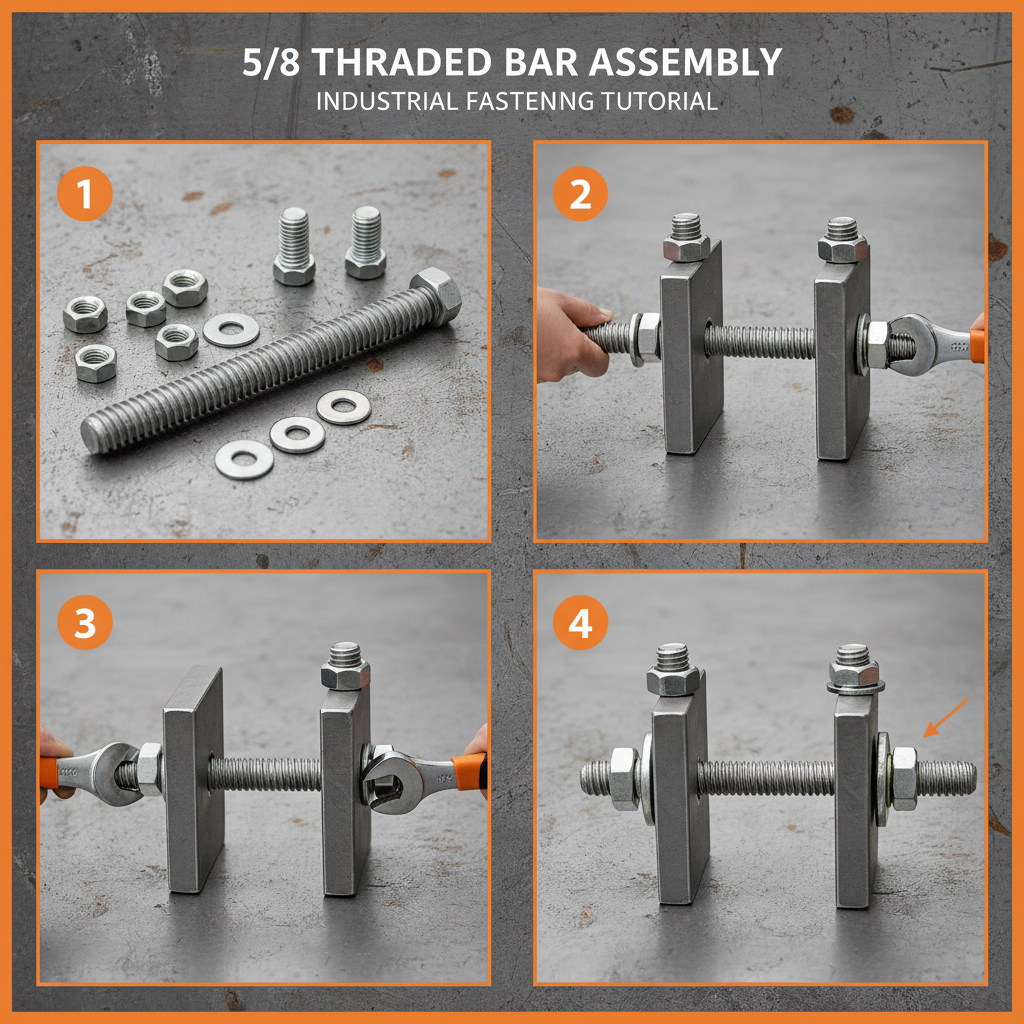
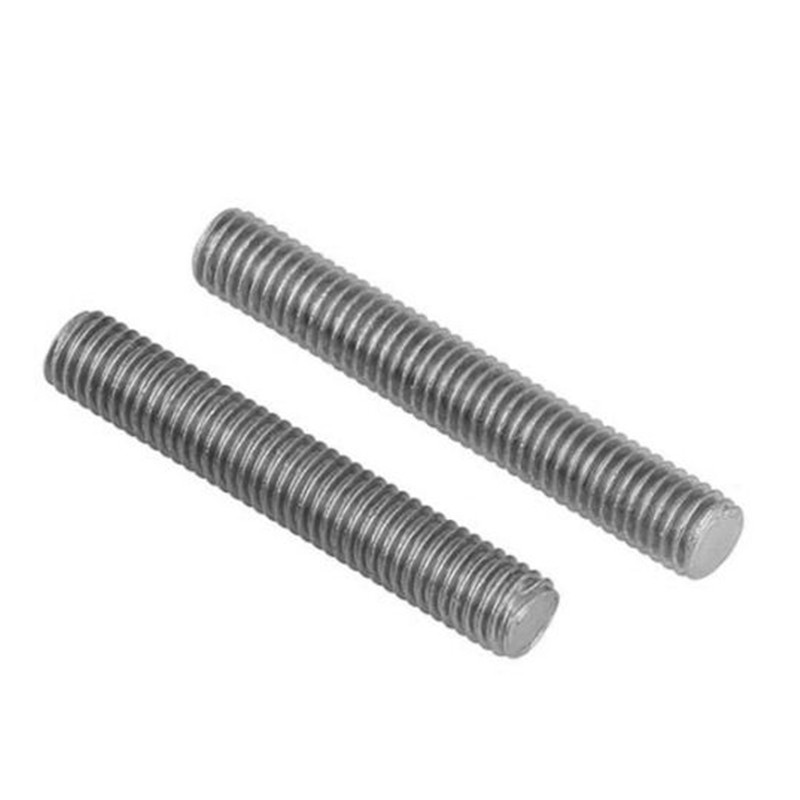
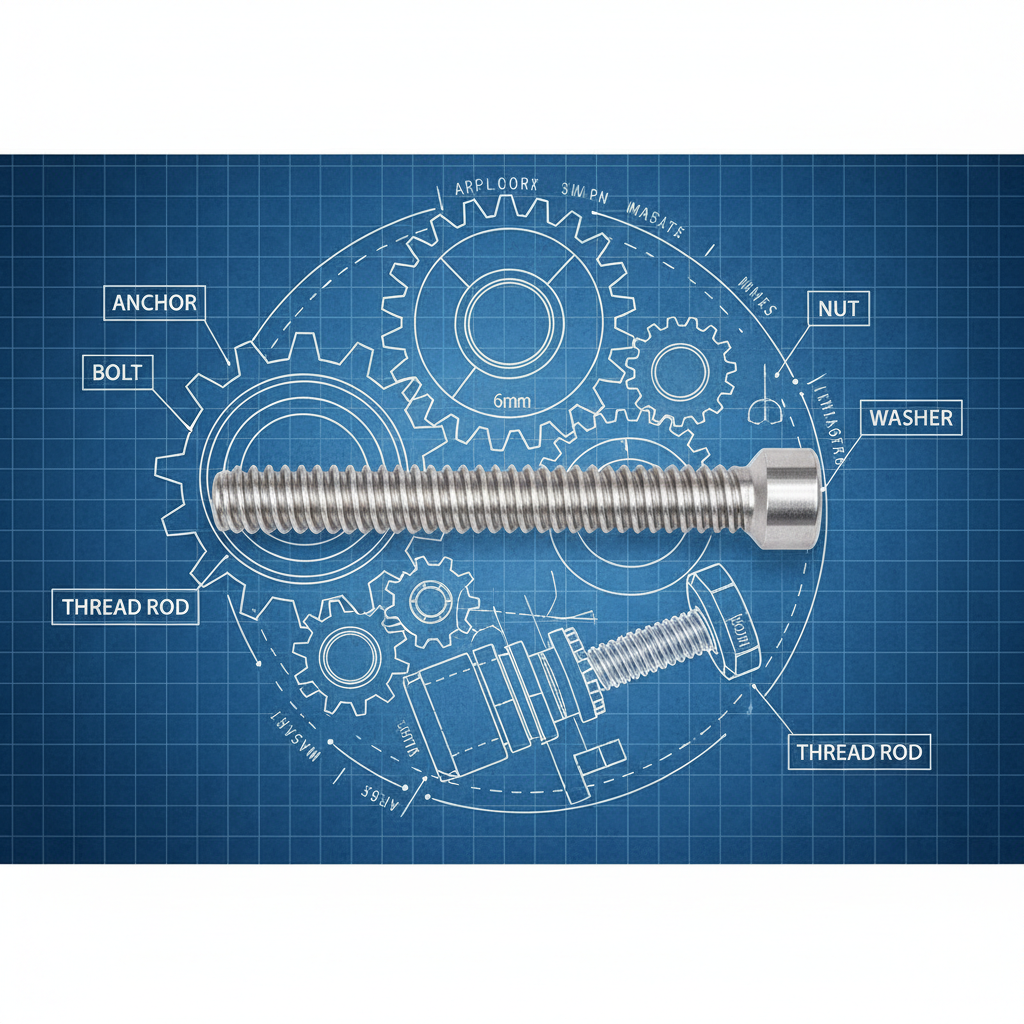
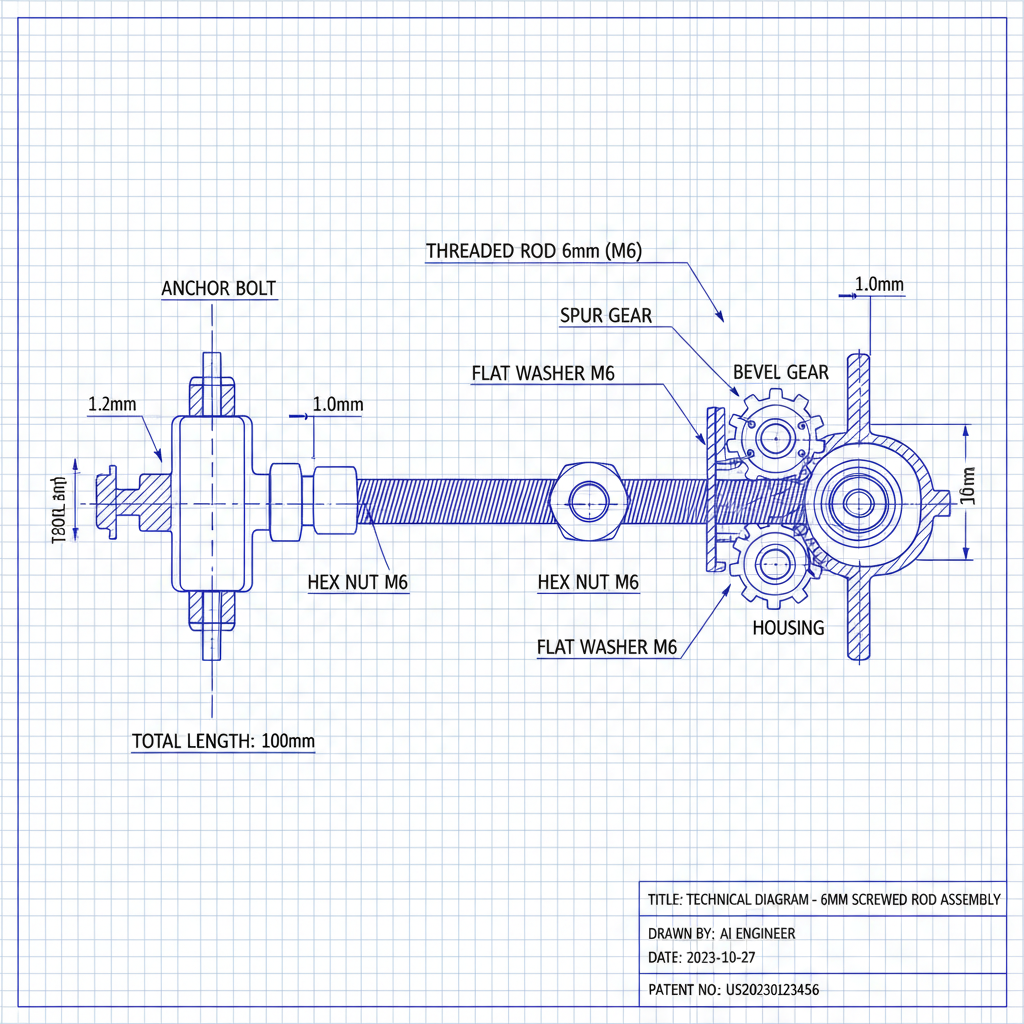
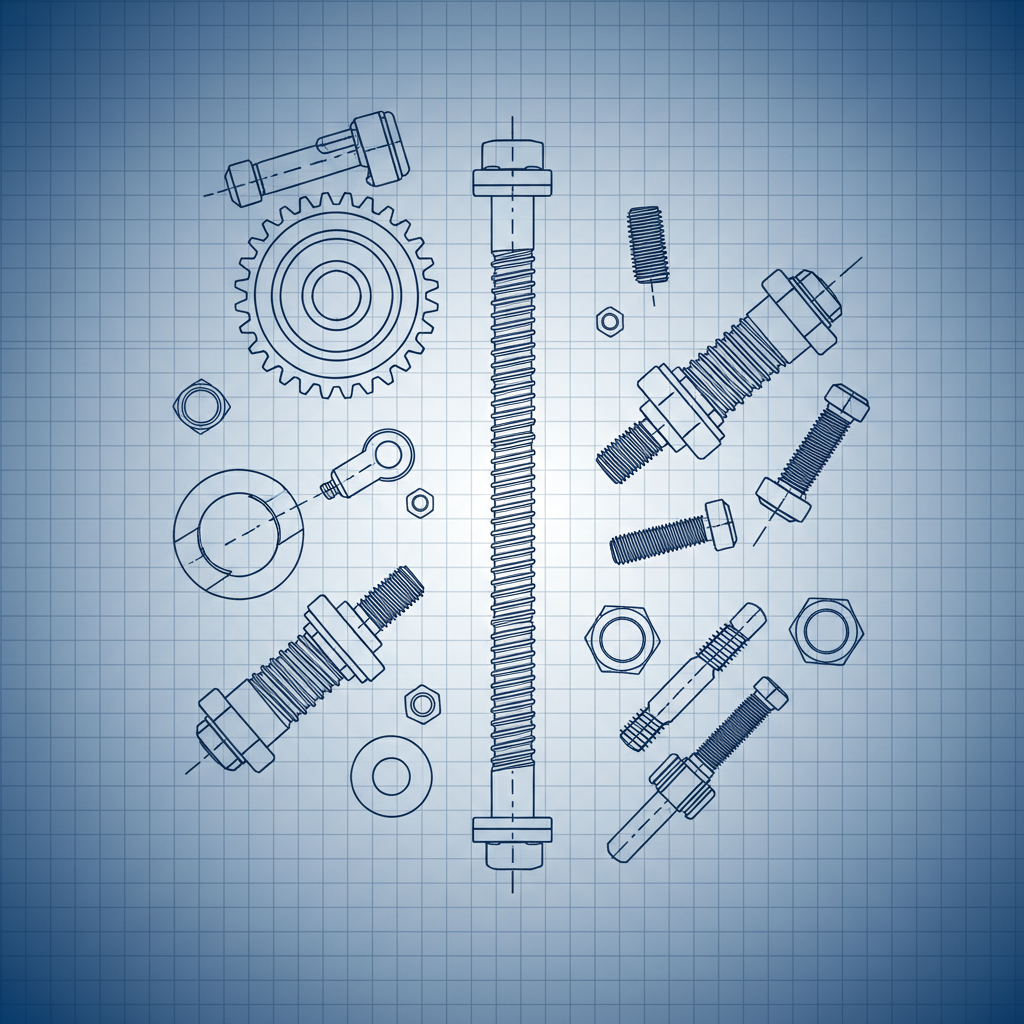
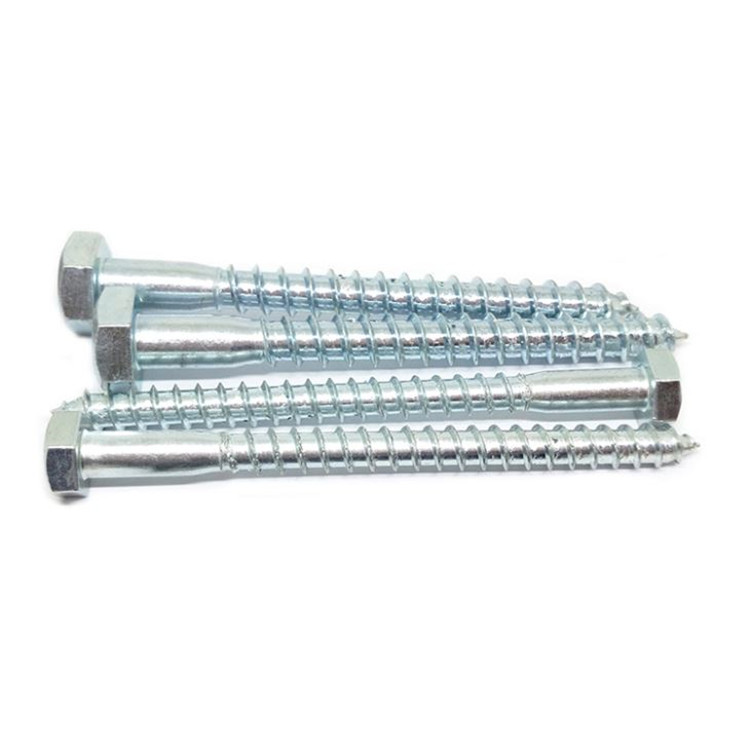
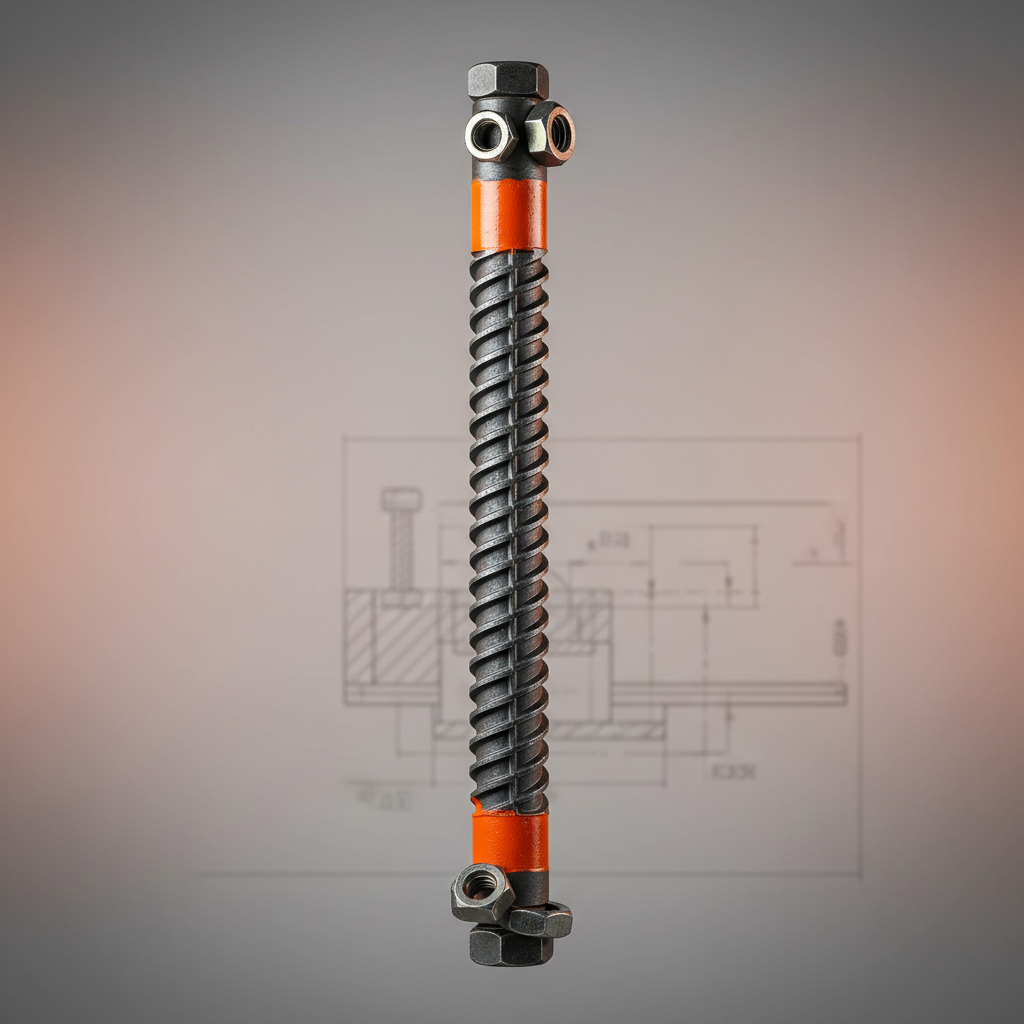
A 5/8 threaded bar refers to a cylindrical metal rod with threads running along its entire length. The “5/8” designation indicates the nominal diameter of the bar, meaning it measures approximately five-eighths of an inch. These bars are typically used to connect components, secure materials, and provide structural support. They are available in various lengths, materials, and thread pitches to suit diverse applications. The ability to cut these bars to precise lengths makes them exceptionally adaptable.
Key Features: Available in various lengths, materials (steel, stainless steel, etc.), and thread pitches. Cut to precise sizes. Used for connecting components and providing structural support.
Applications of 5/8 Threaded Bars
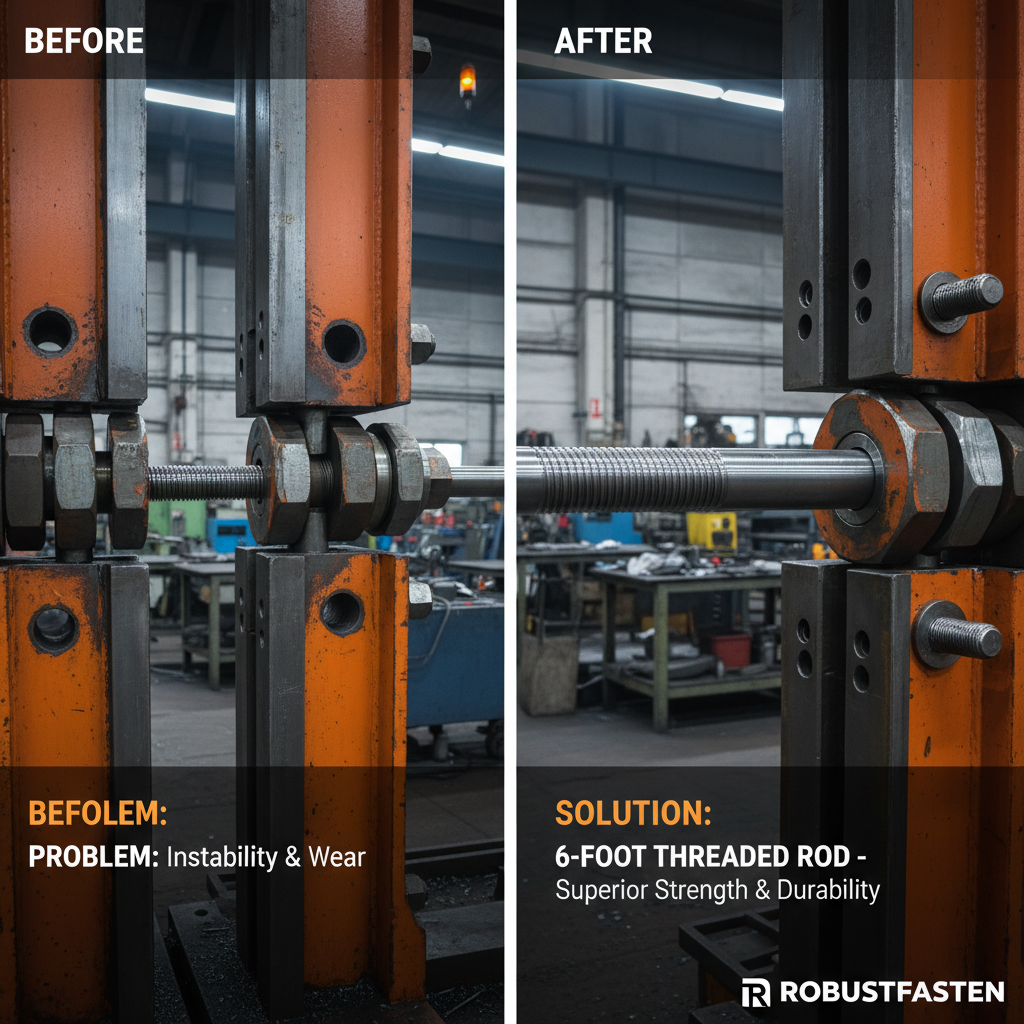
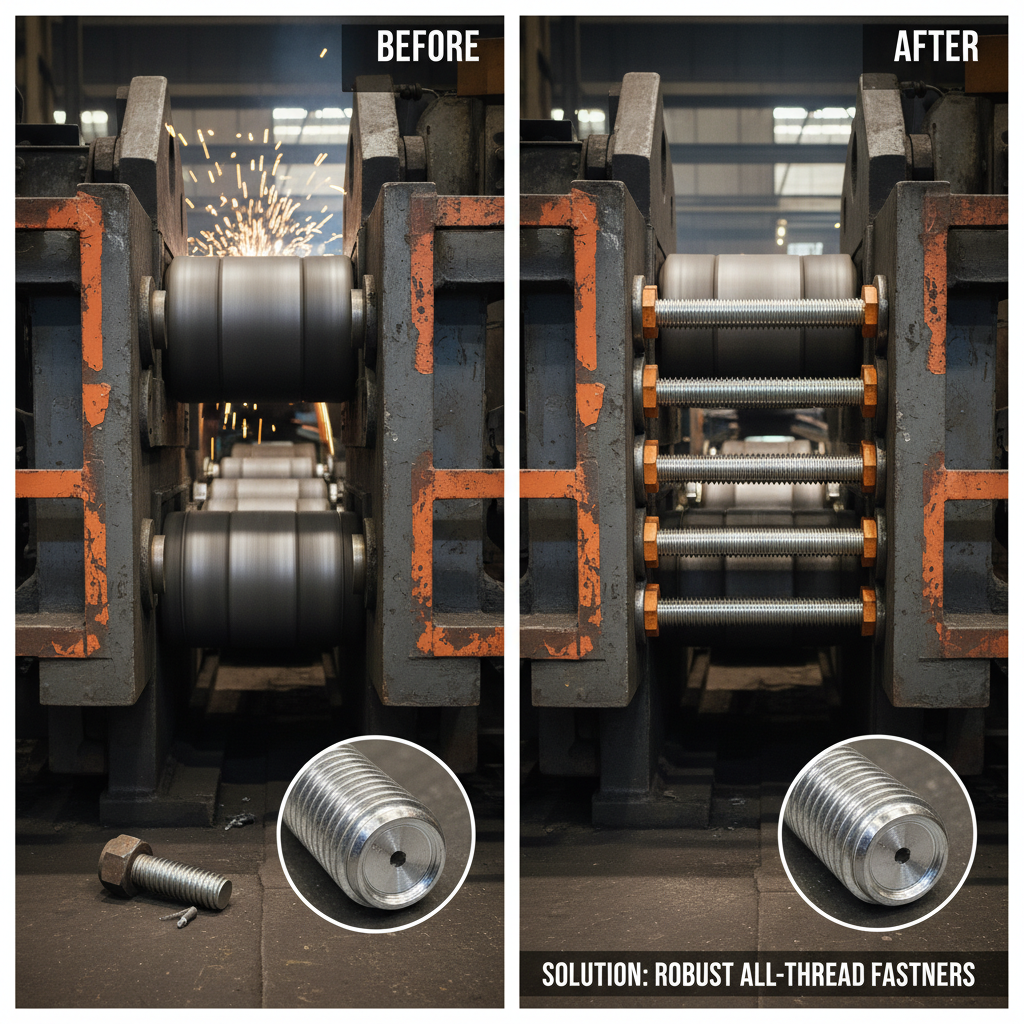
The applications for a 5/8 threaded bar are extensive. In construction, they are frequently used for anchoring bolts, securing railings, and supporting structural elements. In the manufacturing sector, they are crucial for assembling machinery, attaching components, and creating custom fixtures. Other common uses include: tie rods in plastic injection molding, securing flanges in piping systems, and as fasteners in automotive applications. The consistent strength and reliability of a 5/8" diameter bar make it a popular choice. HBTBLS provides a range of 5/8 threaded bars tailored for various industrial applications.
Common Applications:
• Construction Anchors
• Machinery Assembly
• Piping System Flanges
• Automotive Fasteners
5/8 Threaded Bar Grades: A Comparative Overview
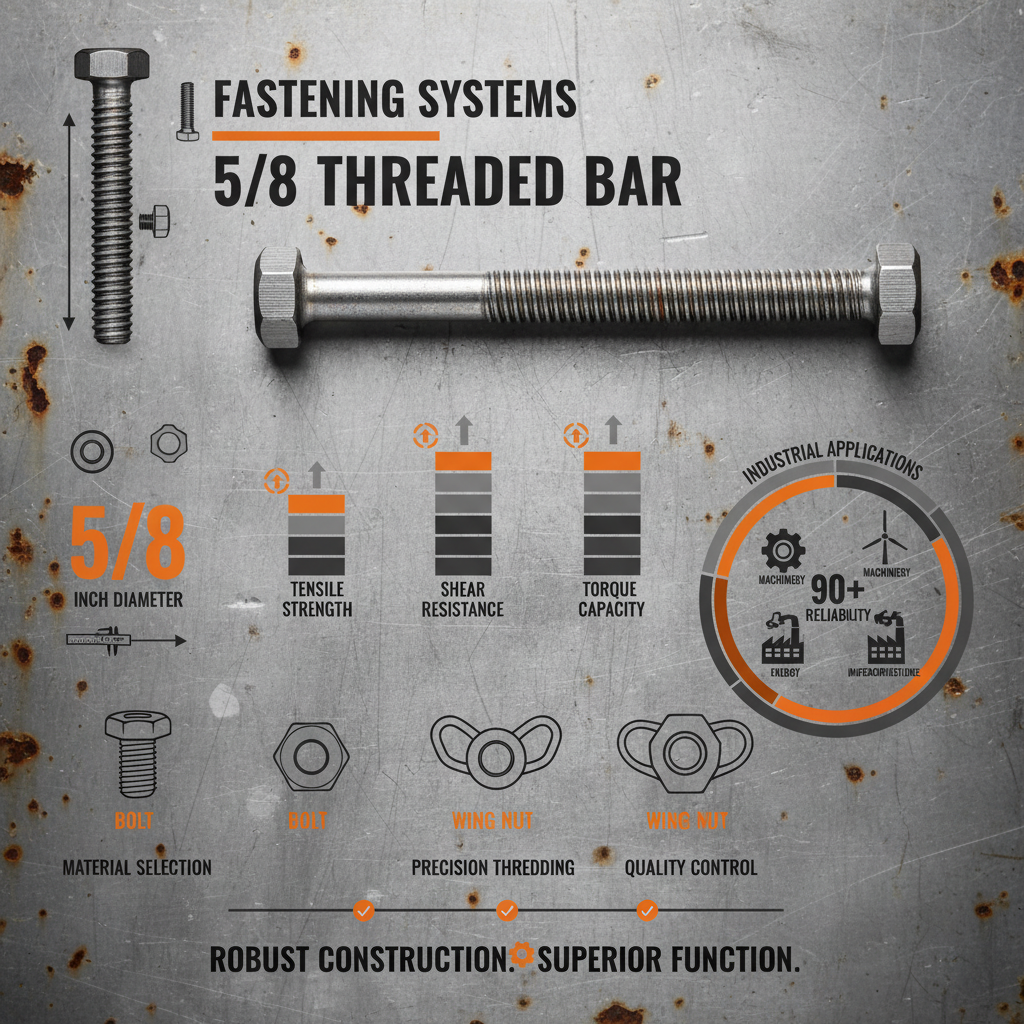
Threaded bars are manufactured in various grades, each offering different levels of strength and corrosion resistance. Common grades include Grade 2, Grade 5, and Grade 8. Grade 2 is typically used for general-purpose applications where high strength isn't critical. Grade 5 offers improved strength and is suitable for more demanding applications. Grade 8 is the strongest grade and is commonly used in critical structural applications. Stainless steel grades, like 304 and 316, provide excellent corrosion resistance for outdoor or harsh environments.
Choosing the Right 5/8 Threaded Bar for Your Project
Selecting the appropriate 5/8 threaded bar requires careful consideration of your project's specific requirements. Evaluate the load-bearing capacity, environmental conditions, and desired longevity. For applications requiring high strength, Grade 8 or stainless steel options are recommended. For general purposes, Grade 5 or Grade 2 may suffice. Ensure the thread pitch matches the corresponding nut or component for proper engagement. HBTBLS offers expert guidance to help you choose the perfect bar for your needs.
Sourcing High-Quality 5/8 Threaded Bars
When sourcing 5/8 threaded bars, it's crucial to partner with a reputable supplier. Ensure the supplier provides certifications confirming the material grade and compliance with relevant industry standards. Look for consistent thread quality, accurate dimensions, and durable finishes. HBTBLS is a trusted provider of high-quality threaded bars, offering a wide selection, competitive pricing, and reliable service.
Conclusion: Finding the Right 5/8 Threaded Bar
Choosing the correct 5/8 threaded bar is essential for ensuring the safety, reliability, and longevity of your projects. By understanding the different grades, applications, and sourcing considerations, you can make an informed decision. HBTBLS is your trusted partner for all your threaded bar needs, offering high-quality products and expert support.
Frequently Asked Questions (FAQs)
What is the standard thread pitch for a 5/8 threaded bar?
The most common thread pitch for a 5/8 inch diameter threaded bar is 11 threads per inch (UNC - Unified National Coarse). However, other pitches like 18 threads per inch (UNF - Unified National Fine) are also available, particularly for applications requiring higher strength or finer adjustment. It's crucial to match the thread pitch of the bar with the corresponding nut or tapped hole to ensure a proper and secure connection. Using the wrong pitch can lead to stripped threads and a compromised joint.
Can 5/8 threaded bars be cut to custom lengths?
Yes, 5/8 threaded bars are commonly cut to custom lengths to meet specific project requirements. This is one of the key advantages of using threaded bars over pre-fabricated fasteners. You can use a variety of tools, such as a hacksaw, cutting wheel, or metal-cutting bandsaw, to cut the bar to the desired length. After cutting, it’s essential to deburr the ends to prevent injury and ensure proper engagement with nuts or other components.
What are the benefits of using stainless steel 5/8 threaded bars?
Stainless steel 5/8 threaded bars offer exceptional corrosion resistance, making them ideal for outdoor applications or environments exposed to harsh chemicals or moisture. They also provide a clean, aesthetically pleasing finish. While generally less strong than high-strength carbon steel grades, stainless steel bars still offer sufficient strength for many applications, especially where corrosion is a primary concern. Common grades include 304 and 316 stainless steel, with 316 offering superior resistance to chloride corrosion.
How do I determine the correct length of a 5/8 threaded bar for my application?
Determining the correct length involves considering the thickness of the materials being joined, the space available for the nut and washers, and any desired extension beyond the joined surfaces. Measure the total thickness of the materials and add the length of the nut and washers on both sides. It’s often advisable to add a small amount of extra length to allow for adjustments and ensure a secure connection. For applications requiring a specific clamping force, consult engineering guidelines for optimal length calculations.
Post time: Feb . 26, 2026 02:45


 English
  Albanian
  Arabic
  Armenian
  Azerbaijani
  Belarusian
  Bosnian
  Bulgarian
  Cebuano
  Corsican
  Czech
Czech  Galician
  Georgian
  Greek
Greek  Hausa
Hausa  Hebrew
  Hungarian
  Igbo
Igbo  Indonesian
  Italian
  Kazakh
  Khmer
Khmer  Korean
  Kurdish
  Kyrgyz
  Lao
Lao  Latin
Latin  Latvian
  Lithuanian
  Malay
Malay  Myanmar
  Nepali
  Polish
  Portuguese
  Russian
  Serbian
  Sesotho
  Shona
Shona  Sindhi
  Spanish
  Tagalog
  Tajik
Tajik  Thai
Thai  Turkish
  Turkmen
  Ukrainian
  Uzbek
Uzbek  Vietnamese
  Yoruba
  Zulu
Zulu