
Understanding M6 All Thread: The Backbone of Steel Fastening
If you’ve ever worked on industrial equipment, mechanical assemblies, or even large-scale construction projects, the term m6 all thread probably rings a bell. But beyond the jargon, what exactly is it? And why does it matter so much globally? At its core, the m6 all thread is a type of threaded rod—a versatile fastener essential for joining materials firmly. Its global significance is rooted in its ubiquity across manufacturing, infrastructure, and even humanitarian aid applications. Understanding the ins and outs of m6 all threaded rods unlocks efficiency, safety, and durability in countless projects worldwide.
Let’s take a deep dive into this unassuming yet indispensable component.
Global Context: Why M6 All Thread Matters Today
According to the International Organization for Standardization (ISO), threaded fasteners are standardized to maintain quality and interoperability across borders. The m6 size—denoting a nominal diameter of 6mm—is one of the most commonly used designations globally. Industry data from the World Bank points out that developing countries are rapidly expanding their infrastructure, spurring exponential demand for reliable fastening solutions.1 This is especially true in sectors like renewable energy, automotive manufacturing, and even temporary housing solutions for disaster relief, where robust assembly is crucial.
However, there remains a challenge: ensuring these fasteners meet stringent safety and durability standards under diverse environmental conditions. That’s where an in-depth understanding of the m6 all thread comes into play—helping engineers and project managers select the right specifications that balance cost with resilience.
What is M6 All Thread? Defining the Basics
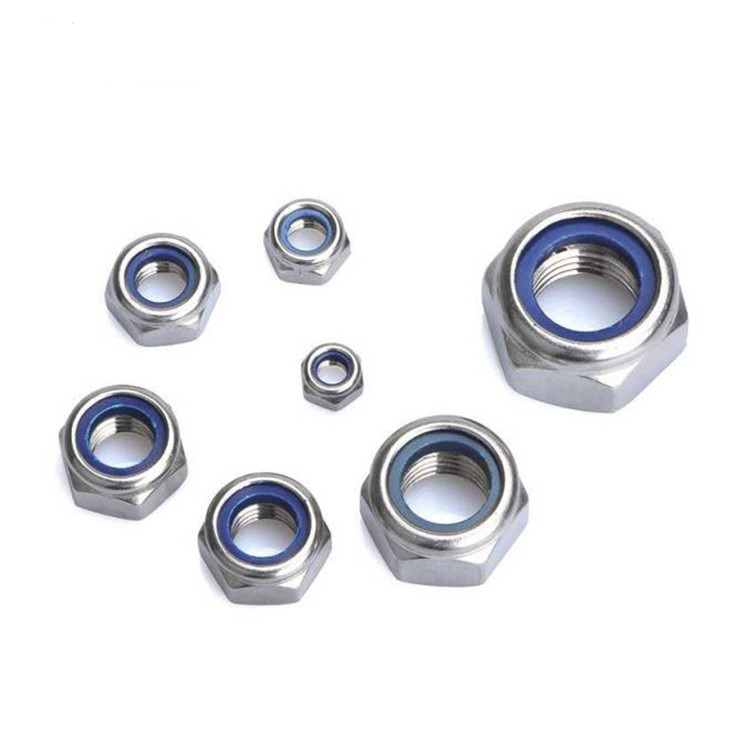
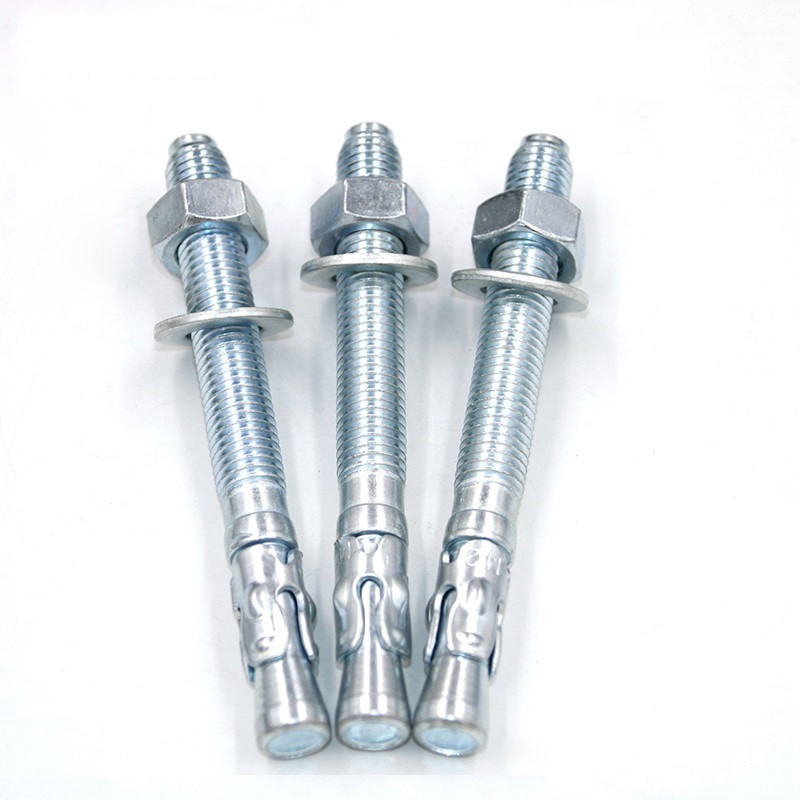
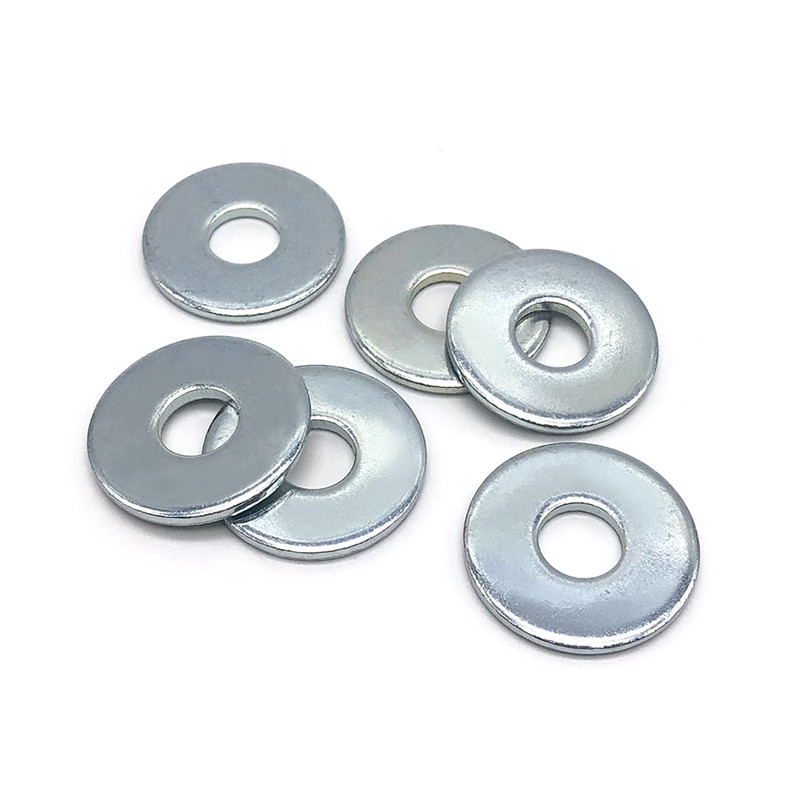
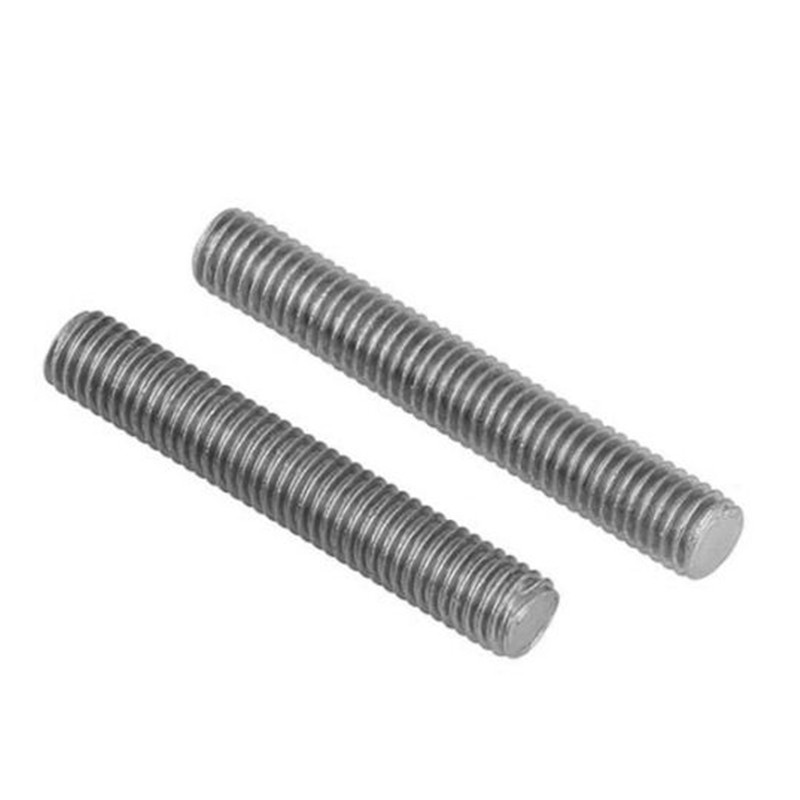
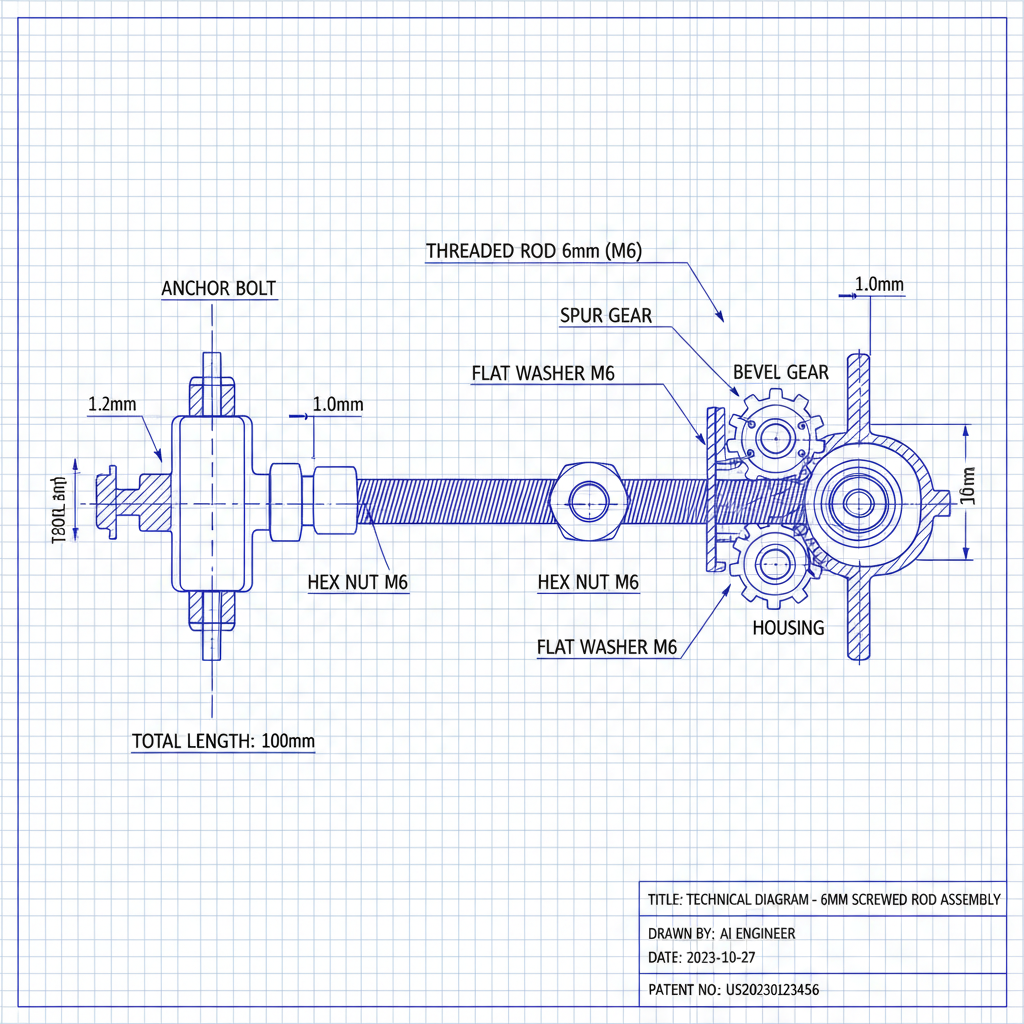
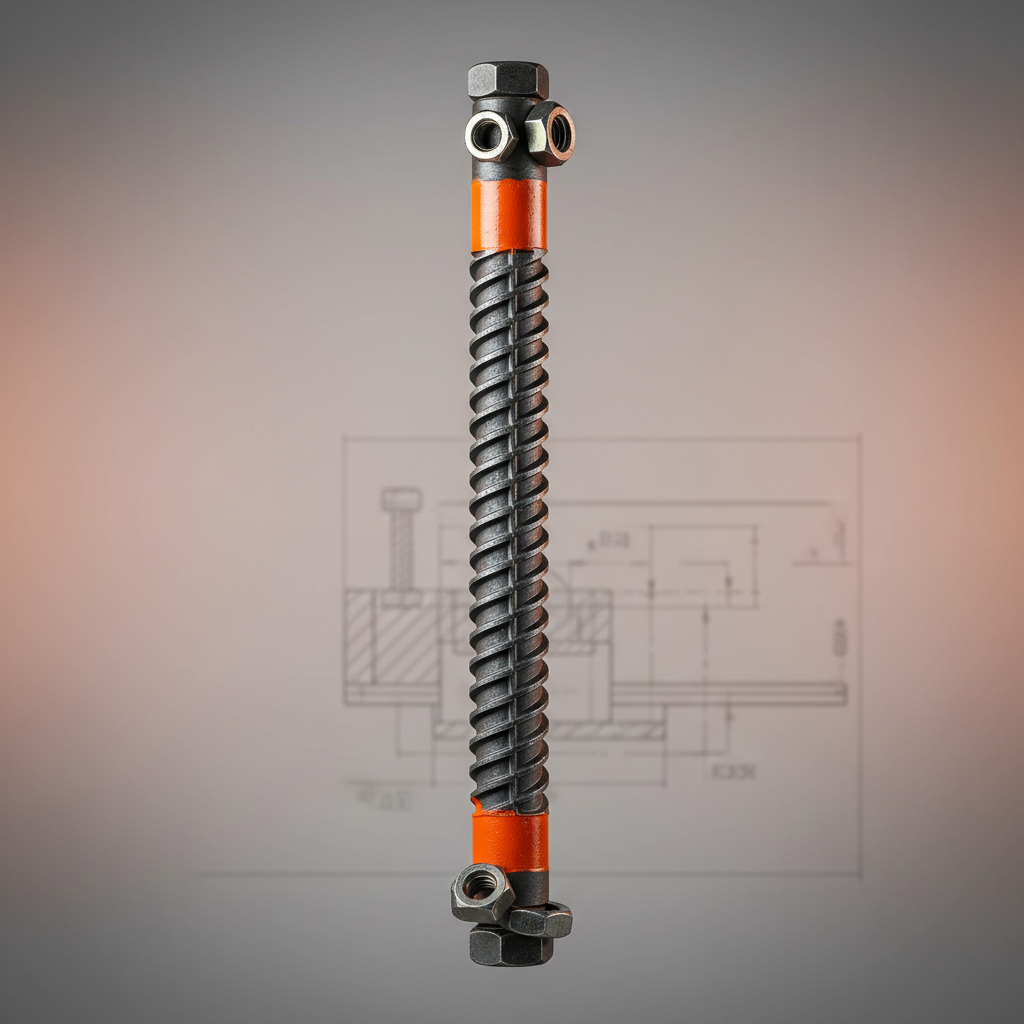
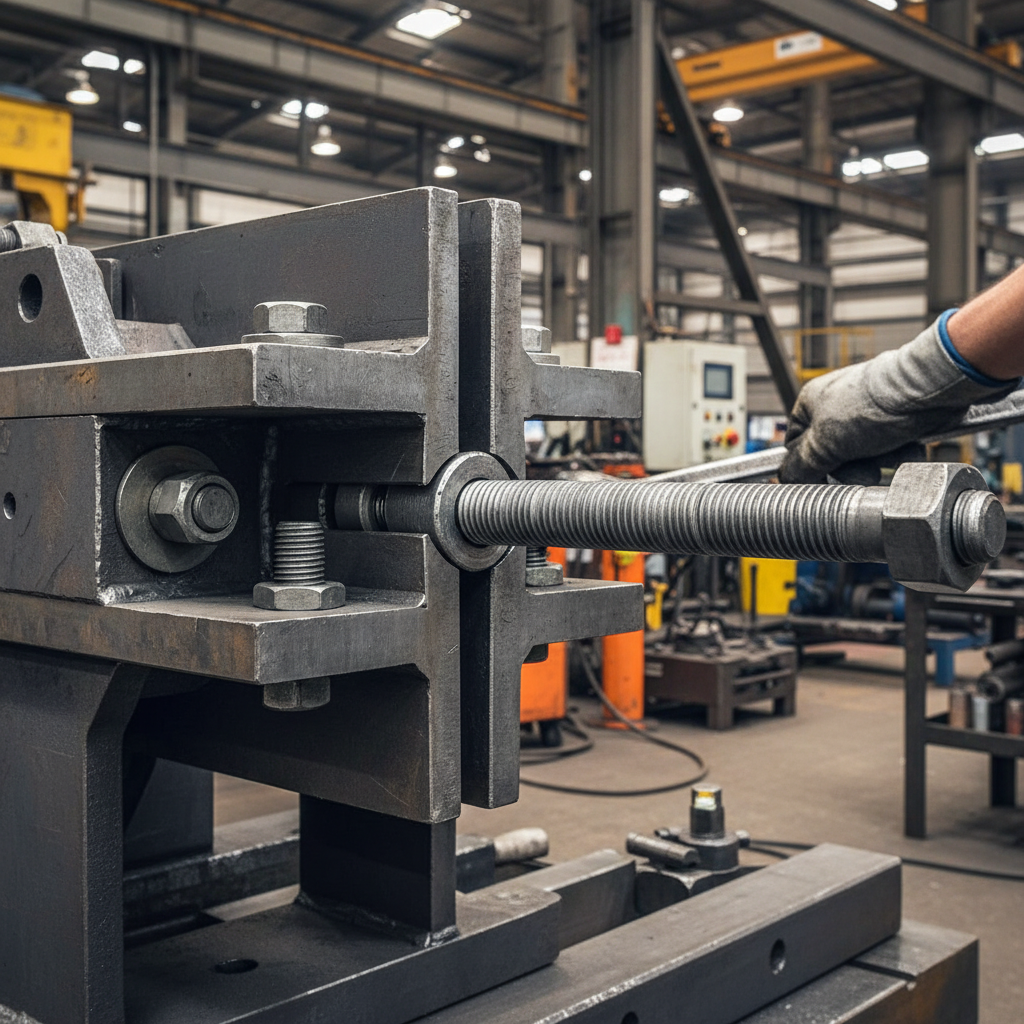
Simply put, an m6 all thread rod is a metal rod with continuous, uniform threading along its entire length, featuring a nominal 6mm diameter. These rods don’t have a specific head like bolts; instead, nuts and washers are applied to fasten components together. Due to their fully threaded design, they provide adjustable and strong joining options. They are typically manufactured from steel alloys, including stainless steel variations for added corrosion resistance.
These rods aren’t just mechanical components; they’re often the unsung heroes in modern infrastructure and humanitarian projects, enabling quick assembly of modular systems or reinforcing structures in challenging environments.
Core Components and Key Attributes of M6 All Thread
1. Durability and Material Composition
Most m6 all threads are crafted from carbon steel or stainless steel. The grade impacts not only strength but also resilience to corrosion—think coastal installations or industrial plants exposed to chemicals. For example, Grade 304 stainless steel is popular for its balance of cost-effectiveness and corrosion resistance.
2. Thread Pitch and Standards Compliance
The thread pitch for M6 typically clocks in at 1.0 mm (standard metric pitch). This standardization helps avoid mismatches in assembly. Manufacturers often adhere to ISO 261/262 and DIN 975 standards, which prescribe acceptable tolerances ensuring compatibility worldwide.
3. Scalability in Application
Because m6 all thread rods come in various lengths, they offer scalability for everything from tiny mechanical repairs to structural reinforcements. Their versatility is a big reason they’ve become a fastener of choice globally.
4. Cost Efficiency
The ability to cut these rods on-site to the desired length reduces material waste. Even better, their simple design keeps production costs manageable, benefiting large-scale projects requiring thousands of units.
Product Specification Table
| Specification | Details |
|---|---|
| Diameter | 6 mm |
| Thread Pitch | 1.0 mm (standard) |
| Material | Carbon Steel, Stainless Steel (Grade 304, 316) |
| Length | Available in 0.5m to 3m (custom cuts possible) |
| Standards | ISO 261, ISO 262, DIN 975 |
| Finish | Plain, Zinc Plated, Hot-Dip Galvanized |
Global Use Cases: Where and How M6 All Thread Makes a Difference
- Construction Industry: From fastening steel frames in skyscrapers in Asia to bridge reinforcements in Europe, m6 threaded rods provide the backbone for structural stability.
- Automotive Manufacturing: Automotive assembly lines use m6 all thread fasteners in engine mounts, chassis assembly, and other critical components.
- Renewable Energy: Solar panel installations and wind turbines often utilize these rods for mounting hardware due to their strength and corrosion resistance.
- Humanitarian Relief Efforts: When NGOs deploy fast-assembly shelters post-disaster, m6 all thread rods enable quick, dependable construction—supporting dignity and safety for displaced families.
Oddly enough, these simple rods become vital lifelines in harsh and urgent settings, underscoring their practical and humanitarian value.
Vendor Comparison: Finding the Right M6 All Thread Supplier
| Vendor | Material Options | Standards Compliance | Custom Lengths | Price Range |
|---|---|---|---|---|
| FastenPro | Carbon Steel, Zinc Plated | ISO 261/262 | Yes | $0.50–$1.20 per piece |
| Global Rods Co. | Stainless Steel 304/316 | DIN 975, ISO Certified | Custom cuts on demand | $1.00–$2.50 per piece |
| SteelWorks | Hot-Dip Galvanized Steel | ANSI & ISO | Standard lengths only | $0.70–$1.50 per piece |
Advantages and Long-Term Value of Choosing M6 All Thread
The tangible benefits of opting for quality m6 all thread rods include substantial cost savings due to reduced replacement frequency, enhanced structural integrity limiting failure risks, and easier inventory management thanks to their universal specifications. Beyond the numbers, there’s a latent emotional benefit too — these rods underpin safety and reliability, which in critical projects translates to trustworthiness and peace of mind.
Looking Ahead: Future Trends & Innovations
Engineers and manufacturers are increasingly interested in environmentally sustainable fasteners. Expect more m6 all threads made with recycled steel and coatings that minimize environmental impact. Additionally, digital transformation is creeping into inventory and supply chains, enabling real-time tracking and faster reordering.
Automation in manufacturing also means tighter tolerance controls, resulting in improved quality and less material waste. This continuous innovation ensures the humble m6 all thread keeps pace with modern demands.
Challenges & Industry Solutions
Despite their merits, challenges exist. Corrosion in aggressive environments remains a critical concern—requiring thoughtful material selection. Furthermore, inconsistent global quality standards can cause supply chain headaches for multinational projects.
Experts recommend rigorous supplier vetting and utilizing protective finishes to mitigate corrosion. Also, advocating for wider ISO compliance adoption can harmonize quality expectations worldwide.
FAQ: Frequently Asked Questions About M6 All Thread
Q1: What applications are best suited for m6 all thread rods?
M6 all thread rods suit medium-duty fastening tasks—think small machinery assembly, equipment mounting, and structural bracing. They shine where moderate strength and corrosion resistance are needed, and where adjustable assembly is a plus.
Q2: Can I cut an m6 all thread rod to custom lengths on-site?
Absolutely. Their uniform threading allows field cutting with appropriate tools, retaining fastening integrity. Just be sure to protect cut ends from corrosion if you’re working in exposed environments.
Q3: What material grade should I choose for outdoor use?
Stainless steel grades like 304 or 316 are typically recommended for outdoor or marine applications, thanks to better corrosion resistance. Hot-dip galvanized carbon steel is another cost-effective option but may wear faster in saltwater environments.
Q4: How do I ensure quality when sourcing m6 all thread rods internationally?
Insist on ISO or equivalent certification, request material test reports, and consider working with reputable vendors offering traceability and warranties. Quality control upfront prevents costly issues down the line.
Conclusion
The m6 all thread rod, though modest in appearance, is a cornerstone of reliable fastening worldwide. Its versatility, standardized sizing, and adaptability to myriad conditions make it indispensable for industries spanning construction to disaster relief. Grasping its technical specifications and application nuances fosters smarter purchasing and installation decisions—ultimately enhancing safety, cost efficiency, and durability.
For those intrigued by optimizing fastener performance or sourcing reliable stock, visiting https://www.hbtbls.com can be a smart next step.
Quick takeaway: Sometimes, it’s the smallest components that hold the biggest projects together—m6 all thread rods exemplify this perfectly.
References
Post time: Dec . 02, 2025 15:08


 English
  Albanian
  Arabic
  Armenian
  Azerbaijani
  Belarusian
  Bosnian
  Bulgarian
  Cebuano
  Corsican
  Czech
Czech  Galician
  Georgian
  Greek
Greek  Hausa
Hausa  Hebrew
  Hungarian
  Igbo
Igbo  Indonesian
  Italian
  Kazakh
  Khmer
Khmer  Korean
  Kurdish
  Kyrgyz
  Lao
Lao  Latin
Latin  Latvian
  Lithuanian
  Malay
Malay  Myanmar
  Nepali
  Polish
  Portuguese
  Russian
  Serbian
  Sesotho
  Shona
Shona  Sindhi
  Spanish
  Tagalog
  Tajik
Tajik  Thai
Thai  Turkish
  Turkmen
  Ukrainian
  Uzbek
Uzbek  Vietnamese
  Yoruba
  Zulu
Zulu