
Understanding 2 in Threaded Rod: A Comprehensive Guide
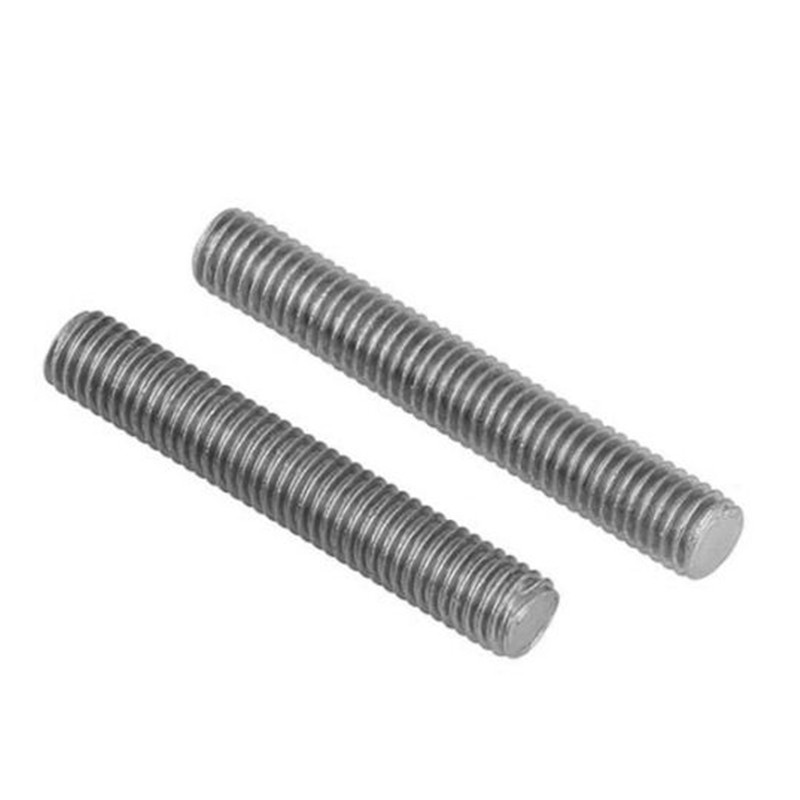
2 in threaded rod, also known as all-thread rod, is a crucial fastener used in a wide range of industrial, construction, and DIY applications. This robust, cylindrical rod features continuous threads along its entire length, allowing for versatile connections. Choosing the right threaded rod is paramount for ensuring structural integrity and safety. This article provides an in-depth look at 2-inch threaded rods, covering their specifications, applications, materials, standards, and factors to consider when making a purchase. HBTLS is your trusted supplier for high-quality threaded rods and fasteners.
What is a 2 in Threaded Rod?
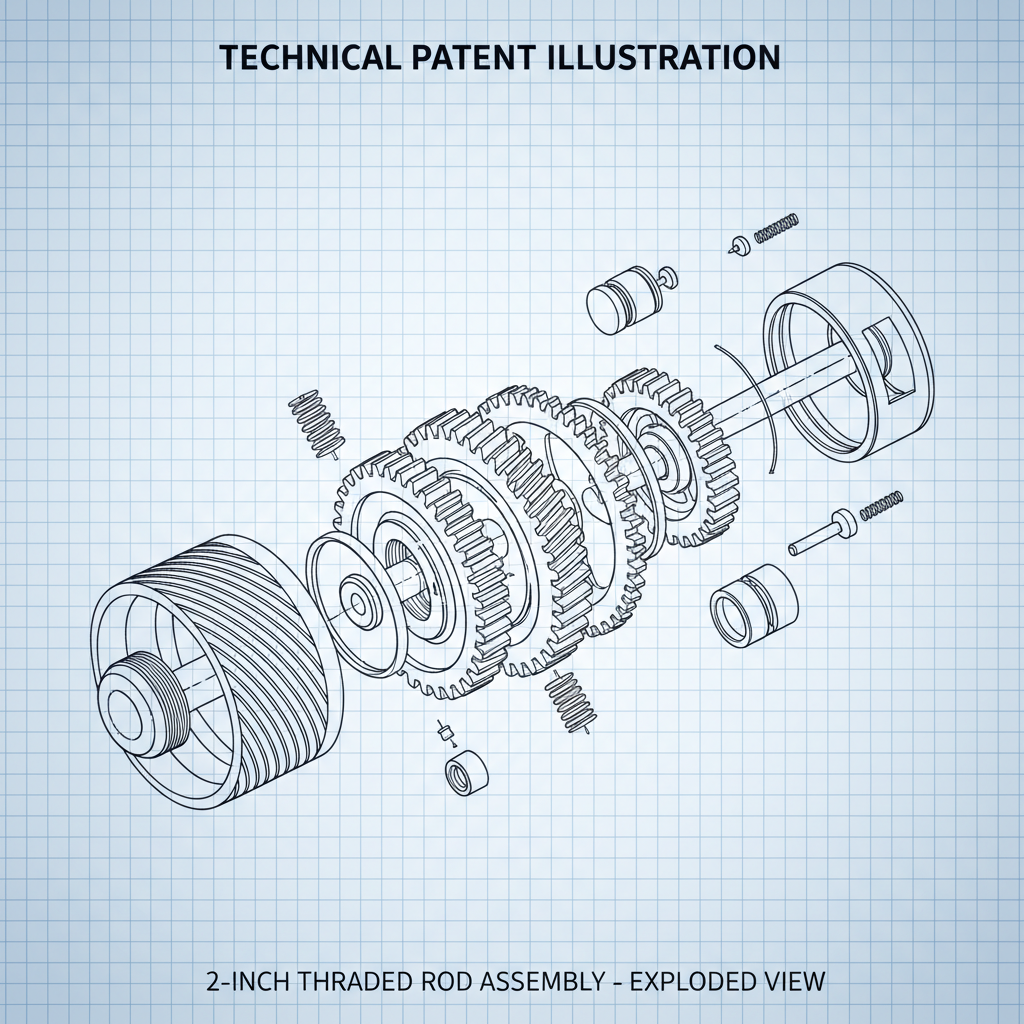
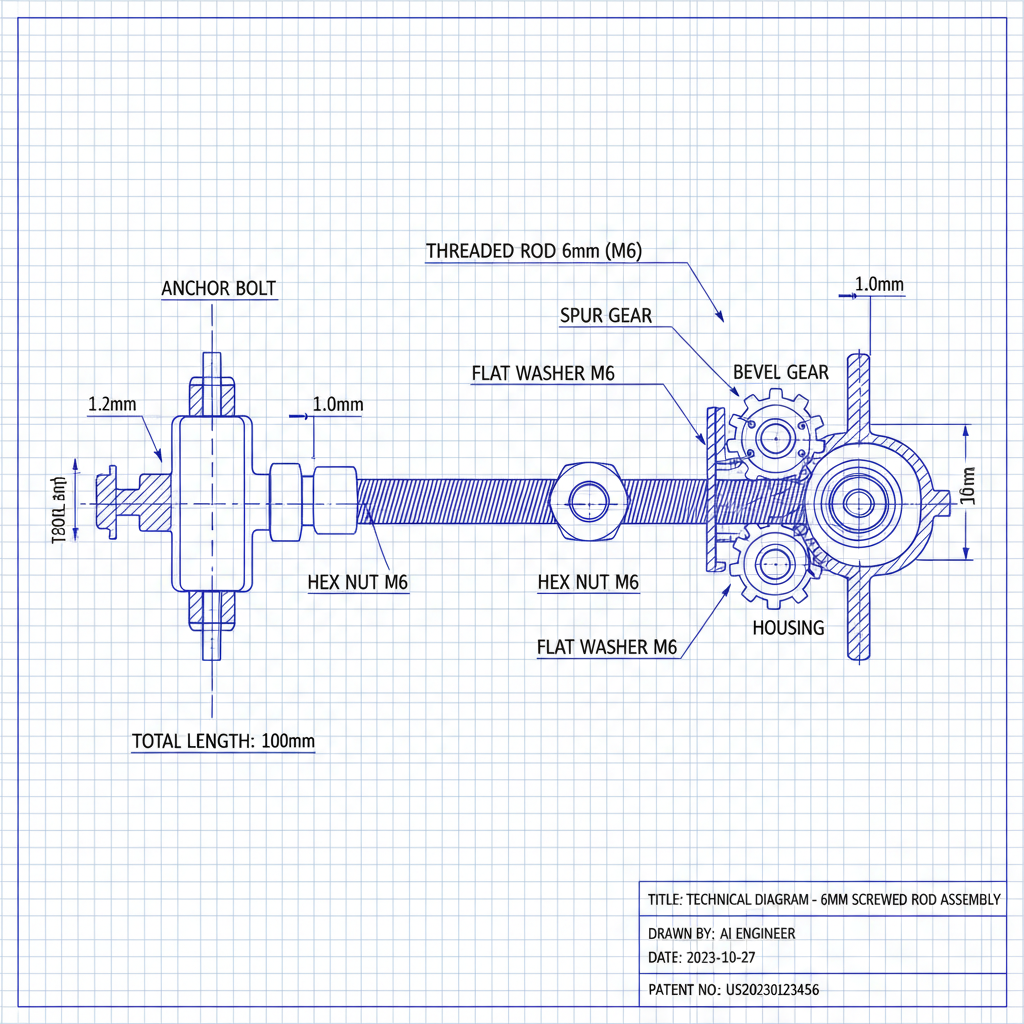
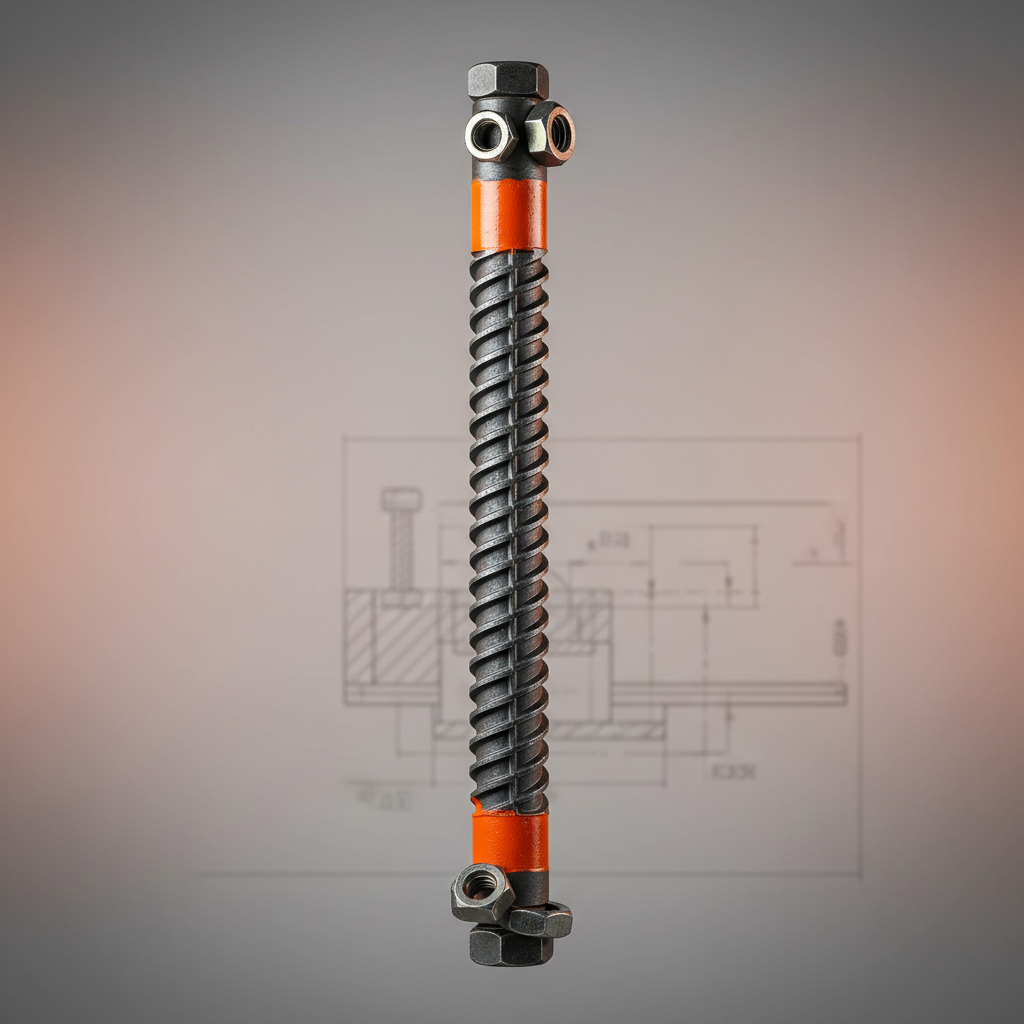
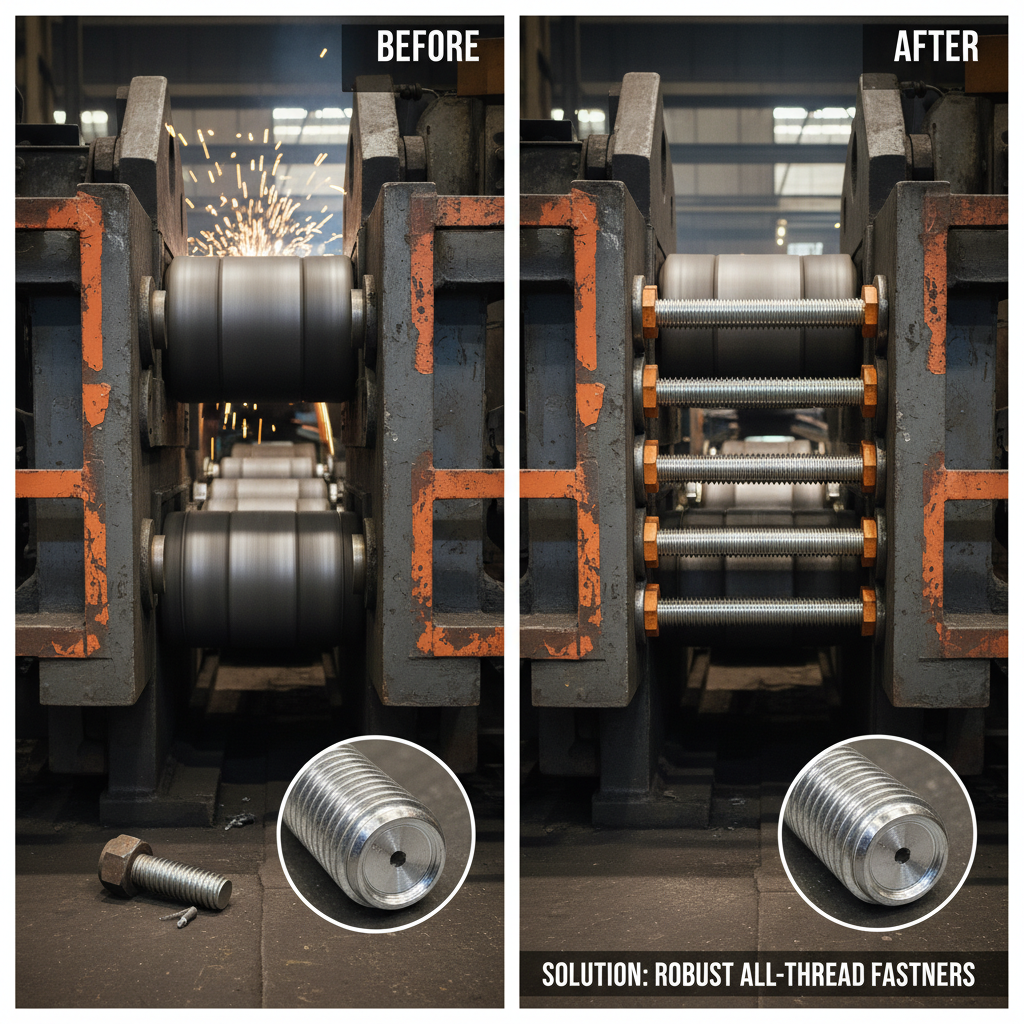
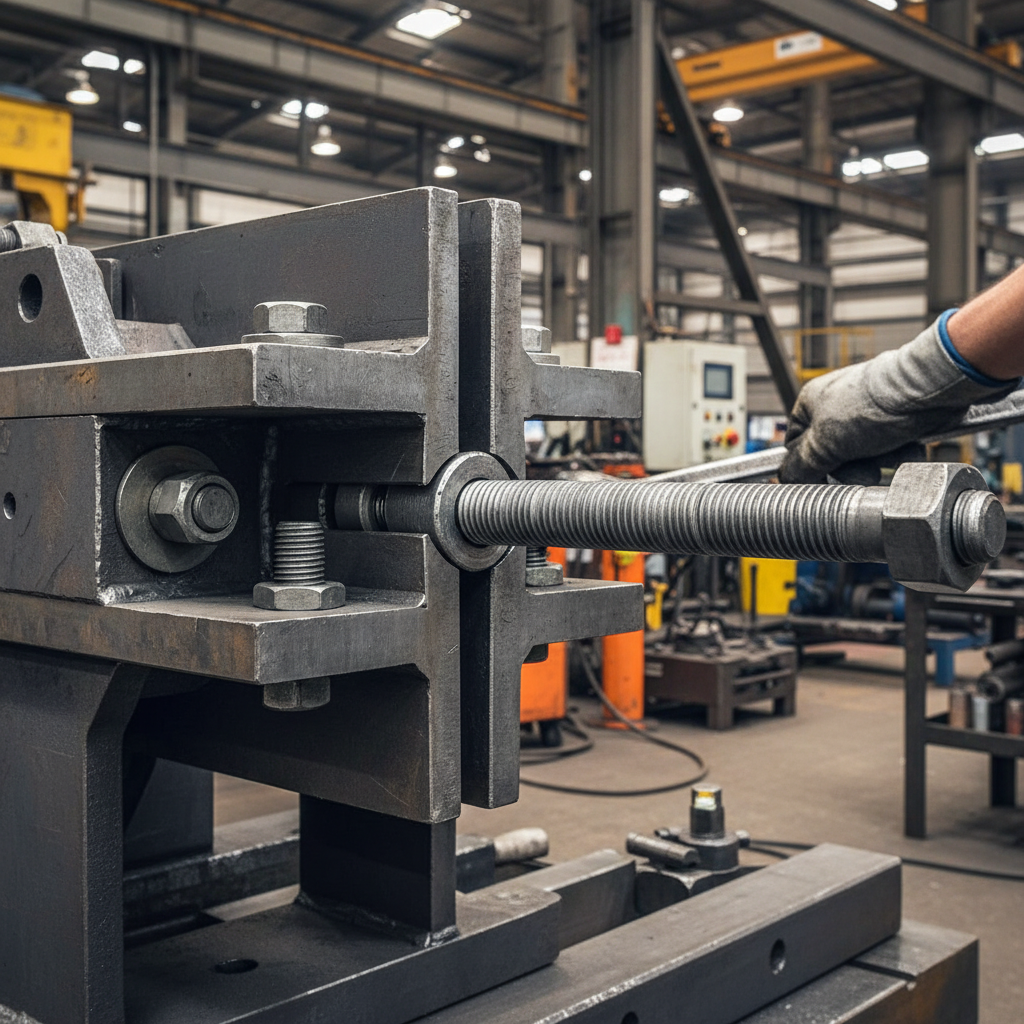
A 2 in threaded rod, specifies the nominal diameter of the rod - in this case, 2 inches. The “nominal” diameter refers to the major diameter of the threads. These rods are available in various lengths and materials, offering a solution for numerous fastening challenges. The continuous threading allows nuts, washers, and other components to be attached at any point along the rod, providing flexibility in assembly. They are typically used where high tensile strength and secure connections are essential.
Key Highlights: 2-inch diameter, continuous threads along the entire length, versatile connection points, and high tensile strength for robust applications.
Common Materials Used in 2 in Threaded Rod
The material selection for a 2 in threaded rod is dictated by the application's requirements, including strength, corrosion resistance, and temperature tolerance. Common materials include:
- Carbon Steel: Most frequently used due to its strength and affordability. Often coated with zinc for corrosion resistance.
- Stainless Steel: Provides excellent corrosion resistance, making it ideal for outdoor or harsh environments. Common grades include 304 and 316.
- Alloy Steel: Offers increased strength and durability compared to carbon steel.
Selecting the appropriate material is vital for ensuring long-term performance and preventing failures. HBTLS offers a wide range of materials to meet your specific needs.
Material Selection Guide:
• Carbon Steel: Cost-effective, general-purpose applications.
• Stainless Steel: High corrosion resistance, ideal for outdoor and chemical environments.
• Alloy Steel: Superior strength and durability for demanding applications.
Applications of 2 in Threaded Rod
2 in threaded rod finds applications across numerous industries. Here are some key examples:
- Construction: Used for anchoring, bracing, and supporting structures.
- Oil & Gas: Critical in pipeline construction, flange connections, and wellhead assemblies.
- Manufacturing: Employed in machinery assembly, tooling, and fixturing.
- Automotive: Used in suspension systems and chassis components.
- Plumbing: Used for supporting pipes and connecting plumbing systems.
2 in Threaded Rod Specifications and Standards
Understanding the specifications and standards associated with 2 in threaded rod is crucial for ensuring compatibility and safety. Key aspects include:
Factors to Consider When Purchasing 2 in Threaded Rod
When selecting a 2 in threaded rod, consider these important factors:
- Material Grade: Ensure the material grade meets the strength and corrosion resistance requirements of your application.
- Length: Choose the appropriate length to accommodate your assembly needs.
- Thread Type: Verify the thread type (UNC, UNF, etc.) is compatible with the nuts and other components you will be using.
- Finish: Consider a protective finish (e.g., zinc plating) for enhanced corrosion resistance.
- Supplier Reliability: Choose a reputable supplier like HBTLS, that can provide quality products and technical support.
Conclusion: Selecting the Right 2 in Threaded Rod
Choosing the right 2 in threaded rod is crucial for the success and safety of your projects. By carefully considering the material, specifications, and standards, you can ensure a robust and reliable connection. HBTLS provides high-quality 2 in threaded rods and expert guidance to help you make the best selection for your specific needs. Don’t compromise on quality – choose a trusted partner for all your fastener requirements.
Frequently Asked Questions (FAQs)
What is the difference between UNC and UNF threads on a 2 in threaded rod?
UNC (Unified Coarse) and UNF (Unified Fine) refer to the thread pitch of the rod. UNC threads have fewer threads per inch, making them faster to assemble and more tolerant of damage. UNF threads have more threads per inch, offering greater resistance to loosening and providing finer adjustment. The choice between UNC and UNF depends on the specific application's requirements, considering factors like vibration, torque, and precision.
How do I calculate the length of the 2 in threaded rod I need?
Accurately calculating the required length is crucial for a successful assembly. Measure the total distance the rod needs to span, accounting for the thickness of any washers, nuts, or other components that will be attached. Add extra length for threading beyond the nuts, typically around 1/2 to 1 inch on each end. It’s always better to have a little extra length than to come up short.
What safety precautions should I take when working with 2 in threaded rod?
When working with threaded rod, always wear appropriate personal protective equipment (PPE), including safety glasses and gloves. Be cautious when tightening nuts, as over-tightening can damage the threads or the connected components. Avoid applying excessive force, and use proper tools for the job. If cutting the rod, use a suitable cutting tool and follow appropriate safety procedures to prevent injuries.
Can 2 in threaded rod be used outdoors?
Yes, but the material selection is critical for outdoor applications. Carbon steel rods should be coated with a protective finish like zinc plating to prevent corrosion. Stainless steel rods (grades 304 or 316) are highly recommended for long-term durability in outdoor environments, as they offer excellent resistance to corrosion from moisture, chemicals, and UV exposure.
Post time: Jan . 28, 2026 11:20


 English
  Albanian
  Arabic
  Armenian
  Azerbaijani
  Belarusian
  Bosnian
  Bulgarian
  Cebuano
  Corsican
  Czech
Czech  Galician
  Georgian
  Greek
Greek  Hausa
Hausa  Hebrew
  Hungarian
  Igbo
Igbo  Indonesian
  Italian
  Kazakh
  Khmer
Khmer  Korean
  Kurdish
  Kyrgyz
  Lao
Lao  Latin
Latin  Latvian
  Lithuanian
  Malay
Malay  Myanmar
  Nepali
  Polish
  Portuguese
  Russian
  Serbian
  Sesotho
  Shona
Shona  Sindhi
  Spanish
  Tagalog
  Tajik
Tajik  Thai
Thai  Turkish
  Turkmen
  Ukrainian
  Uzbek
Uzbek  Vietnamese
  Yoruba
  Zulu
Zulu