
Understanding 2 All Thread Rod: A Comprehensive Guide
2 All Thread Rod, a critical component in various industrial and construction applications, offers a robust and versatile fastening solution. This article delves into the specifications, applications, materials, advantages, and considerations when selecting 2 all thread rod. Whether you’re involved in structural engineering, machinery assembly, or DIY projects, understanding this essential fastener is crucial for ensuring the integrity and safety of your work. We’ll also explore how to choose the right rod for your specific needs, considering factors such as material, length, and thread pitch.
What is 2 All Thread Rod?
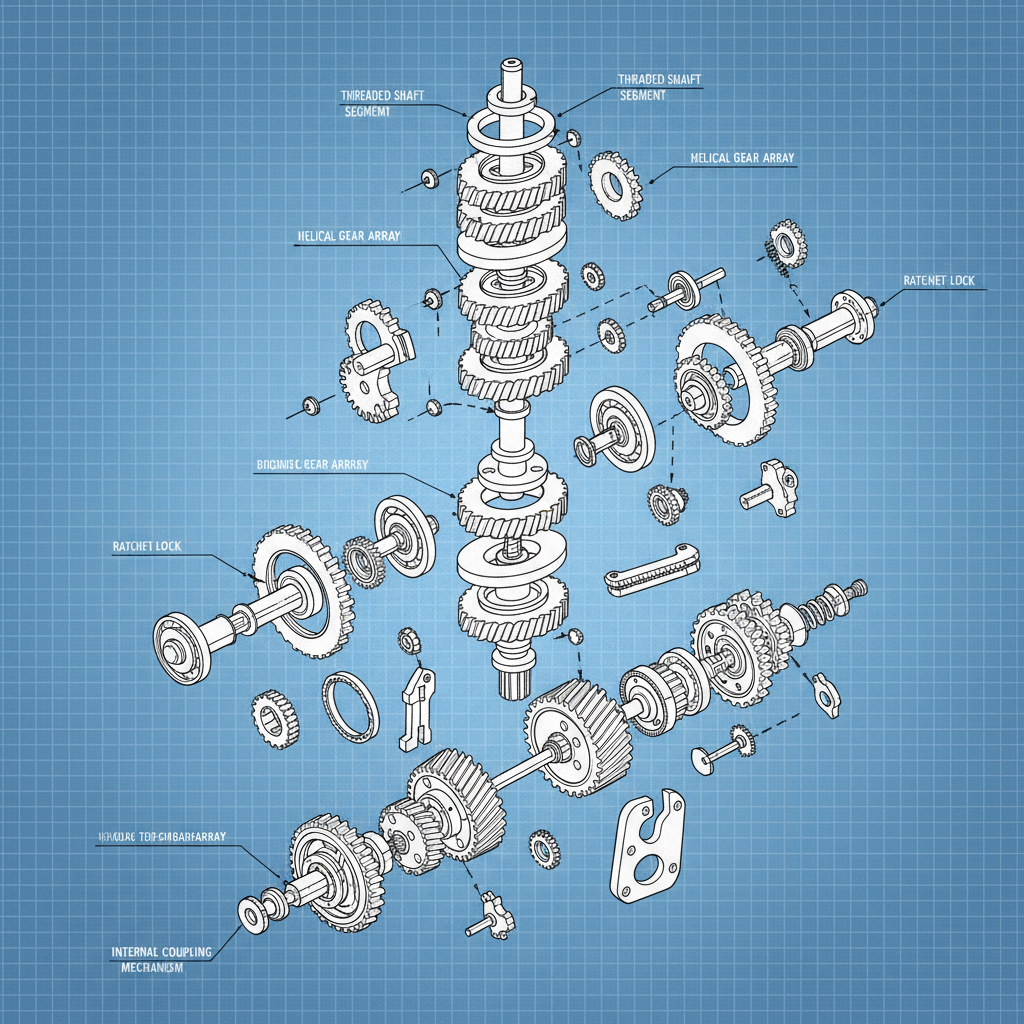
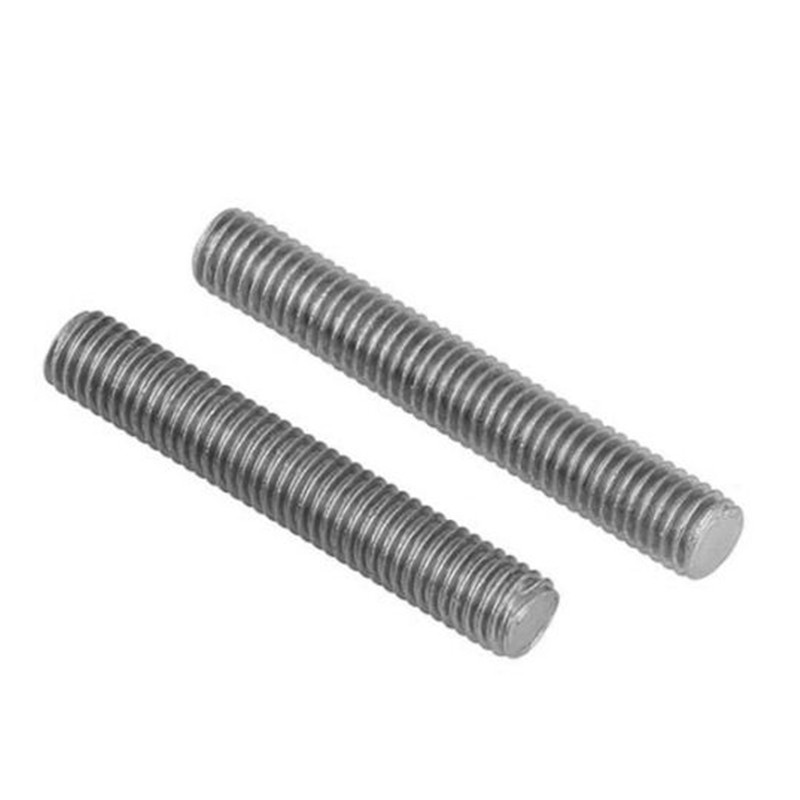
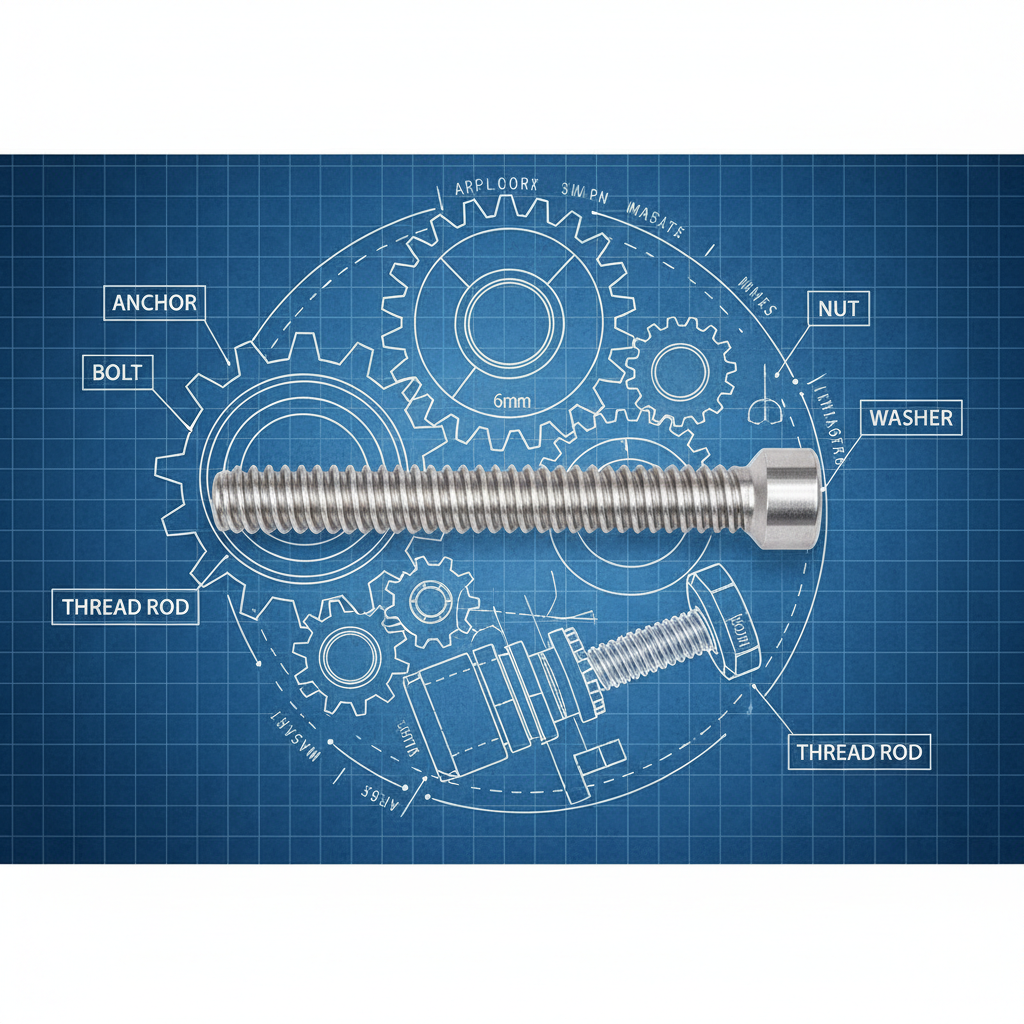
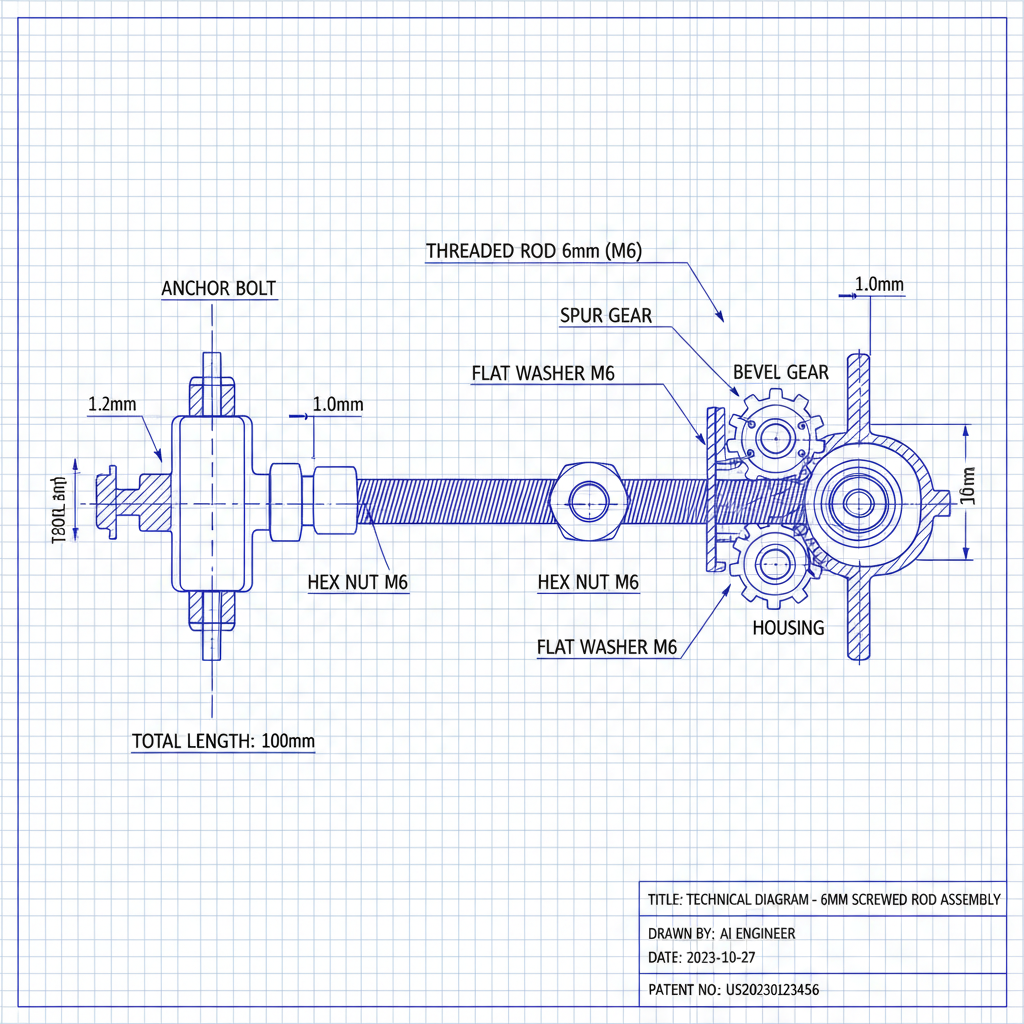
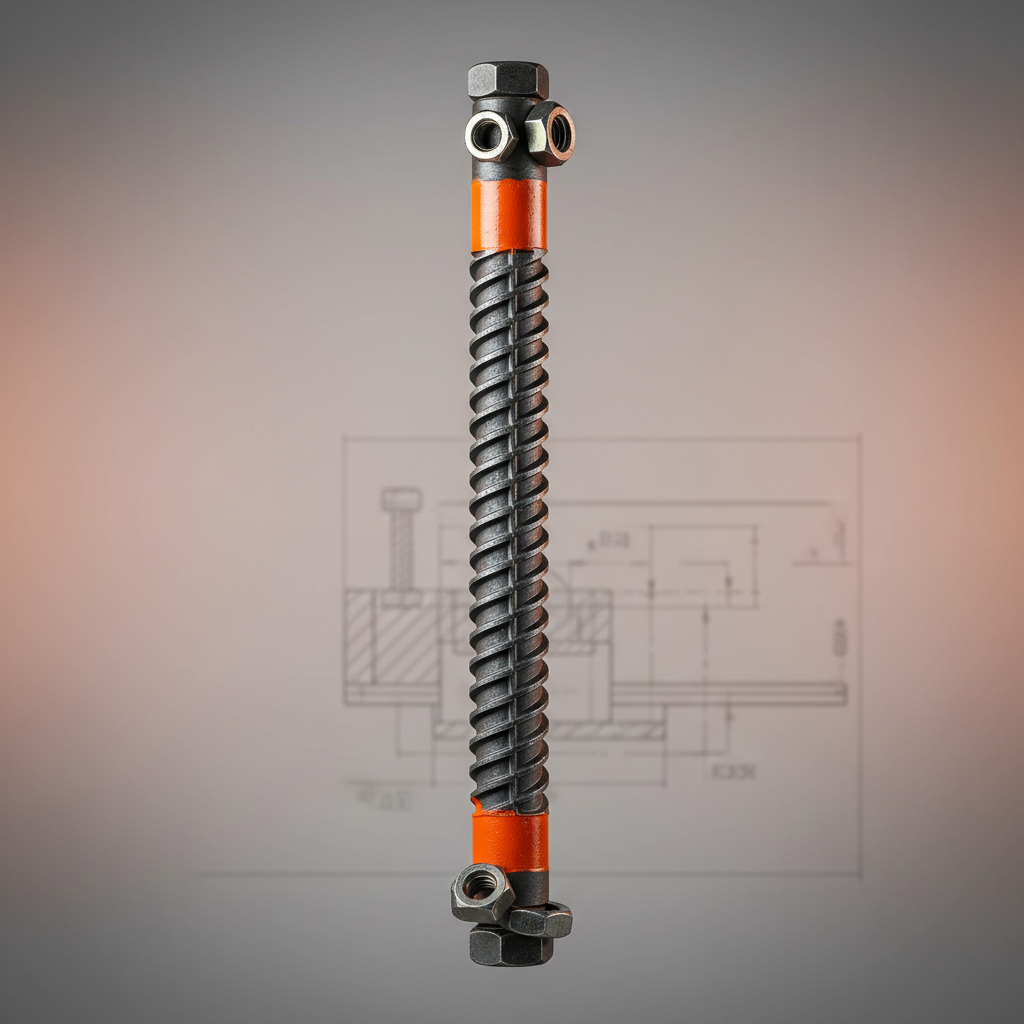
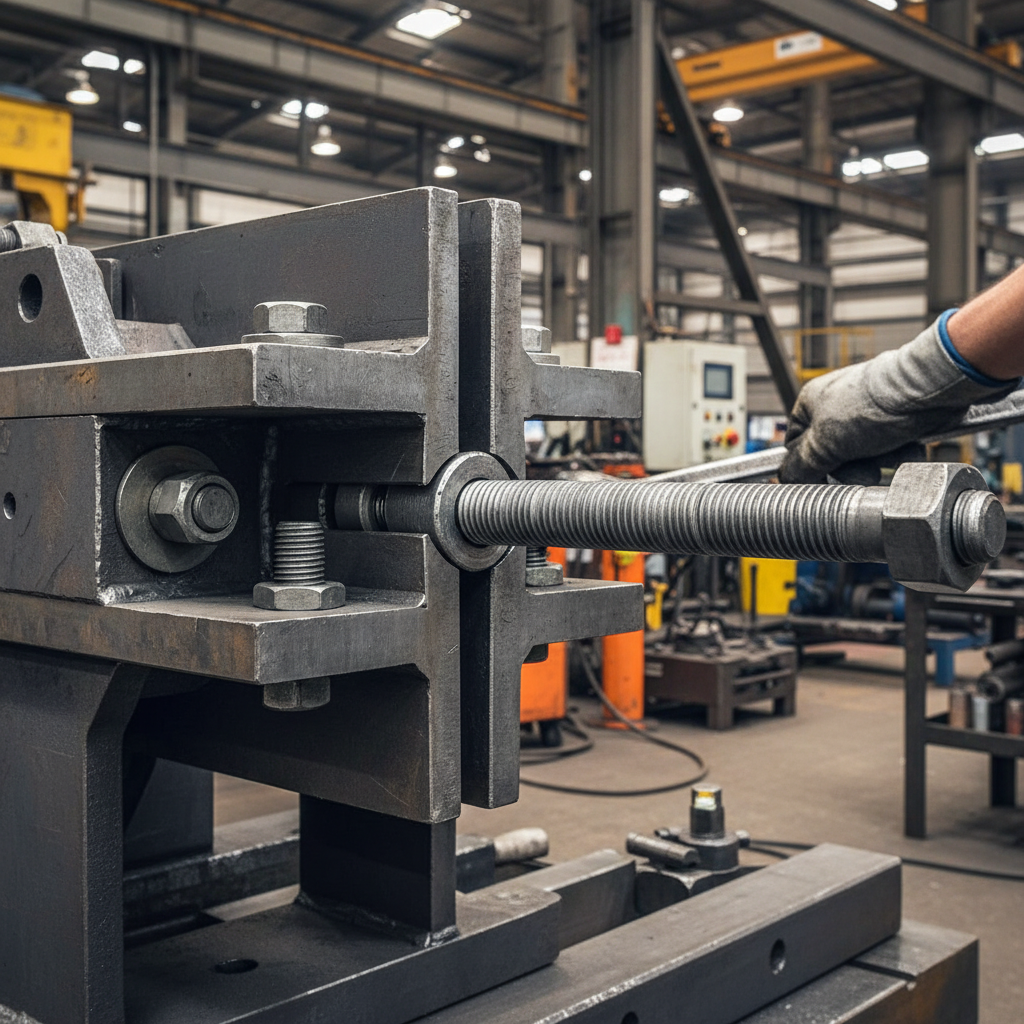
2 All Thread Rod refers to a steel rod with continuous threads along its entire length. The “2” designation typically represents the nominal diameter in eighths of an inch, meaning a 2 all thread rod has a ¼ inch (6.35mm) diameter. Unlike bolts, which have threads only at the ends, all thread rod provides a continuous fastening point, making it ideal for applications requiring a long, threaded connection. These rods are available in various lengths and materials to suit different project requirements. The full length threading facilitates versatility and eliminates the need for multiple fasteners.
Key Highlights: Continuous threads along its entire length, available in various lengths and materials, and ¼ inch (6.35mm) diameter.
Common Materials Used in 2 All Thread Rod
Several materials are used to manufacture 2 all thread rod, each offering unique properties and suitability for different applications. Carbon steel is the most common due to its strength and cost-effectiveness. Stainless steel provides excellent corrosion resistance, making it ideal for outdoor or marine environments. Alloy steel offers enhanced strength and durability for demanding applications. Understanding the material properties is crucial for selecting the right rod for your project. For instance, if the rod will be exposed to corrosive elements, stainless steel is the preferred choice.
Material Properties:
• Carbon Steel: High strength, cost-effective.
• Stainless Steel: Excellent corrosion resistance.
• Alloy Steel: Enhanced strength and durability.
Applications of 2 All Thread Rod
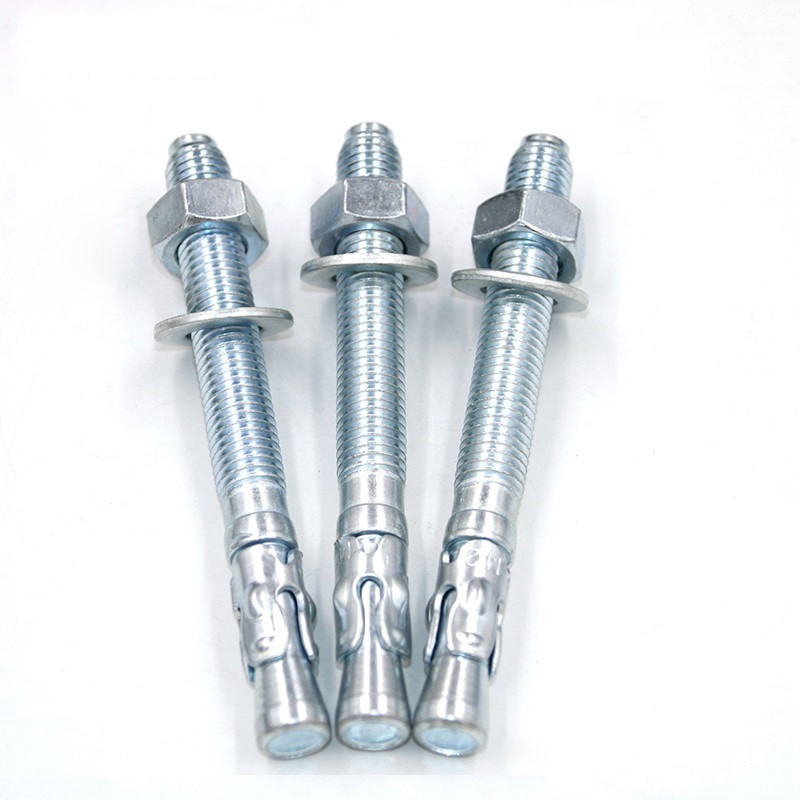
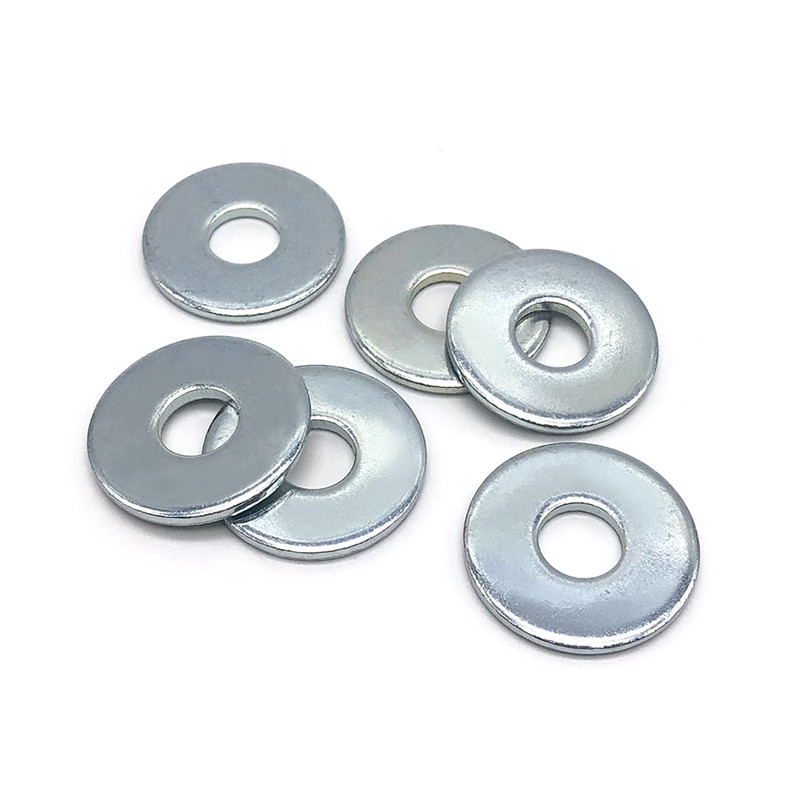
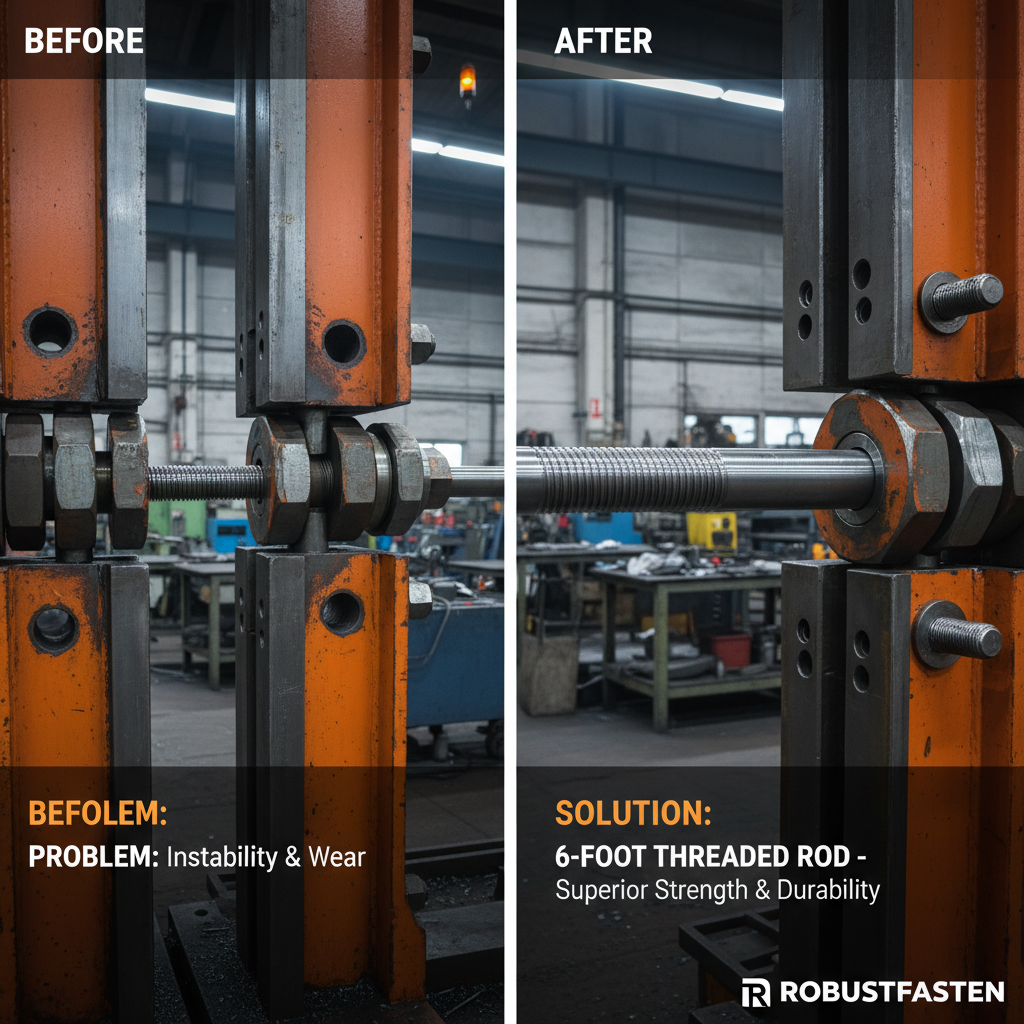
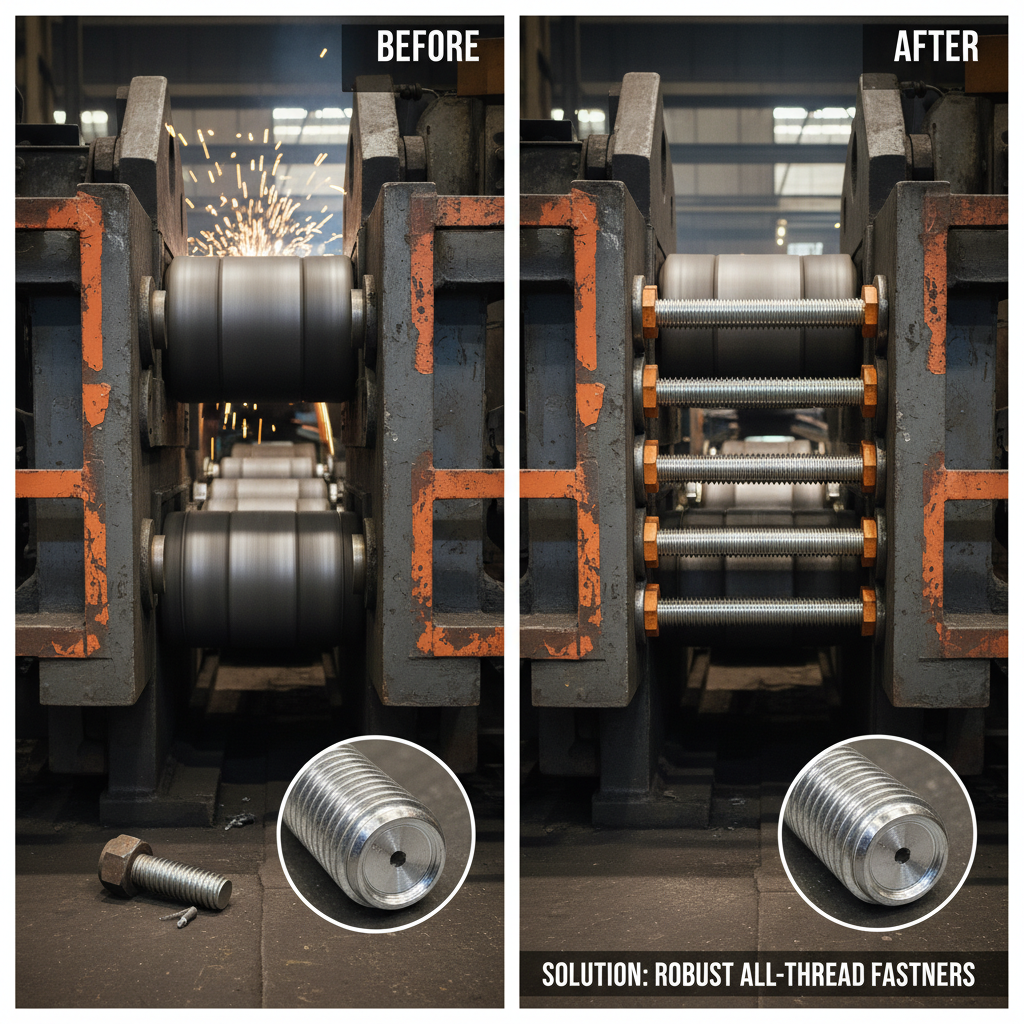
The versatility of 2 all thread rod makes it a valuable component in numerous industries. Common applications include: structural support in construction, securing machinery components, creating tension rods for bracing, anchoring bolts, and in various DIY projects. Its ability to be cut to specific lengths and combined with nuts and washers allows for customized fastening solutions. For example, in construction, it’s frequently used to reinforce concrete structures or create suspension systems.
Choosing the Right 2 All Thread Rod for Your Needs
Selecting the appropriate 2 all thread rod requires considering several factors. The material should match the environmental conditions and load requirements. The length should be sufficient for the application, with some extra length for tightening. Thread pitch (coarse vs. fine) affects the clamping force and ease of adjustment. Always verify the load capacity of the rod to ensure it can handle the intended weight. When in doubt, consult with a qualified engineer or supplier. You can find a comprehensive selection of all thread rod at HBTBLS.
Product Specifications & Considerations
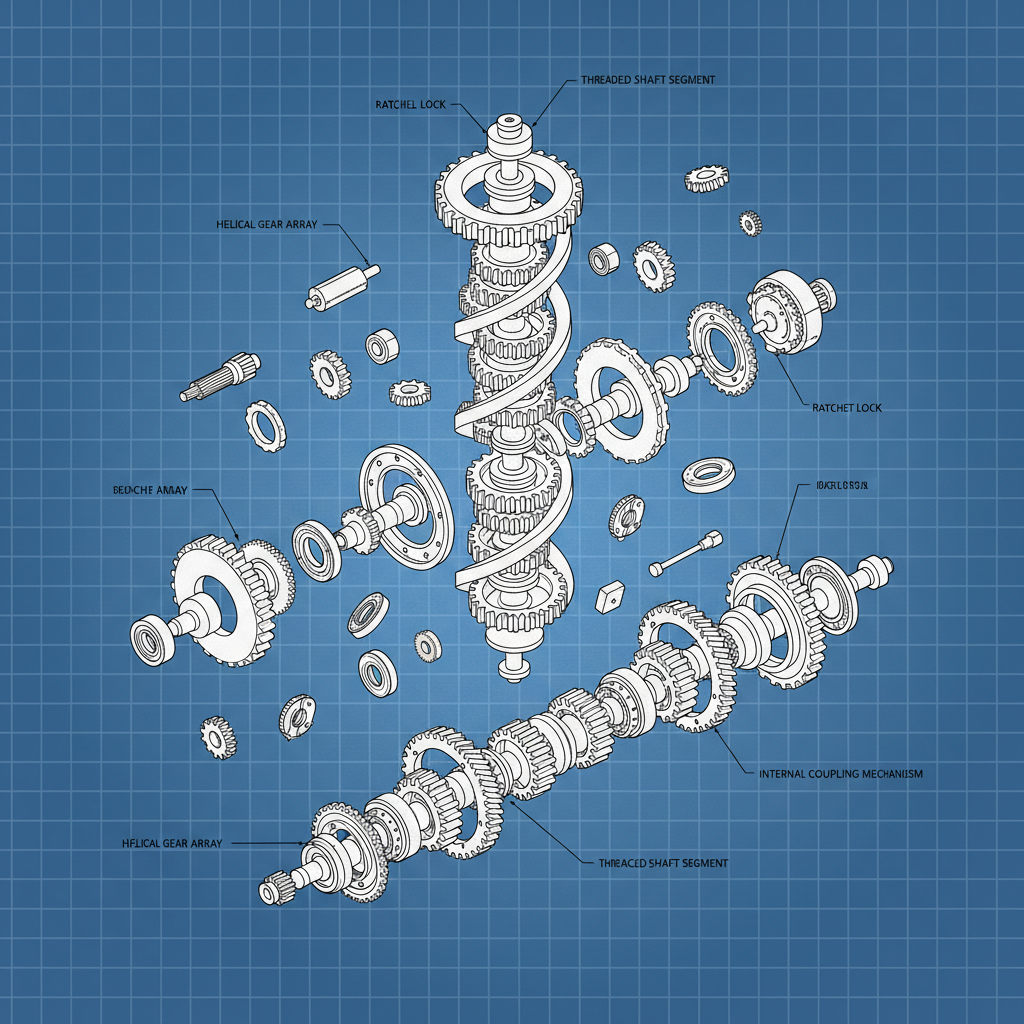
Here's a quick reference for common specifications of ¼ inch (2 all thread) rods. Note that specifications may vary based on manufacturer and grade. Always consult the product data sheet for accurate information. Proper installation techniques, including using appropriate washers and tightening to the correct torque, are crucial for ensuring the reliability of the connection.
Conclusion: Investing in Quality 2 All Thread Rod
Choosing the right 2 all thread rod is vital for the success and safety of your projects. By considering the material, length, and application requirements, you can ensure a robust and reliable fastening solution. HBTBLS provides a wide range of high-quality 2 all thread rod to meet your specific needs. Don’t compromise on quality when it comes to essential fasteners – choose HBTBLS for dependable performance.
Frequently Asked Questions (FAQs)
What is the difference between UNC and UNF thread pitch?
UNC (Unified National Coarse) and UNF (Unified National Fine) refer to different thread pitches. UNC threads are coarser with fewer threads per inch, making them faster to install and more tolerant of minor damage. UNF threads are finer with more threads per inch, offering greater strength and resistance to loosening. For most general applications, UNC is sufficient, while UNF is preferred for applications requiring high precision or vibration resistance. Choosing the right thread pitch ensures a secure and reliable connection.
Can 2 all thread rod be cut to length?
Yes, 2 all thread rod can easily be cut to the desired length using a hacksaw, abrasive chop saw, or a metal-cutting band saw. After cutting, it's recommended to deburr the ends to prevent injury and ensure smooth installation. Using a cutting oil can also help to prolong the life of your cutting tool and achieve a cleaner cut. Always wear appropriate safety glasses when cutting metal.
What safety precautions should I take when working with all thread rod?
Always wear safety glasses to protect your eyes from metal filings when cutting or handling all thread rod. Use gloves to prevent cuts and abrasions. When tightening the rod, avoid over-tightening, which could damage the threads or the connected components. Ensure the rod is properly supported and aligned during installation. If working at height, follow all relevant safety regulations and use appropriate fall protection equipment.
Where can I purchase high-quality 2 all thread rod?
You can purchase high-quality 2 all thread rod directly from HBTBLS. We offer a wide selection of materials, lengths, and grades to meet your specific requirements. Our knowledgeable team can assist you in selecting the right rod for your application and provide expert advice.
Post time: Jan . 27, 2026 22:55


 English
  Albanian
  Arabic
  Armenian
  Azerbaijani
  Belarusian
  Bosnian
  Bulgarian
  Cebuano
  Corsican
  Czech
Czech  Galician
  Georgian
  Greek
Greek  Hausa
Hausa  Hebrew
  Hungarian
  Igbo
Igbo  Indonesian
  Italian
  Kazakh
  Khmer
Khmer  Korean
  Kurdish
  Kyrgyz
  Lao
Lao  Latin
Latin  Latvian
  Lithuanian
  Malay
Malay  Myanmar
  Nepali
  Polish
  Portuguese
  Russian
  Serbian
  Sesotho
  Shona
Shona  Sindhi
  Spanish
  Tagalog
  Tajik
Tajik  Thai
Thai  Turkish
  Turkmen
  Ukrainian
  Uzbek
Uzbek  Vietnamese
  Yoruba
  Zulu
Zulu