
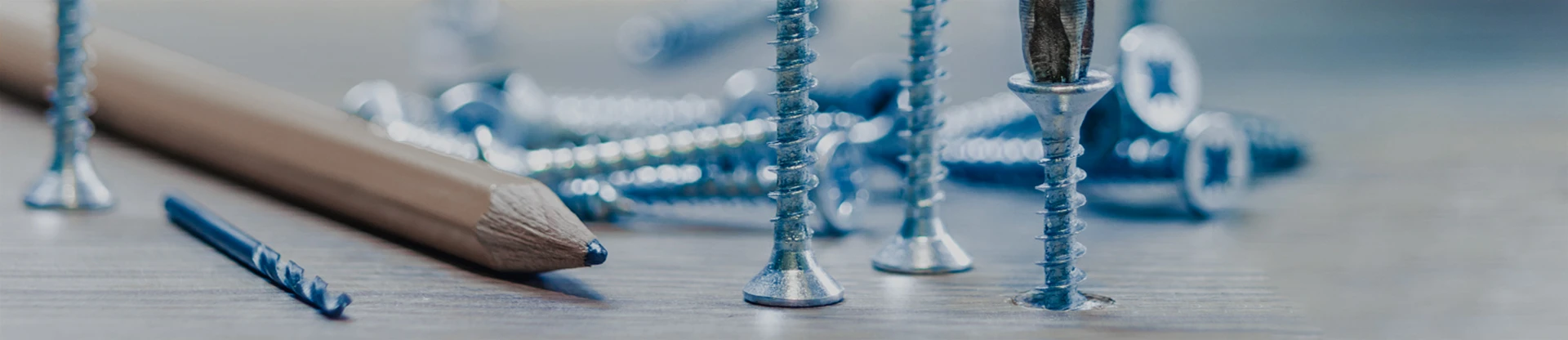
Understanding the Specifications and Applications of 2 56 Rod
In the realm of electrical components, the 2 56 rod plays a critical role in grounding and conductive applications. Often used in telecommunications, electronics, and industrial setups, understanding its properties, applications, and sourcing is essential. This article will provide a comprehensive overview of the 2 56 rod, covering its specifications, common uses, sourcing options, and quality considerations. We will also link to HBTBLS, a reputable supplier for various rod and grounding solutions. Ensuring you choose the right 2 56 rod for your application is vital for optimal performance and safety.
What is a 2 56 Rod?
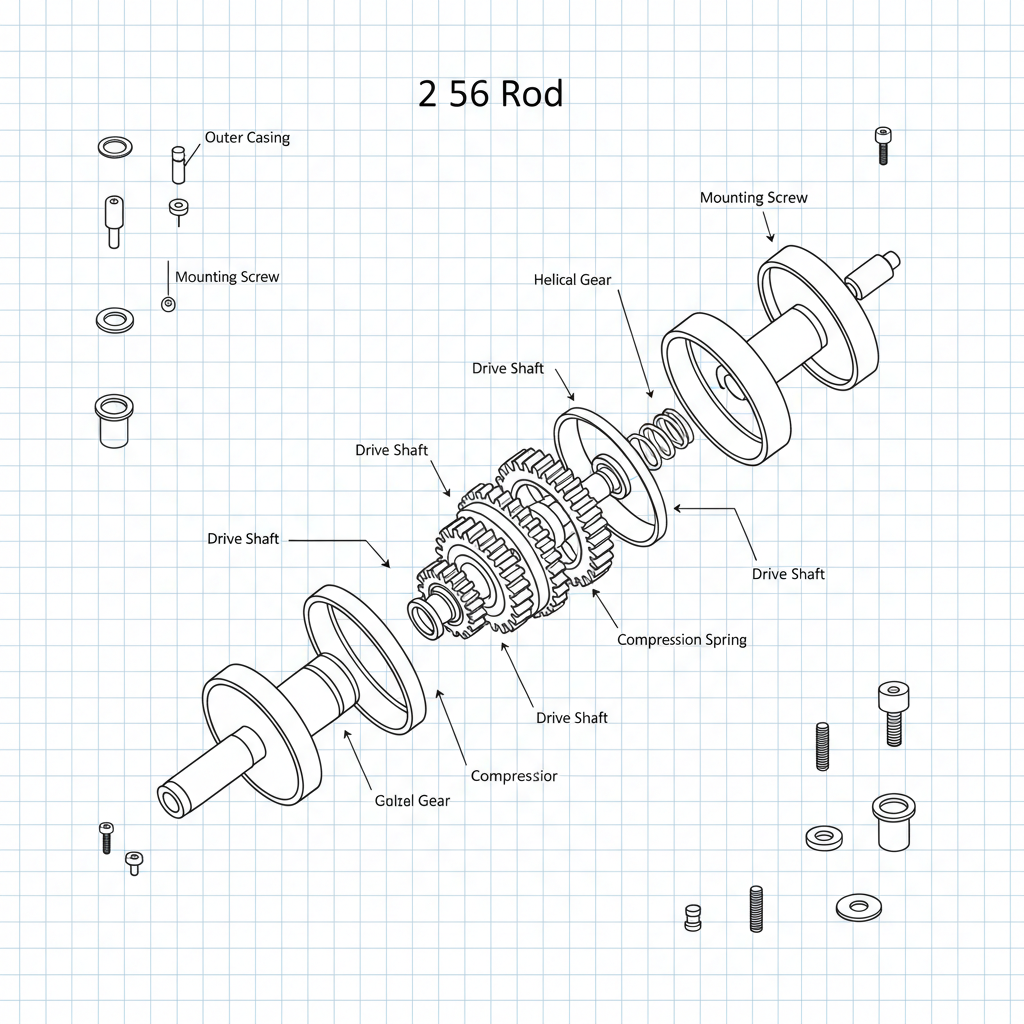
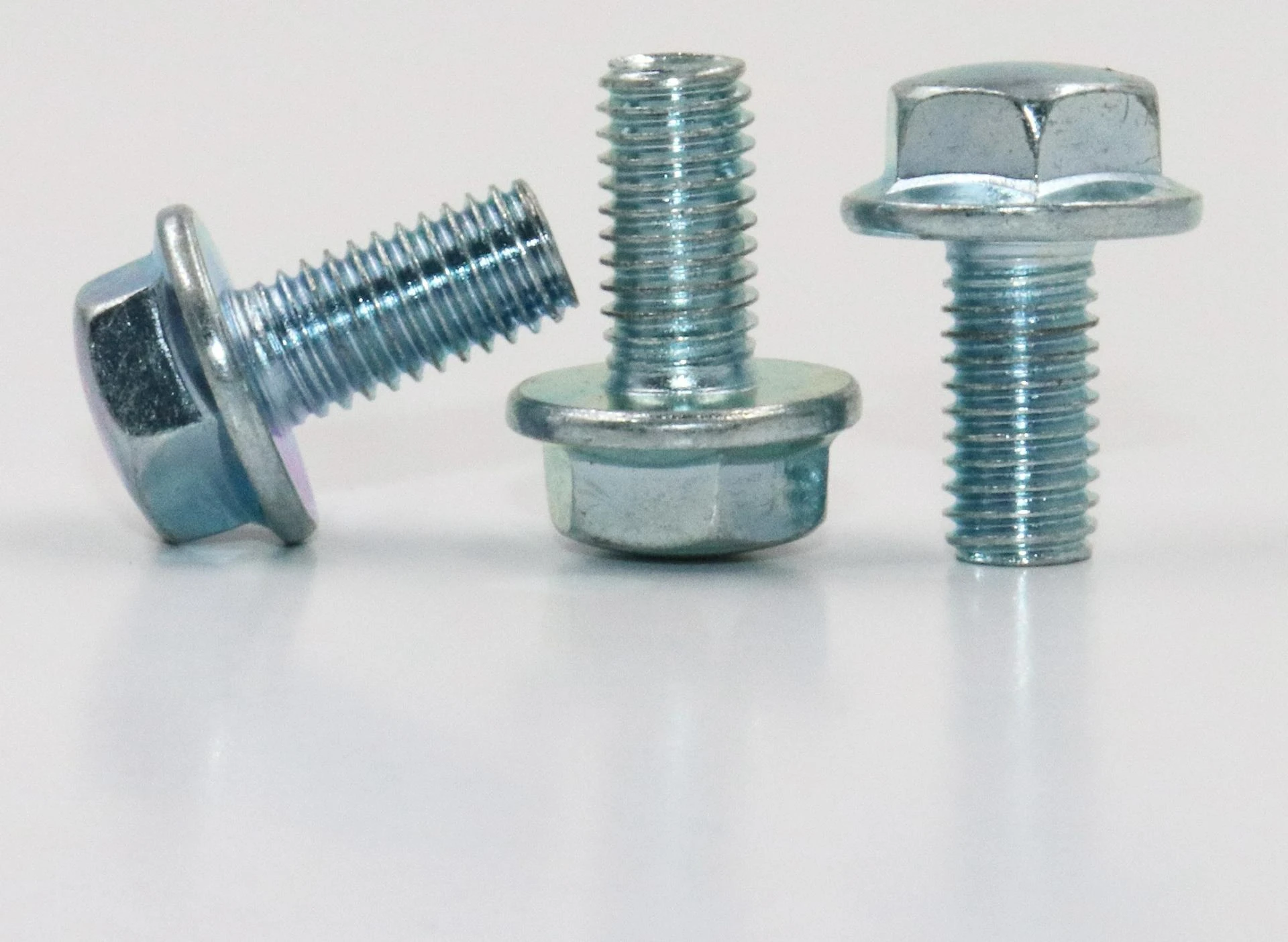
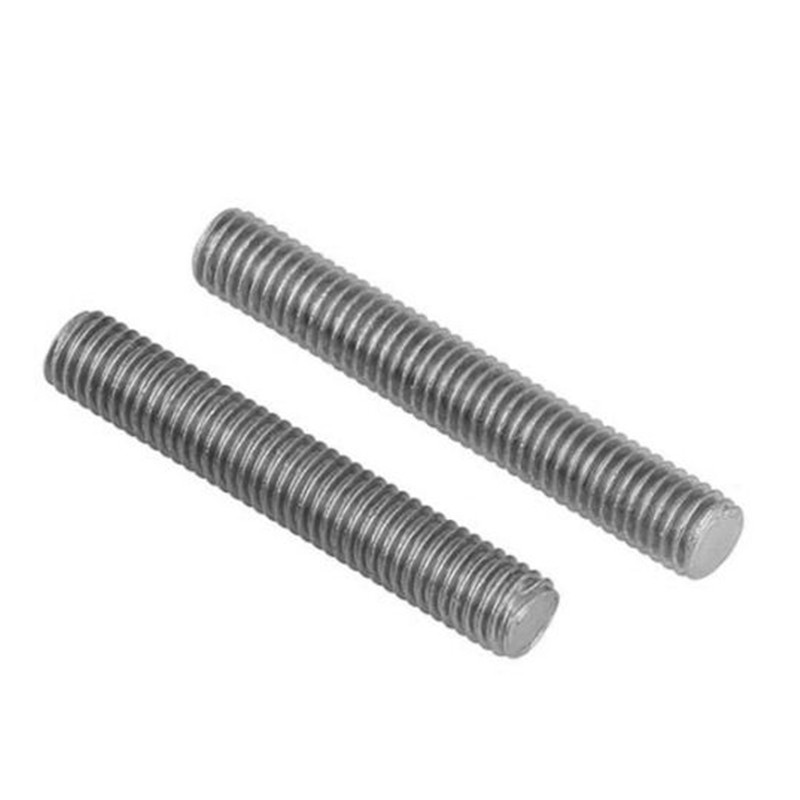
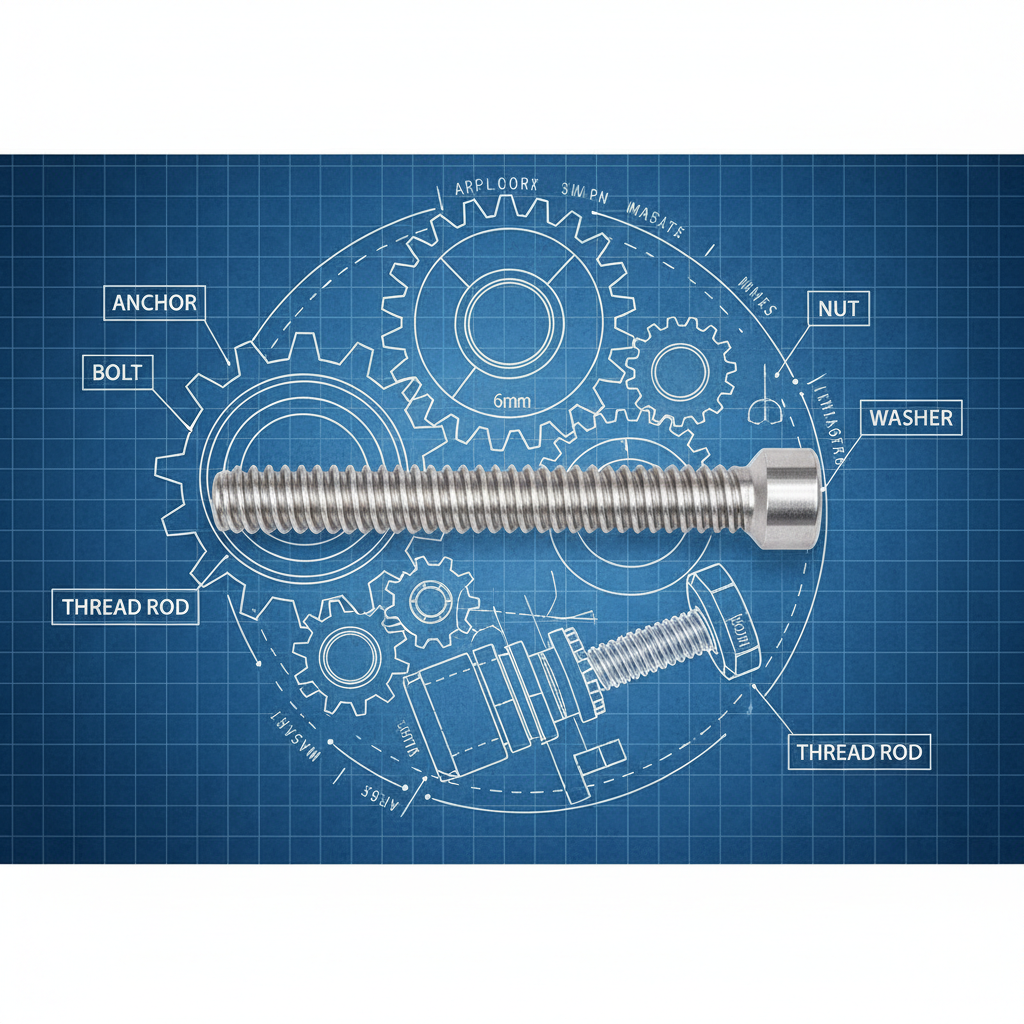
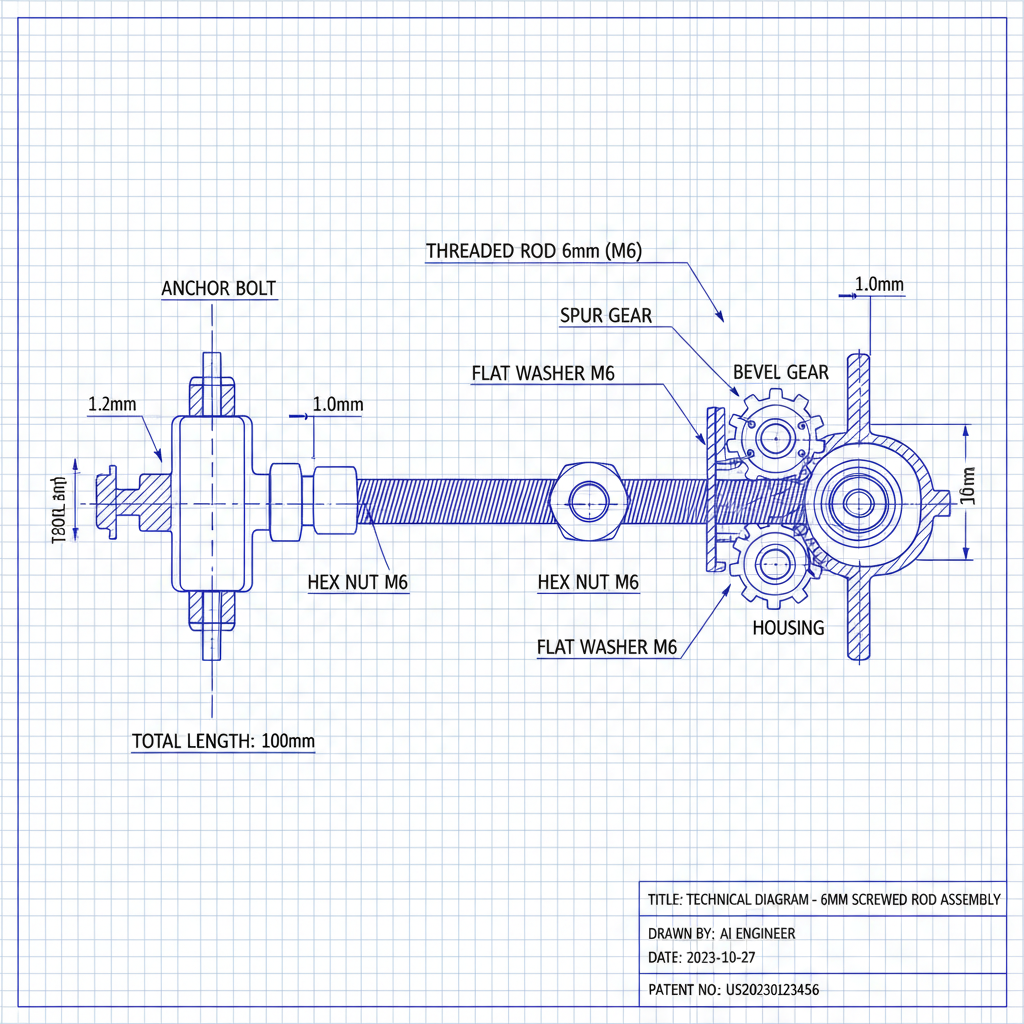
A 2 56 rod, referring to its thread size (2-56 UNC), is a threaded metal rod commonly utilized for grounding and connecting components in electrical and electronic systems. It's typically constructed from materials like brass, steel, or stainless steel, each offering varying levels of corrosion resistance and conductivity. The 2-56 thread is a fine thread, making it suitable for applications requiring precise connections. These rods are frequently used as grounding rods, antenna masts, or as a component in conductive assemblies. Sourcing high-quality 2 56 rods from a supplier like HBTBLS ensures reliability and performance.
Key Highlights: Used for grounding, connecting components, and antenna masts. Available in brass, steel, and stainless steel. Features a 2-56 UNC thread for precise connections.
Common Applications of 2 56 Rods
2 56 rods find diverse applications across several industries. In telecommunications, they are often used for antenna grounding, ensuring signal integrity and safety. Within electronics, they act as grounding points for sensitive circuits, protecting against electrical noise and surges. Industrial applications include connecting conductive parts and establishing grounding systems for machinery. Their fine thread makes them ideal for securing components where precision is critical. Choosing the correct material for the environment is crucial; stainless steel provides superior corrosion resistance for outdoor or harsh conditions. HBTBLS offers a range of materials to suit your specific needs.
Application Benefits:
• Antenna Grounding
• Electronic Circuit Grounding
• Industrial Machinery Grounding
• Precise Component Connections
Material Comparison: Brass vs. Steel vs. Stainless Steel
The choice of material for a 2 56 rod significantly impacts its performance and longevity. Brass offers excellent conductivity but is susceptible to corrosion in certain environments. Steel provides good strength but can rust if not protected. Stainless steel, while more expensive, offers superior corrosion resistance and durability, making it ideal for outdoor or harsh conditions. Here's a detailed comparison:
Sourcing 2 56 Rods: Choosing a Reliable Supplier
When sourcing 2 56 rods, it's crucial to choose a reliable supplier who can guarantee quality and consistency. Look for suppliers that offer detailed specifications, material certifications, and competitive pricing. HBTBLS provides a wide selection of rods, ensuring you can find the perfect fit for your application. Consider factors like lead times, shipping costs, and customer support when making your decision.
Quality Control and Inspection
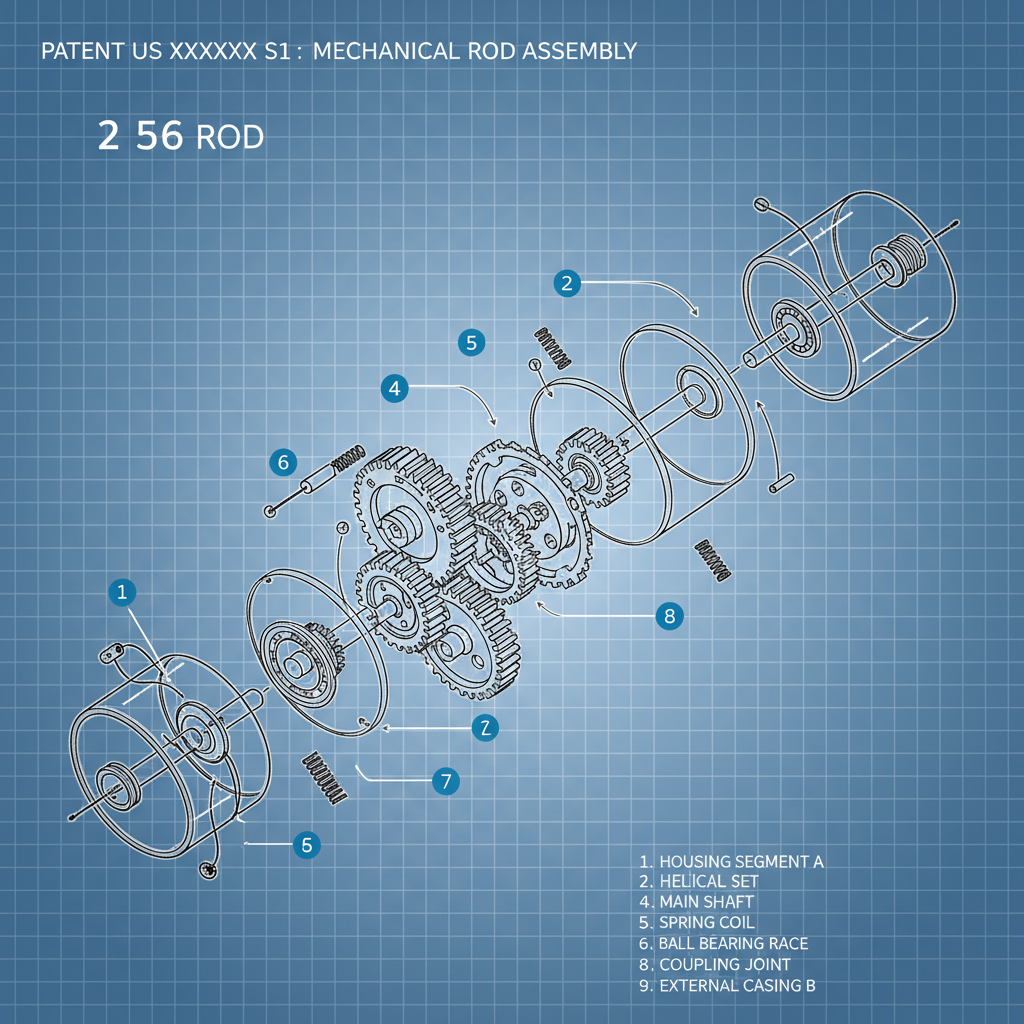
Before using any 2 56 rod, it’s vital to perform a quality inspection. Check for any defects, such as damaged threads, corrosion, or inconsistencies in material. Ensure the thread size is accurate and the rod meets the required specifications. A reputable supplier like HBTBLS will provide quality assurance documentation to verify the product’s integrity. Regular inspection and maintenance are key to ensuring the long-term performance and safety of your systems.
Conclusion: Selecting the Right 2 56 Rod for Your Needs
Choosing the right 2 56 rod is crucial for ensuring the reliability and safety of your electrical and electronic systems. Consider the application, environmental factors, and material properties when making your selection. HBTBLS offers a comprehensive range of high-quality 2 56 rods to meet your specific requirements. Invest in quality components for optimal performance and peace of mind.
Frequently Asked Questions (FAQs)
What is the typical length of a 2 56 rod?
2 56 rods are available in various lengths, typically ranging from 1 inch to 12 inches or more, depending on the application. Standard lengths include 3 inches, 6 inches, and 9 inches. The specific length required depends on the spacing needs of your components and the desired grounding depth. HBTBLS offers a variety of lengths to accommodate diverse requirements. Custom lengths are often available upon request.
What are the advantages of using stainless steel 2 56 rods?
Stainless steel 2 56 rods offer superior corrosion resistance, making them ideal for outdoor applications or environments with high humidity or exposure to chemicals. They also provide excellent strength and durability, ensuring long-term reliability. While more expensive than brass or steel, the extended lifespan and reduced maintenance costs often make stainless steel a cost-effective choice in the long run.
How do I ensure a secure connection with a 2 56 rod?
To ensure a secure connection, use the appropriate tools for threading the rod into the mating component. Avoid cross-threading, and ensure the rod is fully engaged. Consider using a thread-locking compound to prevent loosening due to vibration or thermal expansion. Proper torque is also essential; follow the manufacturer's recommendations for the specific application. HBTBLS can provide guidance on appropriate connection techniques.
Are 2 56 rods suitable for high-frequency applications?
Brass 2 56 rods are generally preferred for high-frequency applications due to their excellent conductivity and lower resistance. However, stainless steel rods can also be used if conductivity is not the primary concern. The choice depends on the specific frequency and signal characteristics of the application. Proper grounding is crucial for minimizing interference and ensuring signal integrity in high-frequency systems.
Post time: Jan . 27, 2026 19:55



 English
  Albanian
  Arabic
  Armenian
  Azerbaijani
  Belarusian
  Bosnian
  Bulgarian
  Cebuano
  Corsican
  Czech
Czech  Galician
  Georgian
  Greek
Greek  Hausa
Hausa  Hebrew
  Hungarian
  Igbo
Igbo  Indonesian
  Italian
  Kazakh
  Khmer
Khmer  Korean
  Kurdish
  Kyrgyz
  Lao
Lao  Latin
Latin  Latvian
  Lithuanian
  Malay
Malay  Myanmar
  Nepali
  Polish
  Portuguese
  Russian
  Serbian
  Sesotho
  Shona
Shona  Sindhi
  Spanish
  Tagalog
  Tajik
Tajik  Thai
Thai  Turkish
  Turkmen
  Ukrainian
  Uzbek
Uzbek  Vietnamese
  Yoruba
  Zulu
Zulu