
Understanding the 1 2 x 24 Threaded Rod: What It Is and Why It Matters Globally
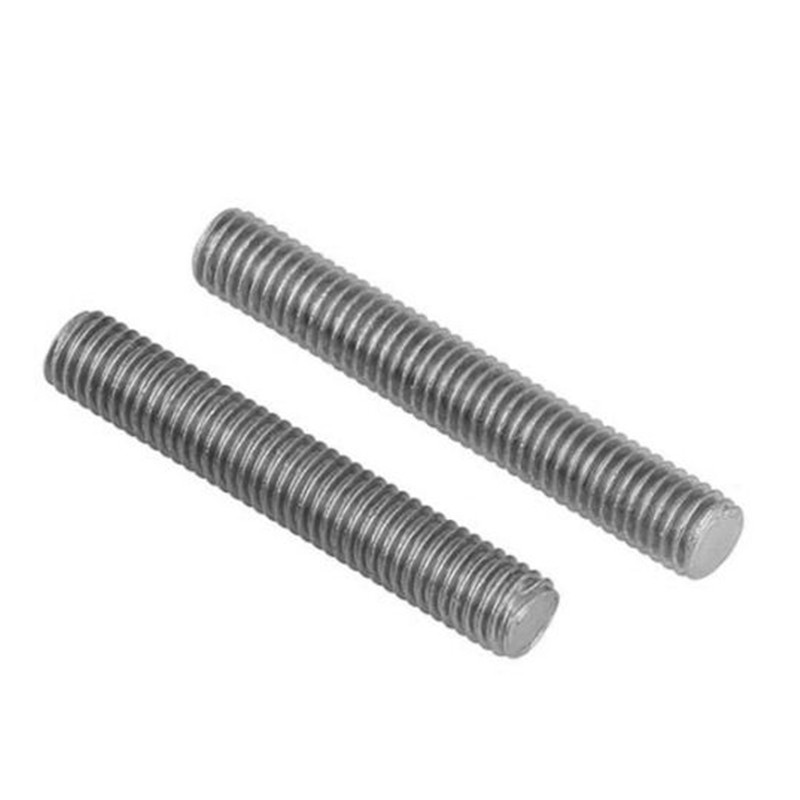
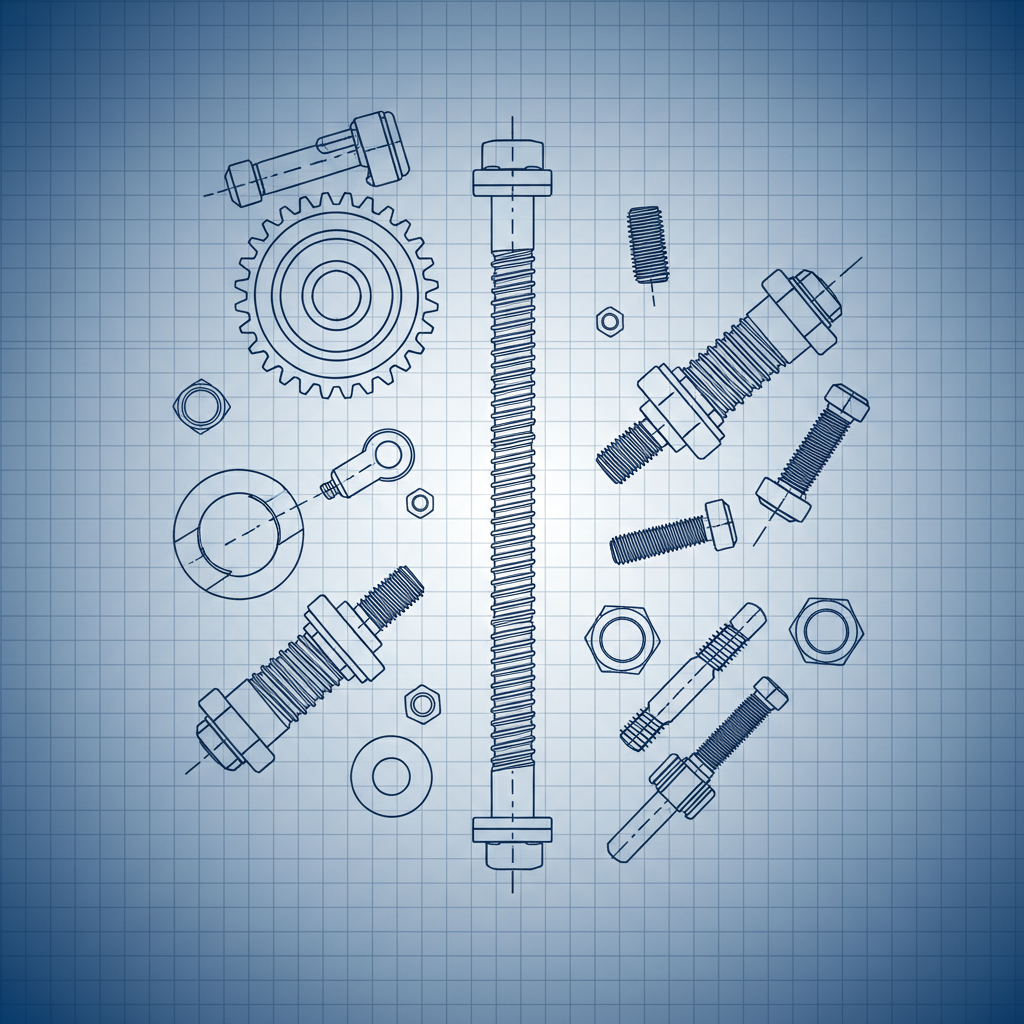
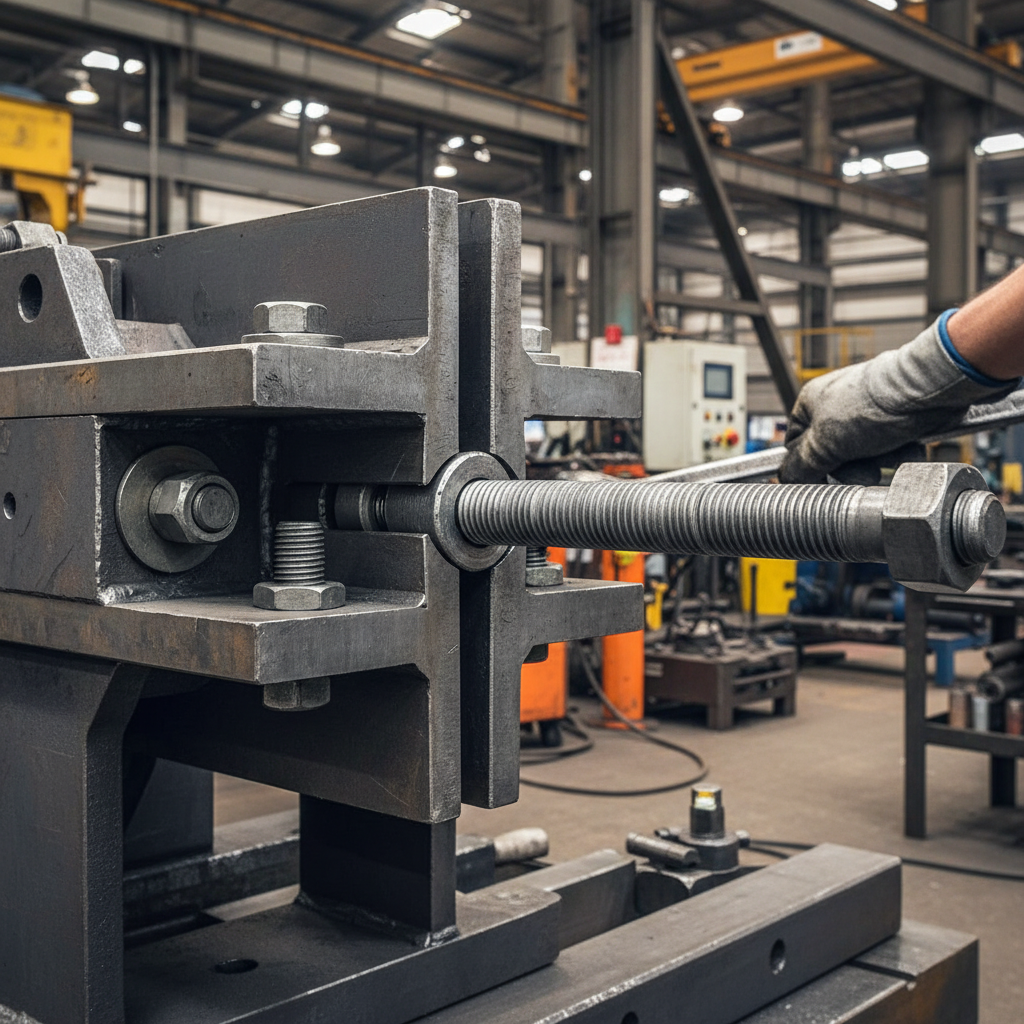
But first, what is a 1 2 x 24 threaded rod anyway? If you’ve ever wrestled with construction, machinery, or repair projects, you’ve likely encountered these humble yet vital metal rods. The “1 2 x 24” designation refers to the dimension — a half-inch diameter rod that’s 24 inches long, threaded along its full length. Simple, right? Yet this straightforward piece of hardware plays an outsized role worldwide, from skyscrapers to small workshops.
Why is it globally relevant? Well, threaded rods — including the 1 2 x 24 size — serve as foundational fasteners in construction, manufacturing, infrastructure, and even humanitarian relief efforts. Their versatility, strength, and availability make them essential in projects requiring reliable support and joinery. Understanding their qualities and applications helps engineers, builders, and procurement specialists ensure safety, affordability, and efficiency.
Mini takeaway: The 1 2 x 24 threaded rod might seem like a small component, but it ensures the structural integrity and success of countless global projects.
1 2 x 24 threaded rodGlobal Context: Why the 1 2 x 24 Threaded Rod is More Important Than You Think
It might surprise some, but according to the International Organization for Standardization (ISO), over 70% of structural fasteners used worldwide rely on standardized threaded rods and bolts for compatibility and safety. Threads, after all, allow nuts and other components to tightly grip and hold pieces together. And since threaded rods like the 1 2 x 24 come in “longer” lengths, they can be cut or adjusted for a variety of uses, making them indispensable for modular construction or repairs.
In developing nations, infrastructure growth is often hindered by access to reliable materials. Yet a well-stocked supply of standardized rods helps keep construction projects affordable and scalable. World Bank data shows growing infrastructure funding tied to rural electrification and water sanitation projects — many of which use 1 2 x 24 threaded rods in pipe supports, scaffoldings, and securing equipment.
Oddly enough, the physics behind holding two heavy metal beams together securely depends on the precision in thread pitch and diameter — two things standardized in rods like the 1 2 x 24. Without adherence to such specs, joints could fail, wasting resources, risking safety, and delaying vital projects.
Mini takeaway: Standardization and availability of threaded rods drive progress, safety, and trust in building projects globally.
Defining the 1 2 x 24 Threaded Rod
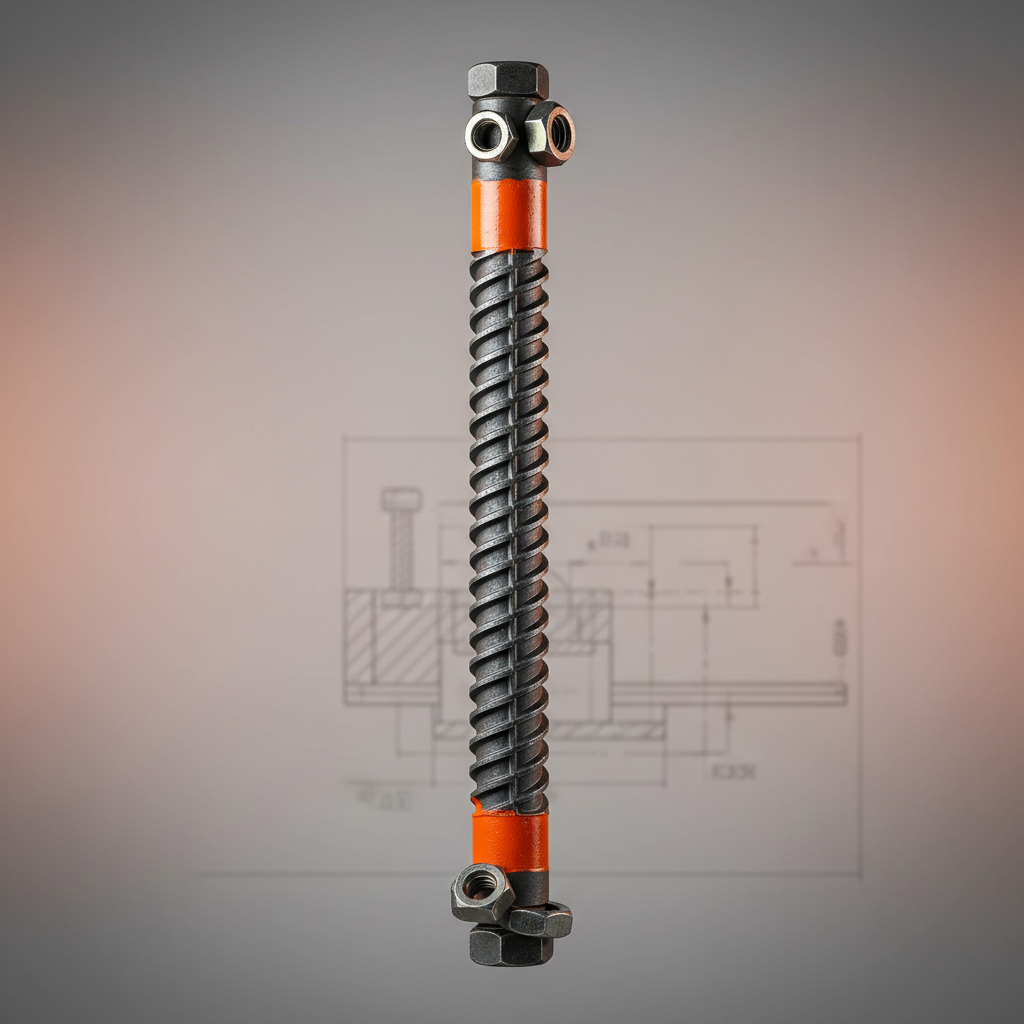
Simply put, a 1 2 x 24 threaded rod is a steel rod with a half-inch diameter, 24 inches in length, fully threaded. These rods sometimes get called “all-thread” because unlike bolts which have a smooth shank between head and thread, these rods are threaded end to end.
This threading allows maximum grip for nuts, connectors, and other fasteners. They are usually made from mild steel, stainless steel, or alloy steel — each material blending strength, corrosion resistance, or affordability.
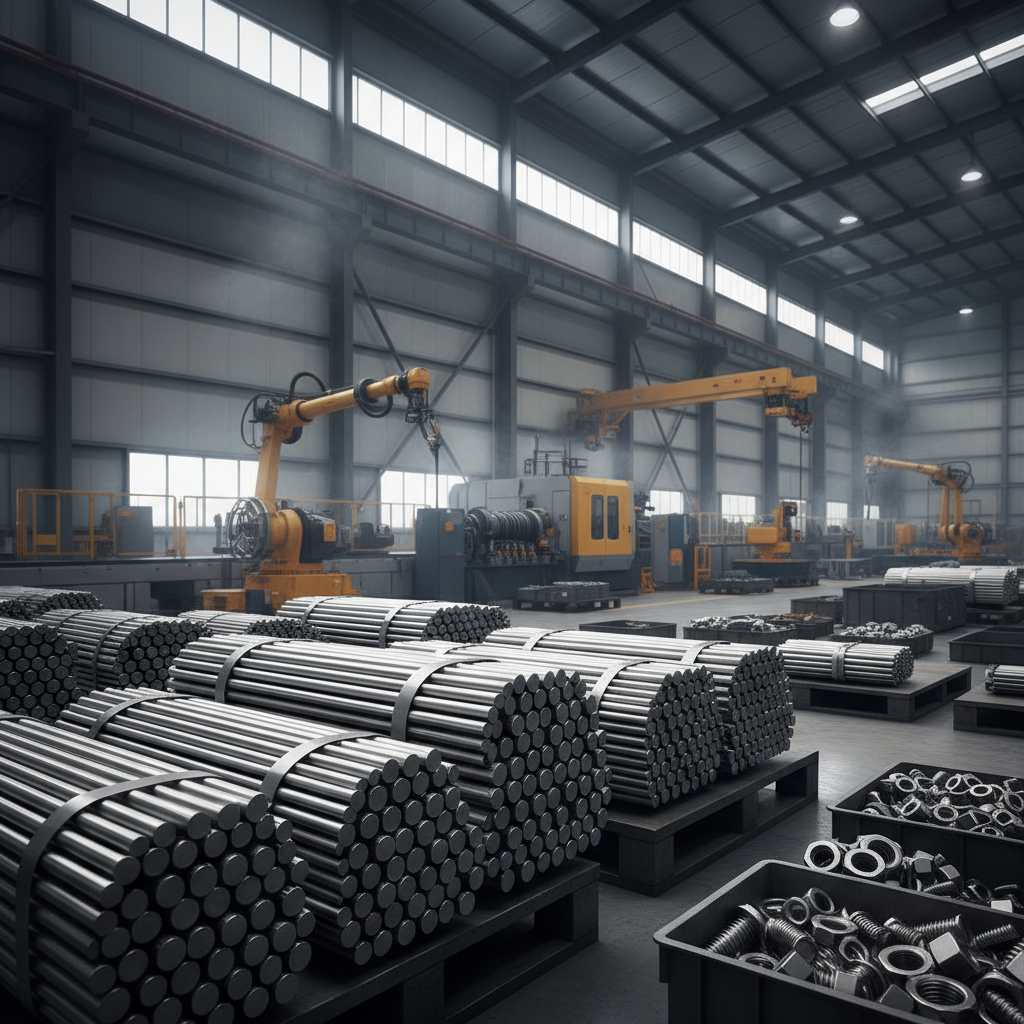
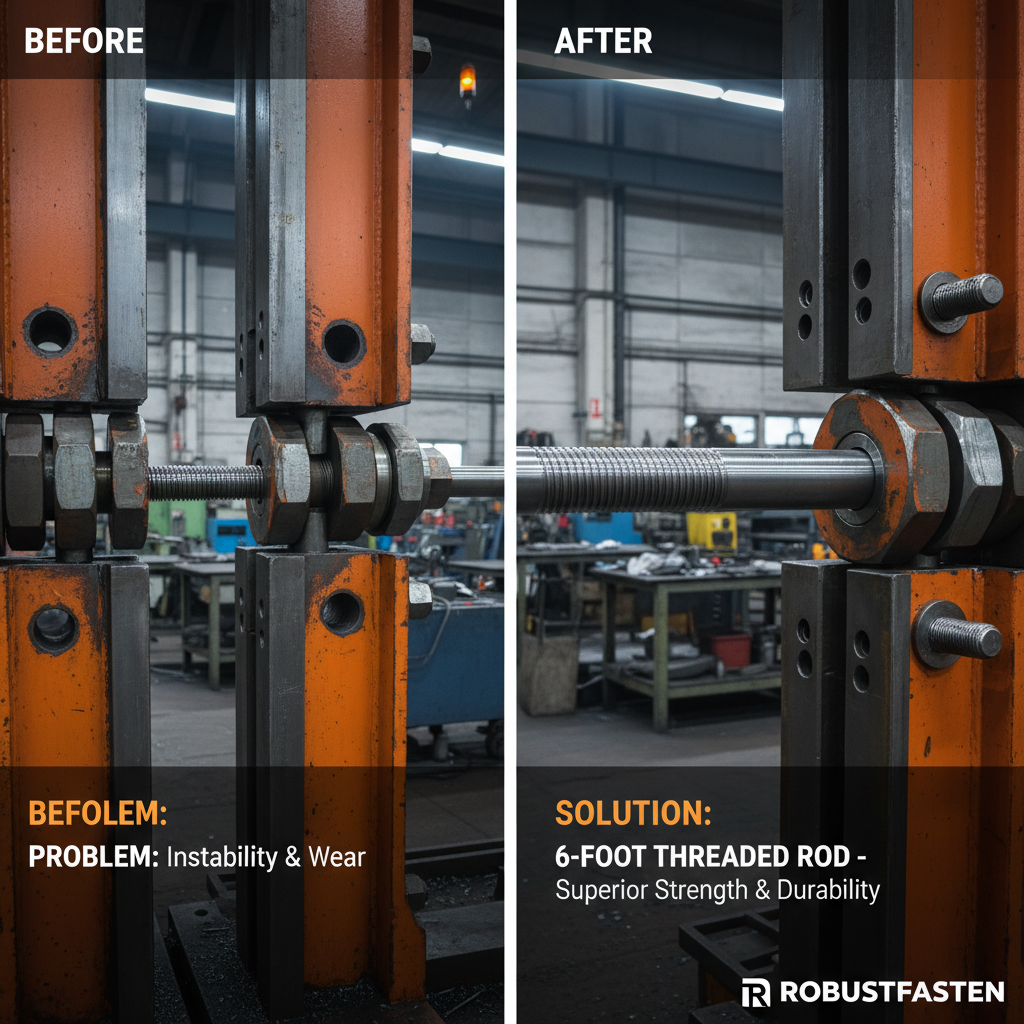
Industrially, these rods are used to create strong connections where welding or permanent fixing isn’t feasible or desirable. In humanitarian logistics, fast, modular construction demands easy-to-install, adjustable parts — threaded rods fit that bill perfectly.
Key Factors of the 1 2 x 24 Threaded Rod
1. Durability and Material Composition
Most 1 2 x 24 threaded rods are made from steel grades such as A307 (mild steel) or 316 stainless steel. This choice affects corrosion resistance, tensile strength, and lifespan.
2. Thread Pitch Consistency
Commonly, the thread pitch for a 1/2 inch rod is 13 threads per inch (UNC - Unified National Coarse), balancing grip and ease of installation.
3. Customizability
Because threaded rods can be trimmed to length, projects can be tailored efficiently. Some suppliers offer different coating options — zinc-plated to prevent rust, or hot-dipped galvanized for outdoor use.
4. Load Bearing Capacity
The specific steel grade determines how much weight or stress the rod can handle. For example, Grade 5 steel 1/2 inch rods typically support around 8500 lbs tensile strength, while Grade 8 can handle more.
5. Cost Efficiency
Threaded rods deliver strength at a relatively low cost. In bulk, especially, these rods provide a reliable and budget-friendly fastening solution.
6. Availability and Industry Standards
Stocked globally by many vendors, these rods adhere to standards from ASTM and ISO, ensuring compatibility worldwide.
Mini takeaway: Durability, precise threading, custom options, and standardized quality make the 1 2 x 24 threaded rod a very reliable fastener.
Typical Product Specifications for a 1 2 x 24 Threaded Rod
| Specification | Detail |
|---|---|
| Diameter | 1/2 inch (12.7 mm) |
| Length | 24 inch (610 mm) |
| Thread Type | UNC (Unified National Coarse), 13 threads per inch |
| Material | Mild Steel (A307), Stainless Steel (316), Alloy Steel |
| Coating Options | Plain, Zinc-Plated, Hot-Dipped Galvanized |
| Tensile Strength | Approximately 85,000 psi (Grade 5), higher for Grade 8 |
Global Applications & Use Cases
- Construction: Used to anchor structural elements, tension rods in trusses, and support columns.
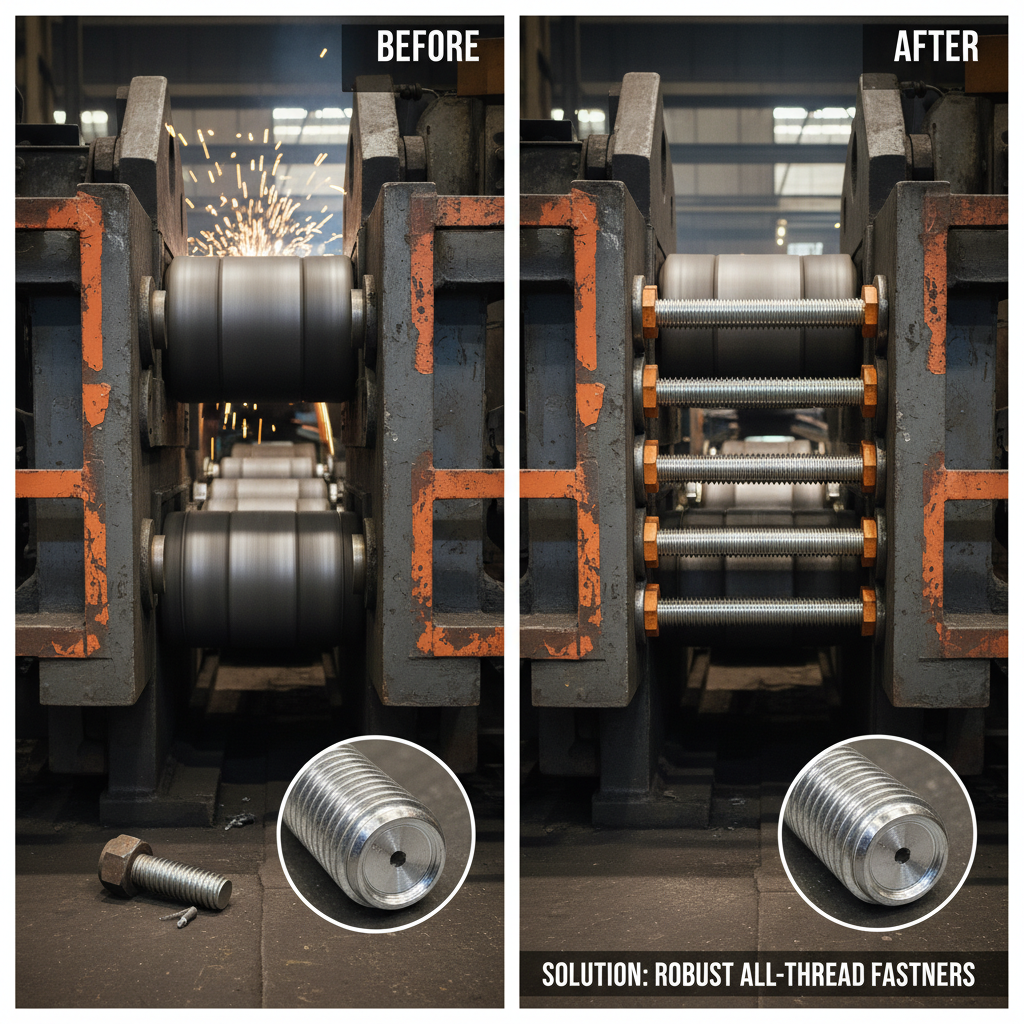
- Manufacturing: Essential in assembling machinery, jigs, and fixture frameworks.
- Utilities and Infrastructure: Holding pipe supports in water treatment plants or electrical towers.
- Humanitarian Relief: Rapid assembly of modular shelters, medical units, or temporary infrastructure in disaster zones.
- Remote Industrial Zones: Durable enough for mining camps, oil rigs, or wind turbines needing flexible fasteners.
Take, for example, a recent post-disaster water treatment setup in Southeast Asia where quickly assembled pipe racks used 1 2 x 24 threaded rods for their strength and adaptability. Or consider modular housing projects in Africa that depend on these rods for their skeletal frames.
Mini takeaway: The 1 2 x 24 threaded rod’s strength and adaptability make it indispensable across industries and continents.
Vendor Comparison: Popular 1 2 x 24 Threaded Rod Suppliers
| Vendor | Materials Offered | Coating Options | Typical Lead Time | Price Range (per unit) |
|---|---|---|---|---|
| HBTBLS Industrial | Mild & Stainless Steel | Plain, Zinc-Plated | 3-5 business days | $3–$6 |
| Global Fasteners Ltd. | Alloy & Stainless Steel | Hot-Dip Galvanized | 5-7 business days | $4–$7 |
| Standard Metals Inc. | Mild Steel | Plain Only | 2-4 business days | $2.50–$5 |
Advantages & Long-Term Value of the 1 2 x 24 Threaded Rod
Tangibly, using a 1 2 x 24 threaded rod means cost savings, durable fastenings, and flexibility. Emotionally, it creates trust — knowing your structure won’t crumble under pressure matters for builders and end-users alike. Sustainability-wise, steel rods can be recycled; many suppliers offer eco-friendly coatings and materials to reduce carbon footprints.
Over time, this trusted fastener helps projects maintain integrity without constant maintenance or costly replacements, reducing downtime and waste.
Future Trends & Innovations
Looking ahead, expect more corrosion-resistant alloys tailored for extreme environments — offshore wind farms or arctic installations, for example. Smart manufacturing may introduce embedded sensors to monitor stress or fatigue in rods, linking physical hardware to digital maintenance systems (“Industry 4.0,” if you will). Meanwhile, green standards push suppliers to improve materials, recycling, and packaging sustainability.
Challenges & Solutions
While robust, threaded rods sometimes face issues: rust in coastal zones, thread stripping if improperly installed, and supply chain delays during global raw material shortages. Awareness of correct torque, coatings, and stockpiling help mitigate these issues.
Innovations such as improved zinc plating and faster fabrication also address longstanding problems. Frankly, the 1 2 x 24 threaded rod continues evolving quietly to meet new demands.
FAQ: Frequently Asked Questions About 1 2 x 24 Threaded Rod
- Q: What are the best materials for 1 2 x 24 threaded rods in outdoor construction?
A: Stainless steel (316 grade) is preferred outdoors due to its superior corrosion resistance. Hot-dipped galvanized mild steel offers budget-friendly rust protection but may wear over time. - Q: How long can a 1 2 x 24 threaded rod typically last in industrial environments?
A: Lifespan varies depending on material and maintenance, but properly coated rods can last 10+ years under moderate stress; stainless steel rods may last decades. - Q: Can I cut a 1 2 x 24 threaded rod to custom lengths?
A: Yes, they are designed for customization. Using proper tools, you can cut and then rethread or add thread inserts on trimmed ends. - Q: How do I ensure compatibility when ordering rods internationally?
A: Verify thread standards (e.g., UNC), materials, and certifications (ASTM, ISO). Suppliers like HBTBLS Industrial provide detailed specs and global shipping options. - Q: Are there eco-friendly options available for threaded rods?
A: Yes, recycled steel rods and environmentally-friendly coatings exist, plus suppliers are increasingly offering carbon-neutral shipping and packaging.
Conclusion & Call to Action
In real terms, the 1 2 x 24 threaded rod is one of those quietly indispensable parts of our built environment. Its dependable strength, adaptability, and global availability underpin projects great and small—from emergency shelters to bridges spanning continents. For professionals and DIYers alike, understanding these rods pays dividends in safety, cost, and confidence.
If you’re looking to source quality threaded rods with expert support, you might want to visit https://www.hbtbls.com for a range of options tailored to your needs.
Mini takeaway: The modest threaded rod connects more than metal — it connects people, projects, and progress worldwide.
References
Post time: Dec . 03, 2025 10:30


 English
  Albanian
  Arabic
  Armenian
  Azerbaijani
  Belarusian
  Bosnian
  Bulgarian
  Cebuano
  Corsican
  Czech
Czech  Galician
  Georgian
  Greek
Greek  Hausa
Hausa  Hebrew
  Hungarian
  Igbo
Igbo  Indonesian
  Italian
  Kazakh
  Khmer
Khmer  Korean
  Kurdish
  Kyrgyz
  Lao
Lao  Latin
Latin  Latvian
  Lithuanian
  Malay
Malay  Myanmar
  Nepali
  Polish
  Portuguese
  Russian
  Serbian
  Sesotho
  Shona
Shona  Sindhi
  Spanish
  Tagalog
  Tajik
Tajik  Thai
Thai  Turkish
  Turkmen
  Ukrainian
  Uzbek
Uzbek  Vietnamese
  Yoruba
  Zulu
Zulu