
Understanding the 1 2x28 Threaded Rod: A Small Component with Big Global Impact
At first glance, a 1 2x28 threaded rod might seem like just another tiny piece of hardware, but oddly enough, its role in modern industry and infrastructure development is significant—and frankly, everywhere. From building bridges and towers to intricate machinery, these rods play a quietly essential part. Why does this matter globally? Because robust, reliable construction materials like the 1 2x28 threaded rod support everything from disaster relief shelters to massive industrial frameworks. Knowing the nuts and bolts behind these components helps engineers, planners, and procurement specialists ensure safety, efficiency, and cost savings in projects worldwide.
Introduction: Global Importance of the 1 2x28 Threaded Rod
The world's infrastructure is expanding faster than ever. According to the International Organization for Standardization (ISO), standardized fasteners such as threaded rods bolster approximately 70% of global construction and manufacturing projects. Threaded rods, especially standardized sizes like the 1 2x28 variety, enable uniform assembly and reduce complexities in supply chains. The World Bank estimates infrastructure investment will top $94 trillion by 2040, so components like these rods are fundamental to stable growth. Yet, supply chain disruptions and variable quality remain challenges—spotlighting the need to understand these rods better.
What is a 1 2x28 Threaded Rod?
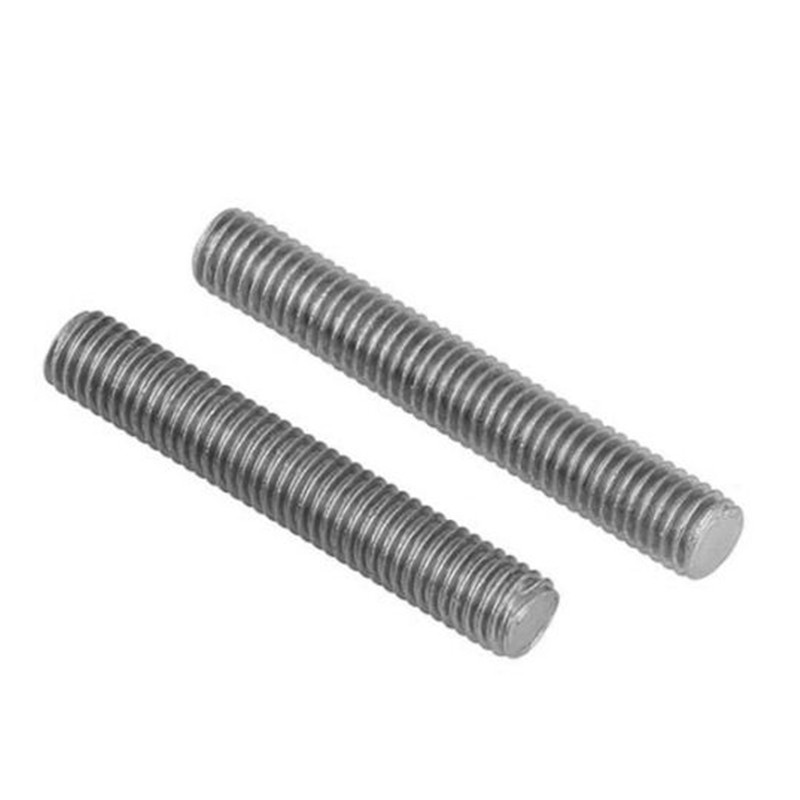
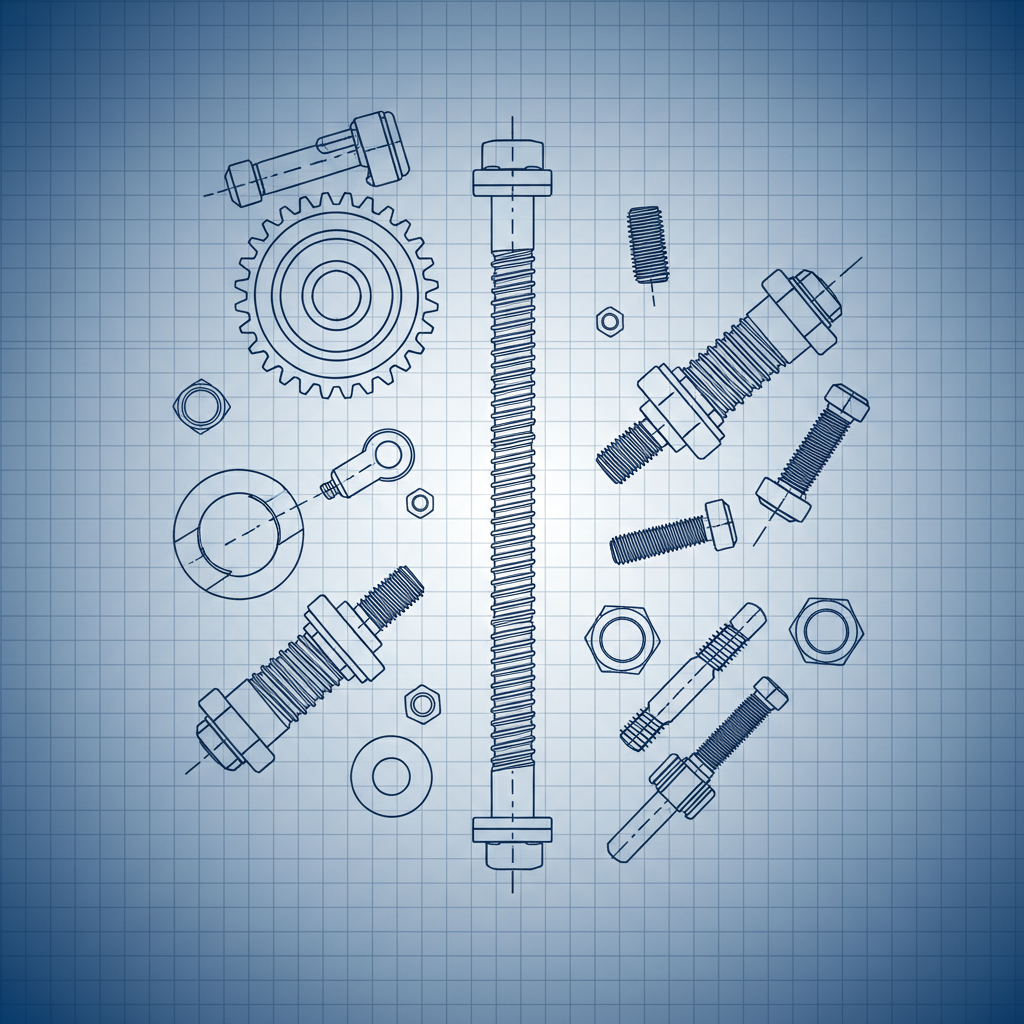
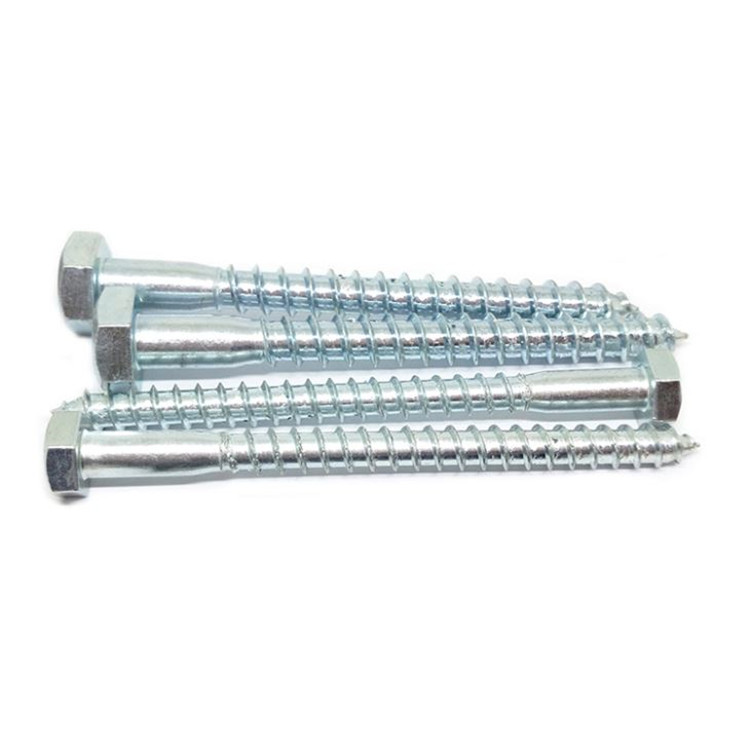
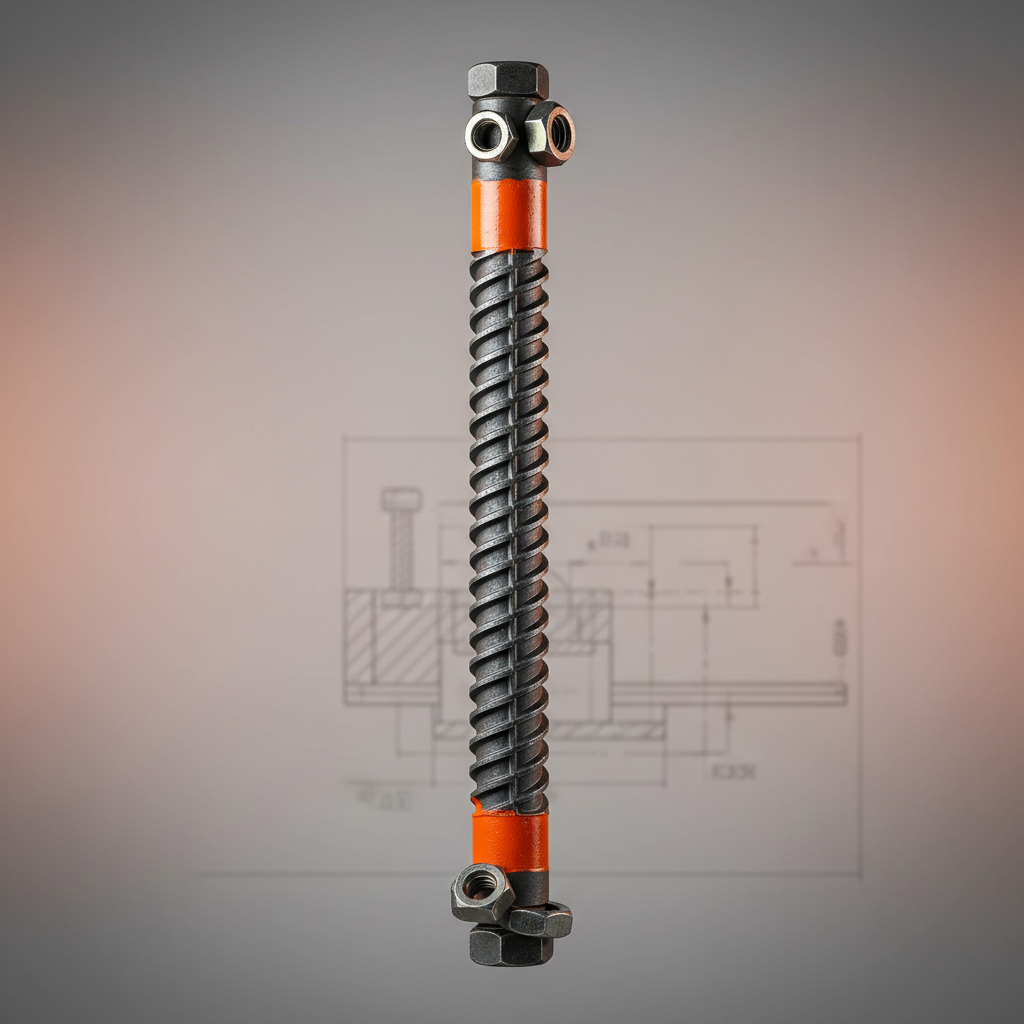
Put simply, a 1 2x28 threaded rod refers to a rod that’s 1/2 inch in diameter and 28 inches long, fully threaded along its length. Think of it as a long, slender screw without a head, designed to be cut to size or joined with nuts at either end. It’s a versatile fastener, providing tensile strength and alignment in various assemblies. In modern industry, these rods link components in everything from machinery frames to temporary housing. On the humanitarian front, they’re critical to quickly erecting reliable shelters or infrastructure in crisis zones.
Core Components & Key Factors of 1 2x28 Threaded Rod
Durability and Material Composition
The rod’s material—typically carbon steel or stainless steel—defines its load-bearing capacity and corrosion resistance. For instance, stainless rods excel in moist or chemical environments, vital in marine or chemical plants.
Thread Pitch and Precision
Thread pitch (threads per inch) affects how the rod interfaces with nuts and other components, influencing ease of assembly and load distribution. The “28” here denotes a fine thread pitch variant, allowing tighter fastening.
Length and Diameter Customization
While 1/2 inch diameter and 28 inches length are standard for this spec, rods are often cut or combined to meet site-specific requirements, making them scalable for small repairs or large construction.
Cost Efficiency and Availability
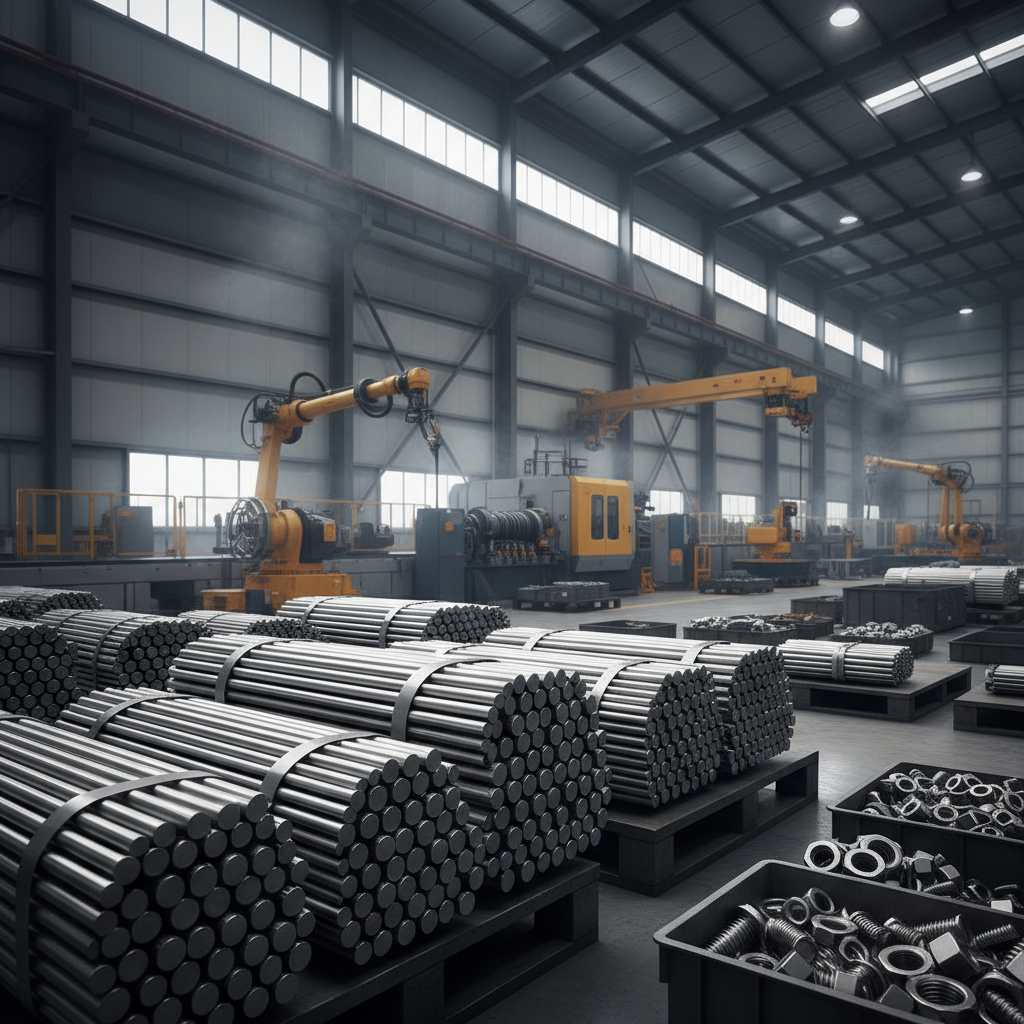
These rods are mass-produced, making them comparatively inexpensive. Their widespread availability ensures consistent supply even in remote construction zones, which is crucial when timelines are tight.
Product Specifications of 1/2x28 Threaded Rod
| Specification | Details |
|---|---|
| Diameter | ½ inch (12.7 mm) |
| Length | 28 inches (711 mm) |
| Thread Type | Unified National Fine (UNF), 28 Threads Per Inch |
| Material | Carbon Steel (Standard), Stainless Steel (Optional) |
| Finish | Plain, Zinc-Plated, Hot-Dip Galvanized |
| Tensile Strength | Typically 60,000 psi (varies by grade) |
Global Applications & Use Cases
- Disaster Relief Shelters: Agencies use 1 2x28 threaded rods to assemble temporary housing rapidly, ensuring structural integrity.
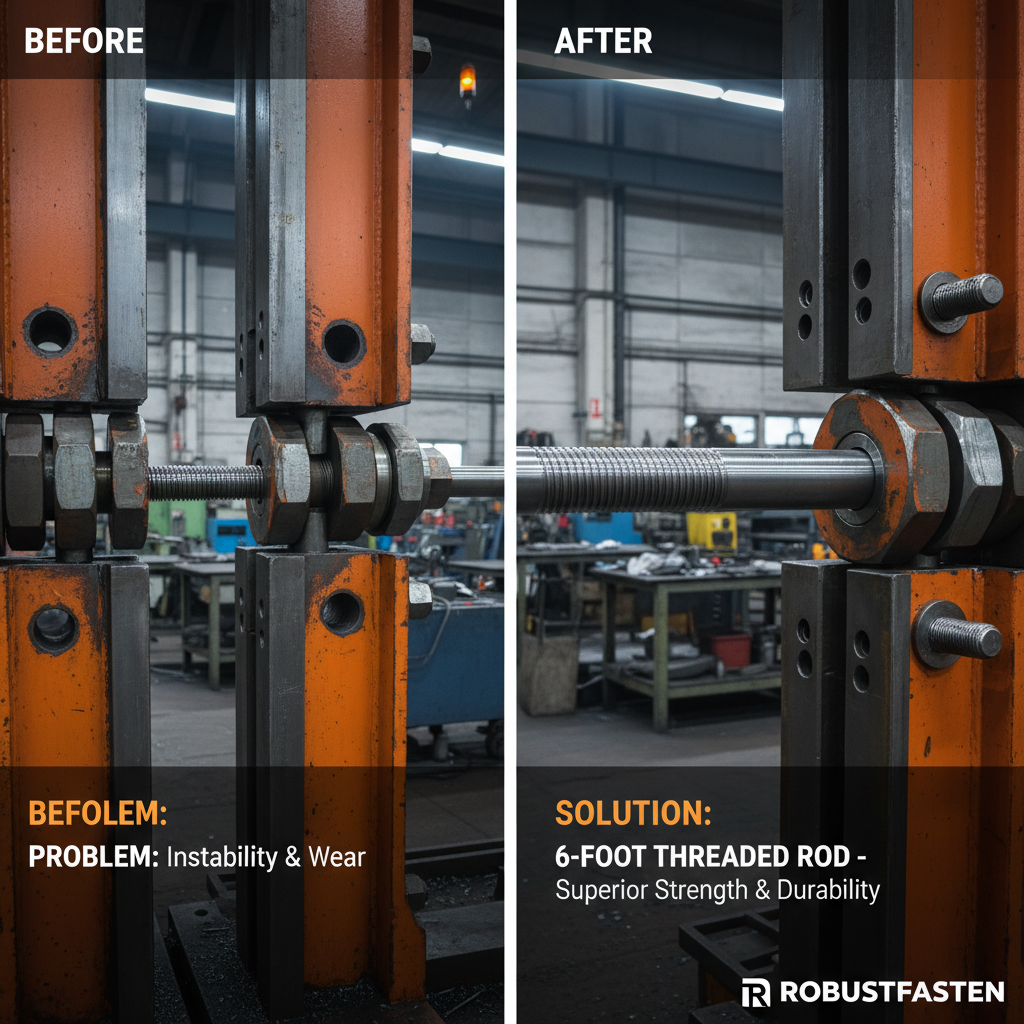
- Industrial Machinery: Manufacturing plants install these rods for machinery mounts and frameworks requiring high tensile support.
- Construction & Infrastructure: Bridges, towers, and buildings employ threaded rods in anchor bolts and bracing systems.
- Remote Areas: Mining and oil rigs rely on these rods for fast, durable assembly where supply chains are unpredictable.
Advantages & Long-Term Value
There’s something reassuring about a small component that withstands hefty loads for decades. The cost efficiency of these rods reduces project expenses without sacrificing durability or safety. Their adaptability means less downtime and easier repairs. Beyond logistics, reliable fasteners are vital for safety and peace of mind—qualities that aren’t easily measured but deeply felt on any construction site or relief camp.
Future Trends & Innovation
Looking ahead, you might wonder, how does a simple rod innovate? Green coatings and advanced alloys are gaining momentum—aiming for corrosion resistance without toxic chemicals. Industry 4.0 is introducing smart fasteners embedded with sensors to detect stress or signs of wear remotely. Oddly enough, even this humble rod is set to join the digital transformation wave.
Challenges & Solutions
Manufacturing inconsistencies and subpar materials sometimes slip into the market, particularly in unregulated areas, risking safety. Knowledgeable buyers insist on certifications (ASTM A193, ISO 898-1) and thorough supplier audits. Additionally, the trade-off between finer threads for precision and coarser threads for rapid installation demands awareness of project needs. Experts recommend partnering with vetted vendors to minimize these risks.
Vendor Comparison: 1 2x28 Threaded Rod Suppliers
| Supplier | Material Options | Certifications | Lead Time | Price Range |
|---|---|---|---|---|
| HBTBLS Industrials | Carbon Steel, Stainless Steel | ASTM, ISO 9001 | 2 weeks | $$ |
| Global Fasteners Co. | Carbon Steel only | ISO 9001 | 4 weeks | $ |
| Precision Rods Ltd. | Stainless Steel only | ASTM A193 | 3 weeks | $$$ |
FAQs About 1 2x28 Threaded Rod
- What applications most commonly use 1 2x28 threaded rods?
- They’re frequently used in construction for anchoring, industrial machine assembly, and fabrication tasks that require high tensile strength and precise fastening.
- Can 1 2x28 threaded rods be cut to different lengths on site?
- Absolutely. Part of their charm is versatility—you can cut or combine rods to tailor exact lengths for various needs, simplifying inventory management.
- How do I ensure I’m buying quality rods?
- Look for certifications such as ASTM A193 or ISO 9001, request material test reports, and source from reputable suppliers like HBTBLS Industrials.
- Are stainless steel variants worthwhile despite higher cost?
- If you’re working in corrosive or marine environments, stainless steel rods provide better longevity and lower maintenance, often offsetting upfront costs over time.
- How do these rods support disaster relief efforts?
- They enable rapid assembly of shelters and infrastructure due to standardized sizing and ease of use, which is critical where speed and reliability matter most.
Conclusion
The 1 2x28 threaded rod might be small, but it’s mighty—supporting industries from construction to humanitarian aid worldwide. Its blend of strength, versatility, and accessibility makes it a long-term asset for engineers and planners alike. If you want to explore high-quality options or customize your fasteners, why not check out HBTBLS Industrials? Reliable supply, certified products, and expert support can make all the difference in your projects.
Thanks for coming along on this exploration into a deceptively simple but essential building block of modern infrastructure. It definitely feels like these little rods hold a lot of the world's structures together, literally.
Post time: Dec . 03, 2025 10:50


 English
  Albanian
  Arabic
  Armenian
  Azerbaijani
  Belarusian
  Bosnian
  Bulgarian
  Cebuano
  Corsican
  Czech
Czech  Galician
  Georgian
  Greek
Greek  Hausa
Hausa  Hebrew
  Hungarian
  Igbo
Igbo  Indonesian
  Italian
  Kazakh
  Khmer
Khmer  Korean
  Kurdish
  Kyrgyz
  Lao
Lao  Latin
Latin  Latvian
  Lithuanian
  Malay
Malay  Myanmar
  Nepali
  Polish
  Portuguese
  Russian
  Serbian
  Sesotho
  Shona
Shona  Sindhi
  Spanish
  Tagalog
  Tajik
Tajik  Thai
Thai  Turkish
  Turkmen
  Ukrainian
  Uzbek
Uzbek  Vietnamese
  Yoruba
  Zulu
Zulu