
Understanding the 1 2 x 13 Threaded Rod: A Small Component with Big Global Impact
At first glance, a 1 2 x 13 threaded rod might not seem like the star of the industrial world. Yet, this simple piece of hardware is a linchpin across countless sectors worldwide — from construction to manufacturing, and even humanitarian efforts. Understanding the role of threaded rods, especially the specific size like 1 2 x 13, is more than just technical jargon; it’s about appreciating how foundational components keep global industries stable, efficient, and scalable.
Why does this matter globally? Industry data shows that fastening and joining components form a backbone of infrastructure assembly around the world. ISO standards, for example, emphasize dimensional consistency that makes interchangeability and safety possible worldwide (ISO 898-1). By mastering the specifics of rods like the 1 2 x 13 threaded rod, engineers, procurement managers, and disaster relief specialists can ensure quicker assembly, stronger structures, and longer-lasting results.
Introduction: Why the 1 2 x 13 Threaded Rod Matters on a Global Scale
The global construction and manufacturing industries rely heavily on standard fasteners, and threaded rods represent one such ubiquitous element. According to the World Bank, the global construction market size is projected to reach nearly $14.3 trillion by 2030. With that immense demand, the need for reliable, standardized fastening solutions is undeniable. Threaded rods like the 1 2 x 13 variant enable interoperability, a crucial factor especially when projects span multiple countries or use sourced components worldwide.
Ordinarily, challenges arise with mismatched parts or substandard materials that compromise structural integrity or delay setups. The 1 2 x 13 threaded rod addresses these problems by offering a predictable, proven fastening option. It helps manufacturers build faster, safer, and with less guesswork — which frankly, anyone who’s ever struggled with ill-fitting hardware will appreciate.
Defining the 1 2 x 13 Threaded Rod
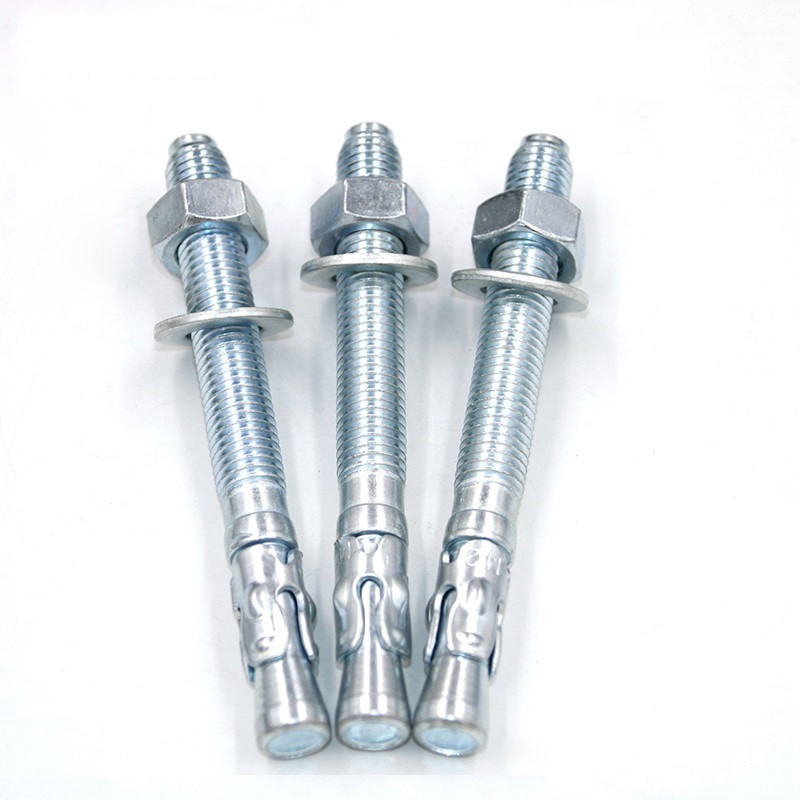
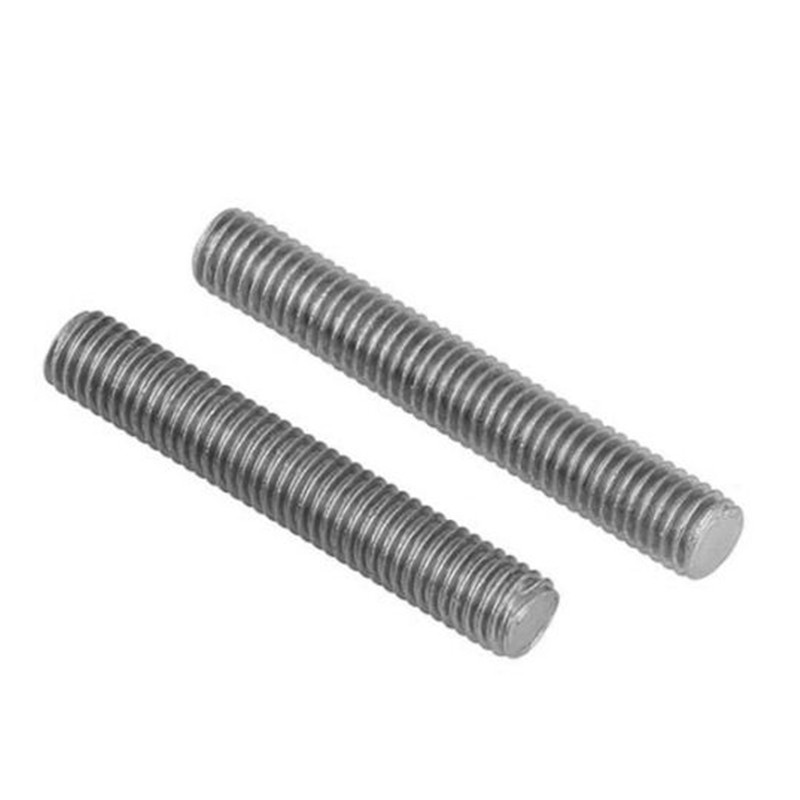
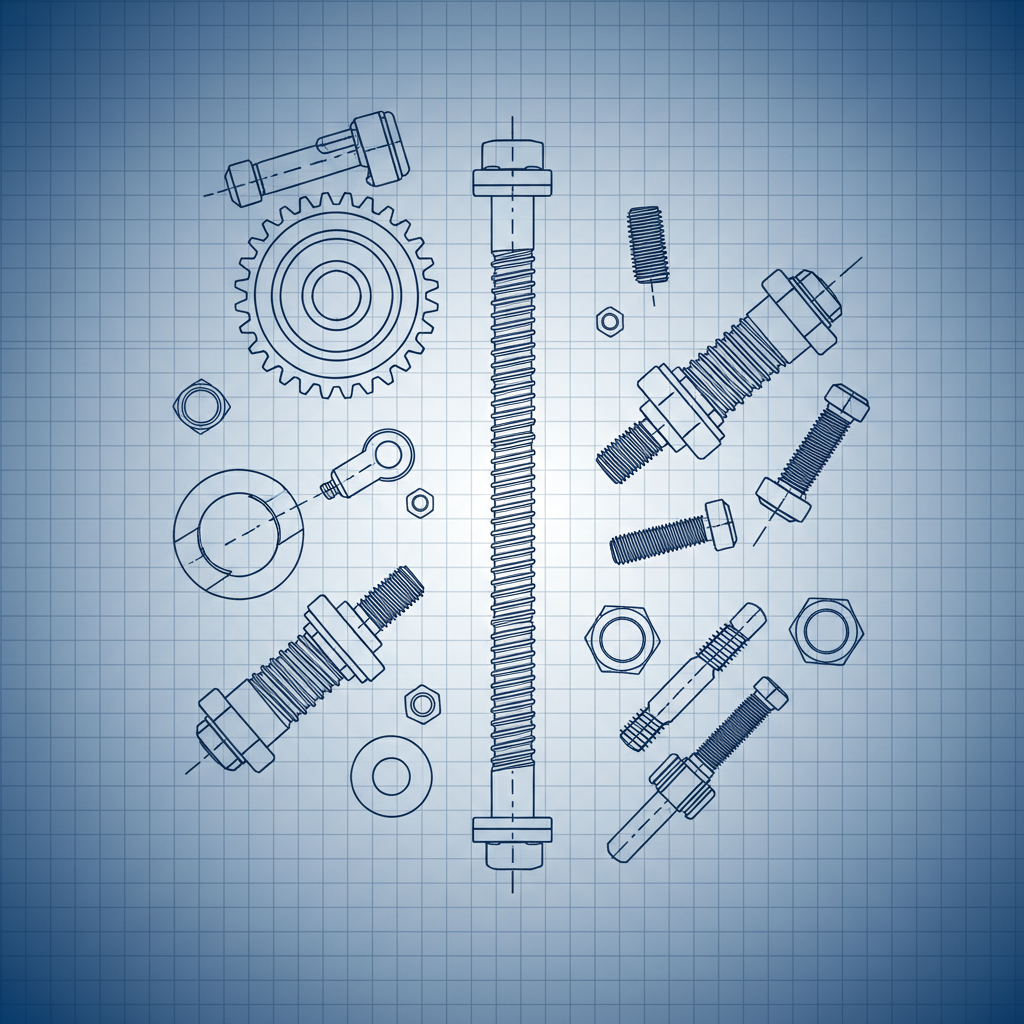
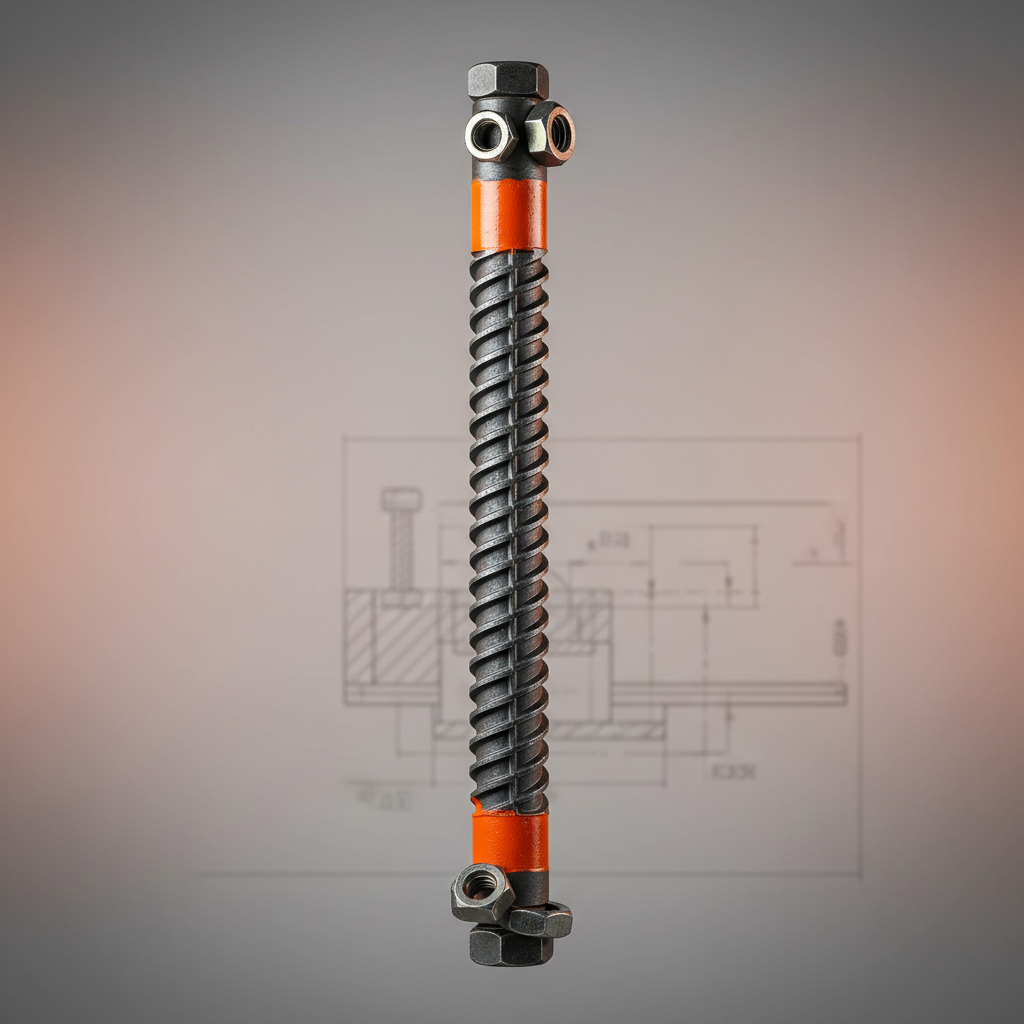
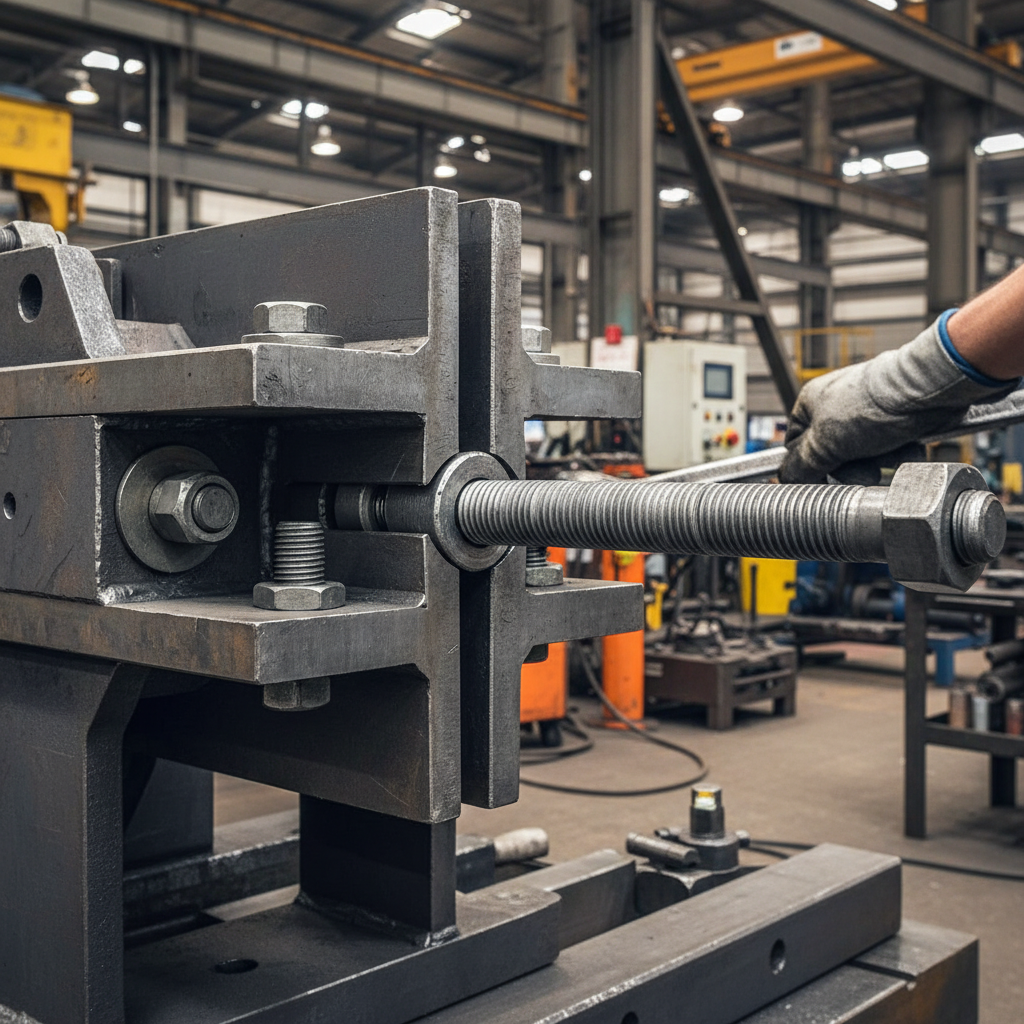
Simply put, a 1 2 x 13 threaded rod is a metal bar, typically steel or stainless steel, with spiral grooves along its length that match a 13 pitch standard and a diameter around 1/2 inch. Imagine a screw but longer, without a head, designed for fastening two or more objects tightly with nuts and washers.
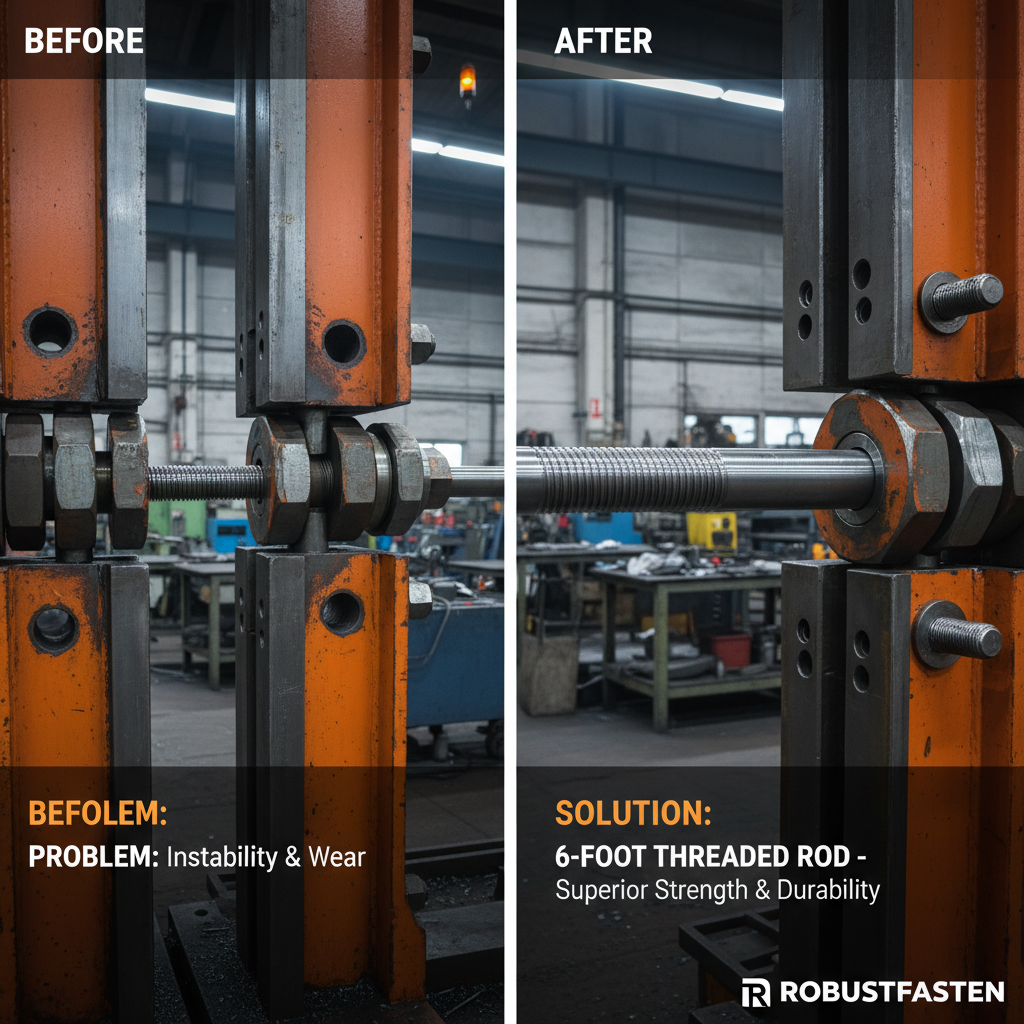
This seemingly mundane component is indispensable in situations requiring precise tension or clamping. It connects frameworks, holds machinery together, or ensures stability in temporary or permanent structures. In emergency housing or rapid infrastructure projects, such rods make assembly swift and reliable — critically important when time and safety are non-negotiable.
Key Factors That Make the 1 2 x 13 Threaded Rod Essential
Durability
These rods are engineered from high-tensile steel alloys or corrosion-resistant stainless steel, making them able to withstand extreme conditions. That means they’re viable in coastal environments plagued by salt spray, or industrial sites with harsh chemicals, offering lasting strength where lesser fasteners might fail.
Scalability
One can easily scale up structures using these rods. For example, industrial shelving or scaffolding often uses standard threaded rods to connect modular parts seamlessly — an important feature when rapid expansion is necessary.
Cost Efficiency
Thanks to widespread manufacturing, these rods are cost-effective and readily available, keeping projects within budget without sacrificing quality. Their reusability in many cases also adds to cost savings.
Ease of Installation
Installation often requires common tools, so downtime is minimal. The uniform threading means no surprises when sourcing replacement rods or nuts, which is, I suppose, a relief for busy site managers.
Versatility
From supporting heavy machinery to securing architectural elements, the 1 2 x 13 threaded rod finds applications across industries — a rare combination of simplicity and adaptability.
Common Specifications of the 1 2 x 13 Threaded Rod
| Attribute | Specification |
|---|---|
| Thread Size | 1/2 inch (12.7 mm) |
| Thread Pitch | 13 threads per inch (TPI) |
| Material | Carbon Steel, Stainless Steel |
| Length | Customizable (commonly 1 to 6 feet) |
| Finish | Zinc plated, galvanized, or plain |
Global Applications & Use Cases
Interestingly, you find 1 2 x 13 threaded rods in diverse settings. In Asia’s booming infrastructure projects, they connect steel frameworks for residential skyscrapers, ensuring both earthquake resistance and speed of construction. Meanwhile, humanitarian organizations working in disaster zones in Africa often rely on these rods for swift assembly of temporary shelters, thanks to their ease of transport and the ability to reuse components.
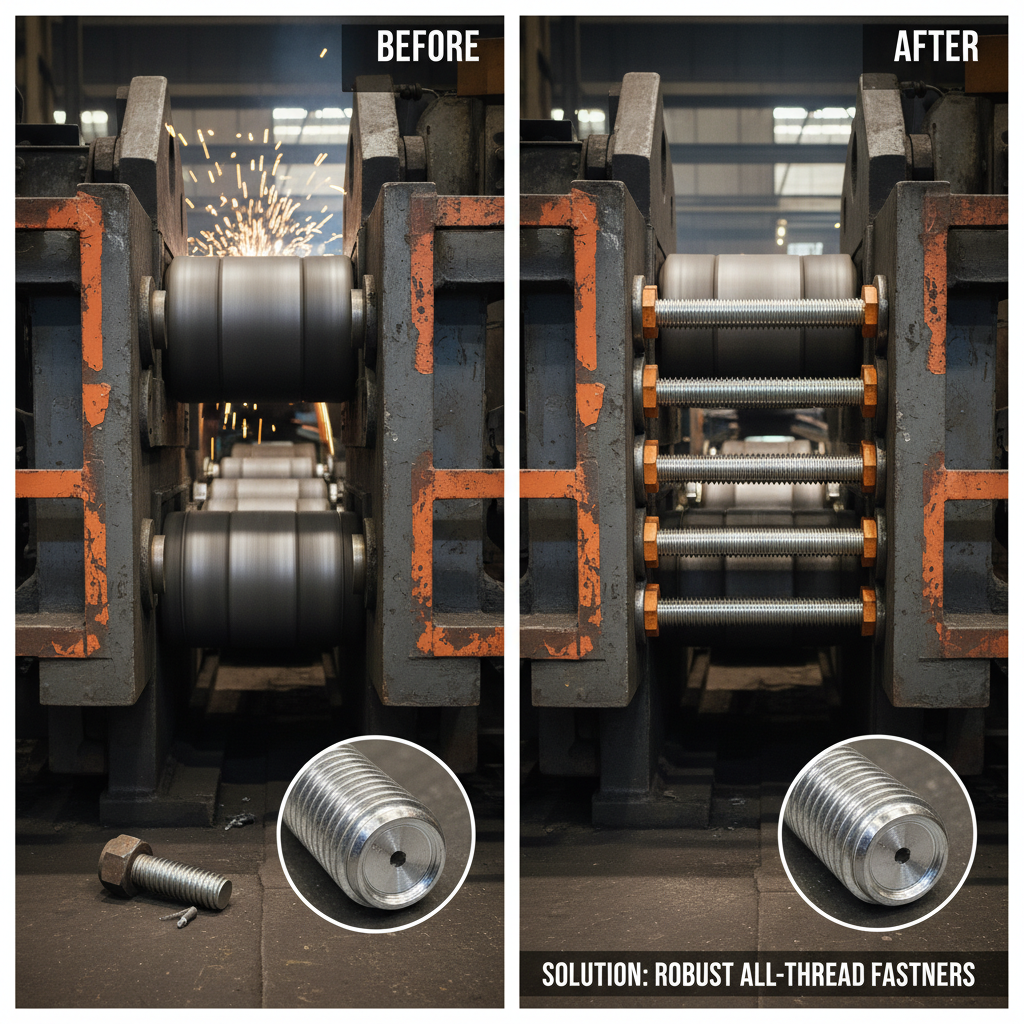
In South America, manufacturing plants use threaded rods to maintain heavy equipment where high vibration demands secure fasteners. Even in remote industrial zones in Australia, the ubiquitous threaded rod is the “go-to” for repairs or expansions due to its modularity.
To glimpse a specific example: during recent post-disaster relief efforts, rapid housing units featuring modular panels bolted together with these rods cut assembly time by hours — a difference that meant shelter before another cold night set in.
Vendor Comparison: Top Suppliers of 1 2 x 13 Threaded Rod
| Supplier | Material Options | Price Range (USD) | Lead Time | Certifications |
|---|---|---|---|---|
| RodTech Industries | Carbon Steel, Stainless Steel | $5 - $10 per foot | 1-2 weeks | ISO 9001, ASTM A193 |
| FastenRight Co. | Galvanized Carbon Steel | $4 - $8 per foot | 3-4 days (stock) | ASTM F568M |
| Global Threaded Solutions | Stainless Steel, Alloy Steel | $7 - $12 per foot | 2-3 weeks | ISO/TS 16949, RoHS |
Advantages & Long-Term Value of Using 1 2 x 13 Threaded Rods
There’s something reassuring about a well-made fastener that just works. The 1 2 x 13 threaded rod offers exactly that reliability. From the logic standpoint, it’s cost-effective over time, because its durability reduces replacement frequency. Socially, it supports construction of safe, lasting buildings, protecting lives in the process — which is surely more than just an industrial benefit.
On the environmental front, using high-quality rods can also mean less material waste. They last longer and enable modular designs, supporting sustainable building practices. In real terms, that aligns well with global sustainability goals such as those outlined by the UN’s Sustainable Development Goals (SDGs), specifically aiming at resilient infrastructure (SDG 9).
Future Trends & Innovations
The humble threaded rod is not stuck in the past. Manufacturers are exploring stainless steel alloys with enhanced corrosion resistance using nanotechnology coatings. Others are automating production lines with advanced CNC threading, ensuring tighter tolerances and faster turnaround.
Green energy projects involving wind turbines and solar farms increasingly use specialized threaded rods designed to withstand environmental stresses. Digital transformation includes RFID-tagged components for inventory tracking and quality assurance in critical industrial settings.
Challenges & Solutions
One challenge is mismatched supplier specifications causing assembly delays. To mitigate this, adopting universal standards and certifications across suppliers is key. Another is corrosion in aggressive environments; solution? New coatings and materials offer promising durability gains.
Custom sourcing and flexible ordering systems (like just-in-time delivery) help avoid excess inventory costs, especially for modular projects with varying demand cycles. Frankly, thoughtful planning and supplier partnerships are half the battle.
FAQ: Frequently Asked Questions About 1 2 x 13 Threaded Rod
- Q: What applications is a 1 2 x 13 threaded rod best suited for?
A: It’s perfect for securing structural connections, heavy machinery, and modular assemblies needing medium-strength fasteners. Common in construction, manufacturing, and emergency shelters. - Q: How does the thread pitch affect strength?
A: A 13 TPI pitch provides a balanced thread height and spacing, optimizing grip and load distribution compared to coarser pitch rods. - Q: Can this rod be used outdoors?
A: Yes, especially if made from stainless steel or coated with galvanization. Proper material selection is key for outdoor durability. - Q: Where can I source certified 1 2 x 13 threaded rods internationally?
A: Reputable industrial suppliers with ISO and ASTM certifications, available through global distributors and online marketplaces. Verify certifications before purchase. - Q: Are there eco-friendly alternatives available?
A: Emerging materials with recycled content and non-toxic coatings are becoming available, aligning with greener project requirements.
Conclusion: Why the 1 2 x 13 Threaded Rod Will Remain a Staple
Ultimately, the 1 2 x 13 threaded rod is a testament to how fundamental engineering components quietly sustain our fast-moving world. Its blend of reliability, accessibility, and adaptability ensures it will stay on the job for decades to come — quite literally holding structures and industries together.
For anyone looking to source or learn more about threaded rods, 1 2 x 13 threaded rod suppliers offer a wealth of options fitted to your specific needs.
It strikes me that sometimes the most unassuming parts end up having the largest impacts — hardware that’s a small thing in size but massive in function is truly worth understanding.
References:
Post time: Dec . 03, 2025 10:10


 English
  Albanian
  Arabic
  Armenian
  Azerbaijani
  Belarusian
  Bosnian
  Bulgarian
  Cebuano
  Corsican
  Czech
Czech  Galician
  Georgian
  Greek
Greek  Hausa
Hausa  Hebrew
  Hungarian
  Igbo
Igbo  Indonesian
  Italian
  Kazakh
  Khmer
Khmer  Korean
  Kurdish
  Kyrgyz
  Lao
Lao  Latin
Latin  Latvian
  Lithuanian
  Malay
Malay  Myanmar
  Nepali
  Polish
  Portuguese
  Russian
  Serbian
  Sesotho
  Shona
Shona  Sindhi
  Spanish
  Tagalog
  Tajik
Tajik  Thai
Thai  Turkish
  Turkmen
  Ukrainian
  Uzbek
Uzbek  Vietnamese
  Yoruba
  Zulu
Zulu