

Understanding the 1 4 Stainless Steel Threaded Rod: A Global Industry Essential
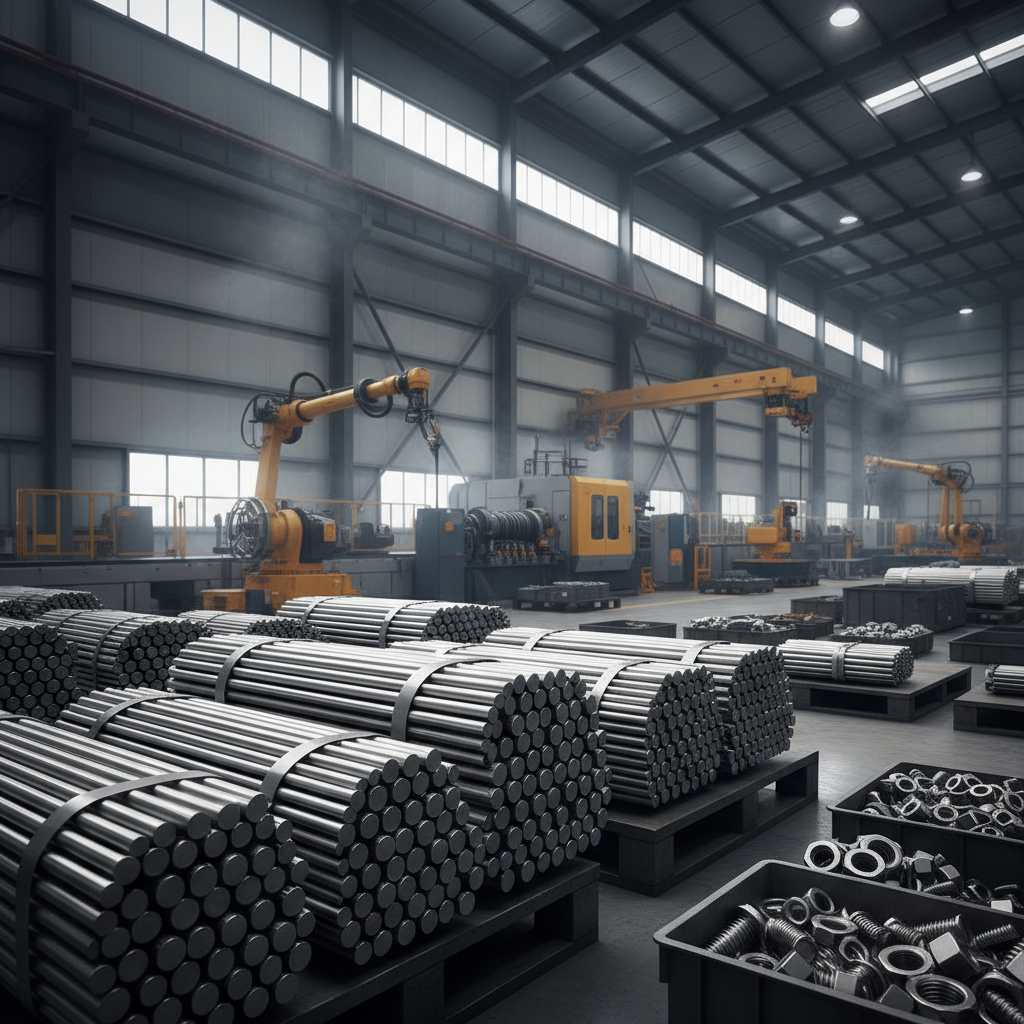
If you’ve ever worked in construction, manufacturing, or any heavy industry, you’ve likely encountered a 1 4 stainless steel threaded rod. Though it sounds quite technical, it’s a simple and crucial component that quietly holds together myriad structures and systems worldwide. Why does it matter? Because from skyscrapers to bridges, machinery to infrastructure in remote areas, this humble rod plays an indispensable role — offering strength, durability, and corrosion resistance.
On a global scale, products like the 1 4 stainless steel threaded rod are integral to sustainable growth. According to ISO standards and global trade data, stainless steel fasteners are key in boosting longevity and safety in everything from transportation hubs to water treatment plants — especially in harsh environments. But oddly enough, sourcing the right quality rods remains a challenge due to varying grades and manufacturing standards.
Defining the 1 4 Stainless Steel Threaded Rod
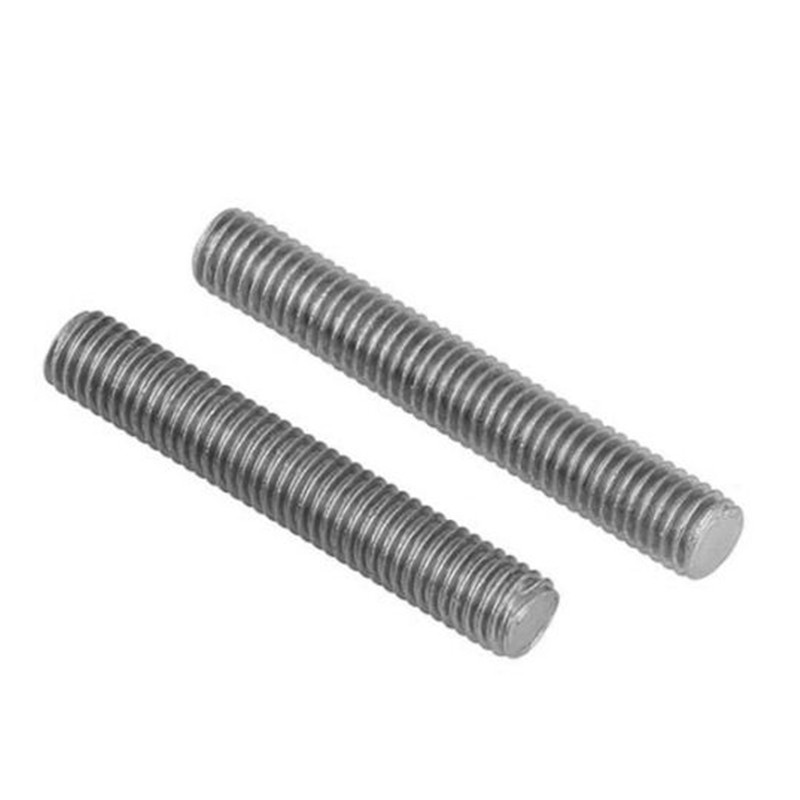
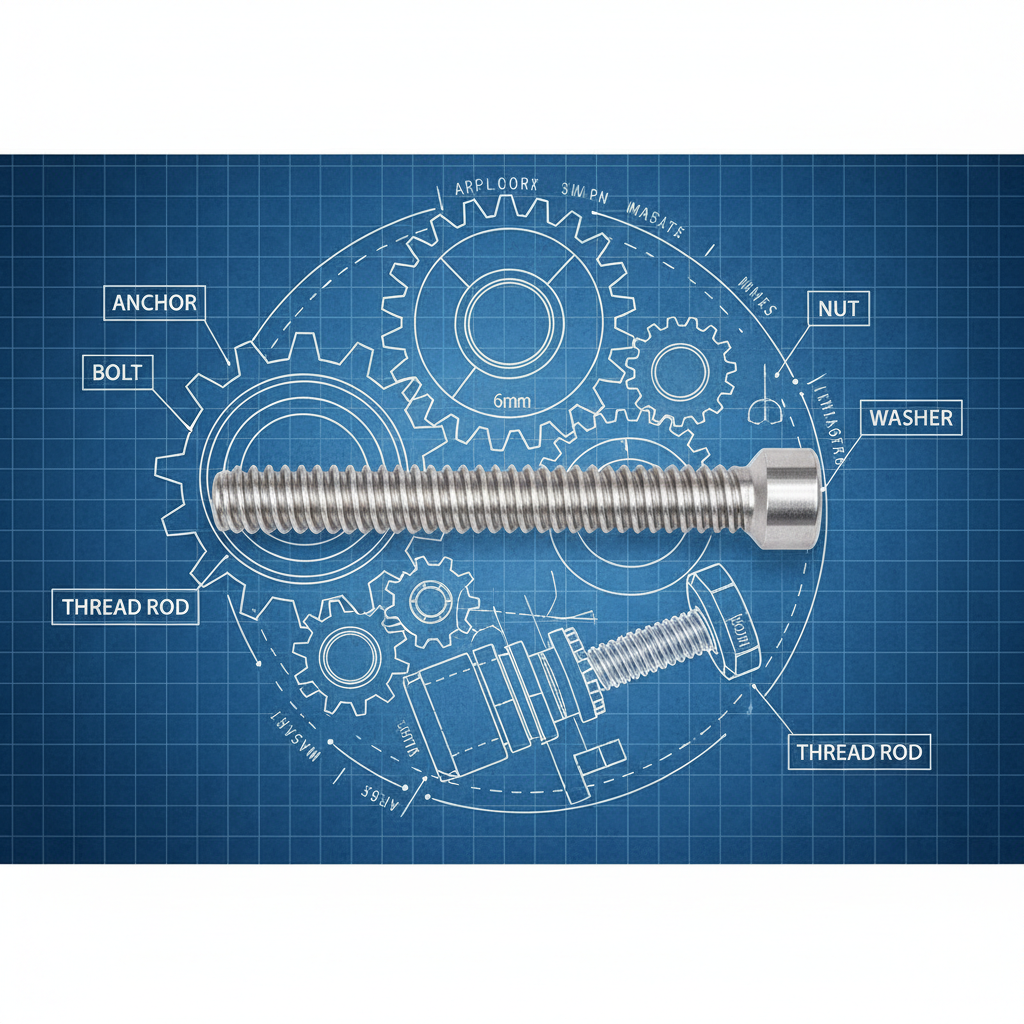
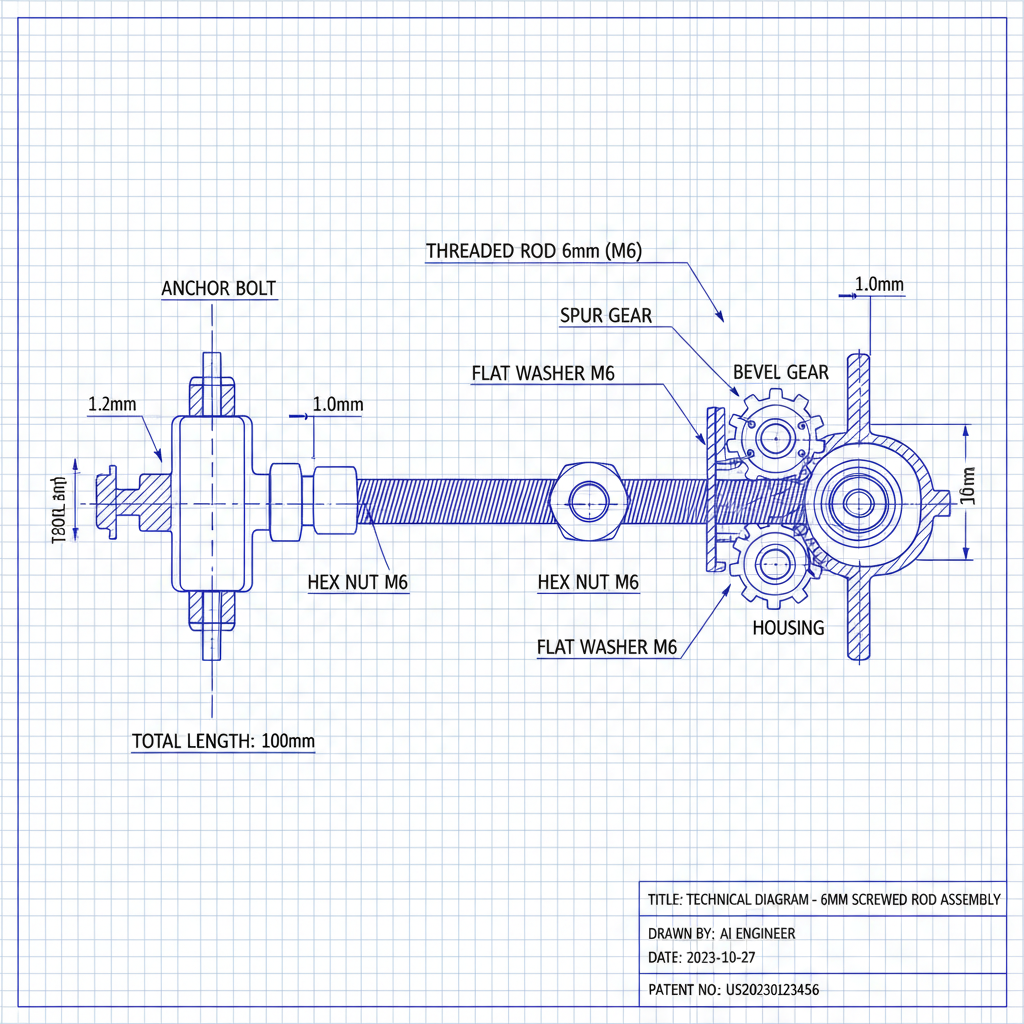
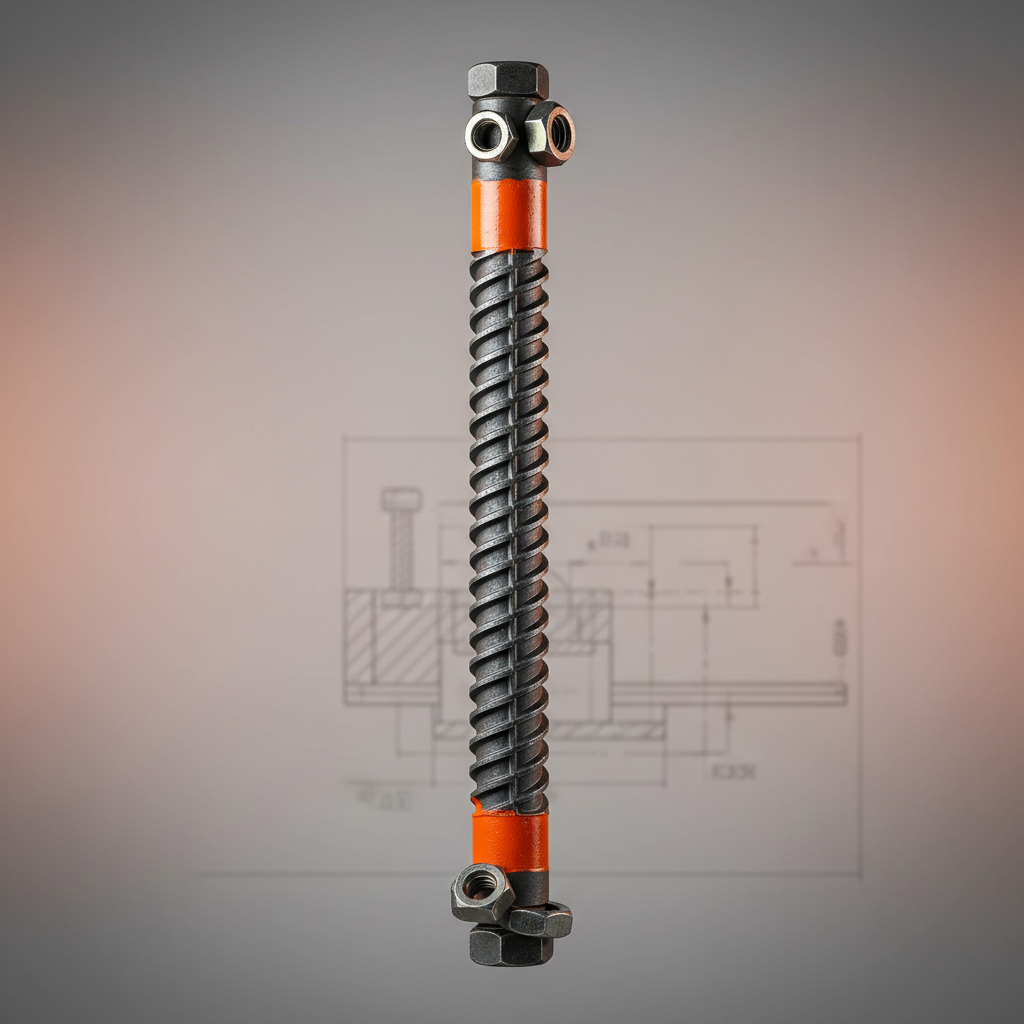
Simply put, a 1 4 stainless steel threaded rod is a metal rod with uniform threading along its length, typically measuring a quarter of an inch in diameter. These rods are made from stainless steel — an alloy known for its corrosion resistance and strength — making them suitable for both indoor and outdoor applications. In modern industries, they act as versatile fasteners or structural reinforcements in machines, buildings, and equipment.
Humanitarian projects, like disaster relief shelters or water pipeline installations, often rely on stainless steel rods for their robustness and resistance against rust and decay, vital for long-term use in tough conditions.
Key Factors Behind Its Popularity
Durability and Corrosion Resistance
Stainless steel’s chromium content (usually 10-12%) forms a passive layer of chromium oxide, which significantly reduces rust, even under extreme weather or chemical exposure. This makes 1 4 stainless steel threaded rods especially favored in marine structures and chemical plants.
Cost Efficiency and Long-Term Value
While stainless steel rods might cost a bit more upfront compared to carbon steel, their extended lifespan and reduced maintenance translate into lower total costs. This is especially critical in infrastructure where replacements are costly or impractical.
Versatility and Scalability
These rods can be cut to length and combined with nuts, washers, or other fasteners, scaling easily from small machinery to heavy civil engineering projects.
Safety and Reliability
Fasteners like these must meet stringent standards (e.g., ASTM, ISO) to ensure load-bearing capacity and prevent catastrophic failure — which is a real concern in earthquake-prone or industrial regions.
Global Applications and Use Cases
- Construction in Coastal Regions: Salt air accelerates rust, so stainless steel threaded rods hold structures like piers and coastal buildings together reliably for decades.
- Oil & Gas Industry: In corrosive chemical environments, these rods maintain structural integrity without frequent replacements, lowering downtime.
- Disaster Relief Efforts: Whether in Asia or Africa, NGOs use stainless steel rods to build modular shelters and water systems that remain durable through tough conditions.
- Renewable Energy Projects: Solar panel mounts and wind turbines use stainless steel threaded rods to withstand outdoor exposure and mechanical stresses.
For example, I learned from engineers working on a large solar farm in southern Spain that switching to grade 316 stainless steel rods from basic galvanized versions prevented costly corrosion losses after just two years of exposure.
Product Specifications: Typical 1 4 Stainless Steel Threaded Rod
| Specification | Details |
|---|---|
| Diameter | 1/4 inch (6.35 mm) |
| Material Grades | 304, 316, 316L Stainless Steel |
| Thread Pitch | 20 threads per inch (TPI) (UNC standard) |
| Lengths Available | 1 ft to 12 ft (custom lengths available) |
| Tensile Strength | >75,000 psi (varies by grade) |
Vendor Comparison of 1 4 Stainless Steel Threaded Rod Suppliers
| Supplier | Material Grades | Lead Time | Certification | Price Tier |
|---|---|---|---|---|
| SteelPro Inc. | 304, 316 | 2-3 weeks | ISO 9001, ASTM | Medium |
| Global Metals Ltd. | 316L | 1 week | ISO 14001, ASTM | High |
| Fastener World | 304 | 4-5 weeks | None | Low |
Advantages and Long-Term Value of Using 1 4 Stainless Steel Threaded Rods
Investing in quality stainless steel rods not only means fewer replacements but also enhances user safety and project sustainability. You avoid unexpected failures, reduce environmental waste, and cut operational costs. There's also an emotional comfort in knowing that the infrastructure supports people’s lives and livelihoods over time without sudden breakdowns.
In industrial terms, these rods act as trustworthy workhorses, staying strong under vibration, load, and weather for years.
Emerging Trends and Innovations
The future looks bright, or should I say shiny, for stainless steel threaded rods. Innovations include high-performance alloys aimed at even more aggressive environments, such as offshore wind farms. Digital tools like QR-coded batches improve traceability along supply chains, ensuring authenticity and reducing counterfeit risks.
Moreover, sustainability trends drive the use of recycled stainless steel and cleaner manufacturing. Automation enables precision threading for bespoke projects—ideal for industries requiring strict adherence to dimensions like aerospace or medical device manufacturing.
Challenges and Solutions in Usage
Despite their merits, stainless steel rods have hurdles: higher initial price points can deter budget-sensitive projects; improper installation can still cause failures; and sourcing consistent grades globally sometimes proves tricky.
Experts suggest thorough supplier vetting, regular quality testing, and proper staff training to minimize risks. Also, innovations in coating technologies ease these challenges, improving adhesion and corrosion protection even further.
FAQ: Frequently Asked Questions About 1 4 Stainless Steel Threaded Rod
Q1: How does a 1/4 stainless steel threaded rod differ from galvanized steel rods?
A: Stainless steel rods resist corrosion more effectively because of chromium oxide layers, while galvanized rods have a zinc coating that can wear off. Stainless rods generally last longer, especially in wet or salty environments.
Q2: Can a 1 4 stainless steel threaded rod be used outdoors in coastal areas?
A: Absolutely. Grades like 316 stainless steel are ideal for coastal exposure due to superior saltwater resistance.
Q3: What standards ensure the quality of these threaded rods?
A: ASTM standards (e.g., ASTM A193) and ISO certifications validate the chemical and mechanical properties of rods, ensuring safety and performance.
Q4: How customizable are these rods in terms of length and threading?
A: Quite customizable. Manufacturers often cut to length and provide different thread pitches to match project requirements.
Q5: Where can I buy reliable 1 4 stainless steel threaded rods?
A: Reputable industrial suppliers with ISO certifications such as those compared above are good starting points — or visit our website for trusted options.
Conclusion: Why the 1 4 Stainless Steel Threaded Rod Is a Smart Long-Term Investment
In real terms, the 1 4 stainless steel threaded rod is more than just a metal piece; it’s a cornerstone of modern construction and industrial reliability. It quietly supports critical infrastructure worldwide and pays dividends in safety, sustainability, and efficiency. If you’re considering your next project, investing in high-quality stainless steel threaded rods is a decision that won’t rust with time.
Want to learn more or source premium rods? Visit our website: https://www.hbtbls.com — trust me, it’s worth the click.
Mini takeaway: When strength meets corrosion resistance in that slim quarter-inch rod, industries and communities gain a reliable backbone that stands the test of time and nature.
References:
1. Wikipedia: Stainless Steel
2. ISO Standards for Fasteners
3. Scientific Article on Stainless Steel Corrosion
Post time: Dec . 02, 2025 16:50



 English
  Albanian
  Arabic
  Armenian
  Azerbaijani
  Belarusian
  Bosnian
  Bulgarian
  Cebuano
  Corsican
  Czech
Czech  Galician
  Georgian
  Greek
Greek  Hausa
Hausa  Hebrew
  Hungarian
  Igbo
Igbo  Indonesian
  Italian
  Kazakh
  Khmer
Khmer  Korean
  Kurdish
  Kyrgyz
  Lao
Lao  Latin
Latin  Latvian
  Lithuanian
  Malay
Malay  Myanmar
  Nepali
  Polish
  Portuguese
  Russian
  Serbian
  Sesotho
  Shona
Shona  Sindhi
  Spanish
  Tagalog
  Tajik
Tajik  Thai
Thai  Turkish
  Turkmen
  Ukrainian
  Uzbek
Uzbek  Vietnamese
  Yoruba
  Zulu
Zulu