
Understanding the 1 Inch Threaded Rod: Small Part, Big Impact
If you've ever dealt with construction, manufacturing, or DIY projects, chances are you've come across a 1 inch threaded rod. Despite its humble size, this simple metal rod threaded along its entire length plays a crucial role worldwide—holding structures together, enabling flexible designs, and often quietly keeping machinery stable. The seemingly simple concept packs a punch in engineering and industrial applications, which is why understanding it matters.
The Global Stage: Why the 1 Inch Threaded Rod Still Matters
From skyscrapers in bustling metropolises to remote humanitarian relief sites, the 1 inch threaded rod is foundational. ISO standards recognize threaded rods as essential fasteners, particularly in medium-to-heavy load applications. According to industry data, the global market for threaded fasteners is expected to cross billions in valuation by 2030, driven by urbanization, infrastructure development, and industrial automation.
But here’s a curious thing — despite technological leaps, when you break down any complex machinery or construction, the trusty threaded rod often appears in the background. One of the biggest challenges it addresses is adaptability: many structures require modular parts that can be adjusted on the fly. Threaded rods offer that fine-tuning capability.
Mini takeaway:
The 1 inch threaded rod, far from a “mere bolt,” forms an essential link in global infrastructure, blending strength and versatility.
What Exactly Is a 1 Inch Threaded Rod?
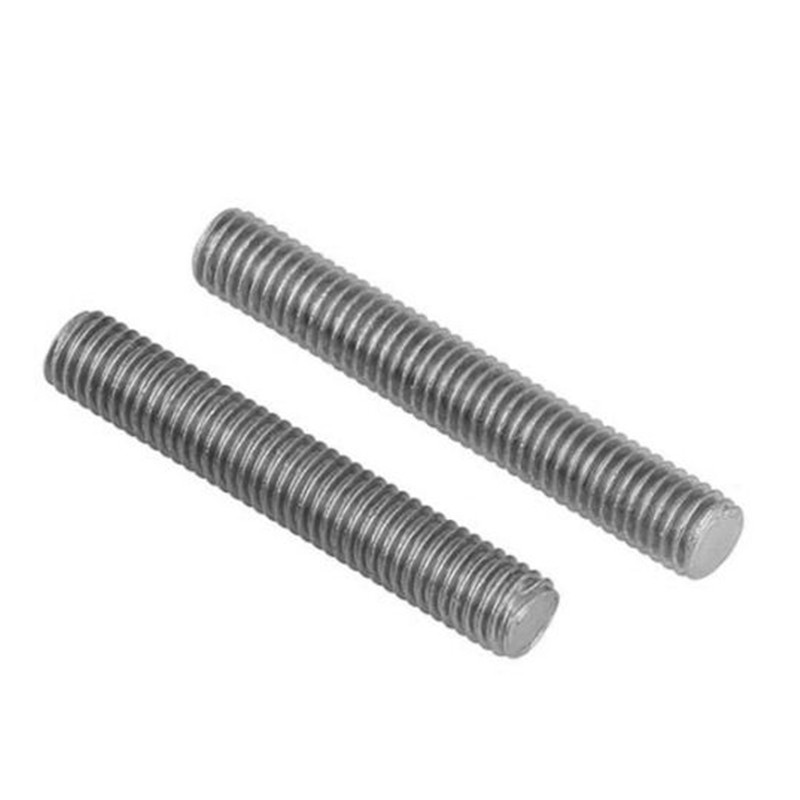
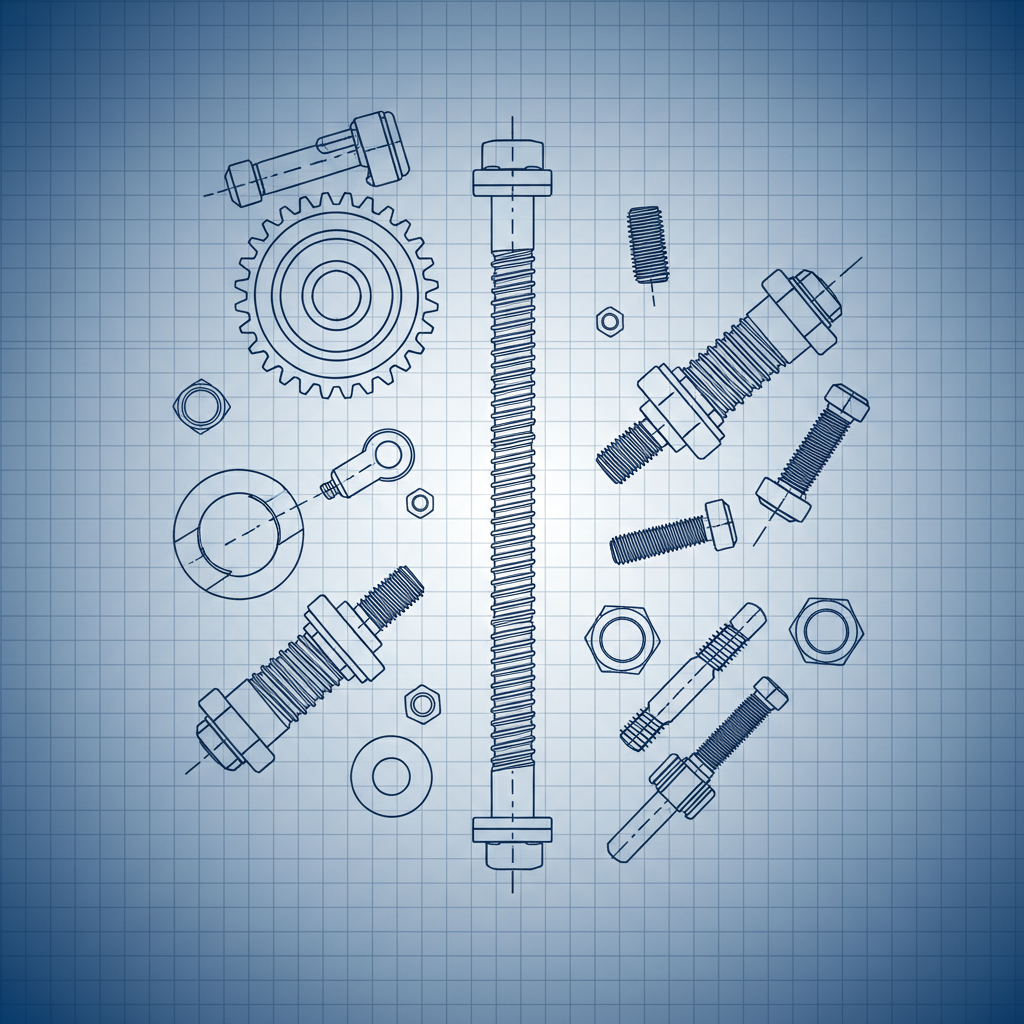
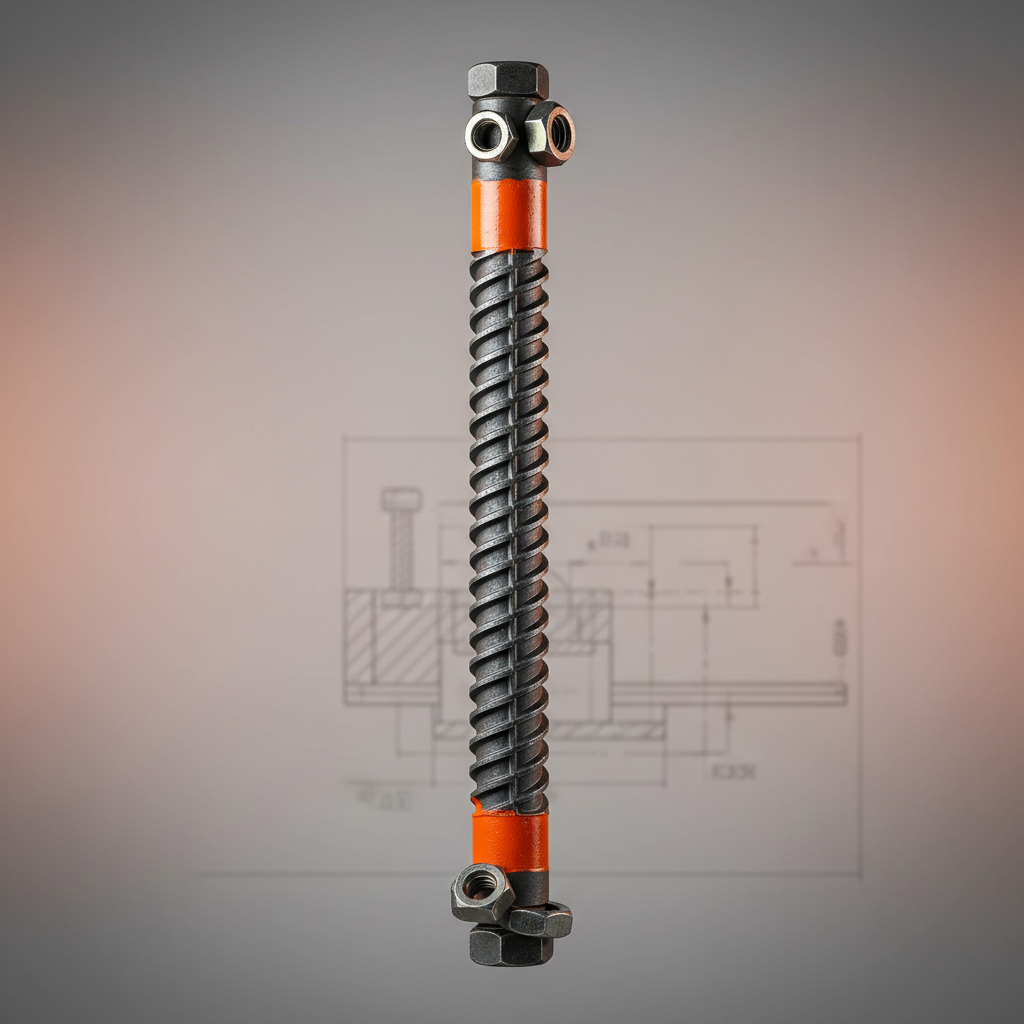
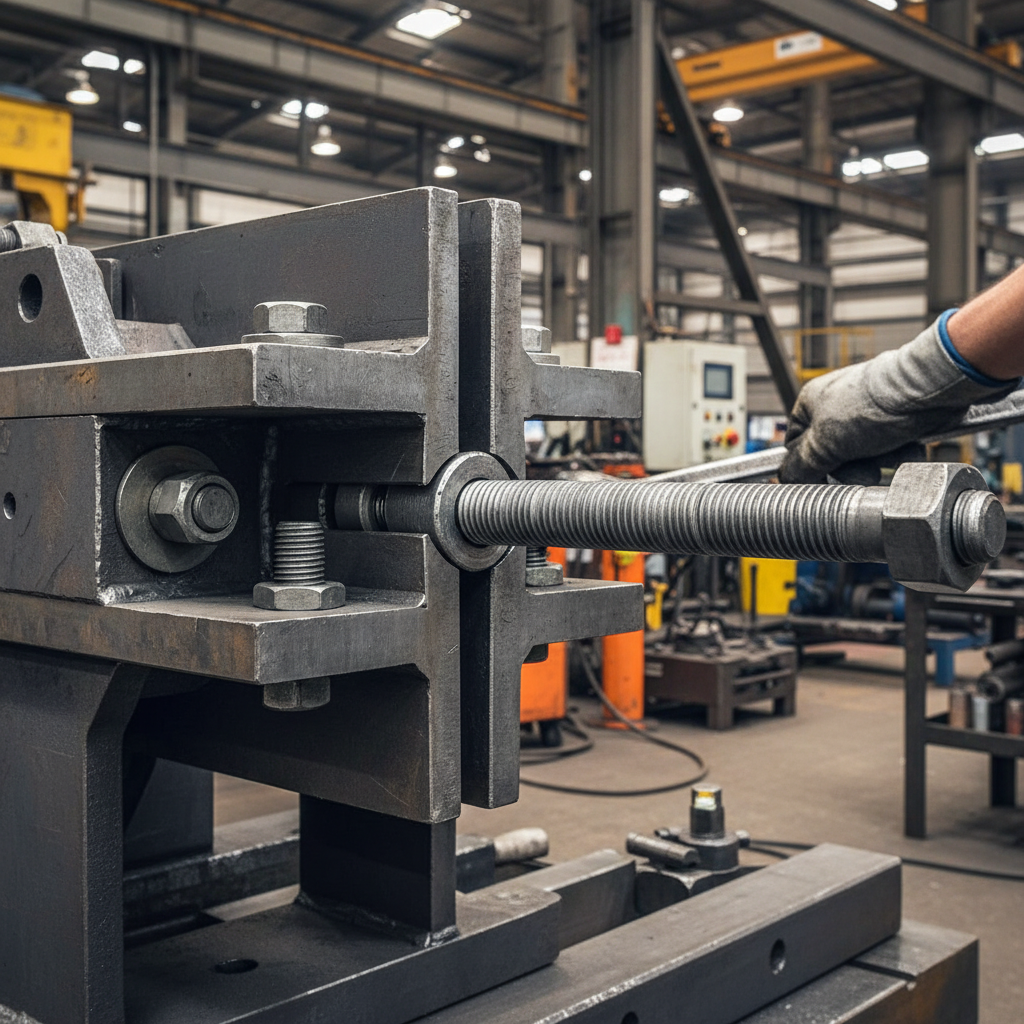
At its core, a 1 inch threaded rod is a long, slender metal shaft with threads (spiral grooves) running continuously along its length. Unlike bolts with heads, this rod is headless and designed to be cut to length or used in full as needed. This flexibility makes it invaluable in industries demanding precise tension, alignment, and fastening over a span rather than just at endpoints.
These rods are typically made from carbon steel, stainless steel, or alloy steel, each lending different performance characteristics. Their connection to modern industry is inseparable, from assembly lines to civil engineering projects. And oddly enough, even humanitarian operations that deploy quickly constructed shelters depend on modular fasteners that include threaded rods.
Mini takeaway:
Think of it as the “adjustable spine” for projects — a threaded rod holds everything together without fuss.
Key Features That Make 1 Inch Threaded Rods Stand Out
Durability
Many threaded rods are heat-treated and zinc-plated or galvanized for corrosion resistance. This is vital because rods often face environmental challenges, from moisture to chemicals.
Scalability & Customization
Since threaded rods are sold in long lengths and easily cut, they can be customized for specific projects, whether spanning wide distances or connecting multiple components.
Load Capacity
The 1 inch diameter size strikes a sweet spot — sturdy enough for medium-heavy loads but manageable enough for intricate assemblies.
Cost Efficiency
Compared to specialized fasteners or welding, using threaded rods often reduces labor and assembly time, ultimately lowering overall costs.
Compatibility
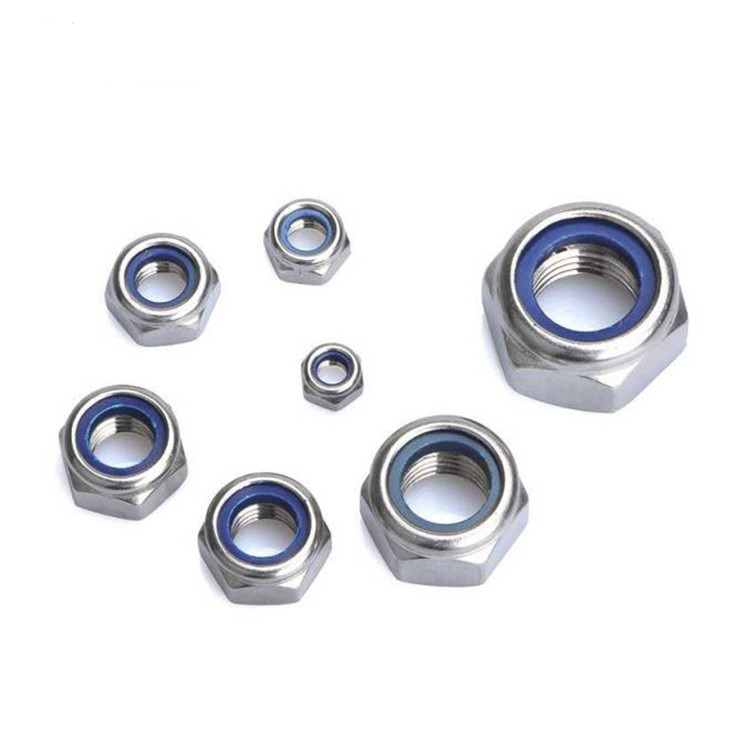
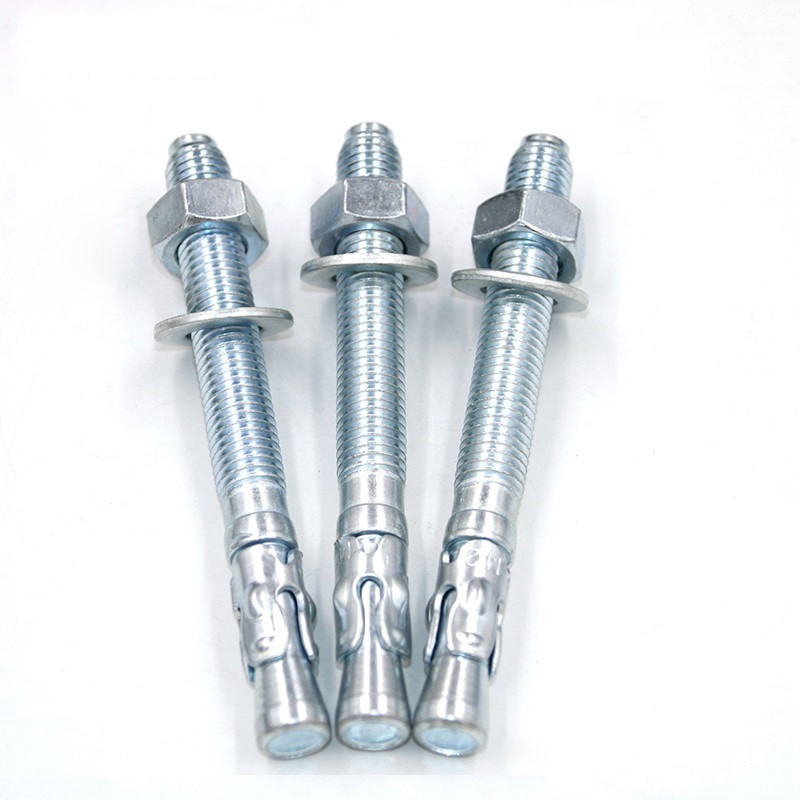
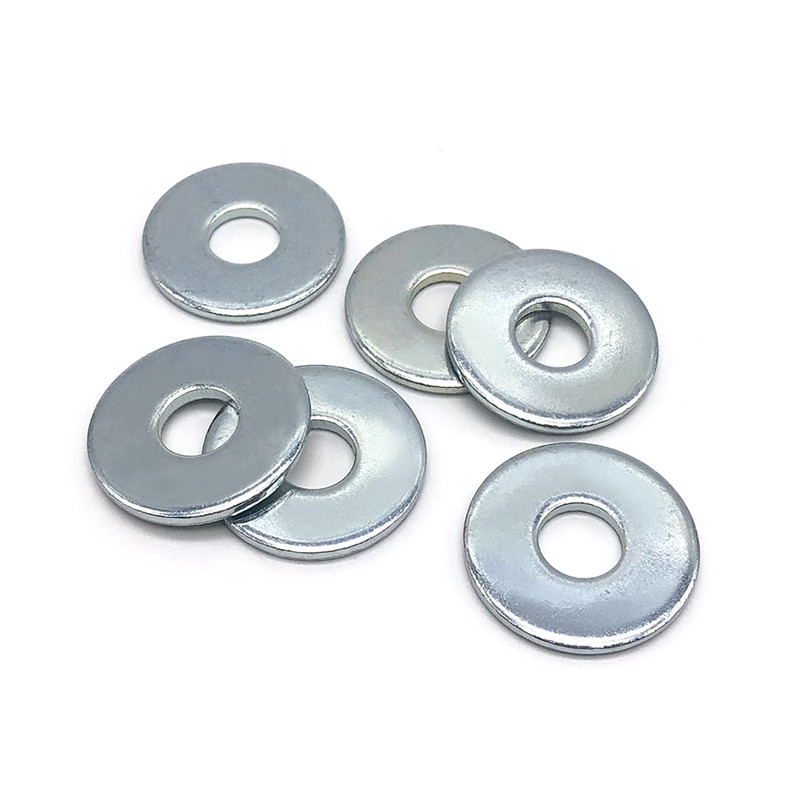
They pair seamlessly with nuts, washers, and brackets, making integration into existing designs straightforward.
Ease of Installation
Most contractors and engineers appreciate how threaded rods allow for adjustments during installation, something fixed welds just don’t offer.
Mini takeaway:
Their simplicity masks a clever combination of strength, versatility, and economy that fits a broad spectrum of needs.
Typical Specifications of a Standard 1 Inch Threaded Rod
| Specification | Details |
|---|---|
| Diameter | 1 inch (25.4 mm) |
| Length | Available in 3 ft to 12 ft standard lengths |
| Material | Carbon Steel, Stainless Steel, Alloy Steel |
| Thread Pitch | UNC (Unified Coarse) / UNF (Unified Fine) |
| Finish | Zinc-Plated, Hot-Dip Galvanized, Plain |
| Tensile Strength | Up to 120,000 psi depending on grade |
Global Applications & Usage Cases of 1 Inch Threaded Rods
Globally, this fastener finds use across a mind-boggling range of sectors. In the construction industry across Europe and North America, threaded rods support HVAC systems, anchor machinery, and act as structural reinforcements. Oddly enough, in Asia's booming infrastructure projects, they form part of bridge building and modular housing. Even humanitarian groups rely on them: in post-disaster relief operations, the rods help assemble temporary shelters that can withstand harsh weather while allowing disassembly and reuse.
Likewise, remote industrial zones in Africa depend on these rods for machine repairs where on-site welding or custom parts aren’t options. It really feels like the industrial world’s little problem solver.
Mini takeaway:
- Used from modular housing to high-rise buildings
- Vital in regions with limited fabrication resources
- Enables quick assembly and disassembly for relief efforts
Comparing Leading Vendors of 1 Inch Threaded Rods
| Vendor | Material Options | Finish Types | Typical Lead Time | Pricing (per ft) |
|---|---|---|---|---|
| FastenPro Inc. | Carbon Steel, Stainless Steel | Zinc-Plated, Galvanized | 5-7 days | $4.50 |
| ThreadMaster Co. | Alloy Steel | Hot-Dip Galvanized | 7-10 days | $5.20 |
| SteelFix Supplies | Carbon Steel | Plain / Zinc-Plated | 3-5 days | $3.90 |
Advantages and Future-Proofing Value of 1 Inch Threaded Rods
On a practical level, these rods offer tremendous value — they’re cost-efficient, reliable, and scalable. Beyond that, their use touches emotional cords too: imagine knowing the shelter you’re bolting together can stand firm in a storm, protect families, or hold critical machinery that keeps communities running.
Innovations continue, pushing sustainability: new coatings minimize corrosion without toxic chemicals, and recycled steel rods are becoming more common. Plus, automation in manufacturing ensures consistent thread quality, reducing waste.
Future Trends and Emerging Innovations
Looking ahead, expect digital transformation to introduce smart fasteners with embedded sensors tracking tension and wear — handy for industries where maintenance windows are tight, like aerospace or petrochemical plants.
Environmentally, bio-based coatings and greener steel production methods align with global decarbonization agendas (per UN climate targets). It’s odd but reassuring to see such a traditional product evolve alongside digital tech and sustainability goals.
Challenges & How Experts Overcome Them
Threaded rods aren’t magic. Sometimes, corrosion creeps in when specs aren’t strictly followed, or stress concentrations cause premature failure. However, engineers combat this with better material selections, improved surface treatments, and sometimes hybrid designs combining rods with weld reinforcement.
Supply chain hiccups also challenge availability but buying directly from reputable suppliers or stockpiling critical sizes helps mitigate risks.
Frequently Asked Questions About 1 Inch Threaded Rod
- Q: What is the typical load capacity of a 1 inch threaded rod?
- A: Load capacity varies by material and thread pitch but generally, carbon steel rods can hold tensile loads exceeding 30,000 pounds. Always check manufacturer specifications for safety margins.
- Q: Can 1 inch threaded rods be cut on site without losing strength?
- A: Yes, rods can be cut to length with proper tools like a chop saw. Make sure to protect cut ends from rust with paint or coating to maintain durability.
- Q: Are stainless steel threaded rods better for outdoor use?
- A: Absolutely. Stainless steel offers superior corrosion resistance, making it ideal for marine or outdoor environments compared to plain or zinc-plated rods.
- Q: How does the thread pitch affect compatibility?
- Thread pitch (coarse or fine) must match corresponding nuts and components to prevent stripping or loosening. Coarse threads are typically better for quick assembly; fine threads offer better tensile strength.
- Q: Is it feasible to use threaded rods for temporary structures?
- Definitely — threaded rods are excellent for modular and temporary build-ups since they enable easy disassembly and adjustment.
Wrapping It Up: Why the 1 Inch Threaded Rod Remains a Top Choice
In a world chasing innovation, the 1 inch threaded rod stands as a testament to usefulness, reliability, and adaptability. Whether you’re securing a vital machine component, constructing modular homes, or preparing relief shelters, this fastener quietly underpins success.
For your next project, consider how choosing the right 1 inch threaded rod can make a real difference. Curious to explore our range? Visit https://www.hbtbls.com to learn more.
References
Post time: Nov . 15, 2025 14:30


 English
  Albanian
  Arabic
  Armenian
  Azerbaijani
  Belarusian
  Bosnian
  Bulgarian
  Cebuano
  Corsican
  Czech
Czech  Galician
  Georgian
  Greek
Greek  Hausa
Hausa  Hebrew
  Hungarian
  Igbo
Igbo  Indonesian
  Italian
  Kazakh
  Khmer
Khmer  Korean
  Kurdish
  Kyrgyz
  Lao
Lao  Latin
Latin  Latvian
  Lithuanian
  Malay
Malay  Myanmar
  Nepali
  Polish
  Portuguese
  Russian
  Serbian
  Sesotho
  Shona
Shona  Sindhi
  Spanish
  Tagalog
  Tajik
Tajik  Thai
Thai  Turkish
  Turkmen
  Ukrainian
  Uzbek
Uzbek  Vietnamese
  Yoruba
  Zulu
Zulu