
What is an M20 Threaded Rod and Why It Matters Globally
If you've ever wondered about the humble M20 threaded rod, you’re in for an industrial adventure that's far bigger than just nuts and bolts. These rods might sound boring, but they’re the backbone of countless structures worldwide—from skyscrapers in New York to solar farms in Spain, and even emergency shelters in remote places. Understanding the m20 threaded rod means grasping a vital element of construction, infrastructure, and engineering that literally holds our modern life together.
Why does it matter? Globally, the construction industry alone makes up over 13% of the world GDP
(source: World Bank, 2023), and threaded rods like the M20 model are a small but crucial component of this giant ecosystem. As urban areas keep expanding and industries modernizing, demand for quality, reliable fasteners skyrockets. Threaded rods provide strength and flexibility in connections where welds or other fasteners might not work efficiently.
A key challenge addressed by the M20 threaded rod is ensuring structure integrity under dynamic stresses, especially with growing infrastructure demands in earthquake-prone or rapidly urbanizing regions. So, it’s more than just a rod; it’s a quiet hero supporting global development and disaster resilience alike.
Understanding the M20 Threaded Rod: A Simple Definition
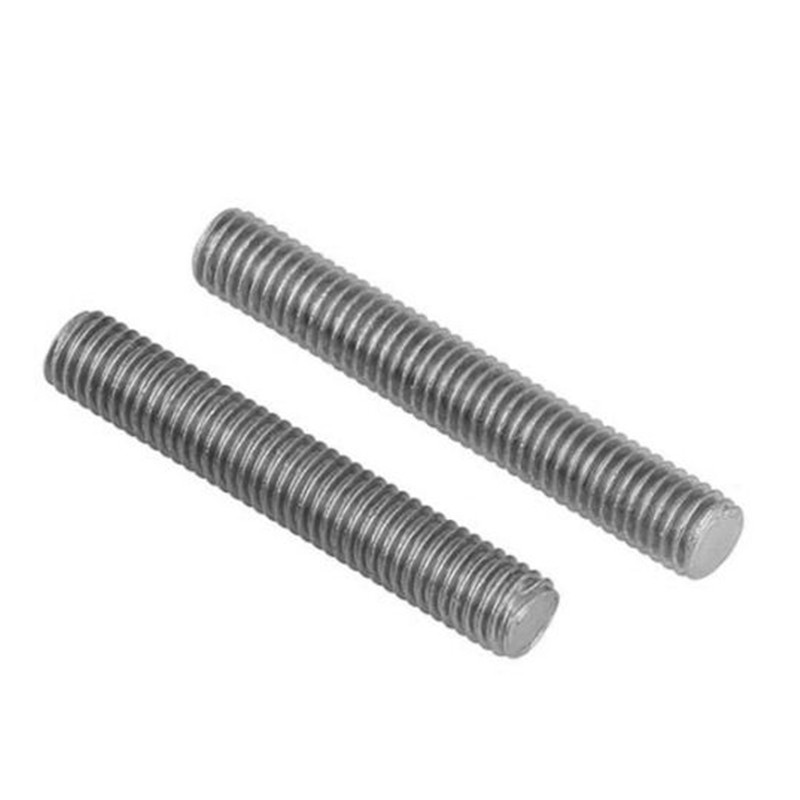
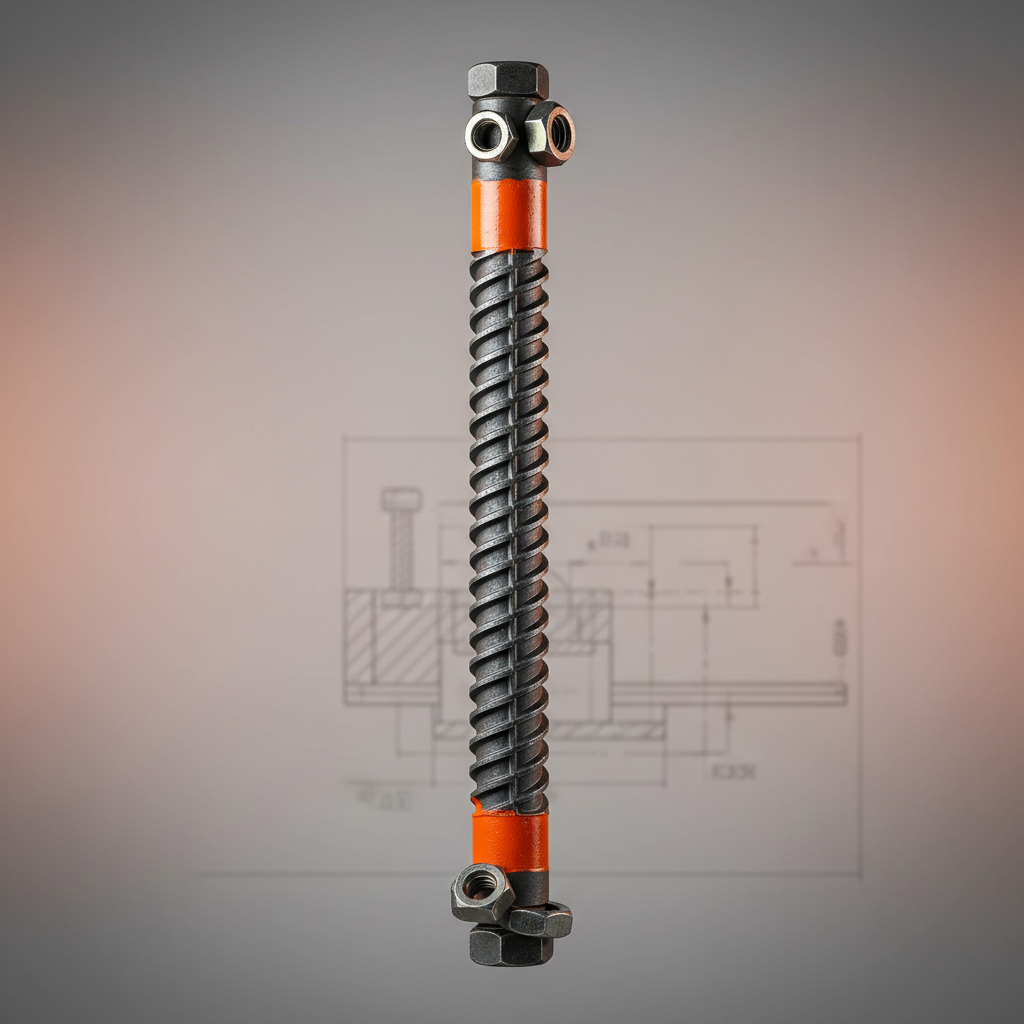
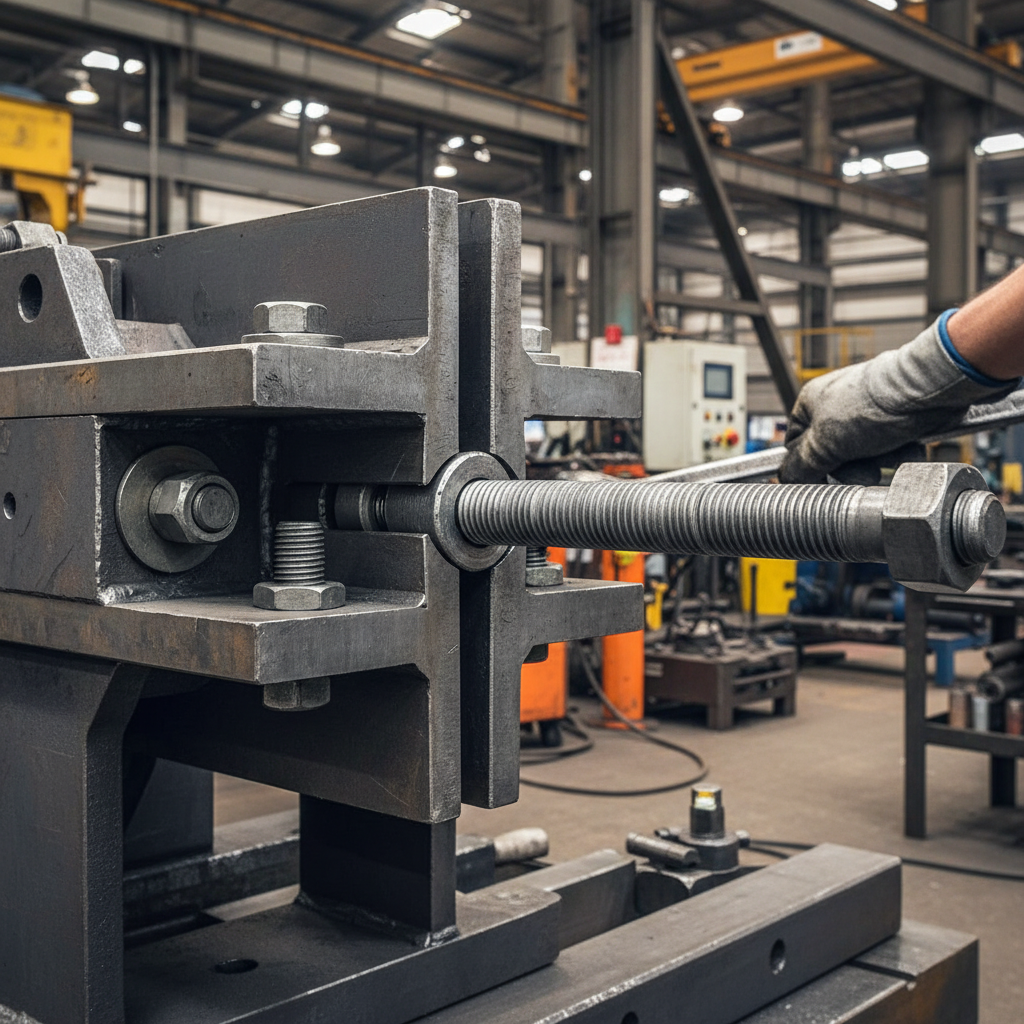
At its core, an M20 threaded rod is a long, slender metal rod threaded along its length. The “M20” signifies the metric diameter — roughly 20 millimeters. Think of it as a super-sized screw without a typical head, designed for heavy-duty fastening.
These rods work like a backbone system allowing bolts and nuts to be fixed at varying lengths and angles. Because of their uniform thread, they’re incredibly versatile—used in everything from securing mechanical parts to anchoring concrete foundations.
Interestingly, these rods tie directly into modern industry and even humanitarian needs—like constructing rapid deployment shelters or securing temporary bridges after natural disasters. In these cases, their uniformity and durability help engineers craft resilient, quick-to-assemble solutions that save lives.
Key Factors Behind the M20 Threaded Rod's Efficiency
1. Durability and Strength
Most M20 rods come in high-grade steel, often galvanized or stainless, to resist corrosion. This means they can handle heavy loads and harsh environments without failing. Many engineers say this reliability makes them a staple in infrastructure projects worldwide.
2. Customizability
The threaded design lets users cut rods to the desired length and fit nuts or coupling devices at any point. This flexibility makes them perfect for creative engineering problems where standard bolts won't do.
3. Cost Efficiency
Given their simplicity and widespread manufacture, M20 rods are surprisingly affordable, reducing project costs without sacrificing safety.
4. Scalability
From small-scale DIY repairs to massive construction projects, the threaded rods scale easily. Companies can order tons or just a handful with equal ease.
5. Easy Installation
Compared to welding or custom machining, threaded rods speed up installation. This is crucial in time-sensitive builds, especially emergency relief.
6. Compatibility With Various Materials
The M20 threaded rod works seamlessly with concrete, wood, and metal, acting as a true universal fastener.
Product Specifications: A Snapshot of Typical M20 Threaded Rod
| Specification | Details |
|---|---|
| Diameter | 20 mm (M20) |
| Length Range | 500 mm to 3000 mm (customizable) |
| Material | Carbon Steel, Stainless Steel, Galvanized Steel |
| Thread Pitch | 2.5 mm (standard metric coarse) |
| Tensile Strength | 800–1200 MPa (depending on grade) |
| Surface Finish | Plain, Zinc-Plated, Hot-Dip Galvanized |
Mini takeaway: The M20 threaded rod blends strength, versatility, and affordability, making it a top pick across multiple sectors.
Global Applications and Real-World Use Cases
In real terms, you’ll find M20 threaded rods embedded in all corners of the world’s infrastructure:
- Construction: They gird skyscraper frameworks in cities like Dubai and Shanghai, enabling tension and compression support.
- Energy: Solar panel mounting systems in sunny regions from California to Chile rely on these rods for durability and adjustability.
- Disaster Relief: NGOs use threaded rods to build quick-to-assemble shelters and bridges post-earthquake or flood, for instance in Nepal or the Philippines.
- Industrial Machinery: Factories across Europe depend on them to hold equipment and pipelines, allowing rapid maintenance cycles.
Oddly enough, many manufacturers in their product literature say that demand from developing economies remains one of the strongest growth drivers—large infrastructure projects, improved roads, and housing continue to need rugged fasteners in bulk.
Vendor Comparison: Choosing the Right Supplier for M20 Threaded Rod
| Supplier | Material Options | Customization | Lead Time | Price Range (per kg) |
|---|---|---|---|---|
| Global Rods Inc. | Stainless, Galvanized | Cut-to-Length, Thread Pitch | 2 weeks | $4.10 - $5.00 |
| Steel Fasteners Ltd. | Carbon Steel, Zinc-Plated | Standard Sizes Only | 1 week | $3.50 - $4.20 |
| Metro Metal Works | Custom Alloys, Hot-Dip Galv. | Full Customization | 3 weeks | $5.00 - $6.00 |
Mini takeaway: Your choice will depend on budget, required customization, and how fast you need the rods delivered.
Advantages and Long-Term Value of M20 Threaded Rods
Frankly, there’s something quietly reassuring about knowing that a simple rod can hold so much responsibility. From a practical point of view, M20 threaded rods provide:
- Longevity: Properly treated rods can outlast many other construction components, lowering replacement costs.
- Sustainability: Many suppliers now offer eco-friendly steel options, contributing to greener infrastructure projects.
- Safety: Reliable fastening avoids catastrophic failures—especially critical in seismic zones.
- Emotional trust: Whether you're a project manager or a homeowner, knowing the building “won’t fall apart” offers peace of mind.
Plus, using a proven and globally standardized part means easier procurement, fewer engineering headaches, and a simpler life for everyone involved.
Emerging Trends and Innovations to Watch
In the fast-changing world of materials science, M20 threaded rods are not standing still:
- Advanced Coatings: Nano-ceramic coatings are being trialed to boost corrosion resistance beyond galvanizing.
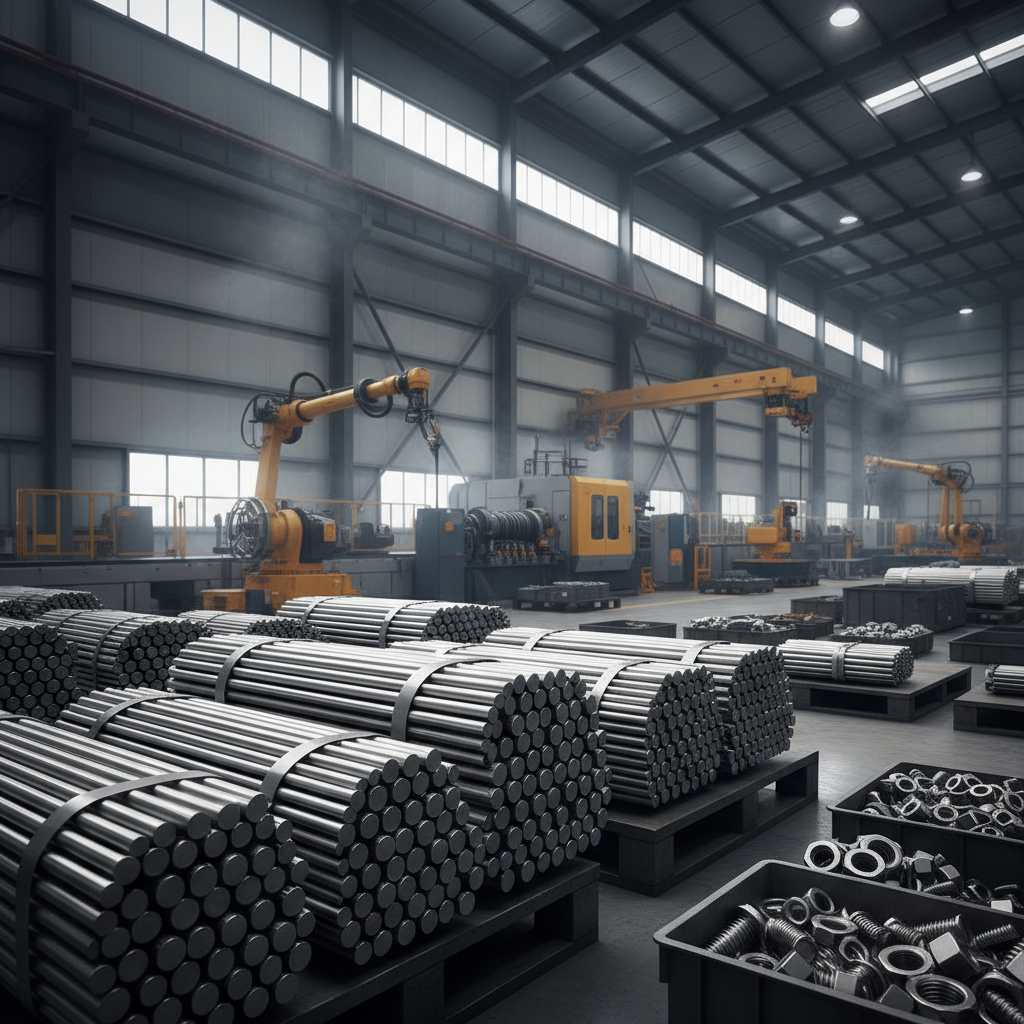
- Automation in Production: Cutting and threading machines powered by AI reduce waste and increase accuracy.
- Green Steel: Some manufacturers are switching to hydrogen-reduced steel, aiming to cut carbon emissions drastically.
- Integration with IoT: Smart fasteners embedded with sensors for structural health monitoring might become a reality soon.
All this innovation points toward a future where fasteners feel less “invisible” and more like high-tech partners in structural safety.
Challenges and Solutions in Using M20 Threaded Rods
As durable as they are, these rods face hurdles:
- Corrosion in Extreme Environments: Saltwater or industrial gases can degrade rods prematurely.
- Supply Chain Disruptions: Recent global events have made sourcing large quantities challenging.
- Installation Errors: Improper torque or fitting can cause failures.
Experts recommend more rigorous quality control, choosing proper coatings for environment, and training teams carefully. Also, sourcing from reputable manufacturers with quick delivery is key — for example, ordering from m20 threaded rod suppliers who specialize in customizable solutions.
FAQ: Common Questions About M20 Threaded Rod
Q1: What are the most typical uses of an M20 threaded rod?
A1: M20 threaded rods are commonly used in construction to secure structural components, in machinery mounting, and for anchoring systems like solar panels or heavy equipment. Their uniform threading makes them versatile for many fastening needs.
Q2: How long can an M20 threaded rod last outdoors?
A2: With proper material selection and coatings (such as hot-dip galvanizing or stainless steel), M20 threaded rods can last anywhere from 10 to 50 years outdoors, depending on environmental conditions.
Q3: Can I cut M20 threaded rods to custom lengths?
A3: Absolutely. One of the advantages is their easy customization by cutting and threading to your project’s length requirement, which adds flexibility and cost savings.
Q4: How do I ensure corrosion resistance on an M20 threaded rod used in coastal areas?
A4: Choose stainless steel variants or hot-dip galvanized rods, and regularly inspect them. Some advanced coatings also improve durability in salty, humid conditions.
Q5: Where can I order quality M20 threaded rods for industrial use?
A5: There are many suppliers globally. For reliable, customizable options with proven quality, check vendors like those at m20 threaded rod. They specialize in rapid delivery and various material grades.
Wrapping Up: The Long-Term Value of M20 Threaded Rods
When you really think about it, the M20 threaded rod represents a perfect blend of strength, reliability, and practical engineering wisdom. It’s one of those quiet enablers of modern civilization—unsung, but absolutely crucial. Whether holding up a bridge or securing industrial gear, grasping its importance helps you appreciate the enormous effort behind every stable structure.
For those considering their next project, sourcing the right M20 threaded rod supplier is vital. Curious? Take a peek at m20 threaded rod selections online — sometimes, the right fastener is the difference between solid success and costly delays.
References:
Post time: Nov . 15, 2025 04:00


 English
  Albanian
  Arabic
  Armenian
  Azerbaijani
  Belarusian
  Bosnian
  Bulgarian
  Cebuano
  Corsican
  Czech
Czech  Galician
  Georgian
  Greek
Greek  Hausa
Hausa  Hebrew
  Hungarian
  Igbo
Igbo  Indonesian
  Italian
  Kazakh
  Khmer
Khmer  Korean
  Kurdish
  Kyrgyz
  Lao
Lao  Latin
Latin  Latvian
  Lithuanian
  Malay
Malay  Myanmar
  Nepali
  Polish
  Portuguese
  Russian
  Serbian
  Sesotho
  Shona
Shona  Sindhi
  Spanish
  Tagalog
  Tajik
Tajik  Thai
Thai  Turkish
  Turkmen
  Ukrainian
  Uzbek
Uzbek  Vietnamese
  Yoruba
  Zulu
Zulu