
Understanding the 6mm Threaded Rod: Small Component, Big Impact
At first glance, a 6mm threaded rod might seem like just a slender, simple piece of metal—nothing fancy. But this humble fastener plays a surprisingly vital role across countless industries worldwide. From construction scaffolding to complex industrial machinery, getting the right threaded rod can make or break the durability and safety of a project. In a global economy that thrives on speed, stability, and innovation, understanding these rods isn’t just a niche hardware topic—it’s a practical necessity with exponential benefits.
Why the 6mm Threaded Rod Matters Globally
Threaded rods, especially the 6mm type, are part of a $24 billion global fastener market (ISO estimates 2022). Their relatively small size belies their prevalence—from Asia’s booming infrastructure projects to Europe’s precision engineering plants. Yet, even with such ubiquity, challenges remain: inconsistencies in quality, supply chain disruptions, and environmental concerns create gaps that affect many industries relying on reliable fasteners.
For instance, post-disaster humanitarian construction in Southeast Asia often requires fast assembly, durable materials, and easy sourcing. Here, the 6mm threaded rod emerges as a smart solution, fulfilling both lightweight and sturdy demands. It’s a small piece that fits a big puzzle.
Mini Takeaway: The 6mm threaded rod is a global backbone in construction and manufacturing—tiny yet mighty, addressing challenges of durability and availability.
Defining the 6mm Threaded Rod
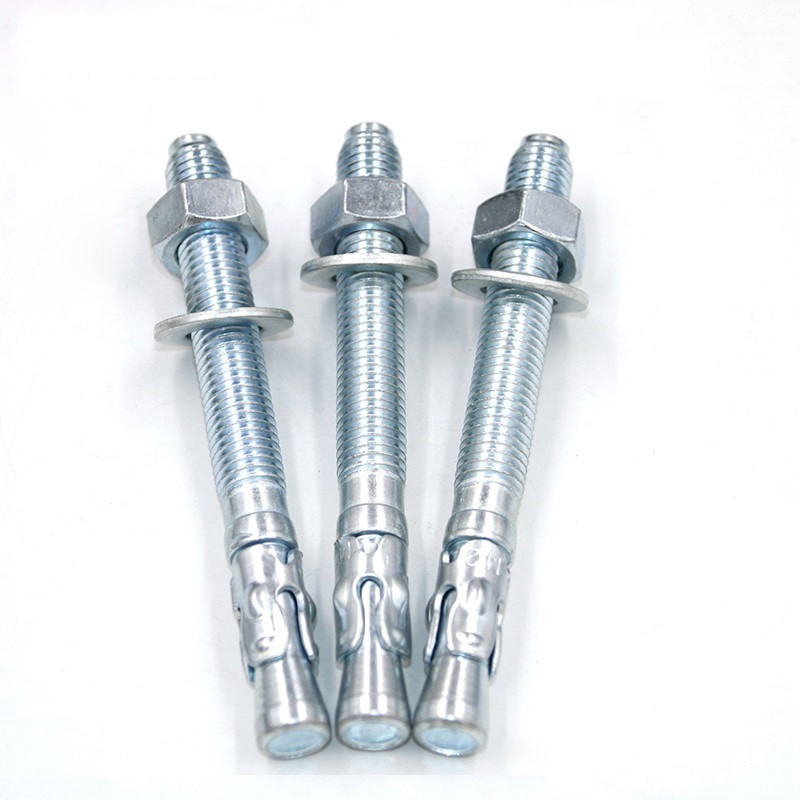
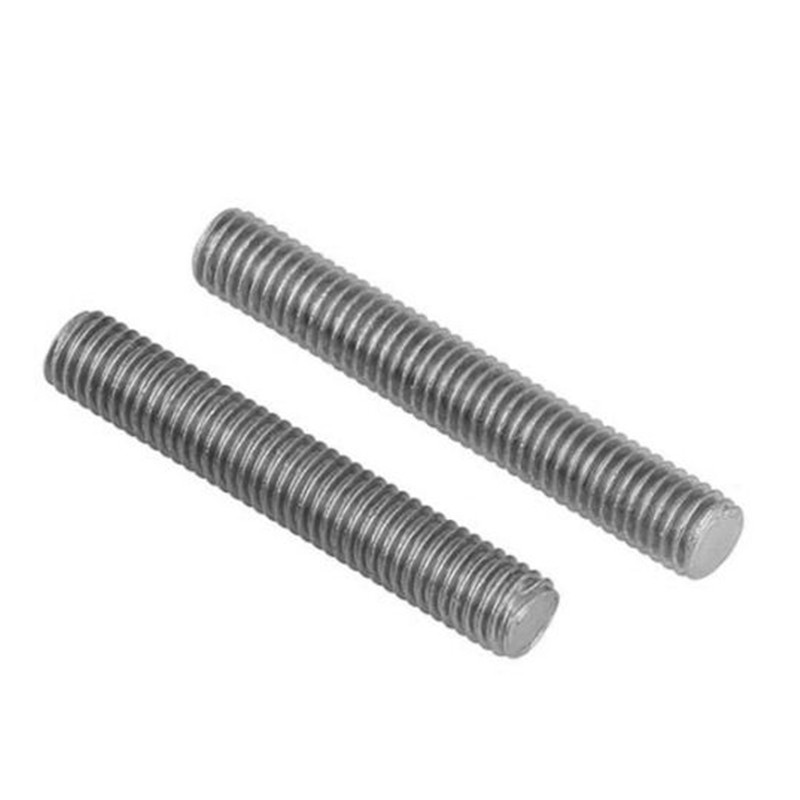
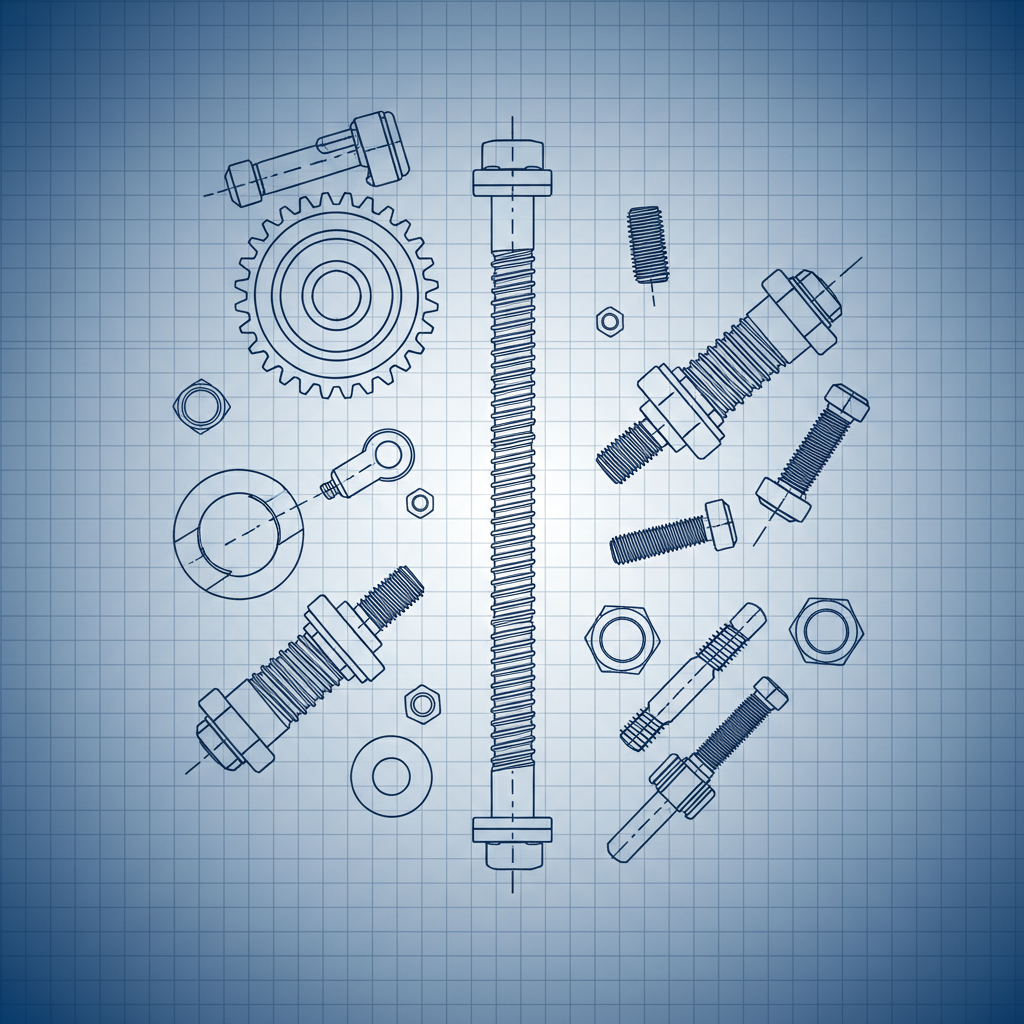
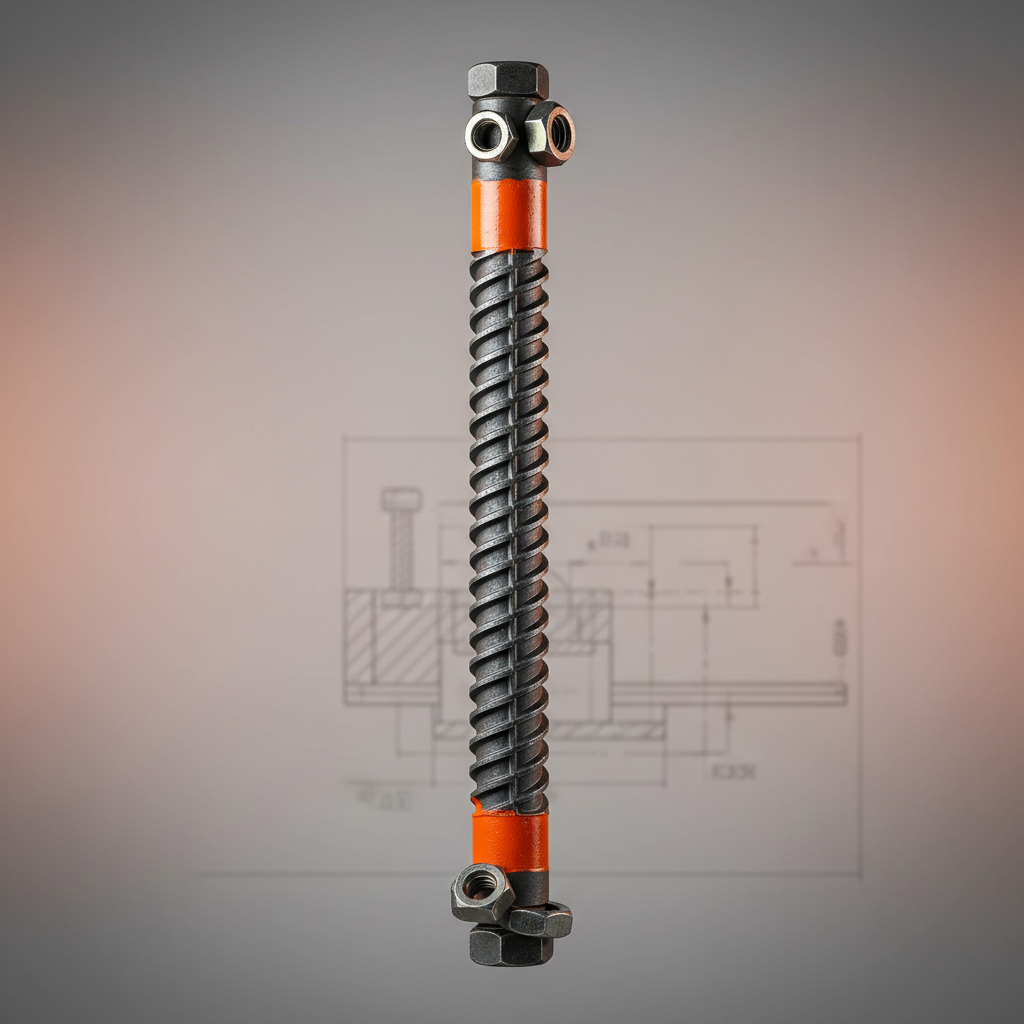
Simply put, a 6mm threaded rod is a long, cylindrical steel rod with helical threads running along its entire length, specifically 6 millimeters in diameter. It acts like a giant bolt without a head, designed to fasten things firmly when used with nuts and washers. While this sounds straightforward, these rods serve as core components in load-bearing and tension applications.
Modern industries—from renewable energy frameworks to modular housing—rely heavily on such fasteners. Humanitarian engineering efforts appreciate their ease of transport and assembly, enabling rapid construction of shelters or water systems where every hour counts.
Key Aspects of 6mm Threaded Rods
Durability
Engineered usually from high-grade carbon steel, stainless steel, or alloy steel, these rods withstand corrosion, tensile stress, and environmental wear. Durability ensures long-term reliability in harsh outdoor or industrial settings, say, coastal wind farms or remote factories. Without that, structures risk failure or costly maintenance.
Scalability & Versatility
Available in custom lengths and thread pitches, 6mm threaded rods adapt well to diverse engineering needs. Scaffolding, electrical enclosures, or automotive assemblies all benefit. Oddly enough, their standard metric sizing means you can source comparable rods worldwide, critical for global projects and emergency relief.
Cost Efficiency
The fusion of simple design with mass manufacturing makes these rods affordable yet reliable. They reduce the cost of logistics and installation while maintaining high performance. For NGOs or small businesses, this balance often determines project feasibility.
Ease of Use
6mm rods allow quick assembly with basic tools—nobody's fiddling with complex gearboxes here. This ease translates to lower training requirements for onsite workers and faster build times.
| Specification | Details |
|---|---|
| Diameter | 6 mm (M6) |
| Length | From 100 mm to 1,000 mm (custom available) |
| Material | Carbon steel, Stainless steel, Alloy steel |
| Thread Pitch | Standard: 1.0mm pitch (fine/coarse variants available) |
| Tensile Strength | 400-800 MPa depending on grade |
| Common Finish | Zinc plating, Hot-dip galvanized |
Mini Takeaway: These rods pack strength, adaptability, and affordability into one neat package. No wonder they’re everywhere.
Global Applications & Use Cases
Where aren’t 6mm threaded rods used? Here’s a quick tour:
- Construction: Used extensively in formwork, concrete reinforcement, and scaffolding—especially popular in Asian and African growing urban centers.
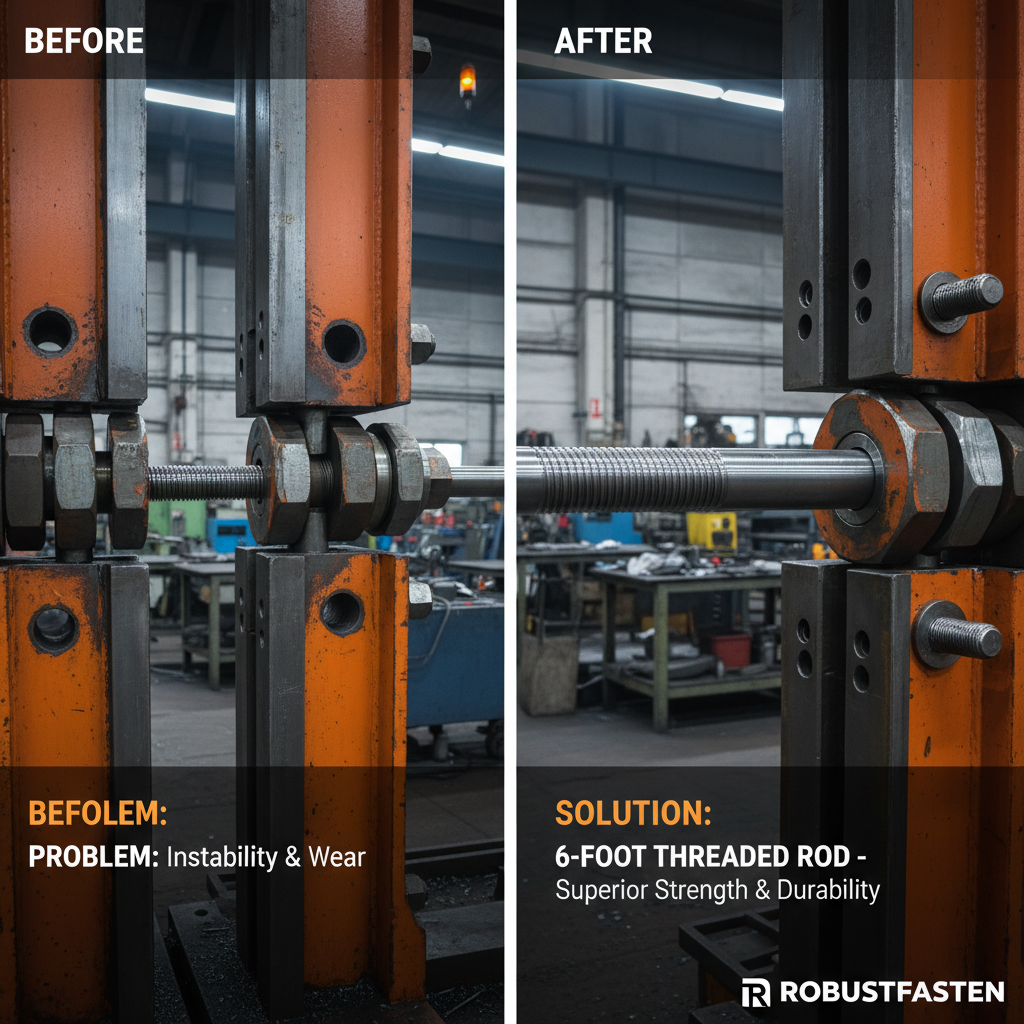
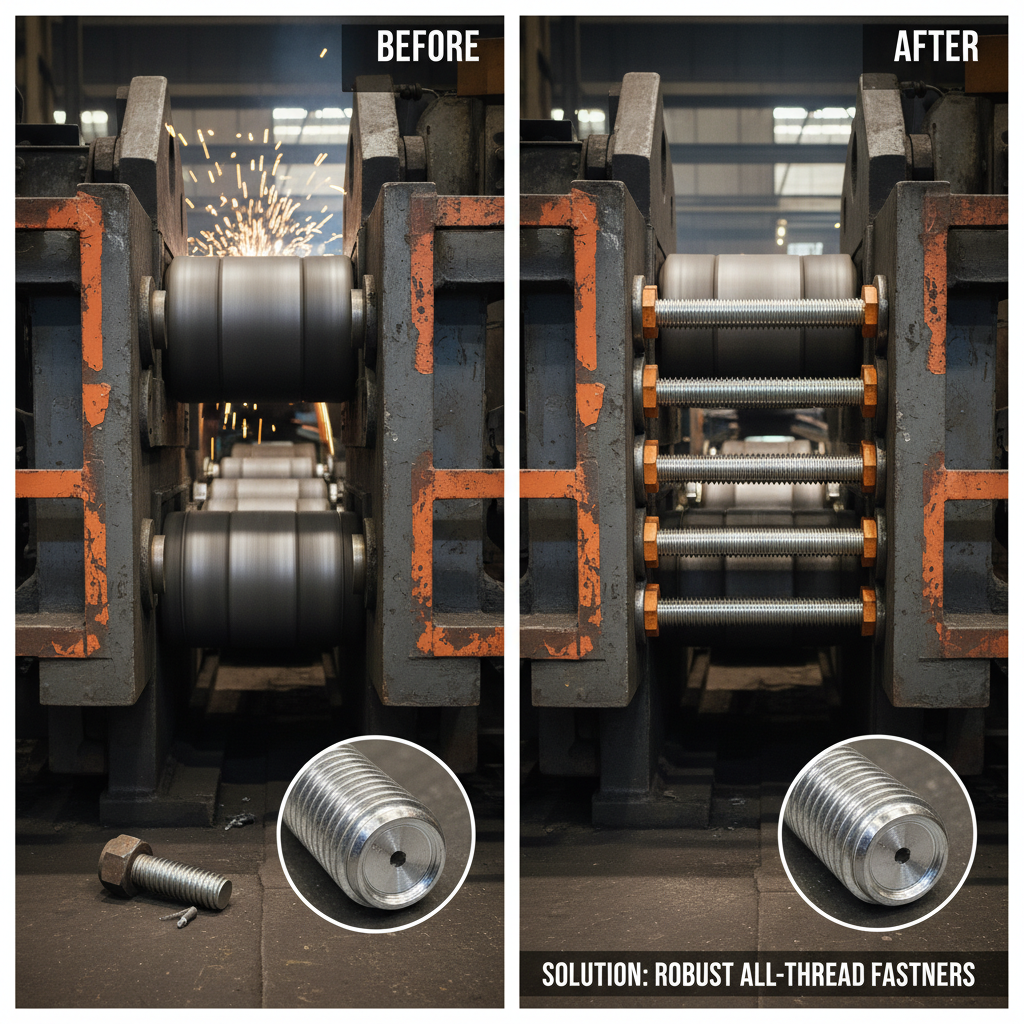
- Manufacturing: Essential in assembling machinery, conveyor systems, and structural frames across factories worldwide.
- Renewable Energy: Wind farms and solar panel mounts in Europe and North America rely on robust fasteners like threaded rods for longevity.
- Emergency Relief & Humanitarian Aid: NGOs use them to build shelters: easy to transport, quick to assemble, reliable in multiple climates.
- Automotive and Electronics: Engine components and chassis often secure with these rods, capitalizing on their tensile strength and fine threading.
For example, after Typhoon Haiyan in the Philippines, relief teams assembled temporary housing with modular kits held together by M6 rods—highlighting how something so small can have huge social impact.
Comparing Leading 6mm Threaded Rod Vendors
| Vendor | Material Options | Customization | Geographical Reach | Typical Lead Time |
|---|---|---|---|---|
| HBTBLS Fasteners | Steel, Stainless, Alloy | Yes, up to 3 meters | Global — OEM & Retail | 2-4 weeks |
| GlobalPins Ltd. | Primarily Carbon Steel | Limited size options | Europe, Asia | 1-3 weeks |
| ThreadMasters Inc. | Alloy and Stainless Steel | Custom threading available | North America, Europe | 3-5 weeks |
Advantages & Long-Term Value of Using 6mm Threaded Rods
Many engineers say that while it’s “just a rod,” the benefits stack up beyond cost and convenience. Here’s what really matters:
- Reliability: When tension or compression reliability counts, the uniform threading delivers consistent fastening.
- Longevity: The material and finish options ensure protection from corrosion—meaning fewer replacements and maintenance headaches.
- Sustainability: Many vendors now supply eco-friendly zinc-free coatings or recycled steel variants, aiding green building certifications.
- Emotional peace of mind: For builders and designers, knowing a project is held by quality rods offers instant trust—less worrying, faster approvals.
What’s Next? Future Trends in 6mm Threaded Rod Innovation
The future is, unsurprisingly, pretty technical. We’re already seeing shifts toward higher-strength alloys that reduce diameter without sacrificing load capacity—helpful in lightweight transportation and aerospace sectors. Additive manufacturing is beginning to enter fastener production, promising on-demand custom sizes with superior tolerances. Plus, coatings are advancing to self-healing and anti-corrosive types.
Supply chains are also digitizing their inventory processes, meaning 6mm threaded rod availability will improve globally, mitigating shortages from sudden surges.
Common Challenges and How to Overcome Them
Let’s face it: not every threaded rod out there is created equal. Sometimes quality varies, and poorly finished rods can rust quickly or strip threads in heavy use. Sourcing mismatches in international projects can cause delays or incompatible nuts.
Experts recommend rigorous testing standards (like ISO 898-1 for mechanical properties) and working with trusted vendors who offer traceability certifications. Custom packaging and pre-inspection reduce waste and site delays.
FAQs About 6mm Threaded Rods
Q1: What’s the difference between coarse and fine threading on a 6mm rod?
A: Coarse threads (standard pitch 1.0mm) offer quicker assembly and better resistance to damage in softer materials. Fine threads provide higher tensile strength and are great when precise adjustment is needed. Your application dictates the choice.
Q2: Can 6mm threaded rods be used outdoors without rusting?
A: Yes, if made from stainless steel or with protective coatings like hot-dip galvanizing or zinc plating. Regular carbon steel rods are prone to rust outdoors unless treated.
Q3: How do I choose the right length for a 6mm threaded rod?
A: Consider the thickness of the materials you're joining plus allowances for nuts and washers on both ends. Common lengths range from 100mm to 1000mm, but custom sizes are also available.
Q4: Is it possible to cut 6mm rods to size onsite?
A: Absolutely. These rods can be cut with standard metal cutting saws. Just ensure thread ends are cleaned or re-threaded if necessary before installation.
Q5: How can NGOs import these rods efficiently for disaster relief?
A: Partnering with global vendors offering bulk shipments and custom packaging is key. Certifications for import/export and choosing vendors experienced in humanitarian logistics smooth the process.
Wrapping Up: Why the 6mm Threaded Rod Still Holds Strong
In a world full of complex machinery and evolving tech, it’s refreshing to realize how such a simple, straightforward component remains indispensable. The 6mm threaded rod hits the sweet spot of strength, affordability, and versatility — powering everything from skyscrapers to emergency shelters.
Curious to explore premium options or custom sizes? Visit our website: 6mm threaded rod and see firsthand why countless engineers trust these rods worldwide.
References:
Post time: Nov . 15, 2025 23:30


 English
  Albanian
  Arabic
  Armenian
  Azerbaijani
  Belarusian
  Bosnian
  Bulgarian
  Cebuano
  Corsican
  Czech
Czech  Galician
  Georgian
  Greek
Greek  Hausa
Hausa  Hebrew
  Hungarian
  Igbo
Igbo  Indonesian
  Italian
  Kazakh
  Khmer
Khmer  Korean
  Kurdish
  Kyrgyz
  Lao
Lao  Latin
Latin  Latvian
  Lithuanian
  Malay
Malay  Myanmar
  Nepali
  Polish
  Portuguese
  Russian
  Serbian
  Sesotho
  Shona
Shona  Sindhi
  Spanish
  Tagalog
  Tajik
Tajik  Thai
Thai  Turkish
  Turkmen
  Ukrainian
  Uzbek
Uzbek  Vietnamese
  Yoruba
  Zulu
Zulu