
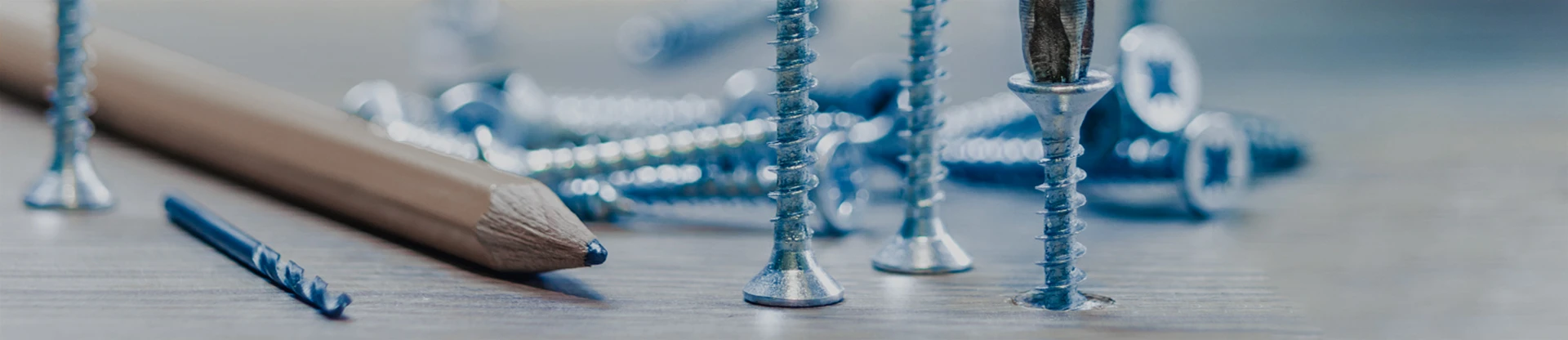
Understanding the Versatility of 6mm Screwed Rods
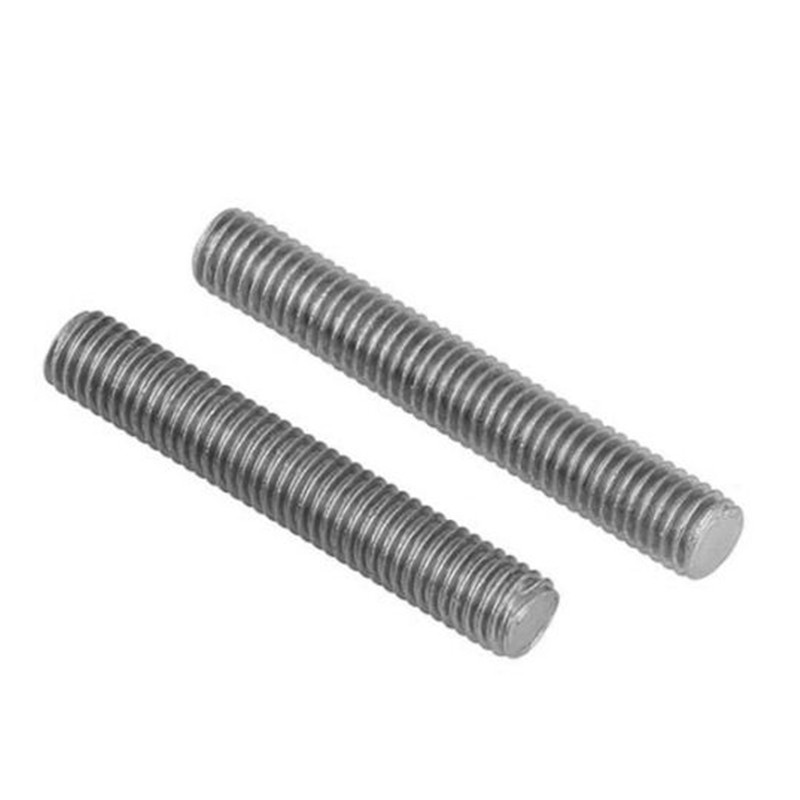
The 6mm screwed rod, also known as a threaded rod, is a fundamental fastening component utilized across a vast spectrum of industrial and commercial applications. Its inherent strength, combined with the ease of installation and compatibility with various materials, makes it a popular choice for engineers and construction professionals. This article will delve into the properties, applications, material types, and considerations when selecting a 6mm screwed rod, providing a comprehensive guide for both novice and experienced users. Ensuring you choose the right rod is vital for structural integrity and project success.
Key Properties of 6mm Screwed Rods
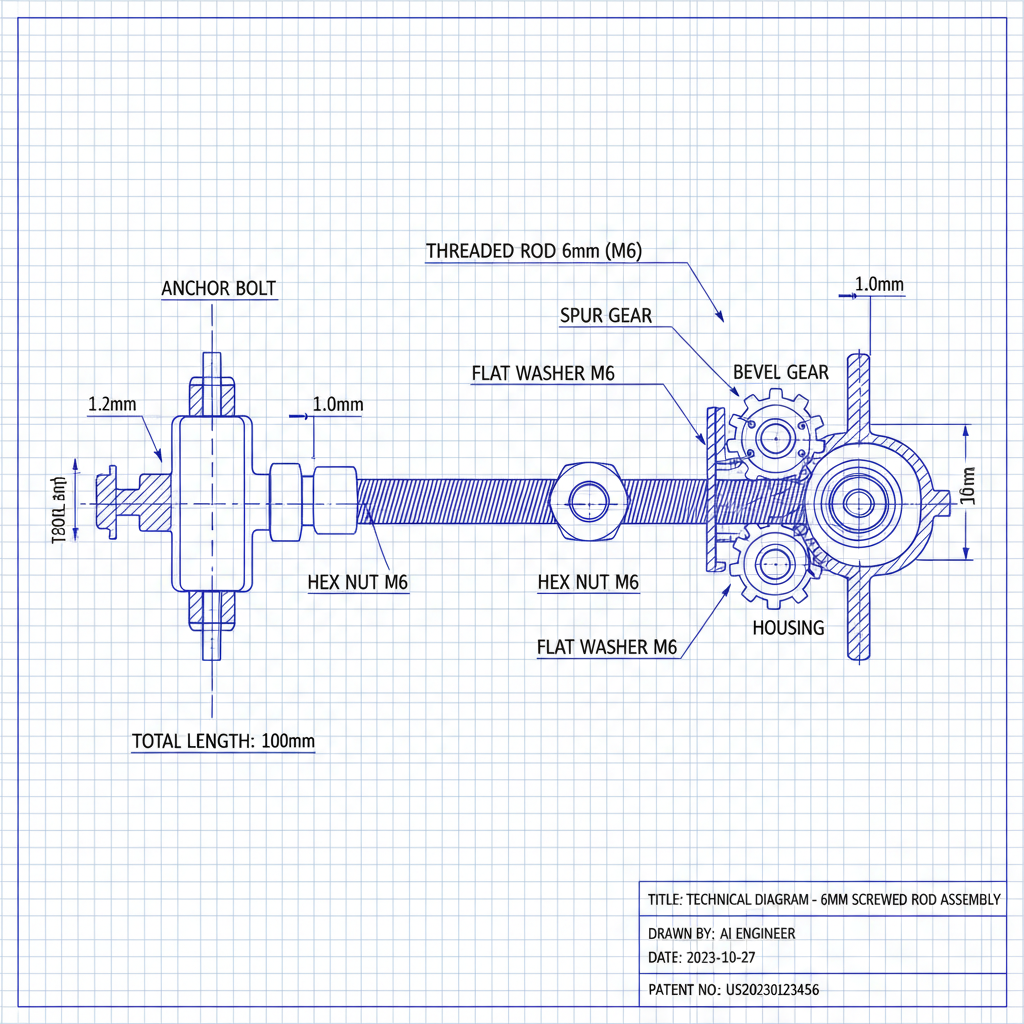
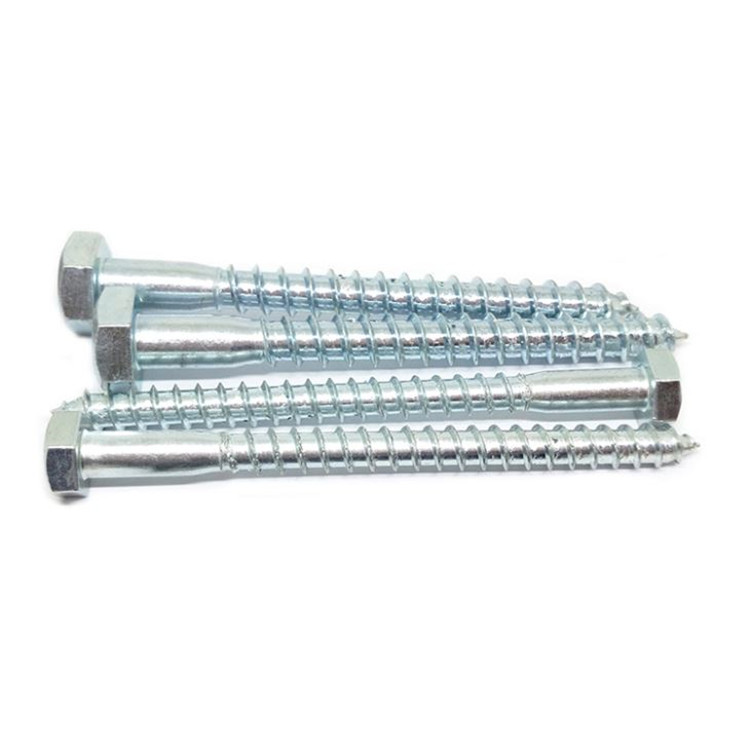
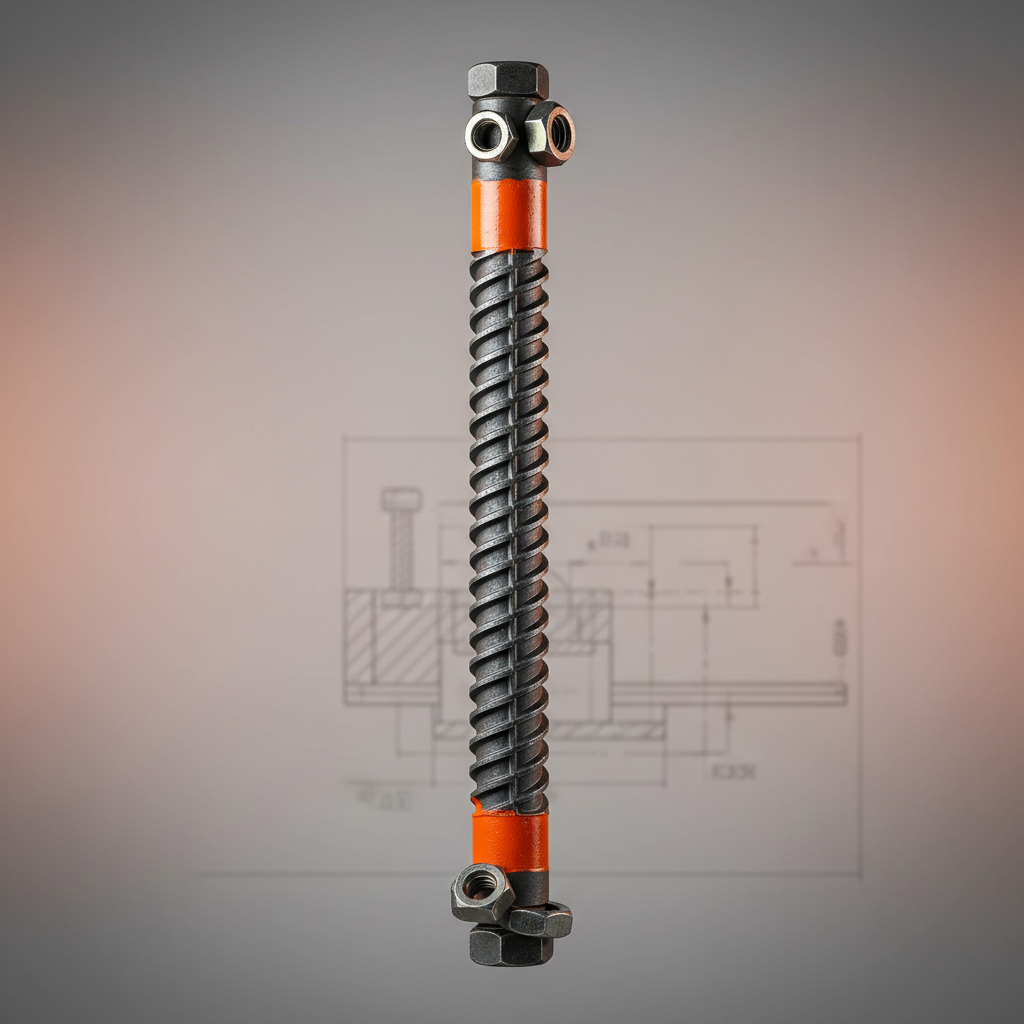
A 6mm screwed rod's defining characteristic is its 6mm diameter, referring to the core of the rod. The thread pitch (distance between threads) varies depending on the standard (metric, UNC, UNF) and desired application. Common materials include carbon steel, stainless steel (304, 316), and alloy steel, each offering different strengths, corrosion resistance, and temperature tolerances. The tensile strength, yield strength, and hardness are critical parameters to consider, especially in load-bearing applications. The HBTLS range offers diverse options meeting various industry standards.
Key Highlights: 6mm diameter, varying thread pitches, common materials include carbon steel and stainless steel, critical properties include tensile strength and yield strength.
Common Applications of 6mm Screwed Rods
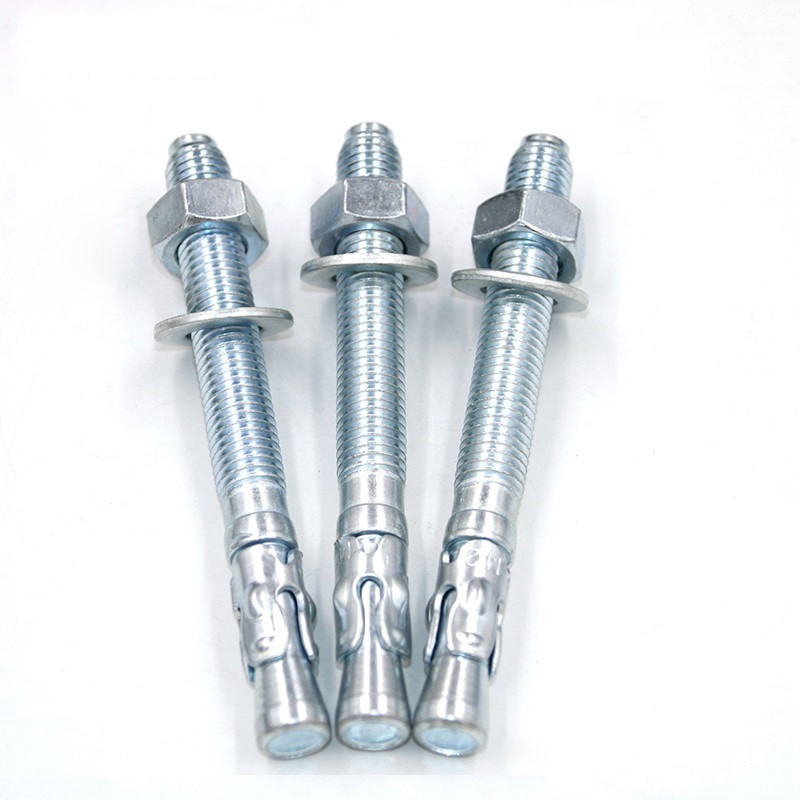
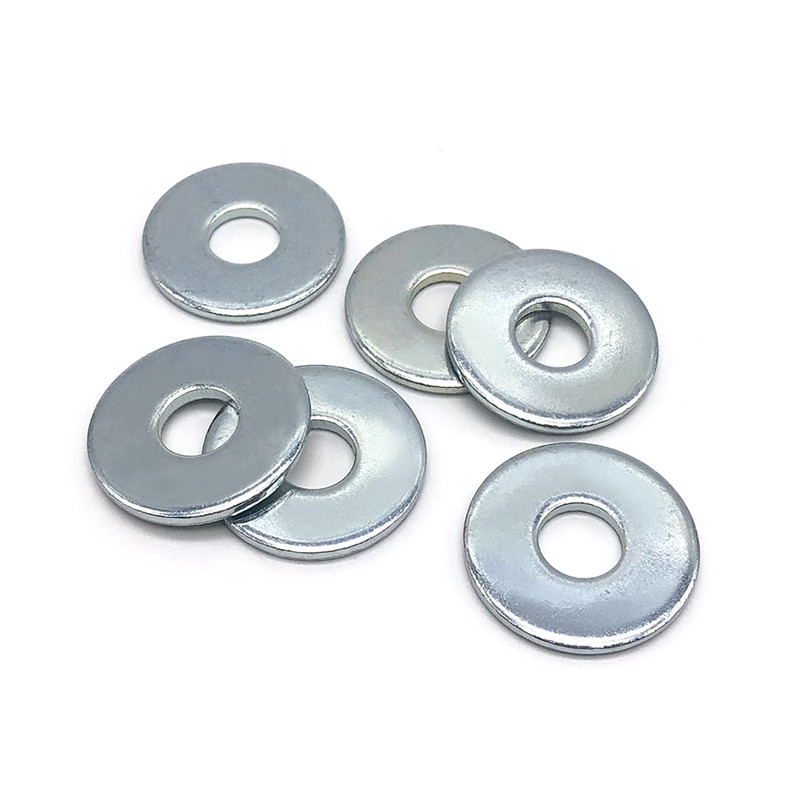
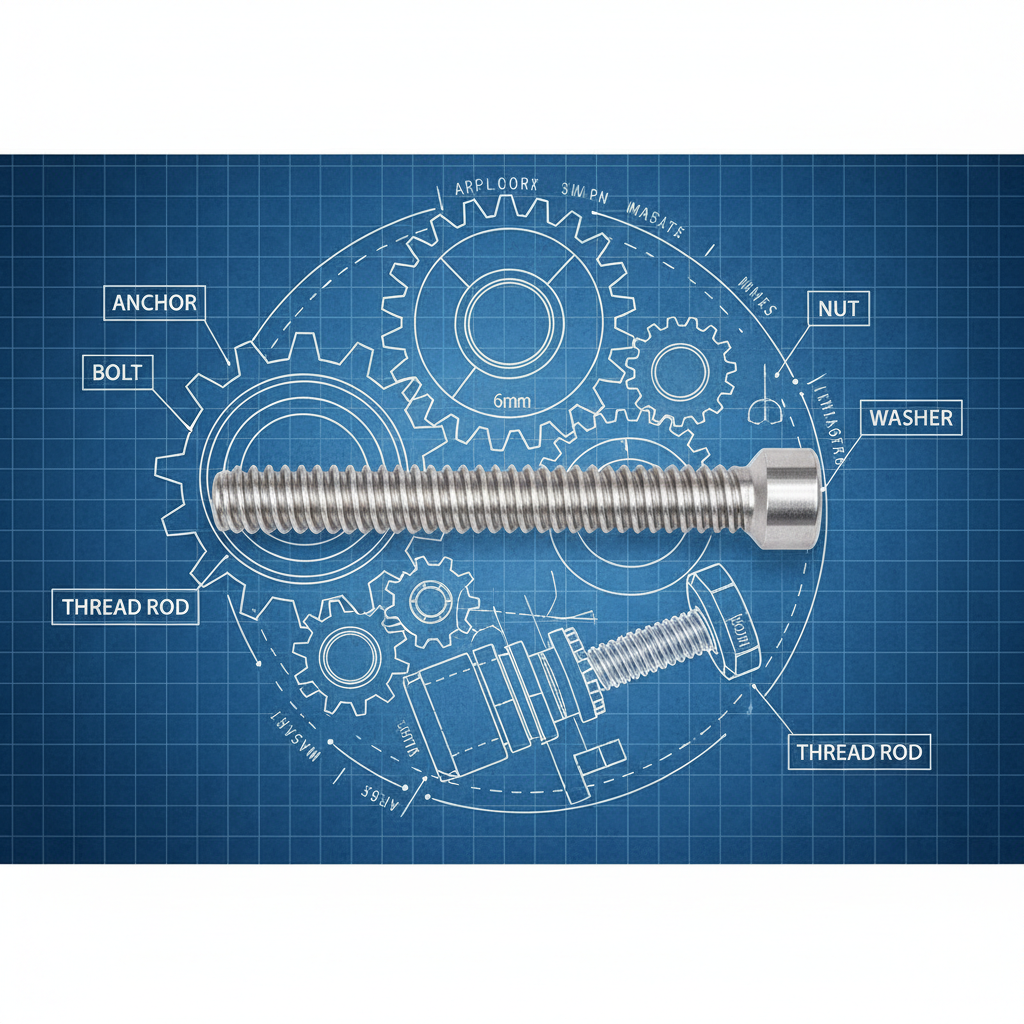
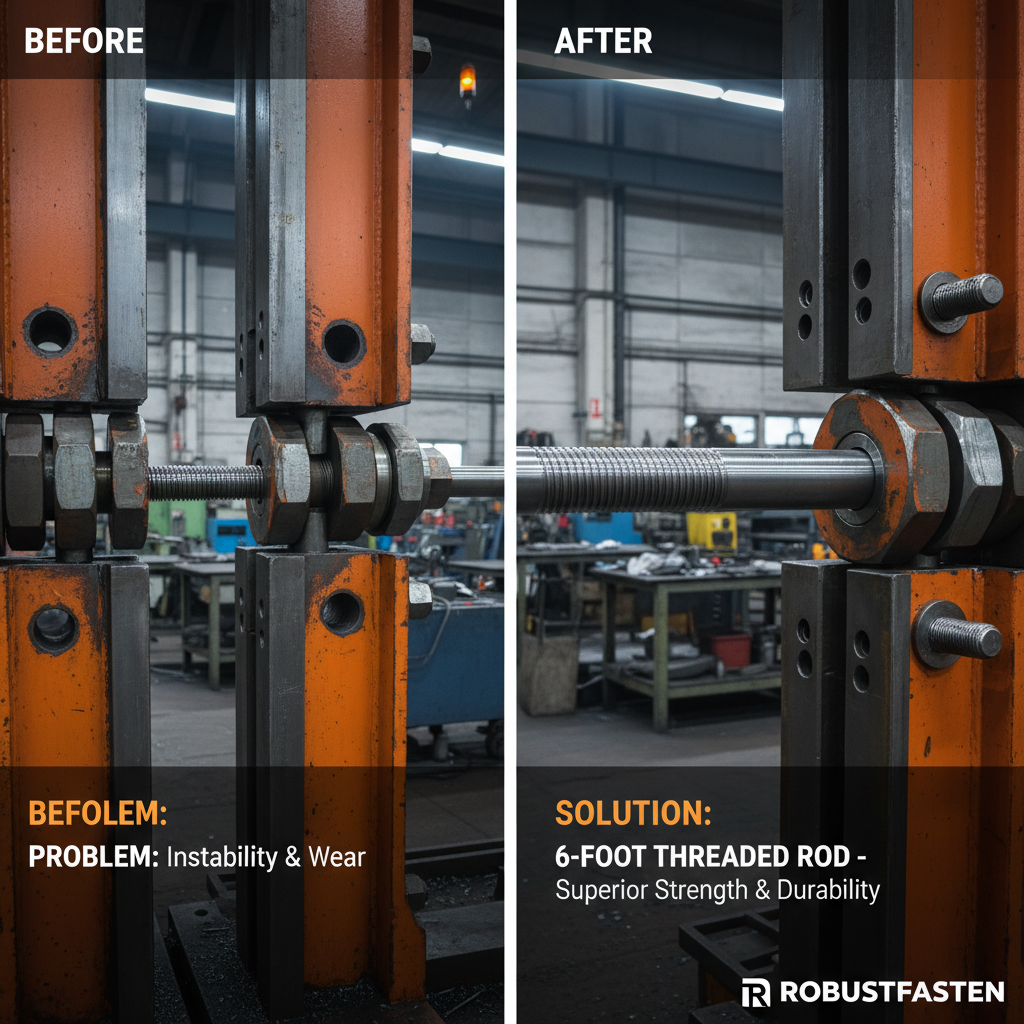
6mm screwed rods find extensive use in applications like: structural support, machinery assembly, pipe hanging systems, electrical installations, and furniture construction. They’re frequently used with nuts and washers to create secure and adjustable connections. In construction, they are crucial for anchoring bolts and connecting structural elements. The relatively small diameter makes them suitable for applications where space is limited, but sufficient strength is still required. You can find a diverse range of application-specific 6mm screwed rods at HBTLS.
Application Benefits:
• Versatile across various industries
• Ideal for structural support and anchoring
• Space-saving due to smaller diameter
• Adjustable connections with nuts and washers
6mm Screwed Rod Material Comparison
Selecting the appropriate material for a 6mm screwed rod is critical. Carbon steel offers high strength at a lower cost, but is susceptible to corrosion. Stainless steel (304, 316) provides excellent corrosion resistance, making it suitable for outdoor or harsh environments. Alloy steel offers enhanced strength and toughness for demanding applications. The following table provides a detailed comparison:
Factors to Consider When Choosing a 6mm Screwed Rod
Beyond material, consider the thread type (metric, UNC, UNF), length, and any required coatings (zinc plating, galvanizing). Accurate load calculations are essential to ensure the rod's strength meets the application's demands. The environment plays a crucial role – choose stainless steel for corrosive environments. Always verify the rod’s diameter and thread pitch before installation. The experts at HBTLS can assist with material selection and provide technical support.
Conclusion: Selecting the Right 6mm Screwed Rod for Your Project
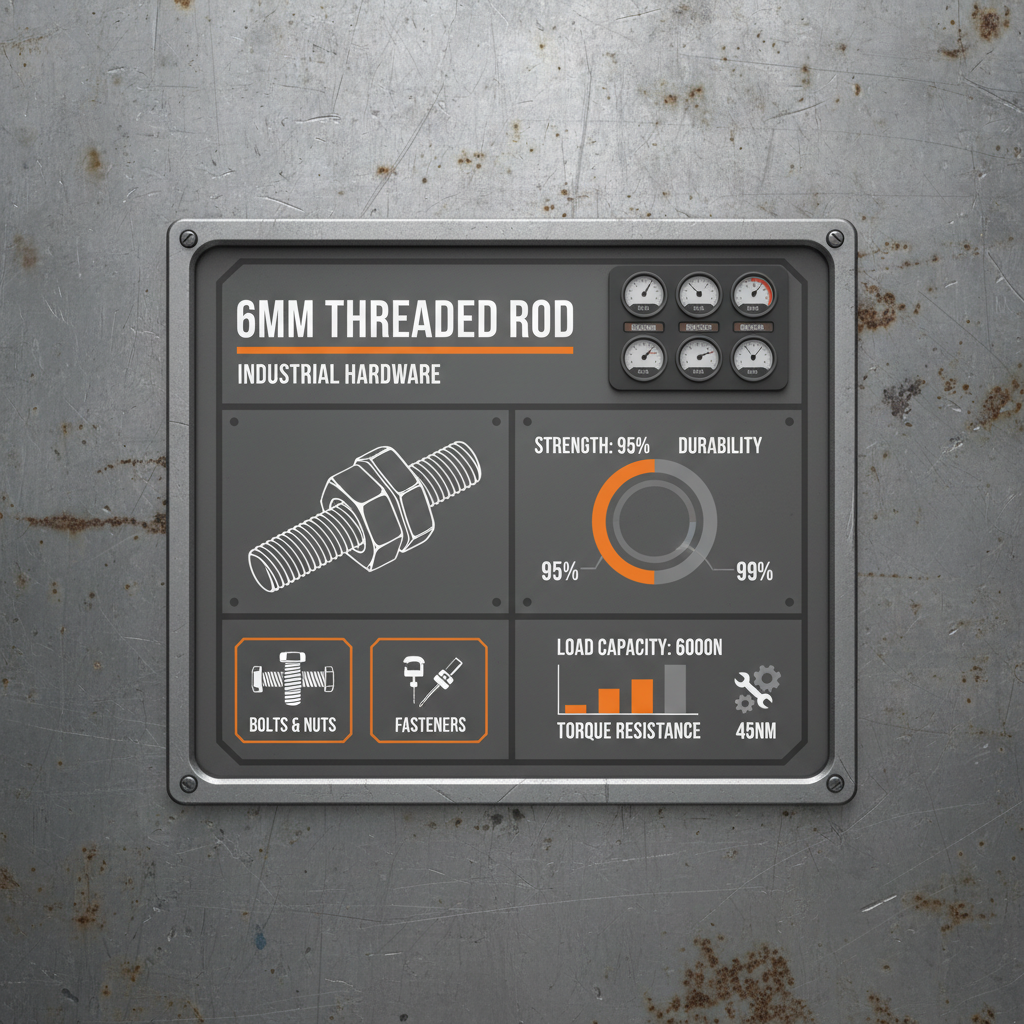
Choosing the right 6mm screwed rod requires careful consideration of material, strength, corrosion resistance, and application requirements. HBTLS provides a comprehensive selection of high-quality rods to meet your specific needs. Investing in the correct component ensures project durability and safety. Don't compromise on quality – choose HBTLS for reliable fastening solutions.
Frequently Asked Questions (FAQs)
What is the standard length for a 6mm screwed rod?
6mm screwed rods are available in a wide range of lengths, typically from 30mm up to 3 meters. Custom lengths can often be supplied based on specific project needs. Common stock lengths include 500mm, 1000mm, and 2000mm. The length you require will depend on the application and the amount of thread needed for connecting components. When ordering, it's important to specify the exact length needed to avoid unnecessary waste or the need for cutting.
What thread types are available for 6mm screwed rods?
The most common thread types for 6mm screwed rods are metric (ISO metric), Unified National Coarse (UNC), and Unified National Fine (UNF). Metric threads are widely used internationally, while UNC and UNF are standard in the United States. The choice of thread type depends on the mating components and the application requirements. It’s essential to ensure compatibility between the rod and the nuts or tapped holes it will be used with.
How do I determine the correct load capacity for a 6mm screwed rod?
Determining the correct load capacity requires considering the material of the rod, the thread pitch, and the application's safety factor. Consult engineering data sheets for the tensile and yield strengths of the chosen material. Calculate the tensile stress area of the rod and use this value to determine the maximum load it can safely withstand. Always apply a suitable safety factor (typically 2-4) to account for dynamic loads and unforeseen stresses. It’s highly recommended to consult with a qualified engineer for critical applications.
Are 6mm screwed rods suitable for outdoor use?
Whether a 6mm screwed rod is suitable for outdoor use depends on the material. Carbon steel rods require protective coatings (e.g., galvanizing or zinc plating) to prevent corrosion. Stainless steel (304 or 316) is highly recommended for outdoor applications as it offers excellent corrosion resistance. Stainless steel 316 is particularly well-suited for marine environments or areas exposed to saltwater.
Post time: Apr . 07, 2026 02:35



 English
  Albanian
  Arabic
  Armenian
  Azerbaijani
  Belarusian
  Bosnian
  Bulgarian
  Cebuano
  Corsican
  Czech
Czech  Galician
  Georgian
  Greek
Greek  Hausa
Hausa  Hebrew
  Hungarian
  Igbo
Igbo  Indonesian
  Italian
  Kazakh
  Khmer
Khmer  Korean
  Kurdish
  Kyrgyz
  Lao
Lao  Latin
Latin  Latvian
  Lithuanian
  Malay
Malay  Myanmar
  Nepali
  Polish
  Portuguese
  Russian
  Serbian
  Sesotho
  Shona
Shona  Sindhi
  Spanish
  Tagalog
  Tajik
Tajik  Thai
Thai  Turkish
  Turkmen
  Ukrainian
  Uzbek
Uzbek  Vietnamese
  Yoruba
  Zulu
Zulu