

Understanding 6 All Thread: A Comprehensive Guide
6 All thread, also known as fully threaded rod, is a versatile fastener commonly used in various industries for applications requiring strong, reliable connections. From construction and manufacturing to DIY projects, understanding its properties and uses is crucial for ensuring project success. This article provides an in-depth look at 6 all thread, covering its specifications, materials, applications, benefits, and how to select the right thread for your needs. We'll also highlight where you can find high-quality 6 all thread, like the offerings at HBTBLS. Properly understanding and utilizing 6 all thread can save time and money while ensuring structural integrity.
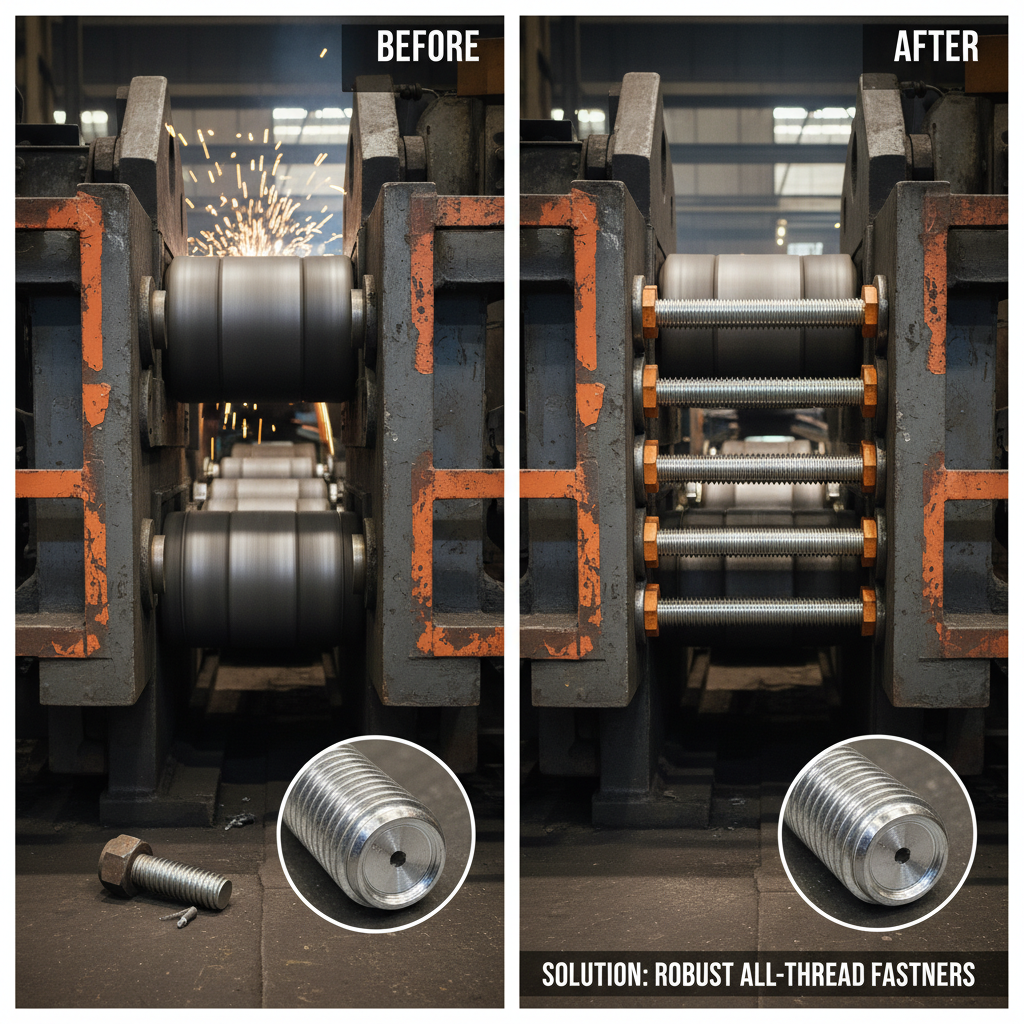
What is 6 All Thread and Why is it Important?
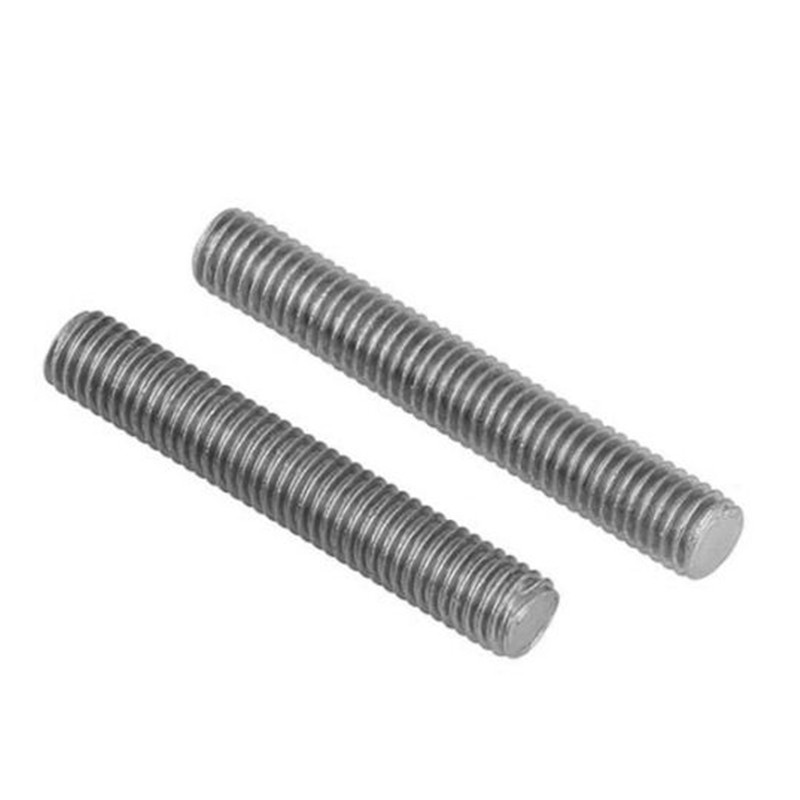
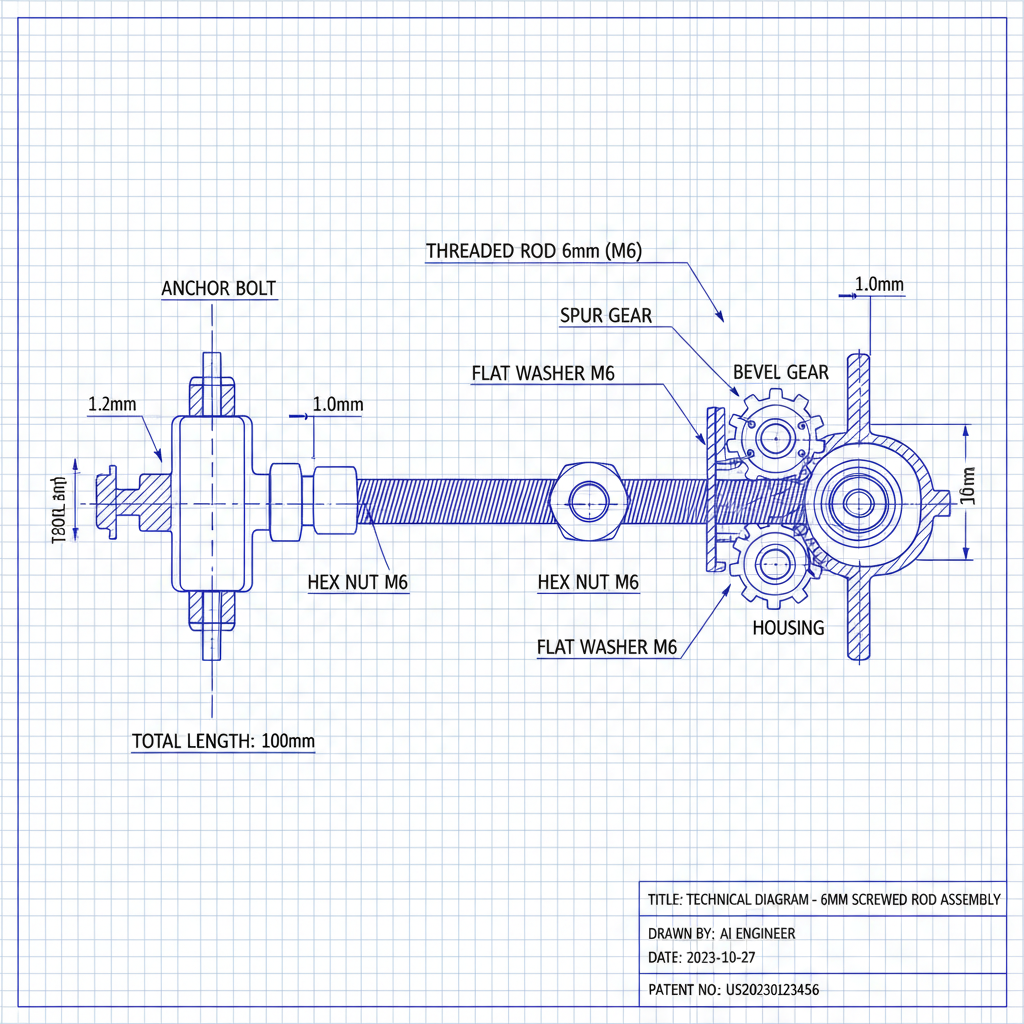
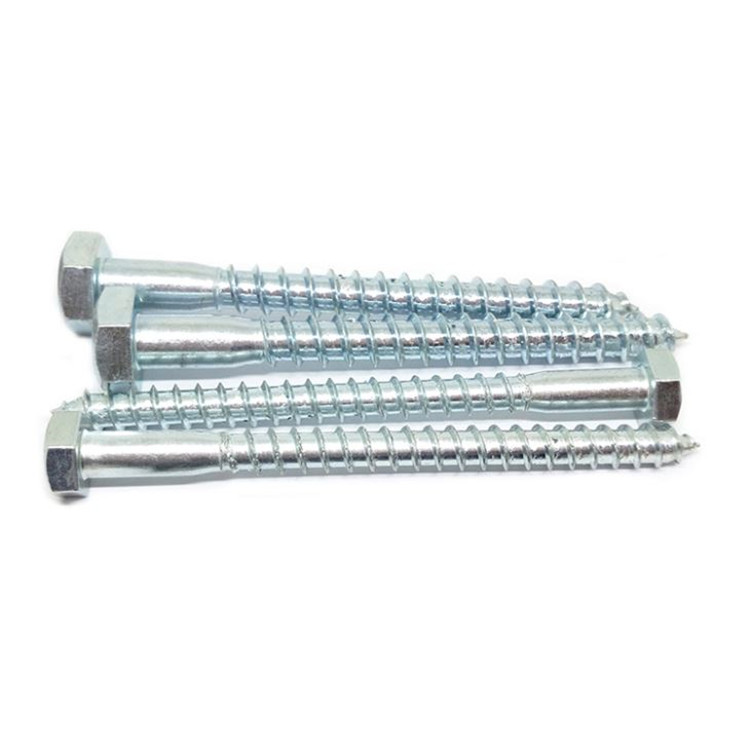
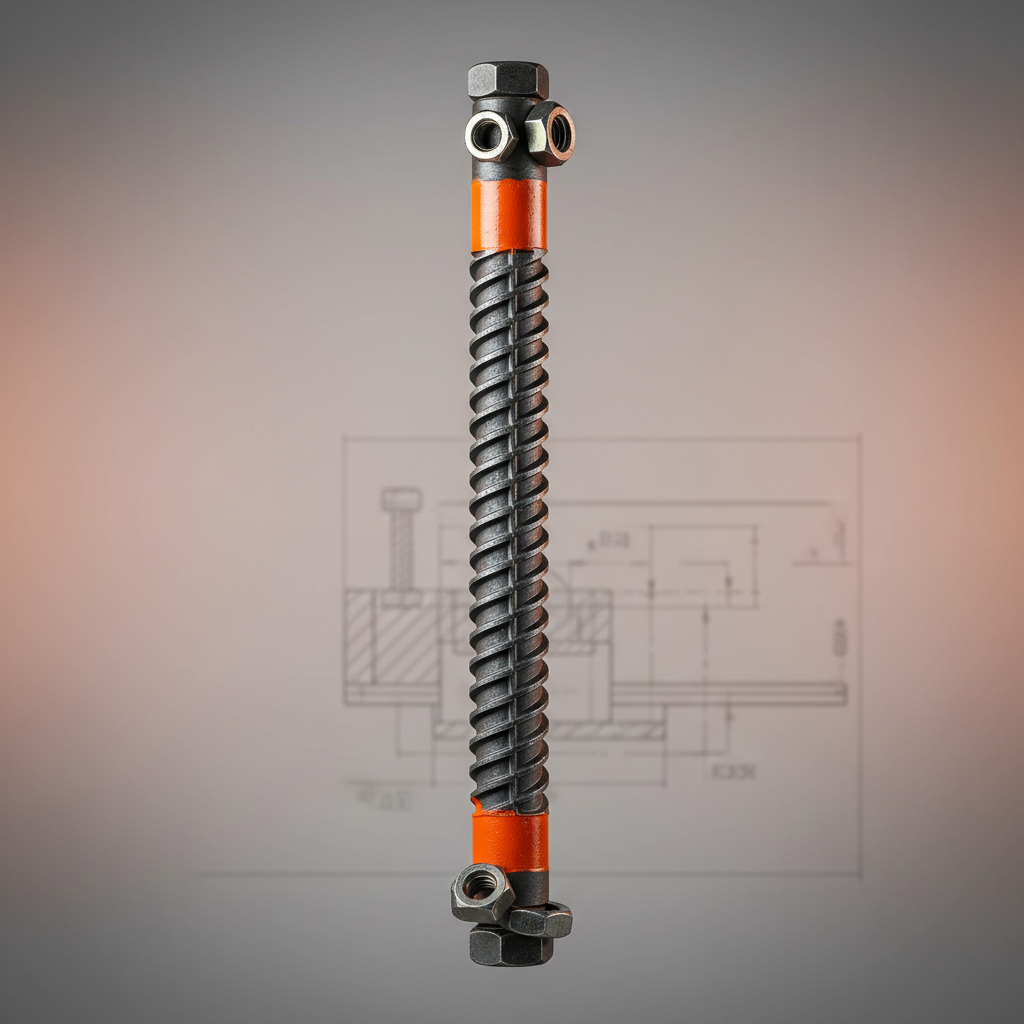
6 All thread refers to a steel rod that is threaded along its entire length. The '6' typically denotes the approximate diameter in eighths of an inch, meaning 6/8", which simplifies to ¾ inch. This complete threading allows for nuts, washers, and other fasteners to be applied at any point along the rod, providing exceptional flexibility in construction and repair applications. Its importance lies in its ability to create strong, adjustable connections where traditional bolts might not suffice, particularly in situations requiring extended lengths or a need to adjust the tension.
Key Benefits: High tensile strength, versatility in application, adjustable length, readily available.
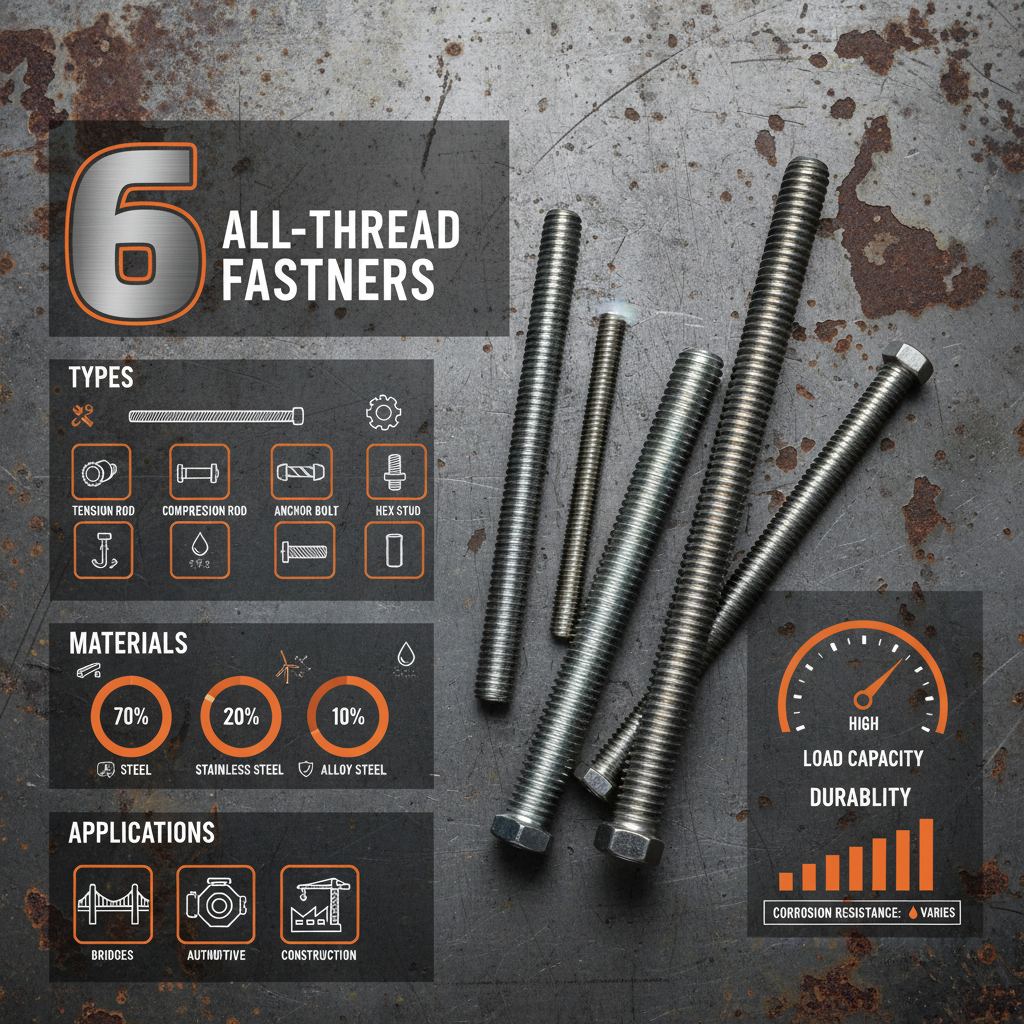
Common Materials Used in 6 All Thread
6 All thread is available in various materials to suit different environmental and application requirements. The most common materials include:
- Carbon Steel: The most frequently used material, offering excellent strength and affordability. Often coated for corrosion resistance.
- Stainless Steel: Ideal for corrosive environments, providing superior resistance to rust and oxidation.
- Galvanized Steel: Carbon steel coated with zinc, offering good corrosion protection at a lower cost than stainless steel.
- Alloy Steel: Used for high-strength applications requiring specific mechanical properties.
Selecting the appropriate material depends on factors such as exposure to moisture, temperature, and the load-bearing capacity required. For projects requiring longevity and resistance to harsh conditions, stainless steel is often the preferred choice.
Applications of ¾ Inch All Thread: From Construction to DIY
The versatility of ¾ inch all thread makes it a valuable component in a wide array of applications. Some common uses include:
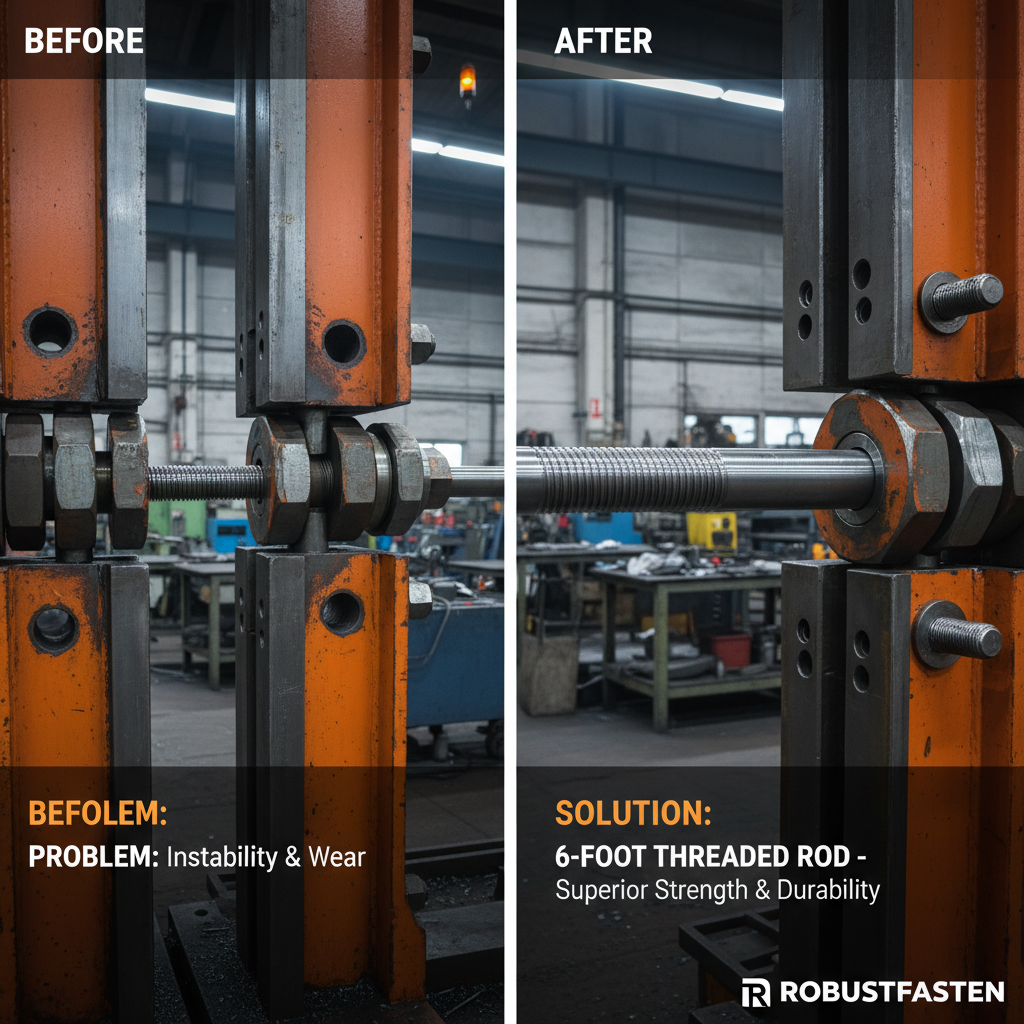
- Construction: Tie rods for concrete formwork, anchoring bolts, and structural supports.
- Manufacturing: Jigs and fixtures, machine components, and assembly lines.
- Plumbing: Supporting pipes, anchoring water heaters, and creating adjustable supports.
- DIY Projects: Building furniture, creating custom shelving, and repairing equipment.
- Automotive: Suspension systems, chassis reinforcement and exhaust systems.
Key Application Areas:
• Concrete Formwork
• Structural Supports
• Machinery Assembly
• DIY Projects & Repairs
6 All Thread Specifications & Standards: A Detailed Overview
Understanding the specifications of 6 all thread is essential for ensuring it meets your project requirements. Here’s a detailed look at common standards and properties:
Sourcing High-Quality 6 All Thread: HBTBLS
When purchasing 6 all thread, it's crucial to choose a reliable supplier who offers quality products and competitive pricing. HBTBLS is a trusted provider of all thread, offering a wide selection of sizes, materials, and lengths to meet your specific needs. They are committed to delivering superior products and excellent customer service, ensuring you get the right solution for your project. From carbon steel to stainless steel, HBTBLS has you covered.
Conclusion: Maximizing Your Projects with 6 All Thread
6 All thread is an indispensable fastener for a multitude of applications, offering strength, versatility, and reliability. Understanding its specifications, materials, and applications allows you to make informed decisions and achieve optimal results. For high-quality 6 all thread and expert support, visit HBTBLS today.
Frequently Asked Questions (FAQs)
What is the difference between 6 all thread and a standard bolt?
The key difference is that 6 all thread is threaded along its entire length, whereas a standard bolt has threads only on a portion of its shank. This full threading of 6 all thread allows for adjustable connections along the entire rod, making it ideal for applications requiring precise positioning or variable lengths. Standard bolts are typically used for fixed connections and rely on the bolt head and nut to apply force. 6 all thread is more adaptable and can be cut to the exact length needed, making it a flexible fastening solution.
How do I determine the correct length of 6 all thread for my project?
To determine the correct length, consider the total distance the rod needs to span, plus the space required for any nuts, washers, or other fasteners. It’s always a good practice to add a small amount of extra length (e.g., ½ to 1 inch) to allow for adjustments and ensure sufficient engagement with the mating components. Measure carefully and account for any overlapping or recessed areas in your design. If you're unsure, it's better to err on the side of slightly longer, as the excess can be cut off.
What is the best way to cut 6 all thread to length?
Cutting 6 all thread requires a tool that won't damage the threads. A hacksaw with a fine-toothed blade, a bolt cutter, or a rotary cutting tool (like a Dremel with a cutting wheel) can be used. When using a hacksaw, use a slow, steady motion to avoid stripping the threads. After cutting, it’s essential to deburr the end with a file or deburring tool to remove any sharp edges and ensure smooth engagement with nuts and washers. Using cutting oil during the process can help improve the cut and protect the threads.
How do I prevent corrosion on 6 all thread used outdoors?
For outdoor applications, choose stainless steel 6 all thread for optimal corrosion resistance. If using carbon steel, apply a protective coating such as galvanization, zinc plating, or a corrosion-inhibiting paint. Regularly inspect the thread for signs of rust and reapply the coating as needed. Additionally, consider using anti-seize lubricant on the threads during assembly to prevent seizing and further protect against corrosion.
Post time: Mar . 26, 2026 02:35



 English
  Albanian
  Arabic
  Armenian
  Azerbaijani
  Belarusian
  Bosnian
  Bulgarian
  Cebuano
  Corsican
  Czech
Czech  Galician
  Georgian
  Greek
Greek  Hausa
Hausa  Hebrew
  Hungarian
  Igbo
Igbo  Indonesian
  Italian
  Kazakh
  Khmer
Khmer  Korean
  Kurdish
  Kyrgyz
  Lao
Lao  Latin
Latin  Latvian
  Lithuanian
  Malay
Malay  Myanmar
  Nepali
  Polish
  Portuguese
  Russian
  Serbian
  Sesotho
  Shona
Shona  Sindhi
  Spanish
  Tagalog
  Tajik
Tajik  Thai
Thai  Turkish
  Turkmen
  Ukrainian
  Uzbek
Uzbek  Vietnamese
  Yoruba
  Zulu
Zulu