
The Ultimate Guide to 6mm Threaded Rod Stainless Steel
When it comes to structural fastening and industrial assembly, precision and durability are non-negotiable. The 6mm threaded rod stainless steel serves as a critical component in countless engineering projects, providing a versatile, high-strength solution for securing components across various environments. Whether you are dealing with high-moisture coastal areas or high-pressure industrial machinery, choosing the right grade of stainless steel ensures long-term stability and safety. In this comprehensive guide, we will explore the technical advantages, material specifications, and practical applications of these essential fasteners to help you make an informed procurement decision.
Unmatched Corrosion Resistance of 6mm Threaded Rod Stainless Steel
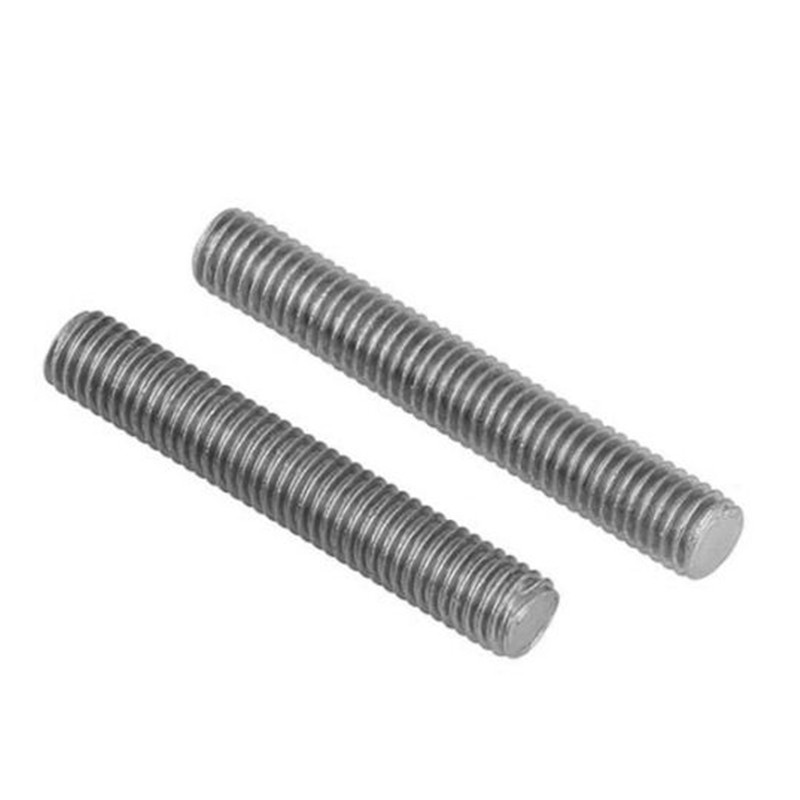
The primary reason engineers specify 6mm threaded rod stainless steel over carbon steel is its inherent resistance to oxidation. Stainless steel contains chromium, which forms an invisible, self-healing oxide layer on the surface. This prevents rust from penetrating the core of the rod, which is vital for installations in chemical plants, marine environments, or food processing facilities. The 6mm diameter provides a balanced profile—slim enough for tight spaces yet robust enough to handle significant tensile loads. Using high-grade stainless steel significantly reduces maintenance costs by eliminating the need for frequent replacements due to corrosion.
Pro Tip: For extreme saltwater exposure, Grade 316 stainless steel is recommended over Grade 304 due to the addition of molybdenum, which prevents pitting corrosion.
Material Comparison: Grade 304 vs. Grade 316
Selecting the correct material for your 6mm threaded rod stainless steel depends entirely on the operating environment. While both grades offer excellent strength, their chemical compositions differ, leading to different performance levels in corrosive atmospheres. Grade 304 is the "industry standard" for general use, offering great value and performance. However, Grade 316 is the "marine grade," specifically engineered for harsher conditions. The table below illustrates the critical differences to guide your selection.
Industrial Applications of the 6mm Threaded Rod Stainless Steel
The adaptability of the 6mm threaded rod stainless steel makes it a staple in various sectors. In the automotive industry, these rods are used for custom brackets and internal supports where weight and rust resistance are critical. In the construction field, they are frequently employed for hanging HVAC ducts, piping systems, and electrical conduits. Furthermore, the pharmaceutical and food industries rely on stainless steel to meet strict hygiene standards, as these materials do not react with food products and are easy to sterilize. The continuous threading allows for precise length adjustment, making it far more flexible than standard bolts.
Technical Specifications for 6mm Threaded Rod Stainless Steel
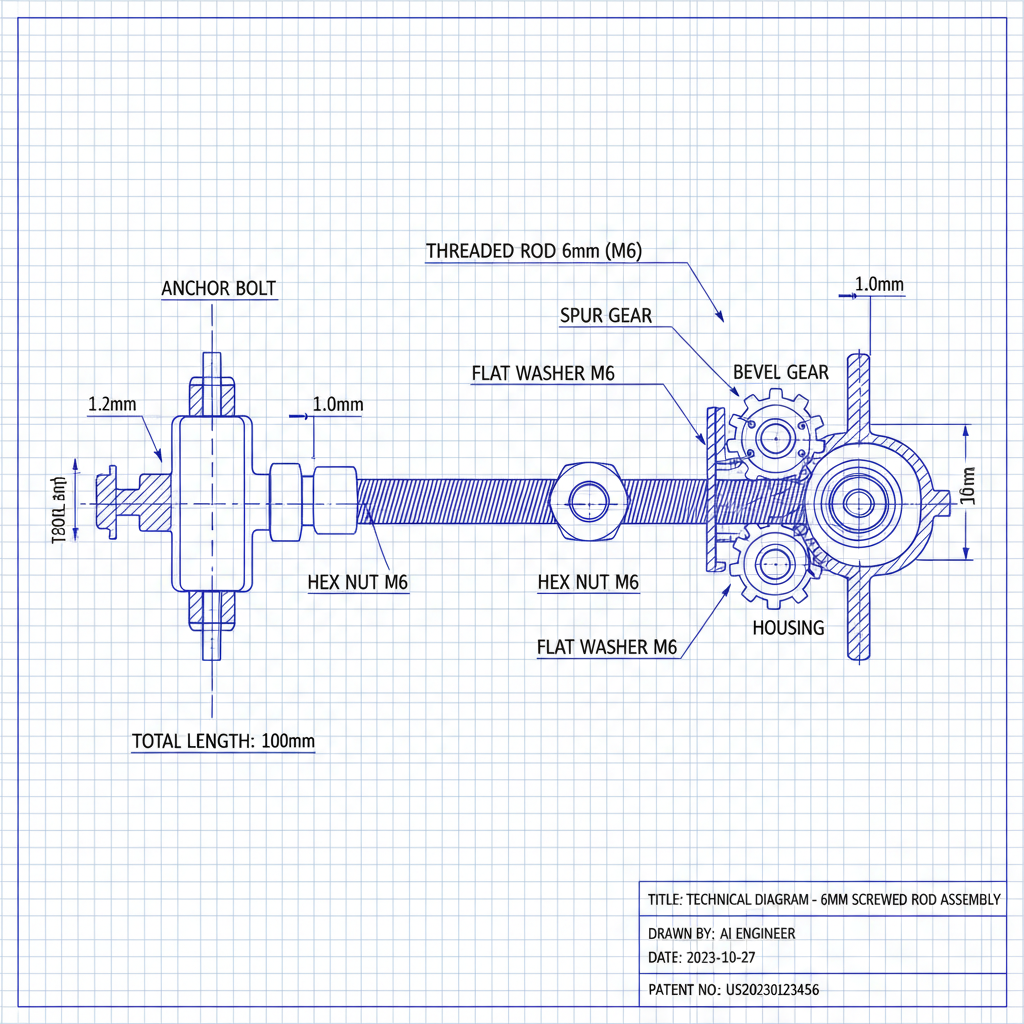
To ensure the safety and integrity of any build, understanding the exact specifications of your 6mm threaded rod stainless steel is paramount. Precision threading ensures a tight fit with nuts and washers, preventing vibrations from loosening the assembly over time. Most 6mm rods follow the ISO metric standard, ensuring global compatibility. Below is a detailed specification table providing the necessary data for engineers and procurement officers.
Installation Tips for Maximum Stability
Proper installation is just as important as material quality. When using 6mm threaded rod stainless steel, always ensure that the nuts used are of the same stainless steel grade to avoid galvanic corrosion. If the rod is being cut to size, use a high-quality hacksaw or a specialized metal cutting tool to ensure a clean edge. After cutting, it is highly recommended to clean the ends and apply a small amount of anti-seize lubricant if the rod will be used in high-heat environments. This prevents "galling," a common issue where stainless steel threads lock together permanently due to friction.
Why Source from a Professional Supplier?
Not all stainless steel is created equal. Sourcing your 6mm threaded rod stainless steel from a professional manufacturer ensures that you receive material that meets international ASTM or ISO standards. Poorly manufactured rods may have inconsistent thread pitches or internal impurities, leading to premature failure under stress. A trusted supplier provides material mill certificates, ensuring transparency regarding the chemical composition and mechanical properties of the steel. Investing in quality from the start prevents costly redesigns and hazardous failures in the future.
Conclusion: The Strategic Value of Stainless Steel Fasteners
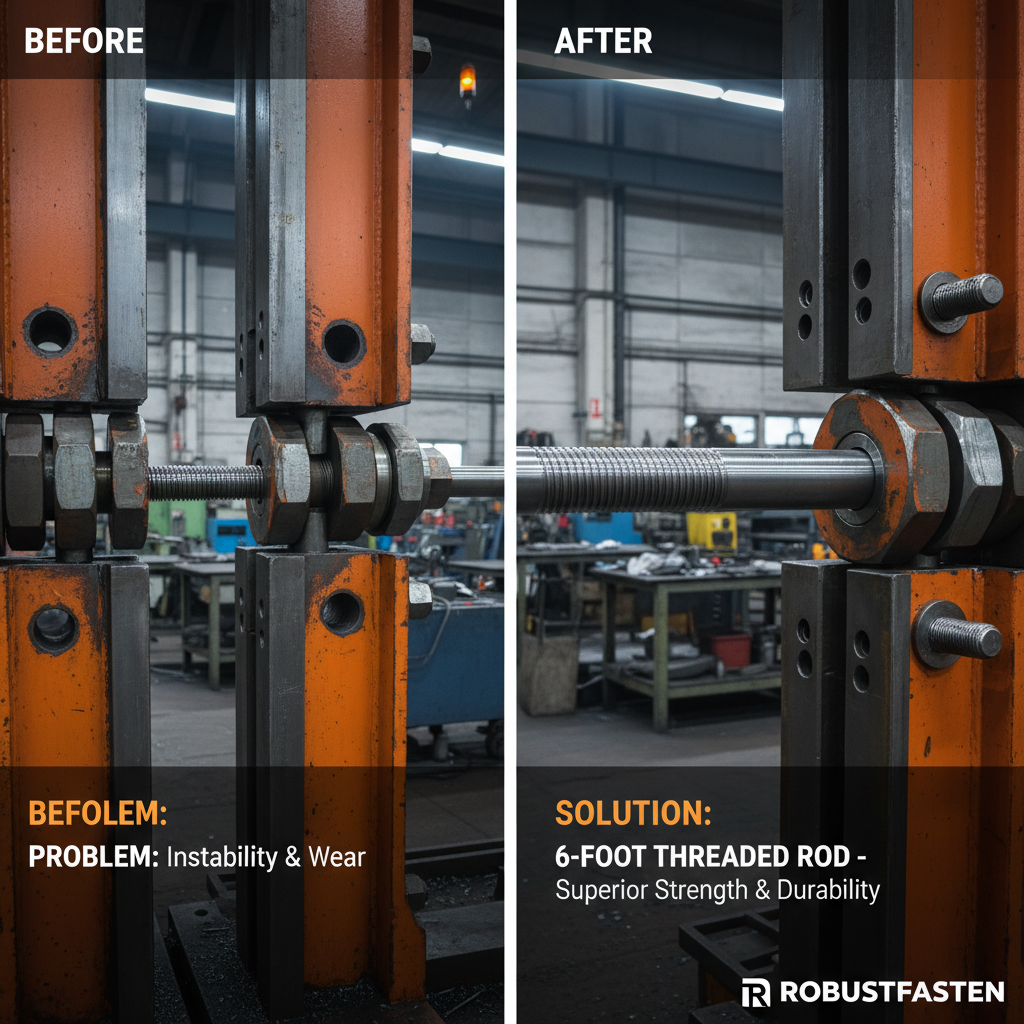
The 6mm threaded rod stainless steel is more than just a piece of metal; it is a fundamental building block for durable, safe, and efficient engineering. By combining the versatility of a 6mm diameter with the extreme durability of stainless steel, it solves the most common challenges of corrosion and instability. Whether you are upgrading an industrial facility or designing a new product, prioritizing high-grade stainless steel is a strategic investment in the longevity of your project. Choose quality, ensure the correct grade, and build with confidence.
Frequently Asked Questions (FAQs)
Can 6mm threaded rods be used for heavy load-bearing structures?
While 6mm threaded rods are incredibly strong for their size, they are typically used for medium-load applications, such as suspending pipes, electrical trays, or as internal supports in machinery. For heavy-duty structural load-bearing (such as primary building frames), larger diameters like 12mm or 16mm are usually required. Always consult a structural engineer to calculate the specific tensile and shear strength requirements for your project to ensure the 6mm diameter is sufficient for your specific load.
What is the difference between "rolled" and "cut" threads on stainless steel rods?
Rolled threads are created by pressing the metal into shape using dies, which compresses the grain of the steel and results in a stronger, smoother thread with higher fatigue resistance. Cut threads are created by removing material with a tool, which can leave micro-fractures and generally results in a slightly weaker thread. For industrial applications, rolled threads are highly preferred as they provide better durability and a more precise fit, which is standard for high-quality stainless steel threaded rods.
How do I prevent "galling" when tightening stainless steel nuts onto 6mm rods?
Galling occurs when the protective oxide layer of stainless steel is rubbed away, causing the surfaces to "cold weld" together. To prevent this, you can use a high-quality anti-seize lubricant (such as nickel or copper-based paste) on the threads before tightening. Additionally, avoid over-tightening the nuts rapidly; instead, tighten them slowly and steadily. Using nuts with a slightly different hardness or a specialized coating can also reduce the risk of galling in high-precision assemblies.
Is the 6mm stainless steel rod magnetic?
Generally, austenitic stainless steels like Grade 304 and 316 are non-magnetic or only very slightly magnetic. However, during the manufacturing process (such as cold working or rolling the threads), a small amount of austenite can transform into martensite, which can make the rod slightly magnetic. If you require a completely non-magnetic fastener for medical or electronic equipment, you should specify a fully annealed product or check the specific material certification from the supplier.
Post time: Apr . 16, 2026 02:35


 English
  Albanian
  Arabic
  Armenian
  Azerbaijani
  Belarusian
  Bosnian
  Bulgarian
  Cebuano
  Corsican
  Czech
Czech  Galician
  Georgian
  Greek
Greek  Hausa
Hausa  Hebrew
  Hungarian
  Igbo
Igbo  Indonesian
  Italian
  Kazakh
  Khmer
Khmer  Korean
  Kurdish
  Kyrgyz
  Lao
Lao  Latin
Latin  Latvian
  Lithuanian
  Malay
Malay  Myanmar
  Nepali
  Polish
  Portuguese
  Russian
  Serbian
  Sesotho
  Shona
Shona  Sindhi
  Spanish
  Tagalog
  Tajik
Tajik  Thai
Thai  Turkish
  Turkmen
  Ukrainian
  Uzbek
Uzbek  Vietnamese
  Yoruba
  Zulu
Zulu