
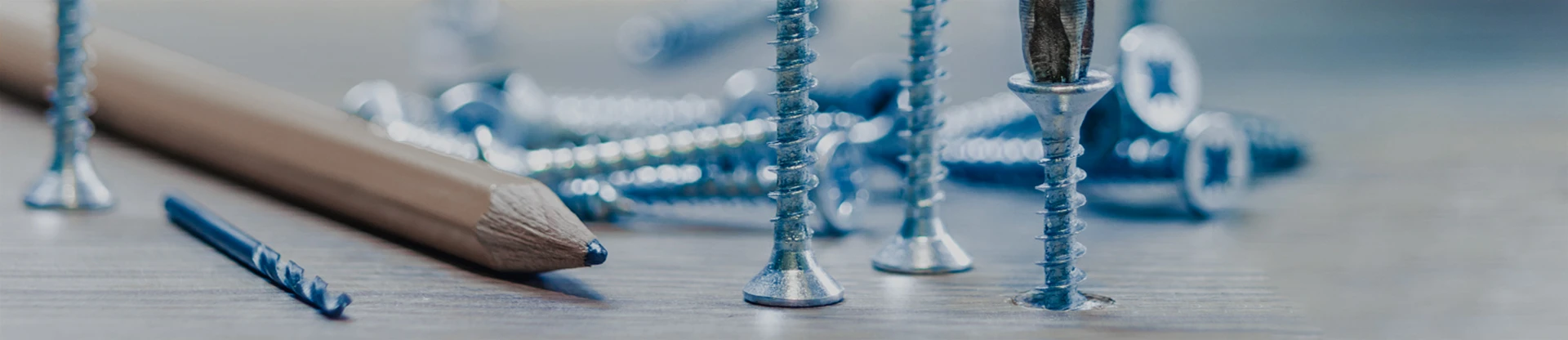
Understanding the Versatility of 50mm Threaded Rod
50mm threaded rod, also known as studding, is a crucial component in a vast array of industrial, construction, and DIY applications. Its robust design and ease of use make it a go-to fastener for projects requiring strong, reliable connections. At HBTBLS, we specialize in providing high-quality 50mm threaded rod to meet diverse needs. This article will explore the properties, applications, standards, and considerations when selecting this essential fastener. Understanding these facets ensures you choose the right product for optimal performance and safety.
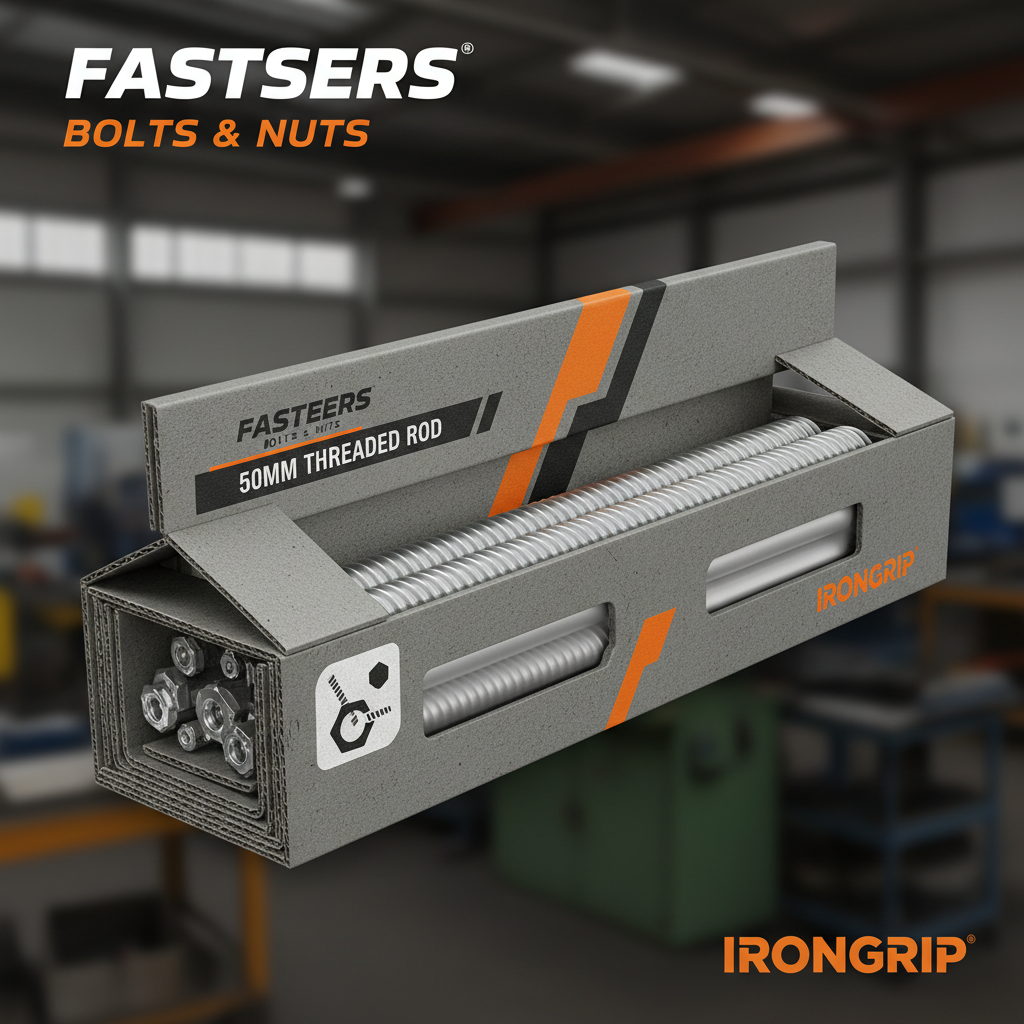
What is 50mm Threaded Rod?
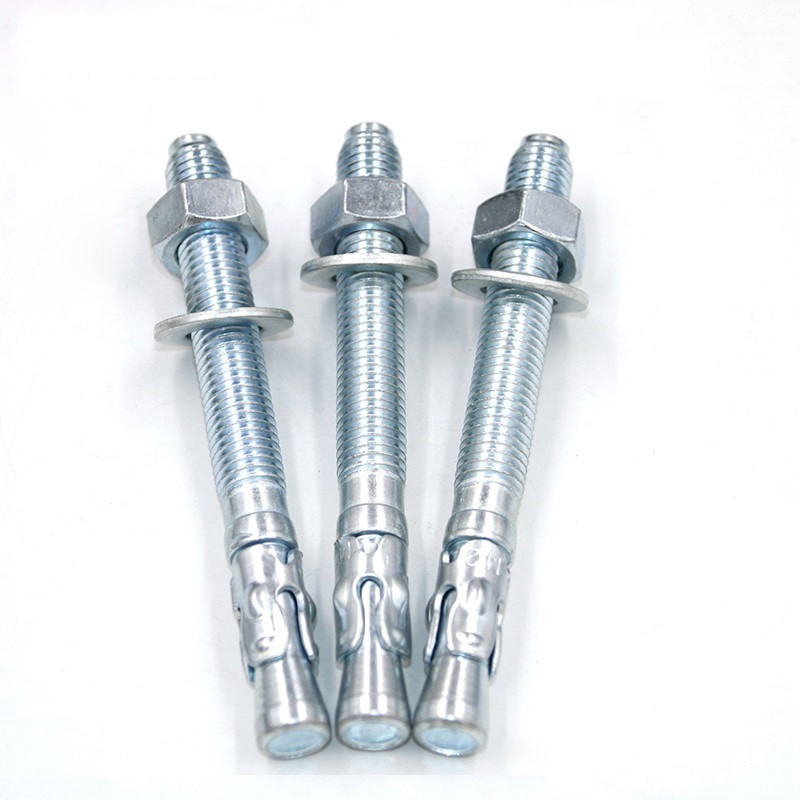
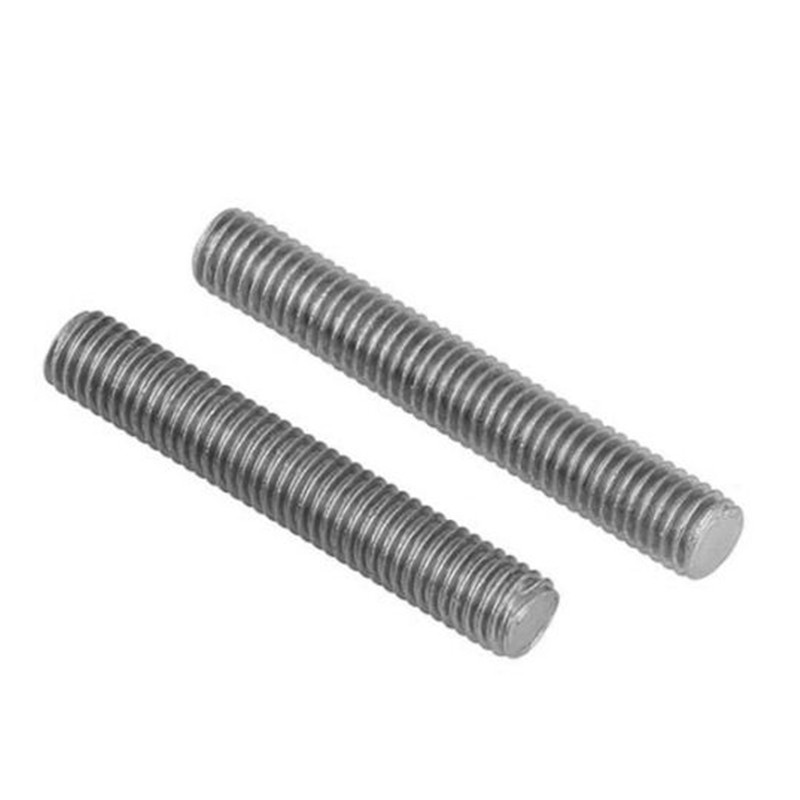
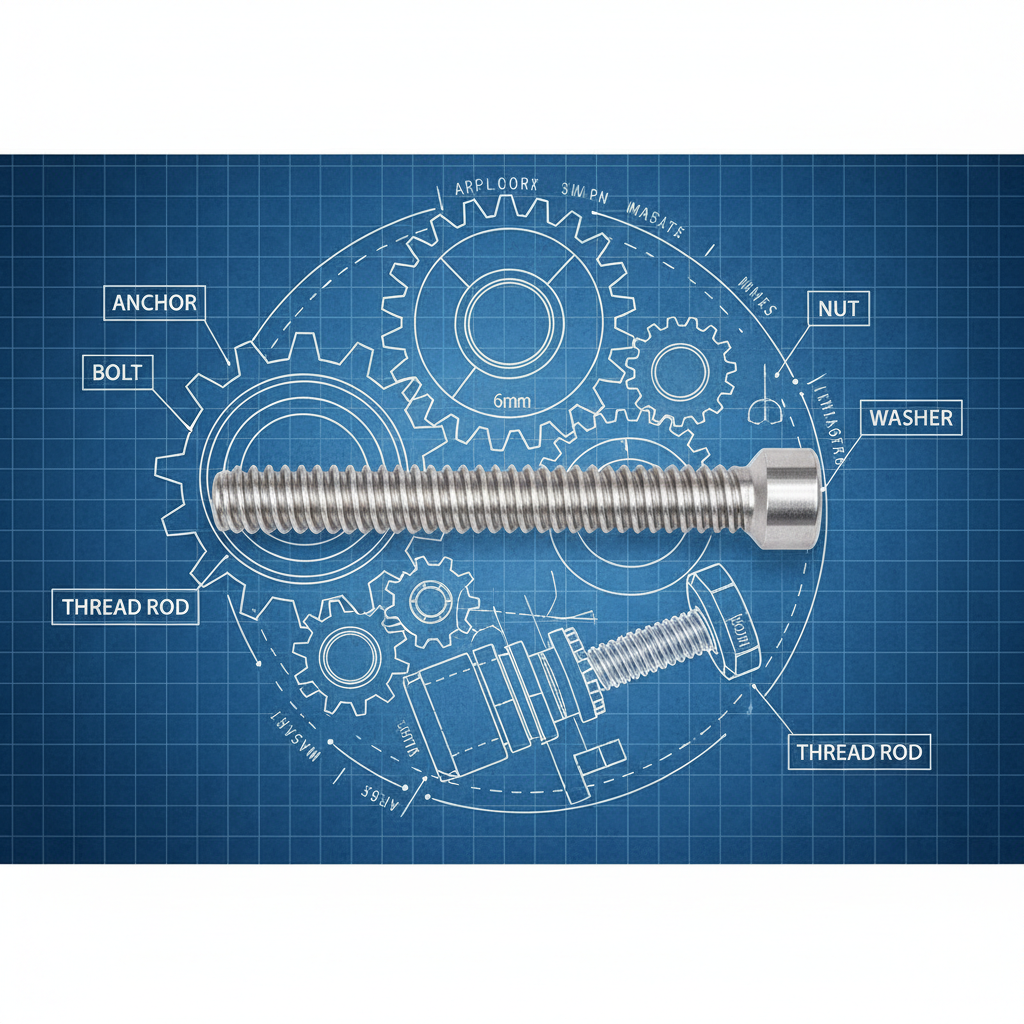
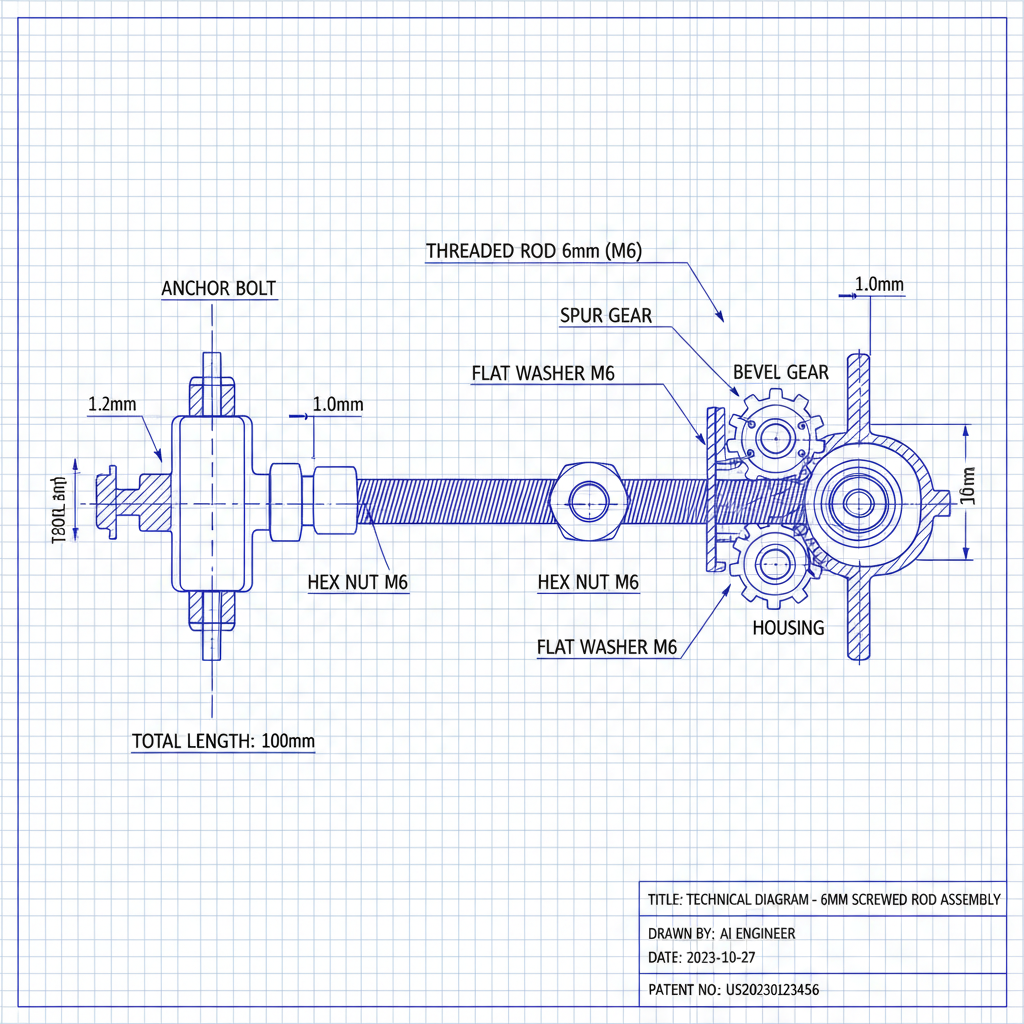
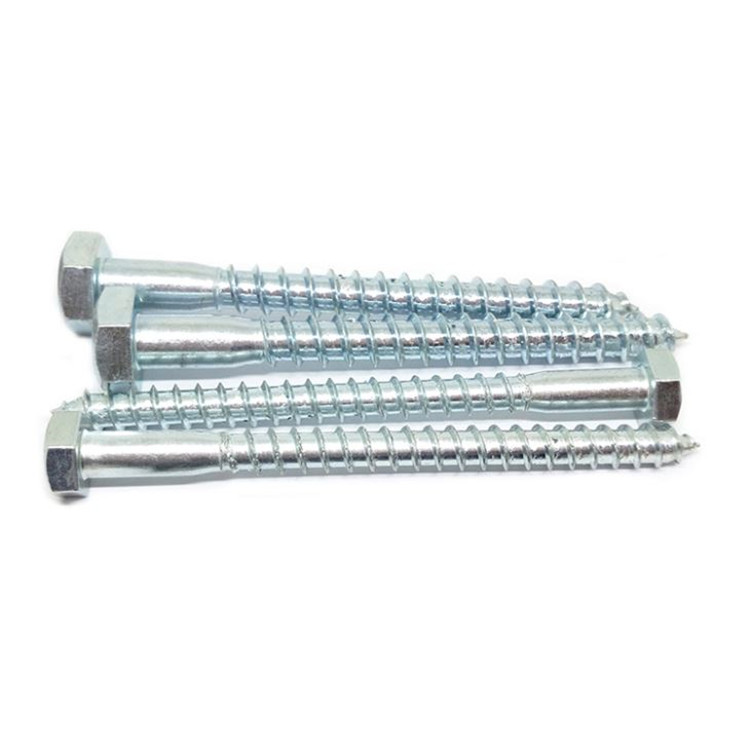
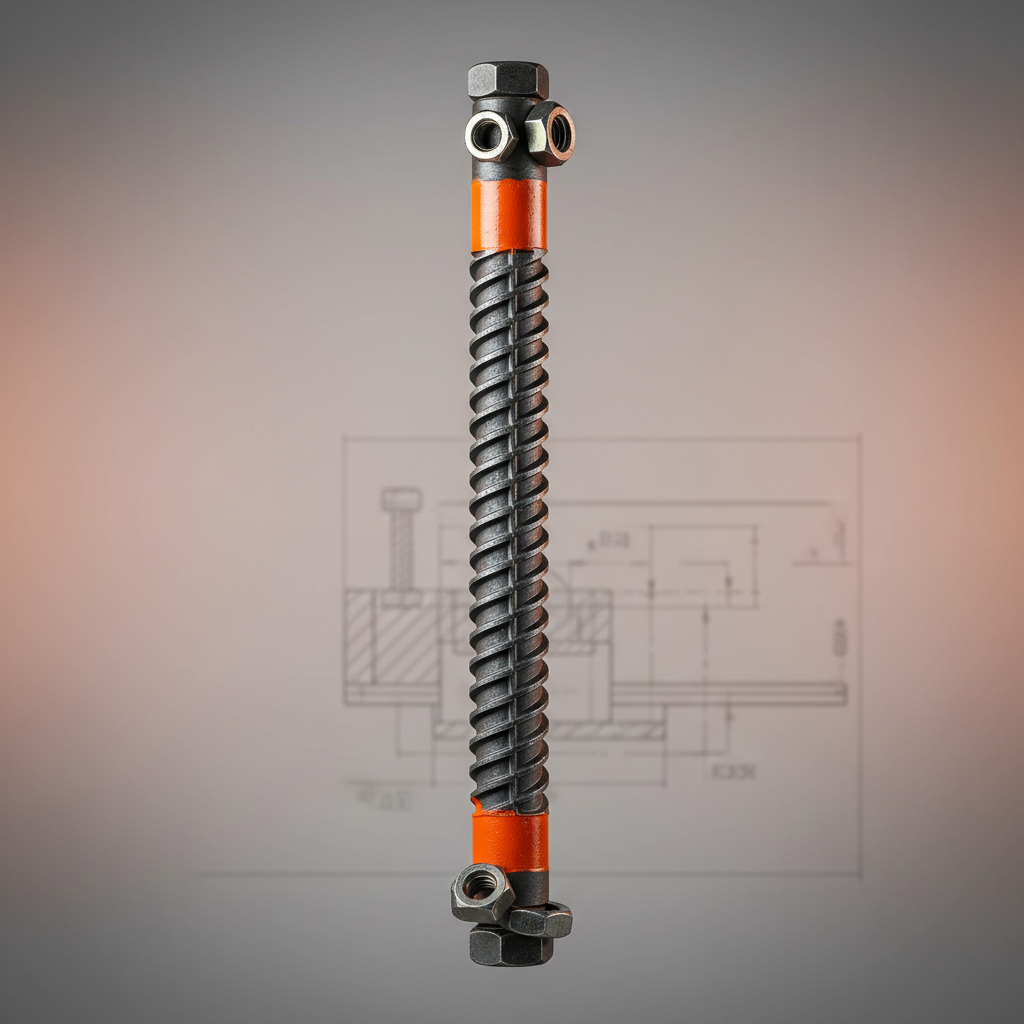
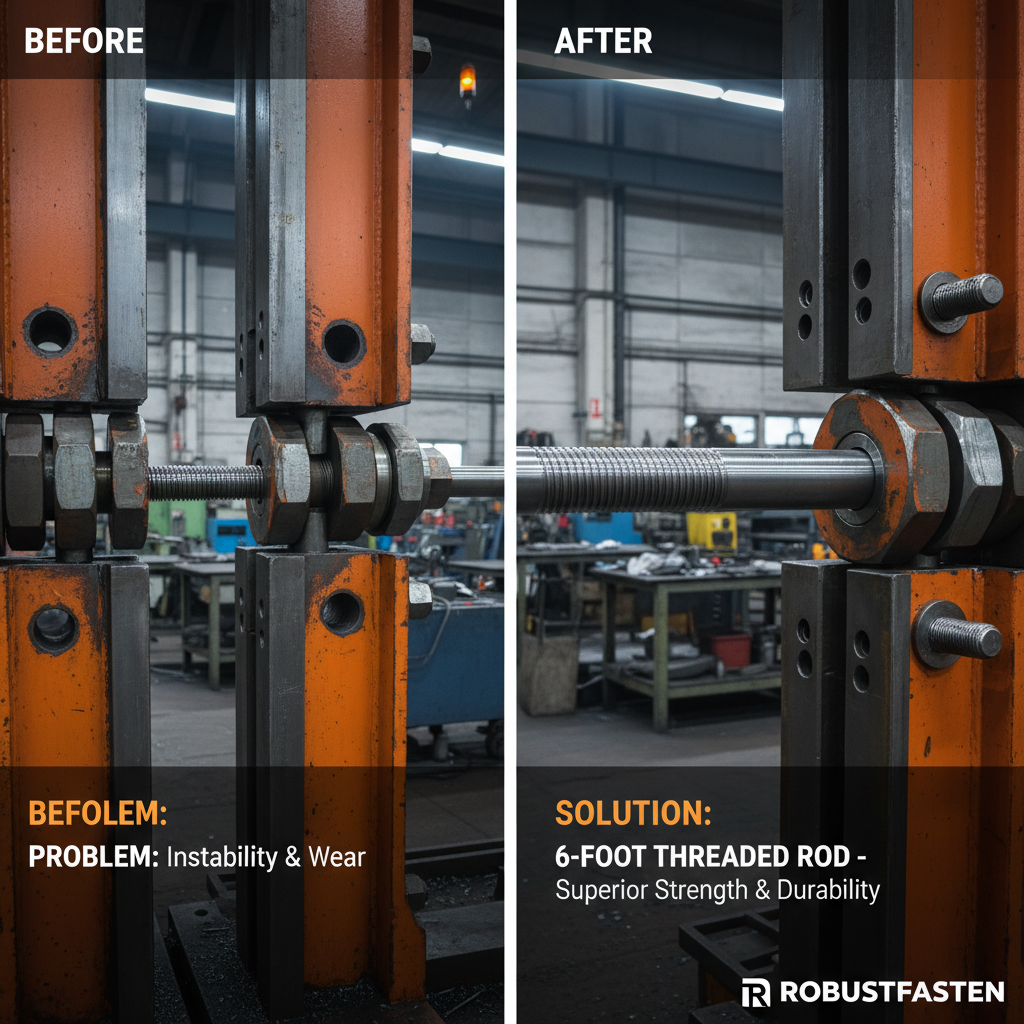
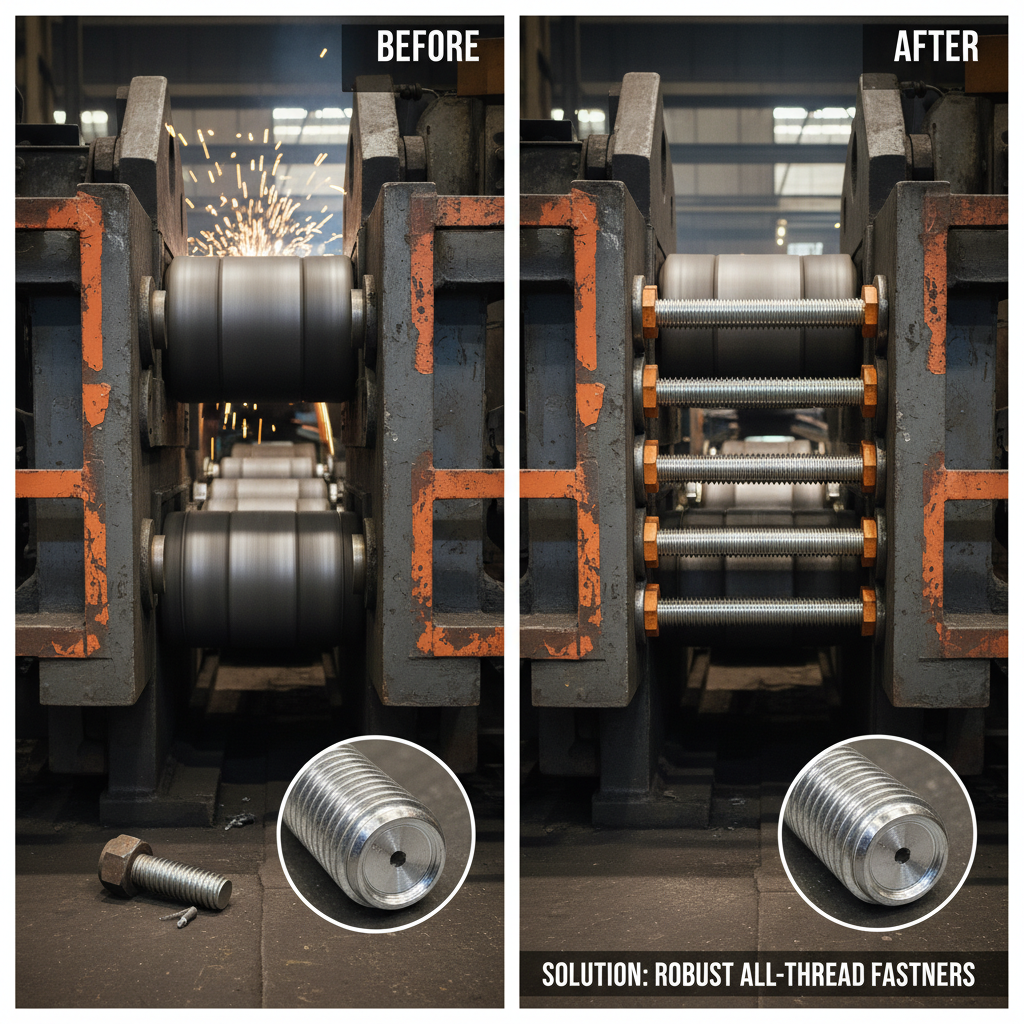
50mm threaded rod is a cylindrical rod with continuous external threads along its entire length. The ‘50mm’ refers to the nominal diameter of the rod. It’s typically manufactured from carbon steel, stainless steel, or alloy steel, offering varying levels of strength and corrosion resistance. The threads allow for secure fastening when coupled with nuts and washers. Its key feature is its ability to span gaps and provide a strong, adjustable connection – crucial in projects where precise positioning is required. HBTBLS offers a wide range of materials and finishes to suit specific application requirements.
Key Highlights: Robust construction, continuous threads for versatile connections, available in various materials and finishes, and easily adjustable for precise positioning.
Applications of 50mm Threaded Rod
The versatility of 50mm threaded rod means it’s used across numerous industries. In construction, it’s essential for anchoring bolts, connecting structural elements, and creating temporary supports. Manufacturing utilizes it for machinery assembly, creating jigs and fixtures, and as a component in production lines. DIY enthusiasts employ it in projects like building furniture, creating shelving, and reinforcing structures. Other common applications include plumbing, automotive repair, and the creation of guardrails and barriers. Explore HBTBLS’s product range for solutions tailored to your specific needs.
Application Areas:
• Construction: Anchoring, structural connections
• Manufacturing: Machinery assembly, fixtures
• DIY Projects: Furniture, shelving, reinforcement
• Plumbing & Automotive: Repair and maintenance
50mm Threaded Rod Materials: A Comparative Overview
Choosing the right material is crucial for ensuring the longevity and performance of your project. Carbon steel is the most common and cost-effective option, offering high tensile strength. However, it is susceptible to corrosion. Stainless steel, particularly grades 304 and 316, provides excellent corrosion resistance, making it ideal for outdoor or harsh environments. Alloy steel offers superior strength and toughness, suitable for demanding applications. Below is a comparative overview to help you decide:
Standards and Quality Assurance
50mm threaded rod typically conforms to international standards like ISO 898-1, ensuring consistent quality and dimensional accuracy. At HBTBLS, we adhere to stringent quality control procedures throughout the manufacturing process, guaranteeing that our products meet or exceed industry standards. This commitment to quality provides our customers with peace of mind and reliable performance. We provide material certificates and testing reports upon request.
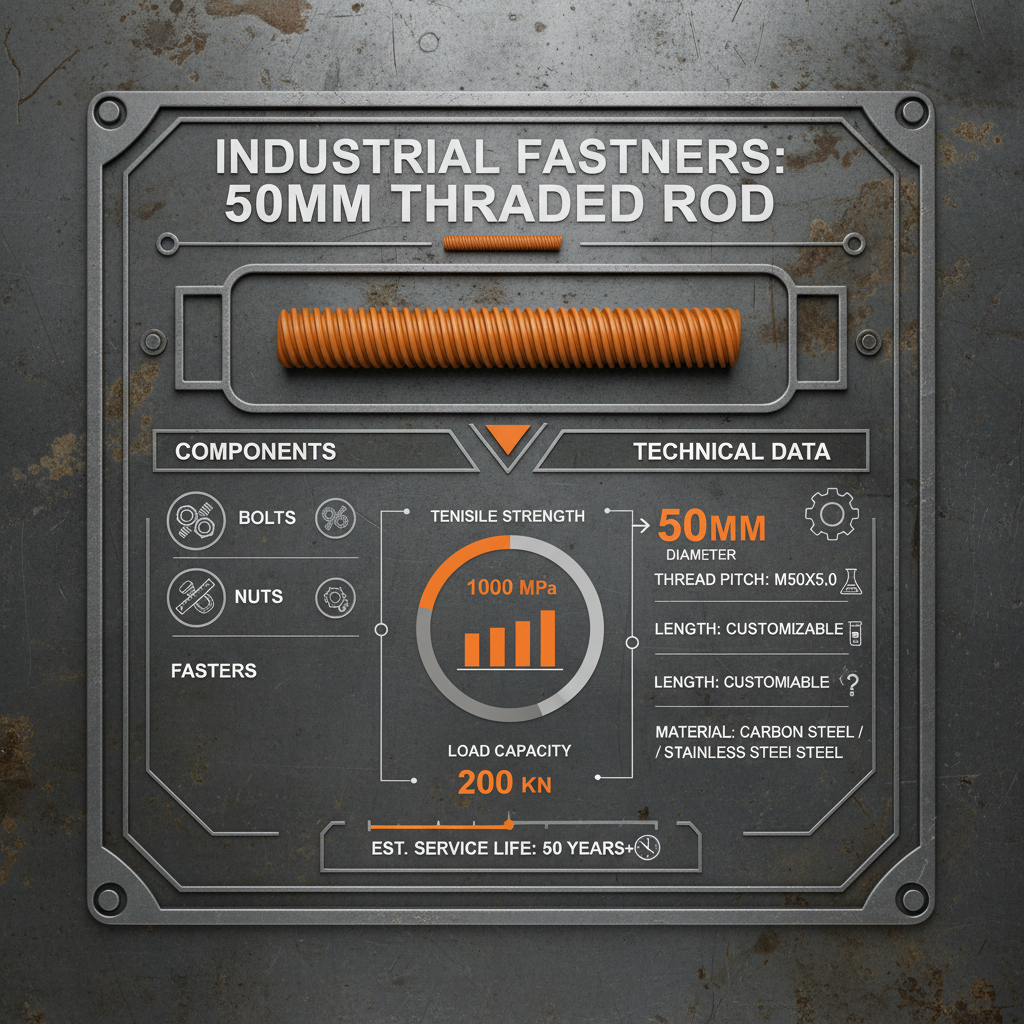
Conclusion: Choosing the Right 50mm Threaded Rod
Selecting the correct 50mm threaded rod is vital for the success and safety of your project. Consider the application environment, required strength, and corrosion resistance when making your choice. HBTBLS offers a comprehensive range of high-quality threaded rods, backed by expert support and a commitment to customer satisfaction. Invest in quality – choose HBTBLS for reliable fastening solutions.
Frequently Asked Questions (FAQs)
What is the typical tensile strength of 50mm threaded rod?
The tensile strength of 50mm threaded rod varies depending on the material grade. For example, carbon steel typically has a tensile strength of around 400-600 MPa, while stainless steel (304) can reach 500-700 MPa. High-strength alloy steels can achieve even higher values. It's essential to check the material specifications to determine the exact tensile strength. Choosing a rod with adequate tensile strength for your application is crucial to prevent failure under load. HBTBLS provides detailed material specifications for all our products.
How do I determine the correct length of threaded rod needed for my project?
Accurately determining the required length is vital. Measure the total distance the rod needs to span, including any components it will connect. Account for the thickness of any washers, nuts, or other connecting elements. It’s often a good practice to add a small extra length (around 10-20mm) to allow for adjustments and easier installation. If you're unsure, it’s better to err on the side of slightly longer, as the excess can be cut off.
Can 50mm threaded rod be cut to size?
Yes, 50mm threaded rod can be cut to size using a hacksaw, angle grinder with a cutting disc, or a metal-cutting bandsaw. After cutting, it's essential to deburr the ends to remove any sharp edges. Ensure the cut is square to maintain proper threading alignment. For larger quantities or precise cuts, professional cutting services are recommended.
What is the difference between coarse and fine threads on threaded rod?
The thread pitch refers to the distance between threads. Coarse threads have fewer threads per inch, making them faster to install and more resistant to stripping. Fine threads have more threads per inch, offering greater clamping force and precision adjustment. Coarse threads are generally preferred for applications where speed and ease of installation are prioritized, while fine threads are ideal for applications requiring precise positioning and a strong, secure connection.
Post time: Mar . 11, 2026 02:35



 English
  Albanian
  Arabic
  Armenian
  Azerbaijani
  Belarusian
  Bosnian
  Bulgarian
  Cebuano
  Corsican
  Czech
Czech  Galician
  Georgian
  Greek
Greek  Hausa
Hausa  Hebrew
  Hungarian
  Igbo
Igbo  Indonesian
  Italian
  Kazakh
  Khmer
Khmer  Korean
  Kurdish
  Kyrgyz
  Lao
Lao  Latin
Latin  Latvian
  Lithuanian
  Malay
Malay  Myanmar
  Nepali
  Polish
  Portuguese
  Russian
  Serbian
  Sesotho
  Shona
Shona  Sindhi
  Spanish
  Tagalog
  Tajik
Tajik  Thai
Thai  Turkish
  Turkmen
  Ukrainian
  Uzbek
Uzbek  Vietnamese
  Yoruba
  Zulu
Zulu