
The Ultimate Guide to 6mm Stainless Threaded Rod: Applications and Selection
In the world of industrial fastening and construction, precision and durability are non-negotiable. The 6mm stainless threaded rod serves as a critical component for engineers and fabricators who require a high strength-to-size ratio combined with exceptional corrosion resistance. Whether it is used in marine environments, architectural installations, or complex machinery, choosing the right grade of stainless steel ensures the longevity and safety of the entire structure. In this comprehensive guide, we will explore the technical specifications, material advantages, and practical applications of these versatile fastening solutions.
Why Choose a 6mm Stainless Threaded Rod for Your Project?
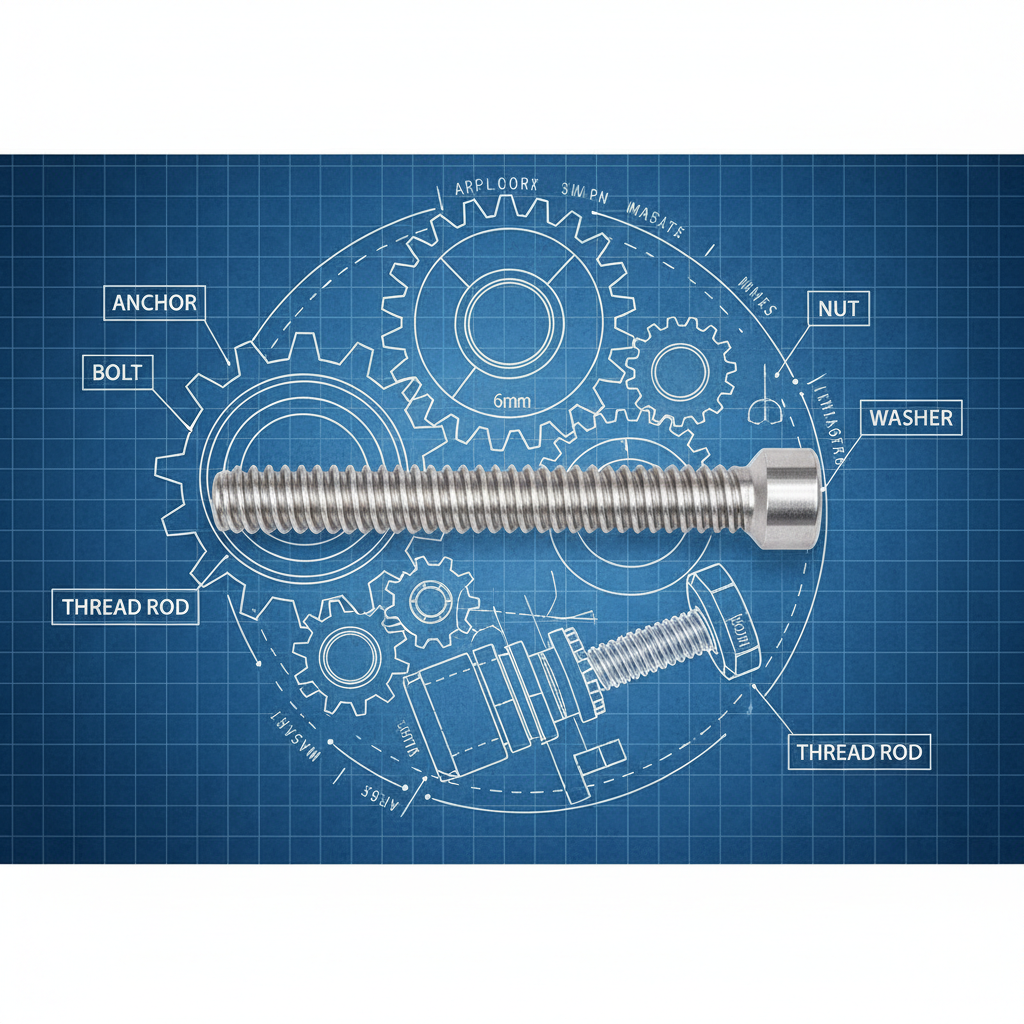
The primary appeal of the 6mm stainless threaded rod lies in its ability to withstand harsh conditions that would typically cause carbon steel to rust and fail. Stainless steel contains chromium, which forms a passive layer of chromium oxide that protects the metal from oxidation. The 6mm diameter is particularly popular because it provides sufficient load-bearing capacity for medium-duty applications while remaining unobtrusive and lightweight. This makes it an ideal choice for supporting piping, HVAC ducting, and customized furniture frames where a clean, industrial aesthetic is required.
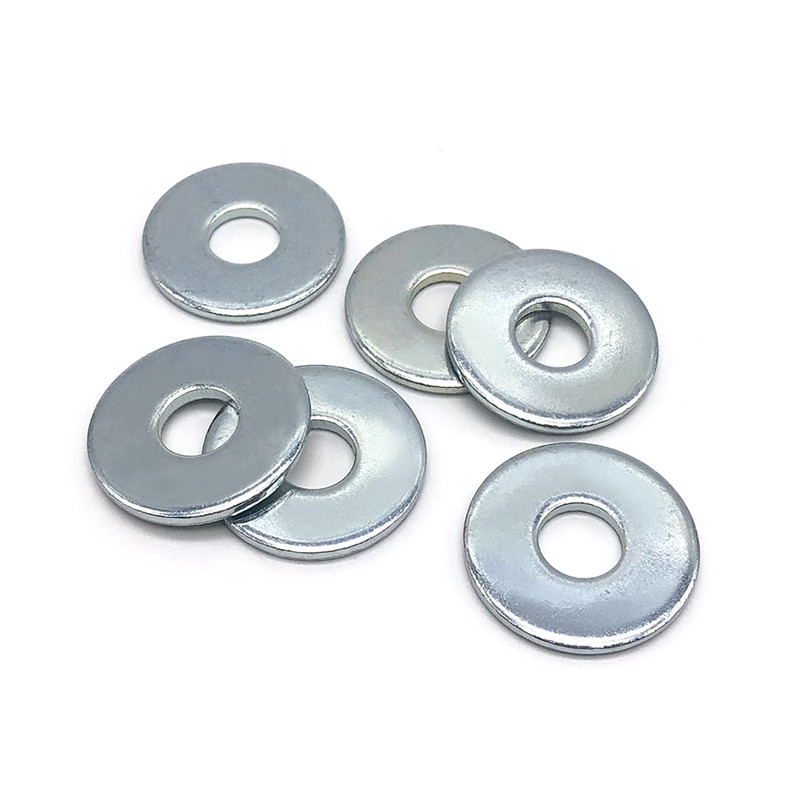
Pro Tip: Always verify the thread pitch (metric vs. coarse) before purchasing to ensure a seamless fit with your nuts and washers, as mismatching can lead to structural instability.
Comparing Stainless Steel Grades for 6mm Threaded Rods
Not all stainless steel is created equal. When selecting a 6mm stainless threaded rod, you will typically choose between Grade 304 and Grade 316. Grade 304 is the most common "18/8" stainless steel, offering excellent strength and corrosion resistance for most indoor and outdoor uses. However, Grade 316 contains molybdenum, which significantly enhances its resistance to chlorides and saltwater. For projects located near the coast or in chemical processing plants, Grade 316 is the essential choice to prevent pitting and crevice corrosion.
Technical Specifications of 6mm Stainless Threaded Rod
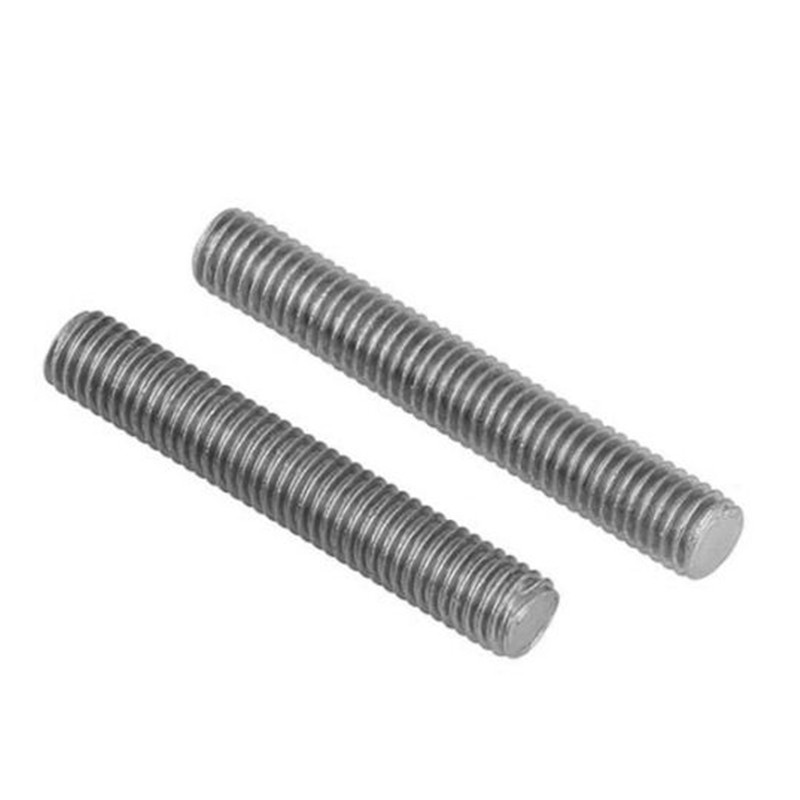
Understanding the exact measurements of a 6mm stainless threaded rod is essential for precise engineering. These rods are typically manufactured through a cold-rolling process, which ensures tight tolerances and a smooth surface finish. The continuous threading allows users to cut the rod to any desired length without losing the ability to fasten nuts at either end. Whether you are using a standard M6 pitch or a specialized thread, ensuring the rod is straight and the threads are clean is key to achieving maximum torque and clamping force.
Common Industrial Applications for 6mm Stainless Rods
The versatility of the 6mm stainless threaded rod makes it a staple in various sectors. In the automotive industry, they are often used for mounting brackets and interior trim components. In the food and beverage industry, their non-reactive nature makes them safe for environments that require frequent sanitization with harsh chemicals. Additionally, in modern architecture, these rods are utilized for glass railing supports and minimalist shelving systems, providing a sleek look without compromising on structural integrity.
Top Use Cases:
• Suspension of lightweight ceiling grids and piping
• Assembly of laboratory equipment and medical carts
• Custom fabrication of waterproof outdoor enclosures
• Precision alignment in electronic chassis assembly
Installation Best Practices for 6mm Threaded Rods
To get the most out of your 6mm stainless threaded rod, proper installation is key. First, ensure that you are using matching stainless steel nuts and washers to prevent galvanic corrosion—a phenomenon that occurs when two dissimilar metals touch in a moist environment. When cutting the rod, use a high-quality hacksaw or a metal cutting wheel and be sure to file down any burrs at the end of the rod to allow the nut to start smoothly. Finally, apply a small amount of anti-seize lubricant if the rod will be subjected to extreme temperature fluctuations.
Maintenance and Longevity of Stainless Fasteners
While stainless steel is remarkably durable, a 6mm stainless threaded rod can still suffer from surface contamination. Over time, dust and pollutants can settle on the surface, potentially leading to "tea staining" or superficial rust. To maintain the pristine look and structural integrity, periodic cleaning with a mild detergent and water is recommended. For high-exposure areas, using a passivation treatment can further enhance the protective oxide layer, ensuring that your fasteners remain rust-free for decades.
Conclusion: Optimizing Your Build with Quality Threaded Rods
The 6mm stainless threaded rod is more than just a piece of metal; it is a reliable engineering solution for those who refuse to compromise on quality. From its corrosion-resistant properties to its versatile application across various industries, it provides the security and stability needed for professional-grade projects. By choosing the correct grade and following proper installation practices, you can ensure a lifetime of performance. Visit our website to discover the perfect fastening solutions for your next industrial challenge.
Frequently Asked Questions (FAQs)
What is the difference between M6 and 6mm threaded rods?
In most contexts, "M6" refers to the Metric standard size, where the "M" stands for Metric and "6" represents the nominal outer diameter of 6mm. Therefore, an M6 threaded rod and a 6mm threaded rod are generally the same thing. However, it is always important to check the thread pitch (the distance between thread crests) to ensure compatibility with your nuts, as there are both coarse and fine thread options available within the M6 standard.
Can I use 304 stainless steel rods in a saltwater environment?
While Grade 304 stainless steel is highly resistant to corrosion in most environments, it is not recommended for direct saltwater exposure. Saltwater contains chlorides that can break down the passive layer of Grade 304, leading to pitting corrosion. For marine applications or coastal installations, we strongly recommend using Grade 316 stainless steel, which contains molybdenum specifically to combat chloride-induced corrosion and ensure a much longer lifespan.
How do I cut a 6mm stainless threaded rod without damaging the threads?
The best way to cut a 6mm stainless threaded rod is by using a high-speed steel (HSS) hacksaw or a rotary tool with a reinforced cutting disc. To protect the threads, you can wrap a piece of masking tape around the area where you intend to cut. After cutting, use a metal file or a deburring tool to smooth the edges of the cut end; this prevents the nut from jamming and ensures a smooth, professional assembly process.
Do threaded rods come in different lengths?
Yes, threaded rods are typically sold in standard long lengths (such as 1 meter or 3 meters) because their primary advantage is the ability to be custom-cut to any length required for a specific project. However, many suppliers also offer pre-cut lengths for convenience. Regardless of the initial length, the continuous threading ensures that the rod remains functional throughout its entire span, providing maximum flexibility for engineers and hobbyists alike.
Post time: Apr . 09, 2026 02:45



 English
  Albanian
  Arabic
  Armenian
  Azerbaijani
  Belarusian
  Bosnian
  Bulgarian
  Cebuano
  Corsican
  Czech
Czech  Galician
  Georgian
  Greek
Greek  Hausa
Hausa  Hebrew
  Hungarian
  Igbo
Igbo  Indonesian
  Italian
  Kazakh
  Khmer
Khmer  Korean
  Kurdish
  Kyrgyz
  Lao
Lao  Latin
Latin  Latvian
  Lithuanian
  Malay
Malay  Myanmar
  Nepali
  Polish
  Portuguese
  Russian
  Serbian
  Sesotho
  Shona
Shona  Sindhi
  Spanish
  Tagalog
  Tajik
Tajik  Thai
Thai  Turkish
  Turkmen
  Ukrainian
  Uzbek
Uzbek  Vietnamese
  Yoruba
  Zulu
Zulu