

Understanding the 1 4 Threaded Bar: A Small Component with Big Global Impact
The 1 4 threaded bar might seem like an unassuming piece of hardware, but it’s actually a crucial player in countless industries worldwide. From construction to manufacturing and even humanitarian relief efforts, this small threaded rod ties together vital frameworks and infrastructures. Frankly, understanding the 1 4 threaded bar isn’t just for engineers or builders—it affects global projects that support sustainable development and resilience against natural disasters.
Introduction: The Global Reach and Relevance of 1 4 Threaded Bars
Globally, the construction sector is expected to grow steadily, with an estimated market increase of over 4% per year according to the International Trade Centre (ITC). Part of this growth depends on reliable fasteners like threaded bars. The 1 4 threaded bar, with its specific diameter and threading, is a staple thanks to its versatility. Oddly enough, despite its simplicity, threaded bars often solve tricky challenges related to speed, durability, and adaptability in harsh environments.
For example, in rebuilding efforts after natural calamities—which the UN confirms are on the rise globally—threaded bars provide quick and secure connections for temporary shelters and infrastructure. Without them, assembly delays would worsen the humanitarian crisis. So, while it’s “just” a metal rod, its impact is far-reaching and essential for efficiency.
What Exactly Is a 1 4 Threaded Bar?
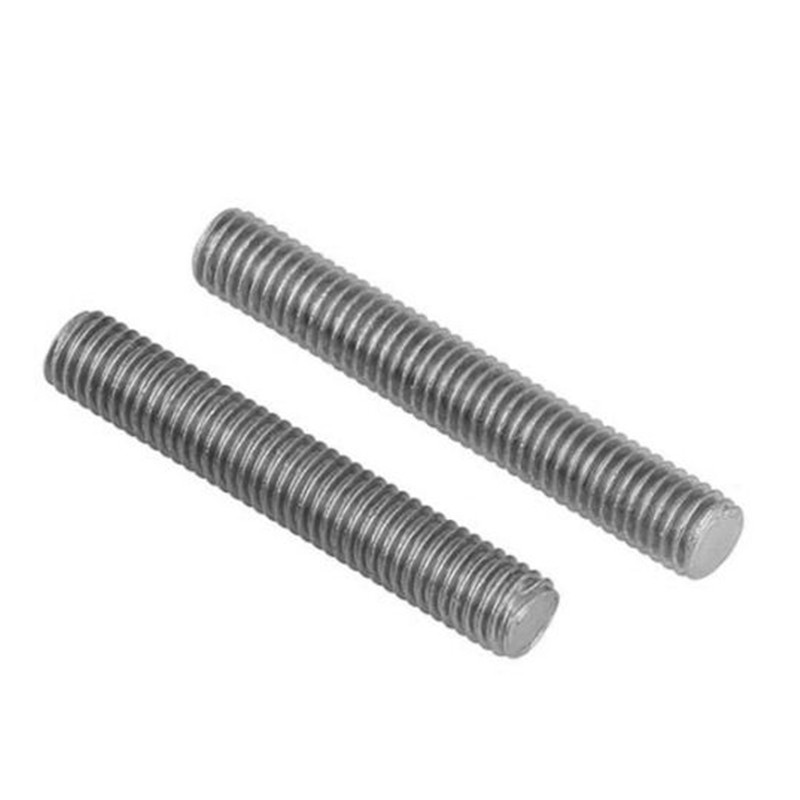
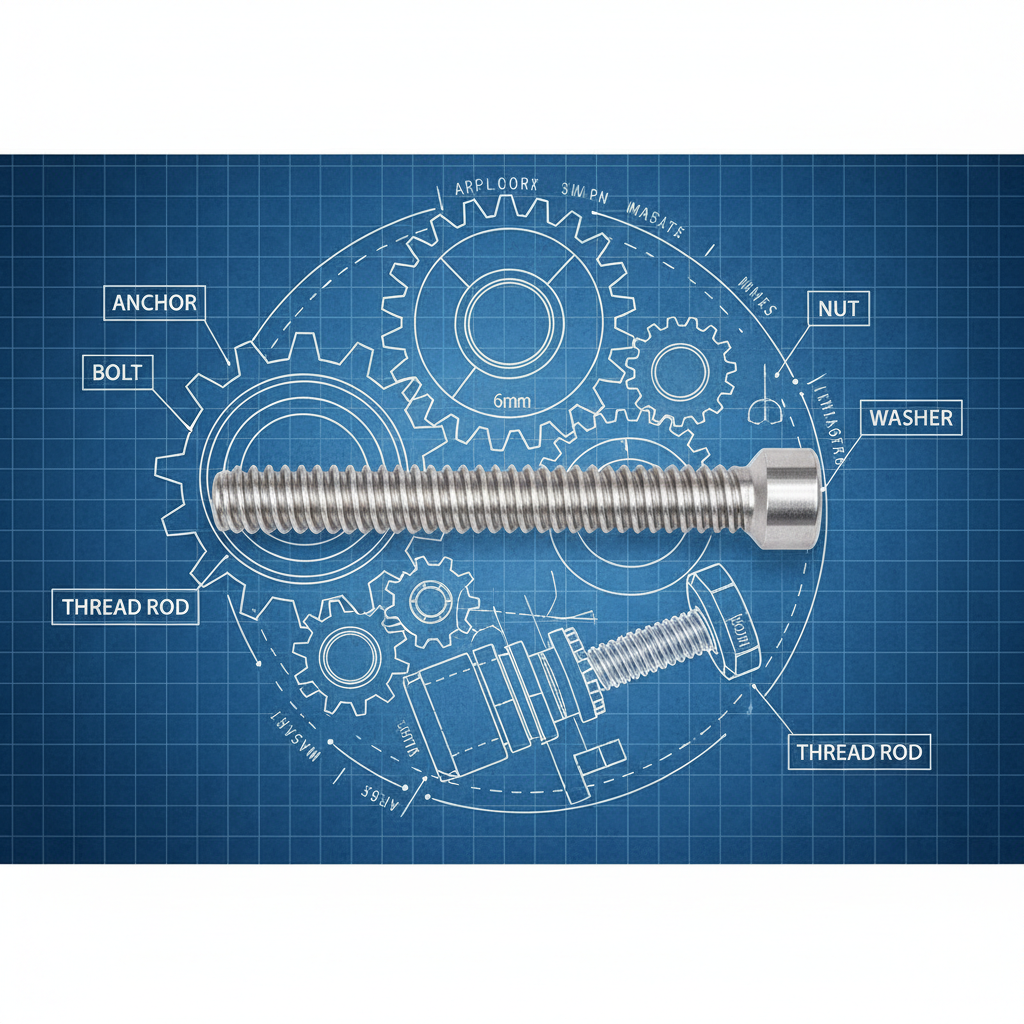
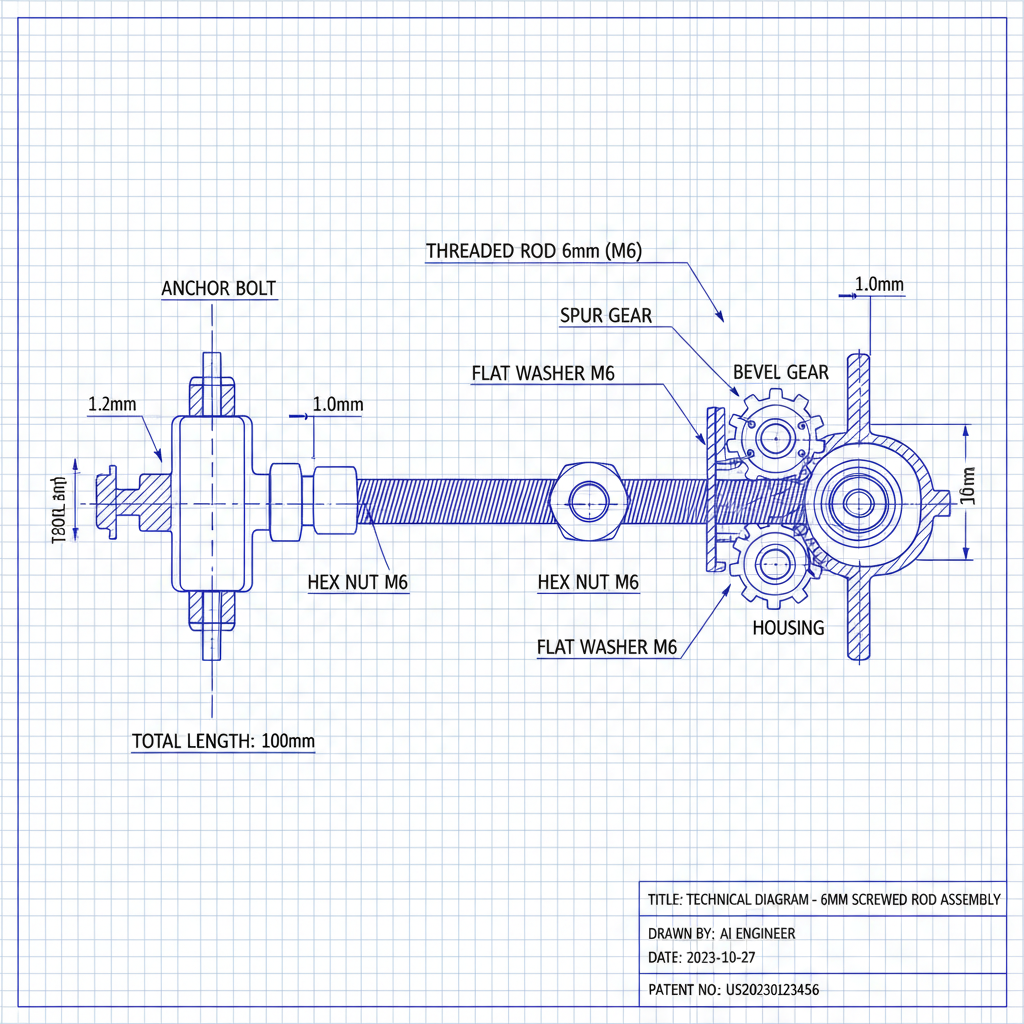
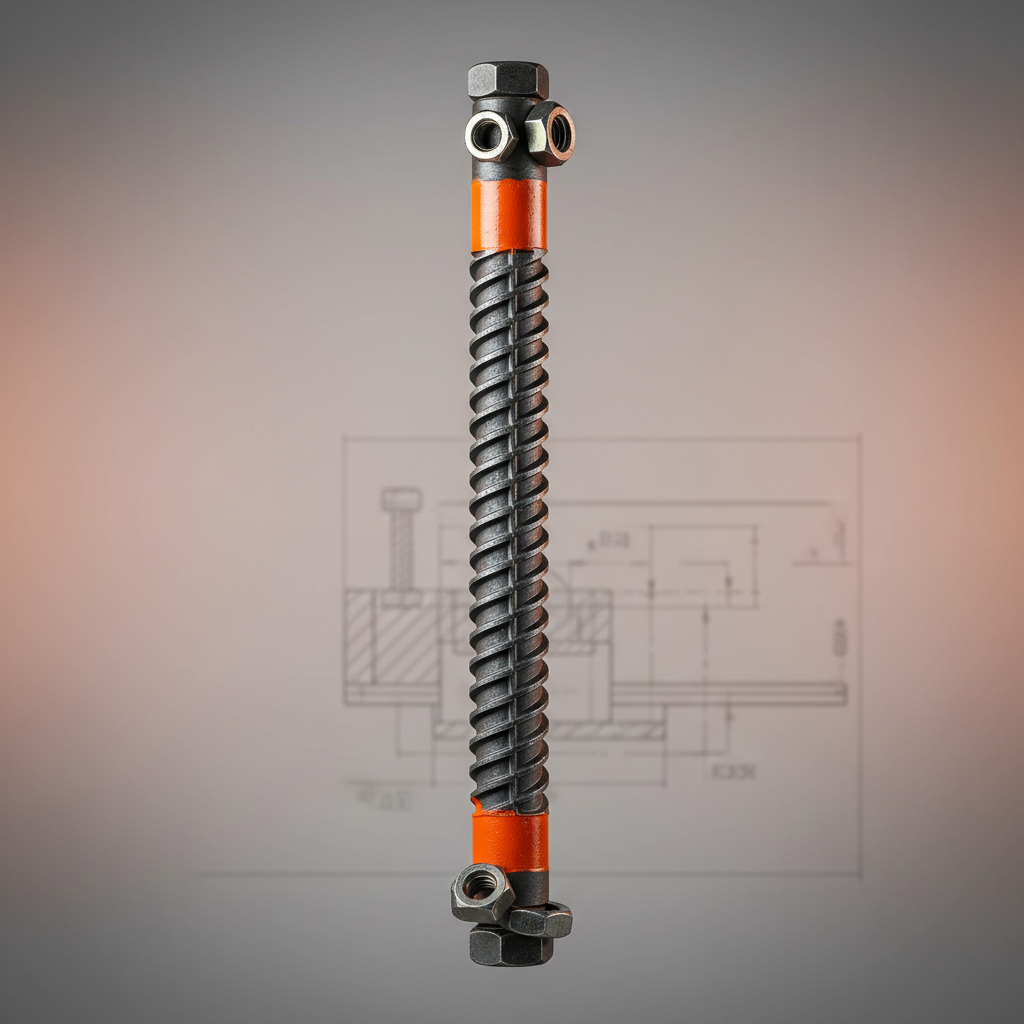
At its core, a 1 4 threaded bar is a rod, typically steel, with continuous helical threads running along its length, featuring a diameter of 1/4 inch (about 6.35 mm). These threads allow nuts or other connectors to be fastened anywhere along the bar, making it incredibly flexible for structural purposes.
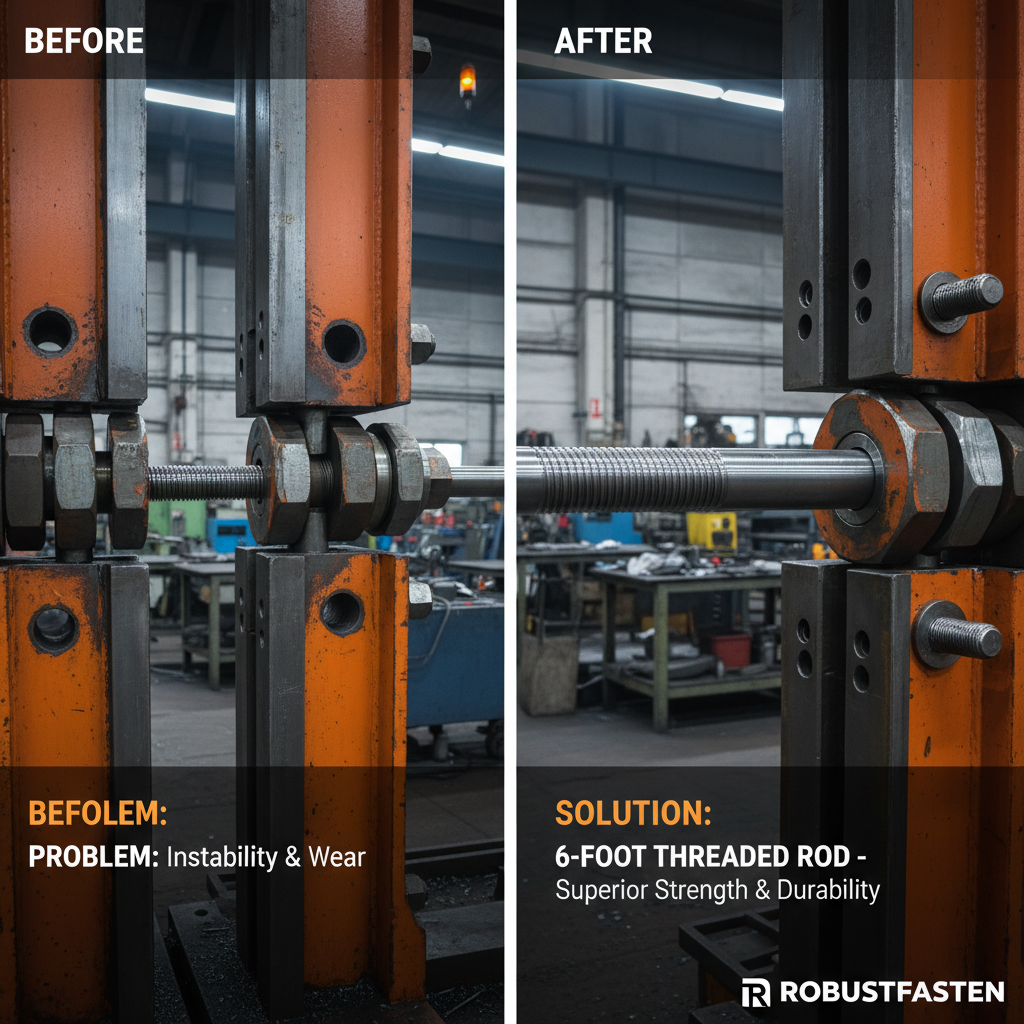
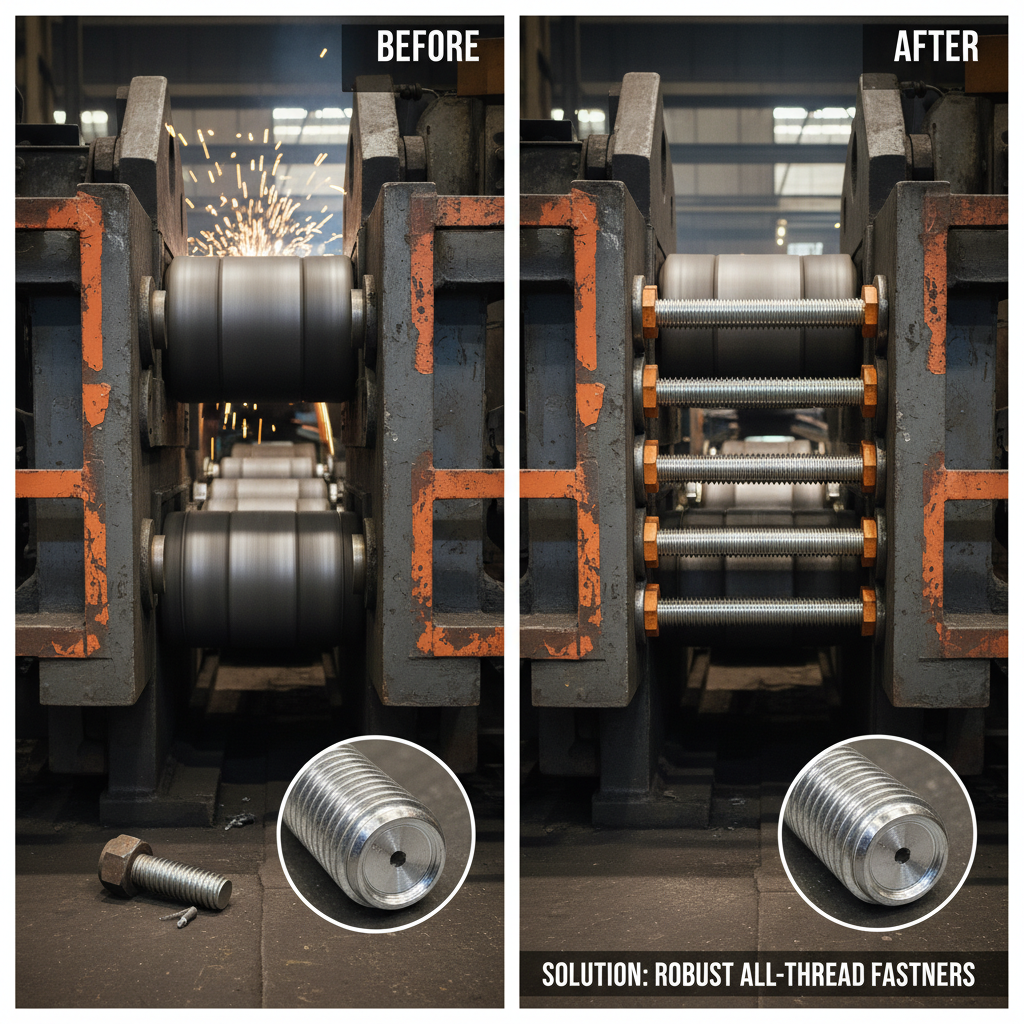
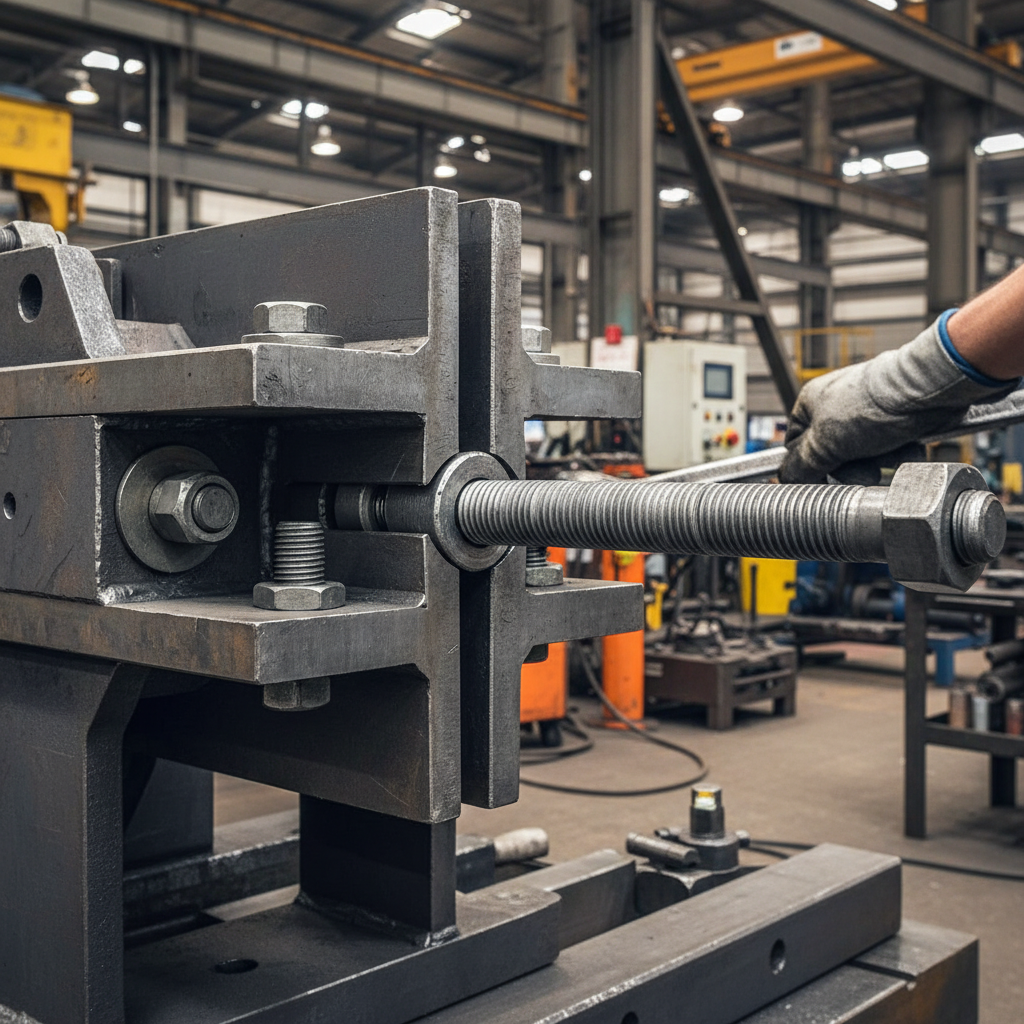
This flexibility is what links it closely with modern industry—the ability to quickly join components without permanently welding or boring holes. Whether setting up scaffolds, reinforcing concrete, or assembling mechanical components, the 1 4 threaded bar is a workhorse connecting the dots in construction, automotive, and manufacturing sectors.
Key Attributes of the 1 4 Threaded Bar that Matter
Durability
Typically crafted from carbon steel, stainless steel, or galvanized steel, the 1 4 threaded bar withstands corrosion and mechanical stress efficiently. Its material composition is vital for applications exposed to moisture or chemicals, like marine construction or wastewater plants.
Scalability
Threaded bars are scalable in length and can be cut or customized on-site to fit specific needs—ideal for large-scale projects. This practicability saves time and cuts down waste generated by overstock or unused parts.
Cost Efficiency
Compared to other fastening methods, threaded bars reduce labor and machinery costs by simplifying assembly. Another plus: standardization means replacements are easy to find worldwide, avoiding costly delays.
Load-Bearing Capacity
Despite its slim profile, a 1 4 threaded bar can typically handle significant tensile loads, making it reliable for supporting frameworks and suspended structures.
Compatibility
Because of standardized thread pitches and sizes, this bar is compatible with a wide range of nuts, washers, and fasteners, giving engineers plenty of options in design.
Mini Takeaway: The 1 4 threaded bar’s blend of durability, flexibility, and cost-effectiveness explains its widespread use in practical, real-world projects.
Global Applications and Real-World Use Cases
In the construction hubs of North America and Europe, 1 4 threaded bars anchor gypsum panels and HVAC systems effortlessly. Meanwhile, in Southeast Asia’s fast-developing industrial areas, they’re critical for assembling machinery lines quickly.
Relief organizations use these threaded bars during post-disaster recovery to rapidly erect modular housing and field hospitals. As an illustration, Médecins Sans Frontières employed threaded bars in Haiti after the 2010 earthquake for temporary clinics assembled under tight time constraints.
In remote industrial zones like parts of sub-Saharan Africa, the bars are preferred for off-grid electrical installations, providing stable mounting points for solar panels and communication antennas.
Advantages and Long-Term Value of Using 1 4 Threaded Bars
- Cost Savings: Lower installation and maintenance expenses add up over time.
- Sustainability: Steel is widely recyclable, reducing environmental footprint.
- Reliability: High-quality manufacturing ensures consistent performance even under stress.
- Safety: Proper fastening means sturdier structures, which directly contributes to worker and occupant safety.
- Social Impact: Enabling rapid deployment of infrastructure supports dignity and resilience for vulnerable populations.
It feels like, beyond the numbers and specs, the 1 4 threaded bar earns trust from engineers and humanitarian actors for its predictability and ease of use—qualities that matter in tense, complex scenarios.
Future Trends and Innovations Around 1 4 Threaded Bars
The industrial sector is shifting toward “smart” fasteners embedded with sensors to monitor tension and corrosion. Though the 1 4 threaded bar might appear “retro,” advancements in coating technologies and hybrid materials are enhancing its lifespan and sustainability credentials.
Additionally, the rise of automation in manufacturing promotes precision-cut threaded bars tailored via CAD/CAM systems. These innovations reduce waste and improve fitment, which engineers say is a dream come true on the assembly floor.
On the sustainability front, ISO standards increasingly guide producers toward greener steel and eco-friendly protective finishes, nudging the industry toward a cleaner footprint.
Challenges with 1 4 Threaded Bars and How Experts Overcome Them
One notable challenge is corrosion in highly aggressive environments, which even galvanized steel can struggle with over decades. Rusty bars can jeopardize safety, so using stainless steel or adding protective sleeves is often recommended.
Another limitation is thread damage, especially in field use. Expert advice includes careful handling, proper torque application, and regular inspection to maintain integrity.
Suppliers also face logistical hurdles, such as inconsistent sizing standards in some local markets. Standardization bodies and engineering consultancies often collaborate to ensure uniform quality and compatibility.
1 4 Threaded Bar: Frequently Asked Questions
- Q: What sizes and thread pitches are standard for a 1 4 threaded bar?
- A: Typically, the 1 4 inch diameter is paired with UNC (Unified National Coarse) 20 threads per inch, but UNC 28 or metric M6 equivalents exist too. Choice depends on load and compatibility requirements.
- Q: How long can a 1 4 threaded bar realistically last outdoors?
- A: With good corrosion-resistant material or coatings, longevity can exceed 20 years, though regular inspection is wise in harsh environments.
- Q: Are 1 4 threaded bars reusable after removal?
- A: Usually yes, if threads and material remain undamaged. However, repeated reuse in structurally critical roles demands careful vetting.
- Q: Can NGOs import 1 4 threaded bars internationally without much hassle?
- A: Generally yes, as they’re common industrial fasteners with minimal restrictions; however, shipping logistics and local import laws vary and should be verified in advance.
Product Specification Table for 1 4 Threaded Bar
| Specification | Details |
|---|---|
| Diameter | 1/4 inch (6.35 mm) |
| Standard Thread Pitch | 20 threads per inch (UNC) |
| Material Options | Carbon Steel, Stainless Steel, Galvanized Steel |
| Length Range | 1 ft to 12 ft (customizable) |
| Tensile Strength | Up to 90,000 psi (varies by grade) |
| Coating | Plain, Zinc Plated, Hot-dip Galvanized |
Comparison of Leading Vendors for 1 4 Threaded Bars
| Vendor | Material Quality | Customization | Price/Unit | Global Shipping |
|---|---|---|---|---|
| FastenPro Inc. | High-grade stainless steel | Lengths & coatings | $$$ | Worldwide |
| SteelWorks Ltd. | Carbon steel, hot-dip galvanized | Standard sizes only | $ | North America & Europe |
| Global Fasteners Co. | Mixed-grade carbon and alloy steel | Custom threading | $$ | Select countries |
Conclusion: Why the 1 4 Threaded Bar Remains Essential
In wrapping up, the 1 4 threaded bar might be just one standard among many industrial hardware items, but its consistent performance and versatility make it indispensable worldwide. It bridges gaps between durability, ease of use, and cost, while enabling critical construction and humanitarian projects alike.
If you want to explore more on sourcing or specifications, or to discover related fastener products, I encourage you to visit our website: https://www.hbtbls.com. Whether you’re rebuilding after a disaster or innovating a factory assembly line, this little rod often has a big role to play.
Mini Takeaway: Simple, strong, and adaptable—the 1 4 threaded bar quietly supports some of the world’s most important infrastructures.
References
Post time: Dec . 03, 2025 15:06


 English
  Albanian
  Arabic
  Armenian
  Azerbaijani
  Belarusian
  Bosnian
  Bulgarian
  Cebuano
  Corsican
  Czech
Czech  Galician
  Georgian
  Greek
Greek  Hausa
Hausa  Hebrew
  Hungarian
  Igbo
Igbo  Indonesian
  Italian
  Kazakh
  Khmer
Khmer  Korean
  Kurdish
  Kyrgyz
  Lao
Lao  Latin
Latin  Latvian
  Lithuanian
  Malay
Malay  Myanmar
  Nepali
  Polish
  Portuguese
  Russian
  Serbian
  Sesotho
  Shona
Shona  Sindhi
  Spanish
  Tagalog
  Tajik
Tajik  Thai
Thai  Turkish
  Turkmen
  Ukrainian
  Uzbek
Uzbek  Vietnamese
  Yoruba
  Zulu
Zulu