

Understanding the 1 4 Threaded Rod Anchor: A Veteran’s Perspective
Having spent more than a decade in the industrial equipment sector, I’ve seen my fair share of anchors, rods, and fasteners. One piece that keeps popping up in conversations — and on job sites — is the 1 4 threaded rod anchor. It might sound straightforward, but oddly enough, there’s a lot going on beneath the surface with this little guy. From material choices to load testing, this product plays a critical role in construction and industrial applications, yet it often gets overlooked. Let’s dive into what makes it tick and why it’s so pivotal.
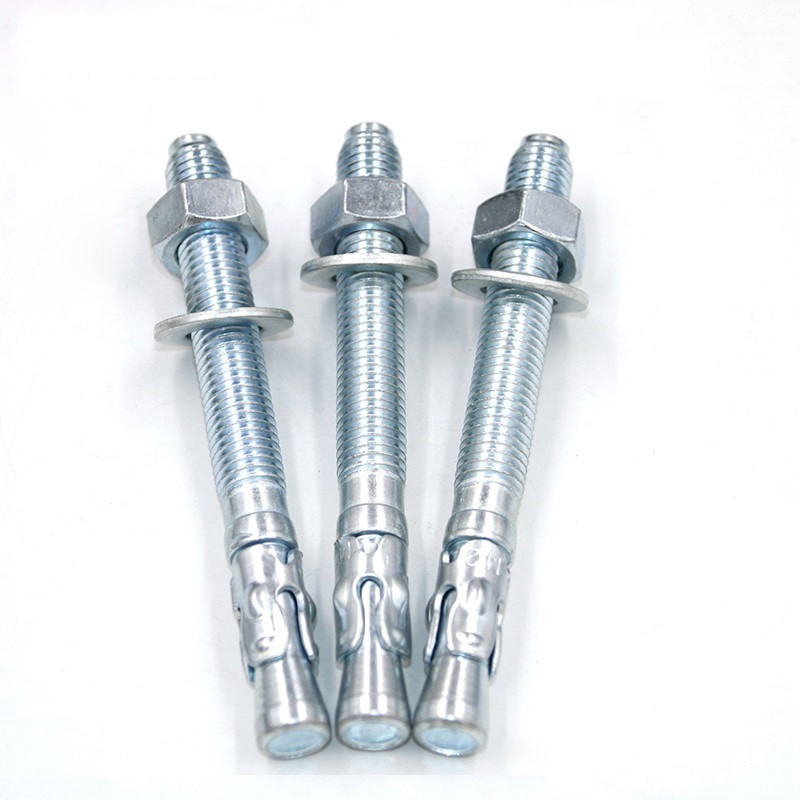
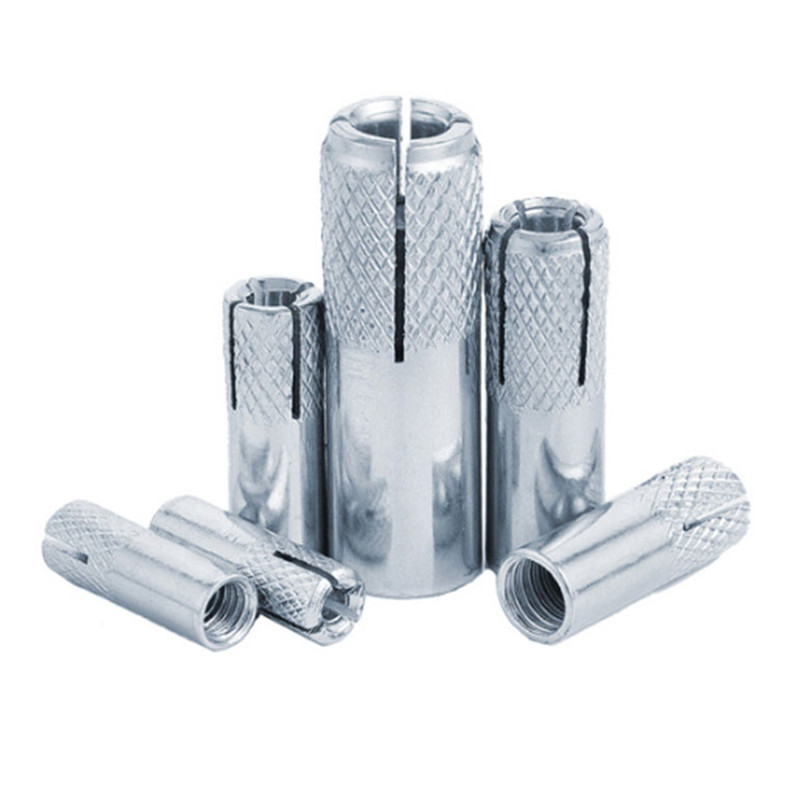
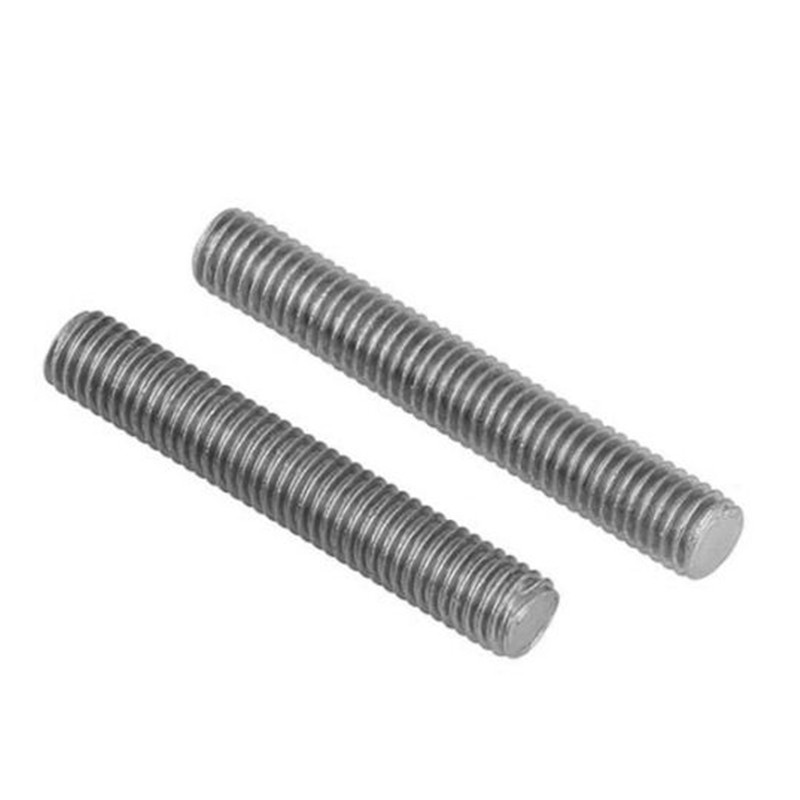
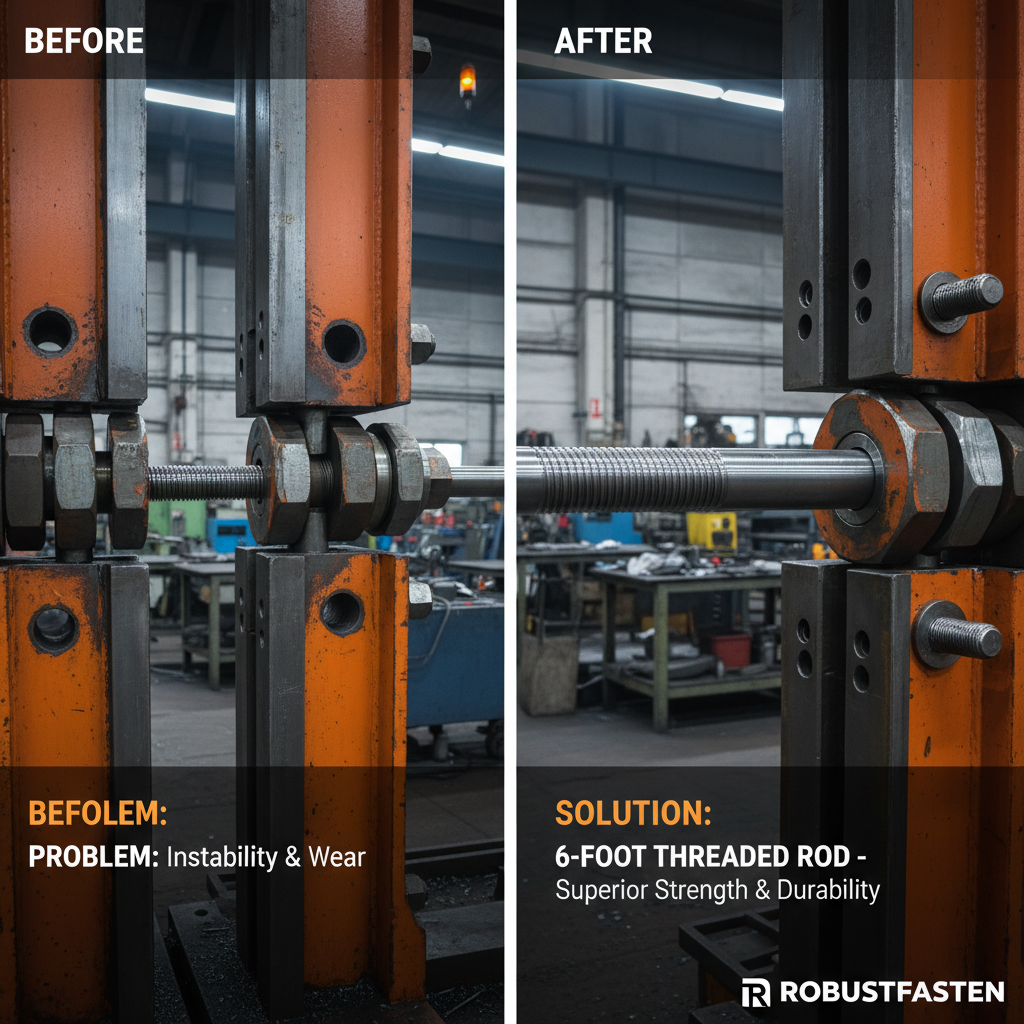
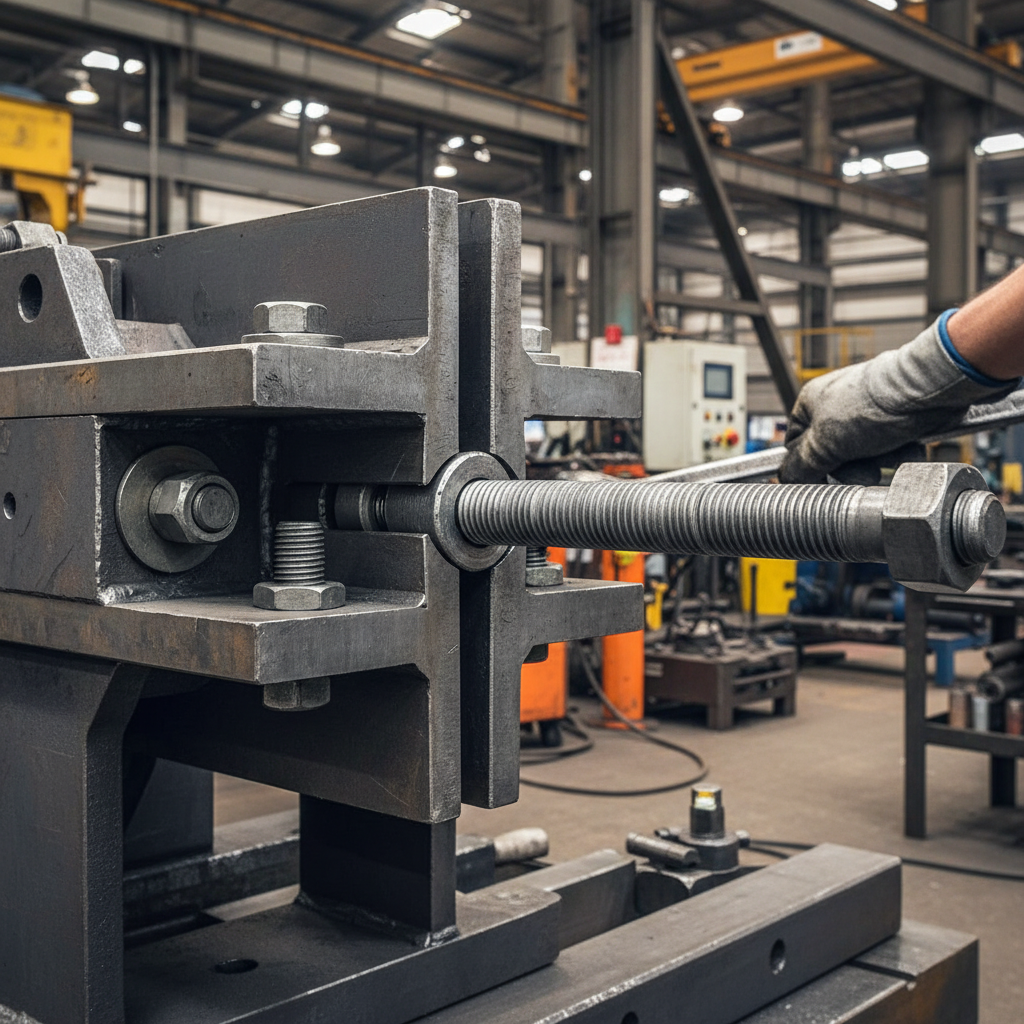
Threaded rod anchors, specifically the 1/4" size, are typically used to secure structures to concrete or masonry. Their strength and reliability have made them a staple in industrial frameworks, equipment mounting, and even retrofitting projects. What I’ve come to appreciate over the years is the blend of simplicity and precision engineering baked into these anchors. They’re unassuming parts, but mess up the specs or material grade, and the consequences could be costly — or worse.
Material quality is everything here. Most 1 4 threaded rod anchors come in carbon steel or stainless steel grades, designed to handle different load requirements and environmental conditions. I remember a job in a coastal facility where stainless steel anchors were mandatory because of corrosion from salt spray. You definitely don’t want anchors giving out after a couple of years due to rust, trust me.
| Specification | Details |
|---|---|
| Diameter | ¼ inch (6.35 mm) |
| Length | Varies: 2"–12" typical |
| Material | Carbon Steel or Stainless Steel (304/316) |
| Finish | Zinc plated, hot-dip galvanized, or plain |
| Thread Threading | Standard UNC/UNF or custom pitch |
| Load Capacity | Up to 500 lbs tensile (varies by embedment & material) |
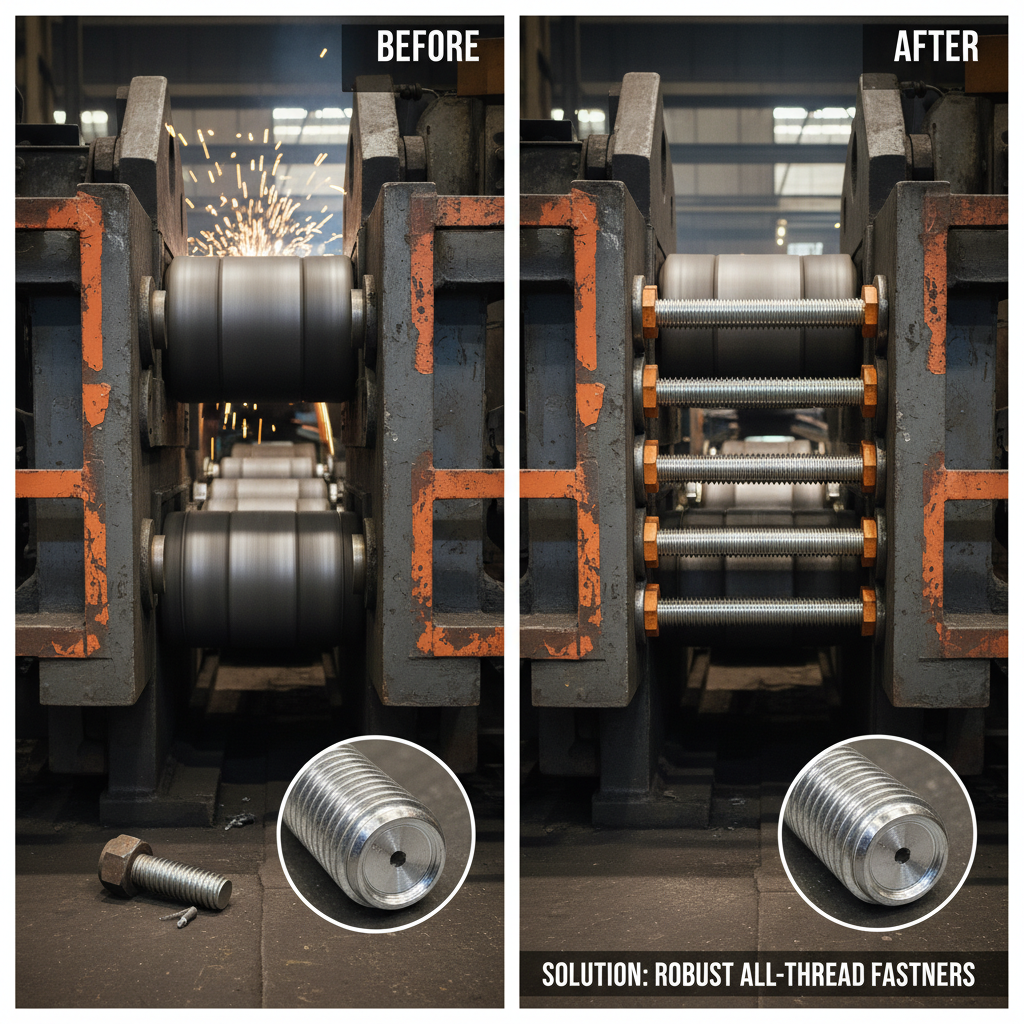
Manufacturers often provide testing certifications — some do pull tests per ASTM E488 standards — which is a crucial trust factor in this business. Frankly, no one wants to gamble on anchors that haven’t been validated for shear or tensile strength. Over my years in site inspections, I've seen countless cases where subpar anchors led to premature failures or expensive recalls. That’s why I always stress the importance of sourcing from trusted suppliers.
When I first got introduced to threaded rod anchors, I wasn’t exactly wowed — it’s one of those “grab and bolt” parts. But after consulting engineers and project managers, it became clear there’s a surprising amount of nuance here. Consider how the thread pitch affects torque settings — and how incorrect torque can either strip the anchor or cause it to pull loose. Then there are the anchors with epoxy coatings designed for seismic areas. You don’t often hear about those unless you’re really in the trenches.
To give you a clearer picture, I’ve also rounded up a quick vendor comparison table below. Spoiler: pricing and specs can vary quite a bit.
| Vendor | Material Options | Pricing (per 100 pcs) | Lead Time | Certified Standards |
|---|---|---|---|---|
| HBT BLS | Carbon Steel, 304 SS, 316 SS | $120 – $200 | 2 weeks | ASTM E488 Pull Test Certified |
| AnchorFast Co. | Carbon Steel Only | $95 – $150 | 1 week | Internal QC, no external certification |
| SteelBind | Carbon Steel, Zinc plated | $110 – $170 | 3 weeks | UL Listed |
One time, I worked on a project that needed vintage industrial equipment to be secured in an old factory conversion. We had some tricky substrate conditions — uneven concrete slabs — and the anchors needed just the right length and thread engagement to keep everything tight but removable later for maintenance. Oddly, that job was a reminder that while specs matter, the flexibility in product options matters just as much.
So, if you’re searching for reliable 1 4 threaded rod anchor solutions, I’d suggest checking the certifications and material options carefully. It feels like a small part, but it holds a lot of weight — literally and figuratively — in any build or retrofit project.
And hey, that’s just my two cents after a decade in the trenches. There’s always something new to learn with anchors and fasteners — but that’s what keeps the work interesting, right?
References:
- ASTM E488 - Standard Test Method for Strength of Anchors in Concrete and Masonry Elements
- Industry Supplier Certification Documents, HBT BLS
- Field Notes, Industrial Retrofitting Projects, Various Locations (2018–2023)
Post time: Dec . 03, 2025 15:26



 English
  Albanian
  Arabic
  Armenian
  Azerbaijani
  Belarusian
  Bosnian
  Bulgarian
  Cebuano
  Corsican
  Czech
Czech  Galician
  Georgian
  Greek
Greek  Hausa
Hausa  Hebrew
  Hungarian
  Igbo
Igbo  Indonesian
  Italian
  Kazakh
  Khmer
Khmer  Korean
  Kurdish
  Kyrgyz
  Lao
Lao  Latin
Latin  Latvian
  Lithuanian
  Malay
Malay  Myanmar
  Nepali
  Polish
  Portuguese
  Russian
  Serbian
  Sesotho
  Shona
Shona  Sindhi
  Spanish
  Tagalog
  Tajik
Tajik  Thai
Thai  Turkish
  Turkmen
  Ukrainian
  Uzbek
Uzbek  Vietnamese
  Yoruba
  Zulu
Zulu