
The Subtle Power Behind the 1 2 Inch Threaded Rod: Why It Matters
If you’ve ever considered the humble 1 2 inch threaded rod, you might think it’s just a boring piece of metal. Yet, this component quietly holds together countless structures and machines around the world. Whether in construction, manufacturing, or humanitarian efforts, understanding this simple item reveals a much bigger story about global engineering and supply chains.
Threaded rods, particularly those with a half-inch diameter, act like the backbone of assemblies that require both strength and flexibility. They keep buildings upright, bridges stable, and even aid in emergency shelters. For industries worldwide, grasping the ins and outs of the 1 2 inch threaded rod translates directly to safer designs and more cost-efficient projects.
Mini takeaway: The 1 2 inch threaded rod may seem unremarkable, but its global significance spans countless sectors — all relying on its durability and adaptiveness.
Why the World Still Depends on the 1 2 Inch Threaded Rod
In today’s rapidly urbanizing world, the demand for reliable fasteners is skyrocketing. According to the United Nations, nearly 68% of the global population is projected to live in urban areas by 2050, putting pressure on infrastructure development. Industries from automotive to aerospace rely heavily on components like the 1 2 inch threaded rod to meet these rigorous demands.
ISO standards for fasteners have helped regulate quality globally, but challenges remain: varying material grades, corrosion resistance, and supply chain disparities mean that the choice of the right rod for the job is never trivial. This is particularly critical in disaster-prone regions where infrastructure must be both resilient and rapidly assembled.
Defining the 1 2 Inch Threaded Rod
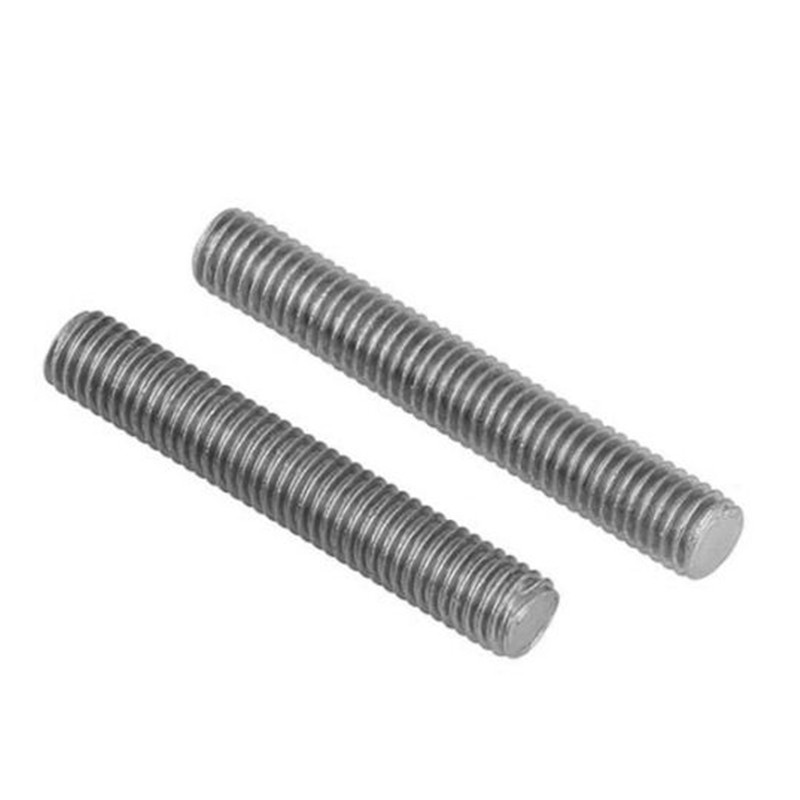
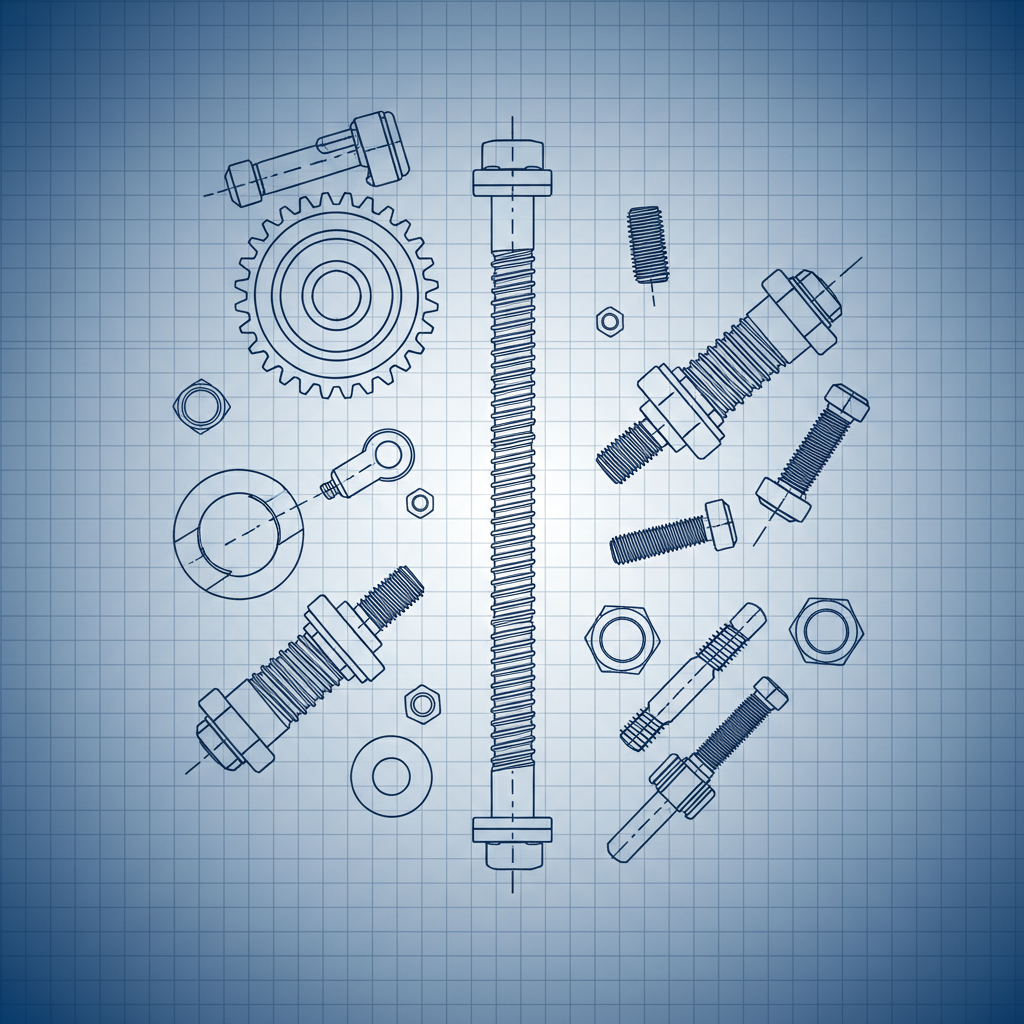
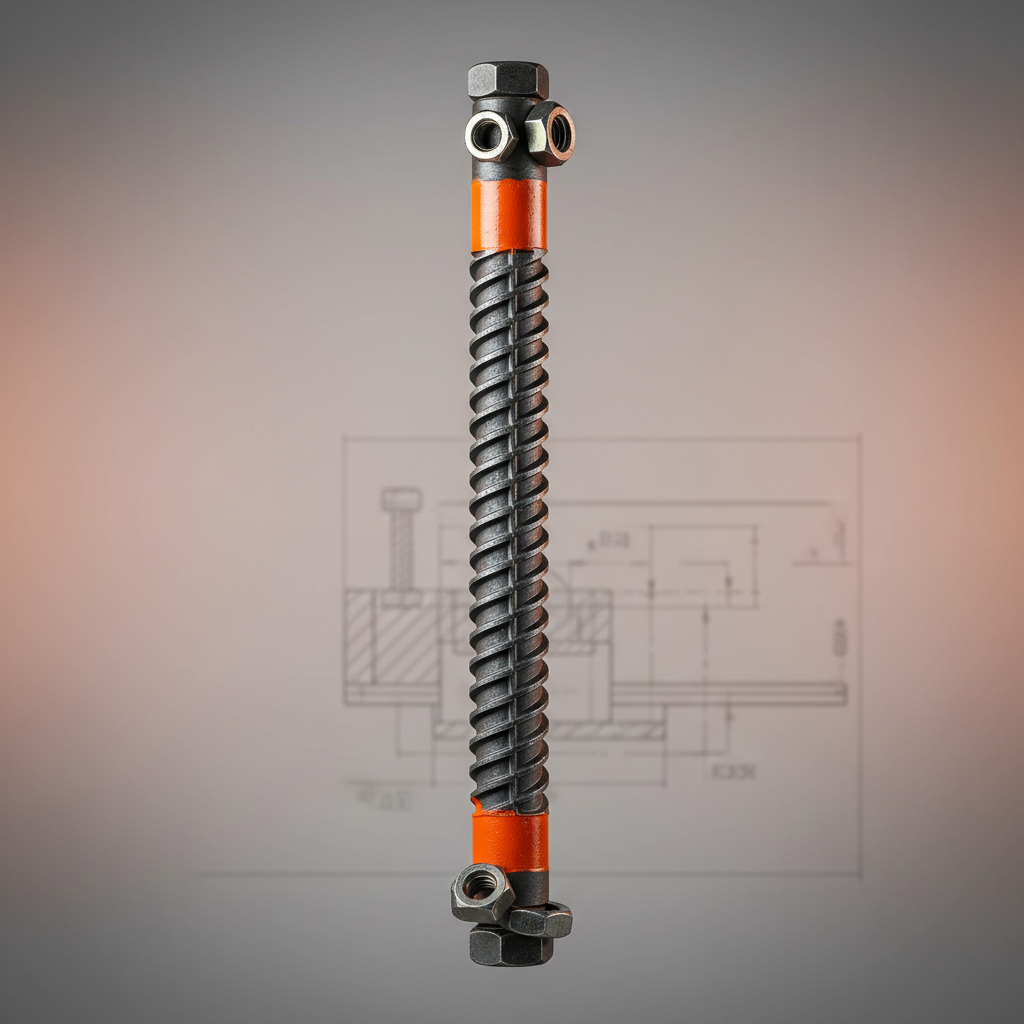
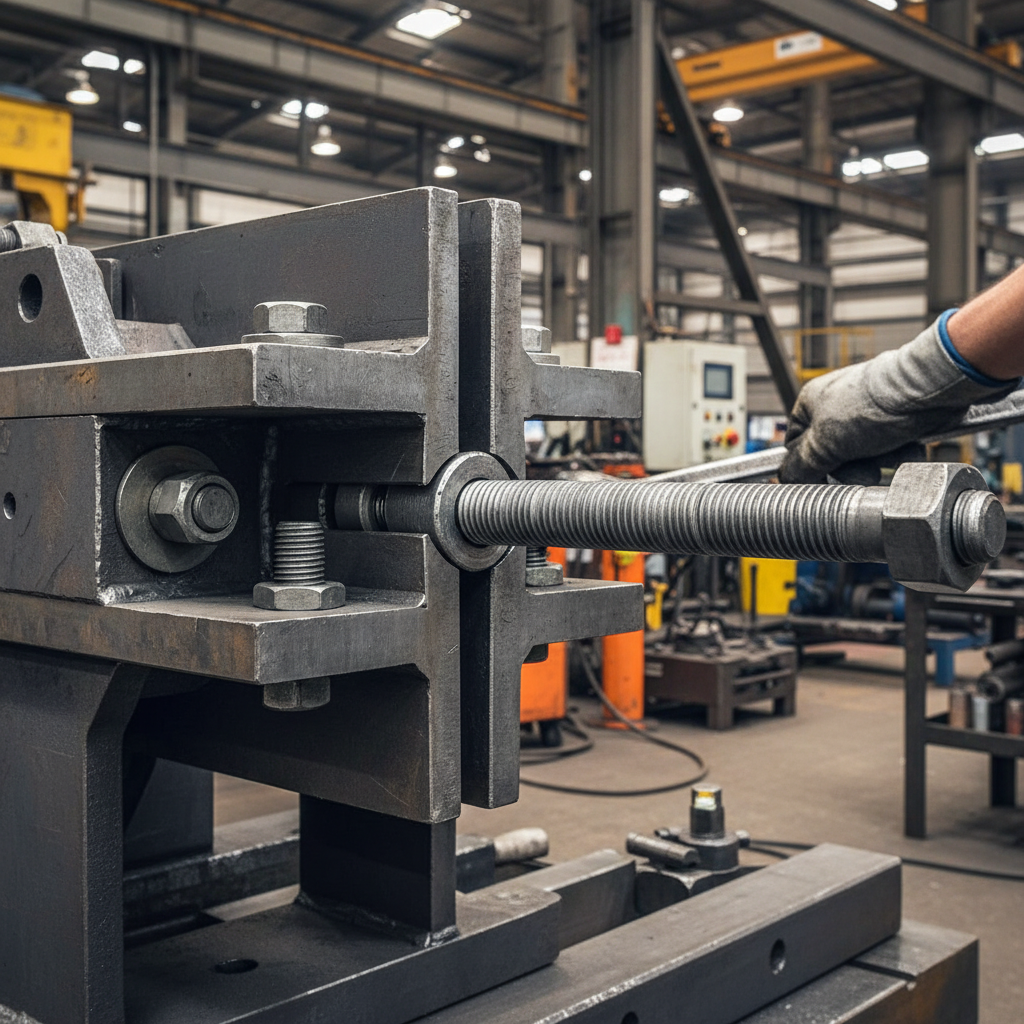
Simply put, a 1 2 inch threaded rod is a long, slender bar of metal with threading wrapped along its entire length. The "1 2 inch" here refers to its diameter—basically the thickness of the steel itself.
These rods are often referred to as "all-thread" because the threading runs continuously, allowing nuts and washers to be positioned anywhere along its shaft. This flexibility is what makes them a go-to for secure fastenings in temporary or permanent assemblies.
In modern industry, these rods do more than just hold machines together. They’re part of rapid-deploy bridges, telephone towers, HVAC systems, even modules in humanitarian shelters prone to frequent disassembly and reinstallation.
Key Factors Driving the Use of 1 2 Inch Threaded Rods
1. Durability and Material Quality
Most rods are crafted from carbon steel, stainless steel, or alloy steel — each with properties tailored to different environments. Stainless steel rods resist corrosion, ideal for outdoor applications. Carbon steel rods, on the other hand, are favored for their strength and affordability, but often require coatings like zinc plating to fend off rust.
2. Versatility in Application
The continuous threading means these rods can handle custom lengths and varied fastening needs, from holding together heavy machinery to structurally reinforcing concrete forms.
3. Cost Efficiency
Compared to custom-fabricated fasteners, 1 2 inch threaded rods offer a ready-made, scalable solution that cuts down manufacturing and assembly times.
4. Load-Bearing Capacity
The half-inch diameter strikes a balance — strong enough to withstand mechanical stresses while still flexible enough for easier installation and adjustments.
5. Compatibility with Nuts and Washers
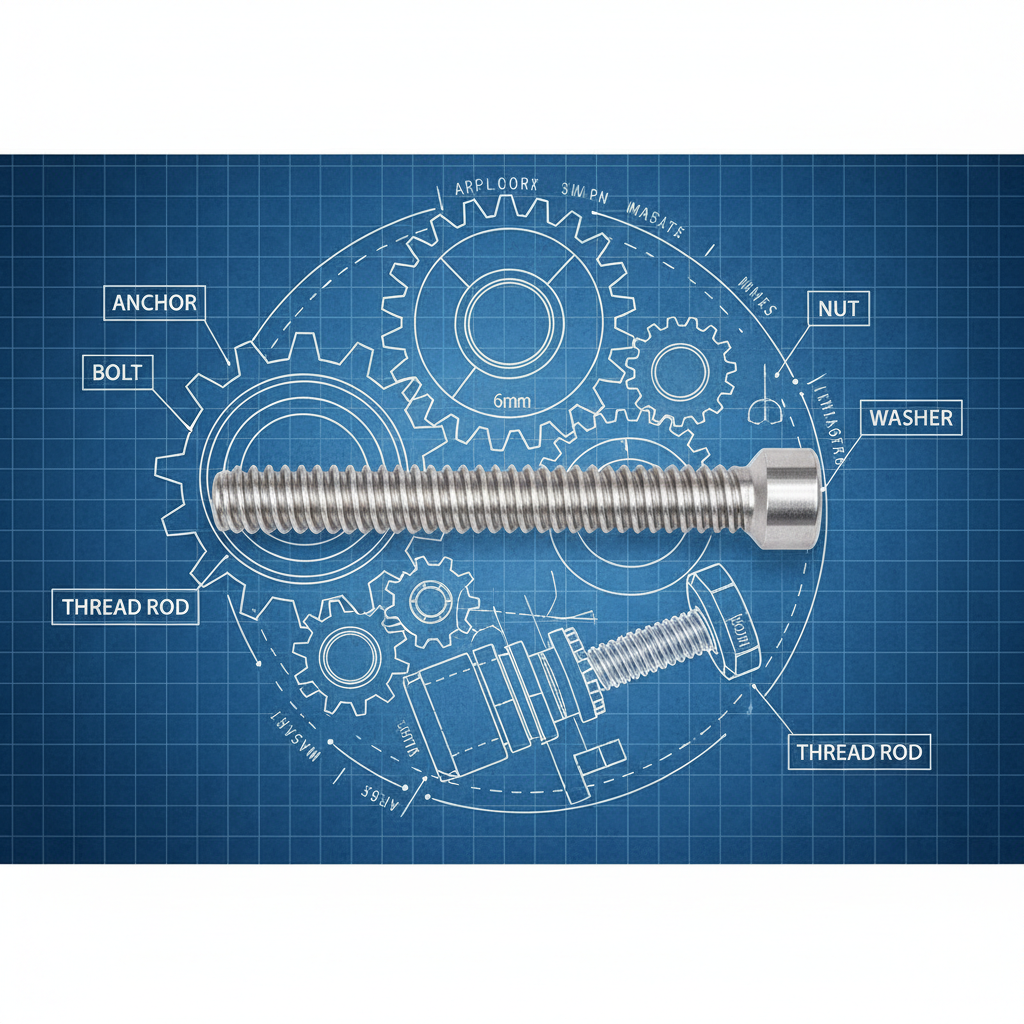
Standardized threading means interchangeability with a wide range of nuts and washers, simplifying procurement and inventory management.
6. Scalability for Large Projects
From small DIY jobs to large-scale industrial use, these rods come in varying lengths, allowing for custom setups without extra fabrication.
Mini takeaway: The 1 2 inch threaded rod scores highly not just for its strength but for unmatched adaptability in complex or changing environments.Typical Applications Across the Globe
In North America and Europe, construction industries rely on these rods for anchoring concrete and steel frameworks due to their predictable strength and corrosion resistance when properly treated.
In Asia and Africa, organizations involved in rapid shelter deployments post-disaster lean heavily on these rods. For example, in the aftermath of typhoons or earthquakes, relief agencies have rapidly assembled temporary housing units using 1 2 inch threaded rod for quick reinforcement.
Manufacturing plants in remote industrial zones use them to assemble modular equipment that can easily be disassembled and relocated, a growing trend in flexible factory design.
| Specification | Value | Notes |
|---|---|---|
| Diameter | 1/2 inch (12.7 mm) | Standard nominal size |
| Material | Carbon steel, Stainless steel, Alloy steel | Varies with environment and strength needs |
| Thread Pitch | 13 or 20 threads per inch | Unified Thread Standard |
| Coating | Zinc, Hot-dip Galvanized | Corrosion resistance |
| Length Range | 1 ft to 12 ft (custom available) | Custom cutting common |
Advantages and Lasting Impact
- Cost-effectiveness: Cheaper to manufacture and stock than custom fasteners.
- Durable & Reliable: Can handle various loads in tough environments.
- Easy Maintenance: Standard parts reduce downtime during replacement.
- Supports Innovation: Enables modular and scalable construction techniques.
- Socially Significant: In disaster zones, these rods support vital infrastructure saving lives.
You know, it’s interesting how something so mechanical can deeply affect human dignity — a sturdy shelter or a reliable medical facility can hinge on something as simple as the right threaded rod.
The Future of Threaded Rods: Trends and Innovations
Green initiatives are pushing materials scientists to develop rods made from recycled metals or with coatings that reduce environmental impact.
Digital transformation also plays a role. Expect to see digitally tagged rods using RFID for inventory and quality control, smoothing supply chain challenges that currently dog large projects.
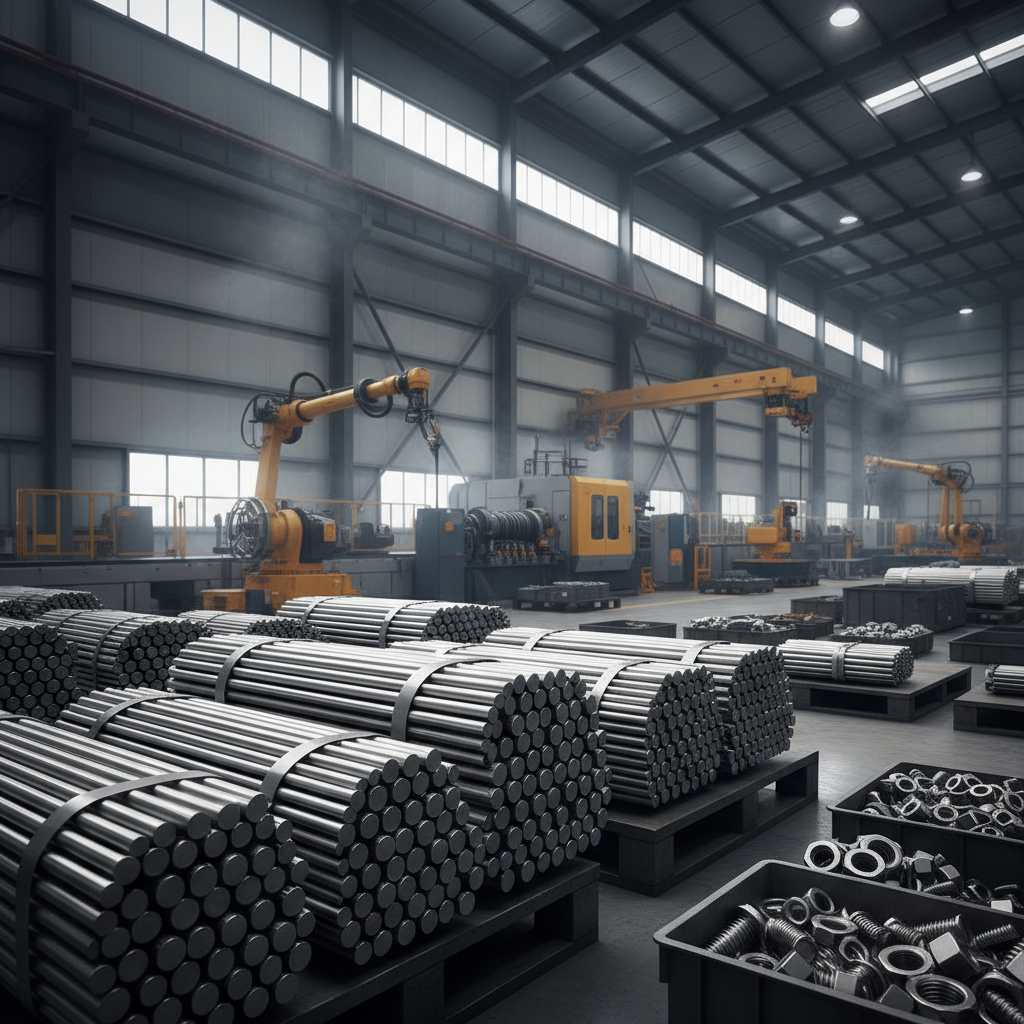
Automation in manufacturing promises more consistent threading and strength testing, reducing defects that have traditionally been a headache.
Common Challenges—and How Experts Overcome Them
One snag with 1 2 inch threaded rods is corrosion, especially in salty or humid environments. Experts often recommend hot-dip galvanization or stainless steel alternatives, but these increase costs.
Also, length limitations during transport pose hurdles for very long rods. Modular rod systems that can be coupled on-site are emerging to address this.
Finally, mismatch in threading standards occasionally creates procurement delays—a problem the industry is tackling through better global harmonization efforts.
Vendor Comparison: A Quick Look at Leading Suppliers
| Supplier | Material Options | Customization | Lead Time | Typical Pricing (per rod) |
|---|---|---|---|---|
| FastenPro Industries | Carbon Steel, Stainless | Cut to length, thread options | 2-4 days | $5 - $10 |
| SteelFix Solutions | Alloy Steel, Zinc Coated | Limited lengths, bulk only | 5-7 days | $6 - $9 |
| ThreadMaster Inc. | Stainless Steel, Galvanized | Custom threading, quick turn | 1-3 days | $8 - $12 |
FAQ: Everything You Want to Know About 1 2 Inch Threaded Rods
- Q: What applications are ideal for 1 2 inch threaded rods?
- A: These rods are perfect for structural supports, anchoring concrete formwork, and fastening heavy equipment. Their size balances strength and ease of handling, making them ideal for construction, manufacturing, and even DIY projects.
- Q: How do I choose between stainless steel and carbon steel threaded rods?
- Consider the environment. Stainless steel is resistant to corrosion and suitable for outdoor or humid conditions, while carbon steel is stronger and less expensive but requires protective coatings.
- Q: Can I cut or customize the length of a 1 2 inch threaded rod onsite?
- Absolutely. One of the key features is versatility — rods can be cut and fitted as needed, though specialized tools and accurate threading for nuts are recommended afterward.
- Q: Are galvanized rods better for longevity?
- Zinc coating via galvanization provides a strong layer of corrosion resistance, significantly extending the rod’s life in outdoor or humid environments.
- Q: How do threaded rods support disaster relief efforts?
- They enable rapid assembly and secure fastening of temporary shelters, bridges, or utility supports, crucial when speed and reliability can save lives.
Final Thoughts: Why Investing in Quality Threaded Rods Pays Off
Understanding the nuances of the 1 2 inch threaded rod is more than an academic exercise—it impacts project success, safety, and cost savings worldwide. From skyscrapers in bustling cities to temporary shelters in remote disaster zones, these rods quietly do their job, proving that sometimes, the smallest parts hold the greatest weight.
If you want to explore high-quality threaded rods and solutions tailored to your project, visit our website: https://www.hbtbls.com. It’s a good place to start, honestly.
References:
Post time: Nov . 26, 2025 17:00


 English
  Albanian
  Arabic
  Armenian
  Azerbaijani
  Belarusian
  Bosnian
  Bulgarian
  Cebuano
  Corsican
  Czech
Czech  Galician
  Georgian
  Greek
Greek  Hausa
Hausa  Hebrew
  Hungarian
  Igbo
Igbo  Indonesian
  Italian
  Kazakh
  Khmer
Khmer  Korean
  Kurdish
  Kyrgyz
  Lao
Lao  Latin
Latin  Latvian
  Lithuanian
  Malay
Malay  Myanmar
  Nepali
  Polish
  Portuguese
  Russian
  Serbian
  Sesotho
  Shona
Shona  Sindhi
  Spanish
  Tagalog
  Tajik
Tajik  Thai
Thai  Turkish
  Turkmen
  Ukrainian
  Uzbek
Uzbek  Vietnamese
  Yoruba
  Zulu
Zulu