
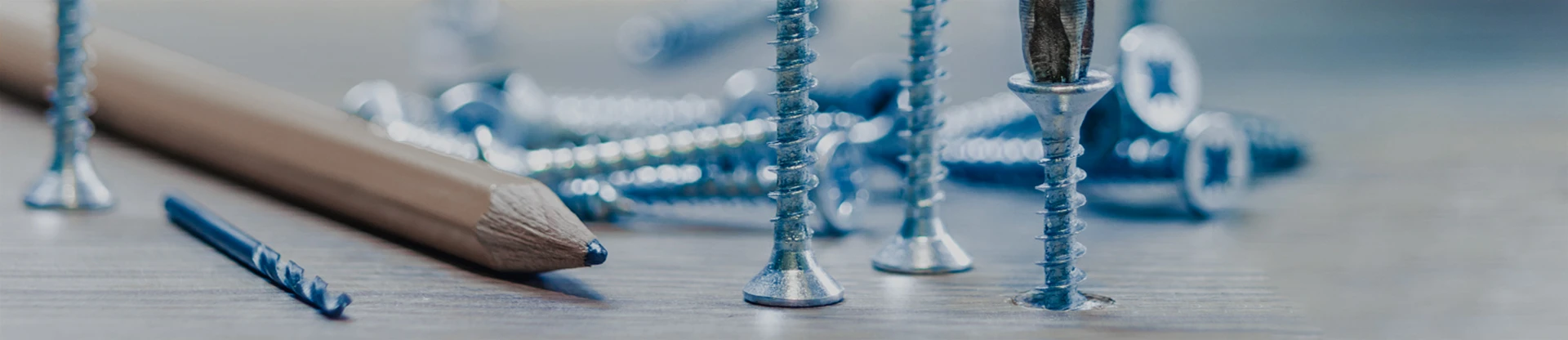
Understanding the m10 rod: A Small Component with Big Industrial Impact
At first glance, an m10 rod might seem like just another metal fastener in a sea of bolts and screws, but that little cylindrical piece plays a surprisingly pivotal role across industries worldwide. Whether it’s construction, machinery, automotive, or even humanitarian infrastructure, the m10 rod often forms the backbone of durable, scalable solutions that reliably support everything from autonomous equipment to disaster relief shelters.
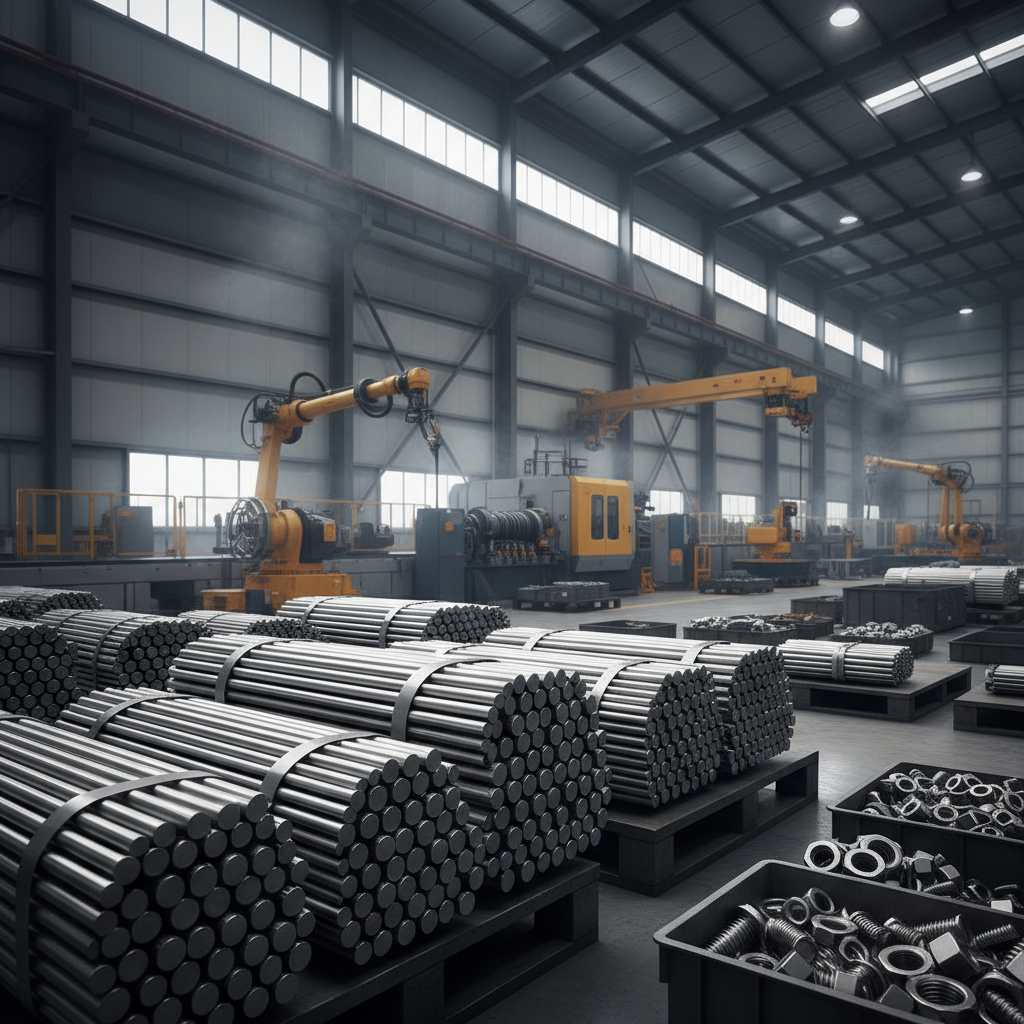
Globally, billions of such rods are manufactured annually, reflecting their status as one of the backbone components in mechanical assembly and structural engineering. Understanding what makes the m10 rod so widely adopted — and how its design impacts cost efficiency, safety, and sustainability — offers valuable insight into much larger industrial challenges.
Why the m10 rod Matters Globally
The International Organization for Standardization (ISO) defines standard sizes for threaded rods, fasteners, and similar components, where the m10 rod fits snugly as a popular metric size with a nominal diameter of 10 millimeters. According to reports from ISO and the World Bank, standardized components are critical for international trade and supply chain stability, reducing incompatibility issues and enabling modular design to flourish globally.
Yet, industries face a recurring problem: inconsistent quality and lack of traceability in fasteners like the m10 rod can jeopardize entire structures. For example, a single subpar rod in a load-bearing application might cause catastrophic failure. Moreover, the environmental cost of metal production pushes companies to seek more sustainable materials and manufacturing techniques.
What Exactly Is an m10 Rod?
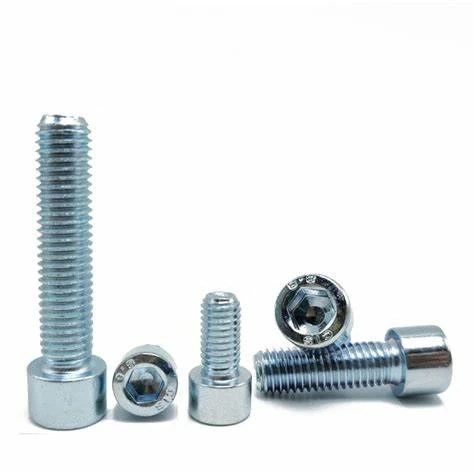
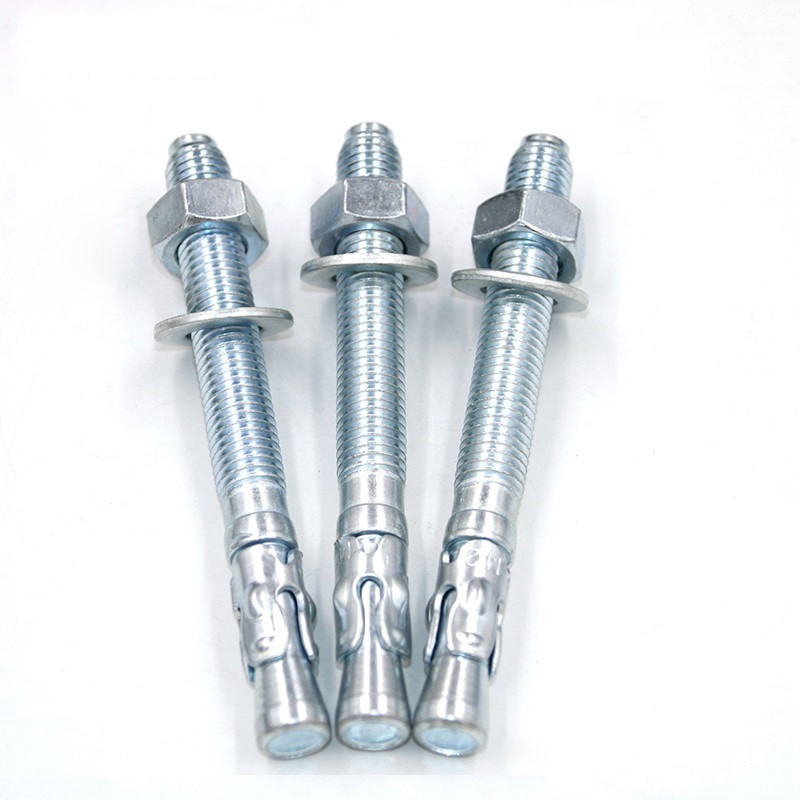
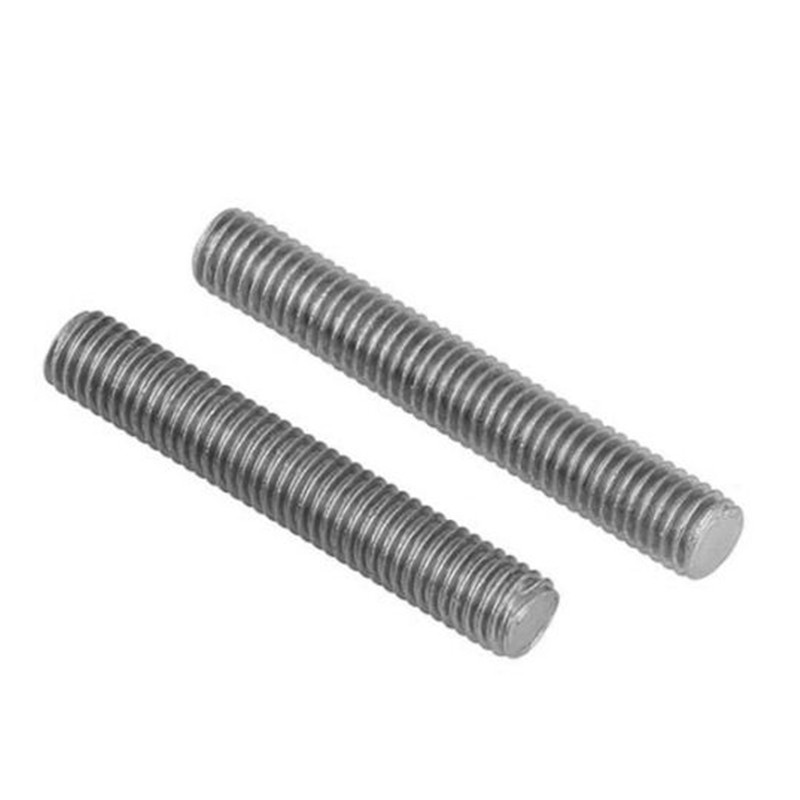
Simply put, an m10 rod is a threaded or sometimes smooth metal rod with a diameter of 10 mm, typically crafted from stainless steel, carbon steel, or alloys. These rods come with thread pitches (distance between threads) standardized according to ISO metric threads — usually a coarse pitch of 1.5 mm — which defines how the rod mates with nuts and bolts.
The beauty of the m10 rod is its versatility. In modern industry, it’s used not only in traditional mechanical joints but also as a threaded tie-rod in structures, coupling elements in manufacturing lines, or even in temporary shelter systems designed for quick assembly during humanitarian crises. So, it’s this tiny piece that holds a surprisingly broad scope of uses.
Core Attributes That Make the m10 Rod Irreplaceable
Durability
Most m10 rods are constructed from high-grade steel with coatings ranging from galvanization to zinc plating, giving them excellent resistance to corrosion and mechanical wear. This makes them ideal for both indoor and outdoor installations — whether in desert heat or arctic chill. Their fatigue resistance ensures that over time, structures maintain their integrity despite dynamic loads.
Scalability
Thanks to standard sizing, engineers can seamlessly scale designs vertically or horizontally, adding multiple m10 rods for reinforced support. This flexibility is a game-changer in construction projects where modular components must be swapped or upgraded without custom fabrication delays.
Cost Efficiency
Production volumes and global standardization have pushed down costs significantly. Using m10 rods optimizes budgets by cutting down on tooling and design complexity, helping projects hit deadlines without sacrificing safety or quality.
Ease of Installation
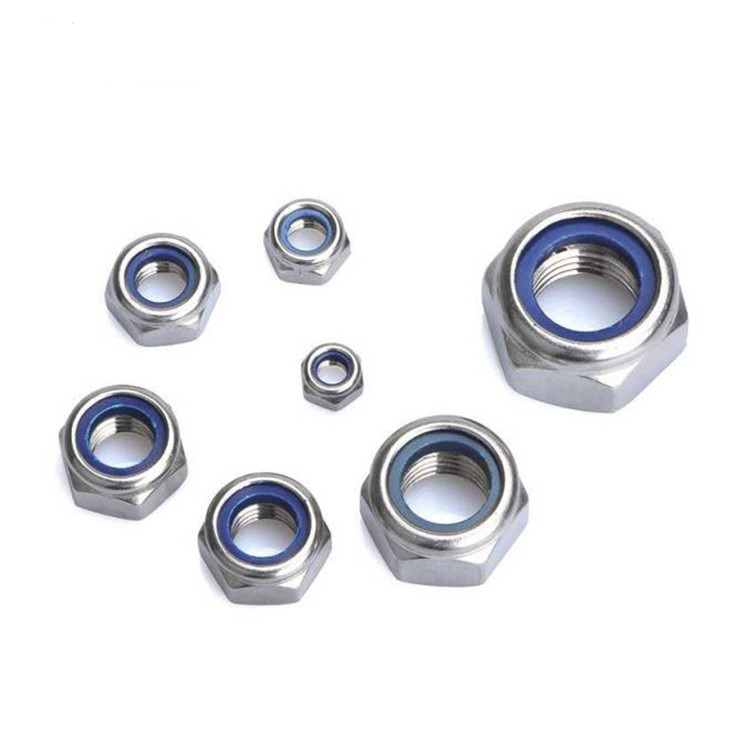
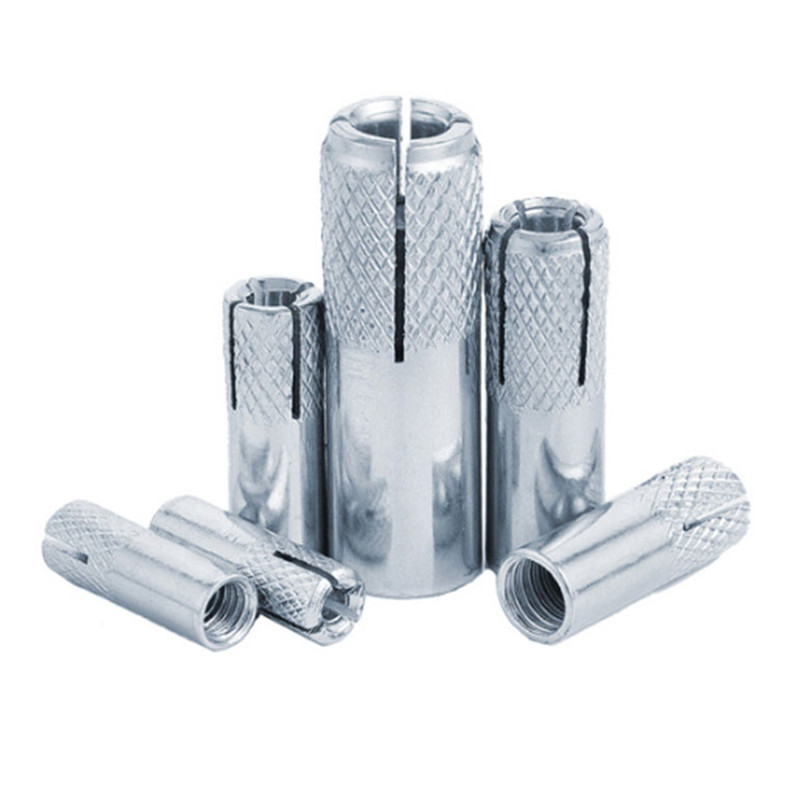
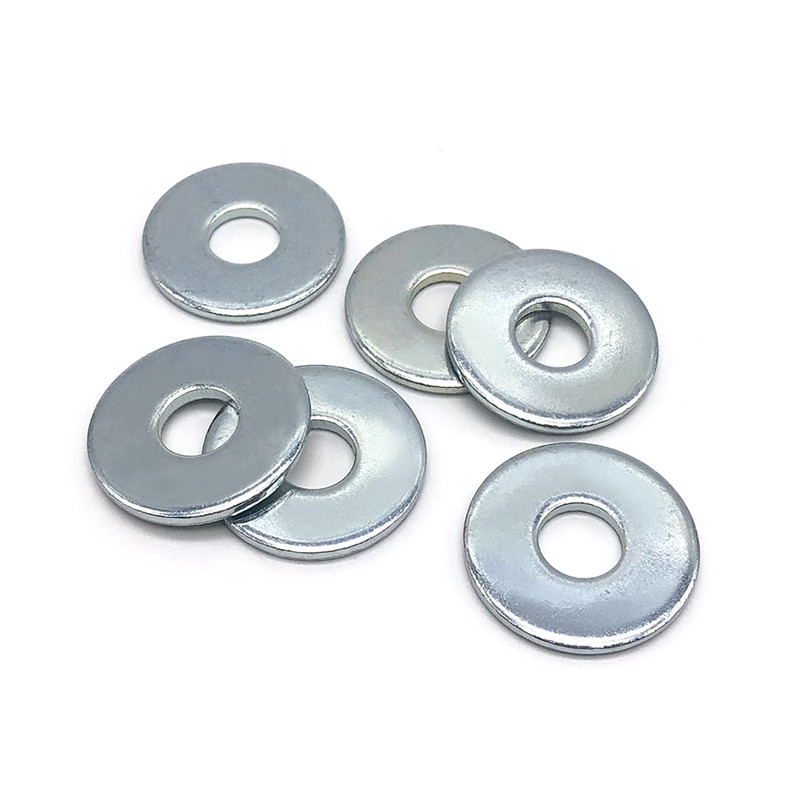
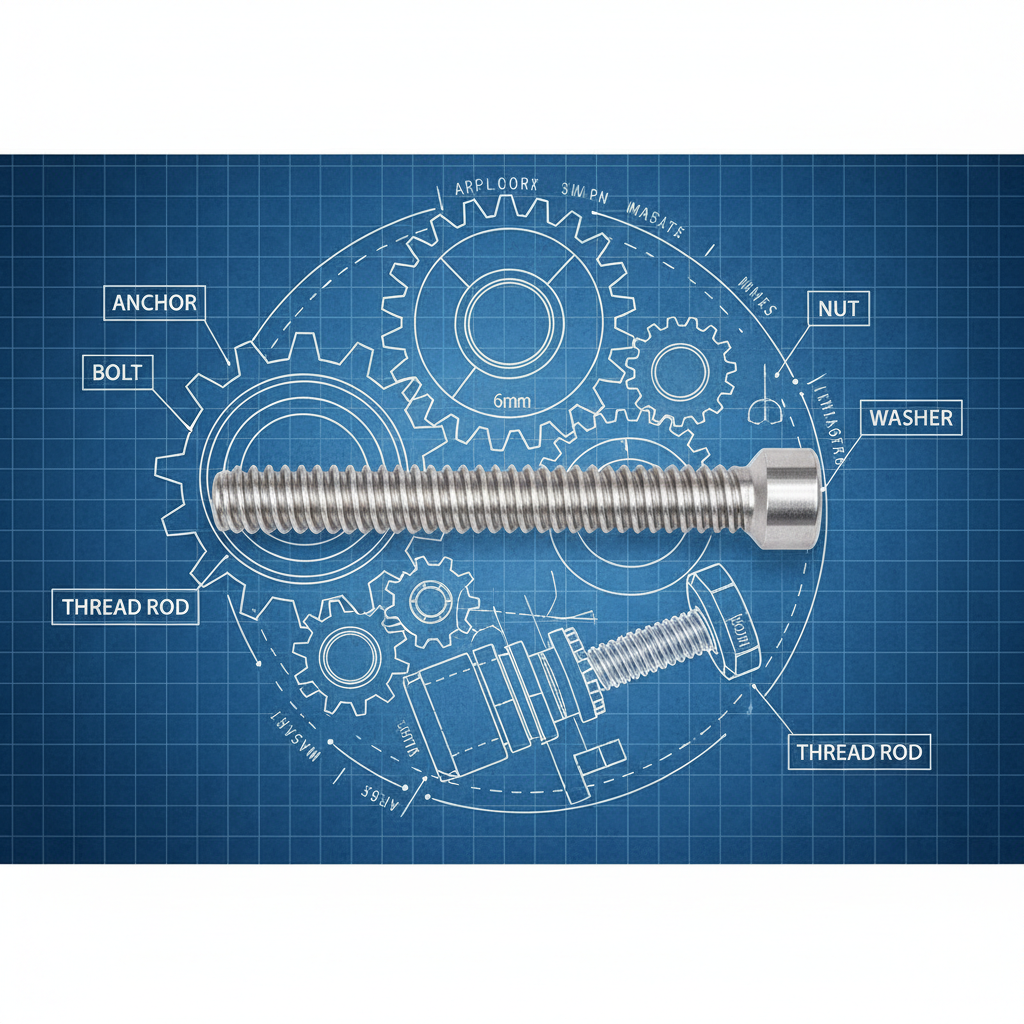
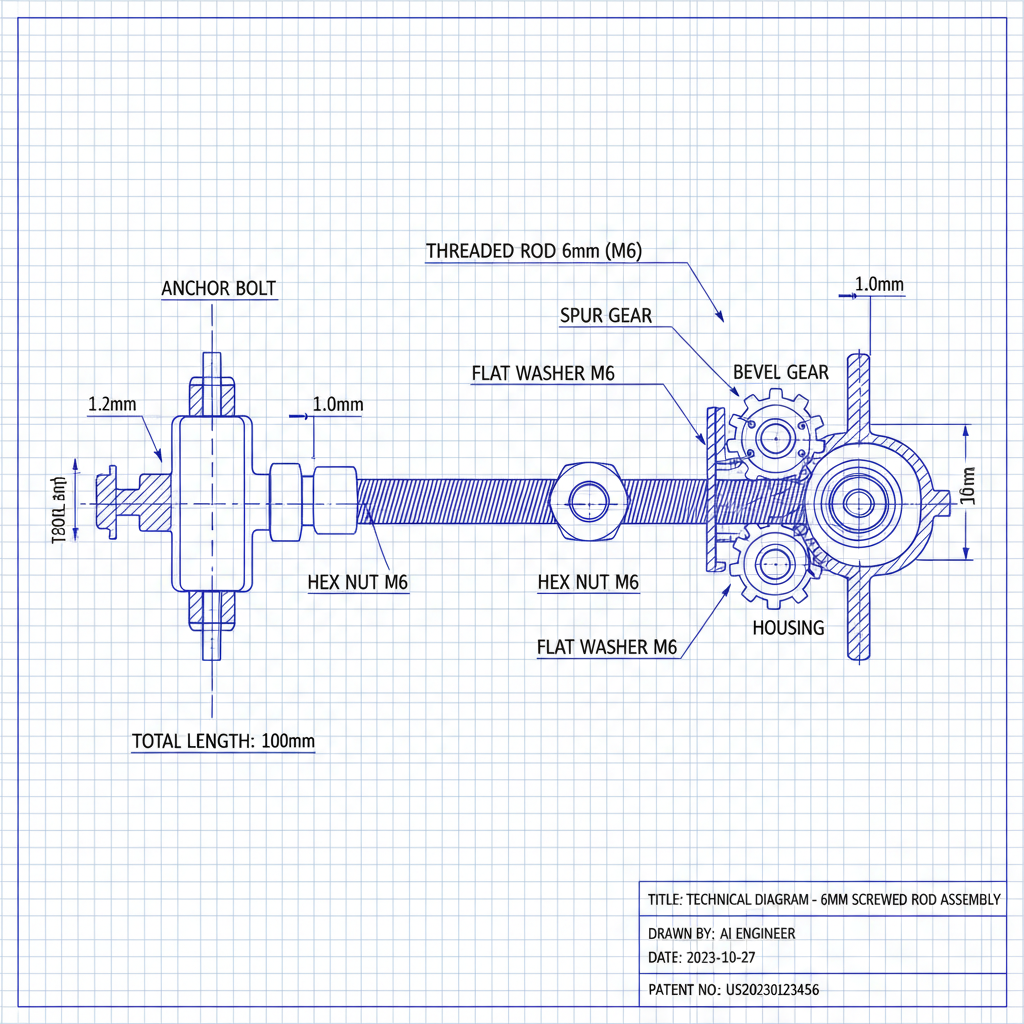
The widespread compatibility of the m10 rod with ordinary nuts, washers, and anchors means crews can assemble them quickly on-site with common tools. This speed improves turnaround substantially on large projects.
Typical Specifications: A Quick Overview
| Parameter | Value | Notes |
|---|---|---|
| Nominal Diameter | 10 mm | Standard metric dimension |
| Thread Pitch | 1.5 mm (coarse), 1.25 mm (fine) | Depends on application |
| Material | Carbon Steel, Stainless Steel | Grades vary per standard (e.g., A2-70) |
| Length Range | 50 mm to 2,000 mm | Cut to order in most cases |
| Tensile Strength | Approximately 600 N/mm² (varies by grade) | Critical for load-bearing use |
Mini takeaway: The m10 rod’s standardization combined with robust material choices amplifies reliability for a vast array of uses, making it a favorite in industrial designs worldwide.
Global Applications of the m10 Rod
In post-disaster relief operations, for instance, organizations like the UN and Red Cross rely on modular shelter systems reinforced with threaded rods, including m10 rods, for their quick assembly and sturdiness. It’s not just relief though — in remote industrial zones like the oil fields of Kazakhstan or mining camps in Chile, standardized rods support everything from scaffoldings to heavy machinery mounts.
Automotive manufacturers use m10 rods in chassis and engine mounts, where precision and strength reduce vibration and improve vehicle performance. In civil construction across Europe and Asia, m10 rods anchor façade elements or connect reinforcing bars in concrete, offering a cost-effective way to boost seismic resistance.
Vendor and Material Choices: A Quick Comparison
| Vendor | Material Quality | Customization Options | Delivery Time | Price Range |
|---|---|---|---|---|
| SteelPro Ltd. | A4 Stainless Steel (High Grade) | Cut-to-length, Threaded Variants | 2 weeks | $$$ |
| GlobalFasteners | Carbon Steel, Zinc Plated | Standard Lengths Only | 1 week | $ |
| Metallix | Mixed Alloy Options | Custom Thread Types Available | 3 weeks | $$ |
Mini takeaway: Choosing the right vendor for m10 rods depends on balancing cost, customization, and material needs based on your project's lifespan and environment.
Why Invest in High-Quality m10 Rods? Long-term Advantages
- Cost-Effective Maintenance: Higher quality rods mean fewer replacements in harsh environments, saving money over years.
- Safety and Trust: Reliable fasteners reduce risk of failures in critical structures, enhancing worker safety.
- Sustainability: Using corrosion-resistant materials prolongs life and limits landfill waste.
- Innovation Ready: The m10 rod's standard allows integration with smart sensors for predictive maintenance — a rising trend.
Looking Ahead: Innovations and Future Trends
It’s fascinating to watch how smart manufacturing and material science are evolving the humble m10 rod. Advanced coatings, nano-materials, and even carbon fiber composites are being tested to reduce weight while improving strength. Additive manufacturing (3D printing) opens doors for custom rods with embedded sensor arrays to monitor stress live — a true game-changer in sectors like aerospace and civil infrastructure.
Another trend is the focus on green steel production, reducing the carbon footprint of these tiny but critical parts — aligning with global sustainability goals such as ISO 14001 environmental standards.
Common Challenges and How Experts Solve Them
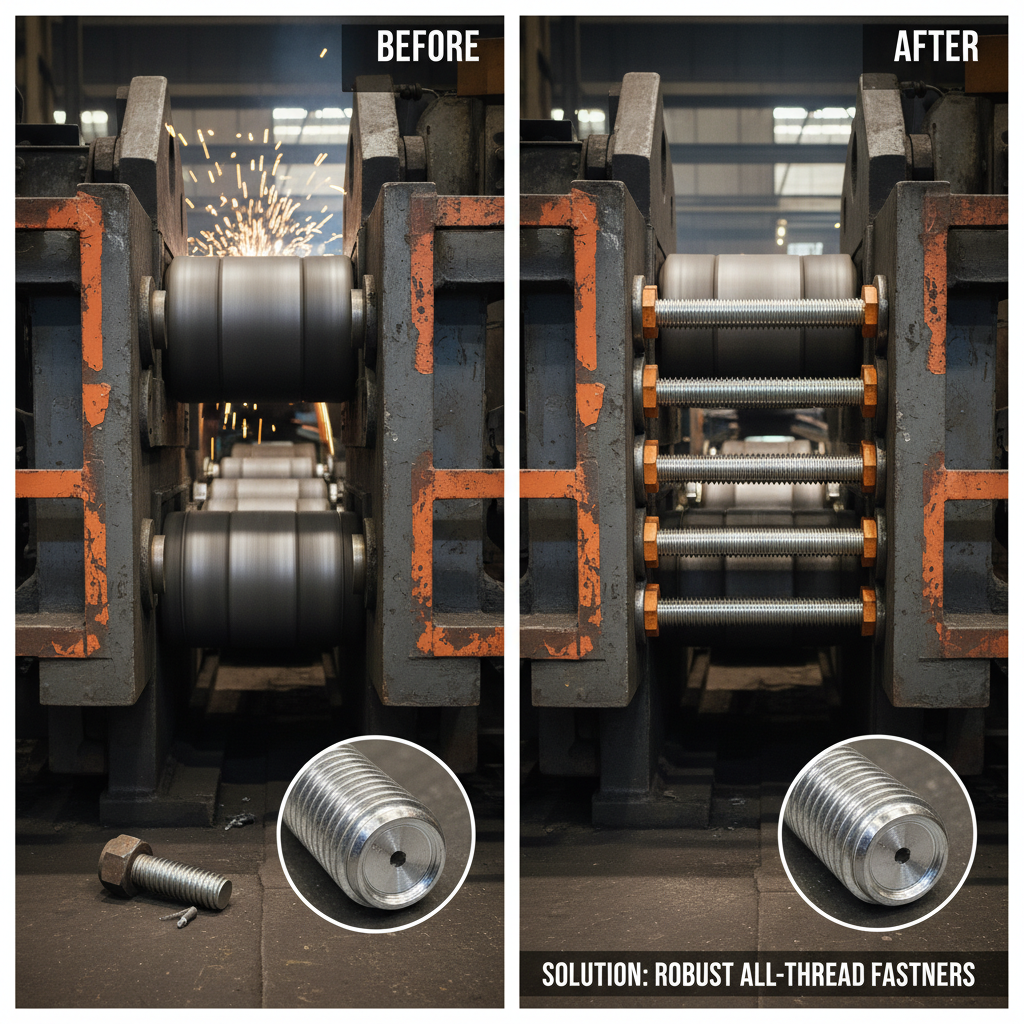
While m10 rods are versatile, problems often arise from improper installation or poor material selection. Rust, thread stripping, and mismatched nut sizes remain frequent headaches in the field.
Experts recommend specifying rods from certified suppliers, conducting proper torque testing onsite, and avoiding cost-cutting on coatings if the application is exposed to corrosive conditions. Training teams in the difference between fine and coarse thread variants can prevent costly assembly errors.
FAQ: Your Questions About m10 Rods Answered
Q1: What distinguishes an m10 rod from other sizes?
The “m10” refers to a 10 mm nominal diameter with specific ISO thread pitch standards. This size is popular because it balances strength, ease of handling, and availability — not too bulky yet strong enough for many structural uses.
Q2: How long does an m10 rod typically last in outdoor settings?
If made from stainless steel or galvanized steel, an m10 rod can last decades outdoors without significant corrosion. That said, service life depends heavily on environment — coastal or industrial areas may require extra protective coatings.
Q3: Can m10 rods be customized for special projects?
Absolutely. Many vendors offer cut-to-length rods, different thread pitches, and materials tailored to your project’s needs. Some even provide rods with anti-vibration coatings or corrosion resistance beyond standard specs.
Q4: How does the m10 rod relate to sustainable building efforts?
Sustainability efforts aim to extend the working lifecycle of materials. The m10 rod, when sourced responsibly and combined with recyclable alloys, supports green building by reducing waste and minimizing maintenance.
Wrapping Up: Why the m10 Rod Remains Essential
In real terms, it’s easy to overlook components like the m10 rod amidst big-picture engineering marvels, but their impact is tangible everywhere you look — from a sprawling bridge to the tiniest industrial machine. Their global standardization, cost efficiency, and adaptability ensure they’ll remain a core element in structural and mechanical design for years to come.
So, next time you think about fasteners, spare a thought for the modest m10 rod — quietly holding the world together, one thread at a time.
For tailored solutions and bulk orders, visit our website: https://www.hbtbls.com.
References
Post time: Nov . 26, 2025 18:35


 English
  Albanian
  Arabic
  Armenian
  Azerbaijani
  Belarusian
  Bosnian
  Bulgarian
  Cebuano
  Corsican
  Czech
Czech  Galician
  Georgian
  Greek
Greek  Hausa
Hausa  Hebrew
  Hungarian
  Igbo
Igbo  Indonesian
  Italian
  Kazakh
  Khmer
Khmer  Korean
  Kurdish
  Kyrgyz
  Lao
Lao  Latin
Latin  Latvian
  Lithuanian
  Malay
Malay  Myanmar
  Nepali
  Polish
  Portuguese
  Russian
  Serbian
  Sesotho
  Shona
Shona  Sindhi
  Spanish
  Tagalog
  Tajik
Tajik  Thai
Thai  Turkish
  Turkmen
  Ukrainian
  Uzbek
Uzbek  Vietnamese
  Yoruba
  Zulu
Zulu