What Is a 3/4 Galvanized Threaded Rod and Why Does it Matter?
If you’ve ever peeked inside a construction site, or admired the hard-working framework of a bridge or an industrial plant, chances are you’ve come across a galvanized threaded rod — probably something like a 3/4 galvanized threaded rod. But why does this humble piece of metal catch the attention of engineers, procurement specialists, and even environmentalists worldwide?
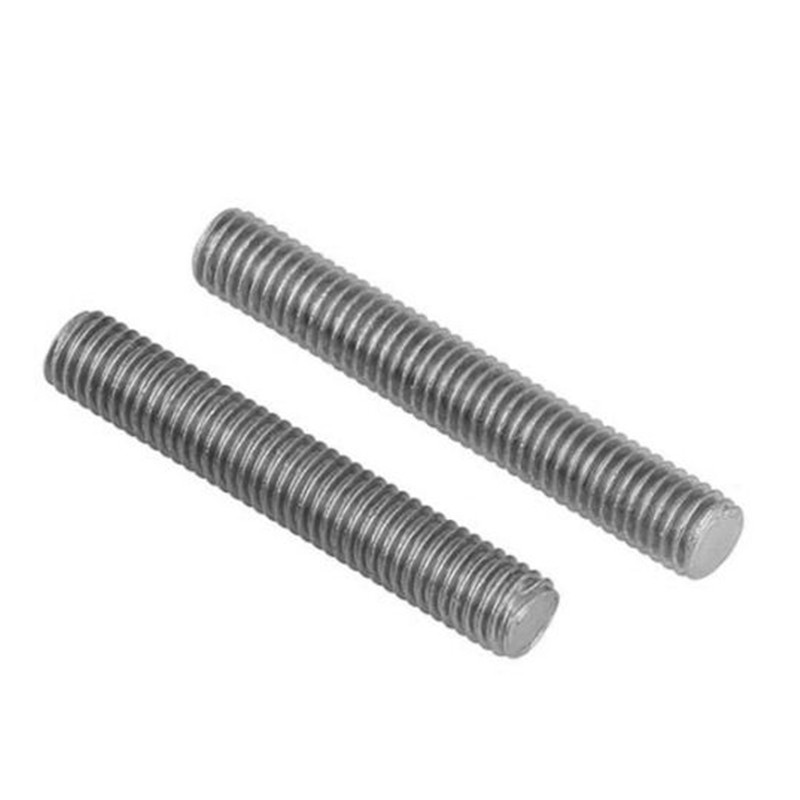
In short, a 3/4 galvanized threaded rod is a long, cylindrical metal rod, fully threaded from end to end, with a diameter of three-quarters of an inch, and coated with a zinc layer that protects it from rust. Its seemingly simple design packs a punch in durability, strength, and versatility, making it a staple across countless industries around the globe.
Why does this matter beyond hardware stores and factory floors? Globally, infrastructure and manufacturing projects depend heavily on components that can withstand extreme conditions, from coastal humidity to freezing Arctic chill. The galvanized finish extends the rod’s lifespan significantly, which means fewer replacements, less waste, and ultimately, a more sustainable approach to construction and industrial assembly.
> Mini takeaway: Understanding what a 3/4 galvanized threaded rod is — and why it’s so widely used — helps highlight its role as a backbone in global industrial resilience and sustainability initiatives.
---
The Global Relevance of the 3/4 Galvanized Threaded Rod
Let’s zoom out a bit. The World Bank estimates that global infrastructure investment needs will exceed $94 trillion by 2040. This doesn’t just mean shiny new skyscrapers or highways — it means the nuts and bolts (well, rods) that hold these constructions together, literally.
According to ISO standards governing fasteners (ISO 898-1 for mechanical properties of steel fasteners, for instance), threaded rods must meet rigorous requirements to ensure safety and performance internationally. The galvanized coating on a 3/4 rod addresses one of the biggest challenges: corrosion and wear. Corrosion alone costs industries billions annually, and it’s especially pernicious in harsh environments like coastal regions or places with heavy industrial pollution.
Oddly enough, many developing countries are installing galvanized rods more frequently, as they balance rapid industrial growth with durability needs. Whether it’s a mini-hydropower station in Nepal or reinforcement within a new oil rig in the Gulf of Mexico, this rod is quietly pivotal.
Yet, the challenge remains: how to maintain performance while keeping costs manageable and environmental impact low? That’s where understanding the specs and selecting the right product becomes critical.
> Mini takeaway: The 3/4 galvanized threaded rod is a common denominator in ambitious infrastructure projects worldwide, bridging local material needs with global quality standards.
---
What Exactly Is a 3/4 Galvanized Threaded Rod?
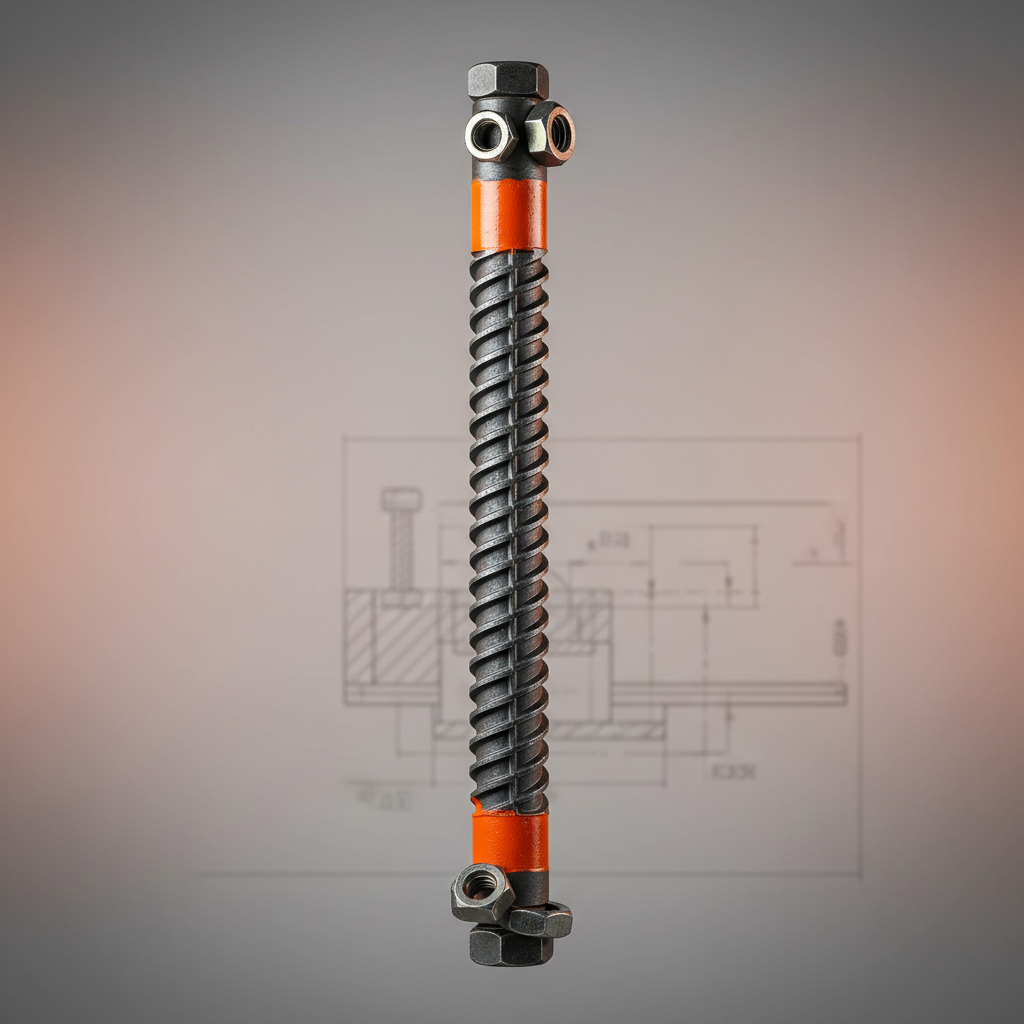
Simply put, a 3/4 galvanized threaded rod is a continuous metal rod with spiral threads along its length and a diameter of 0.75 inches (19.05 mm). It’s galvanized, meaning it’s dipped or sprayed with zinc to protect against oxidation and rust.
In industrial and humanitarian contexts, this rod acts like the tendon in a building’s skeletal system — providing tension strength, keeping assemblies secure, and enabling modular construction and repairs easier and cheaper.
For companies shipping prefab housing or disaster relief structures, steel rods like these are essential. They support everything from roofing panels to anchoring storm shelters firmly in place. Think of them as the connective tissue that holds innovation and safety together in a practical way.
---
Key Features of the 3/4 Galvanized Threaded Rod
Durability
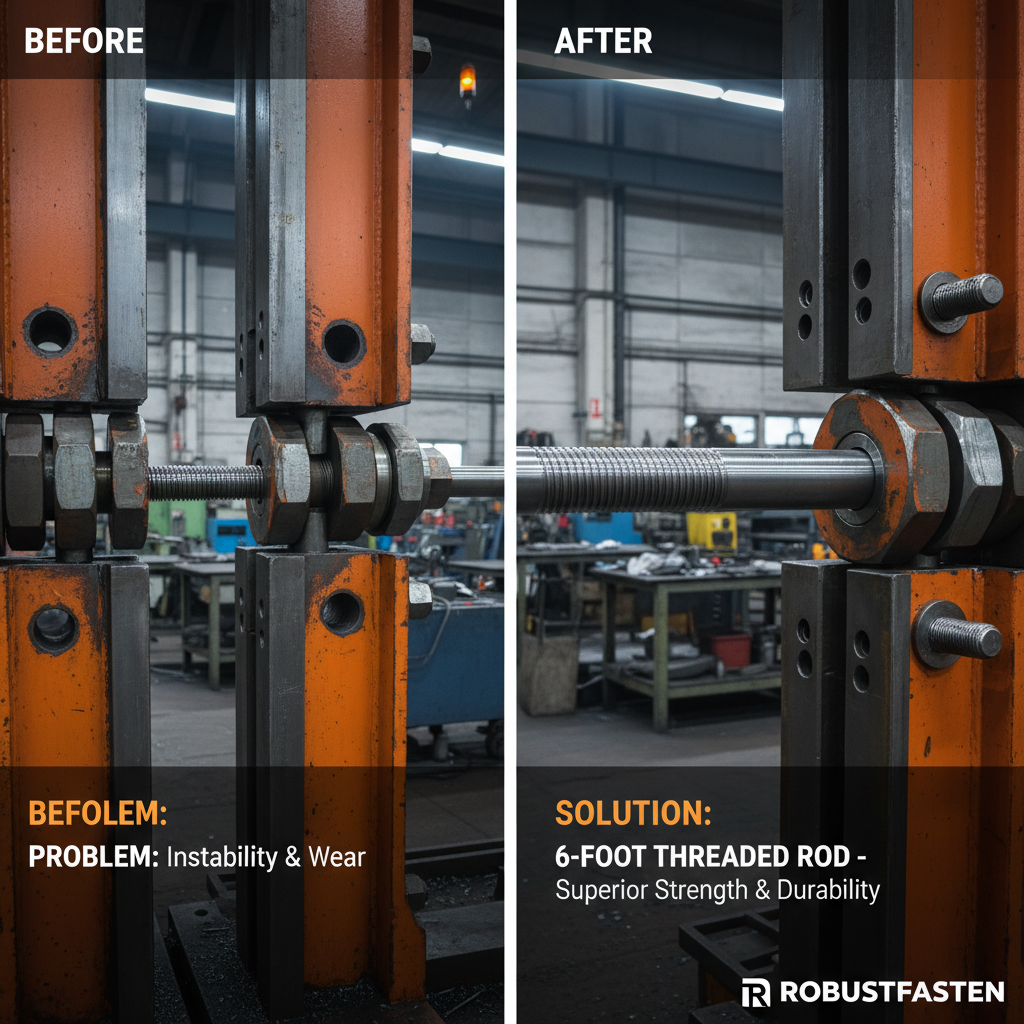
Galvanizing extends the rod’s lifespan by forming a protective barrier against the elements. Engineers say the zinc coating can last up to 50 years in some environments, reducing maintenance and replacement costs drastically.
Strength
Threaded rods are graded by mechanical properties—often Grade 5 or Grade 8 for industrial use—meaning they can handle high tensile loads. The 3/4 size strikes a perfect balance for heavy-duty applications without being overkill.
Versatility
These rods can be cut to length, customized with nuts or plates, and integrated into complex assemblies. This adaptability is why they’re found in everything from electrical towers to furniture manufacture.
Corrosion Resistance
The zinc coating reacts with oxygen to form zinc oxide, which then converts to zinc carbonate, a barrier that restores itself if scratched or damaged—a feature known as “self-healing.”
Cost-Effectiveness
While galvanized rods cost a bit more upfront compared to bare steel, the lifecycle savings make them a smart investment.
---
Product Specifications of a Typical 3/4 Galvanized Threaded Rod
| Specification |
Value |
| Diameter |
3/4 inch (19.05 mm) |
| Length |
Typically 3-12 feet (customizable) |
| Material |
Carbon Steel |
| Finish |
Hot-dip galvanized zinc coating |
| Tensile Strength |
100,000 psi (Grade 5 typical) |
| Thread Pitch |
10 threads per inch (TPI) |
> Mini takeaway: The specs form a baseline, but buying smart means knowing your project conditions first — and asking suppliers the right questions.
---
Comparing Top Vendors of 3/4 Galvanized Threaded Rods
| Vendor |
Product Range |
Lead Times |
Price Competitiveness |
Global Shipping |
| HBT BLS |
Wide size & length options |
2-4 weeks |
Mid-range |
Yes, worldwide |
| Fasteners Inc. |
Standard rods only |
1-3 weeks |
Budget |
Regional only |
| Global Metalworks |
Custom coatings & grades |
4-6 weeks |
Premium |
Worldwide |
---
Real-World Applications of 3/4 Galvanized Threaded Rods
You don’t have to guess too hard to understand why these rods are everywhere:
- Construction: From anchoring steel frameworks to securing HVAC systems, their reliability supports high-rise buildings and stadiums alike.
- Bridges & Infrastructure: Resilient to moisture and salt air, galvanized rods hold up structures near oceans and highways.
- Renewable Energy: Wind turbine towers and solar panel mounts use them to withstand harsh weather for decades.
- Disaster Relief & Humanitarian Projects: Quick to deploy and sturdy, these rods help build temporary shelters in earthquake or flood-hit zones, where speed and reliability equal survival.
- Industrial Equipment: Machinery frameworks often rely on threaded rods for assembly and maintenance access.
Interesting case: A nonprofit rebuilding clinics after a typhoon in Southeast Asia chose 3/4 galvanized threaded rods specifically because their zinc coating could resist the coastal salt spray — enhancing longevity and safety.
---
Advantages and Long-Term Benefits
Apart from strength and rust prevention, galvanized threaded rods offer emotional peace of mind. When families depend on a stable shelter or workers rely on safe industrial setups, every component matters.
> Cost savings through durability and reduced downtime.
> Increased sustainability via longer product lifetime.
> Trust in quality compliance and international manufacturing standards.
In real terms, these rods aren’t just metal — they’re part of a promise for safer, more resilient communities and cleaner project footprints.
---
Innovations and Future Trends
The world is moving fast, and even something as straightforward as a 3/4 galvanized threaded rod evolves:
- Eco-friendlier coatings: New zinc-aluminum alloys reduce pollutants during galvanizing.
- Smart tracking: Embedding RFID tags to track usage history and wear in industrial plants.
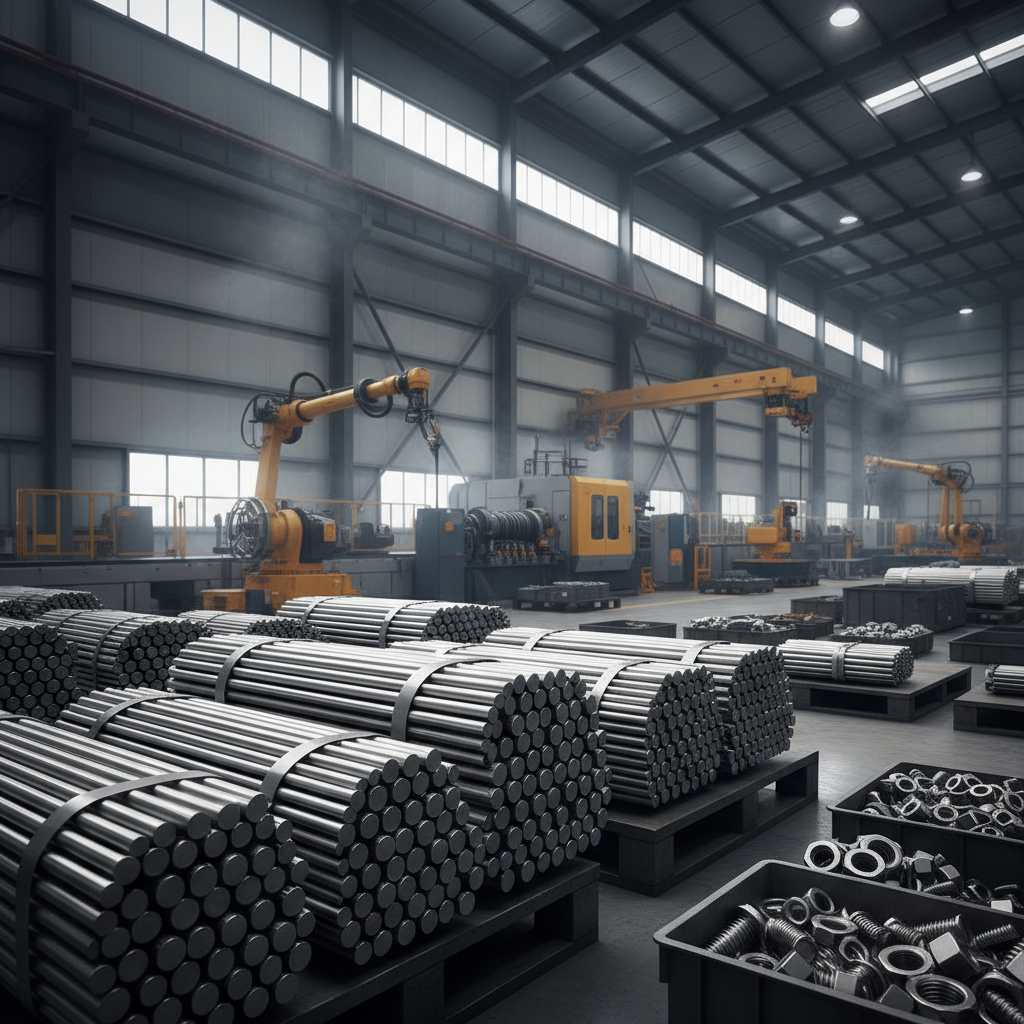
- Automation ready: Threaded rods designed for robotic assembly lines improve precision and speed.
- Modular construction synergy: As prefab and modular building expands, these rods help achieve faster onsite assembly — an important sustainability and efficiency boost.
---
Challenges & Solutions to Consider
Sure, galvanized rods excel, but they aren’t perfect:
- Over time, extreme environments can wear the zinc layer — requiring regular inspections.
- Threads may corrode in poorly coated areas or get damaged during transport.
- Sourcing consistent quality globally can sometimes be tricky.
Solutions? Better quality control, protective transportation packaging, and frequent training on installation best-practices help keep these rods performing optimally.
---
Frequently Asked Questions About 3/4 Galvanized Threaded Rod
- Q: How long does a 3/4 galvanized threaded rod typically last outdoors?
- A: Depending on the environment, the zinc coating can protect the rod for 30–50 years, especially in less aggressive conditions like urban or inland areas.
- Q: Can these rods be cut onsite without losing their corrosion resistance?
- A: Yes, but cut ends should be treated with a zinc-rich paint or cold galvanizing spray to restore protection.
- Q: Are 3/4 galvanized threaded rods compatible with modular housing construction?
- A: Absolutely. Their strength and versatility make them ideal for joining prefab panels, frames, and securing structures quickly.
- Q: How can NGOs import these rods cost-effectively for disaster relief projects?
- A: Working with global suppliers who offer export packaging and consolidated shipping options helps reduce costs and delivery times.
---
Conclusion: Secure Your Projects with the Right Galvanized Threaded Rod
In infrastructure, industry, and humanitarian efforts alike, the 3/4 galvanized threaded rod quietly confirms itself as essential. Durable, cost-effective, and globally trusted, it’s that behind-the-scenes hero helping build safer, longer-lasting structures.
If you’re sourcing quality products, I’d recommend visiting
3 4 galvanized threaded rod — they offer a reliable range that strikes a practical balance between price and performance.
Because in the end, it’s about more than just metal — it’s about the trust and safety those rods bring to projects worldwide.
---
References
- ISO 898-1: Mechanical properties of fasteners
- Galvanization - Wikipedia
- World Bank - Infrastructure Investments






 English
  Albanian
  Arabic
  Armenian
  Azerbaijani
  Belarusian
  Bosnian
  Bulgarian
  Cebuano
  Corsican
  Czech
Czech  Galician
  Georgian
  Greek
Greek  Hausa
Hausa  Hebrew
  Hungarian
  Igbo
Igbo  Indonesian
  Italian
  Kazakh
  Khmer
Khmer  Korean
  Kurdish
  Kyrgyz
  Lao
Lao  Latin
Latin  Latvian
  Lithuanian
  Malay
Malay  Myanmar
  Nepali
  Polish
  Portuguese
  Russian
  Serbian
  Sesotho
  Shona
Shona  Sindhi
  Spanish
  Tagalog
  Tajik
Tajik  Thai
Thai  Turkish
  Turkmen
  Ukrainian
  Uzbek
Uzbek  Vietnamese
  Yoruba
  Zulu
Zulu