
What Is an M14 Threaded Rod and Why Should You Care?
If you’ve ever had to bolt together large machinery, secure beams in construction, or worked with heavy-duty fastening, you’ve probably encountered—or at least heard of—an M14 threaded rod. What makes this relatively unassuming hardware piece so important globally? In a nutshell, the m14 threaded rod is a versatile fastener that combines strength with adaptability, making it a staple in many industries worldwide.
Understanding its significance means understanding how our infrastructure, machinery, and disaster relief efforts rely on components that keep things solid, safe, and scalable. Plus, the economic ripple effect is real—using the right fit like an M14 rod saves time, money, and sometimes even lives.
The Global Backbone: Why M14 Threaded Rods Matter Worldwide
Globally, infrastructure spending is soaring. According to the United Nations, infrastructure investment in developing countries has risen by nearly 40% over the past decade. Fasteners like the m14 threaded rod factor heavily into these builds. Simply put, it’s about reliability and repeatability—the nuts and bolts of progress.
From skyscrapers in New York to bridges in India, the demand for standardized components like the M14 rods highlights a universal challenge: balancing cost-efficiency with safety. Even humanitarian agencies turn to these rods when assembling temporary shelters or mobile medical units in disaster-hit regions.
Yet, challenges remain. Poor quality threaded rods risk structural failures, while inconsistent sizes cause delays and waste—issues that resonate anywhere from remote construction sites to high-tech factories.
Defining the M14 Threaded Rod: What Are We Talking About?
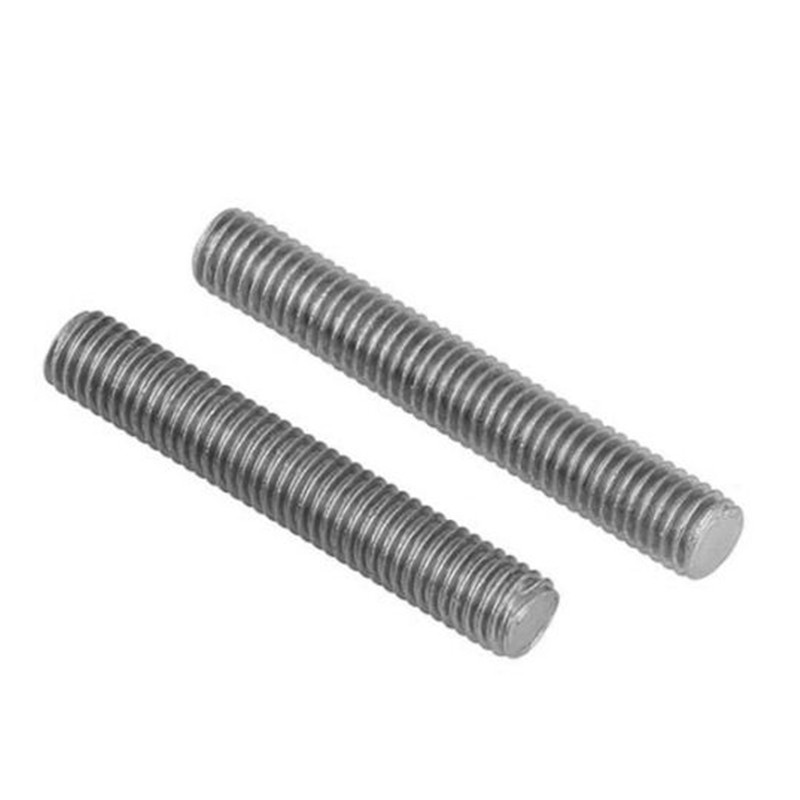
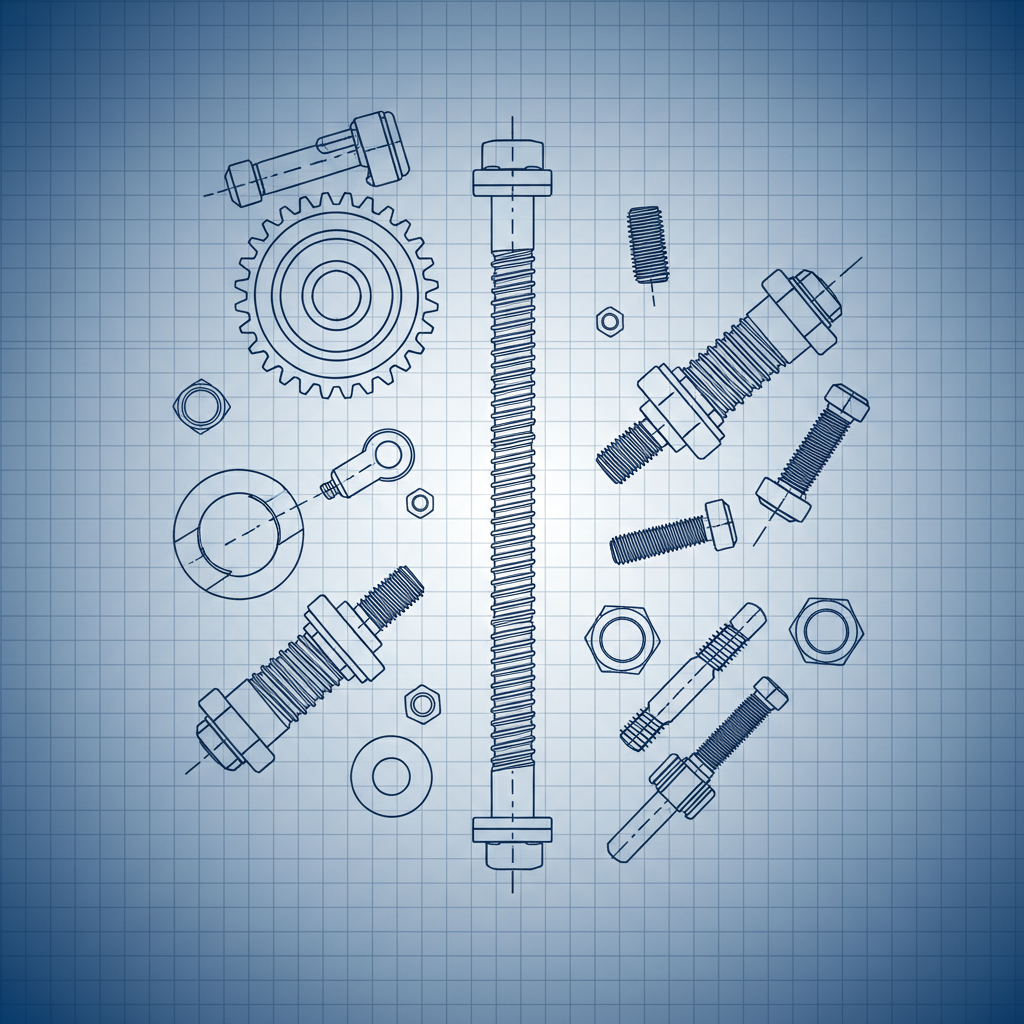
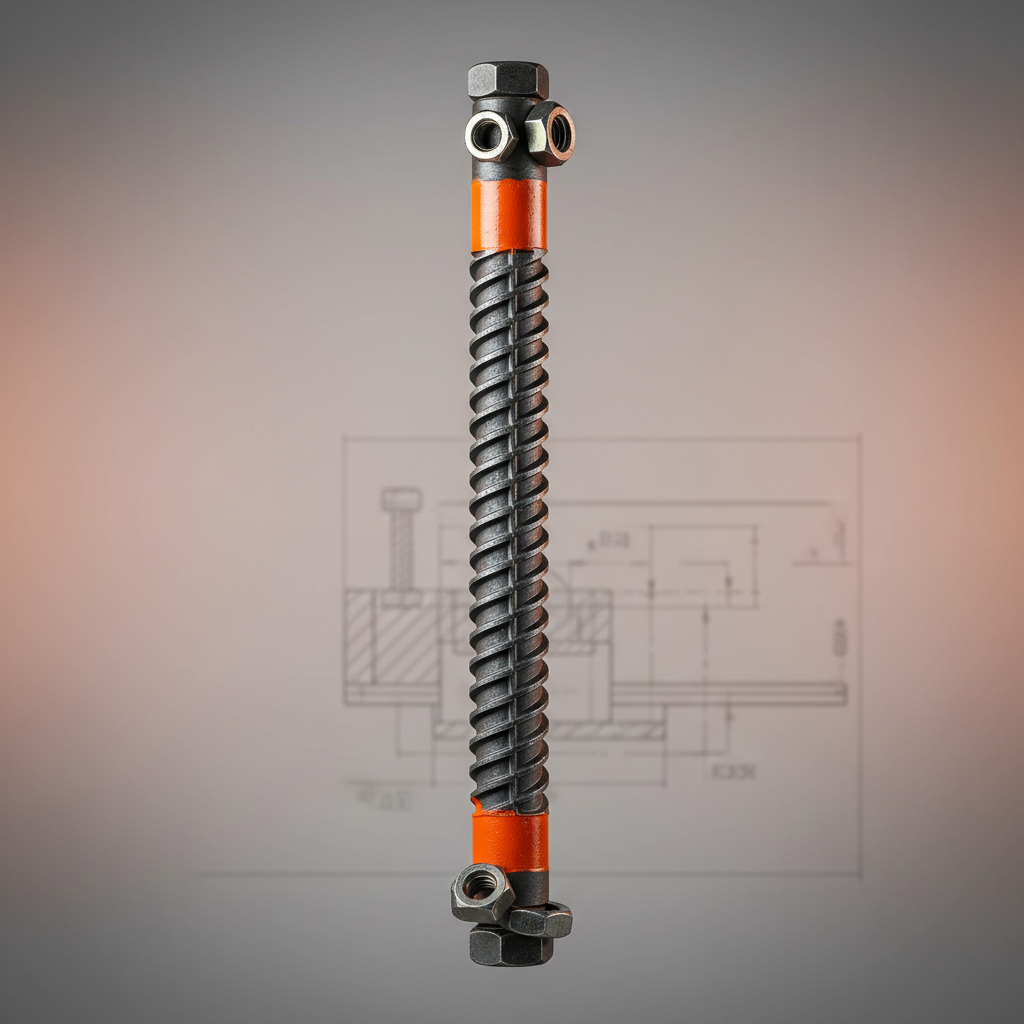
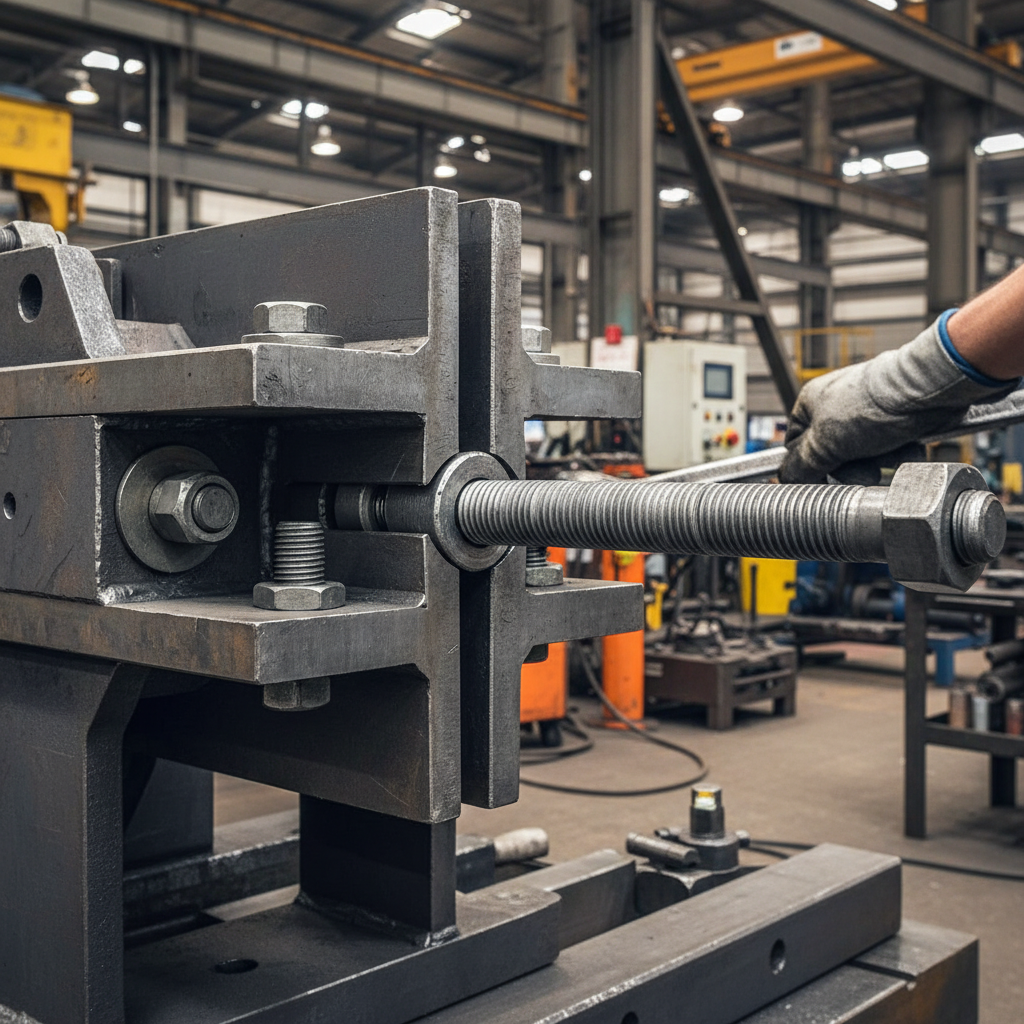
The M14 threaded rod is a cylindrical metal shaft, fully threaded with metric 14mm diameter threads. Think of it as a versatile, elongated bolt used for fastening, joining, or suspending materials—steel beams, concrete forms, heavy machinery parts—you name it.
Unlike regular bolts, these rods run the full length with uniform threading, allowing nuts, washers, or other components to be fixed at various points. This flexibility supports customization and modular designs across numerous applications.
In many ways, the M14 rod is a quiet hero of modern industry — its simple specification connects advanced engineering with practical needs in construction, manufacturing, and emergency response worldwide.
Key Components That Make M14 Threaded Rods Essential
1. Durability and Strength
Generally made from carbon steel or stainless steel, these rods boast impressive tensile strength. Many meet standards such as ISO 898-1 for mechanical properties, ensuring they can withstand heavy loads and tension without snapping. This makes them indispensable for load-bearing applications.
2. Versatility and Scalability
Since they're sold in various lengths and finishes—zinc-plated for corrosion resistance, hot-dip galvanized for outdoor use, or plain for indoor—they adapt to different environments and project scales. Whether you're tightening a small machine or anchoring bridge components, the M14 rod fits the bill.
3. Cost Efficiency
Compared to bespoke fasteners, off-the-shelf M14 threaded rods offer a budget-friendly option without sacrificing quality. Bulk availability and standardization reduce lead times and costs, essential for large construction projects or ongoing maintenance.
4. Ease of Installation
The fully threaded design allows easy adjustment. Nuts slide freely along the length, simplifying assembly and disassembly in modular setups—a boon when onsite changes are inevitable.
5. Compatibility with Accessories
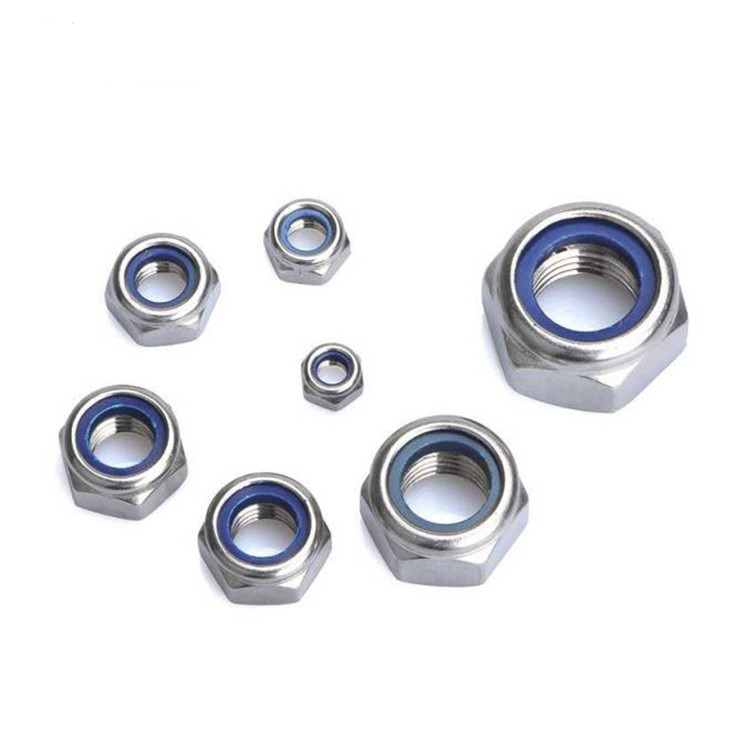
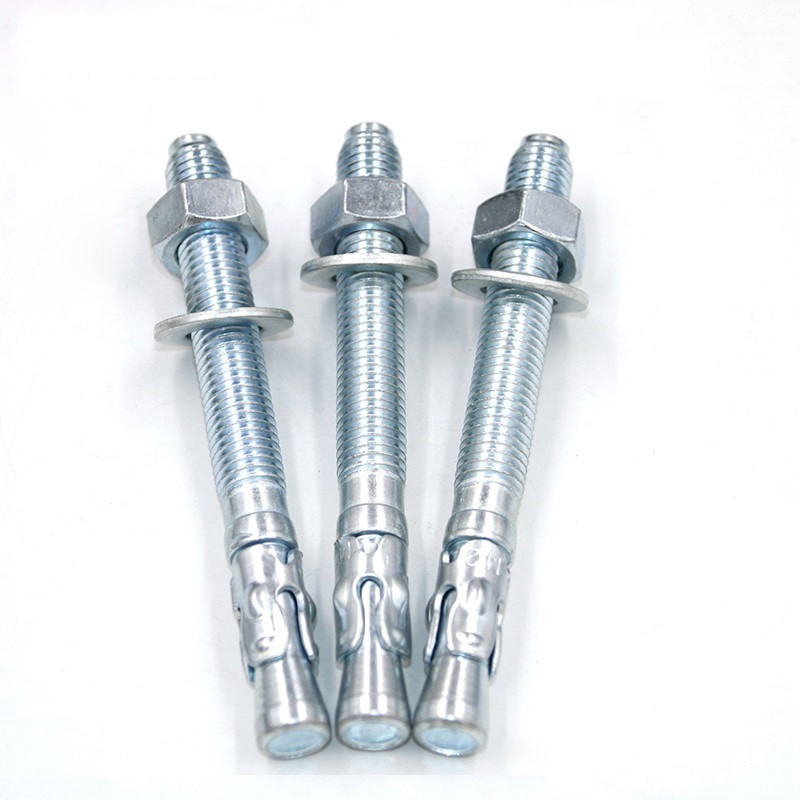
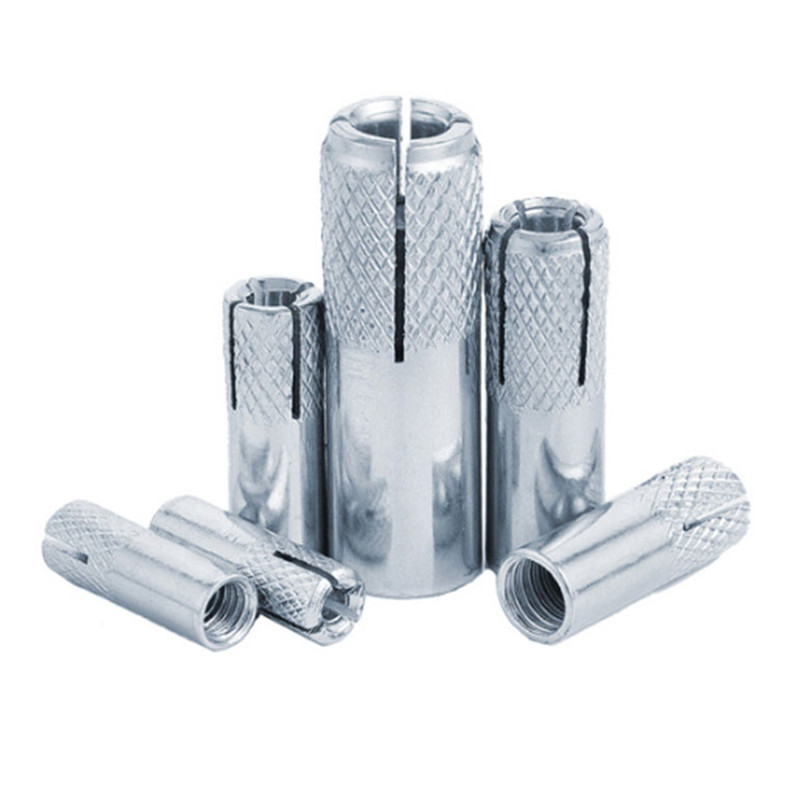
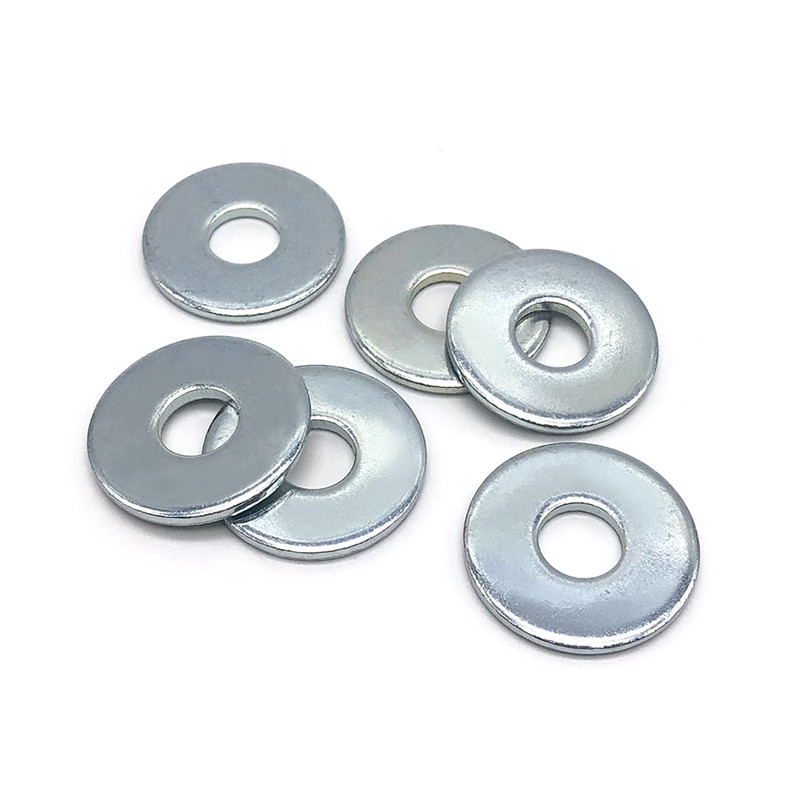
Nuts, washers, couplers, and anchors are standardized around M14 threads, expanding the rod's adaptability across systems. Engineers appreciate this interoperability.
Mini takeaway: The M14 threaded rod’s blend of strength, flexibility, and economic viability explains its worldwide popularity—and why countless projects hinge on getting this right.
Where in the World Are M14 Threaded Rods Making a Difference?
Depending on the industry, the M14 threaded rod takes on many faces:
- Construction: Used extensively in concrete formwork, structural framing, and anchorages across Europe, North America, and Asia.
- Manufacturing: Machinery assembly lines rely on these rods for secure joinings and equipment mounting.
- Transportation Infrastructure: Railways and bridge-building in countries like Germany and Japan specify M14 rods for critical fastenings.
- Disaster Response: NGOs and government agencies deploy modular relief shelters using standardized fasteners, where M14 rods often play a vital role in quick assembly.
- Oil and Gas: Offshore platforms in harsh marine environments require hot-dip galvanized M14 rods for corrosion resistance.
A concrete example—literally: In rebuilding efforts after the 2015 Nepal earthquake, M14 threaded rods were favored for temporary housing, ensuring structural integrity under tough conditions.
Advantages That Add Up Over Time
From an engineer’s point of view, the long-term value of using M14 threaded rods lies in:
- Reliability: Predictable mechanical properties mean fewer surprises during stress testing or real-world loads.
- Sustainability: Using corrosion-resistant rods extends infrastructure lifespan, minimizing future replacements—and environmental burden.
- Cost Savings: Reduced labor and downtime thanks to uniform sizes and widespread availability.
- Safety and Trust: Consistent performance builds peace of mind for workers, operators, and end-users.
On a human level, it feels good to know that the scaffold you’re climbing or the bridge you’re crossing has been reliably pieced together with quality fasteners. It’s the silent promise behind many everyday structures.
Looking Ahead: What’s Next for M14 Threaded Rods?
Innovation is bubbling beneath the surface. The future points towards more sustainable materials—like recycled steel blends—and protective coatings with enhanced corrosion resistance to match increasingly challenging climates.
Meanwhile, digital transformation is starting to influence manufacturing processes for threaded rods, with automated threading for tighter tolerances and QR code tagging to improve traceability in supply chains.
Interestingly, green building standards are pushing for fasteners that contribute to lower carbon footprints—so expect eco-certified M14 rods to become more common.
Common Challenges and How Industry Is Tackling Them
Of course, no product is without flaws. Some common hurdles include:
- Corrosion in extreme environments: Even galvanized rods may fail under intense saltwater exposure. Advanced coatings and stainless variants offer solutions.
- Supply chain inconsistencies: Variations in thread pitch or steel grade from different manufacturers can cause fitting errors. Certification and quality control standards are tightening to address this.
- Installation errors: Improper torqueing or use of wrong nuts can compromise performance. Training and clearer guidelines help reduce mishaps.
Industry leaders are investing in research and standards improvement, driving vendor accountability and user education.
Quick FAQ: What Buyers Often Ask About M14 Threaded Rods
- Q: What load capacities can I expect from an M14 threaded rod?
- A: Typically, M14 rods made from grade 8.8 carbon steel provide tensile strengths around 800 MPa, suitable for structural and heavy-duty fastening applications. Always check specific manufacturer specs.
- Q: Can I use an M14 threaded rod outdoors without corrosion?
- A: Yes, but opt for hot-dip galvanized or stainless steel rods for better resistance against rust and moisture in outdoor or marine environments.
- Q: How do I choose the right length?
- A: Length varies by project; M14 rods come in standard sizes (1m, 2m, 3m), but can be cut or custom-ordered. Always factor in thread engagement and nut placement.
- Q: Are M14 threaded rods compatible with standard M14 nuts?
- A: Yes, the threading is standardized, so quality M14 nuts and washers fit perfectly.
- Q: How can NGOs ensure they source quality M14 rods internationally?
- A: Work with reputable suppliers with ISO certifications, verify material test reports, and leverage international trade databases for trusted partnerships.
Product Specification Table: Typical M14 Threaded Rod
| Specification | Details |
|---|---|
| Thread Diameter | 14 mm (M14) |
| Thread Pitch | 2.0 mm (standard coarse) |
| Material | Carbon steel, stainless steel |
| Length Options | 1m, 2m, 3m, custom |
| Surface Finish | Plain, zinc-plated, hot-dip galvanized |
| Tensile Strength | Up to 800 MPa (grade 8.8) |
Vendor Comparison: Who Offers What?
| Vendor | Material Choices | Certifications | Typical Lead Time | Price Range (per m) |
|---|---|---|---|---|
| Global Fasteners Inc. | Carbon, stainless steel | ISO 9001, ISO 898-1 | 3-5 days | $2.50 - $4.00 |
| SteelWorks Ltd. | Carbon steel, zinc plated | ISO 9001 | 5-7 days | $2.20 - $3.80 |
| EcoFasteners | Recycled steel, stainless steel | ISO 14001 (Environmental) | 7-10 days | $3.00 - $4.50 |
Wrapping Up: Why M14 Threaded Rods Will Always Be Part of the Build
In real terms, the M14 threaded rod isn’t just a metal bar with threads—it’s a critical piece of the engineering puzzle that supports millions of construction, manufacturing, and humanitarian projects worldwide. Its blend of durability, versatility, and affordability keeps it relevant even as materials science and digital manufacturing evolve around it.
If you want to explore the different types or source quality M14 threaded rods for your next project, be sure to visit our website. Who knows? It might just be the one small component that helps your grand vision stand tall.
Mini takeaway: Paying attention to seemingly minor parts like the M14 threaded rod can save you big headaches and elevate your projects to the next level of safety and performance.
References
Post time: Nov . 27, 2025 09:00


 English
  Albanian
  Arabic
  Armenian
  Azerbaijani
  Belarusian
  Bosnian
  Bulgarian
  Cebuano
  Corsican
  Czech
Czech  Galician
  Georgian
  Greek
Greek  Hausa
Hausa  Hebrew
  Hungarian
  Igbo
Igbo  Indonesian
  Italian
  Kazakh
  Khmer
Khmer  Korean
  Kurdish
  Kyrgyz
  Lao
Lao  Latin
Latin  Latvian
  Lithuanian
  Malay
Malay  Myanmar
  Nepali
  Polish
  Portuguese
  Russian
  Serbian
  Sesotho
  Shona
Shona  Sindhi
  Spanish
  Tagalog
  Tajik
Tajik  Thai
Thai  Turkish
  Turkmen
  Ukrainian
  Uzbek
Uzbek  Vietnamese
  Yoruba
  Zulu
Zulu