
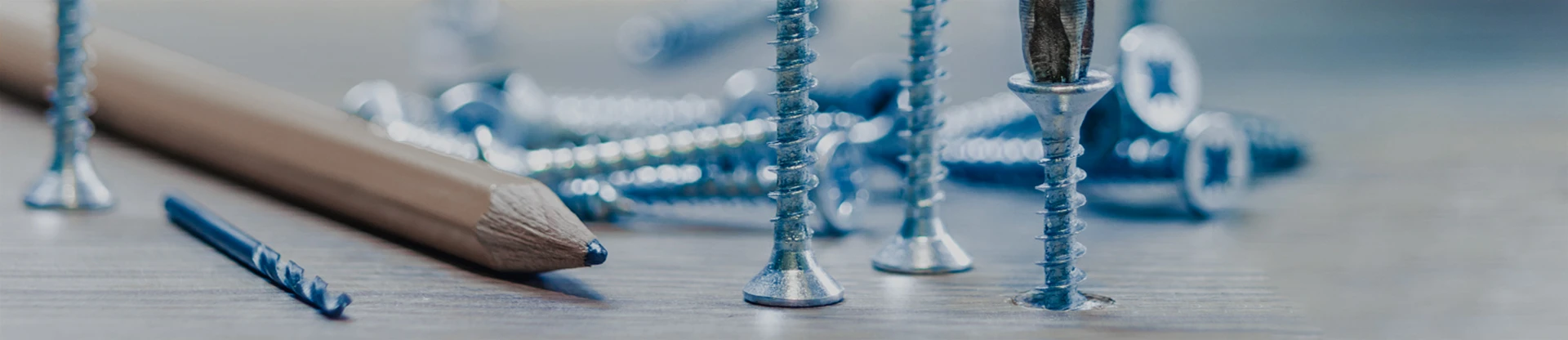
Understanding the 2mm Threaded Rod: Tiny Component, Big Impact
In the vast world of industrial fasteners, something as small as a 2mm threaded rod might seem inconsequential. Yet, this slender piece plays a pivotal role in countless applications worldwide — from delicate electronics assembly to structural reinforcement in confined spaces. Grasping the nuances of the 2mm threaded rod isn't just about specs and sizes; it's about appreciating how precision engineering advances industries, enables innovation, and even supports humanitarian efforts globally.
Introduction: Why Does the 2mm Threaded Rod Matter Globally?
Threaded rods are ubiquitous in manufacturing, construction, and maintenance, gripping together parts that define everything from your smartphone to bridge supports. As global supply chains seek smaller, lighter, and stronger components, the 2mm threaded rod has quietly gained critical importance. According to ISO standards on fastener sizes and tolerances, precision fasteners below 3mm diameter meet the rising demand for microengineering. Plus, industries from aerospace to medical devices rely on these miniature rods, where every millimeter and thread counts.
What's more, regions with growing industrial sectors—East Asia, Europe, and North America especially—report a 10-15% annual growth in micro-fastener consumption (World Bank Industrial Reports, 2022). With the expanding Internet of Things (IoT) market and smart device manufacturing scaling up, the need for reliable, small-diameter threaded rods has never been greater. The key problem this rod addresses? It enables firm yet flexible connection points where space is constrained, and strength can't be compromised.
What Exactly Is a 2mm Threaded Rod?
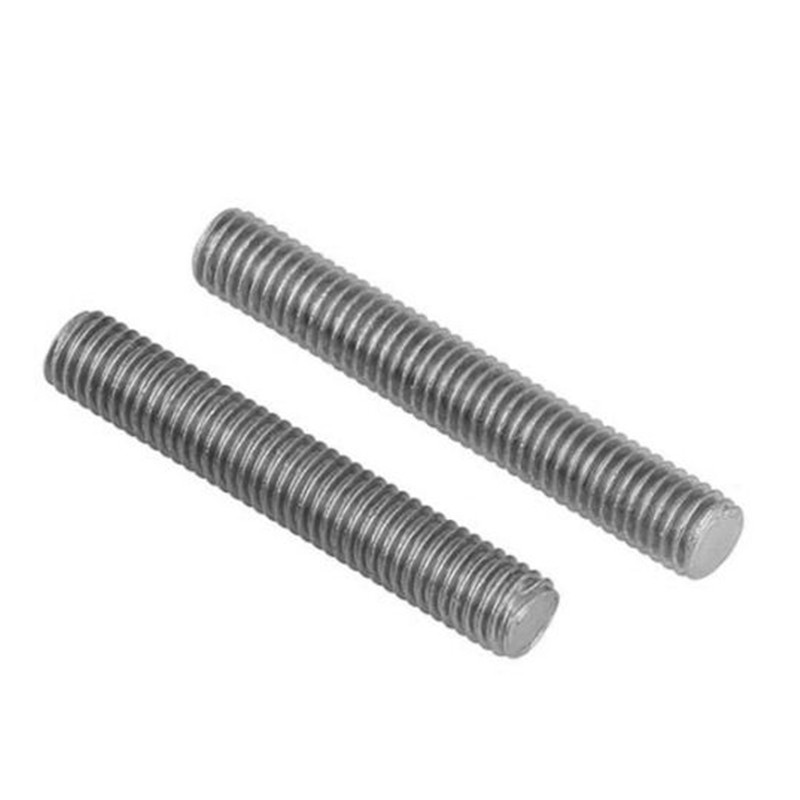
A 2mm threaded rod is essentially a long, slender shaft with a continuous helical thread — measuring 2 millimeters in diameter. Unlike bolts with heads, threaded rods are designed to be cut to length and fastened with nuts at one or both ends. Think of it as a versatile connector used wherever precise fastening is needed in tight assemblies.
This component underpins a surprising array of modern manufacturing needs. From assembling drones to mounting sensors in medical instruments, it bridges mechanical integrity with miniaturization. And, oddly enough, it plays a supporting role in humanitarian operations — when setting up temporary shelters or equipment that demand lightweight, sturdy frameworks.
Key Aspects of the 2mm Threaded Rod
1. Strength & Durability
Despite its tiny diameter, the 2mm rod needs to withstand significant shear and tensile forces. Made from stainless steel, carbon steel, or alloy steel grades, it balances corrosion resistance with structural strength. This is vital in harsh environments — industrial zones or outdoors — where degradation compromises safety.
2. Precision Threading
The thread pitch and accuracy of the 2mm rod's helical groove impact how securely it fastens. Metric threads like M2 with 0.4mm pitch are common, complying with ISO 261 and ISO 965 standards for interchangeability and performance.
3. Scalability & Customization
Manufacturers can supply these rods in various lengths, coatings (zinc, black oxide), or material treatments—even stainless options for medical-grade applications or aerospace. This scalability ensures industries can tailor the rod for specific load, corrosion, or thermal requirements.
4. Cost Efficiency
Though they’re small, precision 2mm rods are cost-effective components given their role in complex assemblies. Bulk orders yield economies of scale, and their long lifecycle means replacements and maintenance costs are minimized.
5. Easy Integration
Because they lack heads, 2mm threaded rods fit into narrower spaces or can support modular builds — a prime factor in automated assembly lines or rapid prototyping environments.
Mini Takeaway
The 2mm threaded rod isn’t just a tiny fastener—it’s a precision-engineered tool that combines strength, accuracy, and adaptability essential in today's compact, complex industrial designs.
Global Applications & Use Cases
The 2mm threaded rod finds lean but critical applications globally:
- Electronics Manufacturing: Mounting components on circuit boards or assembling protective cases.
- Aerospace and Drones: Lightweight frameworks where every gram matters.
- Medical Equipment: Secure fittings in diagnostic devices and surgical tools.
- Humanitarian Relief: As structural connectors in modular shelters, rapidly deployed in disaster zones.
- Automotive Sensors: Fastening intricate parts within engine compartments or safety systems.
For instance, in Southeast Asia, where industrial miniaturization is booming, manufacturers rely heavily on 2mm threaded rod supply chains to meet explosive growth in wearable tech. In post-disaster relief, NGOs use these rods in quickly assembled metal frames—combining strength with easy transport.
Advantages & Long-Term Value
Picking a quality 2mm threaded rod gives:
- Reliability: Long-term durability reduces maintenance frequency.
- Cost Savings: Tiny, inexpensive parts that multiply into major assembly cost-efficiency.
- Sustainability: Stainless steel rods are recyclable, aligning with green manufacturing goals.
- Design Flexibility: Enables customized solutions across industries.
- Safety & Dignity: In humanitarian contexts, robust connectors help ensure shelter integrity, preserving human dignity after crises.
2mm Threaded Rod Product Specification
| Specification | Details |
|---|---|
| Diameter | 2 mm |
| Thread Type | M2 Metric, Pitch 0.4 mm |
| Material | Stainless Steel / Carbon Steel / Alloy Steel |
| Length Options | Customizable, 10mm – 500mm+ |
| Surface Finish | Zinc plated, Black Oxide, Plain |
| Applicable Standards | ISO 261, ISO 965 |
Vendor Comparison for 2mm Threaded Rods
| Vendor | Material Options | Custom Length | Price Range (per 100 pcs) | Lead Time |
|---|---|---|---|---|
| HBT BLS | SS, Carbon Steel, Alloy Steel | Yes | $70 - $120 | 2-3 weeks |
| FastenRight | Carbon Steel Only | No | $60 - $100 | 4 weeks |
| MicroScrews Co. | SS, Specialty Alloys | Yes | $90 - $140 | 3-4 weeks |
Emerging Trends & Innovations
What’s next for 2mm threaded rods? With sustainability shaping manufacturing, expect more rods from recycled metals and coatings to improve longevity without environmental cost. Digital transformation ushers in smart manufacturing, where threaded rods can be tracked via RFID tags for inventory and maintenance automation.
Additionally, advances in additive manufacturing (3D printing) might soon allow on-demand production of customized threaded components, reducing lead times and waste. Automation and robotics continue to drive demand for precision miniature components, cementing the 2mm threaded rod’s role in future tech.
Challenges & Solutions
Frankly, working with such tiny parts presents challenges: thread damage, sourcing ultra-precise quality rods, and fitting them correctly requires high skill. However, vendors with strict ISO quality controls and advanced thread rolling instead of cutting reduce defects.
Another obstacle is corrosion in harsh environments. Solutions include stainless steel variants or durable surface treatments. Plus, modular design practices now favor standardized rods to simplify repairs and reduce stocking diverse parts.
FAQ: Common Questions About 2mm Threaded Rod
- Q: What are common materials for 2mm threaded rods, and how do I choose?
- A: Stainless steel offers corrosion resistance for outdoor or medical use, carbon steel is stronger but prone to rust, and alloy steels balance strength and weight. Choose based on environment and load requirements.
- Q: Can 2mm threaded rods be cut to custom lengths easily?
- A: Yes, but cutting must be done carefully to avoid damaging threads. Many suppliers offer pre-cut lengths for convenience and consistency.
- Q: How do I ensure compatibility when replacing 2mm rods in existing assemblies?
- A: Verify thread pitch – usually M2 with 0.4mm pitch is standard. Also, check rod grade and coating to match strength and corrosion resistance.
- Q: Are 2mm threaded rods hard to source in bulk for industrial applications?
- A: Not necessarily if you work with reputable suppliers like HBT BLS, who maintain quality stock and flexible order quantities.
- Q: Why choose a threaded rod over a bolt in tight spaces?
- A: Threaded rods offer maximum engagement length without bulky heads, which makes them ideal where space or weight constraints exist.
Conclusion: Precision Matters in the Smallest Details
The humble 2mm threaded rod might be small, but its impact is oversized. Supporting innovations across electronics, aerospace, medical devices, and humanitarian engineering, it embodies the convergence of strength, precision, and adaptability. For manufacturers and engineers aiming for compact, reliable assemblies, understanding this product’s specs, applications, and suppliers is critical.
Want to source quality 2mm threaded rods that meet your exact requirements? Visit https://www.hbtbls.com to explore options tailored for your project.
Oddly enough, this tiny thread binds together so many big things — engineering brilliance truly lies in the details.
References & Further Reading
Post time: Dec . 02, 2025 01:20


 English
  Albanian
  Arabic
  Armenian
  Azerbaijani
  Belarusian
  Bosnian
  Bulgarian
  Cebuano
  Corsican
  Czech
Czech  Galician
  Georgian
  Greek
Greek  Hausa
Hausa  Hebrew
  Hungarian
  Igbo
Igbo  Indonesian
  Italian
  Kazakh
  Khmer
Khmer  Korean
  Kurdish
  Kyrgyz
  Lao
Lao  Latin
Latin  Latvian
  Lithuanian
  Malay
Malay  Myanmar
  Nepali
  Polish
  Portuguese
  Russian
  Serbian
  Sesotho
  Shona
Shona  Sindhi
  Spanish
  Tagalog
  Tajik
Tajik  Thai
Thai  Turkish
  Turkmen
  Ukrainian
  Uzbek
Uzbek  Vietnamese
  Yoruba
  Zulu
Zulu