
Understanding the 3 4 Threaded Rod 10: Essential Insights for Industry and Infrastructure
If you’ve ever worked in manufacturing, construction, or even restoration, the term 3 4 threaded rod 10 might ring a bell. This particular specification of threaded rod plays a surprisingly vital role worldwide — from building sturdy bridges to assembling delicate machinery. Oddly enough, it’s one of those unsung heroes in engineering that tends to get overlooked despite its global significance.
Threaded rods, including the 3/4 inch diameter with grade 10 strength class (hence the '10'), are fundamental to many industrial projects. Their relevance isn’t just limited to one sector; it’s a crosscutting solution that helps solve complex challenges related to stability, durability, and safety. Knowing more about these rods can enhance project outcomes, reduce costs, and increase reliability — globally, that matters a lot.
Global Context: Why the 3 4 Threaded Rod 10 Matters Today
Globally, infrastructure investment is booming. According to the World Bank, global infrastructure spending is expected to reach $94 trillion by 2040. Threaded rods like the 3 4 threaded rod 10 are key components in this growth, enabling secure and scalable structural connections. The International Organization for Standardization (ISO) also sets rigorous standards for such components, ensuring reliability and safety worldwide.
The challenges? Fast-growing urban populations and climate change demand more resilient structures. Engineers face issues like material fatigue, corrosion, and construction delays. Here, the 3 4 threaded rod 10 provides a high-strength, adaptable solution that enhances structural integrity even under stressful conditions.
Defining the 3 4 Threaded Rod 10
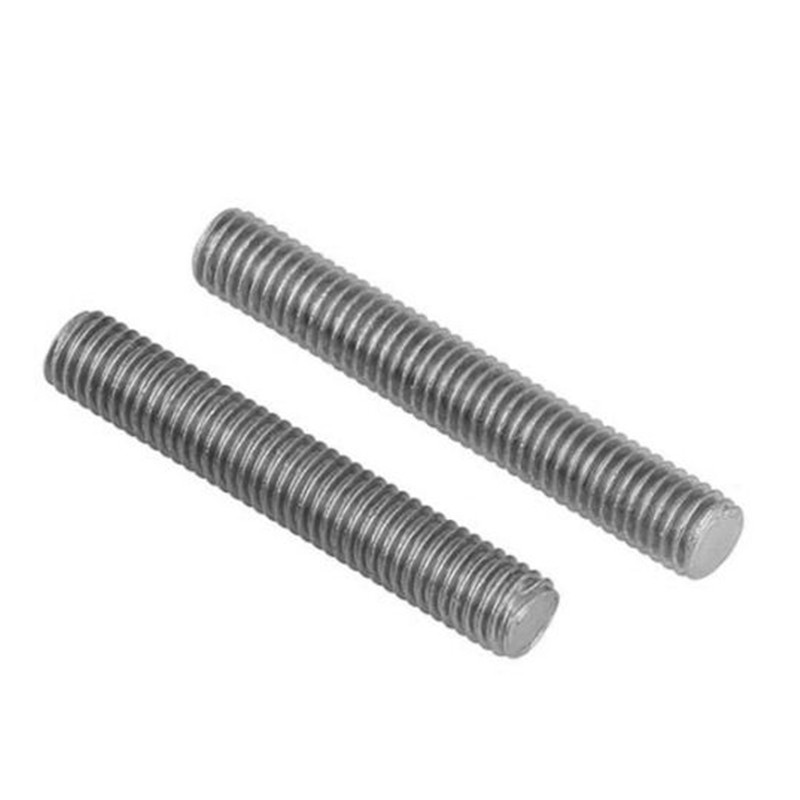
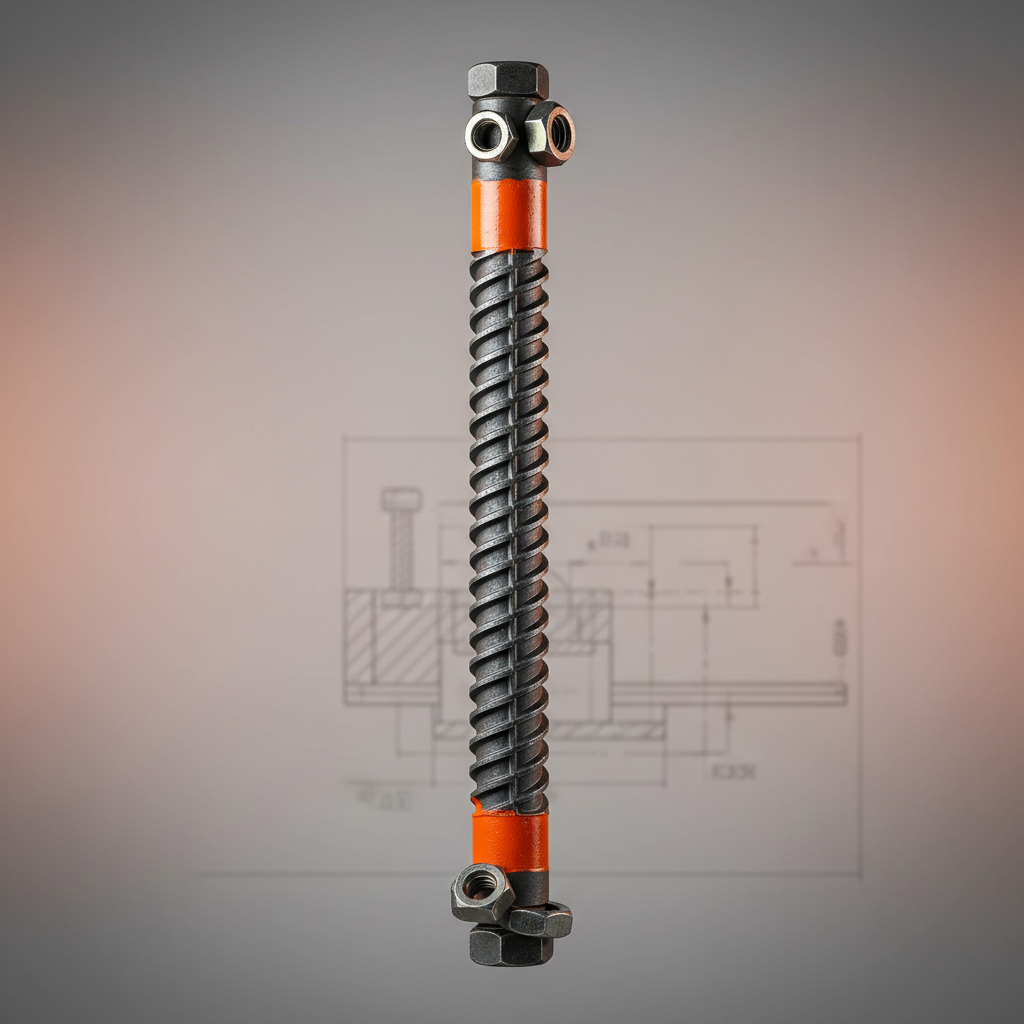
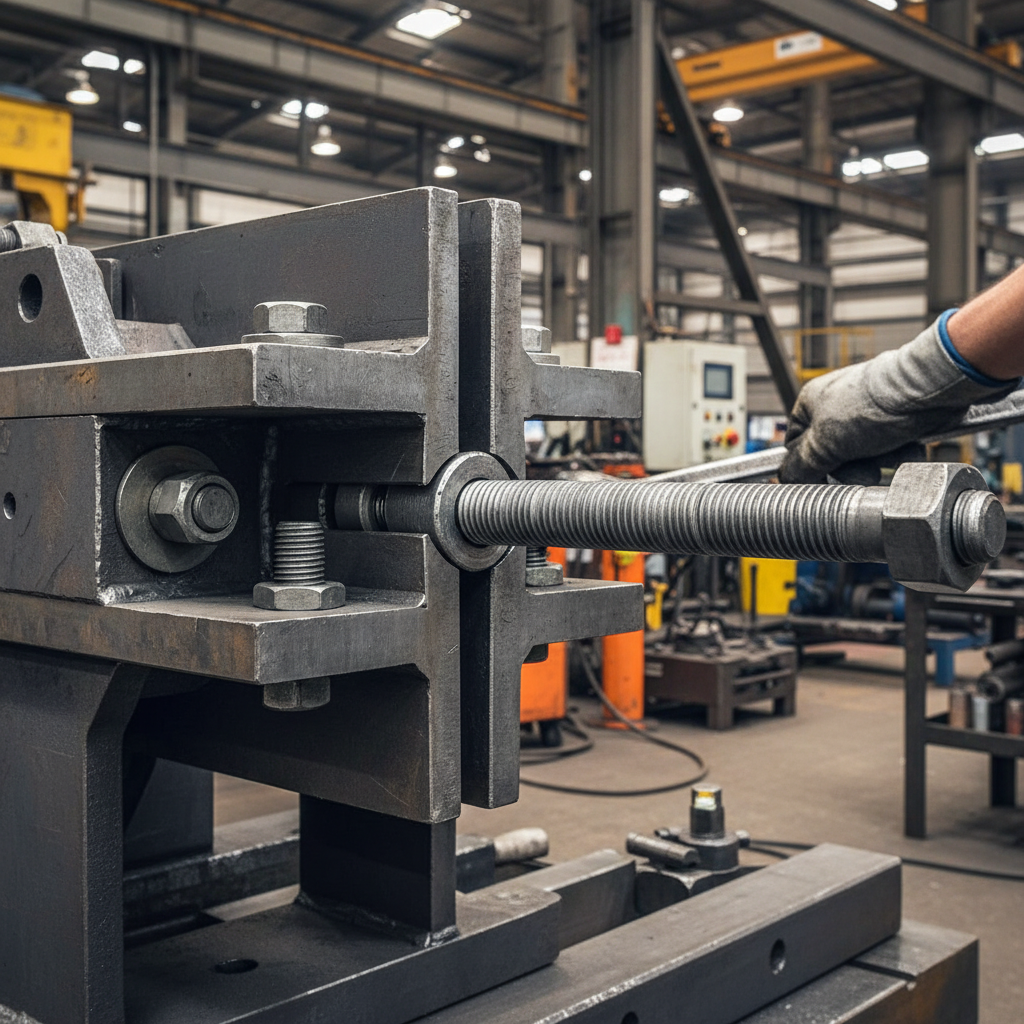
In simple terms, a 3 4 threaded rod 10 refers to a steel rod measuring three-quarters of an inch in diameter, threaded along its length, and manufactured to grade 10 strength specifications. The “grade 10” typically denotes a high tensile strength, about 100,000 psi, ideal for heavy-duty fastening purposes. These rods serve as connectors or tension members in structural assemblies.
In modern industry, they’re indispensable. From securing heavy machinery parts in manufacturing plants to supporting emergency scaffolding in humanitarian crisis zones, their versatility is impressive. For instance, NGOs in disaster relief often employ these rods to erect durable shelters quickly, marrying technical prowess with humanitarian goals.
Core Components and Characteristics
Strength & Durability
Grade 10 rods boast exceptional tensile strength, resisting deformation under heavy loads. This durability ensures long-term safety even in seismic zones or extreme weather.
Material Composition
Usually made from carbon steel or alloy steel, sometimes treated for corrosion resistance through galvanizing or plating. This is crucial in coastal or humid environments.
Thread Design
Uniform threading enhances precision during assembly, enabling seamless integration with nuts, washers, and other fasteners.
Customization & Scalability
Available in different lengths and coatings, these rods can be tailored for specific industrial applications, from automotive to energy sectors.
Cost Efficiency
While high-grade rods like the 3 4 threaded rod 10 have a higher upfront cost versus lower grades, their longevity reduces replacement expenses — an important factor for large-scale projects.
Product Specification Table
| Specification | Details |
|---|---|
| Diameter | 3/4 inch (19.05 mm) |
| Material | High tensile carbon steel (Grade 10) |
| Tensile Strength | ~100,000 psi (690 MPa) |
| Thread Pitch | Coarse or Fine Thread options |
| Length | Varies; typically 1–12 feet |
| Coating | Galvanized, Zinc-plated, or Plain |
Mini takeaway: The 3 4 threaded rod 10 is robustly designed for heavy load-bearing tasks, and its features like customizable threading and corrosion coatings make it a versatile tool worldwide.
Global Applications & Use Cases
- Construction & Civil Engineering: Supports beams, anchors, and tension elements for bridges, buildings, and heavy infrastructure.
- Manufacturing Industry: Fastens components in automotive assembly lines and factories.
- Disaster Relief & Humanitarian Use: Vital in setting up emergency housing and support frameworks for NGOs.
- Energy Sector: Secures piping and heavy equipment in thermal and renewable plants.
- Oil & Gas Industry: Resists corrosion and withstands mechanical stress in harsh environments.
For example, in the aftermath of earthquakes in Asia-Pacific regions, relief organizations have successfully used these rods to quickly erect modular homes. That kind of reliable and fast construction can literally save lives.
Vendor Comparison Table
| Vendor | Material Grade | Price Range (USD/ft) | Lead Time | Coating Options |
|---|---|---|---|---|
| SteelWorks Inc. | Grade 10 Carbon Steel | $2.50–3.00 | 2 weeks | Galvanized, Zinc |
| MegaBolts Ltd. | Alloy Steel Grade 10 | $3.00–3.50 | 1 week | Zinc-Plated |
| RapidBuild Supplies | Grade 10 Carbon Steel | $2.20–2.80 | 3 weeks | Plain, Galvanized |
Advantages & Long-Term Value
Frankly, the 3 4 threaded rod 10 is a kind of investment. While the initial price might be higher than lower-grade fasteners, its durability and tensile strength translate into fewer replacements, less downtime, and better safety records. For companies handling expensive machinery, that’s a huge cost saver.
Beyond economics, there’s an emotional angle too — when people rely on structures held together by these rods, their safety and trust matter. In essence, these rods help uphold dignity and security, whether it’s a housing project after a typhoon or a giant factory assembly.
Future Trends & Innovations
The industry is trending toward sustainable and digitally monitored fasteners. Think corrosion-resistant coatings made from eco-friendly materials or smart threads capable of signaling load stress to maintenance teams. Oddly enough, the humble 3 4 threaded rod 10 will probably become “smart” in coming years, joining the digital transformation sweeping manufacturing.
Green energy infrastructure also relies on such durable components, so expect an uptick in demand, especially for rods engineered to withstand offshore wind and solar farms’ harsh conditions.
Challenges & Solutions
Of course, availability and lead times can sometimes hinder project timelines, especially after global disruptions (supply chain issues, tariffs). Corrosion in coastal or chemical-heavy environments can limit lifespan if untreated rods are used. The solution? Pre-plating, local warehousing, and modular design strategies that minimize dependency.
Furthermore, education on correct installation is vital — no rod, no matter how strong, will perform if it’s not properly tightened or aligned. Professional training remains a small but crucial hurdle to tackle.
FAQ: Frequently Asked Questions About 3 4 Threaded Rod 10
- Q: What makes the 3 4 threaded rod 10 preferable to lower grade rods in construction?
- A: Grade 10 rods offer superior tensile strength (~100,000 psi), meaning they can bear heavier loads and resist fatigue better. This translates to safer, longer-lasting structures especially critical in seismic or high-stress zones.
- Q: How do I know if galvanized coating is necessary for my project?
- A: If your construction is exposed to moisture, salty air, or chemicals, galvanized or zinc-plated rods help prevent rust and corrosion, greatly extending service life.
- Q: Can 3 4 threaded rod 10 be customized for length and threading?
- A: Yes, vendors typically offer a range of lengths (commonly 1 to 12 feet) and both coarse and fine threading options tailored to specific applications.
- Q: Is it feasible to import these rods internationally for large projects?
- A: Absolutely. Major manufacturers support bulk international shipping, and some specialize in export documentation and logistics to help NGOs and construction firms worldwide.
Mini takeaway: These FAQs underline practical considerations for sourcing and using the 3/4 threaded rod 10, helping you avoid common pitfalls.
Conclusion
All in all, the 3 4 threaded rod 10 remains an essential element underpinning modern infrastructure and industrial success globally. Its unmatched strength, adaptability, and long-term cost efficiency put it at the heart of many crucial projects — whether in metropolitan skyscrapers or remote disaster zones.
If you’re involved in engineering, construction, or humanitarian logistics, understanding and leveraging this component can genuinely enhance your outcomes. For more detailed information and sourcing options, visit our site: 3 4 threaded rod 10.
Keep an eye on evolving materials and digital monitoring for a glimpse of the future — the humble threaded rod isn’t so humble anymore.
Takeaway: The right threaded rod is both a practical foundation and a promise of safety — a small component with big impact.
References
Post time: Dec . 02, 2025 02:00


 English
  Albanian
  Arabic
  Armenian
  Azerbaijani
  Belarusian
  Bosnian
  Bulgarian
  Cebuano
  Corsican
  Czech
Czech  Galician
  Georgian
  Greek
Greek  Hausa
Hausa  Hebrew
  Hungarian
  Igbo
Igbo  Indonesian
  Italian
  Kazakh
  Khmer
Khmer  Korean
  Kurdish
  Kyrgyz
  Lao
Lao  Latin
Latin  Latvian
  Lithuanian
  Malay
Malay  Myanmar
  Nepali
  Polish
  Portuguese
  Russian
  Serbian
  Sesotho
  Shona
Shona  Sindhi
  Spanish
  Tagalog
  Tajik
Tajik  Thai
Thai  Turkish
  Turkmen
  Ukrainian
  Uzbek
Uzbek  Vietnamese
  Yoruba
  Zulu
Zulu