
Understanding the 3 4 16 Left Hand Threaded Rod: Essential Guide and Global Impact
Ever come across the term 3 4 16 left hand threaded rod and wondered what makes it so noteworthy in construction and industry circles? At first glance, it's a string of numbers and words that might seem arbitrary. Yet, this component plays a surprisingly vital role worldwide—from structural frameworks to specialized machinery setups. Understanding its nuances sheds light on durability, precision engineering, and even broader supply chain economics that undergird many modern projects.
Why care about this particular threaded rod? Because in a world increasingly invested in efficiency and safety, such components quietly hold the backbone of infrastructure and manufacturing. Grasping what makes the 3 4 16 left hand threaded rod tick can reveal insights into quality control, material science, and even global marketplace dynamics.
Global Context: Why the 3 4 16 Left Hand Threaded Rod Matters
Across continents, from skyscraper construction in Dubai to pipeline projects in Kazakhstan, threaded rods like the 3 4 16 left hand threaded rod provide unique mechanical advantages. The International Organization for Standardization (ISO) sets extensive standards that include left-hand threading for specific use-cases such as anti-rotation scenarios or particular assembly requirements.
Some data points underline this: according to global manufacturing reports, left-hand threaded rods make up about 15% of total threaded rod consumption but are indispensable in critical systems where right-hand threads would risk loosening under torque or vibration. Frankly, without these rods, supply chains and construction timelines could suffer—leading to cost overruns and safety concerns.
What Exactly Is a 3 4 16 Left Hand Threaded Rod?
Let’s break it down:
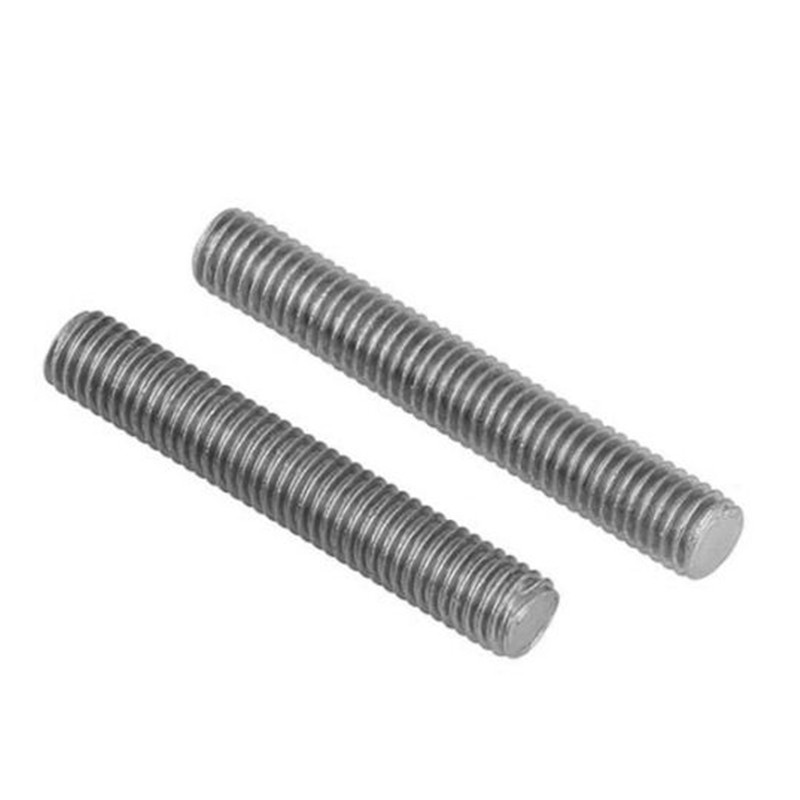
- 3 4 refers to the diameter — three quarters of an inch (0.75").
- 16 refers to the thread pitch — 16 threads per inch, which is fairly fine.
- Left hand threaded means the threading direction is opposite to the usual right-hand threads. This makes it tighten when turned counterclockwise.
This design is essential in applications where standard right-hand threads might loosen due to rotational forces—in other words, it fights against the natural unwinding tendency in certain machinery or structural setups.
Key Characteristics That Make These Rods Stand Out
1. Durability & Material Strength
Most 3 4 16 left hand threaded rods are manufactured from high-grade steel alloys or stainless steel, able to endure high tensile forces and resist corrosion. Their resilience is especially prized in harsh environments or outdoor settings.
2. Precision Threading
With 16 threads per inch, these rods offer tight, secure fastening. The even pitch allows for smooth engagement with mating nuts or components, which is crucial in machinery that experiences constant vibration.
3. Specialized Thread Direction
The left-hand threading means the rod tightens counter-clockwise—an intentional design to prevent loosening under specific torque conditions, like in rotating shafts or assemblies subject to reverse forces.
4. Versatility in Application
Despite the specialized thread direction, these rods are versatile. They appear in construction, automotive, industrial equipment, and even emergency shelters or modular housing, where secure, fast deployment is key.
Typical Applications Across the Globe
The 3 4 16 left hand threaded rod isn’t just a niche product. It has notable utility worldwide:
- Post-Disaster Relief Structures: NGOs employ these rods in fast-deploy shelters where ease of assembly and secure fastening under stress matters.
- Industrial Machinery: In remote industrial zones, machinery with reversing shafts or specialized gears relies on left-hand threaded rods to ensure safety.
- Marine and Aerospace Sectors: Their corrosion resistance and secure fit are critical, given the harsh environments and safety demands.
- Renewable Energy Installations: Wind turbines, for example, benefit from the anti-loosening properties during operation.
For a peek at a supplier’s high-quality product, visit 3 4 16 left hand threaded rod.
Product Specification Table: Typical 3 4 16 Left Hand Threaded Rod
| Specification | Details |
|---|---|
| Diameter | 0.75 inches (3/4 inch) |
| Thread Pitch | 16 TPI (Threads Per Inch) |
| Thread Direction | Left Hand |
| Material | Carbon Steel or Stainless Steel |
| Length | Varies; standard lengths between 1 ft and 12 ft |
| Finish | Galvanized or plain |
Comparing Leading Vendors of 3 4 16 Left Hand Threaded Rods
| Vendor | Material Quality | Customization | Price Range | Lead Time |
|---|---|---|---|---|
| HBTBLS Corp | Premium Steel Grades | Full Length & Finish Options | Mid-Range | 2–3 weeks |
| Global Fasteners Ltd. | Standard Steel | Limited Custom | Budget | 4+ weeks |
| ProTech Rods | Specialty Alloys | Extensive Custom Options | Higher-end | 1–2 weeks |
Advantages & Lasting Value of the 3 4 16 Left Hand Threaded Rod
Why select this particular rod? For starters, its design minimizes the risk of self-loosening under dynamic loads—quite critical in safety-sensitive structures or machines. Its robust materials offer corrosion resistance, increasing lifespan and decreasing maintenance costs.
On a more human level, think of the peace of mind knowing essential frameworks won't fail mid-operation due to loose fasteners. NGOs deploying disaster relief shelters gain speed and reliability, preserving dignity and safety of displaced families.
And economically, the combination of toughness and reliability reduces downtime and resource waste. It’s often the subtle parts like these rods that make projects smoother, cheaper, and more sustainable.
Looking Forward: Innovations and Trends
Oddly enough, while the basic engineering of threaded rods hasn't transformed overnight, developments in materials science promise exciting improvements:
- Advanced Coatings for greater corrosion resistance, including eco-friendly metallic coatings.
- Smart Fasteners embedded with sensors to detect loosening or stress in real-time—a part of Industry 4.0 adoption.
- Green Manufacturing targeting lower carbon footprint in steel production and threading processes.
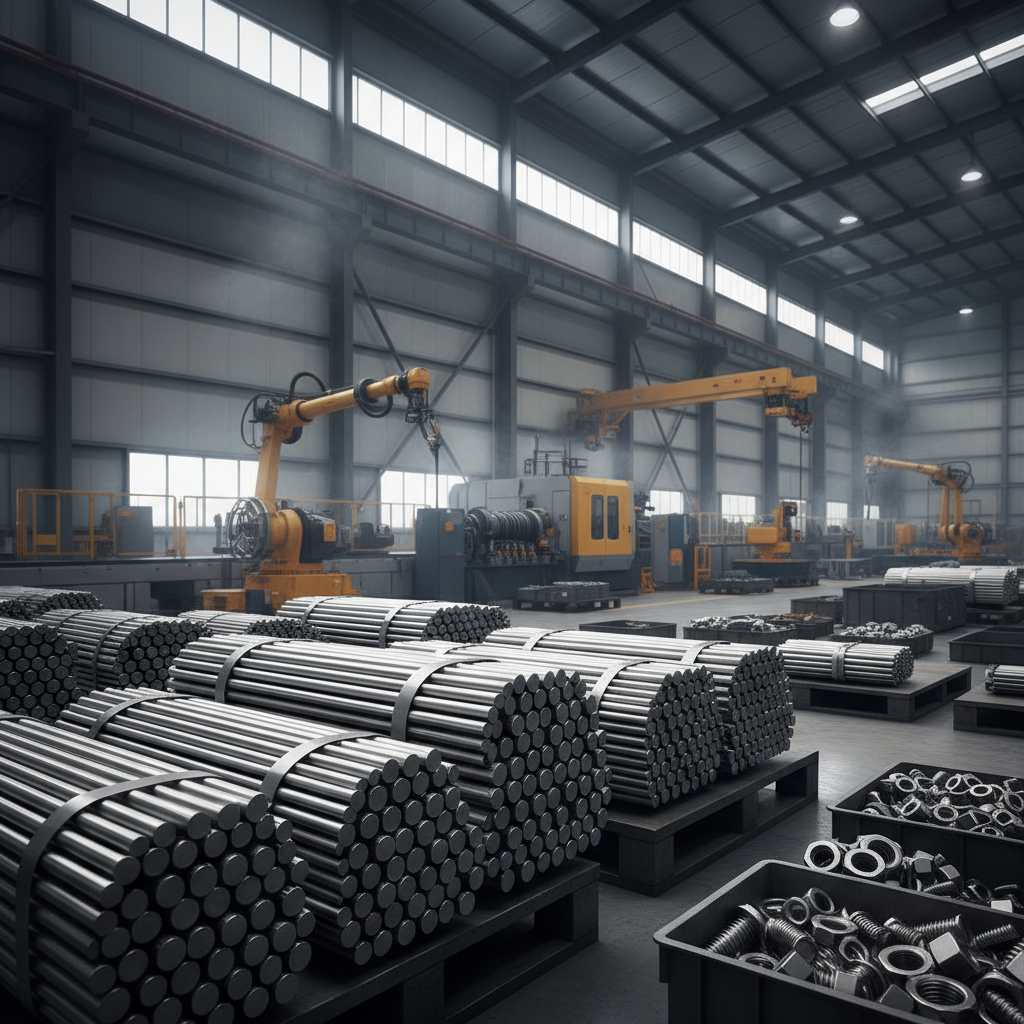
- Automation in rod production for improved consistency and shorter lead times.
Challenges and Expert Solutions
Admittedly, availability can be an issue in remote areas due to specialized demand and non-standard threading. Shipping delays and inconsistent quality from lesser vendors also cause headaches.
Experts often recommend close vendor vetting and bulk ordering to minimize interruptions. Also, modular inventories allowing mixes of left and right hand threaded rods help in flexible on-site assembly.
Finally, training technicians on correct installation techniques avoids common user errors that can undermine the rods’ integrity.
FAQ: Your 3 4 16 Left Hand Threaded Rod Questions Answered
- Q: What’s the main advantage of using a left hand threaded rod versus a right hand one?
- A: Left hand threaded rods tighten counterclockwise, which prevents loosening in applications where usual right hand rods would undo due to rotational or vibrational forces. This ensures more reliable fastening in dynamic settings.
- Q: Are 3 4 16 left hand threaded rods suitable for outdoor use?
- A: Yes, especially if they’re galvanized or made from stainless steel. These coatings and materials help resist rust and corrosion even in challenging weather or marine environments.
- Q: Can these rods be customized in length or finish?
- A: Most manufacturers, including top vendors like 3 4 16 left hand threaded rod suppliers, offer customization options for length, threading tolerance, and protective finishes to match diverse project requirements.
- Q: How can an NGO source these rods efficiently for emergency shelters?
- A: NGOs should engage with reliable bulk suppliers who have experience in logistics and quick lead times, ideally working with vendors familiar with humanitarian needs to ensure on-time delivery and compliance with standards.
Conclusion
Honestly, the 3 4 16 left hand threaded rod, while a small component, carries significant influence across various industries and geographies. Its specialized threading, material resilience, and broad applicability make it indispensable for secure, efficient assembly—that means safer buildings, more reliable machinery, and smoother disaster response.
For anyone looking to source high-quality rods or learn more about their specs and uses, it’s worth visiting our website to explore detailed offerings and expert advice.
In the end, this tiny twist of steel threads quietly holds together some of the world’s most ambitious engineering—and that kind of overlooked reliability is pretty extraordinary.
Post time: Dec . 02, 2025 00:45


 English
  Albanian
  Arabic
  Armenian
  Azerbaijani
  Belarusian
  Bosnian
  Bulgarian
  Cebuano
  Corsican
  Czech
Czech  Galician
  Georgian
  Greek
Greek  Hausa
Hausa  Hebrew
  Hungarian
  Igbo
Igbo  Indonesian
  Italian
  Kazakh
  Khmer
Khmer  Korean
  Kurdish
  Kyrgyz
  Lao
Lao  Latin
Latin  Latvian
  Lithuanian
  Malay
Malay  Myanmar
  Nepali
  Polish
  Portuguese
  Russian
  Serbian
  Sesotho
  Shona
Shona  Sindhi
  Spanish
  Tagalog
  Tajik
Tajik  Thai
Thai  Turkish
  Turkmen
  Ukrainian
  Uzbek
Uzbek  Vietnamese
  Yoruba
  Zulu
Zulu