
What’s the Big Deal About the 16mm Threaded Bar?
If you’re not knee-deep in construction or engineering, “16mm threaded bar” might sound like just another metal rod. But here’s the thing—this humble steel rod plays a surprisingly massive role in global infrastructure, machinery, and even disaster relief efforts. Threaded bars, especially the standard 16mm diameter variety, are critical fasteners used worldwide, connecting everything from skyscraper frameworks to modular housing in crisis zones.
Understanding why a simple, robust bar matters on such an enormous scale can open doors—literally and figuratively—to innovations in construction, safety, and sustainability. Plus, the economic and logistical advantages of choosing the right material and size can’t be overstated—think of it as the unsung hero silently holding the world’s structures together.
16mm Threaded Bar in the Global Context: More Than Just Steel
Worldwide steel production surpassed 1.8 billion metric tons in recent years, with fasteners and threaded bars making up a significant slice of industrial demand (Wikipedia - Steel Production). The 16mm threaded bar stands out as a go-to standard for many industries due to its perfect balance of strength and workable flexibility.
Interestingly, the UN’s sustainable infrastructure initiatives (UN Sustainable Development Goals) spotlight materials that sustain longevity and reduce waste—something a durable, reusable 16mm threaded bar helps achieve. Yet, challenges remain, like ensuring supply chains keep pace with rapid urbanization and disaster recovery needs.
So yes, these bars aren’t glamorous, but the need for them underpins everything from new housing developments in urban sprawls to emergency shelters in disaster-prone regions.
Mini takeaway: The 16mm threaded bar quietly supports massive global efforts for infrastructure and emergency response alike.
Decoding the 16mm Threaded Bar: What Exactly Is It?
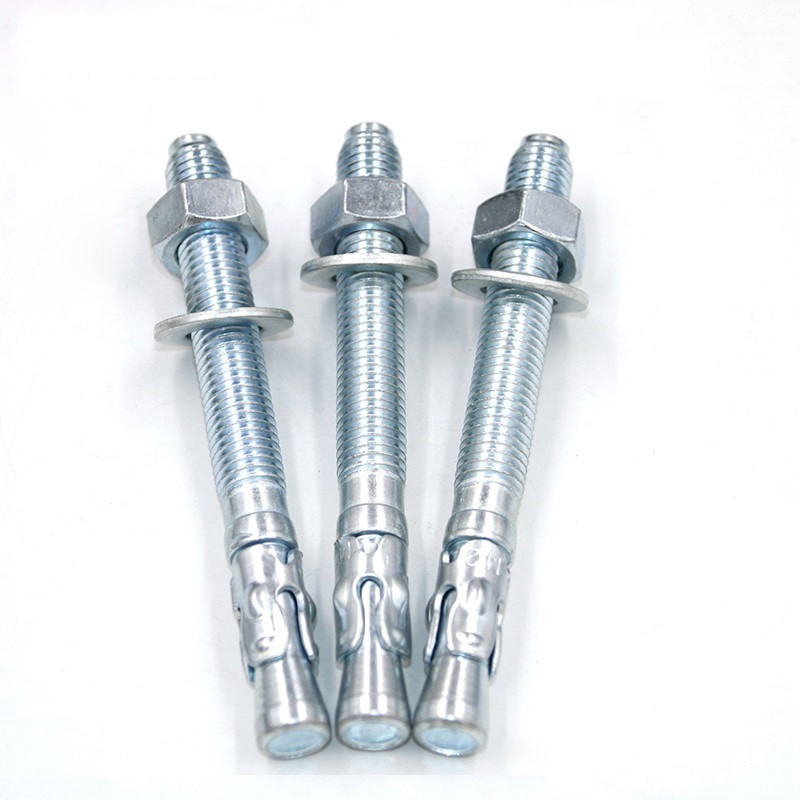
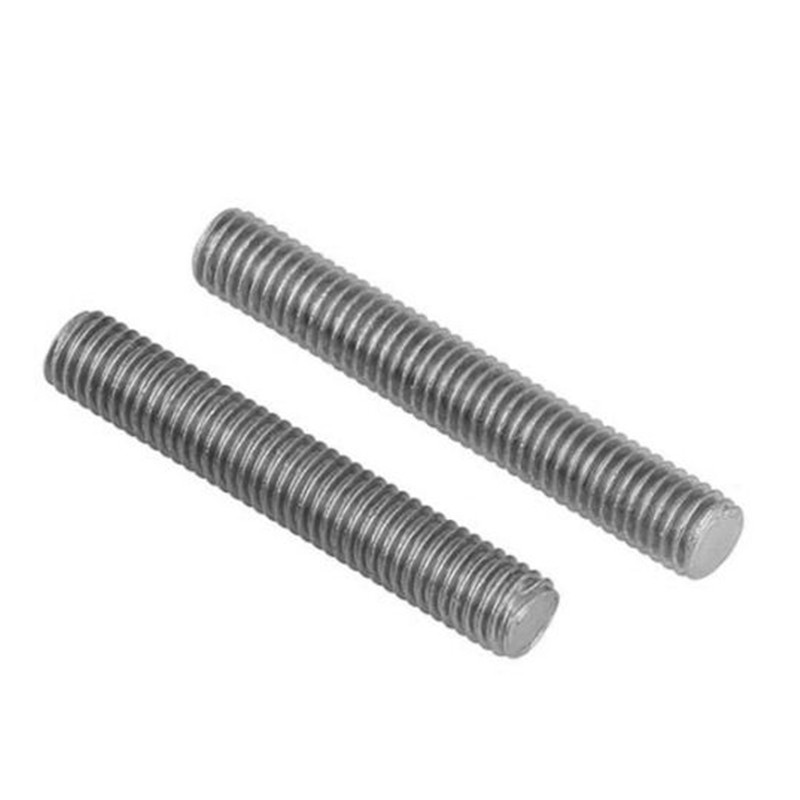
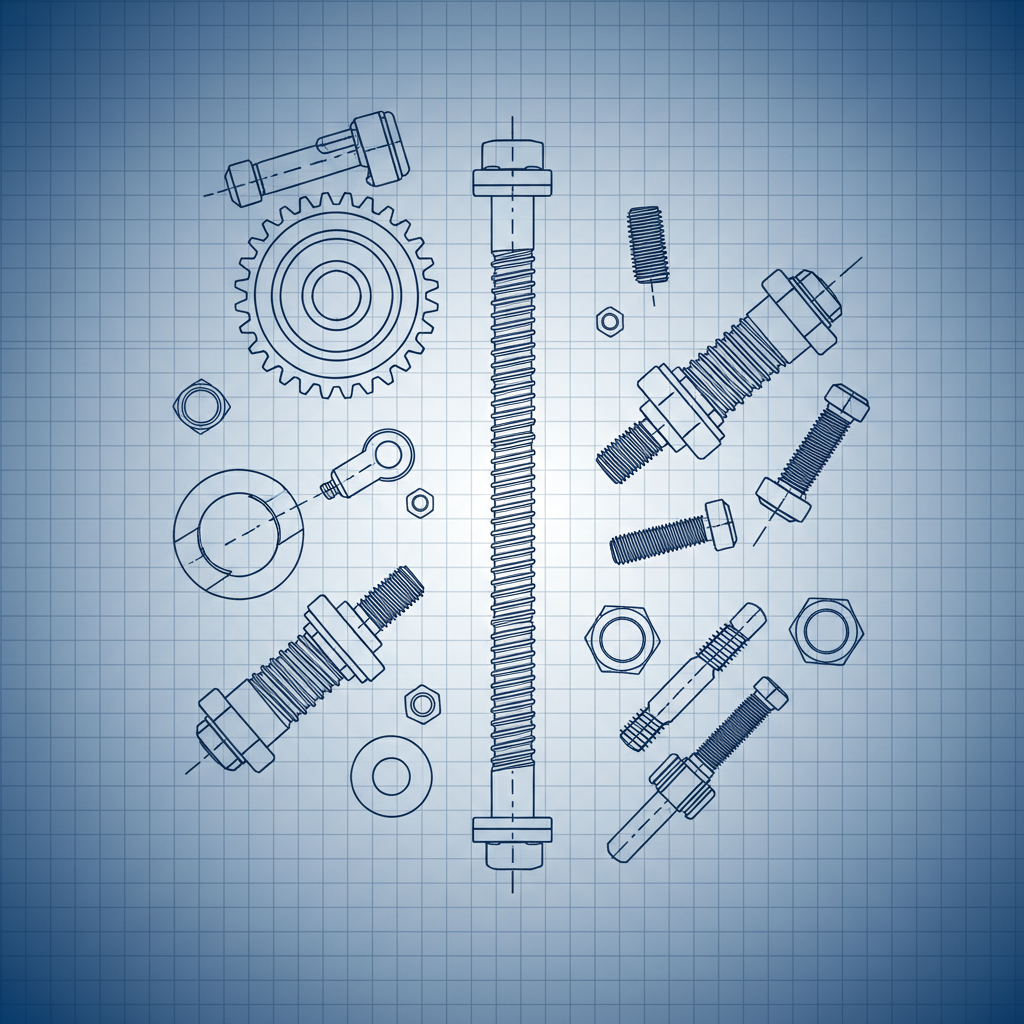
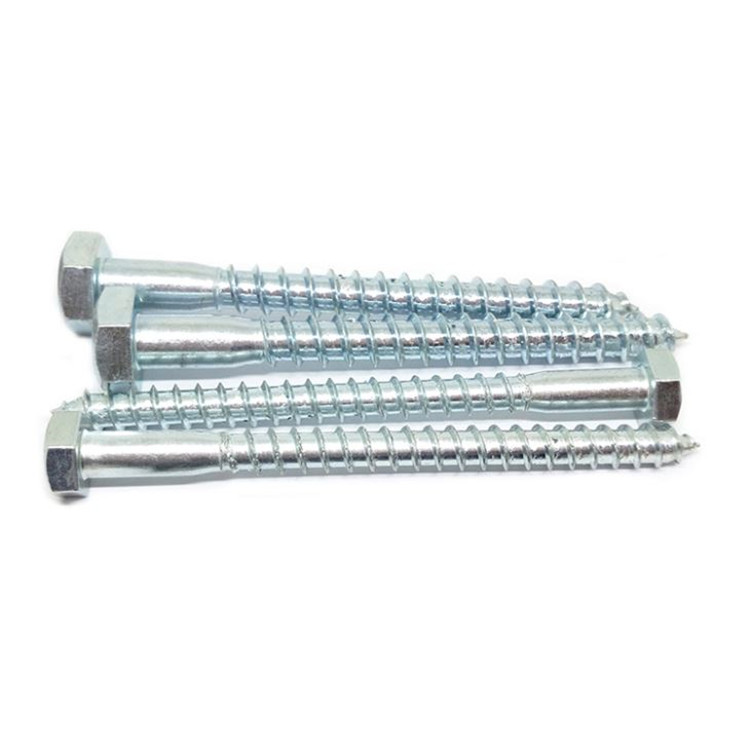
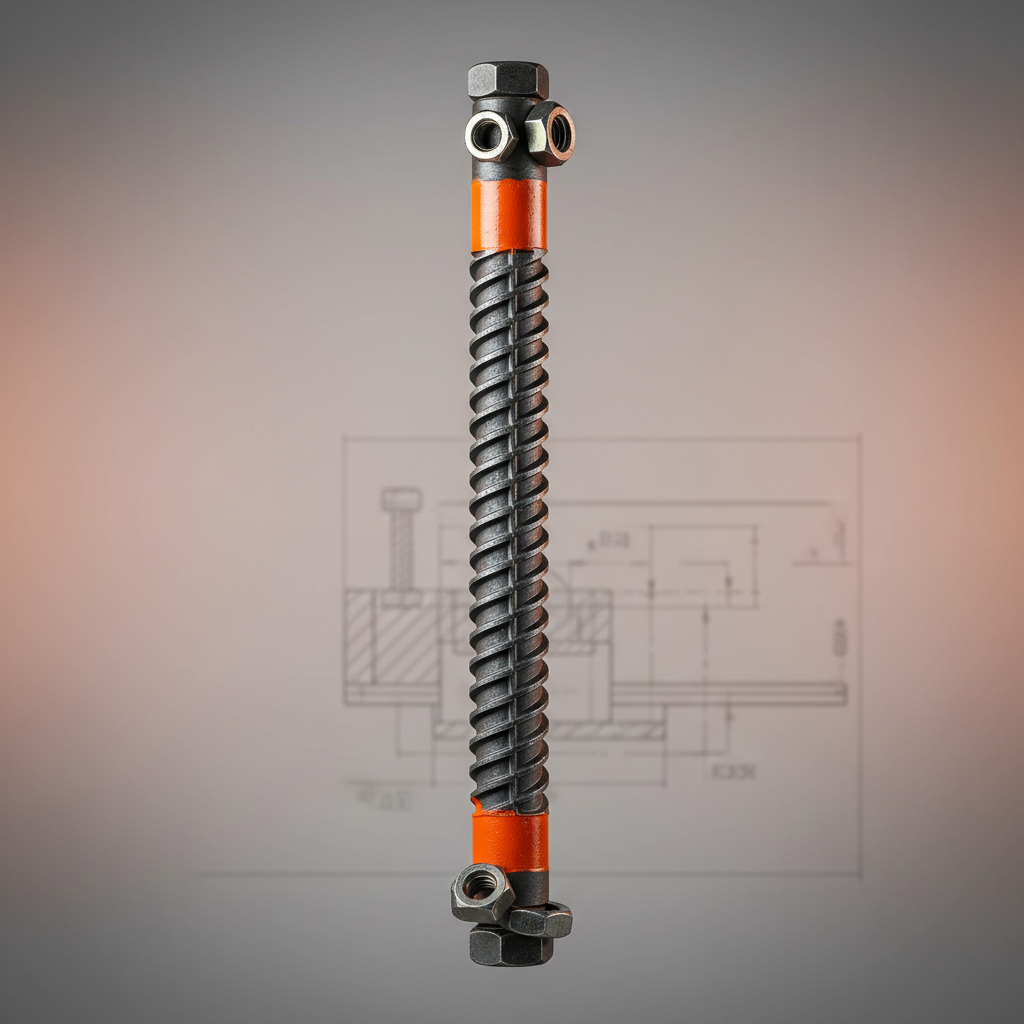
Put simply, a 16mm threaded bar is a long, straight metal rod with uniform threads (those spiral grooves you can screw a nut onto) all along its length, measuring roughly 16 millimeters in diameter. Usually made from carbon steel, stainless steel, or alloy steel, these bars are essential fasteners used to join structural components firmly and precisely.
Why 16mm? It’s about hitting a sweet spot for tensile strength and versatility—large enough to hold heavy loads but nimble enough for broad application. Nowadays, they find their place in modern industry’s hearts—from machinery assemblies to scaffolding, and even modular building frames used in humanitarian operations.
Mini takeaway: The 16mm threaded bar is a sturdy, versatile fastening rod crucial in modern industry and crisis response.
Key Characteristics of 16mm Threaded Bars You Should Know
Durability & Strength
These bars are designed to hold up under enormous tension and stress. Many engineers I've spoken with emphasize that selecting a grade—you know, mild steel vs. stainless or galvanized—is the difference between a fastener that rusts in a year and one that lasts decades.
Precision & Consistency
Thread pitch and uniformity matter. A 16mm threaded bar with a standard thread pattern (usually coarse or fine) ensures nuts screw on smoothly without stripping—a small detail that, trust me, can save hours on-site.
Corrosion Resistance
Depending on coatings or steel type, these bars resist rust and chemical wear. Galvanized or stainless versions are often mandatory in coastal or industrial environments. This is a key factor in disaster relief where materials must withstand harsh outdoor conditions.
Cost Efficiency
While the price per meter might seem low, over thousands of meters, savings become significant. Suppliers often offer discounts on bulk orders, and using the right grade avoids premature replacements, so it’s a win-win.
Availability & Scalability
16mm threaded bars are widely stocked globally, easing procurement hassles even in remote areas. Their standardization allows seamless scalability across projects—whether a small machine repair or building fast-deploy housing.
| Property | Typical Value | Units |
|---|---|---|
| Diameter | 16 | mm |
| Length | 1, 2, 3, 6 (varies) | meters |
| Material Grades | S275, 304 Stainless, Galvanized | - |
| Thread Pitch | 2.0 (Coarse), 1.5 (Fine) | mm |
| Tensile Strength | 500 - 700 | MPa |
Mini takeaway: Strength, precision, and corrosion resistance make the 16mm threaded bar a staple in durable construction.
Real-World Uses of the 16mm Threaded Bar Across the Globe
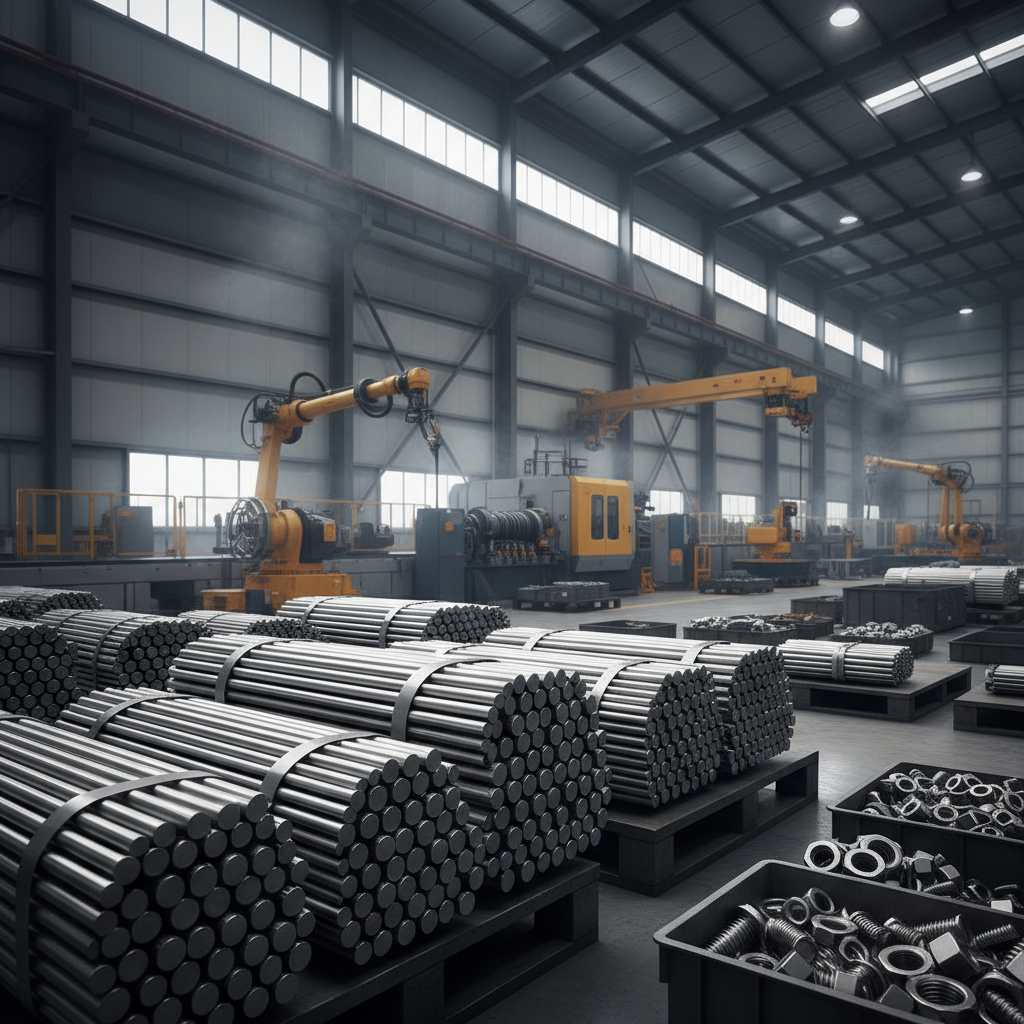
- Construction & Infrastructure: From joining steel I-beams in bridges to securing concrete formwork, 16mm threaded bars offer structural integrity globally.
- Humanitarian Aid: NGOs and relief groups rely on these bars in rapid-build shelter kits—especially after earthquakes or hurricanes—in Asia, Africa, and Latin America.
- Industrial Machinery: Factories in Europe and North America integrate them into machine frames where consistent load-bearing is vital.
- Renewable Energy: Wind turbines and solar panel mounts use these bars for adjustable connection points that withstand outdoor elements.
I remember a client in the Philippines telling me about how their post-typhoon housing projects used 16mm threaded bars to speed assembly while ensuring safety—even in tough weather. It’s a great reminder that these humble rods have an outsized impact.
Mini takeaway: Whether skyscrapers or shelters, the 16mm threaded bar is everywhere, even when you don’t notice.
What Makes the 16mm Threaded Bar a Long-Term Winner?
Its biggest advantage is reliability. Safety matters—no one wants fasteners that fail under pressure. This bar’s strength gives engineers and builders peace of mind, especially in critical structural points.
Cost-wise, they’re surprisingly economical, especially when bulk buying. More importantly, choosing corrosion-resistant variants improves lifespan, reducing replacement costs and ecological footprint. It’s a simple choice with sustainability baked in.
And on a human level, these bars help provide safe, dignified living and working spaces worldwide, amplifying social value beyond pure economics. Innovation in coatings and design keeps these bars relevant well into the future.
Weighing Your Options: Comparing Top 16mm Threaded Bar Vendors
| Vendor | Material Options | Coating Availability | Bulk Pricing Discounts | Delivery Regions |
|---|---|---|---|---|
| SteelPro Ltd. | Carbon Steel, Galvanized | Hot-dip galvanizing | 5-10% (over 10 tons) | Global |
| FastFix Supply | 304 Stainless, Alloy Steel | Electro-polished | 7% (over 5 tons) | North America, Europe |
| Global Steel Co. | Various grades, including S275 | Galvanized & painted | 10% (over 15 tons) | Asia, Africa, Middle East |
Looking Ahead: Future Trends in Threaded Bars
Material science is starting to influence what these bars can do. We’re seeing stronger yet lighter alloys paired with advanced coatings that fight corrosion far better than traditional galvanizing. Add to that Industry 4.0's push—imagine bars with embedded sensors to track stress or even wear and tear in real time. Oddly enough, that’s not so sci-fi anymore.
Green initiatives also encourage use of recycled steel content and energy-efficient production, trimming carbon footprints. Plus, modular construction’s rise means fasteners like the 16mm threaded bar will only grow in importance, needing to be as adaptable as they are tough.
Challenges & Clever Fixes When Using 16mm Threaded Bars
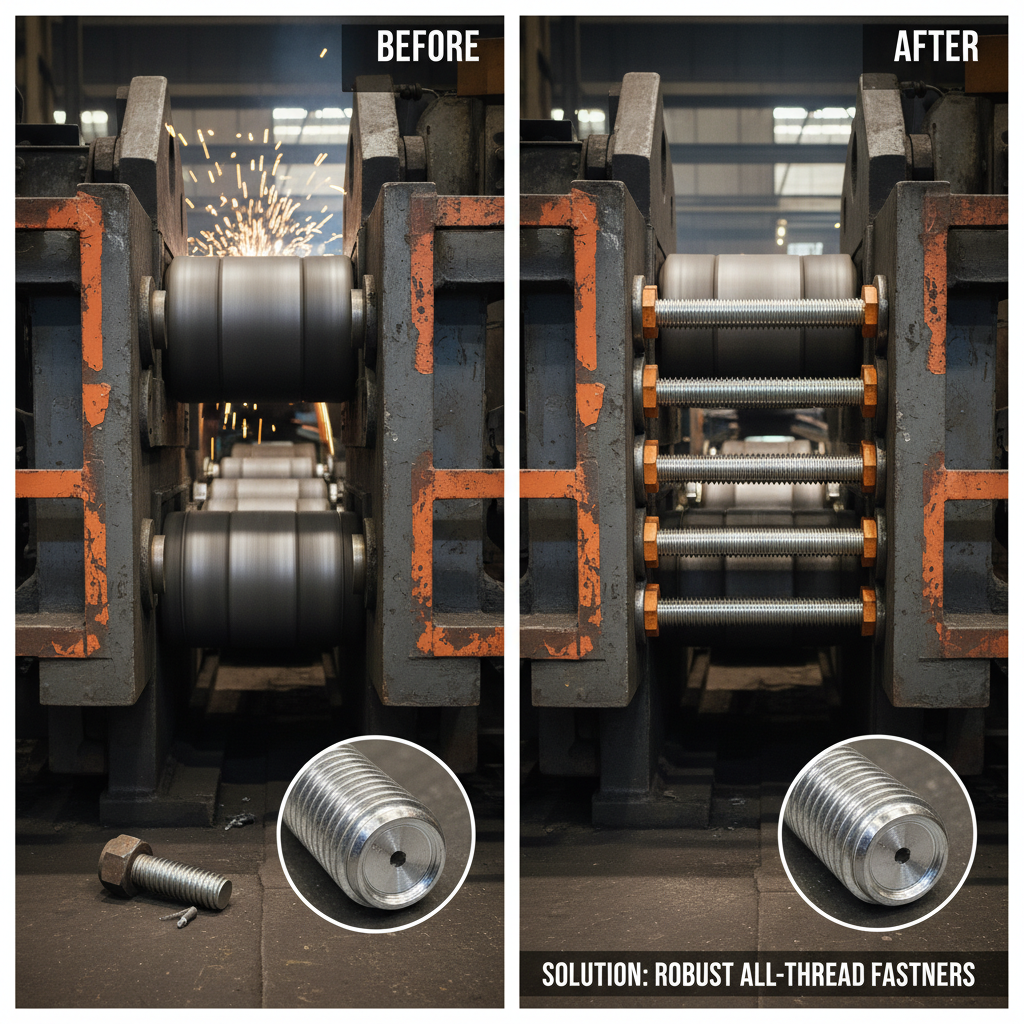
One common snag is corrosion in extreme environments. While coatings help, no solution is perfect. Engineers sometimes combine threads with special lubricants or protective sleeves. Also, thread damage during transport or installation can cause headaches. Protective packaging and strict quality control are key.
Then, supply chain hiccups—demand spikes in disaster relief can outpace availability. This is where local sourcing strategies, like through vendors with broad regional delivery networks, become critical.
Frequently Asked Questions About 16mm Threaded Bars
- Q: What makes 16mm threaded bars preferable over smaller diameters for construction?
- A: The 16mm diameter offers a great blend of strength and versatility, able to hold heavier loads safely while still being workable on-site. Smaller diameters might not withstand the stresses of load-bearing applications and can risk failure.
- Q: How do I know which material grade to choose?
- A: It depends on the environment and use-case. Stainless steel or galvanized bars resist corrosion better for outdoor or coastal projects, while carbon steel may suffice indoors or where budget constraints exist.
- Q: Can these bars be cut onsite if needed?
- A: Yes, but cutting can damage threads and reduce strength at the ends. If onsite cutting is necessary, it’s essential to re-thread or properly finish the ends and use compatible nuts for assembly.
- Q: Are 16mm threaded bars compatible with standard nuts and fittings?
- A: Absolutely, provided the thread pitch matches standard specifications (usually M16 coarse thread). Always verify thread types to avoid mismatches that cause assembly problems.
- Q: How can NGOs import these bars efficiently for emergency projects?
- A: Partnering with suppliers that maintain global distribution and offer expedited shipping is crucial. Also, bulk ordering reduces per-unit costs and ensures availability during urgent demands.
Wrapping Up: Why the 16mm Threaded Bar Never Goes Out of Style
So, the 16mm threaded bar might be just a simple steel rod to some, but to the construction engineers, humanitarian workers, and manufacturers relying on it daily, it’s a backbone of progress and safety. Its blend of reliability, availability, and adaptability ensures it will remain a staple in the fast-paced world of building and repair.
Fancy seeing a catalog or getting a quote? Visit https://www.hbtbls.com — they offer a comprehensive range of 16mm threaded bars perfect for your next project.
Final takeaway: The unassuming 16mm threaded bar quietly holds up our built world — sturdy, reliable, and ready for the future.
References:
Post time: Nov . 27, 2025 21:50


 English
  Albanian
  Arabic
  Armenian
  Azerbaijani
  Belarusian
  Bosnian
  Bulgarian
  Cebuano
  Corsican
  Czech
Czech  Galician
  Georgian
  Greek
Greek  Hausa
Hausa  Hebrew
  Hungarian
  Igbo
Igbo  Indonesian
  Italian
  Kazakh
  Khmer
Khmer  Korean
  Kurdish
  Kyrgyz
  Lao
Lao  Latin
Latin  Latvian
  Lithuanian
  Malay
Malay  Myanmar
  Nepali
  Polish
  Portuguese
  Russian
  Serbian
  Sesotho
  Shona
Shona  Sindhi
  Spanish
  Tagalog
  Tajik
Tajik  Thai
Thai  Turkish
  Turkmen
  Ukrainian
  Uzbek
Uzbek  Vietnamese
  Yoruba
  Zulu
Zulu