
Understanding M12 Studding: What It Is and Why It Matters Today
If you’ve ever peeked under the hood of a construction project or peeked into industrial installations, chances are you’ve come across the term m12 studding. But what exactly is it, and why does it deserve more attention than a fleeting glance? In simple terms, m12 studding refers to threaded rods with an M12 diameter specification—essentially, sturdy steel rods with threads running along the entire length, about 12mm thick. On a grander scale, these seemingly simple components underpin a wide array of global industries, from construction in sprawling urban metropolises to remote oil rigs and even humanitarian emergency shelters. Proper understanding of m12 studding can lead to safer structures, more efficient industrial processes, and cost savings that ripple across supply chains worldwide. ### The Global Link: Why M12 Studding Is a Worldwide Industrial Backbone Think about it: a continuously growing global population, increased urbanization projected by UN data to hit around 68% by 2050, and expanding infrastructure needs all point toward heightened demand for reliable fastening solutions. The World Bank noted that sustainable infrastructure investment is crucial to advancing economic growth in developing regions. This often means building quickly, stronger, but without compromising cost. Enter m12 studding — a deceptively simple answer to a complex logistics and engineering challenge. Its ability to provide high-tensile strength within a compact form makes it vital in industries such as mechanical engineering, modular housing, energy plants, or disaster relief setups where speed and reliability matter profoundly. Yet challenges arise. Often, projects in harsh environments struggle with corrosion or lack of standardization. That’s the kind of puzzle m12 studding’s material improvements and global standards like ISO 898-1 are primed to solve. #### Mini Takeaway: M12 studding isn’t just a rod; it’s a global connector for industries striving to balance rapid development and durability in a changing world.What Does M12 Studding Really Mean?
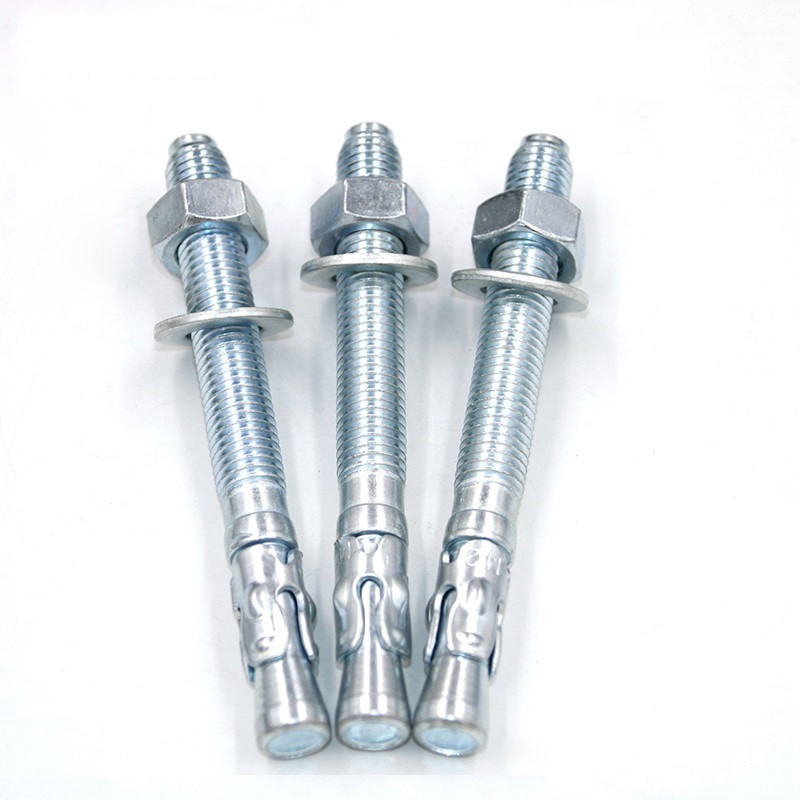
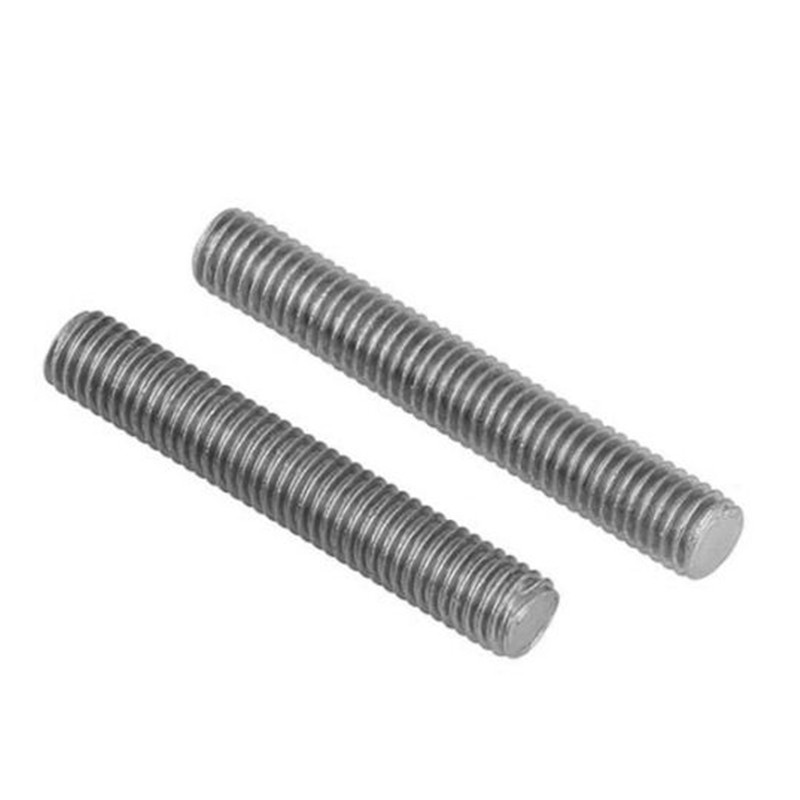
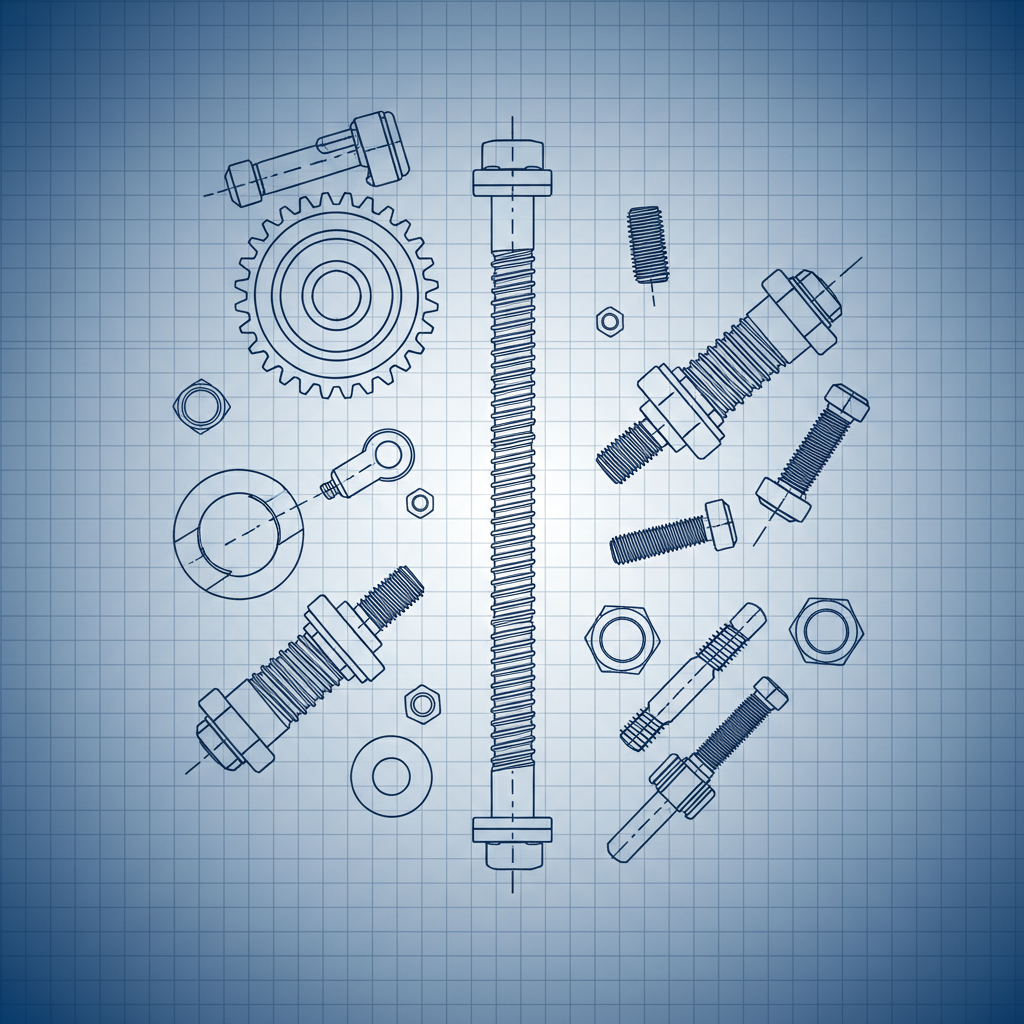
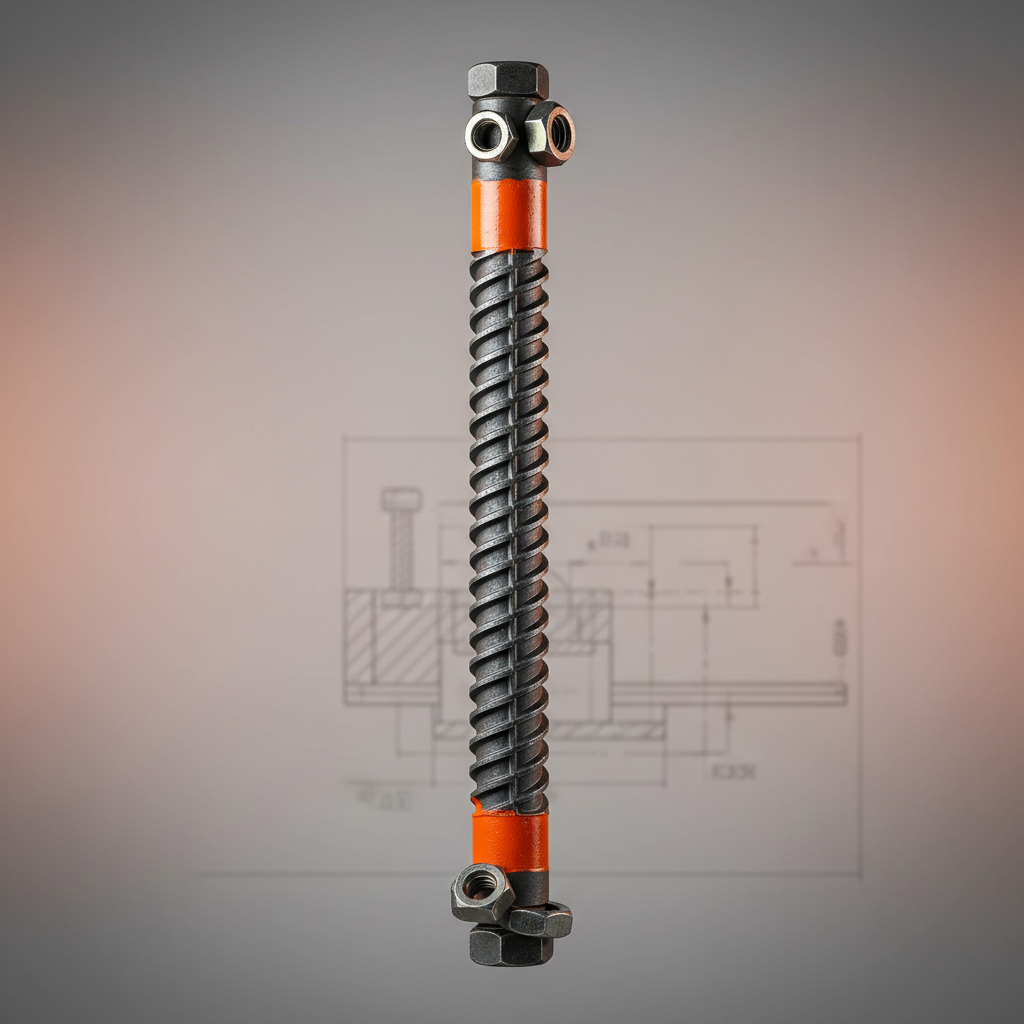
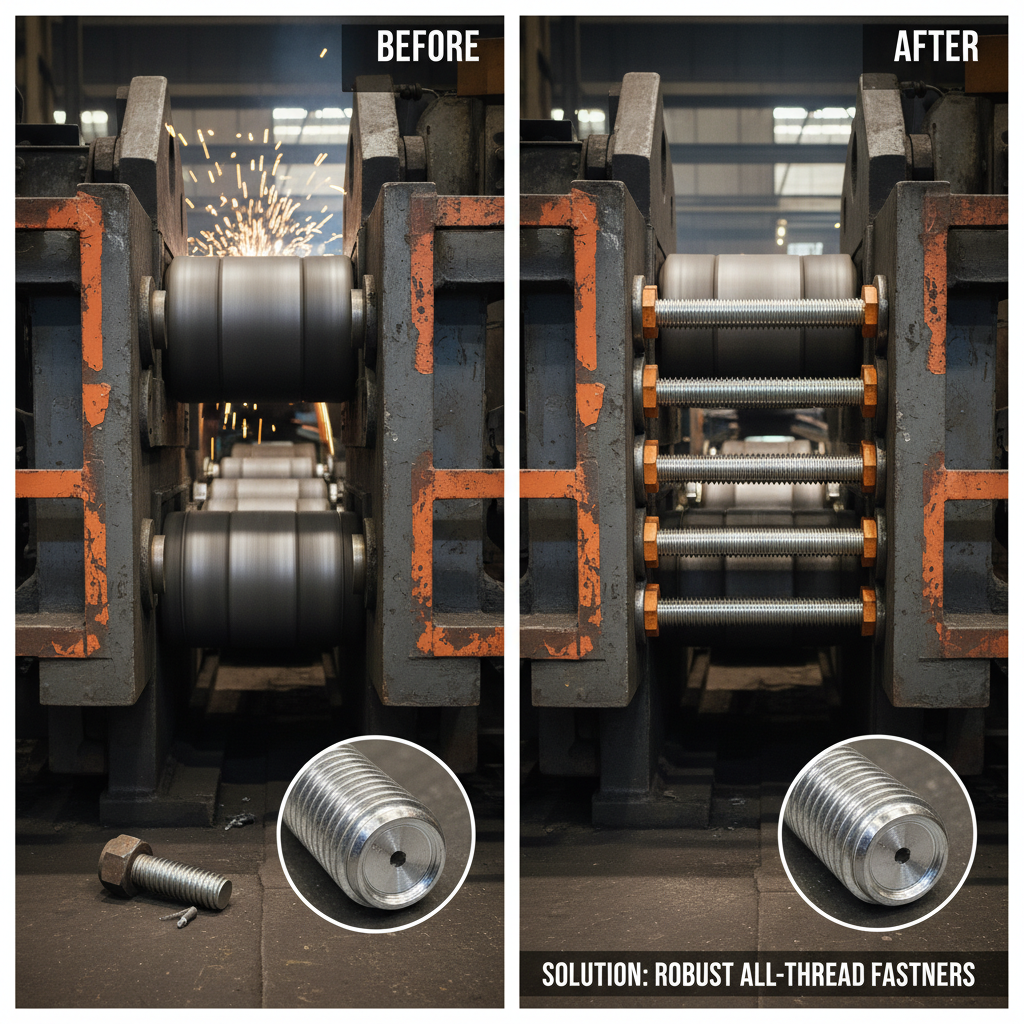
At its core, m12 studding is a type of threaded rod measuring nominally 12 millimeters in diameter. Threaded rods, unlike bolts, are threaded all along their length, providing versatile fastening options in places that demand expansion, tensioning, and easy adjustments. In practical terms, m12 studding acts as a skeletal element — think of it as part of the “bones” holding up everything from temporary modular office units to heavy-duty machinery brackets. This small but mighty hardware finds particular relevance in modern industries leaning towards modular design and rapid setup solutions. Even humanitarian agencies rely on these parts to build fast-deploying shelters that can endure tough conditions.Key Characteristics That Define M12 Studding
- Durability: Typically crafted from carbon steel or stainless steel, these rods can withstand tremendous mechanical stress.
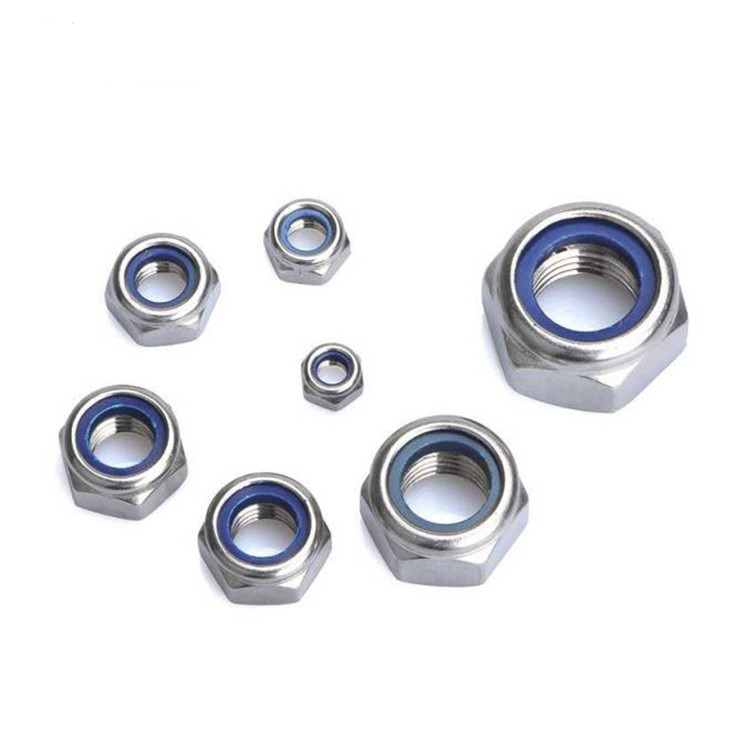
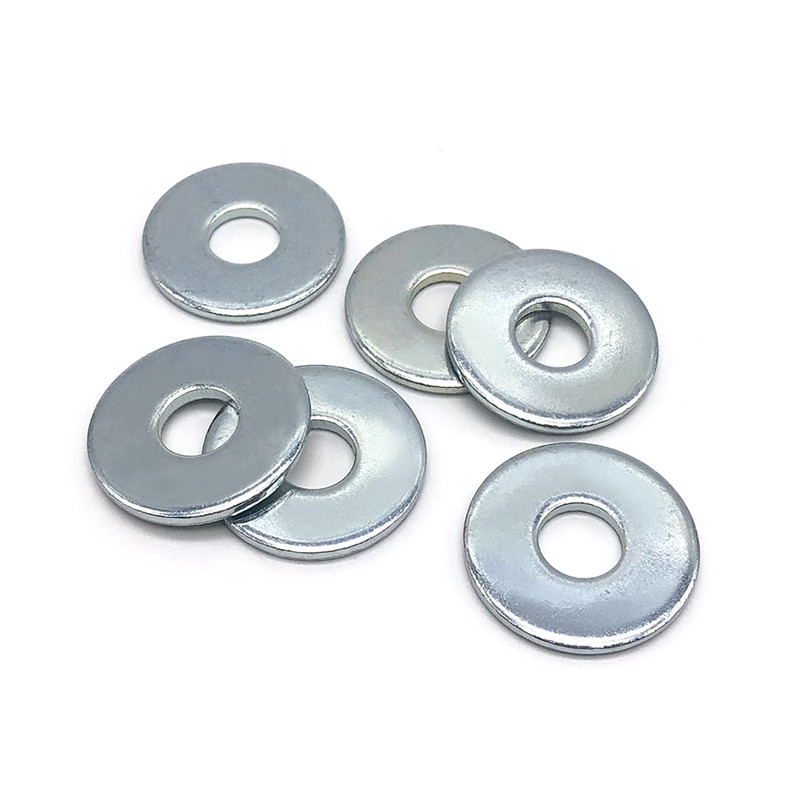
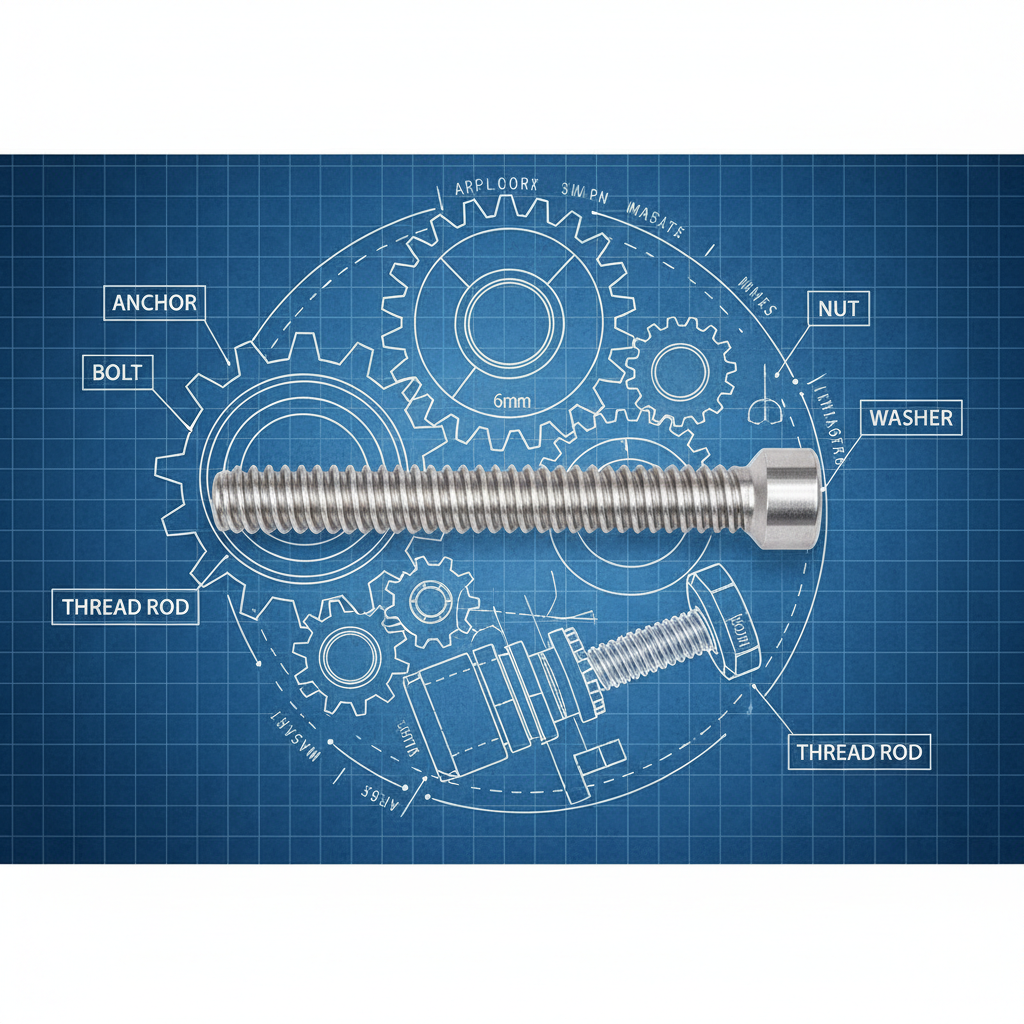
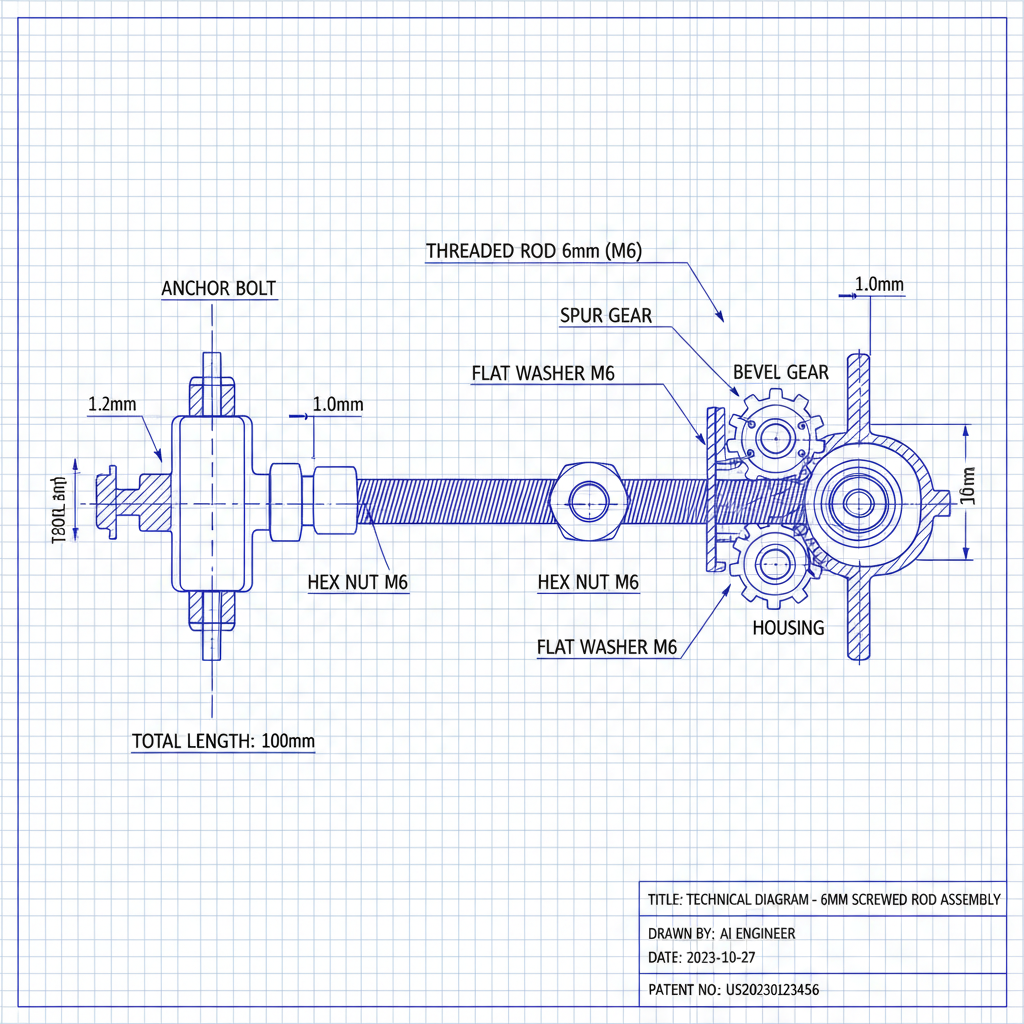
- Versatility: Thread length customization and compatibility with various nuts and washers make them flexible connectors.
- Corrosion Resistance: Through galvanization or other coatings, m12 studding adapts to corrosive environments, crucial for outdoor or chemical-exposed applications.
- Cost Efficiency: Their relatively simple manufacturing keeps costs low—helping projects stay on budget.
- Scalability: Easily integrated into mass-production or one-off manufacturing processes.
Global Applications: Where and How M12 Studding Shines
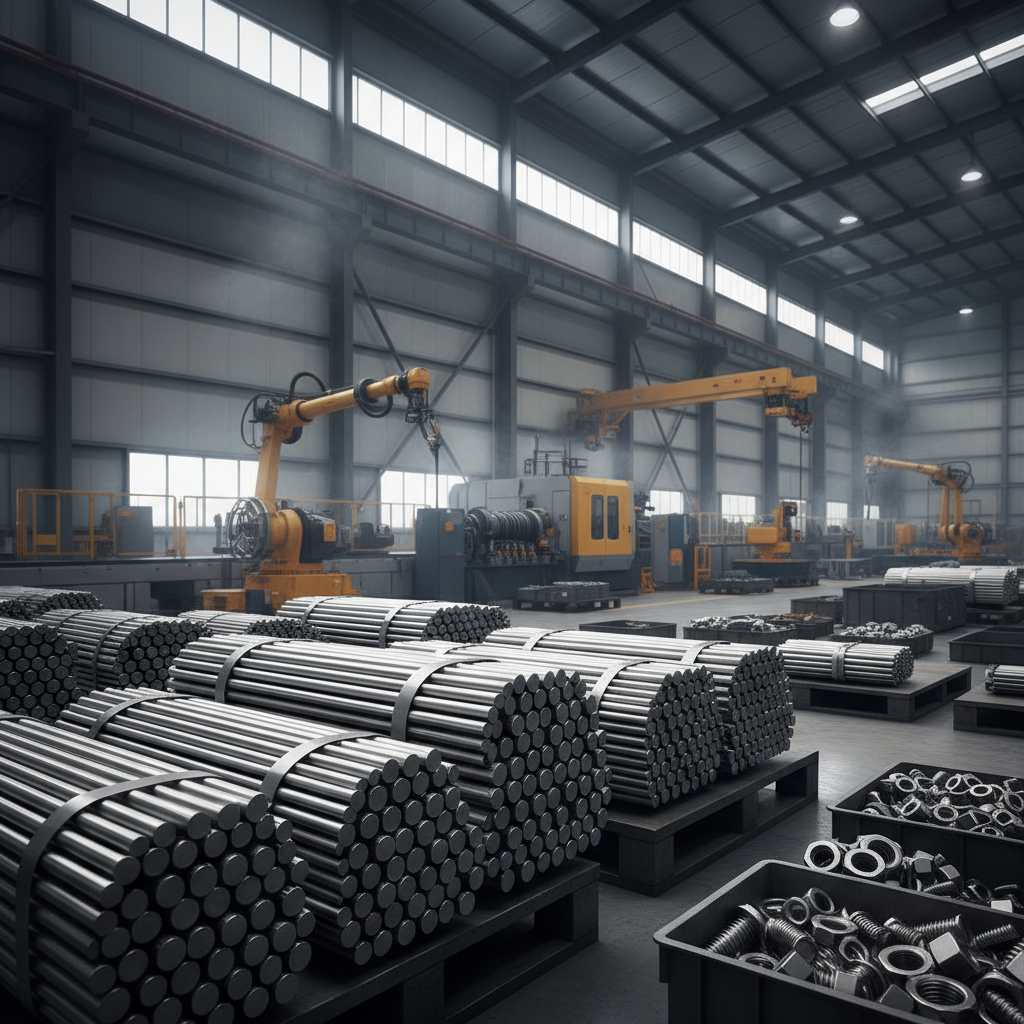
This isn’t some niche hardware; it’s everywhere. In remote mining operations of Australia, m12 studding supports conveyor belts carrying tons per hour of ore. In Europe, modular housing companies rely on it to connect frame components quickly, reducing assembly times dramatically. During post-disaster relief, NGOs often require rapid-deployment shelters that must be sturdy yet light enough for shipment. M12 studding tools facilitate these setups—easy assembly and secure bracing help provide dignity and safety to displaced people swiftly. The energy sector, especially wind farms growing in the North Sea, uses m12 studding for turbine assembly frames, where wind loads create intense stresses and corrosion risks are high. Each context values reliability and standard compatibility. The result? Across regions and sectors, m12 studding quietly but effectively keeps systems together.Product Specification Table
| Specification | Details |
|---|---|
| Diameter | 12 mm (M12) |
| Length | 50 mm up to 1500 mm (customizable) |
| Material | Carbon Steel / Stainless Steel |
| Thread Pitch | 1.75 mm standard |
| Finish | Plain, Zinc Plated, Hot-Dip Galvanized |
| Strength Grade | 4.8, 8.8, 10.9 |
Advantages & Long-Term Benefits of Choosing M12 Studding
If you ask engineers, they’ll tell you that fast adaptation and resilience often come down to components like these. In terms of cost, m12 studding strikes a balance between strength and affordability, ensuring projects don’t blow budgets while maintaining safety margins. Sustainability-wise, opting for galvanized or stainless steel variants extends lifecycle, reduces replacements, and ultimately impacts less resource consumption. Socially, quick assembly frameworks built with these studs can mean emergency shelters ready in hours, not weeks—sometimes a matter of survival and dignity. Oddly enough, there is a subtle emotional benefit here too. Reliability breeds trust—knowing your framework won’t fail you under pressure allows teams to work confidently, a priceless reassurance during crises or high-stakes builds.Future Trends: Innovations Around M12 Studding
The industry is quietly evolving. Researchers are looking into high-strength alloys and lighter composite threaded rods to reduce weight while maintaining—or even boosting—durability. Smart coatings that automatically detect and repair corrosion are already under testing phases. Additionally, digital transformation means improved quality-control through automated threading and computer-verified torque application, boosting uniformity. We’re also seeing a push for greener production processes and integration with sustainable sourcing policies. For those interested in modular construction, m12 studding is set to become more compatible with automation in assembly lines, potentially reducing labor costs and errors.Challenges & Ways to Overcome Them
No solution is perfect. Corrosion in particularly aggressive environments, mismatches in thread standards due to international sourcing, and supply chain bottlenecks can hinder efficiency. However, these challenges have clear remedies: specification harmonization via international standards (ISO), improved supply networks with local stock, and applying protective coatings like hot-dip galvanizing that protect against salt, chemical, or moisture damage. Some companies even customize threads or develop modular studding systems that snap together more easily, reducing dependence on specialized tools or qualified labor — perfect for off-grid or disaster relief operations.FAQ: Frequently Asked Questions About M12 Studding
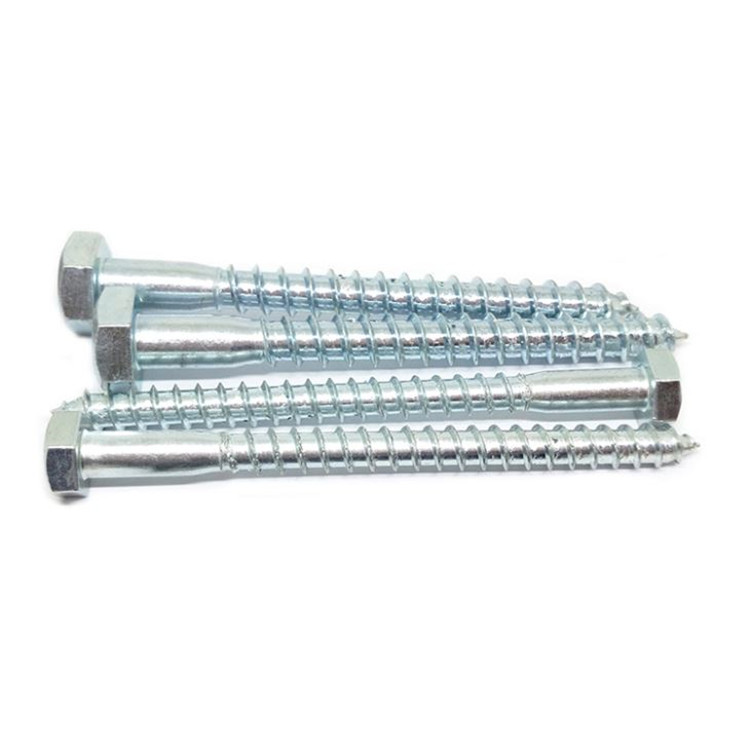
Q1: What’s the main difference between m12 studding and regular bolts?A1: M12 studding is fully threaded along its length, allowing more versatile fastening and adjustable joint tension. Bolts have partially threaded shanks and are generally used for fixed-depth fastening. Q2: How long can m12 studding last in harsh outdoor environments?
A2: With proper coatings like hot-dip galvanizing or stainless steel alloys, m12 studding can last decades even in corrosive saltwater or industrial atmospheres. Q3: Are customized lengths of m12 studding readily available?
A3: Yes. Most suppliers offer cut-to-length services, which is essential for unique project requirements in construction, manufacturing, or emergency relief. Q4: How can small businesses source high-quality m12 studding internationally?
A4: Partnering with verified suppliers who comply with ISO standards and have export experience can smooth import processes. It's best to request samples first and verify certifications. Q5: Is m12 studding suitable for modular housing assemblies?
A5: Absolutely. Its strength and adaptability make it ideal for quick, durable connections in modular construction.
Conclusion: The Long-Term Value of M12 Studding
In the grand scheme, m12 studding might seem humble — but its influence is quietly vast. From scaffolding skyscrapers to erecting shelters for disaster victims, these threaded rods hold more than metal and steel; they hold together complex human endeavors. Interested? Visit our website at https://www.hbtbls.com to explore how m12 studding solutions can fit your projects or operations.Vendor Comparison Table
| Vendor | Material Options | Custom Lengths | International Shipping | Price Range |
|---|---|---|---|---|
| Global Fasteners Co. | Carbon Steel, Stainless Steel | Yes (50–1500 mm) | Worldwide | Mid-Range |
| Precision Studs Ltd. | High-strength Alloy Steel | Yes (Custom lengths available) | Selective Regions | Premium |
| EcoStud Solutions | Recycled Steel, Stainless | Limited (Standard Lengths) | Europe Focused | Budget-Friendly |
Reflecting on all this, m12 studding is one of those quietly powerful components that engineers swear by. It’s not flashy, but it’s essential — the kind of gear that if it isn’t up to snuff, everything else feels it.
References
Post time: Nov . 28, 2025 10:45


 English
  Albanian
  Arabic
  Armenian
  Azerbaijani
  Belarusian
  Bosnian
  Bulgarian
  Cebuano
  Corsican
  Czech
Czech  Galician
  Georgian
  Greek
Greek  Hausa
Hausa  Hebrew
  Hungarian
  Igbo
Igbo  Indonesian
  Italian
  Kazakh
  Khmer
Khmer  Korean
  Kurdish
  Kyrgyz
  Lao
Lao  Latin
Latin  Latvian
  Lithuanian
  Malay
Malay  Myanmar
  Nepali
  Polish
  Portuguese
  Russian
  Serbian
  Sesotho
  Shona
Shona  Sindhi
  Spanish
  Tagalog
  Tajik
Tajik  Thai
Thai  Turkish
  Turkmen
  Ukrainian
  Uzbek
Uzbek  Vietnamese
  Yoruba
  Zulu
Zulu