
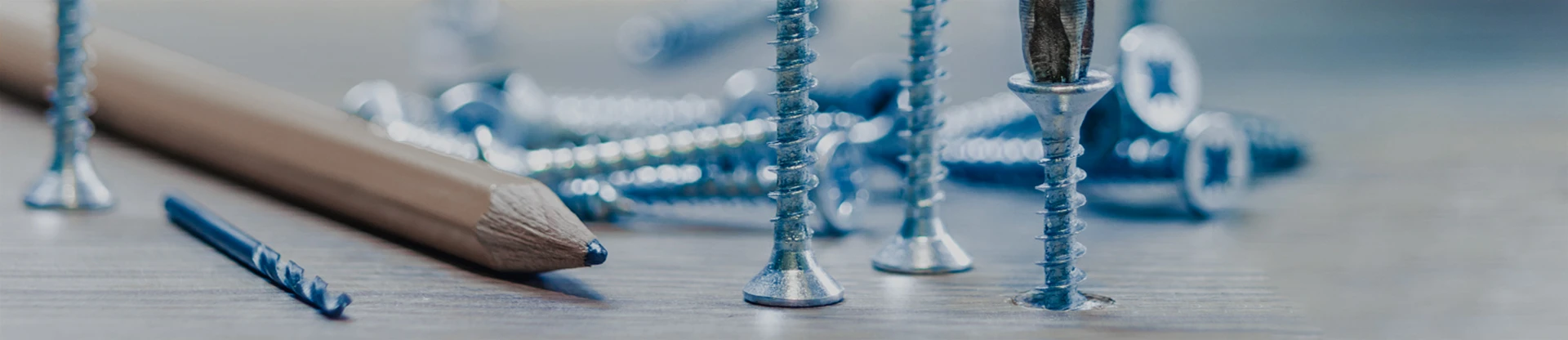
Unlocking the Potential of the 10 24 Threaded Rod: Small Part, Big Impact
At first glance, a 10 24 threaded rod might seem just another tiny piece of metal hardware, but its role in global industry, construction, and engineering is far from trivial. Threaded rods like these are the unseen heroes binding projects together—from massive infrastructure builds to delicate electronic housings. Understanding the specifications and applications of a 10 24 threaded rod unlocks benefits ranging from easier assembly to greater structural integrity, the kind of efficiency every engineer dreams about.
Why the 10 24 Threaded Rod Matters on a Global Stage
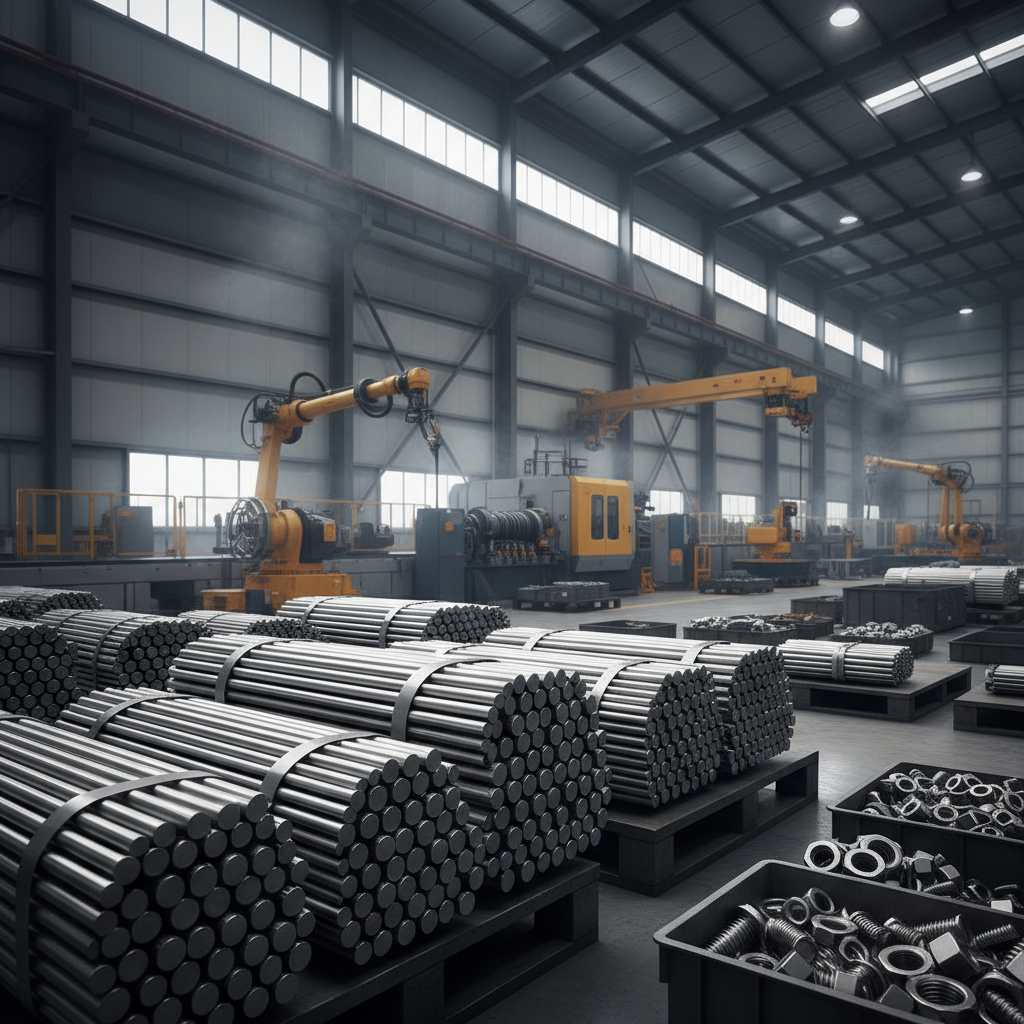
It might surprise you, but the humble threaded rod has a footprint in economies large and small worldwide. Consider that the manufacturing sector, responsible for more than 16% of global GDP according to the World Bank, relies heavily on standardized fasteners for machinery assembly and maintenance. The 10 24 threaded rod—a screw with specific diameter and thread count—is a staple in these operations. What’s more, as sustainability and modular design become essential, such components offer reusable, easy-to-source solutions.
However, there’s a pressing challenge here: inconsistent specifications and poor-quality fasteners can disrupt supply chains and delay projects, costing millions. This is why standard thread sizes like 10-24 (which we'll define a bit further down) have become central in harmonizing manufacturing worldwide.
Defining the 10 24 Threaded Rod in Simple Terms
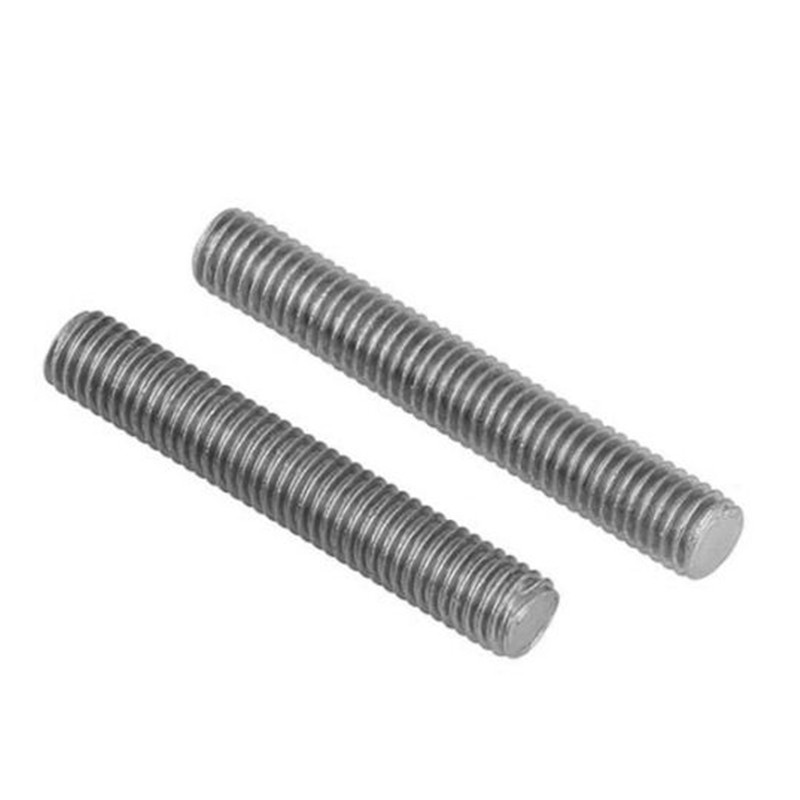
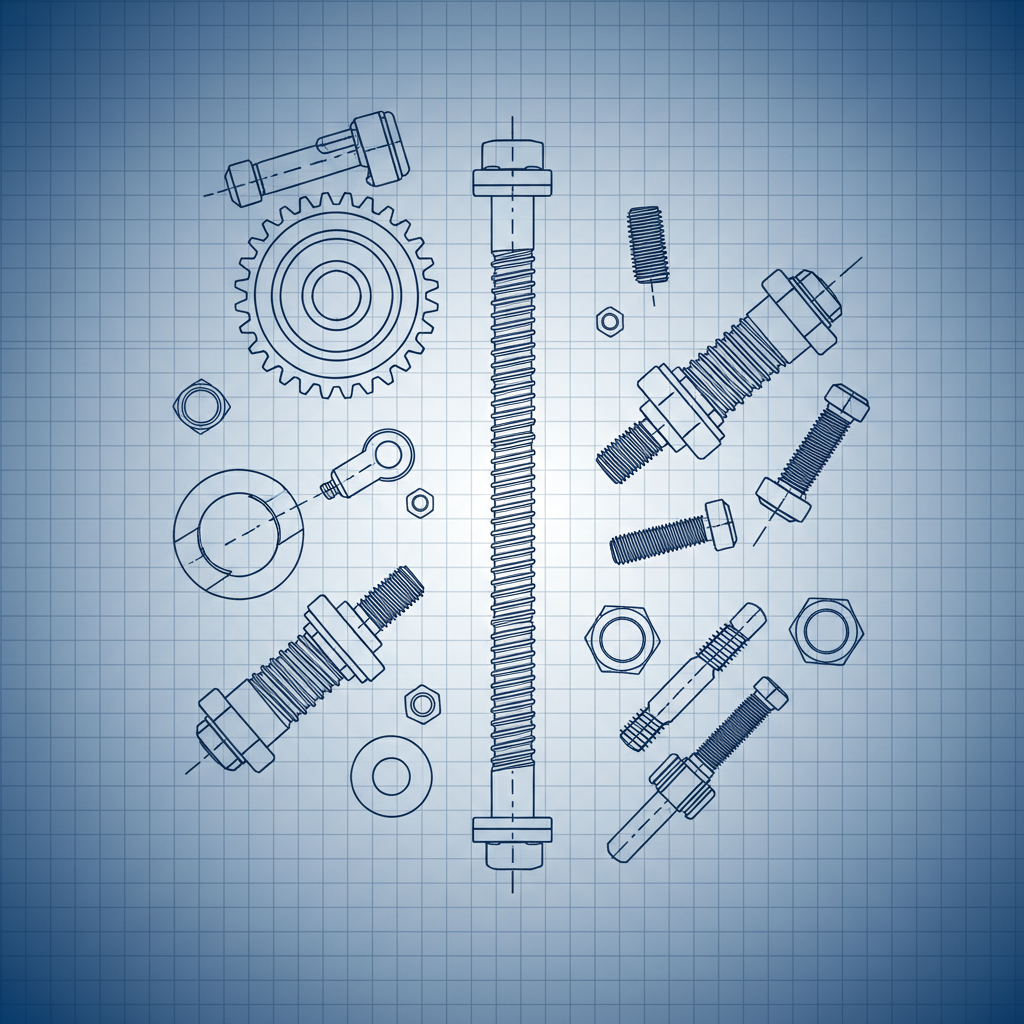
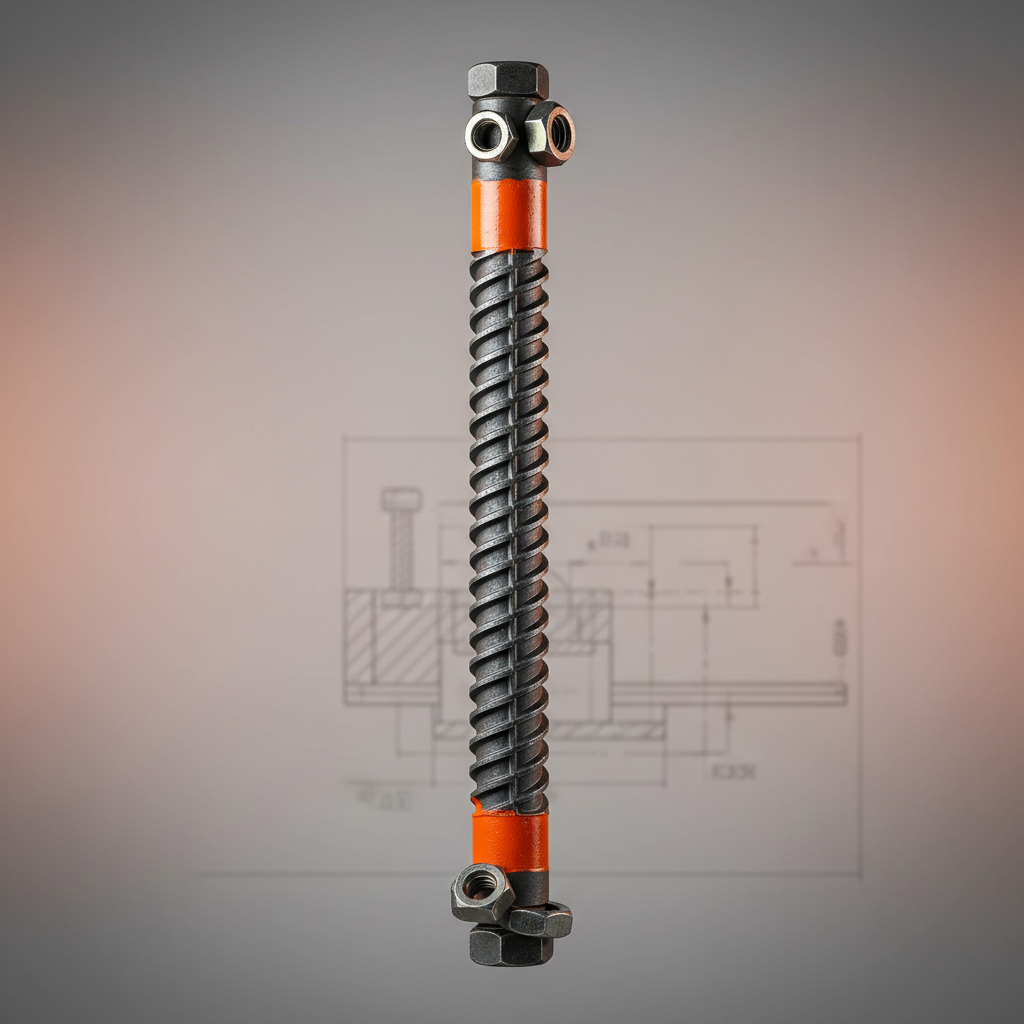
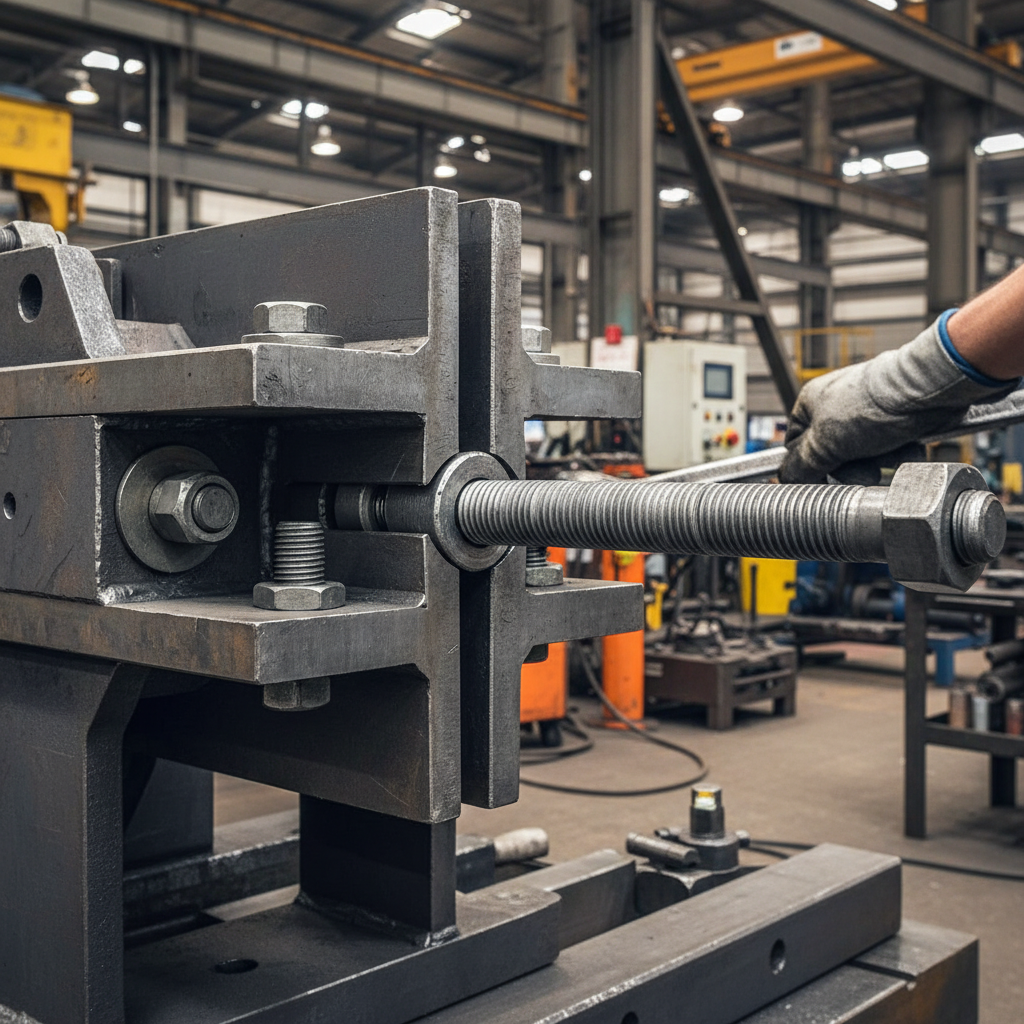
So what exactly is a 10 24 threaded rod? It’s a metal rod, typically steel or stainless steel, that’s threaded along its length with an outer diameter standardized at #10 size (approx 0.19 inches or 4.8mm) and 24 threads per inch (tpi). In practical terms, it’s like a long bolt without a head, designed to be inserted through parts and fastened with nuts on either side.
This kind of fastener is particularly favored in applications requiring adjustable tension or length, such as in support framing, machinery assembly, or even the construction of emergency housing. Interestingly, it also features prominently in humanitarian aid kits where modular, easy-to-assemble structures are vital.
Core Components and Key Factors of the 10 24 Threaded Rod
1. Material Strength and Durability
The most common materials are stainless steel and zinc-plated steel, each offering corrosion resistance suited to different environments—from humid coastlines to dry warehouses. Durability is critical. For example, a rusting rod on a bridge frame is a nightmare waiting to happen.
2. Threading Precision
The 24 threads per inch mean a fine thread, offering better holding power and making small tension adjustments possible. Many engineers say fine threading, like the 10-24, is better for lighter gauge materials and precise applications.
3. Versatility in Length and Diameter
The rods come in many lengths, from a few inches to several feet, allowing customization on-site. This scalability makes them useful both in the factory and out on the field.
4. Cost Efficiency and Supply Chain Availability
Due to standardization, 10 24 threaded rods often have stable pricing and are readily available worldwide, reducing lead times and unsold inventory risks.
5. Environmental Impact
Recyclability and material sourcing have become priorities. Stainless steel variants often contain recycled materials, aligning with ISO 14001 standards for sustainable manufacturing.
10 24 Threaded Rod: Real World Applications Across Continents
Whether you’re in North America, Europe, or Asia, these rods quietly swing into action. In North America’s construction sector, they’re part and parcel of fastening HVAC systems and concrete formwork. In emerging markets, NGOs use them for assembling temporary field clinics or disaster-relief shelters—structures that need to be strong yet lightweight and rapidly deployable.
That reminds me of a case in Nepal after the 2015 earthquake. Rescue teams reportedly used threaded rods to assemble modular supports for temporary housing quickly, minimizing further casualties. Industrial zones in Southeast Asia rely heavily on these rods when erecting machinery supports for factories transitioning toward automation.
Product Specification Table for 10 24 Threaded Rod
| Specification | Value | Remarks |
|---|---|---|
| Diameter | 0.190 inches (4.83 mm) | Standard #10 size |
| Thread Pitch | 24 Threads per Inch (TPI) | Fine thread; precise fastening |
| Material | Stainless Steel / Zinc Plated Steel | Corrosion resistance options |
| Length Options | 1 inch to 48 inches (Custom available) | Flexible sizes |
| Tensile Strength | Up to 70,000 PSI (depends on material grade) | Ensures reliability in load-bearing |
Advantages & Long-Term Value of Utilizing 10 24 Threaded Rods
There’s a practical elegance about these rods. First, the cost savings are not just upfront but in maintenance and adaptability. If a structure needs modifying, threaded rods allow easy disassembly and replacement. That flexibility translates into long-term trust—clients know these fasteners won’t betray them mid-project.
Beyond cost, there's safety. Properly selected and installed rods resist corrosion and fatigue, protecting infrastructure and, frankly, lives. Plus, the emotional confidence that trustworthy, tested components bring cannot be overstated—engineers sleeping easier knowing their projects won’t unravel due to a subpar fastener.
Vendor Comparison: Popular Sources of 10 24 Threaded Rod
| Vendor | Material Options | Length Variety | Price Range | Shipping Regions |
|---|---|---|---|---|
| Fastenal | Steel, Stainless Steel | 1” to 36” | $0.50 - $5.00 per rod | North America |
| Grainger | Steel, Zinc Plated | 1” to 48” | $0.75 - $6.00 per rod | Global |
| McMaster-Carr | Steel, Stainless Steel, Alloy | Custom lengths | $1.00 - $10.00+ per rod | Global |
Future Trends & Innovations Shaping 10 24 Threaded Rod Usage
Looking ahead, several trends are worth watching. The shift toward green manufacturing means more suppliers are sourcing recycled steel and reducing waste associated with fastener production. Automating inventory management with RFID-tagged threaded rods is another innovation gaining traction, streamlining complex supply chains that keep global factories humming.
Oddly enough, 3D-printing tech is even being explored for custom threaded rods in unique alloys, though that’s still niche. As smart buildings become more prevalent, embedded sensors on rods and fasteners could alert maintenance teams of stress points before failures. It’s sort of the Internet of Things creeping into hardware you never thought would go digital.
Common Challenges and Clever Solutions
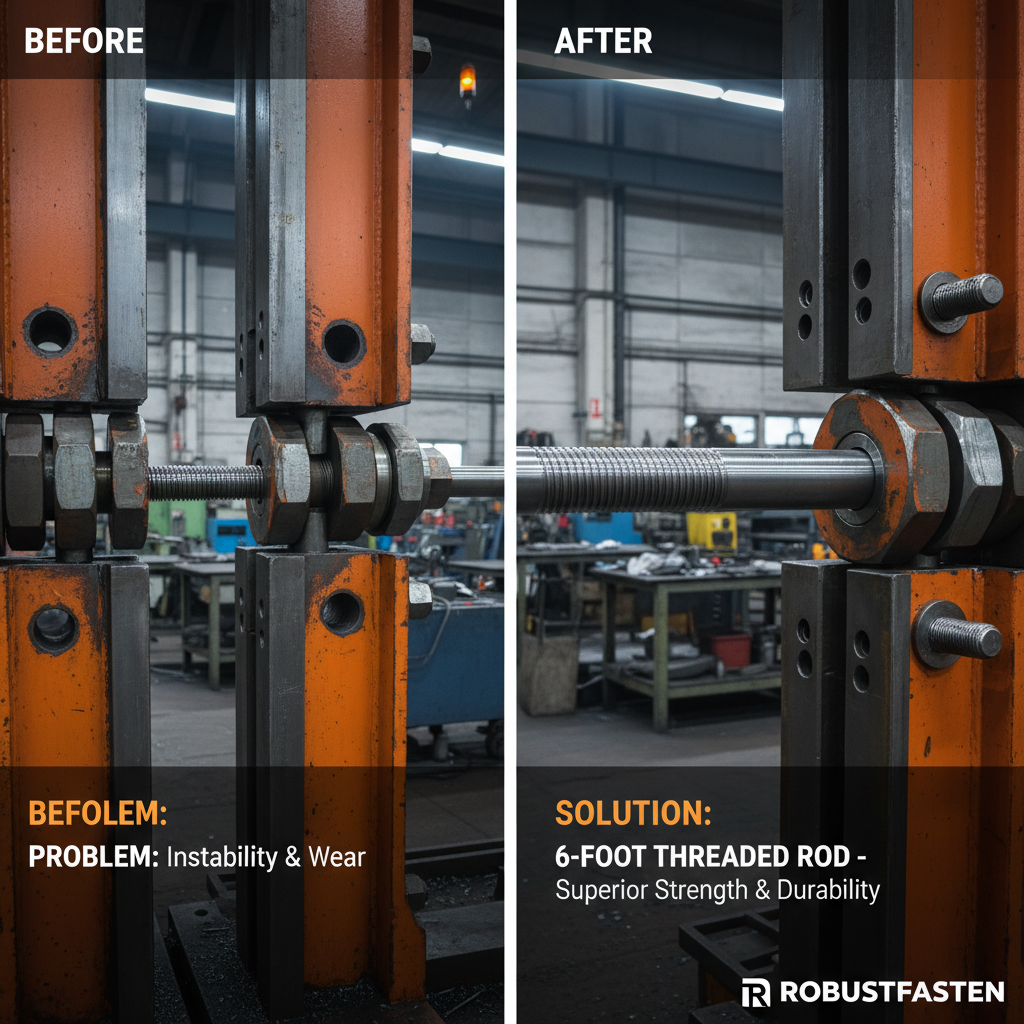
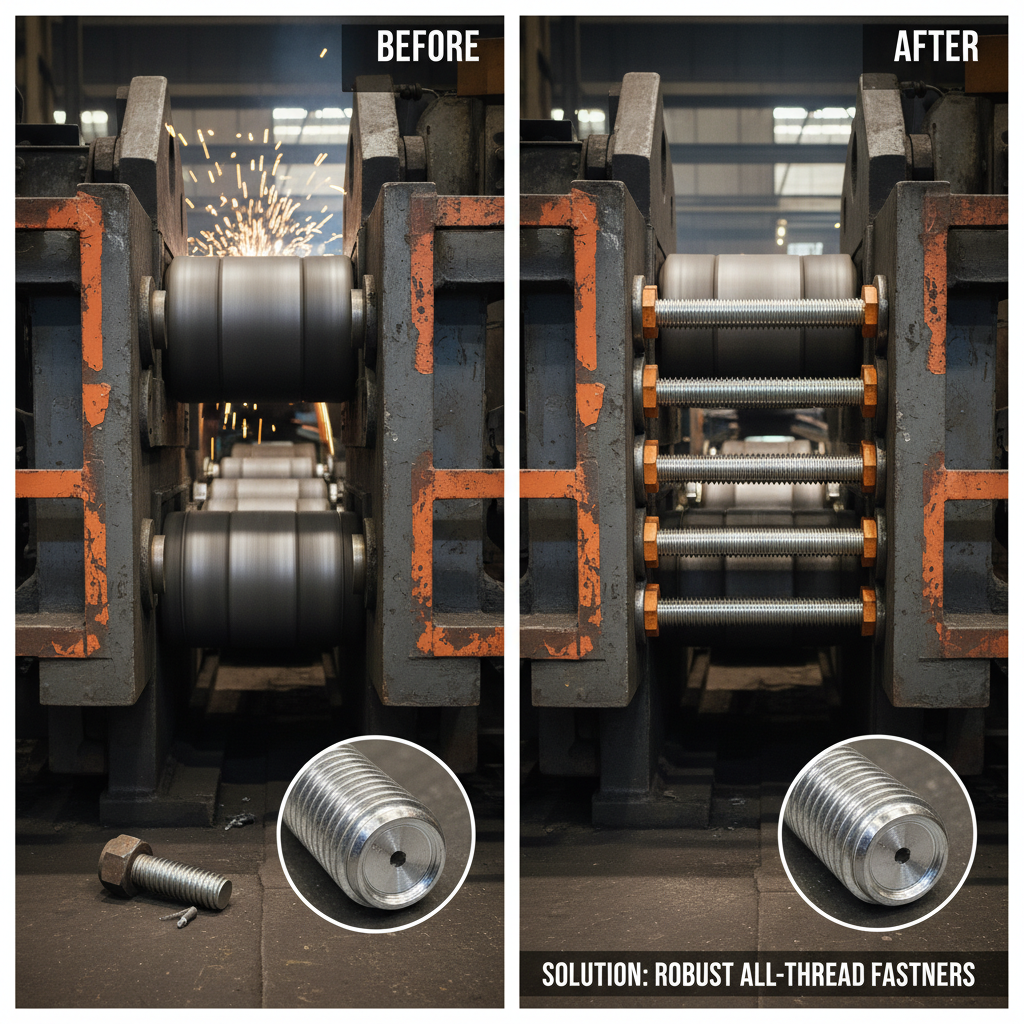
Despite their strengths, 10 24 threaded rods do face hurdles in practice. Corrosion remains a notorious nemesis, especially when steel rods are used outdoors without proper plating. Also, the fine threading can sometimes cross-thread easily if installers rush assembly.
Professionals often solve these problems with advanced coatings, like hot-dip galvanization, or switching to stainless steel variants entirely. Engineering teams conduct regular training on proper torque and alignment to prevent installation errors. Above all, sourcing rods from reputable manufacturers with consistent tolerances is crucial—quality control is king.
FAQ: Practical Questions About 10 24 Threaded Rod
- Q: What materials are best for 10 24 threaded rods used outdoors?
A: Stainless steel is generally best for outdoor use due to superior corrosion resistance, especially in marine or high-humidity environments. Zinc-plated rods offer some protection but may corrode faster over time. - Q: How do I know what length of 10 24 threaded rod to order for a project?
A: Measure the exact combined thickness of your components plus the nuts for fastening. Most suppliers offer cut-to-length options if standard sizes don’t fit. It’s always smart to order slightly longer rods to accommodate on-site adjustments. - Q: Can 10 24 threaded rods be reused after disassembly?
A: Yes, if they haven’t been damaged or overly corroded. Inspect threads carefully before reuse. Proper removal using the correct tools prevents thread damage and extends rod longevity. - Q: Are there eco-friendly options available for these rods?
A: Some manufacturers produce rods with recycled stainless steel complying with ISO standards for environmental management. Additionally, reusable nature helps reduce waste compared to custom fasteners.
In Closing: The Long-Term Benefits of Choosing the Right 10 24 Threaded Rod
The 10 24 threaded rod might not headline most projects, but its reliability, versatility, and global availability make it a backbone in fastener technology. Whether you're engineers stabilizing a factory line, NGOs building emergency shelters, or DIY enthusiasts perfecting home improvements, understanding this component pays dividends in safety, cost, and efficiency.
Explore our site for quality 10 24 threaded rods and related hardware to ensure your next project runs smooth: 10 24 threaded rod.
References
Post time: Nov . 29, 2025 23:15


 English
  Albanian
  Arabic
  Armenian
  Azerbaijani
  Belarusian
  Bosnian
  Bulgarian
  Cebuano
  Corsican
  Czech
Czech  Galician
  Georgian
  Greek
Greek  Hausa
Hausa  Hebrew
  Hungarian
  Igbo
Igbo  Indonesian
  Italian
  Kazakh
  Khmer
Khmer  Korean
  Kurdish
  Kyrgyz
  Lao
Lao  Latin
Latin  Latvian
  Lithuanian
  Malay
Malay  Myanmar
  Nepali
  Polish
  Portuguese
  Russian
  Serbian
  Sesotho
  Shona
Shona  Sindhi
  Spanish
  Tagalog
  Tajik
Tajik  Thai
Thai  Turkish
  Turkmen
  Ukrainian
  Uzbek
Uzbek  Vietnamese
  Yoruba
  Zulu
Zulu