
Why the m12 Rod Matters: A Quick Overview
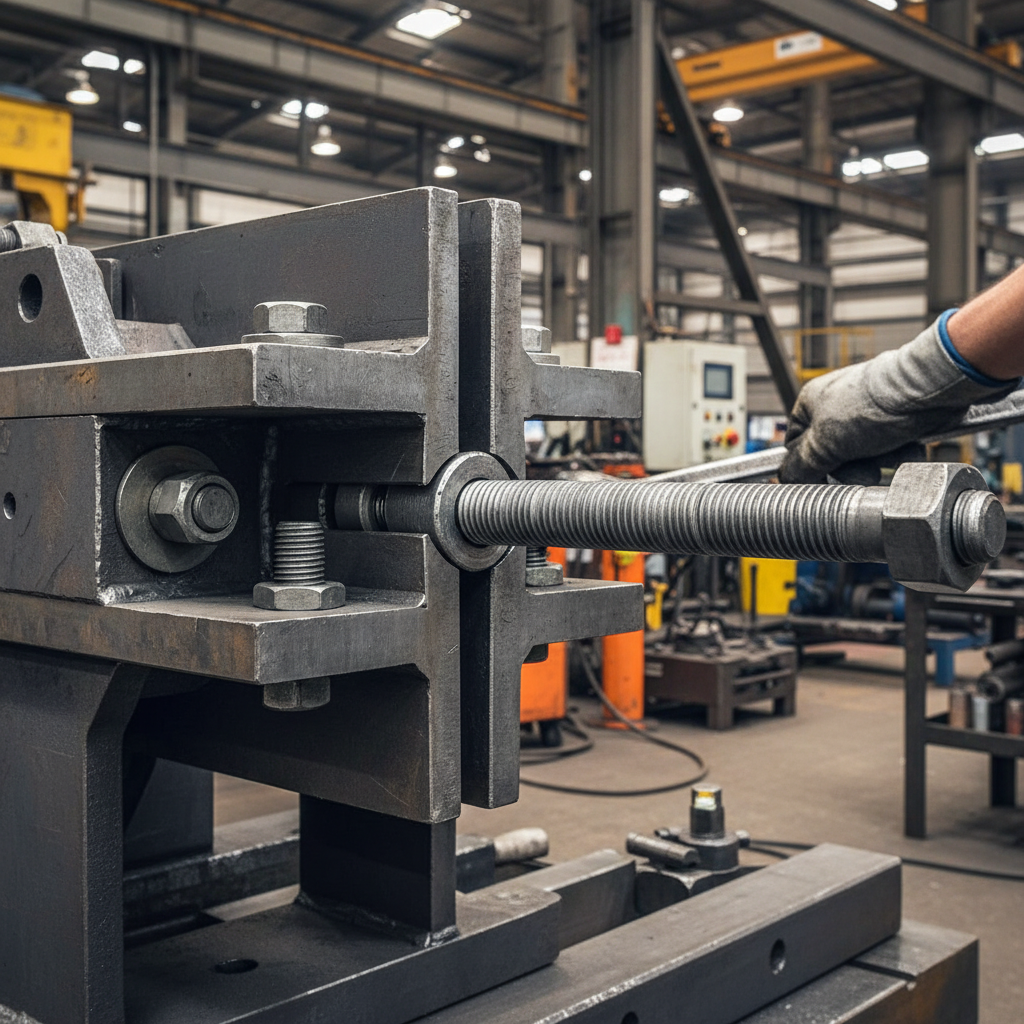
When you hear “m12 rod,” you might picture a simple steel bar, but it’s way more than that — it’s the backbone of countless structures and machines worldwide. The m12 rod, a standardized fastener or shaft roughly 12 millimeters in diameter, is a staple component in mechanical engineering, construction, and industrial manufacturing. Understanding its specs and applications means smoother projects, safer builds, and stronger products that weather the test of time. Globally, industries depend on its reliability for everything from heavy machinery to infrastructure projects, underscoring why knowing a bit about m12 rods isn’t just for techies, but anyone invested in durability and efficiency.
Mini takeaway: The m12 rod is a small-size hero in a big industrial world, offering strength and uniformity essential for modern builds.
Global Perspective: Why the m12 Rod Keeps the World Turning
It might sound odd, but small components like m12 rods really highlight how interconnected global industry is. Consider this: according to the United Nations Industrial Development Organization (UNIDO), the global machinery market — which relies heavily on such rods — has steadily grown over 5% annually over recent years. That means billions of m12 rods get produced and used every year, supporting everything from bridges in Asia to caravan factories in Europe. Yet supply chain disruptions during the pandemic exposed how vital quality-standardized parts are. The m12 rod solves that by providing a uniform standard in a marketplace otherwise riddled with varying specs.
However, the challenge remains: sourcing reliable m12 rods that balance cost, quality, and availability — especially for remote or developing regions where industrialization is on the rise but infrastructure lags behind.
Mini takeaway: M12 rods symbolize global manufacturing's linkages and highlight the need for consistent, reliable materials everywhere.
What Exactly Is an m12 Rod?
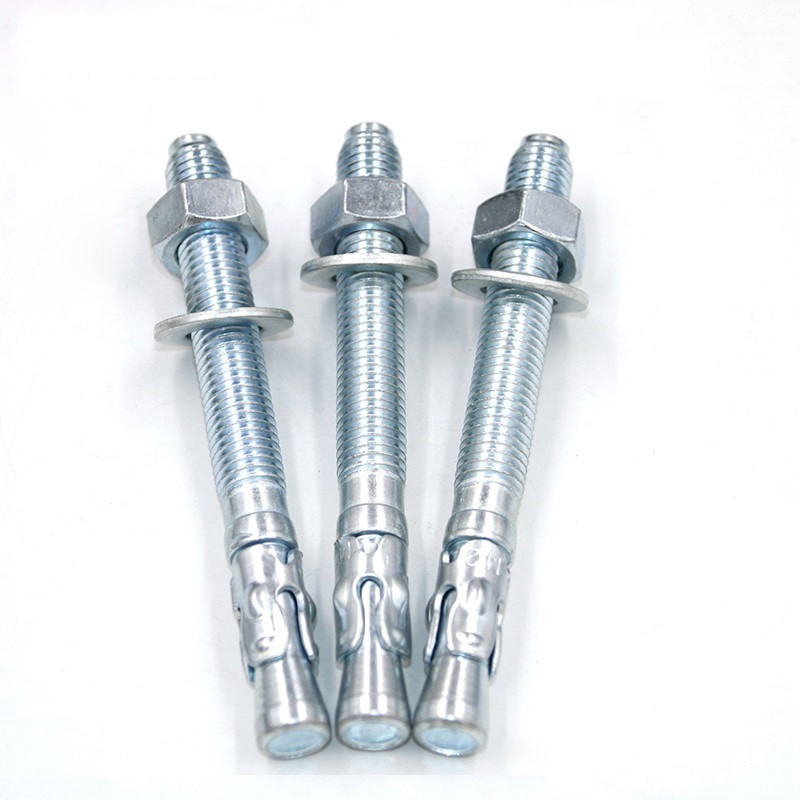
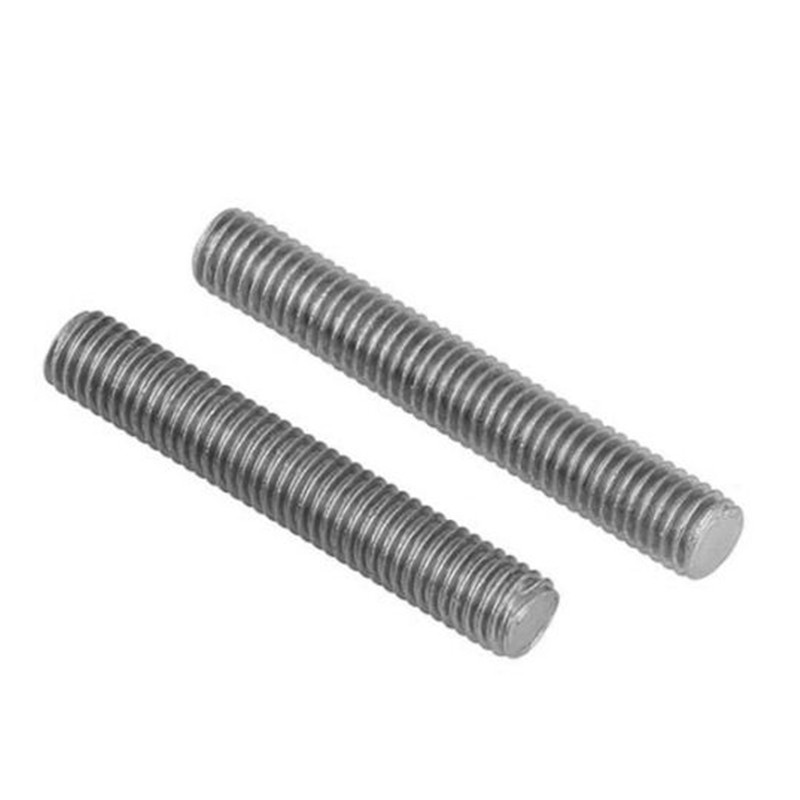
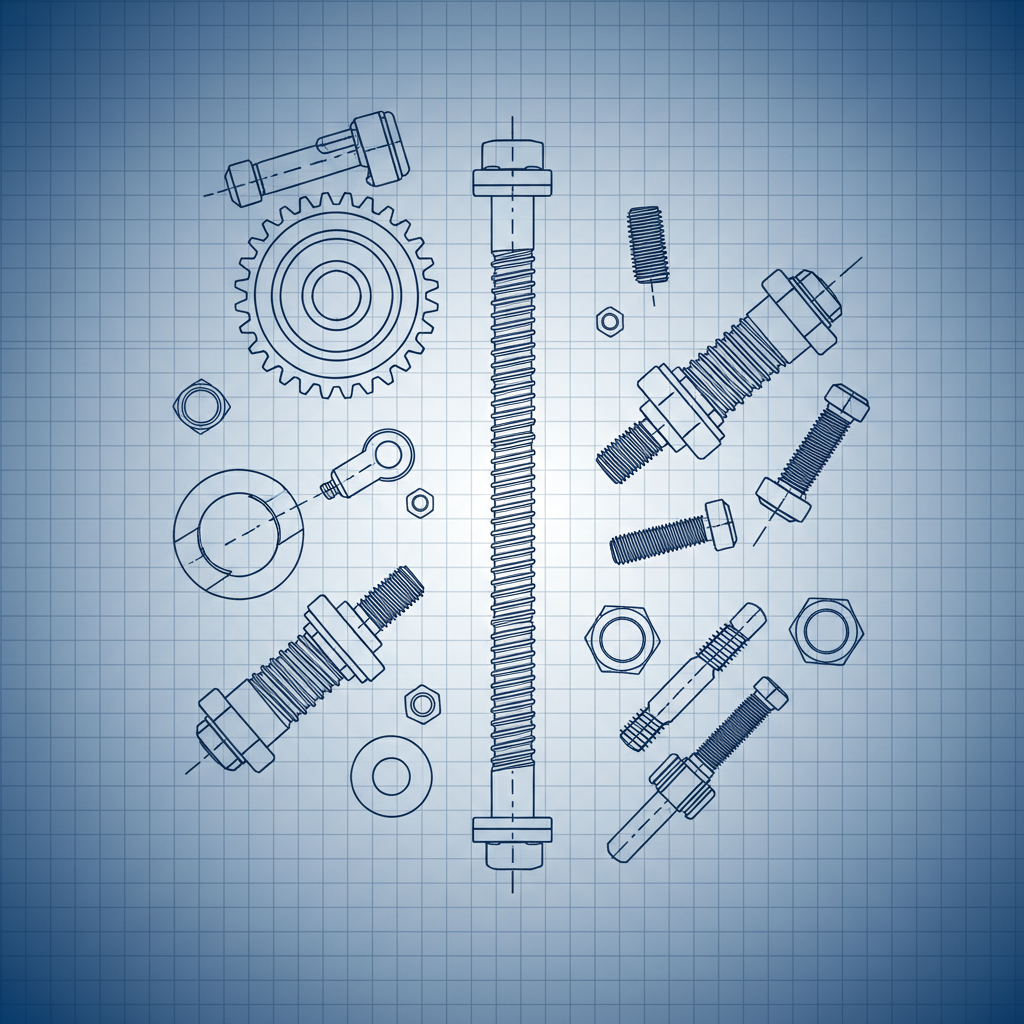
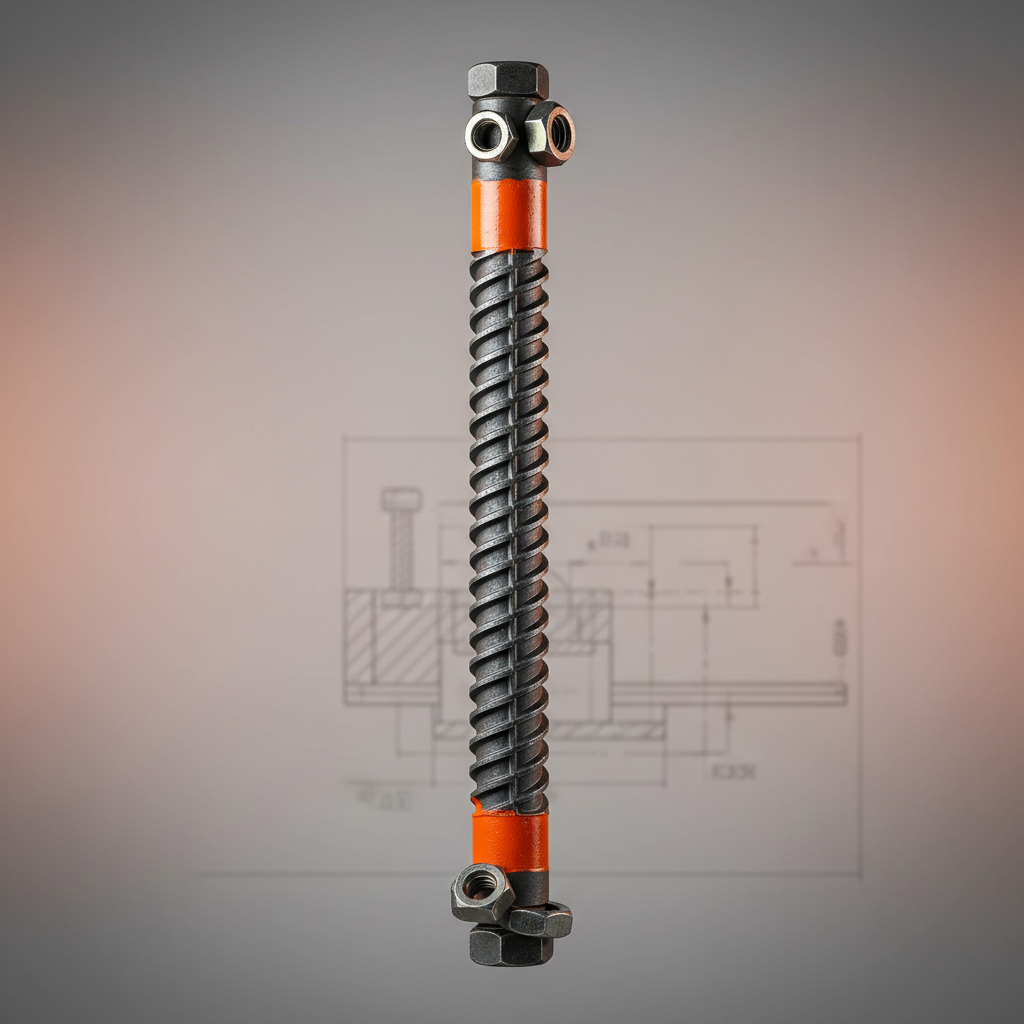
Simply put, an m12 rod is a cylindrical rod (usually metal) designed with a 12mm diameter standardized across various thread pitches if it's a threaded bolt type or smooth shaft for specific engineering needs. “M” stands for metric, echoing ISO standards, ensuring these rods fit universally in compatible assemblies without surprises.
In industry terms, an m12 rod often functions as a connector, tension-bearing part, or structural support. Humanitarian fields leverage these rods in modular housing frames or emergency shelters where simplicity and robustness are prized. File this under: small tech that powers big solutions.
Mini takeaway: The m12 rod is a precision-engineered part that blends seamlessly into mechanical and humanitarian frameworks worldwide.
Core Factors That Make m12 Rods Essential
1. Durability & Material Quality
Most m12 rods are manufactured using stainless steel, carbon steel, or alloyed grades which offer excellent tensile strength and corrosion resistance. This matters tremendously — especially in harsh environments like coastal regions or industrial plants where rust or fatigue could mean disaster.
2. Standardization & Compatibility
The metric threading and dimensional accuracy mean m12 rods are interchangeable worldwide. Designers and engineers can order from suppliers anywhere, confident the rods will fit perfectly. This consistency cuts down project delays and avoids costly reworks.
3. Cost-Effectiveness
Compared to custom or exotic fasteners, m12 rods strike a balance between affordability and performance. Bulk production values and mature supply chains push prices down — always welcome to procurement teams trying to stretch tight budgets.
4. Versatility in Application
The m12 rod is used in simple linkages, heavy machinery, vehicle assemblies, and even furniture. You name it, chances are it has an m12 somewhere. This versatility is why it remains ubiquitous as a part.
5. Ease of Maintenance
Its commonality means replacement parts are plentiful. Maintenance crews don’t have to wait weeks for delivery or hunt down specialists — a simple m12 rod swap often keeps things running smoothly.
Mini takeaway: Durability, standardization, and versatility combine to make m12 rods a go-to choice across industries.
Real-World Uses: Where the m12 Rod is Making a Difference
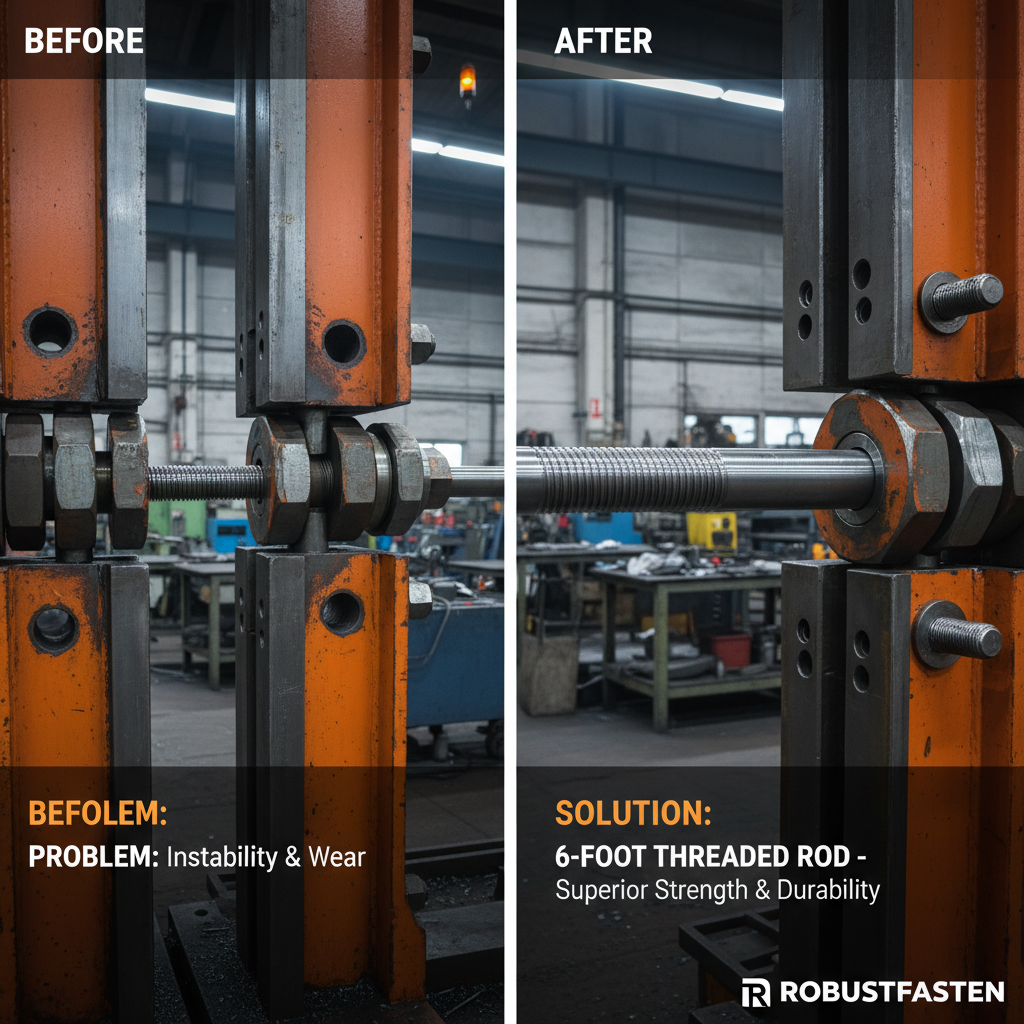
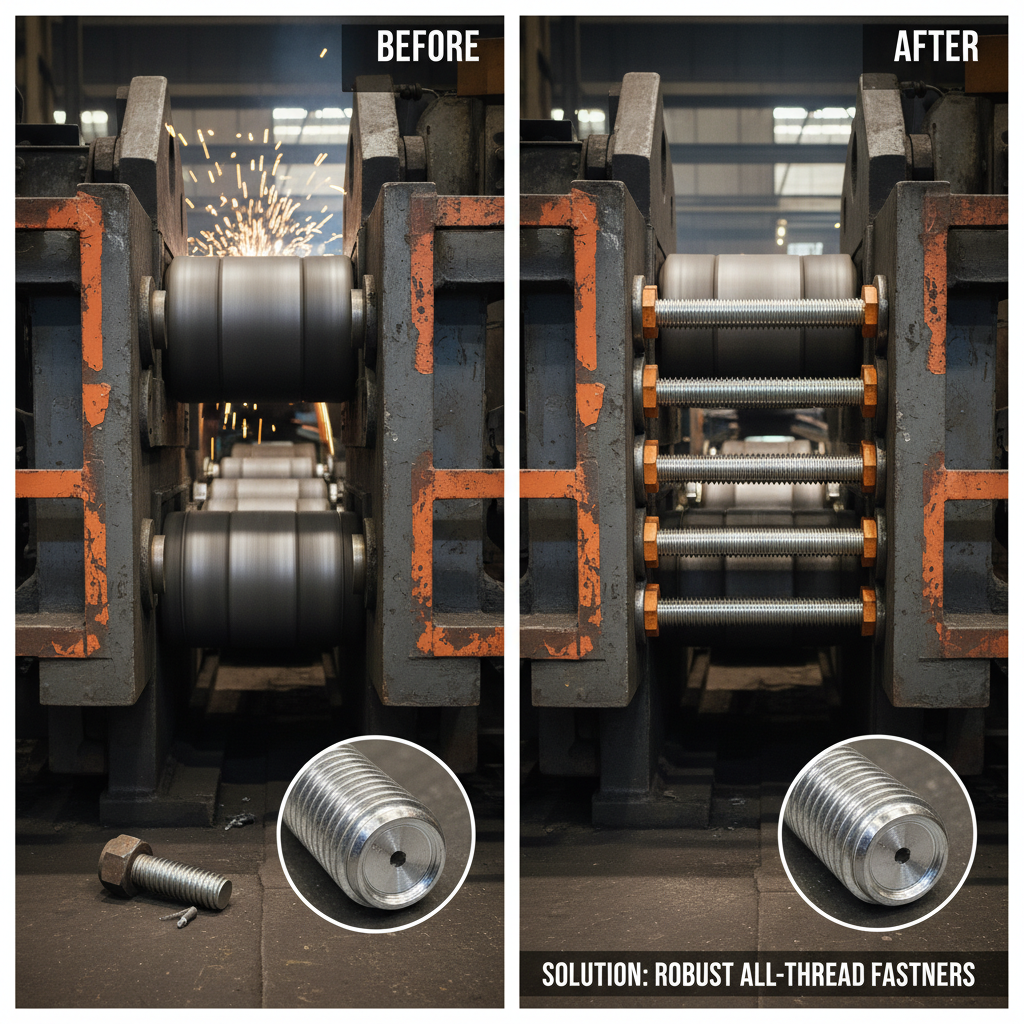
Look around any factory floor or construction site, and you’ll likely spot m12 rods playing a silent but crucial role. In European automotive plants, for example, m12 rods are standard in chassis assembly, ensuring vehicles can handle strains of everyday driving without failure. In South Asian countries investing heavily in infrastructure, these rods assist in prefabricated bridge components and reinforcing slender steel structures.
More interestingly, humanitarian organizations — take those responding to natural disasters — value m12 rods for rapid shelter assembly. Their strength and availability mean emergency units can erect robust housing quick enough to withstand aftershocks or heavy winds.
Industries benefiting the most:
- Construction
- Automotive manufacturing
- Modular housing and shelter solutions
- Industrial machinery
- DIY and consumer products
Mini takeaway: From car frames to refugee tents, the m12 rod quietly supports diverse global needs.
Advantages and Long-Term Value of Choosing m12 Rods
The benefits extend beyond strength and affordability. M12 rods contribute to sustainability by enabling durable builds that last longer, reducing waste. Many eco-conscious manufacturers now specify recycled steel variants to further cut environmental footprints.
Socially, the reliability and predictability of using standardized parts like the m12 rod foster trust between suppliers and clients — no one likes surprises when loads or pressures unexpectedly fail!
Emotionally — okay, maybe this sounds nerdy — engineers feel comfortable knowing that solutions they specify won’t let end-users down. It’s about safety, dignity, and innovation baked into a simple steel rod.
Technical Specifications of a Typical m12 Rod
| Characteristic | Value | Unit |
|---|---|---|
| Diameter | 12 | mm |
| Length Range | 50–2000 | mm |
| Material | Stainless Steel (316/304), Carbon Steel | |
| Tensile Strength | 500–800 | MPa |
| Thread Pitch (if threaded) | 1.75 (coarse), 1.5 (fine) | mm |
| Finish | Zinc Plated / Galvanized / Plain |
How Vendors Stack Up: A Comparison of Popular m12 Rod Suppliers
| Vendor | Material Quality | Price Range (per 100 pcs) | Delivery Speed | Special Features |
|---|---|---|---|---|
| Global Steel Parts | High-grade stainless | $120–140 | 5–7 days | Custom lengths & coatings |
| Rapid Rods Co. | Carbon steel (galv.) | $90–110 | 3–5 days | Bulk order discounts |
| SteelWorks International | Mixed alloys | $130–150 | 7–10 days | Certified ISO 9001 |
Future Trends & Innovations Around m12 Rods
Interestingly, the m12 rod itself isn’t likely to “change” much — steel’s physics don’t bend easily. But innovation comes in materials and eco-thinking: new powder metallurgy rods claim better fatigue resistance, while green steel manufacturing (using hydrogen instead of coal) promises drastically reduced carbon footprints. Digital traceability (think blockchain for each rod) could soon guarantee provenance and quality, helping buyers choose sustainability-qualified parts confidently.
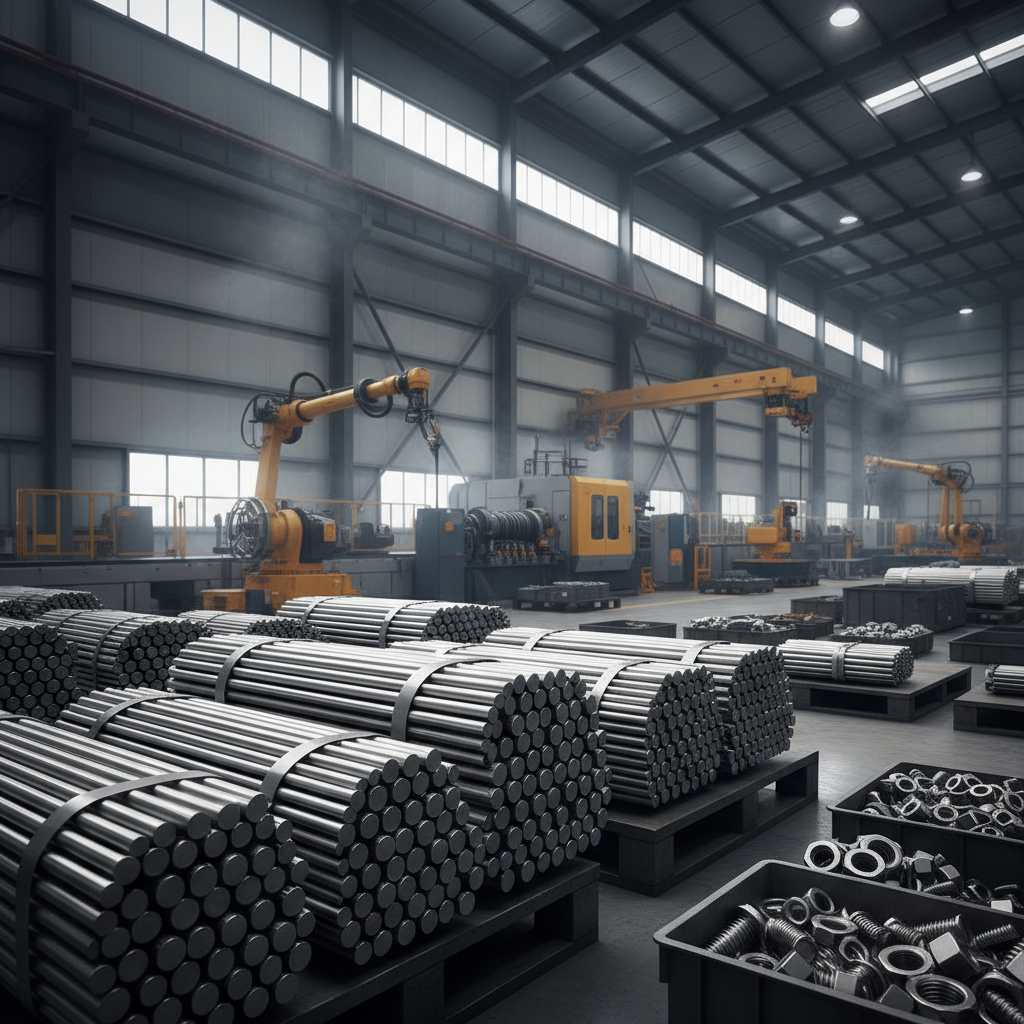
Automation in manufacturing lines means tighter tolerances, sharper finishes, and lower defects. Even drones inspecting m12 rod-based structures for fatigue cracks aren’t far off.
Mini takeaway: The future for m12 rods seems less about the rod itself and more about smarter, greener manufacturing and supply.
Challenges & How Industry Experts Tackle Them
One persistent issue with m12 rods is corrosion in demanding environments — inevitable for steel. Experts recommend surface treatments like galvanizing or special coatings plus regular inspections to extend life. Supply inconsistencies in crisis-hit areas force companies to stockpile or find regional manufacturing partners, reducing lead times.
Another challenge is counterfeit or subpar rods sometimes flooding markets. This risks catastrophic failures. The push for certification and better supplier auditing helps mitigate that, alongside growing traceability tech discussed earlier.
FAQ: What You’re Asking About m12 Rods
- Q: How do I choose the right material grade for an m12 rod?
- A: Select based on environment and load. Stainless steel suits corrosive or outdoor use. Carbon steel is fine indoors or lightly loaded applications. Consider coatings and tensile strength specs for comprehensive needs.
- Q: Can m12 rods be cut to custom lengths easily?
- A: Absolutely. Most suppliers offer custom-cut rods shipped ready-to-use. This avoids onsite cutting delays and ensures precision for your project.
- Q: Are m12 rods suitable for modular construction?
- A: Definitely! Their strength and standardization make them ideal for modular frames, scaffolding, and fast assembly parts used by builders or NGOs alike.
- Q: What’s the typical turnaround time for bulk m12 rod orders?
- A: It depends on supplier and material but ranges from 3 to 10 days. Planning ahead is key, especially for larger or custom specs — some vendors provide expedited shipping though.
- Q: How can I ensure my m12 rods meet safety standards?
- A: Opt for suppliers with ISO 9001 certification and request material test reports. Don’t hesitate to ask for references or samples before large purchases to verify quality.
Wrapping Up: The Little Rod with a Big Job
Honestly, the m12 rod might not sound glamorous, but it really is one of those “unsung hero” components that keep industries humming. Its standardization, mix of strength, affordability, and sheer global ubiquity mean millions depend on it every day. Whether it’s strengthening a bridge in Germany, anchoring shelter in Nepal, or rolling inside a car engine in Japan, the m12 rod quietly delivers reliability and confidence.
Want to learn more or source reliable m12 rod solutions? Visit us anytime at m12 rod.
References:
Post time: Nov . 29, 2025 21:40


 English
  Albanian
  Arabic
  Armenian
  Azerbaijani
  Belarusian
  Bosnian
  Bulgarian
  Cebuano
  Corsican
  Czech
Czech  Galician
  Georgian
  Greek
Greek  Hausa
Hausa  Hebrew
  Hungarian
  Igbo
Igbo  Indonesian
  Italian
  Kazakh
  Khmer
Khmer  Korean
  Kurdish
  Kyrgyz
  Lao
Lao  Latin
Latin  Latvian
  Lithuanian
  Malay
Malay  Myanmar
  Nepali
  Polish
  Portuguese
  Russian
  Serbian
  Sesotho
  Shona
Shona  Sindhi
  Spanish
  Tagalog
  Tajik
Tajik  Thai
Thai  Turkish
  Turkmen
  Ukrainian
  Uzbek
Uzbek  Vietnamese
  Yoruba
  Zulu
Zulu