
Understanding the 4 40 Threaded Rod: Why It Matters in Industry and Beyond
If you've ever dabbled in mechanical repairs, electronics assembly, or even DIY home projects, you might have stumbled across something called a 4 40 threaded rod. But what exactly is it, and why is it so ubiquitous in manufacturing, construction, and even humanitarian sectors? In simple terms, the 4 40 threaded rod is a kind of fastener with a specific thread size that plays an outsized role in connecting components — often in places where strength, precision, and reliability can't be compromised.
Globally, industries constantly seek efficient, durable solutions to assemble parts ranging from tiny electronics to heavy machinery. The 4 40 threaded rod delivers on these needs. Its relatively small diameter yet sturdy thread pattern lends itself to applications where space is limited but fastening integrity is essential. Understanding its specifications and uses opens the door to smarter material choices, cost savings, and more innovative product designs.
Mini takeaway: The 4 40 threaded rod might be tiny, but it’s a global staple in fastening technology, helping industries and communities build better, safer things every day.Taking a Step Back: The Role of 4 40 Threaded Rods in the Global Economy
You might ask why something as seemingly simple as a threaded rod should catch our attention when industries are progressing towards automation, robotics, and additive manufacturing. Well, here’s the twist — despite the “fancy new stuff,” traditional fasteners like the 4 40 threaded rod remain foundational. According to ISO standards on fasteners (ISO 261 & ISO 965), precise threading patterns ensure interchangeable parts can be assembled anywhere in the world. This standardization fuels globalization and rapid manufacturing cycles.
Statistically speaking, small fasteners constitute approximately 30% of all mechanical component shipments globally, with the US, China, and Germany pushing the demand the highest. In post-disaster rebuilding or even routine manufacturing, a readily available, standardized component like the 4 40 helps streamline processes, cut downtime, and maintain quality.
That said, a common industry challenge is choosing the right grade and material for specific environments — corrosion resistance in marine zones, or high tensile strength for aerospace. That's where understanding the nuances of the 4 40 threaded rod really pays off.
Mini takeaway: Despite technological leaps, precise fasteners like the 4 40 threaded rod remain the backbone of countless manufacturing and rebuilding efforts worldwide.What Exactly Is a 4 40 Threaded Rod?
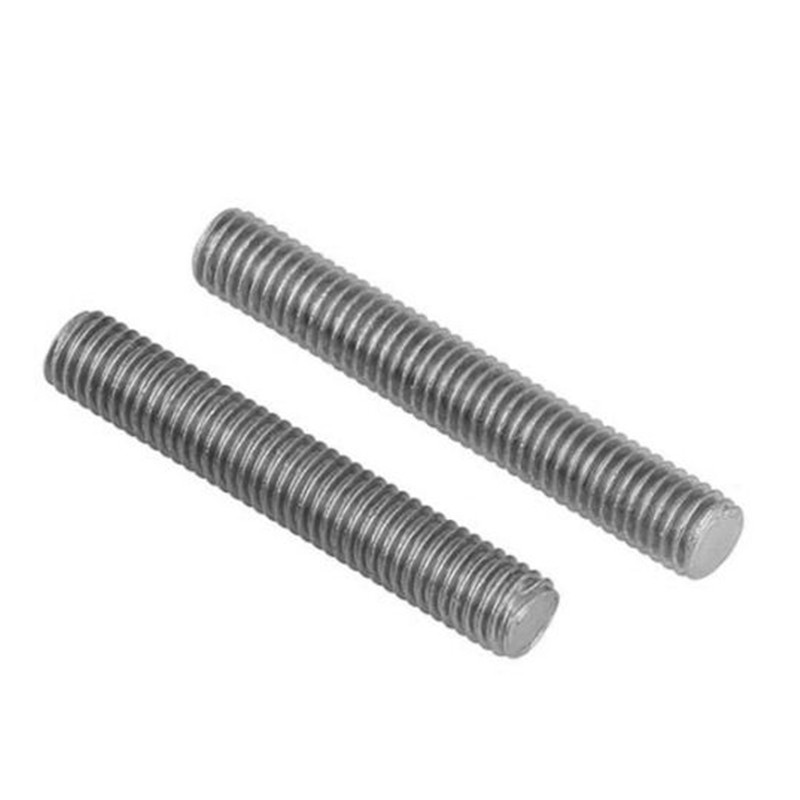
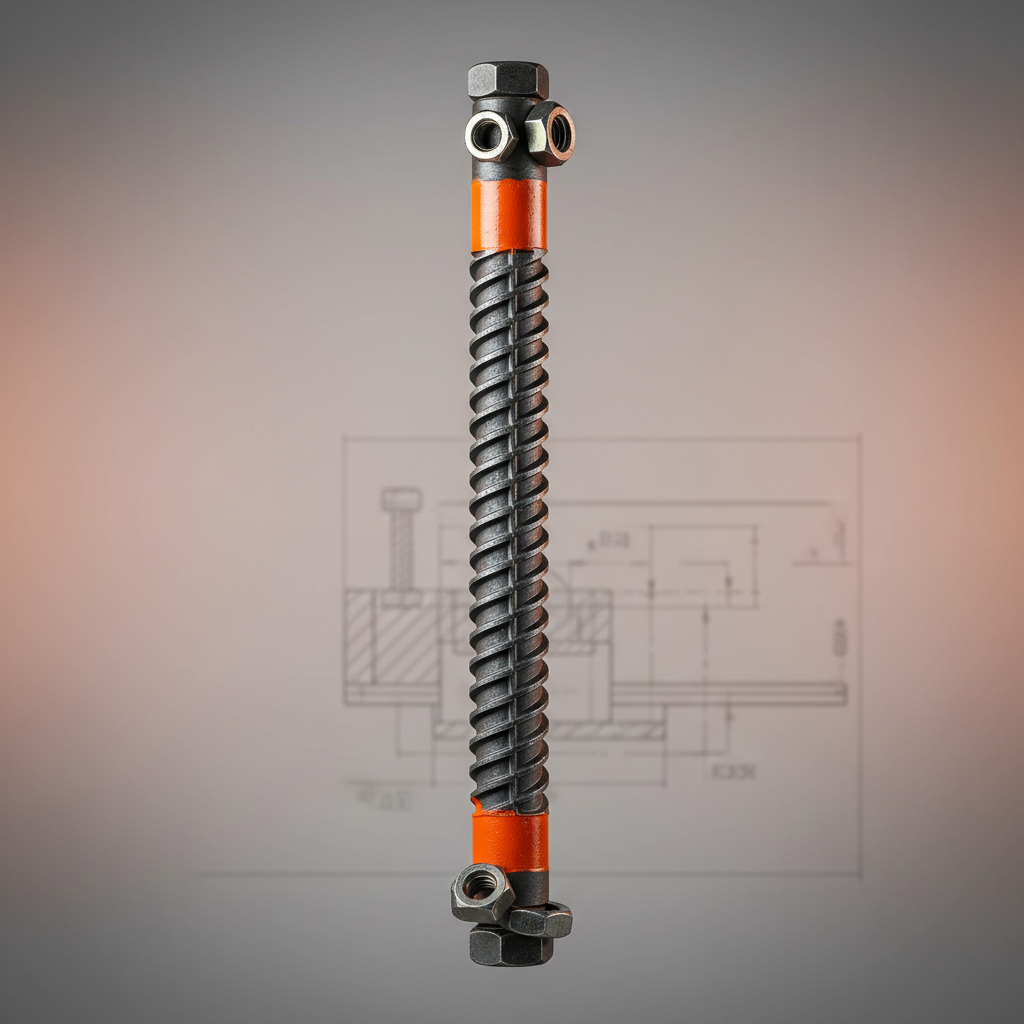
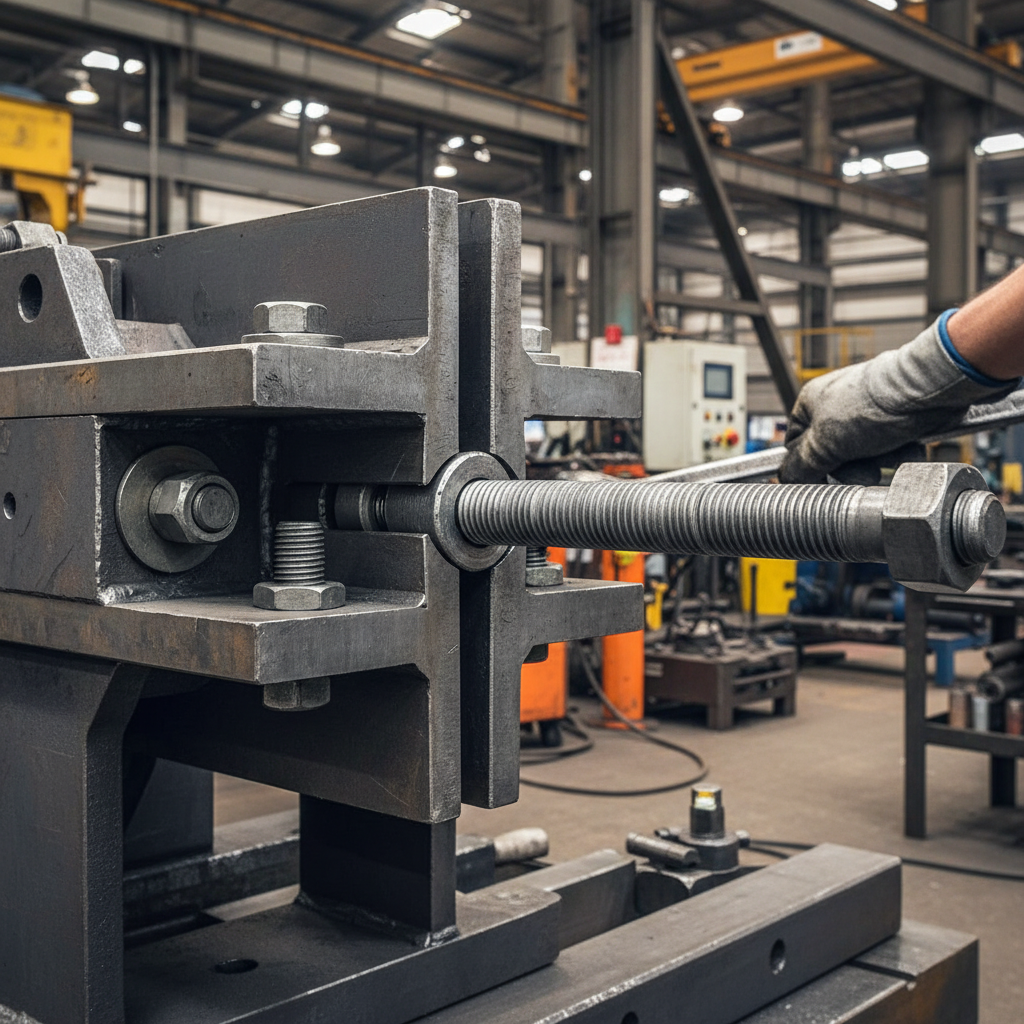
At its core, a 4 40 threaded rod is a long, slender metal rod fully threaded with a diameter size matching #4 gauge and 40 threads per inch (TPI). The “4” references diameter (~0.112 inches), and “40” tells you how tightly packed the threads are. This fine threading allows for secure fastening in applications where a coarse thread might strip or fail.
These rods are often made of steel, stainless steel, or sometimes brass. They can be cut to length or used as-is, depending on needs. Their versatility makes them popular in automotive assemblies, computer hardware mounts, and even specialized instruments.
More than just nuts and bolts, 4 40 threaded rods are crucial in sectors requiring meticulous precision — aerospace, medical device manufacturing, and advanced electronics. Oddly enough, even humanitarian aid groups appreciate them for quick, modular shelter assemblies where weight and durability matter.
Mini takeaway: The 4 40 threaded rod is a small, finely-threaded fastener appreciated for precision and strength across many sectors.Core Features of the 4 40 Threaded Rod
Durability – Built to Last
Many engineers say that durability is king when it comes to threaded rods. Made often from carbon steel or stainless steel, 4 40 rods resist wear and corrosion, especially when coated with zinc or other rust-inhibiting layers. This makes them ideal in tough conditions — think marine docks or factories with chemical exposure.
Fine Threading for Precision
The 40 threads per inch is a fine thread configuration. It offers better tensile strength and less risk of loosening through vibration compared to coarse threads. This feature is essential in mechanical assemblies where tight tolerances matter.
Adaptability and Scalability
From tiny electronic enclosures to modular frames in industrial zones, 4 40 threaded rods scale across many sizes and lengths. Their modular nature means they can be cut or joined to fit unique structural needs easily.
Cost Efficiency
The raw material and production costs of 4 40 rods remain relatively low, especially when ordered in bulk. Their longevity adds value over time, reducing replacement cycles.
Global Standardization
Because the 4 40 specification adheres to widely accepted thread standards, they are accepted and used virtually everywhere, simplifying international sourcing and compatibility.
Mini takeaway: Durability, precision, cost-effectiveness, and adaptability form the backbone of why 4 40 threaded rods continue to shine across industries.How 4 40 Threaded Rods are Used Around the World
Practically anywhere things need to be reliably connected, these rods show up. Here are a few places you’d bump into them:
- Construction and Manufacturing: In Europe and North America, they fasten HVAC systems and light industrial machinery parts.
- Electronics Assembly: Asian electronics hubs use 4 40 rods in computers, medical devices, and instrumentation frames.
- Humanitarian and Emergency Shelters: NGOs building rapid-deploy shelters in disaster zones rely on these rods for modular support frames. The rods’ uniformity speeds assembly and repairs.
- Aerospace and Automotive: Though usually relying on high-spec alloys, many subsystems use 4 40 rods for smaller attachments, combining strength with lightness.
- Remote Industrial Zones: Mining operations in Africa and South America use these fasteners for machine assembly and maintenance — thanks to their reliability and worldwide availability.
Oddly enough, they also pop up in educational kits or prototype engineering labs, where students can experiment with building durable, scalable models. There’s something satisfying about those neat, crisp threads.
Mini takeaway: From high-tech labs to rugged disaster zones, the 4 40 threaded rod holds fast — literally and figuratively.The Long-Term Benefits of Using 4 40 Threaded Rods
Some benefits go beyond nuts and bolts (pardon the pun). Here are the tangible pluses from using 4 40 rods:
- Cost Savings: Their long lifespan and easy maintenance cycles reduce downtime and replacement expenses.
- Sustainability: Many rods come from recyclable materials, and their durability keeps them out of landfills longer.
- Safety and Trust: Precision threading reduces chances of mechanical failure — a crucial factor in safety-conscious industries.
- Innovation Enablement: Their availability facilitates creative engineering and rapid prototyping.
People feel more confident constructing complex assemblies when the fasteners behave predictably — I noticed many technicians swear by certain grades of 4 40 rods for critical tasks.
Mini takeaway: Reliable, sustainable, and cost-effective — the 4 40 threaded rod punches well above its weight in long-term value.Product Specification Table: Typical 4 40 Threaded Rod Details
| Specification | Details |
|---|---|
| Diameter | #4 (approx. 0.112 inches) |
| Thread Count | 40 threads per inch (TPI) |
| Material | Carbon Steel / Stainless Steel / Brass |
| Length | Available in custom cut lengths, typically 1 inch to 36 inches |
| Finish | Zinc plated, black oxide, polished, or raw |
| Strength Grade | Commonly Grade 2 or Grade 5 (SAE) |
How Do Vendors Stack Up? A Quick Comparison
| Vendor | Material Range | Customization | Lead Time | Price Range |
|---|---|---|---|---|
| FastenPro | Steel, Stainless Steel | Cut-to-length & package quantities | 3-5 business days | $0.10 - $0.30 per inch |
| ThreadMaster | Steel, Brass, Alloy | Full custom threading options | 5-7 business days | $0.15 - $0.45 per inch |
| BoltWorks | Stainless Steel, Zinc-plated Steel | Standard lengths & bulk packaging | 2-4 business days | $0.08 - $0.25 per inch |
Looking Ahead: Trends and Innovations in Threaded Rod Technology
What’s next for simple things like 4 40 threaded rods? The trend ironically leans toward enhanced materials and coatings that boost corrosion resistance without jacking up costs. Nanotechnology-inspired coatings and eco-friendly plating options are making waves.
Also, additive manufacturing introduces the possibility of threaded rods produced on-demand in remote locations — think mining sites printing replacement rods right in the field, reducing shipping needs.
The integration of sensors into fasteners for structural health monitoring is another wild card. Imagine bolts that can “tell” if they're loosening or stressed beyond limits. That’s far from sci-fi nowadays.
Mini takeaway: The humble 4 40 threaded rod is on the cusp of high-tech innovations merging durability with smart features.Challenges and Practical Solutions
Of course, it's not always sunshine and roses. A few common hurdles include:
- Corrosion in Extreme Environments: Even stainless steel can struggle in saltwater or acidic conditions.
- Thread Damage: Fine threads are delicate and can strip more easily if mishandled.
- Supply Chain Disruptions: Bulk manufacturing and global trade delays can cause shortages.
Solutions? Expert technicians recommend quality control checks, proper torque usage, and protective coatings tailored to the environment. Just-in-time ordering and local stocking strategies also help mitigate shortages.
FAQ: Practical Questions About 4 40 Threaded Rods
Q1: What is the main advantage of a 4 40 threaded rod over a coarser thread?
A1: The fine thread (40 TPI) on a 4 40 rod provides higher tensile strength and reduces chances of loosening due to vibrations—important in precision assemblies like electronics.
Q2: Can 4 40 threaded rods be used outdoors?
A2: Yes, especially if made from stainless steel or coated with corrosion-resistant finishes like zinc plating, making them suitable for outdoor or marine applications.
Q3: How do I know what length of 4 40 threaded rod I need?
A3: Length depends on your project’s requirements. Many vendors offer cut-to-length services; be sure to measure the exact distance your fastener needs to cover plus some allowance.
Q4: Are these rods compatible internationally?
A4: Thanks to ISO standardization, 4 40 threaded rods purchased internationally should fit most standardized nuts and components, streamlining cross-border sourcing.
Final Thoughts: Why 4 40 Threaded Rods Continue to Matter
In real terms, these small yet incredibly versatile rods demonstrate that sometimes the simplest tools have the biggest impact. From advanced aerospace components to the frame of a shelter in a disaster zone, the 4 40 threaded rod stands as a testament to industrial ingenuity meeting global needs.
Looking to source quality 4 40 threaded rod for your next project? Visit https://www.hbtbls.com — find the specs, customization options, and expert advice all in one place.
Here’s to building stronger, smarter, and more resilient structures—one thread at a time.
References:
Post time: Nov . 30, 2025 00:50


 English
  Albanian
  Arabic
  Armenian
  Azerbaijani
  Belarusian
  Bosnian
  Bulgarian
  Cebuano
  Corsican
  Czech
Czech  Galician
  Georgian
  Greek
Greek  Hausa
Hausa  Hebrew
  Hungarian
  Igbo
Igbo  Indonesian
  Italian
  Kazakh
  Khmer
Khmer  Korean
  Kurdish
  Kyrgyz
  Lao
Lao  Latin
Latin  Latvian
  Lithuanian
  Malay
Malay  Myanmar
  Nepali
  Polish
  Portuguese
  Russian
  Serbian
  Sesotho
  Shona
Shona  Sindhi
  Spanish
  Tagalog
  Tajik
Tajik  Thai
Thai  Turkish
  Turkmen
  Ukrainian
  Uzbek
Uzbek  Vietnamese
  Yoruba
  Zulu
Zulu