
What is a 10 32 Threaded Rod and Why It Matters Globally
At first glance, a 10 32 threaded rod might seem like just another fastener in the vast world of hardware, but it plays a surprisingly vital role across industries worldwide. This small yet precise component is a testament to how standardization and design can power everything from delicate electronics assembly to sturdy construction projects. Understanding its specifications and applications offers not only insight into manufacturing but also how infrastructure, humanitarian logistics, and global trade rely on seemingly modest parts.
Globally, standardized fasteners reduce costs, improve quality, and enable faster deployment in industries ranging from aerospace to disaster relief shelters — and that’s quite the stretch for a rod smaller than your pinky finger.
The Global Context: Why a 10 32 Threaded Rod Commands Worldwide Attention
Threaded rods sized 10-32 are part of a family of Unified Thread Standards common in the U.S. and increasingly used internationally. According to ISO and related standards bodies, such fasteners enable intercompatibility in a supply chain that’s estimated to be worth billions annually. For instance, in electronic housings or medical devices, precision and reliability can’t be sacrificed.
More than that, in global humanitarian efforts — such as rebuilding infrastructure after natural disasters — having standardized components like the 10 32 threaded rod ensures easier procurement and assembly under tight schedules. A World Bank report highlighted that streamlined supply chains in post-crisis rebuilding saved millions and accelerated recovery.
Still, challenges remain: mismatches in thread standards or inferior materials often lead to equipment failures or dangerous delays. That’s why getting familiar with specific components matters.
Definition & Meaning: What Exactly Is a 10 32 Threaded Rod?
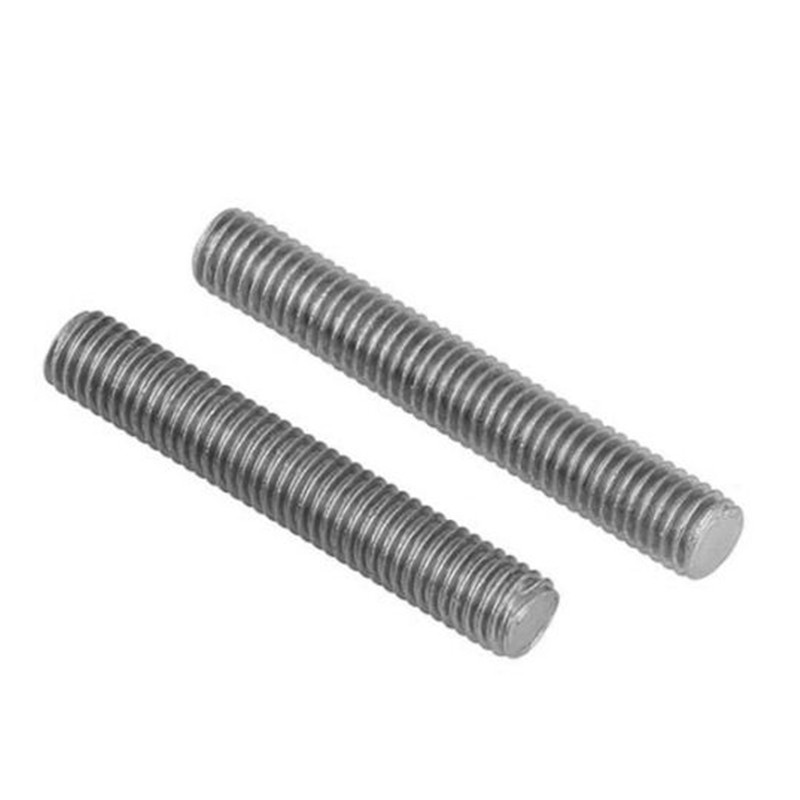
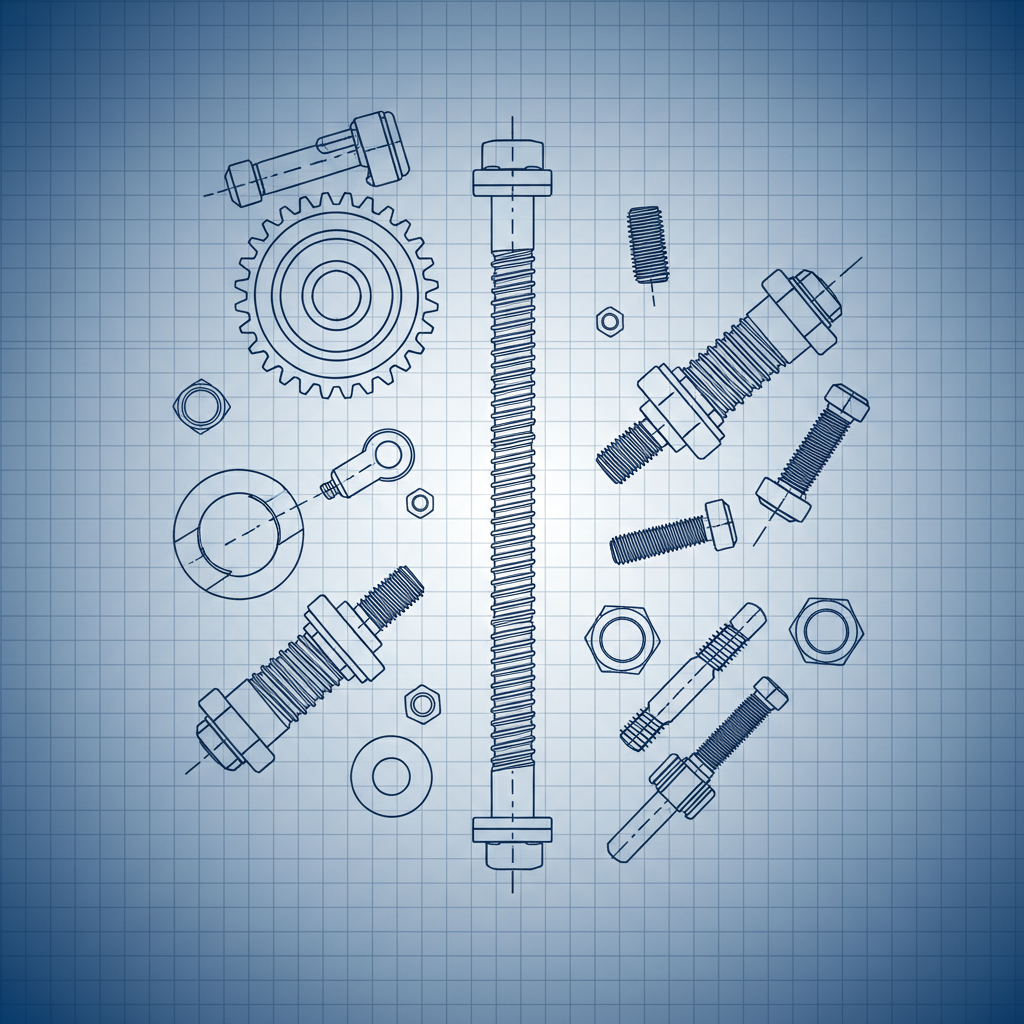
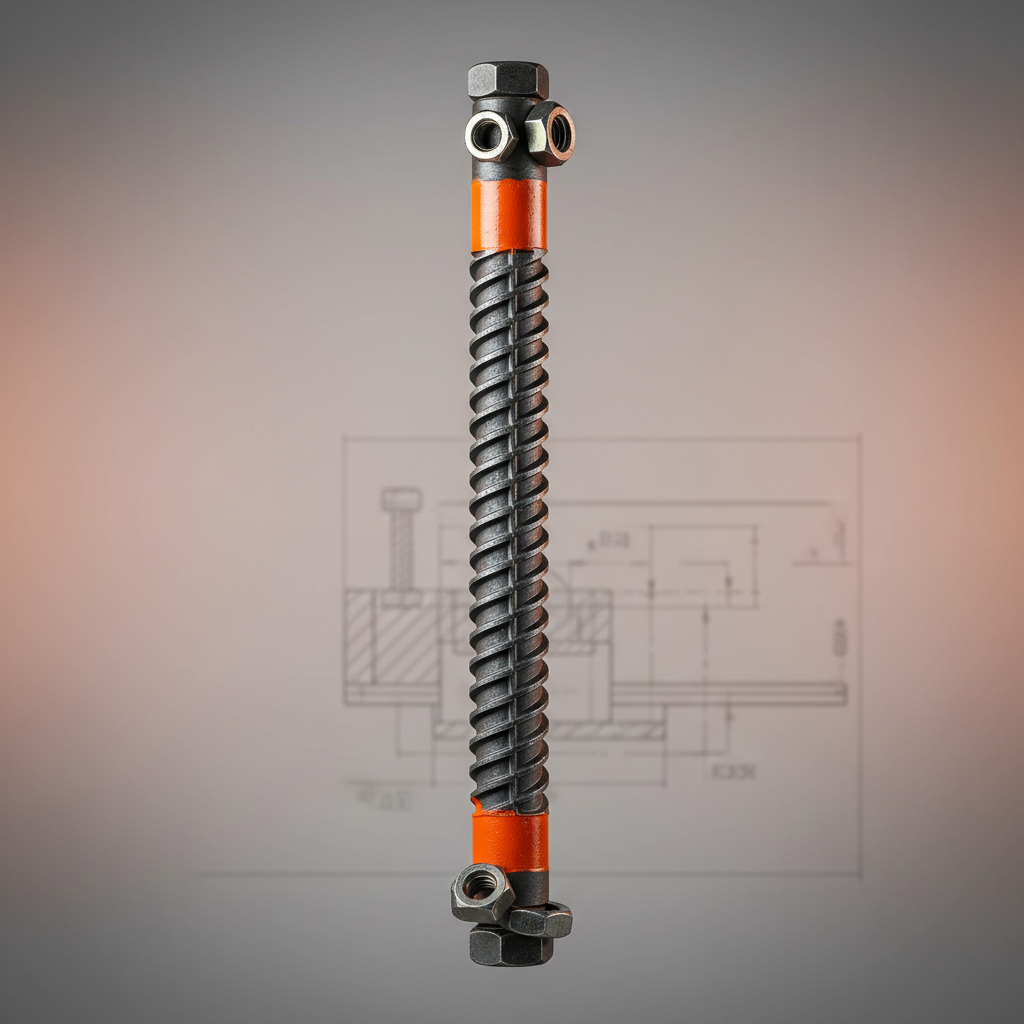
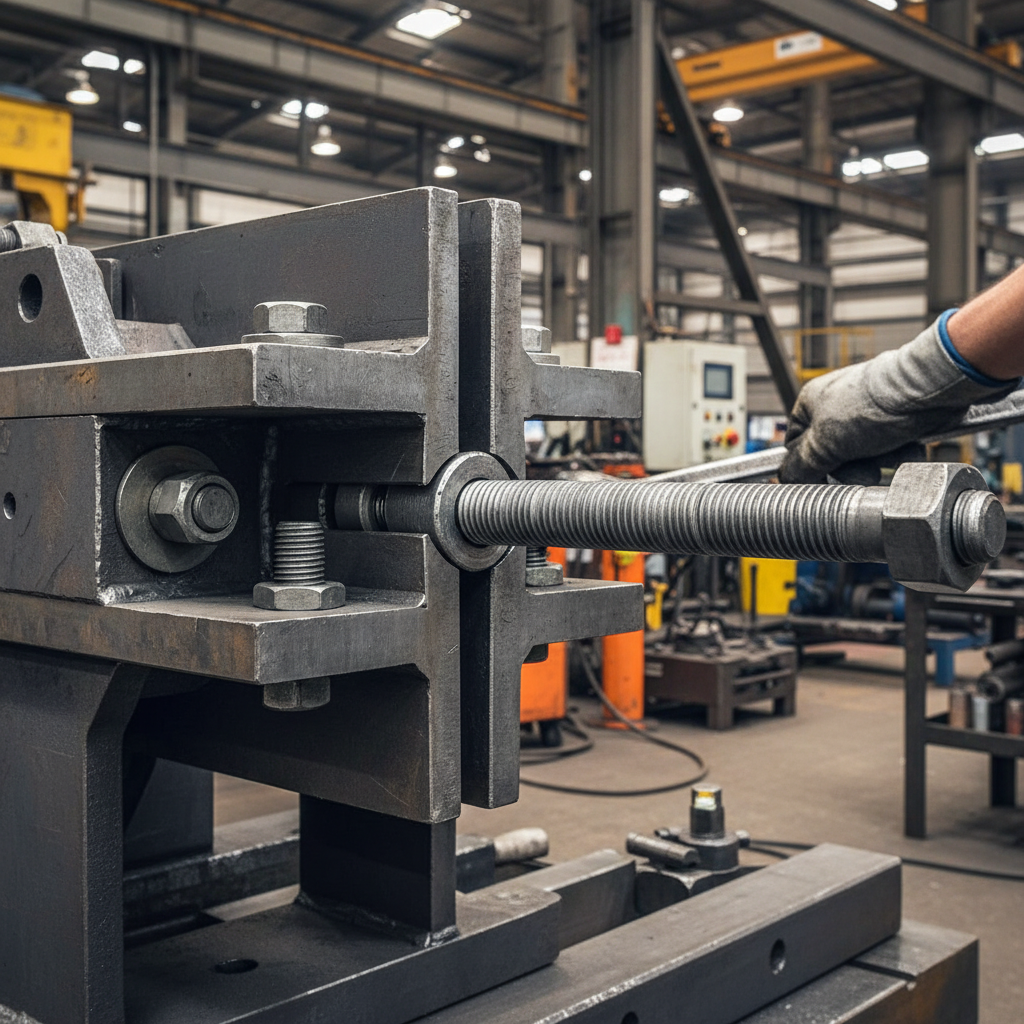
Simply put, a 10 32 threaded rod is a long, slender, metal shaft with continuous unilateral threading running its length, sized according to the #10 gauge and 32 threads per inch (TPI). The “10” refers to the diameter (~0.19 inches or 4.83 mm), while “32” means the threading is fine pitch — 32 threads in every inch, offering finer adjustment compared to coarser threads.
Think of it as a tiny, threaded stick that allows nuts or other fasteners to secure components tightly in assembly lines, medical equipment, vehicles, and yes, even makeshift shelters. It’s the kind of precision part that silently holds industries together.
Key Factors that Make the 10 32 Threaded Rod Essential
1. Durability
Typically made from carbon steel, stainless steel, or alloy materials, these rods hold up well under stress and environmental factors. Engineers often specify stainless steel 10 32 rods for corrosion resistance in humid or outdoor applications.
2. Precision
The 32 TPI count means you get a finer thread pitch, which translates to stronger clamping force and less risk of loosening due to vibration. This precision is why they’re favored in electronics and aerospace parts.
3. Scalability & Versatility
Available in various lengths and finishes, the rods can be customized for everything from tiny medical devices to heavy machinery. This adaptability is crucial in industries where one size certainly doesn’t fit all.
4. Cost Efficiency
While finer thread rods may cost a bit more than coarse-threaded alternatives, they reduce assembly errors and require less maintenance — savings that add up over product lifecycles.
5. Ease of Use
Installation with standard nuts and washers means faster manufacturing processes and simpler repairs — a huge deal for time-sensitive projects.
Mini takeaway: The 10 32 threaded rod blends strength, precision, and versatility — making it a quietly heroic part of countless assemblies.
Global Applications & Real-World Use Cases
Where exactly do you find these rods doing their magic? Plenty of places:
- Medical Devices: Miniature threaded rods provide secure fastening inside diagnostic devices and surgical instruments, where precision is non-negotiable.
- Electronics Manufacturing: Used for mounting circuit boards or securing casings, especially in consumer electronics and telecommunications hardware.
- Automotive & Aerospace: Finer threads improve torque calibration critical for engine and control components.
- Post-Disaster Relief & Construction: In temporary shelters, medical tents, and modular housing, standardized rods allow fast assembly and interchangeability in remote zones.
For example, construction teams in Southeast Asia rebuilding homes after typhoons depend on readily available 10 32 threaded rods because their fine threading secures modular panels without excessive tools or time.
Advantages & Long-Term Value
Now, beyond their obvious physical specs, what makes these rods a strong bet for future projects?
- Reliability: With high-quality steel and precision threading, they lessen failures, reducing downtime.
- Cost Savings: Fewer repairs and downtimes equal substantial saved labor hours.
- Sustainability: Stainless variants resist rust, extending product lifespan — reducing waste.
- Social Impact: Their role in building shelter quickly means safety and dignity for displaced populations.
- Innovation: As component tech evolves, precision rods help integrate advanced materials or smart sensors.
Future Trends & Innovations
Looking ahead, the threaded rod market's aligned with some exciting shifts:
- Green Material Development: Using recycled steel or bio-based coatings to lower carbon footprints.
- Digital Manufacturing: Precision threading via CNC machining linked with IoT for quality assurance.
- Smart Fasteners: Embedding sensors to monitor stress or loosening — a feature gaining traction in aerospace and smart buildings.
- Automation & Customization: On-demand cutting and finishing to exact specs reduces inventory and waste.
Challenges & Solutions in Using 10 32 Threaded Rods
Despite their clear benefits, some common obstacles persist:
- Material Quality Variation: Counterfeit or subpar rods cause failures. Solution? Sourcing from certified vendors with traceable standards.
- Mismatched Thread Standards: Confusion between metric and inch threads can wreck an assembly. Training and labeling help avoid this.
- Corrosion in Harsh Environments: Opting for stainless steel or applying protective coatings counters this.
Product Specifications at a Glance
| Specification | Details |
|---|---|
| Diameter | #10 (0.190 inches / 4.83 mm) |
| Thread Count | 32 Threads per Inch (TPI) |
| Standard | Unified Thread Standard (UNF) |
| Material Options | Carbon Steel, Stainless Steel, Alloy Steel |
| Typical Lengths | 1 inch to 36 inches (custom available) |
| Finish Options | Zinc Plated, Black Oxide, Plain, Passivated |
Vendor Comparison: Choosing the Right Supplier
| Vendor | Material Quality | Custom Lengths | Certification | Pricing |
|---|---|---|---|---|
| Acme Fasteners | High-grade stainless steel | Up to 48 inches | ISO 9001 Certified | $$$ |
| BoltPro Inc. | Carbon steel with zinc plating | Standard lengths only | ASTM Compliant | $ |
| ThreadWorks Ltd. | Alloy Steel with coatings | Custom cuts & threading | ISO & RoHS Certified | $$ |
FAQ: Common Questions About 10 32 Threaded Rod
Q1: What applications are best suited for a 10 32 threaded rod?
A: They’re perfect for applications requiring precise, fine threading — typically electronics, aerospace components, and medical equipment. Their strength and durability also make them suitable for lightweight structural support in modular assemblies.
Q2: Can 10 32 threaded rods be used outdoors?
A: Yes, but material choice is key. Stainless steel versions resist corrosion and are ideal for outdoor or humid environments. Carbon steel rods typically need protective coatings like zinc plating to withstand the elements.
Q3: How do 10 32 rods differ from other threaded rods?
A: The main difference lies in diameter and thread pitch. The 10 32 designation means a smaller diameter and finer thread (32 TPI) compared to coarser threads, offering better control in tight applications.
Q4: Where can I buy 10 32 threaded rods reliably?
A: Many industrial suppliers and online vendors stock these rods. Look for certifications like ISO 9001, ASTM compliance, and supplier reviews to ensure quality — 10 32 threaded rod distributors with clear specs are preferable.
Q5: Are there sustainable or eco-friendly options?
A: Yes! Some vendors offer rods made from recycled steel or with eco-friendly coatings to reduce environmental impact — increasingly important in green building and manufacturing.
Wrapping It Up: Why Invest in 10 32 Threaded Rods?
So, here we are. The humble 10 32 threaded rod isn't just a tiny component; it’s a backbone of precision engineering and a silent partner in global infrastructure, medical technology, and rapid relief efforts. In terms of utility, cost-effectiveness, and adaptability, it checks many boxes.
If you’re in manufacturing, construction, or even humanitarian logistics, knowing the specs and sourcing quality threaded rods can smooth out headaches later.
For a reliable supply and detailed info, don’t hesitate to visit our website: https://www.hbtbls.com — a trusted resource for all your 10 32 threaded rod needs.
Mini takeaway: Whether in tiny instruments or large structures, getting your threaded rods right means smoother builds, safer results, and better performance — kind of a no-brainer.
References
Post time: Nov . 26, 2025 11:50


 English
  Albanian
  Arabic
  Armenian
  Azerbaijani
  Belarusian
  Bosnian
  Bulgarian
  Cebuano
  Corsican
  Czech
Czech  Galician
  Georgian
  Greek
Greek  Hausa
Hausa  Hebrew
  Hungarian
  Igbo
Igbo  Indonesian
  Italian
  Kazakh
  Khmer
Khmer  Korean
  Kurdish
  Kyrgyz
  Lao
Lao  Latin
Latin  Latvian
  Lithuanian
  Malay
Malay  Myanmar
  Nepali
  Polish
  Portuguese
  Russian
  Serbian
  Sesotho
  Shona
Shona  Sindhi
  Spanish
  Tagalog
  Tajik
Tajik  Thai
Thai  Turkish
  Turkmen
  Ukrainian
  Uzbek
Uzbek  Vietnamese
  Yoruba
  Zulu
Zulu