

Understanding the 1 4 threaded stud: A Practical Perspective
Having worked in the industrial equipment sector for well over a decade, I’ve grown to respect the subtle but critical roles that tiny components like the 1 4 threaded stud play in large assemblies. Oddly enough, it’s these humble fasteners – often overlooked – that can make or break the reliability of a machine.
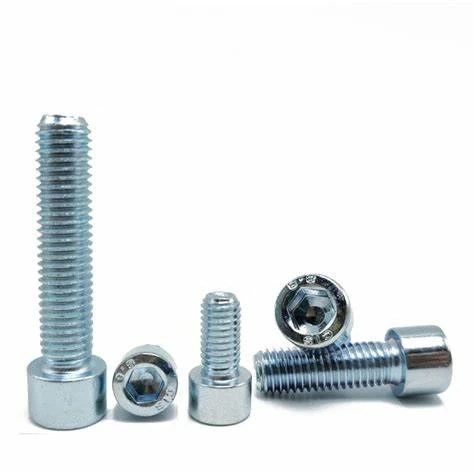
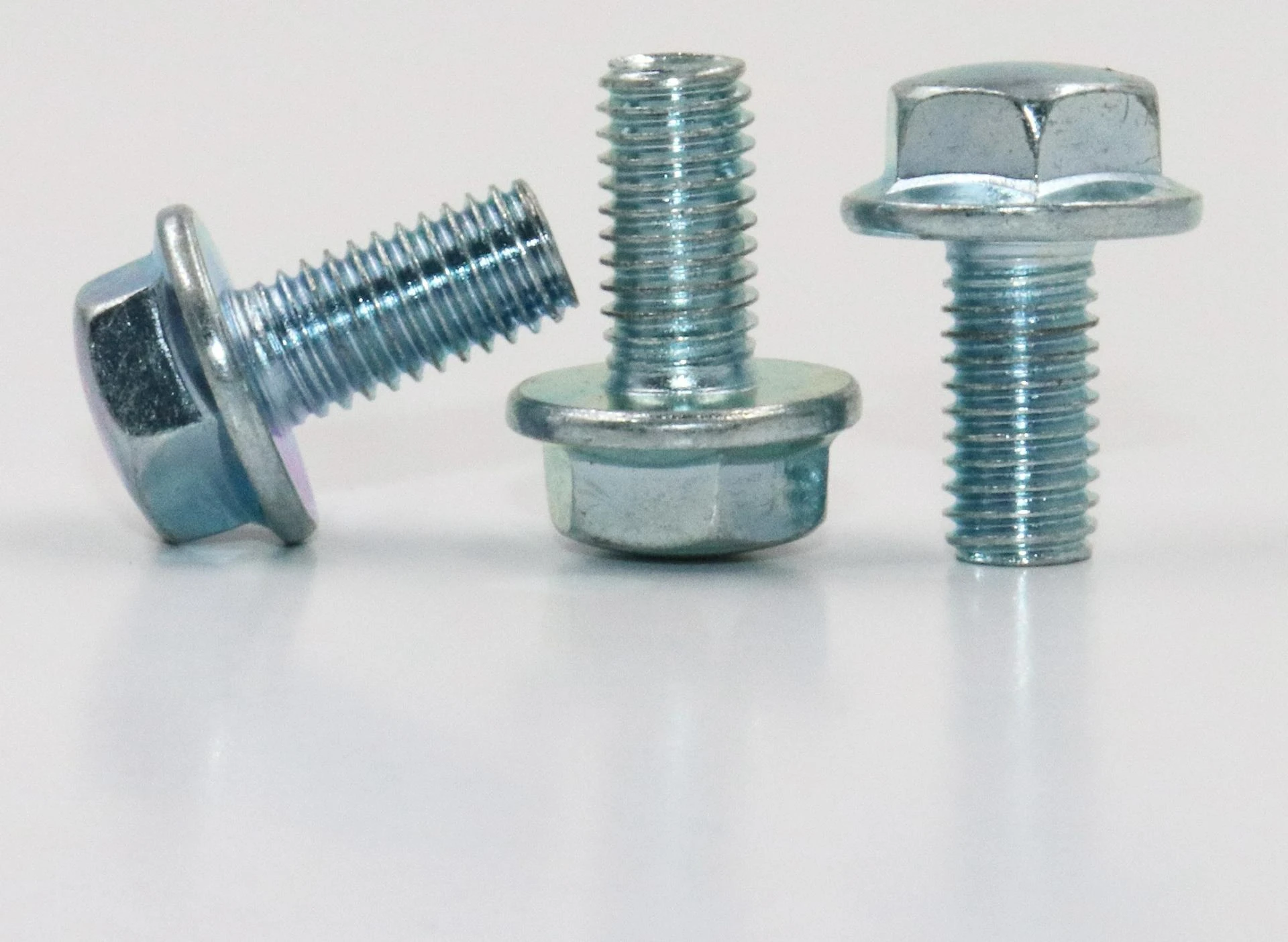
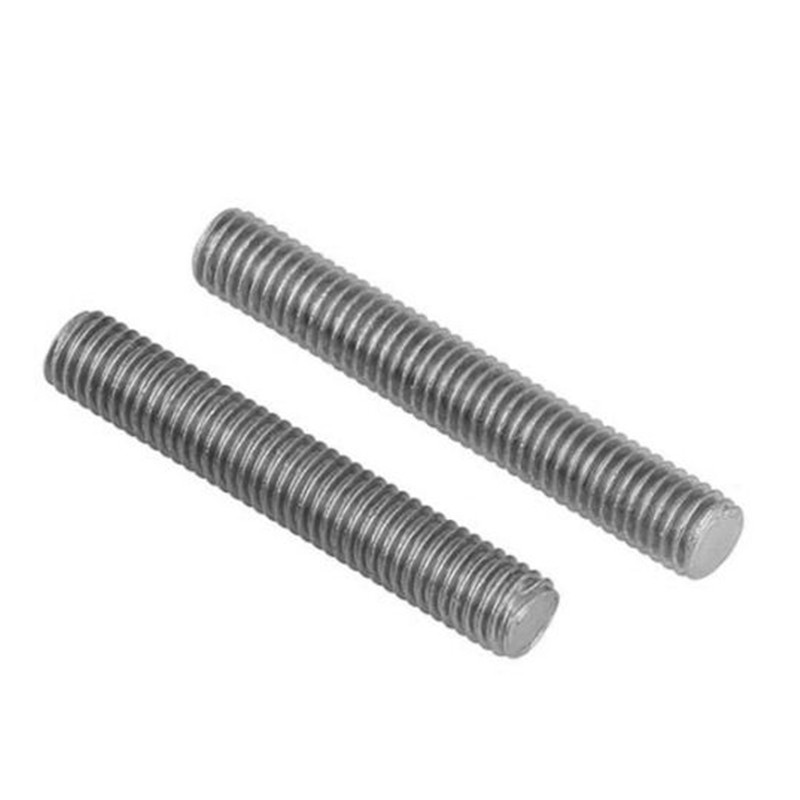
So, what exactly is a 1 4 threaded stud? In essence, it’s a cylindrical rod with threads running along its body, sized nominally at 1/4 inch diameter (commonly written as 1/4). These studs are designed to hold parts together without needing a head like a bolt. This lets you use nuts on both ends, which can be a major advantage in assembly designs.
Now, I’ve seen these studs come in various materials – stainless steel, carbon steel, alloy steel – all tailored for specific environments and stresses. Stainless steel’s great for corrosion resistance, which you need in outdoor or chemical settings. Carbon steel, meanwhile, often gets heat-treated for strength. The choice really depends on the application’s demands.
One thing that caught my attention early on is the variance in thread quality. The best suppliers provide precise threads conforming to standards like ANSI or ISO, ensuring consistent fit. Poorly cut threads? They can lead to stripped nuts or even component failure – trust me, I’ve witnessed that firsthand on an offshore rig.
Common Specifications of a 1 4 Threaded Stud
| Specification | Typical Value | Notes |
|---|---|---|
| Diameter | 0.25 inch (6.35 mm) | Nominal size |
| Length | Varies, commonly 1" to 6" | Customized lengths for applications |
| Thread Pitch | 20 TPI (threads per inch) – UNC | Standard for 1/4” diameter |
| Material | Stainless Steel, Carbon Steel, Alloy Steel | Depends on corrosive or mechanical demands |
| Surface Finish | Plain, Zinc Plated, Galvanized | Corrosion protection varies |
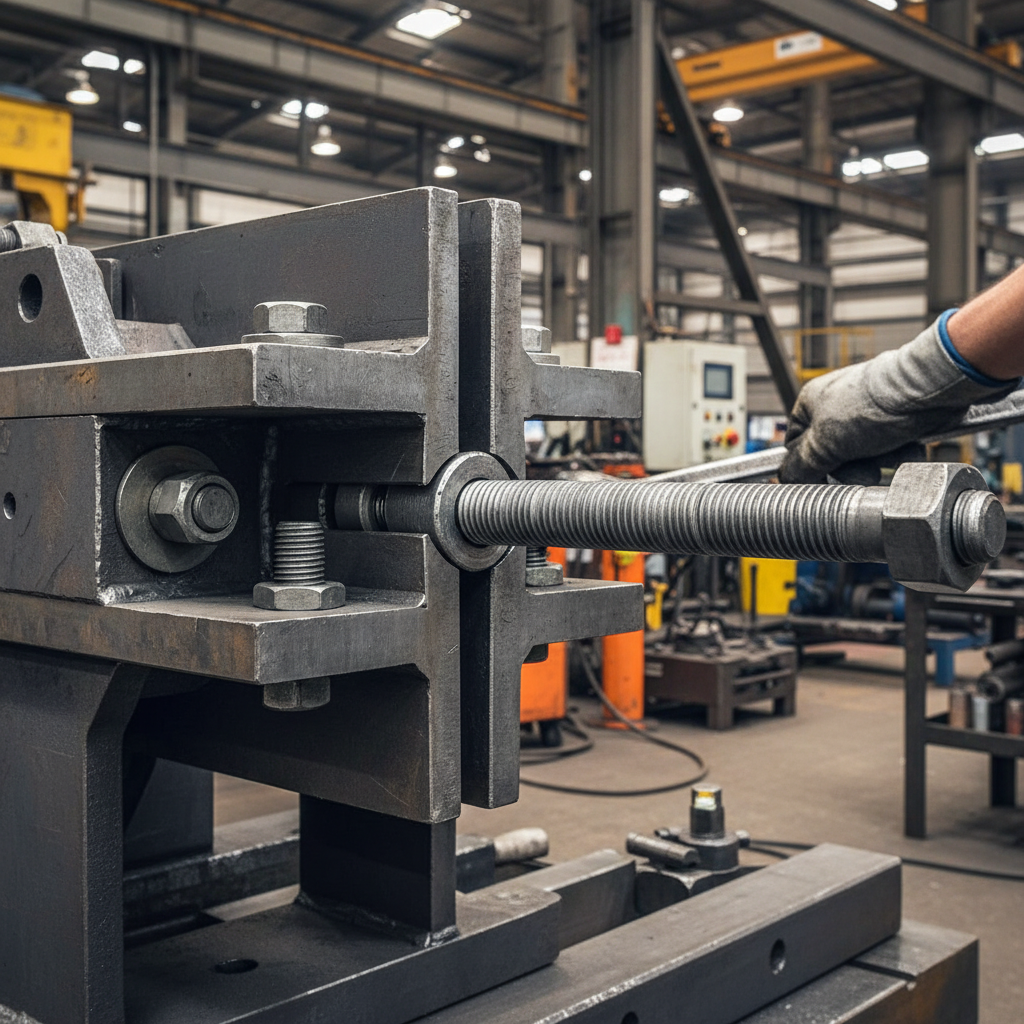
In real terms, many engineers I work with often choose a 1 4 threaded stud when they want a secure, reusable connection in tight spaces where a bolt head might get in the way. Also, the ability to apply torque from both ends – via nuts – makes assembly and disassembly simpler in complex equipment.
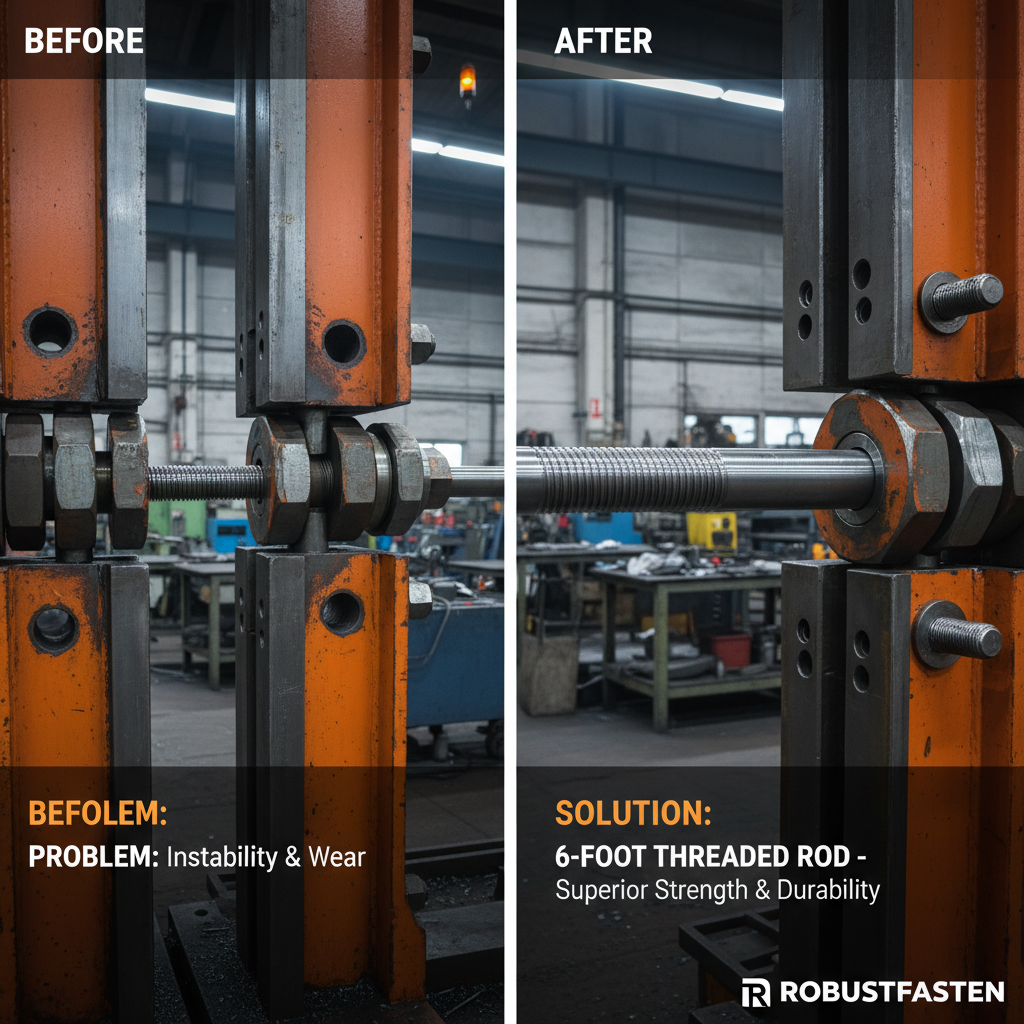
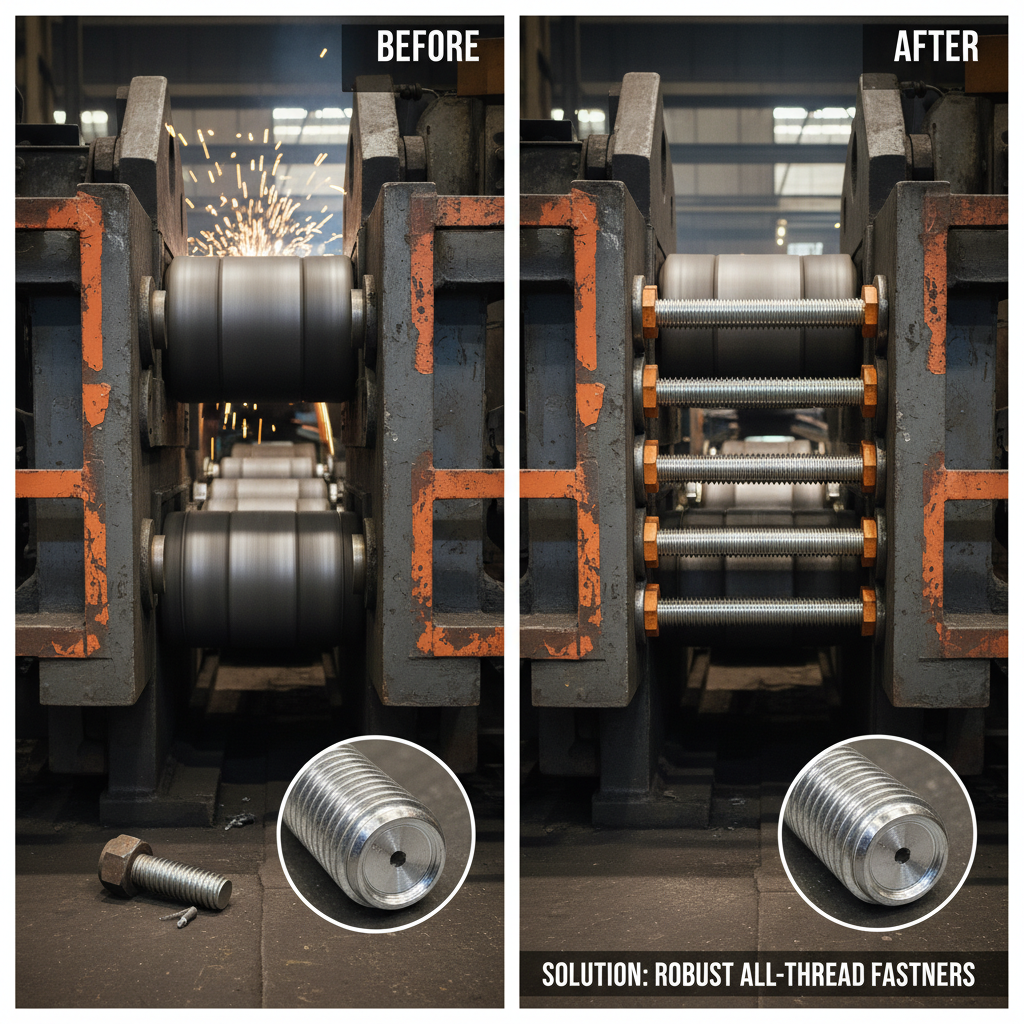
One story stands out from years ago: A client in heavy machinery manufacturing had an issue with bolt snapping in critical vibration-prone parts. We suggested swapping to 1/4 threaded studs made from heat-treated alloy steel with zinc plating. The difference was night and day – less downtime, and parts held firm even under tough shaking. Those studs were basically unsung heroes.
Vendor Comparison For 1/4 Threaded Studs
| Vendor | Material Options | Thread Accuracy | Customization | Typical Lead Time |
|---|---|---|---|---|
| HBTBLS | Stainless, Alloy, Carbon Steel | ISO certified, +/- 0.02 mm | Lengths, finishes, thread pitch | 1–2 weeks |
| IndustrialFastenersCo | Carbon Steel, Zinc Plated | ANSI standard, +/- 0.05 mm | Limited lengths, some finishes | 3–4 weeks |
| Precision Threading Ltd. | Alloy Steel only | High precision +/- 0.01 mm | Custom threads & unusual specs | 2–3 weeks |
When choosing a vendor for 1 4 threaded stud purchase, it pays to consider what really matters: Are you after speed, precision, or custom specs? For many clients, HBTBLS strikes a nice balance, offering up-to-date ISO-certified manufacturing plus fair lead times. I find their quality consistent, which – frankly – is key when your assembly lines can’t afford delays.
Ultimately, these studs remind me of a favorite phrase from a senior engineer I once worked for: “It’s the little things, done right, that keep the big machines running.” I think that sums it up nicely.
So if you’re specifying fastening solutions for challenging industrial applications, consider incorporating high-quality 1 4 threaded stud variants. They bring versatility, strength, and reliability that often outperforms larger or more complicated fasteners.
In closing, while it might seem a small detail, remember that investing a bit more in quality threads and materials pays dividends down the road — less maintenance, fewer failures, and better peace of mind.
If you’re curious for a solid supplier with a variety of options, take a look here: HBTBLS. I’ve dealt with them many times — reliable and straightforward.
— Jake R., Industrial Tech Specialist
References:
- Machinery's Handbook, 30th Edition.
- ISO Metric and Unified Thread Standards, ISO 68-1 & ANSI B1.1.
- Field reports from offshore equipment maintenance, 2017–2023.
Post time: Dec . 03, 2025 15:48




 English
  Albanian
  Arabic
  Armenian
  Azerbaijani
  Belarusian
  Bosnian
  Bulgarian
  Cebuano
  Corsican
  Czech
Czech  Galician
  Georgian
  Greek
Greek  Hausa
Hausa  Hebrew
  Hungarian
  Igbo
Igbo  Indonesian
  Italian
  Kazakh
  Khmer
Khmer  Korean
  Kurdish
  Kyrgyz
  Lao
Lao  Latin
Latin  Latvian
  Lithuanian
  Malay
Malay  Myanmar
  Nepali
  Polish
  Portuguese
  Russian
  Serbian
  Sesotho
  Shona
Shona  Sindhi
  Spanish
  Tagalog
  Tajik
Tajik  Thai
Thai  Turkish
  Turkmen
  Ukrainian
  Uzbek
Uzbek  Vietnamese
  Yoruba
  Zulu
Zulu