

Understanding the 5/8 Threaded Rod Axle: A Comprehensive Guide
The 5/8 threaded rod axle is a crucial component in a variety of industrial and mechanical applications, known for its strength, versatility, and ease of assembly. This article provides an in-depth look at its uses, specifications, materials, and considerations for selecting the right axle for your needs. We will explore its advantages and how it compares to other axle types, ensuring you have the knowledge to make informed decisions. Whether you're involved in manufacturing, automotive repair, or agricultural machinery, understanding the nuances of the 5/8 threaded rod axle is essential. You can find a wide range of high-quality threaded rod axles at HBTBLS.
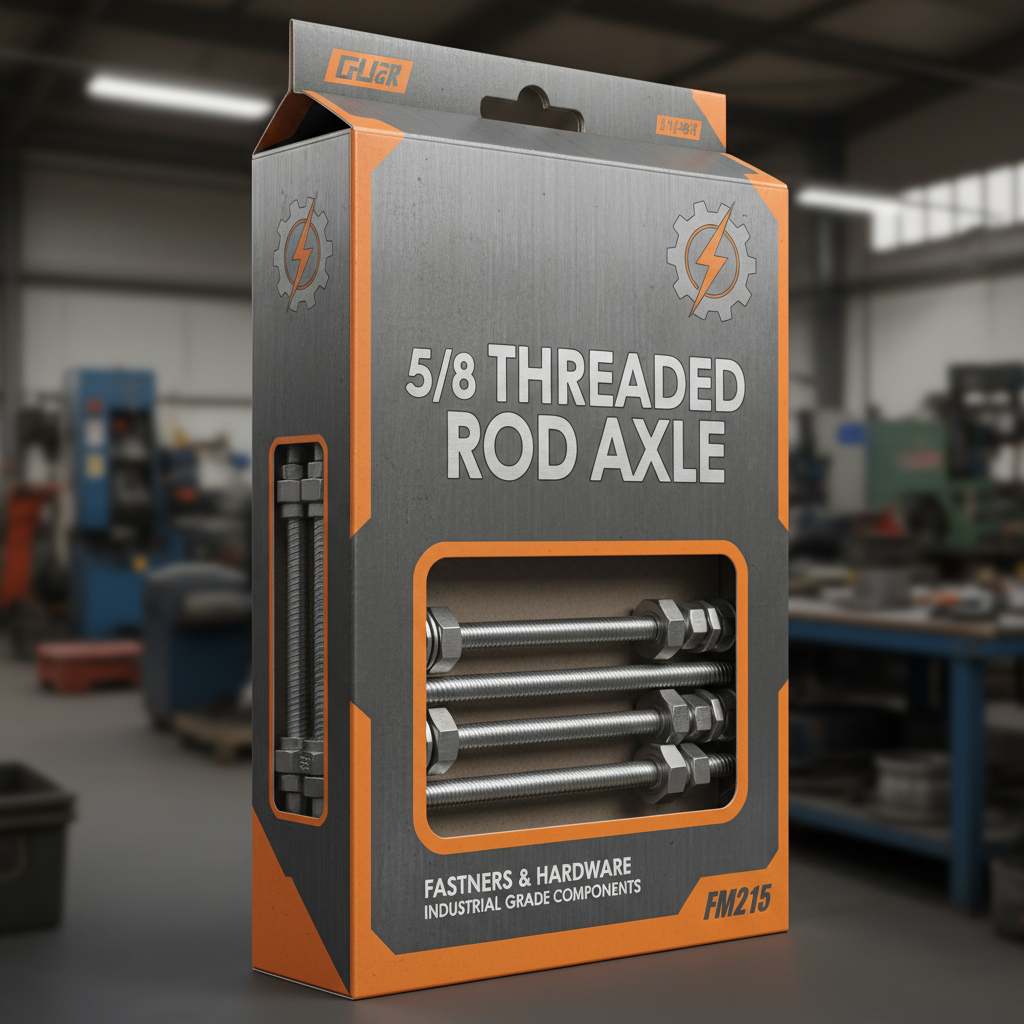
What is a 5/8 Threaded Rod Axle?
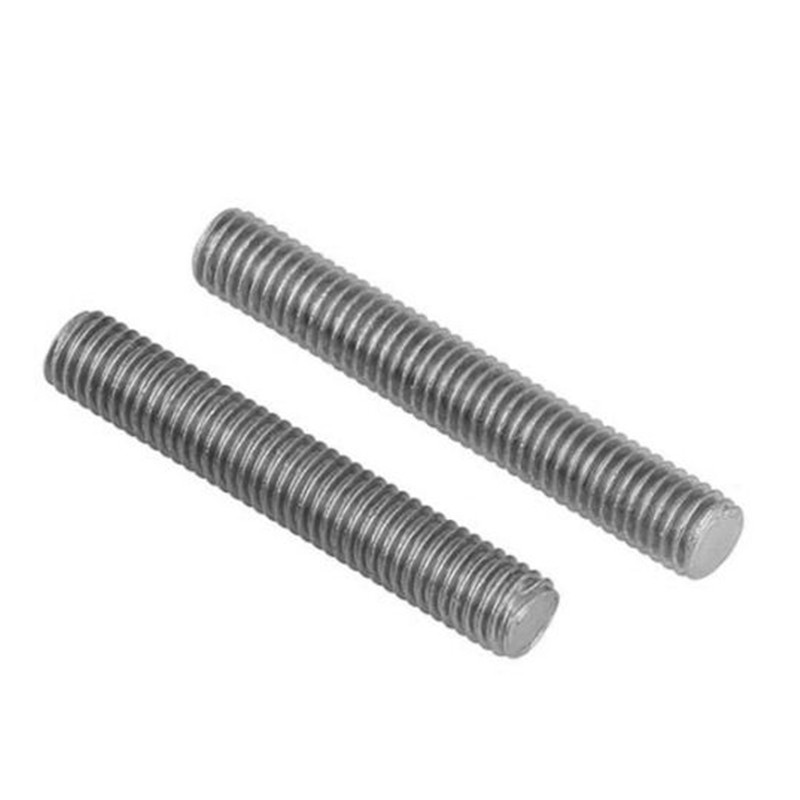
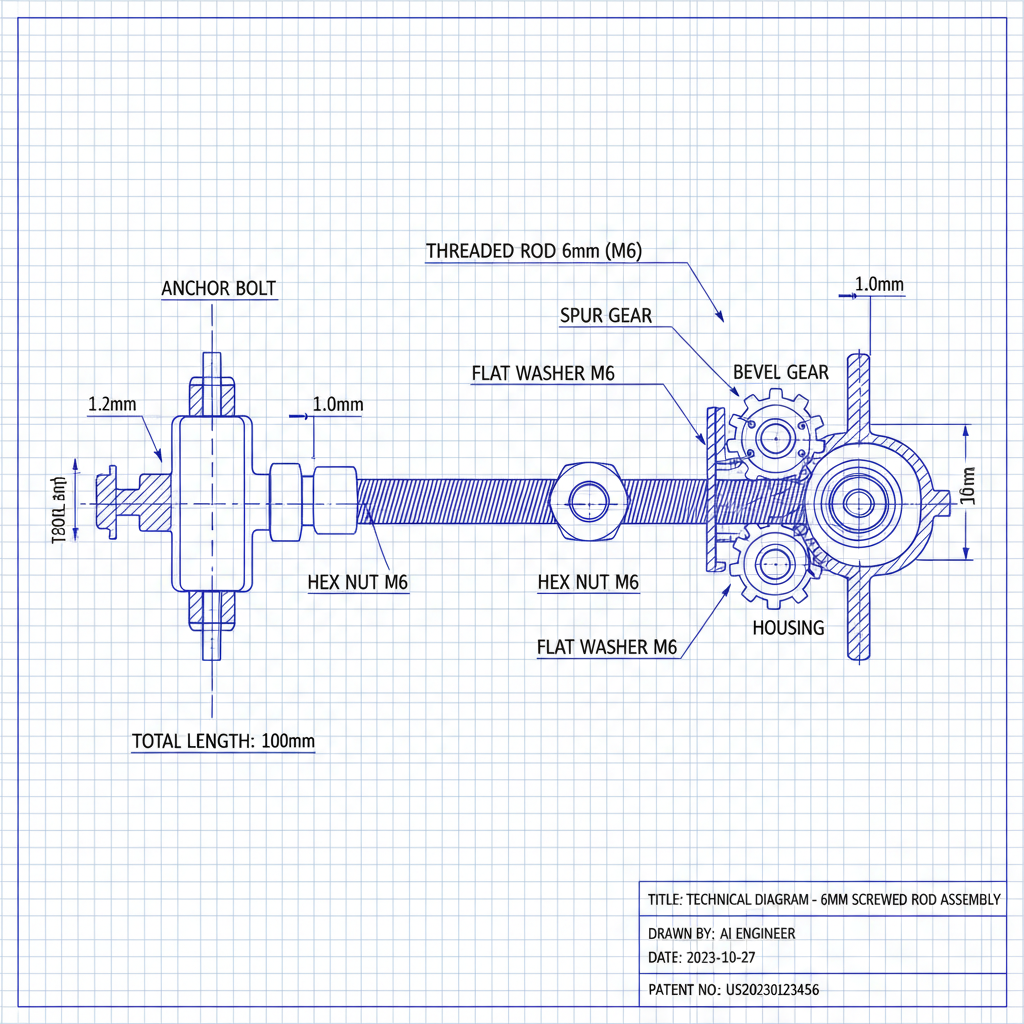
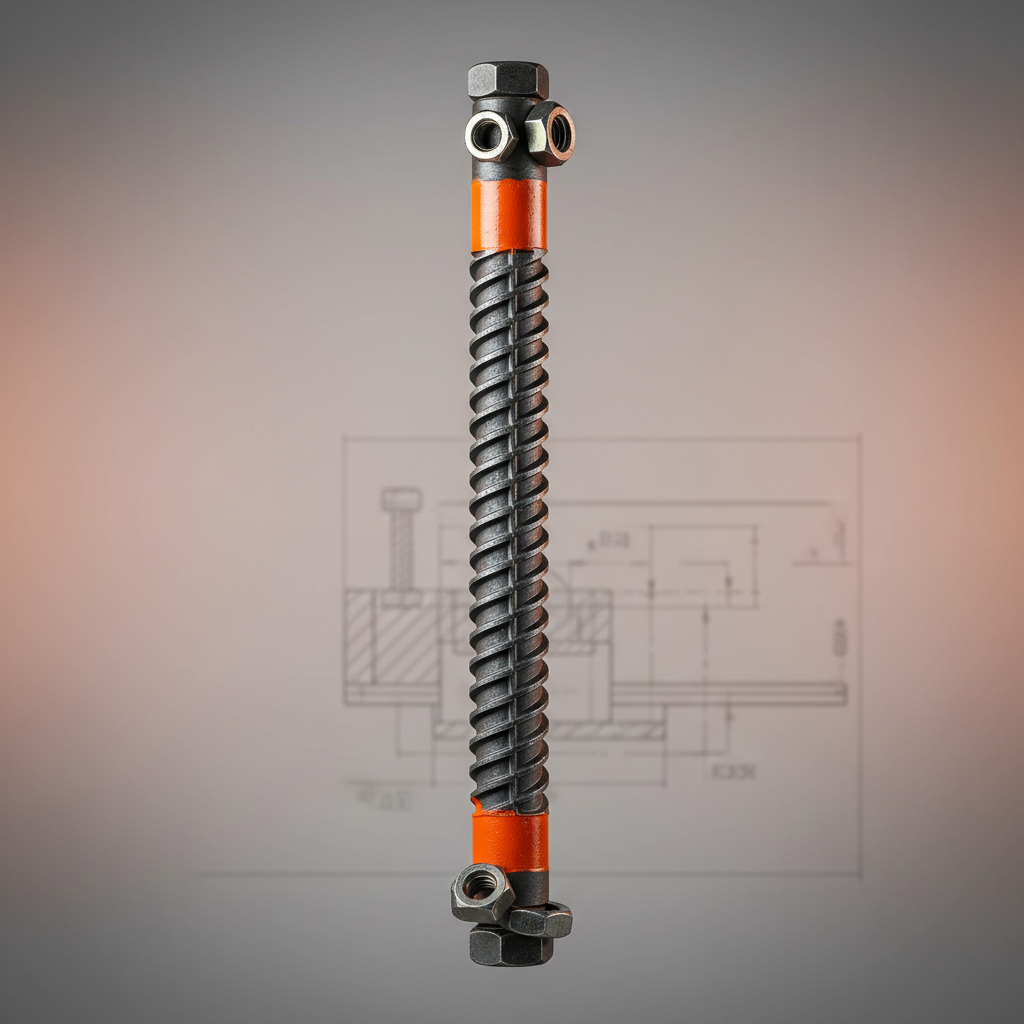
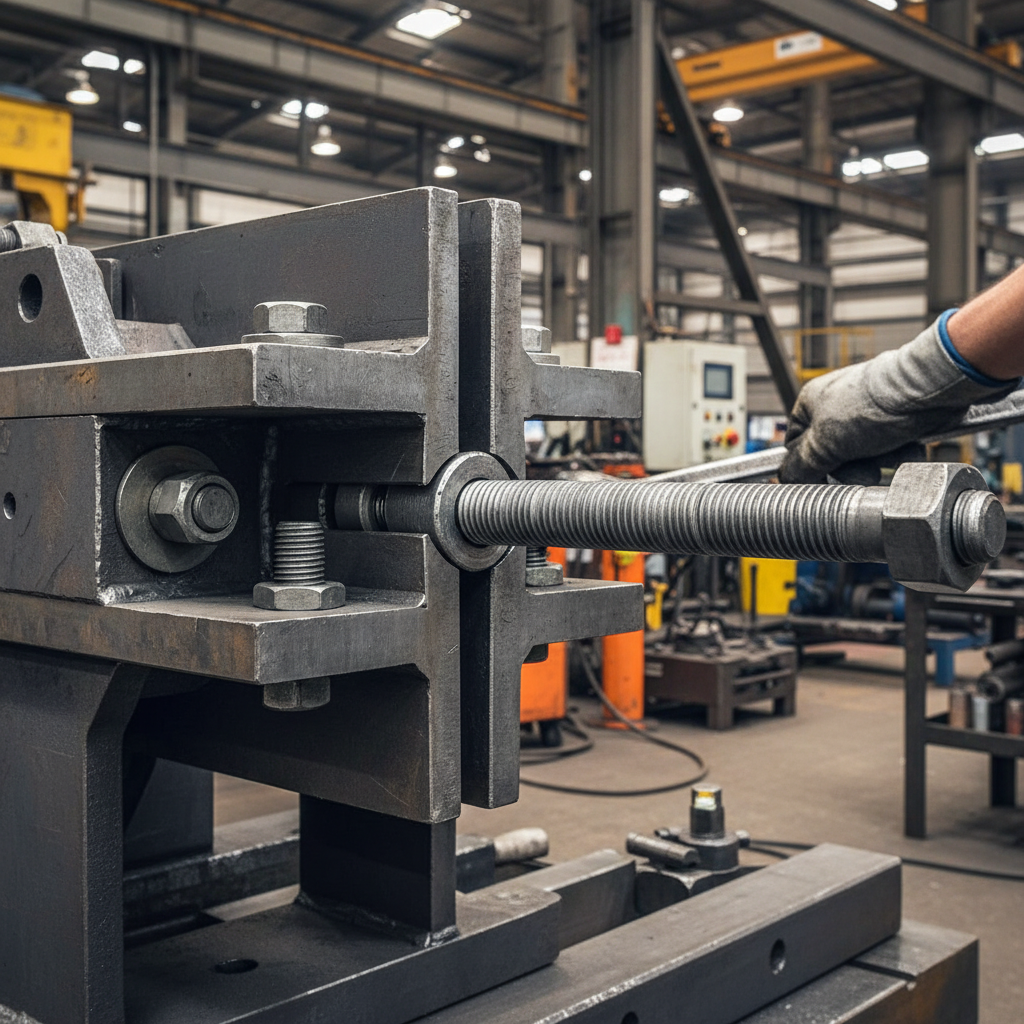
A 5/8 threaded rod axle is a cylindrical metal rod featuring threads along its entire length. The "5/8" refers to the nominal diameter of the rod, meaning it measures approximately five-eighths of an inch. These axles are typically used to transmit rotational power or provide structural support. The threading allows for secure attachment of various components using nuts and other threaded fasteners. The robustness of the threaded design makes them ideal for applications requiring high tensile strength and reliable connections. A key advantage is the ability to easily adjust the length by cutting and re-threading.
Key Benefits: High strength, adjustable length, secure connections, and versatility in application. Widely available and cost-effective compared to more specialized axle designs.
Common Applications of the 5/8 Threaded Rod Axle
The 5/8 threaded rod axle finds applications across various industries. Some common uses include:
- Agricultural Machinery: Connecting components in tractors, tillers, and other farm equipment.
- Automotive Repair: Used in drive shafts, suspension systems, and as part of braking mechanisms.
- Industrial Machinery: Actuating levers, adjusting settings, and providing structural support in various machines.
- Construction Equipment: Connecting parts of cranes, lifts, and other heavy machinery.
- DIY Projects and Fabrication: Often used for custom builds and repairs where a strong, threaded connection is needed.
Key Application Areas:
• Agricultural Machinery
• Automotive Repair
• Industrial Machinery
• Construction Equipment
5/8 Threaded Rod Axle: Materials and Specifications
5/8 threaded rod axles are manufactured from a variety of materials, each offering different properties. Common materials include:
- Carbon Steel: The most common and cost-effective material, offering good strength and durability.
- Stainless Steel: Provides excellent corrosion resistance, making it suitable for outdoor or harsh environments.
- Alloy Steel: Offers enhanced strength and toughness, ideal for high-stress applications.
Selecting the Right 5/8 Threaded Rod Axle
Choosing the correct 5/8 threaded rod axle requires careful consideration of several factors. Determine the required length and strength based on the application. Consider the operating environment; if exposed to moisture or corrosive substances, stainless steel is the preferred option. Ensure the thread pitch matches the corresponding nuts and fasteners. Furthermore, always verify the load capacity of the axle to prevent failure. HBTBLS provides detailed product specifications and expert advice to help you select the optimal axle for your needs.
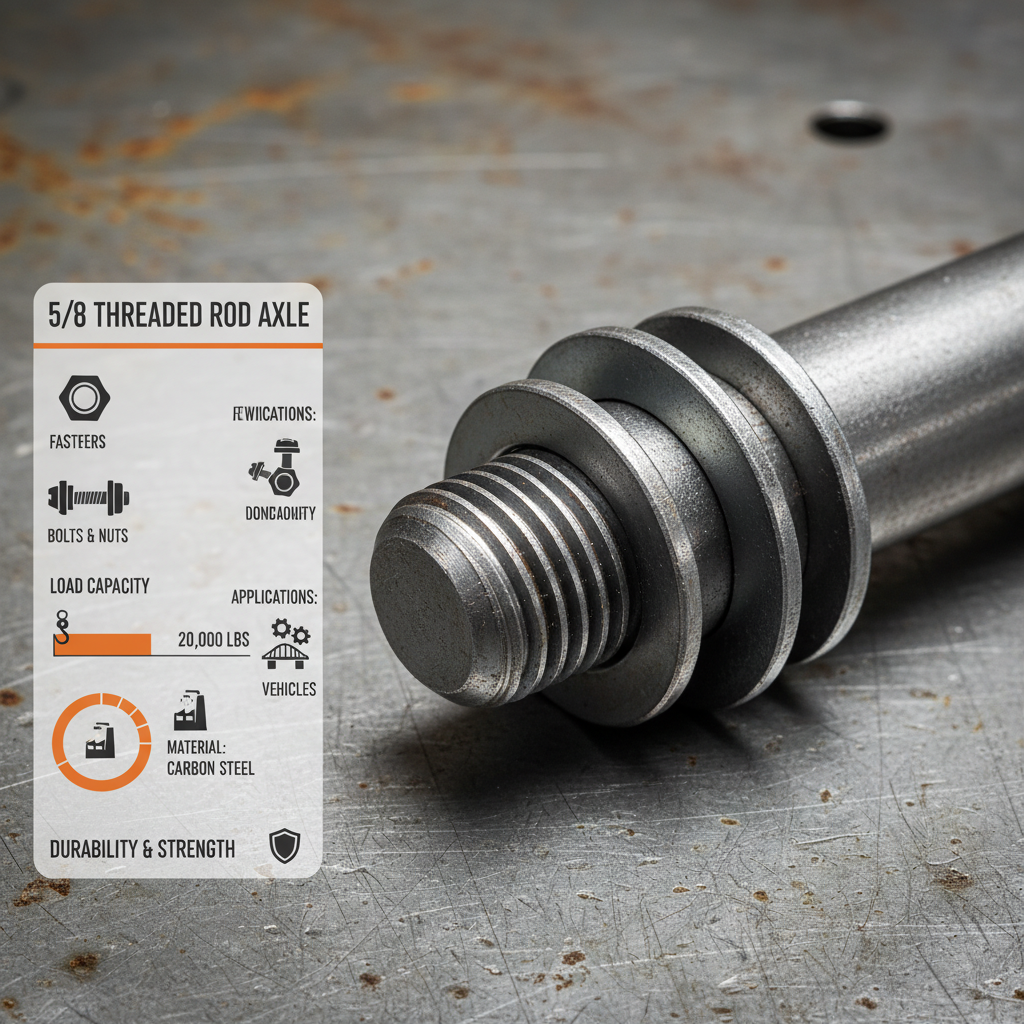
Safety Considerations and Best Practices
When working with 5/8 threaded rod axles, safety should always be a top priority. Always wear appropriate personal protective equipment (PPE), including safety glasses and gloves. Ensure the axle is properly secured before applying any load. Avoid over-tightening nuts, as this can damage the threads. Regularly inspect axles for signs of wear, corrosion, or damage. If any damage is detected, replace the axle immediately. Proper handling and maintenance will extend the lifespan of the axle and prevent accidents.
Conclusion: Finding the Right 5/8 Threaded Rod Axle for Your Application
The 5/8 threaded rod axle is a versatile and essential component in countless applications. By understanding its properties, materials, and safety considerations, you can make informed decisions and ensure optimal performance and reliability. HBTBLS offers a comprehensive selection of high-quality threaded rod axles and expert support to meet your specific requirements. Don't compromise on quality – choose HBTBLS for your axle needs.
Frequently Asked Questions (FAQs)
What is the standard thread pitch for a 5/8 inch threaded rod?
The most common thread pitch for a 5/8 inch threaded rod is 11 threads per inch (TPI), designated as 5/8-11. However, other thread pitches are available, such as 18 TPI (5/8-18), depending on the specific application and regional standards. It’s crucial to verify the thread pitch before assembling the rod with nuts or other components to ensure a proper fit and secure connection. Using the wrong thread pitch can damage the threads or result in a failed assembly.
Can a 5/8 threaded rod axle be cut to a specific length?
Yes, a 5/8 threaded rod axle can be cut to a specific length using a hacksaw, metal cutting saw, or angle grinder with a suitable cutting disc. After cutting, it’s essential to deburr the ends to remove any sharp edges and prevent injury. Additionally, re-tapping the threads with a die might be necessary to ensure clean and consistent threads for optimal nut engagement. Proper cutting and re-threading are critical for maintaining the axle’s integrity and functionality.
What is the difference between a fully threaded rod and a partially threaded stud?
A fully threaded rod, like the 5/8 threaded rod axle discussed, has threads along its entire length. A partially threaded stud, however, has threads on only a portion of its length, with a smooth, unthreaded section on one or both ends. Studs are often used for applications requiring a smooth shoulder for centering or mounting. The choice between a rod and a stud depends on the specific application requirements.
Post time: Feb . 28, 2026 02:45



 English
  Albanian
  Arabic
  Armenian
  Azerbaijani
  Belarusian
  Bosnian
  Bulgarian
  Cebuano
  Corsican
  Czech
Czech  Galician
  Georgian
  Greek
Greek  Hausa
Hausa  Hebrew
  Hungarian
  Igbo
Igbo  Indonesian
  Italian
  Kazakh
  Khmer
Khmer  Korean
  Kurdish
  Kyrgyz
  Lao
Lao  Latin
Latin  Latvian
  Lithuanian
  Malay
Malay  Myanmar
  Nepali
  Polish
  Portuguese
  Russian
  Serbian
  Sesotho
  Shona
Shona  Sindhi
  Spanish
  Tagalog
  Tajik
Tajik  Thai
Thai  Turkish
  Turkmen
  Ukrainian
  Uzbek
Uzbek  Vietnamese
  Yoruba
  Zulu
Zulu