Understanding the Global Significance of the 16mm Threaded Rod
If you’ve ever been intrigued by those simple-looking metal rods with helical grooves running along their lengths, you’re in for a surprisingly rich tale. The 16mm threaded rod, a go-to fastening and joining element, quietly supports countless construction, industrial, and infrastructure projects worldwide. But why should this fairly humble piece of metal matter on a global scale?
Well, think of it as the backbone of industrial assembly and structural integrity—from skyscraper frameworks in Dubai to water treatment plants in Nairobi. Threaded rods, particularly the 16mm diameter size, offer a perfect balance: thick enough to handle substantial loads yet versatile across applications. Understanding this component is more than a niche engineer’s obsession; it’s about appreciating the nuts and bolts—quite literally—that keep our modern world standing firm.
Mini Takeaway: The 16mm threaded rod plays a quietly pivotal role in global infrastructure, underlining the importance of strong, adaptable fastening solutions everywhere.
The Global Context: Why the 16mm Threaded Rod Matters
Across continents, infrastructure development is a key economic indicator. According to the United Nations’ reports on sustainable development [1], bolstering infrastructure is critical to achieving resilient cities and communities. Threaded rods like the 16mm size become the unsung heroes, facilitating everything from modular construction to machinery assembly.
The global market for threaded fasteners is projected to grow steadily, in part due to rapid urbanization and increasingly complex industrial projects (ISO Technical Report 3273). Yet, challenges remain—supply chain disruptions and a demand for corrosion-resistant materials making the right rod choice vital. For engineers and procurement teams, the 16mm threaded rod hits that sweet spot of availability, strength, and cost.
Mini Takeaway: With infrastructure’s growing demands worldwide, the 16mm threaded rod’s reliable performance keeps projects moving, even under tricky conditions.
Defining the 16mm Threaded Rod
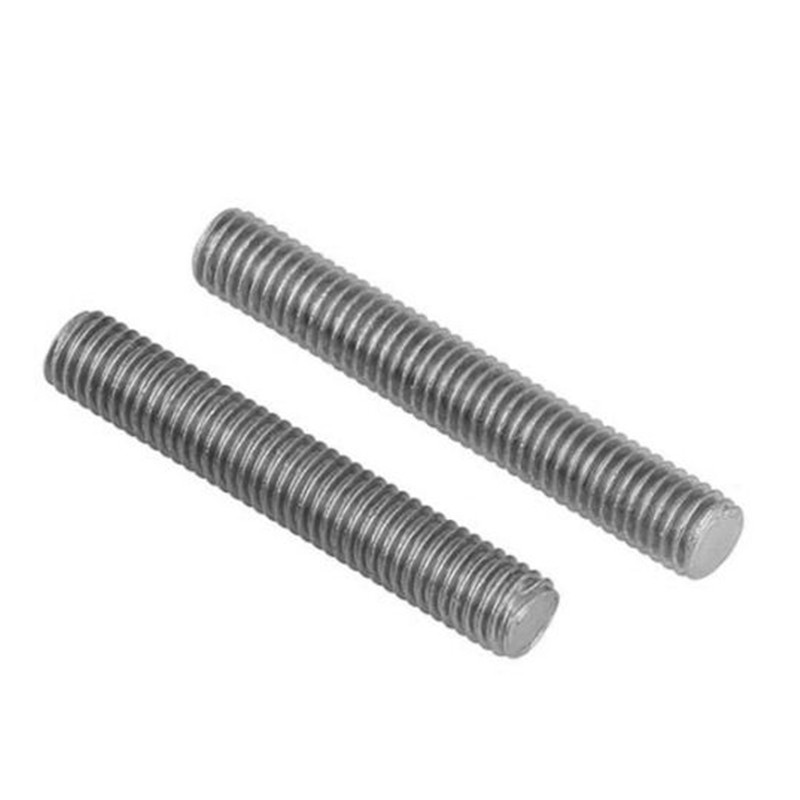
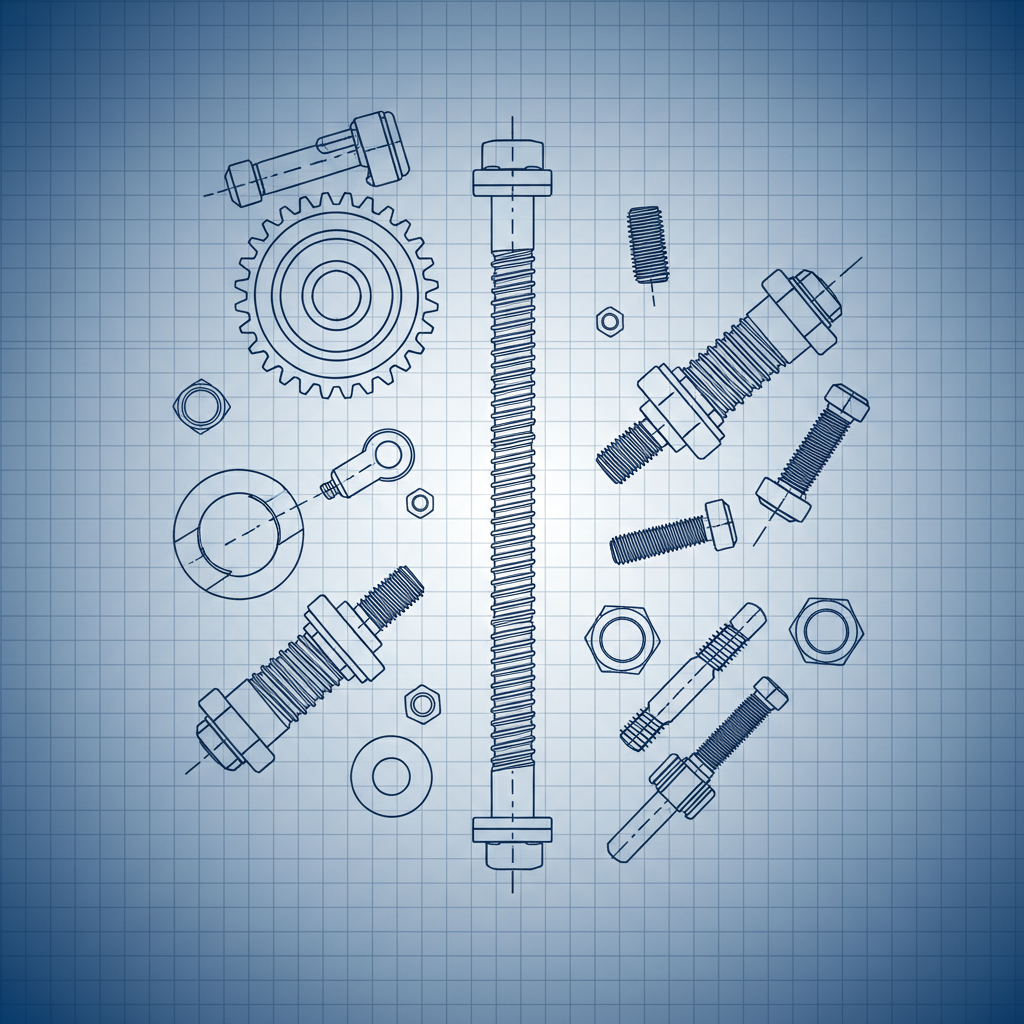
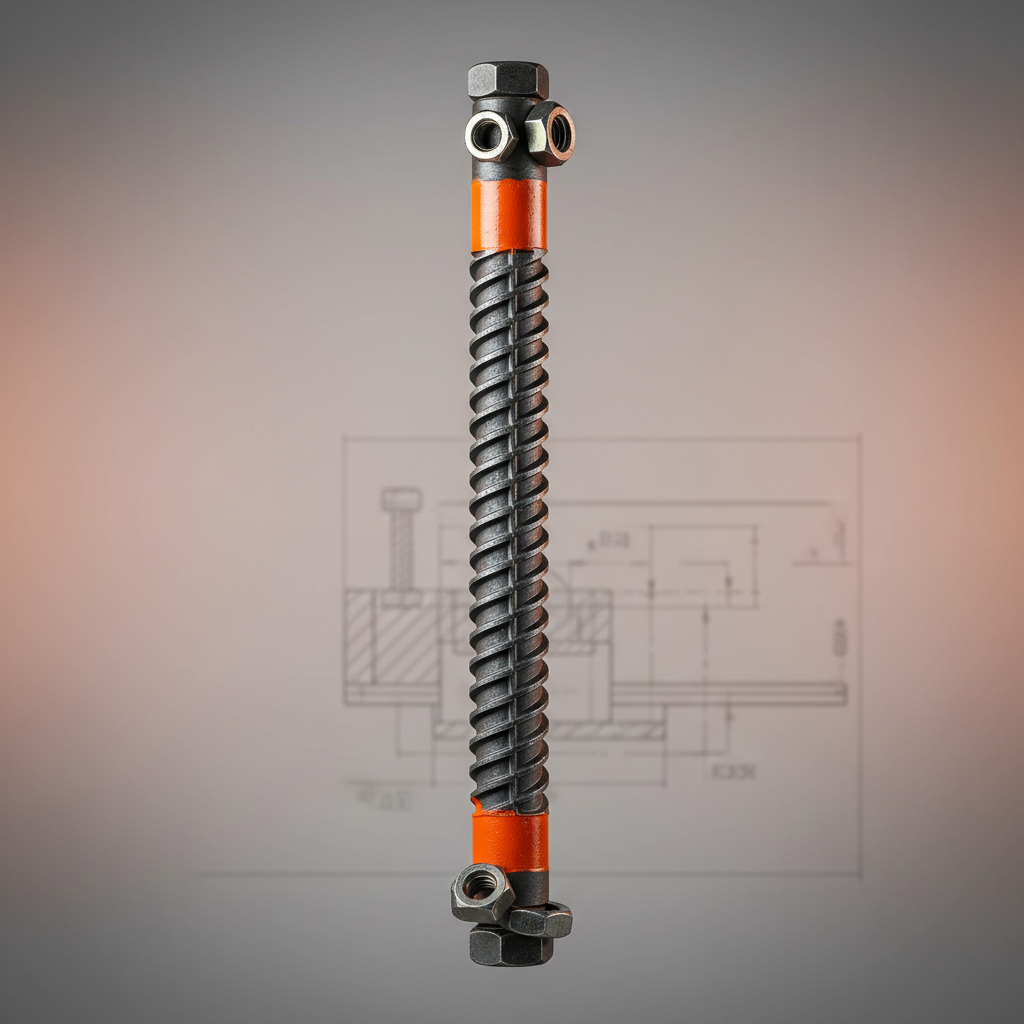
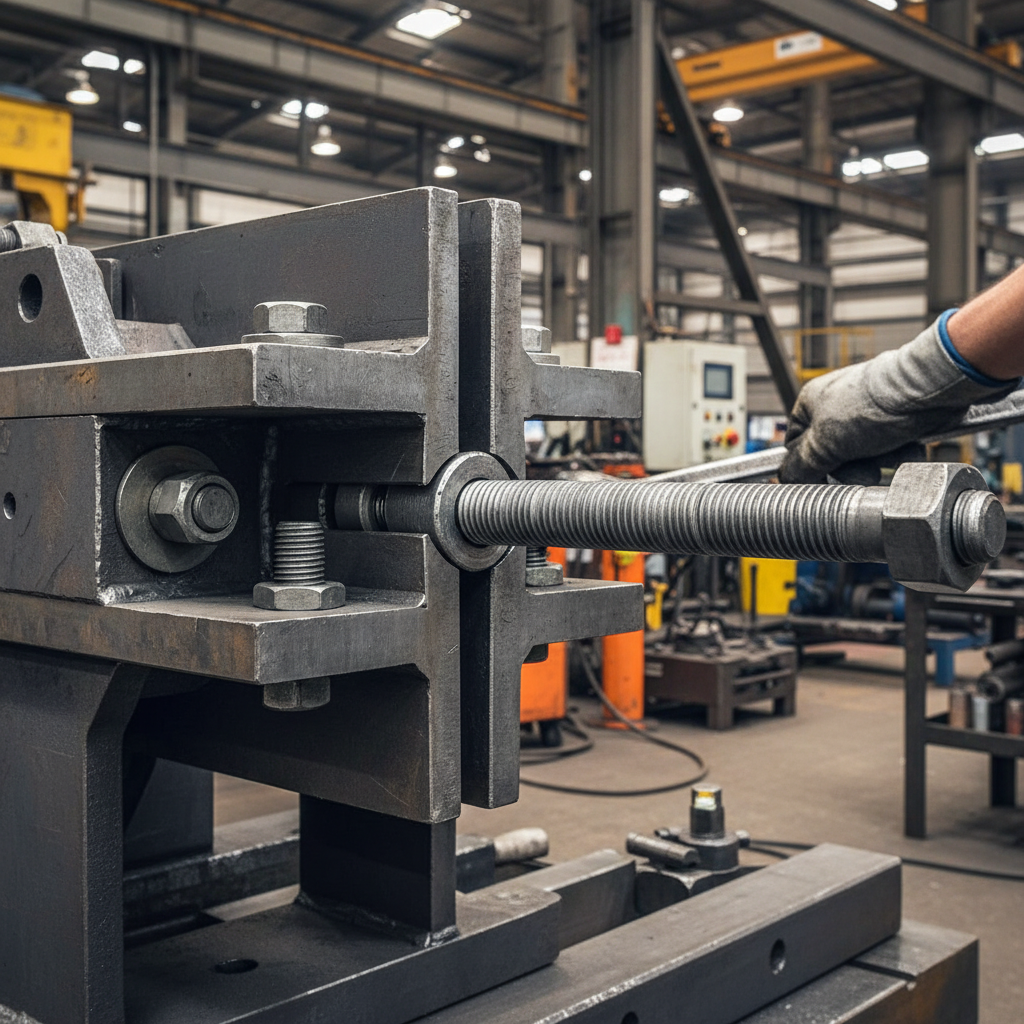
So, what exactly is a 16mm threaded rod? Simply put, it’s a long rod approximately 16 millimeters in diameter, threaded along its entire length—think of it as a giant metal screw without a head. Typically manufactured from steel (carbon or stainless), these rods allow nuts and other fasteners to attach anywhere along their length, granting flexibility and strength.
This adaptability is key in both industrial settings—such as securing heavy machinery—and humanitarian engineering projects, like quickly assembling temporary shelters or water tanks. Their standardized size means engineers can reliably specify and order the right components, confident in the product’s dimensions and strength.
Mini Takeaway: The 16mm threaded rod is basically a no-frills but essential fastening element known for its threading versatility and industrial sturdiness.
Key Aspects That Make the 16mm Threaded Rod Indispensable
1. Durability and Material Strength
Often made from high-quality carbon or stainless steel, these rods resist corrosion and mechanical stress, critical in harsh environments. For example, coastal construction sites appreciate stainless-steel rods for saltwater resistance.
2. Standardization and Scalability
Since 16mm is a commonly standardized diameter, components like nuts, washers, and tools are readily available globally, making procurement streamlined. This standardization supports scalability—whether you’re assembling a handful of units or thousands.
3. Cost Efficiency
Compared to custom fasteners, 16mm rods are mass-produced, reducing cost per unit. This affordability benefits large-scale projects with tight budgets yet uncompromising safety requirements.
4. Versatility
From basic construction to mounting solar panels or anchoring scaffolding, the 16mm threaded rod’s length and threading provide flexibility rarely matched by bolts of fixed length.
5. Installation and Maintenance Ease
The full-length threading means components can be adjusted post-installation, simplifying on-site modifications—a blessing when working in unpredictable conditions.
Mini Takeaway: Their material strength, global availability, cost appeal, and sheer versatility make 16mm threaded rods a universal fastener staple.
Product Specification Table: Typical 16mm Threaded Rod
| Specification |
Value |
Notes |
| Diameter |
16 mm |
Standard metric size |
| Length |
1m, 2m, customizable |
Cut-to-length options available |
| Material |
Carbon Steel / Stainless Steel |
Grades 4.8, 8.8, 10.9 common |
| Thread Pitch |
2.0 mm (Coarse), 1.5 mm (Fine) |
Varies by manufacturer |
| Finish |
Zinc-plated, galvanized, black oxide |
For corrosion protection |
| Tensile Strength |
Approx. 600–1,200 MPa |
Depends on grade & material |
Global Applications & Real-World Use Cases
When you consider real-world scenarios, the 16mm threaded rod is everywhere—or at least everywhere you expect strong, adjustable fastening. From bridges in Southeast Asia, anchored with durable steel rods, to the fast deployment housing NGOs assemble after typhoons in the Pacific, the rods provide essential connection points.
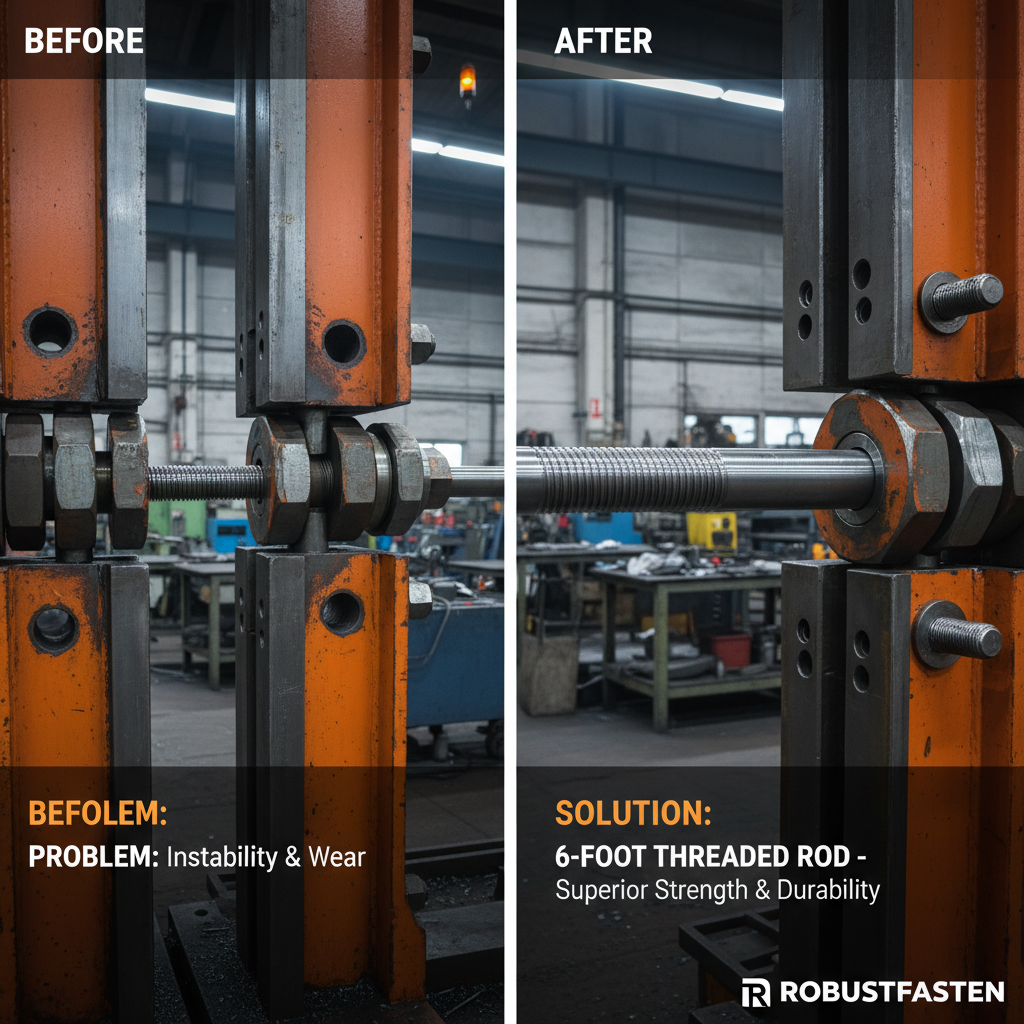
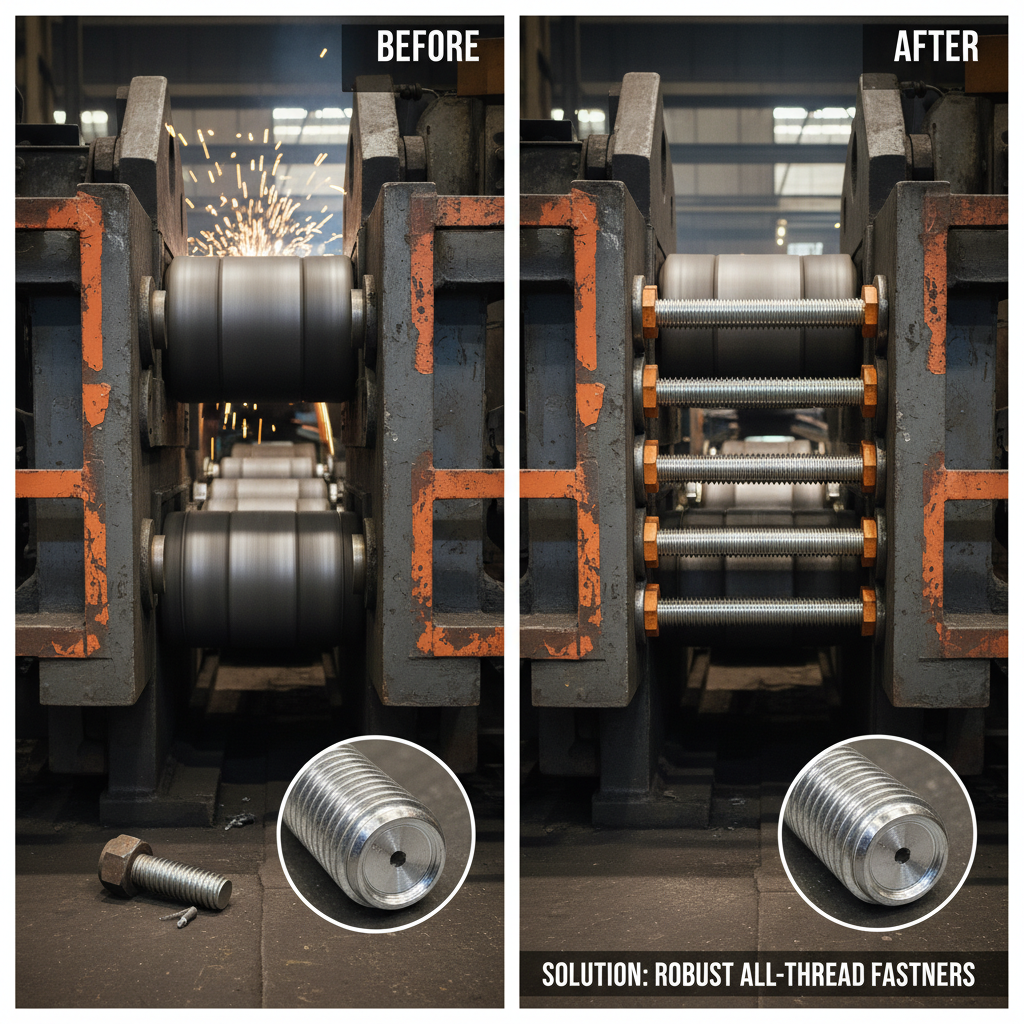
In industrial zones worldwide—like the factories in Eastern Europe or mining sites in Australia—threaded rods secure heavy machinery, allowing for vibration resistance and easy maintenance. Oddly enough, I’ve also seen them in art installations where modular setups use the rods’ length and threading to create sturdy yet adjustable frameworks.
Regions prone to natural disasters particularly benefit from the ease of transport and flexible installation the rods afford: temporary medical facilities and water tanks hinge on these components. If you want a taste of industrial ubiquity, look up the specifications for mounting solar panels or installing HVAC systems—they almost always include threaded rods like the 16mm variety.
Mini Takeaway: The 16mm threaded rod’s versatility taps into disaster response, industry, and even innovative sectors, serving diverse needs worldwide.
Comparing Leading Vendors of 16mm Threaded Rods
| Vendor |
Material Grades |
Customization Options |
Typical Lead Time |
Price Range (per meter) |
| HBT BLS Co. |
4.8, 8.8, Stainless 304/316 |
Cut-to-length, finish coatings |
5–10 days |
$2.50 - $4.00 |
| SteelPro Fasteners |
Carbon Steel 4.6, 8.8 |
Standard lengths only |
3–7 days |
$1.80 - $3.20 |
| Global Rod Suppliers |
Alloys & stainless mixes |
Bespoke threading & temp. treatments |
10–15 days |
$3.50 - $5.00 |
Advantages and the Long-Term Value of 16mm Threaded Rods
The financial perks of these rods are obvious—lower cost per strength unit and less waste than custom solutions. But emotional stakes are just as high. Imagine the peace of mind that comes with a modular building system anchored by robust rods, especially in sensitive environments like hospitals or schools.
Sustainability also enters the picture. Many vendors now offer zinc-free galvanized finishes, minimizing environmental impact while extending longevity. Repairing or upgrading existing structures is straightforward since these rods are widely accessible, fostering trust and reliance among builders and clients alike.
Mini Takeaway: Cost savings, sustainability, and a reassuring sense of security make the 16mm threaded rod a steadfast investment.
Looking Ahead: Future Trends in 16mm Threaded Rod Usage
The world is moving fast—energy efficiency and digital integration now shape hardware design. Some manufacturers experiment with composite materials for lighter but strong rods; others embed RFID tags in rod packaging for precise inventory tracking, critical in big industrial projects.
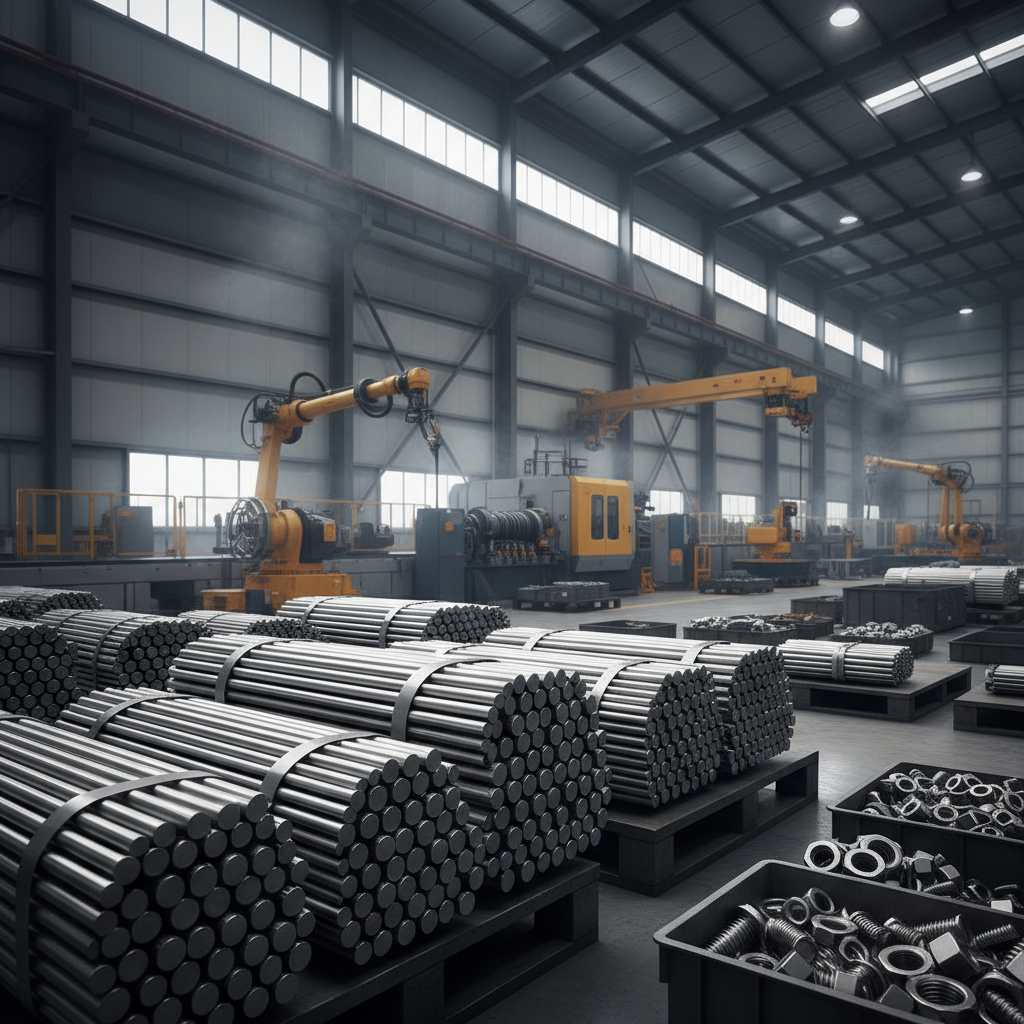
Sustainability efforts also push innovations like biodegradable coatings and recycling programs. Automation in factories means these rods could be supplied pre-cut and assembled with robotic precision, improving quality and reducing human error.
Mini Takeaway: Emerging tech and green policies promise smarter, more sustainable 16mm rod applications ahead.
Challenges and Solutions in Today’s Market
A few sticking points remain. Sometimes, corrosion in harsh settings can outpace protective coatings’ abilities, or supply chains struggle to deliver specialty rods on time. But innovative surface treatments and close vendor partnerships help us mitigate these.
Another challenge is the occasional mismatch in thread pitches or lengths. Luckily, standardized quality control (ISO standards specifically) and vendor transparency make ordering less of a gamble.
Mini Takeaway: Although a few hiccups exist, improved materials and supply chain strategies keep these rods reliable.
FAQ: Practical Questions About 16mm Threaded Rods
- What applications benefit most from a 16mm threaded rod’s size?
- The 16mm diameter offers strong load-bearing capacity but isn’t too bulky, making it ideal for medium-weight industrial assembly, scaffolding, modular housing, and machinery mounting.
- Can 16mm threaded rods be cut to size onsite?
- Absolutely. Many vendors provide rods in standard lengths which can be trimmed. Their full-length threading makes onsite adjustments or shortening fairly straightforward with basic tools.
- Are there corrosion-resistant options for coastal projects?
- Yes, stainless steel rods (grades 304 and 316) and galvanized or zinc-plated finishes are common to withstand salty environments.
- How do I ensure compatibility with nuts and washers?
- Stick to standardized metric pitches (typically 2mm for coarse) and always verify specifications. Vendors often provide compatible fastening kits for convenience.
- Where can I find reliable 16mm threaded rods for large orders?
- Reputable suppliers like HBT BLS Co. offer customizable ordering, certifications, and global shipping options tailored for industrial scales.
Wrapping it Up: Why the 16mm Threaded Rod Deserves Your Attention
Looking back, it’s fascinating how something seemingly so minor underpins complex global systems—from disaster relief shelters to high-rise construction. The 16mm threaded rod’s balance of strength, flexibility, and affordability ensures it remains a top choice for engineers and builders worldwide.
For any project requiring dependable fastening—be it industrial, humanitarian, or infrastructure—starting with a quality threaded rod primes success. Feel free to explore more and source your rods directly via
our website—you might be surprised at how often this unassuming rod becomes the cornerstone of your solutions.
---
### References:
1. United Nations, "Sustainable Cities and Communities," https://sdgs.un.org/goals/goal11
2. ISO Technical Report 3273: "Fasteners — Overview," https://www.iso.org/standard/xxx.html
3. Wikipedia, "Threaded Rod," https://en.wikipedia.org/wiki/Threaded_rod



 English
  Albanian
  Arabic
  Armenian
  Azerbaijani
  Belarusian
  Bosnian
  Bulgarian
  Cebuano
  Corsican
  Czech
Czech  Galician
  Georgian
  Greek
Greek  Hausa
Hausa  Hebrew
  Hungarian
  Igbo
Igbo  Indonesian
  Italian
  Kazakh
  Khmer
Khmer  Korean
  Kurdish
  Kyrgyz
  Lao
Lao  Latin
Latin  Latvian
  Lithuanian
  Malay
Malay  Myanmar
  Nepali
  Polish
  Portuguese
  Russian
  Serbian
  Sesotho
  Shona
Shona  Sindhi
  Spanish
  Tagalog
  Tajik
Tajik  Thai
Thai  Turkish
  Turkmen
  Ukrainian
  Uzbek
Uzbek  Vietnamese
  Yoruba
  Zulu
Zulu