
Understanding the 3 8 Stainless Steel Threaded Rod: Why It Matters Globally
If you’ve ever dabbled in construction, engineering, or even DIY projects, the 3 8 stainless steel threaded rod likely rings a bell. But why does this odd-sounding component matter on a global scale? Whether it’s the backbone of a skyscraper, a holdfast for a bridge, or a tiny but indispensable piece inside industrial machinery, this rod combines practicality with strength. The global construction and manufacturing industries depend on it—and as infrastructure demands increase worldwide, having a solid grasp of its benefits might just be the difference between project success and costly failure.
From sustainable building efforts to disaster-resilient infrastructure, understanding the nuances of these rods sheds light on how modern societies build safer, long-lasting structures. Plus, there’s something kind of poetic about this humble rod quietly enabling so much of our everyday environment, isn’t there?
The Growing Global Demand for 3 8 Stainless Steel Threaded Rods
In 2023, the global stainless steel market saw a surge, expected to hit an estimated $133 billion by 2030 according to Statista and corroborated by ISO standards. That growth trickles right down to products like the 3 8 stainless steel threaded rod, essential in everything from automotive assembly lines in Asia to renewable energy structures in Europe.
Why the uptick? Well, infrastructure spending worldwide—boosted by initiatives like the UN’s Sustainable Development Goals focused on resilient infrastructure—is partially responsible. The challenge companies face is sourcing materials that resist corrosion, offer strength without excess weight, and stay cost-effective in volatile markets. That’s the sweet spot where the 3 8 stainless steel rod shines.
So, What Exactly Is a 3 8 Stainless Steel Threaded Rod?
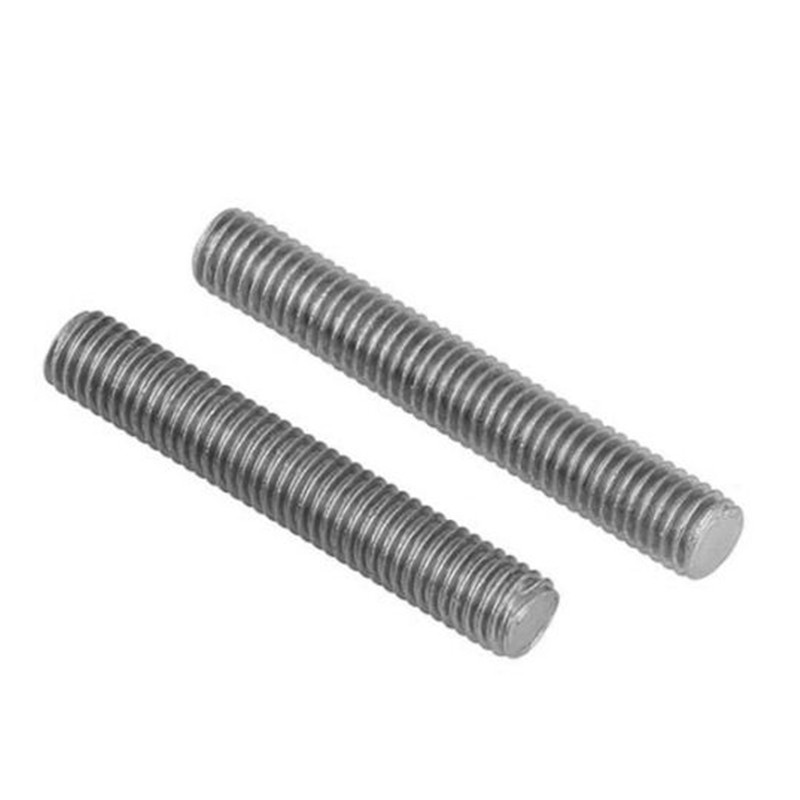
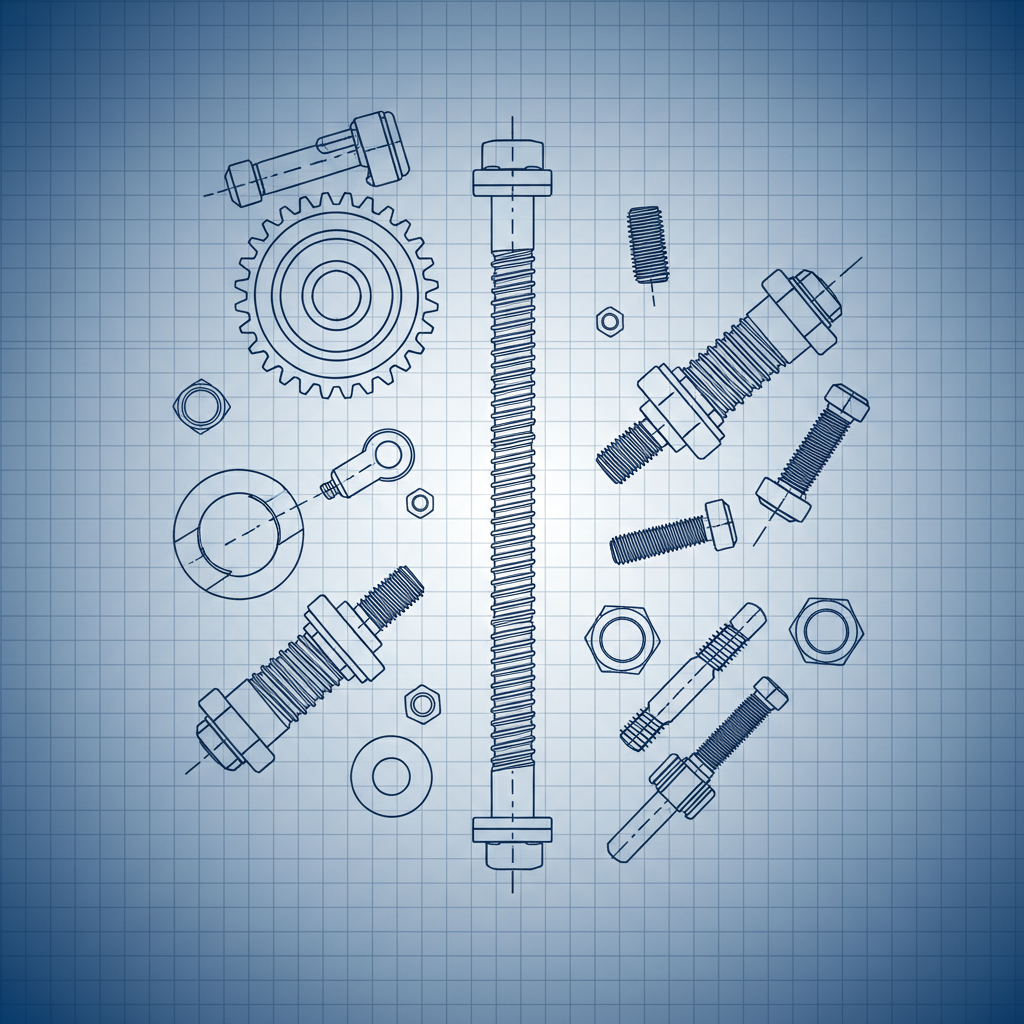
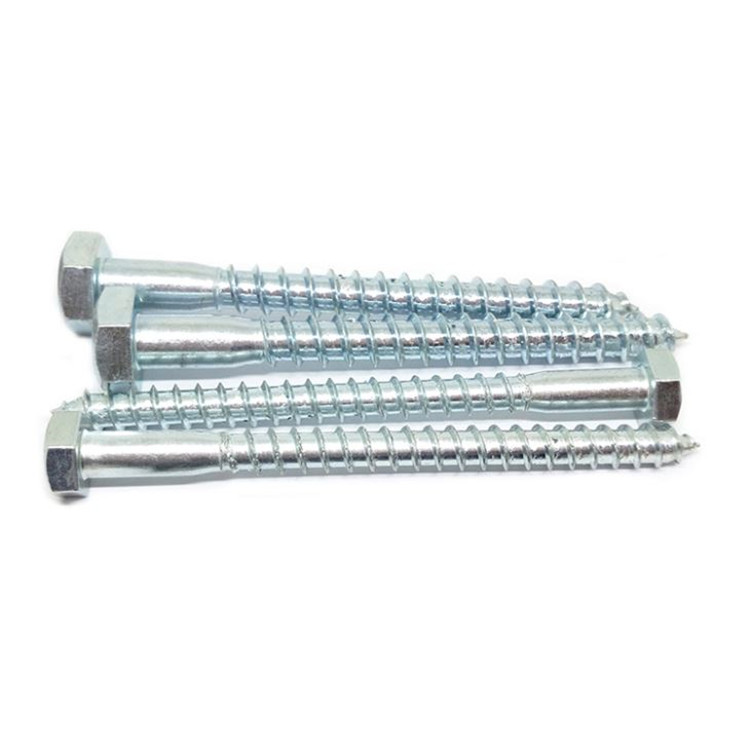
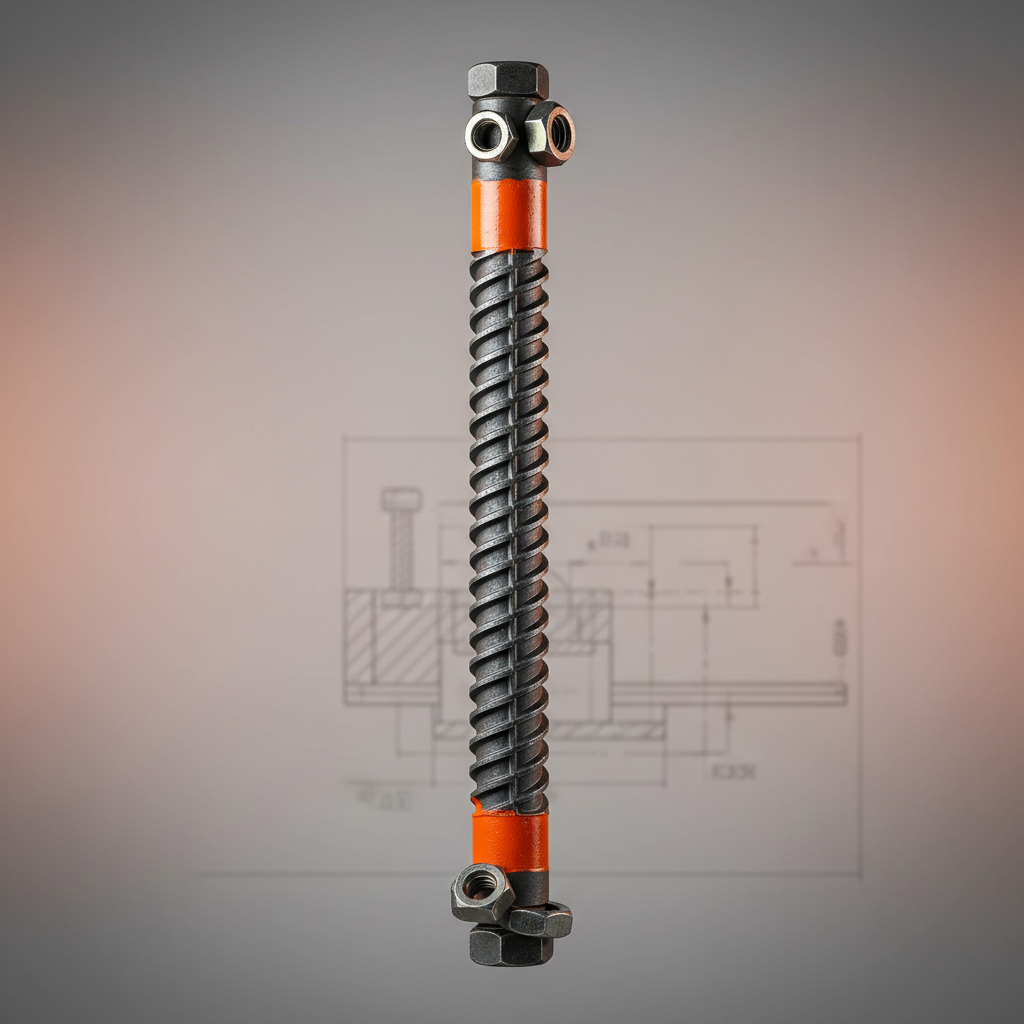
Simply put, a 3 8 stainless steel threaded rod is a cylindrical metal rod with threads running its length and a nominal diameter of 3/8 inches (approximately 9.5 mm). These rods are manufactured from various grades of stainless steel, typically 304 or 316, chosen for their corrosion resistance and mechanical strength.
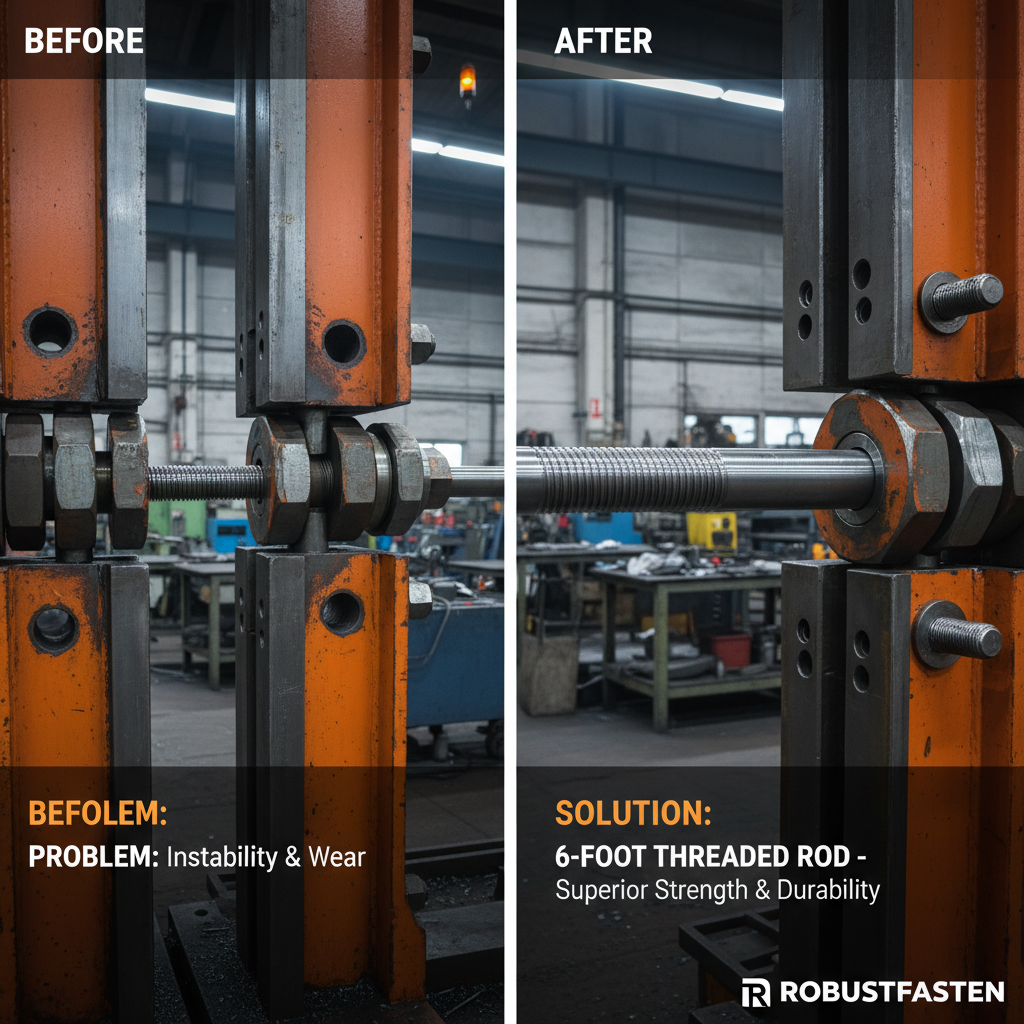
Think of it as a super-strong spine for fastening applications that traverse building frames, machinery, or piping systems where nuts and other hardware fasten onto the threads. What makes these rods invaluable is their versatility—the same rod you find sealing a bridge can also be part of a modular relief shelter in disaster zones.
Key Characteristics That Define Its Utility
Durability and Corrosion Resistance
The 3 8 stainless steel threaded rod’s standout feature has to be corrosion resistance. Especially in marine or chemical environments, corrosion can quickly degrade common steel parts. Using stainless steel alloys means these rods last significantly longer—upwards of 20 years in harsh conditions—reducing maintenance cycles and downtime.
Strength and Load Handling
While it might seem small, the 3 8 diameter is robust enough for heavy loads. Tensile strengths often reach above 70,000 psi (pounds per square inch), which makes it suitable for structural reinforcements where weight and space are limited.
Versatility in Custom Lengths and Finishes
Manufacturers usually offer threaded rods in various lengths—from 1 foot to over 12 feet—allowing for cut-to-size installation without compromising thread integrity. Finishes can range from plain annealed steel to polished grades that enhance aesthetic or functional applications.
Cost Efficiency Over Time
Initially, stainless steel rods may cost a bit more than galvanized alternatives, but their lifespan and reduced failure rates make them more economical in the long run, especially in critical or remote installations where replacement is costly.
Compatibility with Industry Standards
Quality rods meet ASTM A193/A276 or ISO 898-1 standards, ensuring compatibility across various engineering projects worldwide. This uniformity helps engineers specify rods with confidence, knowing they’ll fit multinational projects seamlessly.
Mini takeaway: The 3 8 stainless steel threaded rod balances strength, durability, and adaptability to meet a surprisingly wide range of industry needs.
Where in the World Are These Rods Used?
The applications are almost too broad to list, which, oddly enough, makes them fascinating. Here are some highlights:
- Construction & Infrastructure: In Europe and North America, these rods hold together curtain wall facades, bridge joints, and seismic retrofitting hardware.
- Marine Applications: Coastal cities from Japan to Australia rely on marine-grade stainless steel rods in docks and shipbuilding to fight harsh saltwater corrosion.
- Renewable Energy: Wind turbine manufacturers in Germany use threaded rods to assemble turbine blades and tower sections, where reliability is non-negotiable.
- Disaster Relief and Modular Housing: NGOs deploy portable metal structures backed by stainless steel threading for fast assembly in remote or disaster-struck areas, such as after earthquakes in South America.
Even in the automotive and aerospace sectors, threaded rods deliver precision fastening. Something about this little unsung hero feels like the universal connector—bridging continents and industries alike.
Typical Product Specifications of a 3 8 Stainless Steel Threaded Rod
| Specification | Value / Range |
|---|---|
| Diameter | 3/8 inch (9.525 mm) |
| Thread Pitch | 16 threads per inch (UNC) or custom metric |
| Material Grades | 304, 316, 316L stainless steel |
| Tensile Strength | ≥70,000 psi (483 MPa) |
| Length Range | 1 ft to 12 ft (customizable) |
| Finish | Polished, brushed, or plain |
Comparing Top Vendors of 3 8 Stainless Steel Threaded Rods
| Vendor | Material Grade Options | Customization Level | MOQ (Minimum Order Qty) | Lead Time |
|---|---|---|---|---|
| StainlessPro | 304, 316L | Lengths, finishes | 100 pcs | 2 weeks |
| Global Steel Works | 304, 316, 316L | Thread pitch, length, grade | 50 pcs | 3 weeks |
| BuildStrong Metals | 304 only | Standard lengths only | 200 pcs | 1 week |
Advantages and Long-Term Value of Using Stainless Steel Threaded Rods
From an engineer’s standpoint, specifying materials is a dance between cost, durability, and future-proofing. Stainless steel threaded rods cover that base nicely. They:
- Reduce Maintenance Costs: Less corrosion means fewer replacements.
- Enhance Safety: Stronger components mean less risk of structural failures.
- Support Sustainability: Stainless steel is highly recyclable, fitting circular economy models.
- Improve Trust & Reliability: Clients and contractors feel assured knowing the hardware won’t fail.
There’s also an emotional undertone: when a disaster strikes, the integrity of the infrastructure is literally a matter of life and dignity. Knowing that stainless steel rods might hold shelters or critical infrastructure together feels reassuring—like a quiet guardian.
Emerging Innovations & Trends
It’s not like the threaded rod will suddenly become smart hardware next year, but industry trends hint at some promising developments:
- Eco-Friendly Manufacturing: Using recycled stainless steel and greener refining techniques.
- Enhanced Coatings: Nano-coatings to improve corrosion resistance beyond traditional alloys.
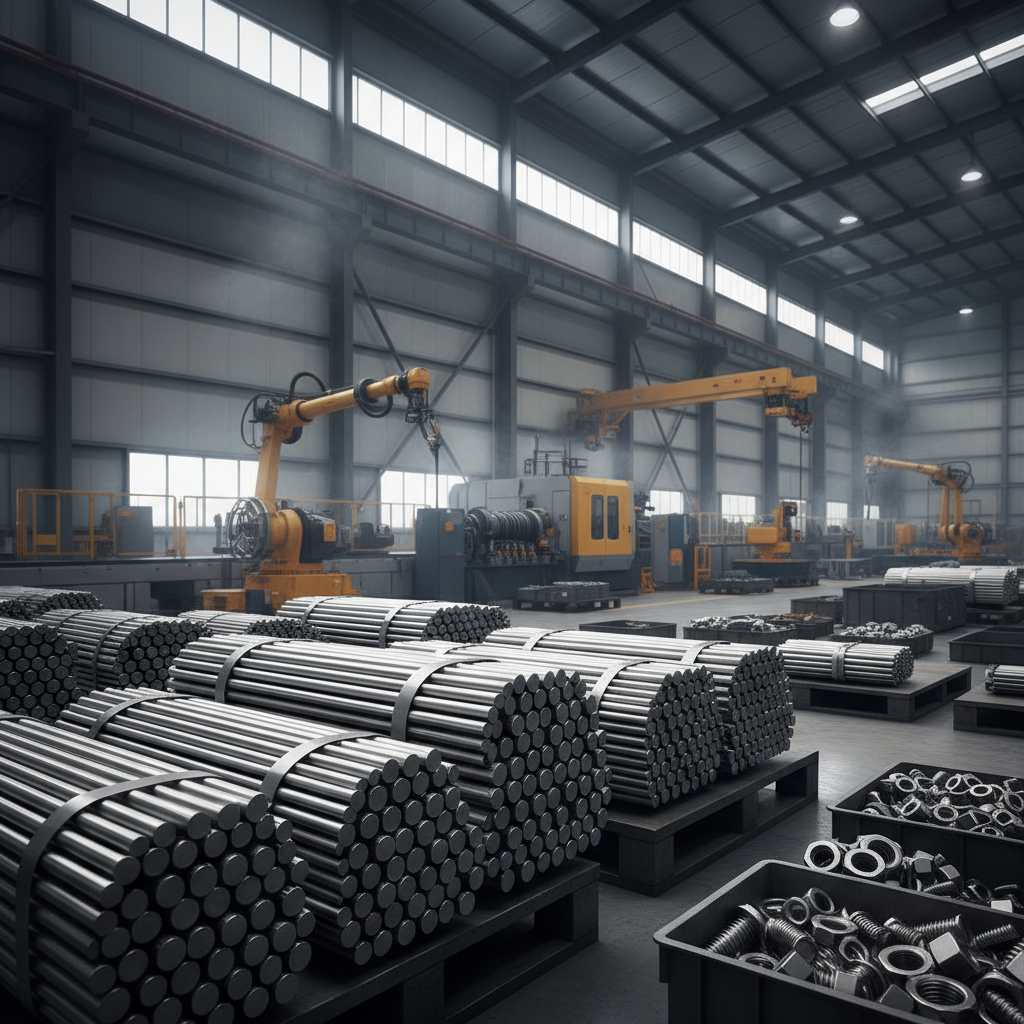
- Automation in Production: Robotic cutting and threading to improve precision and fast turnaround.
- Integration with Digital Twins: Tracking each rod’s specs digitally for maintenance forecasting in Smart Cities.
Frankly, it feels like the industry is ripe for a quiet revolution—incremental improvements rather than flashy reinventions.
Common Challenges and How Industry Tackles Them
Of course, no product is perfect. Stainless steel threaded rods face issues like:
- Higher Initial Price: Budget constraints sometimes force cheaper alternatives.
- Thread Galling: Stainless steel threads can bind if improperly lubricated.
- Cutting and Sizing Complexities: Field adjustments risk thread damage.
Expert engineers recommend:
- Using anti-seize lubricants or specially coated rods to prevent galling.
- Ordering near-final lengths with factory-cut threads to avoid field damage.
- Considering lifecycle cost analysis rather than upfront costs alone.
FAQ: What You Probably Want to Know About 3 8 Stainless Steel Threaded Rods
- What’s the difference between a 3 8 stainless steel threaded rod and a regular bolt?
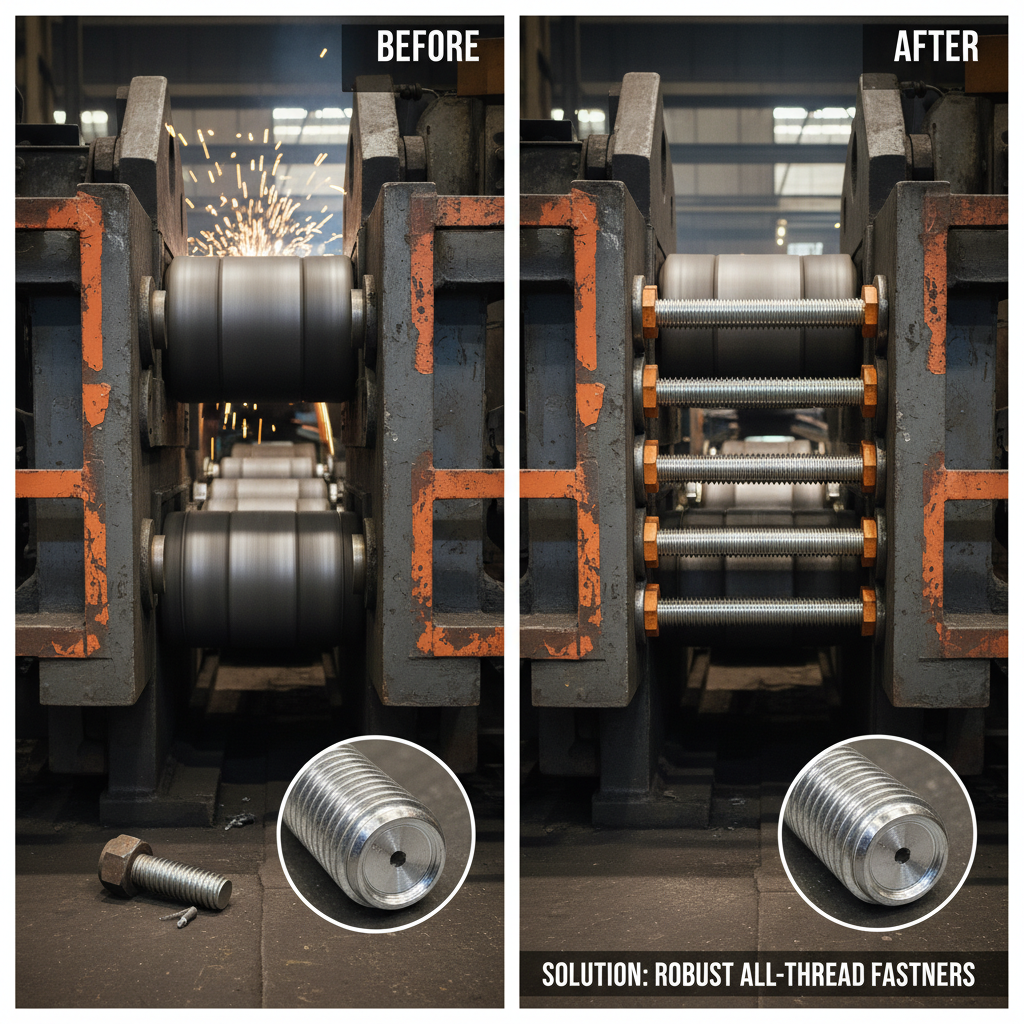
- The threaded rod is a long, continuous screw thread, ideal for custom lengths and applications that require deep insertion or extension, while bolts typically have a head and fixed length for easier fastening.
- Can a 3 8 stainless steel threaded rod be used outdoors?
- Absolutely. Made with corrosion-resistant alloys like 316, these rods excel in outdoor environments, especially coastal or humid regions.
- Is stainless steel better than galvanized steel for threaded rods?
- In general, stainless steel offers superior corrosion resistance and durability, though it tends to be pricier. Galvanized steel is sufficient for less demanding environments.
- How do I choose the correct length when ordering these rods?
- Measure your project needs carefully, adding any allowance for threading or modifications, and consult with suppliers for available cut lengths to avoid field trimming.
- Are these rods recyclable?
- Yes, stainless steel is highly recyclable without losing quality, supporting sustainable construction practices.
Wrapping It Up — Why 3 8 Stainless Steel Threaded Rod Remains a Go-To Choice
In the end, the 3 8 stainless steel threaded rod isn’t just a small metal piece — it’s a linchpin in countless applications around the world. Its robust strength, durability, and versatility continue to make it a smart investment for engineers, architects, and supply chain pros worldwide. If your projects demand reliability and longevity, this threaded rod is worth keeping at the front of your specification list.
Want to explore our range of stainless steel rods, tailored to your project’s needs? Visit our website: https://www.hbtbls.com and see how we can help bring your designs to life with precision and quality.
References
Post time: Nov . 26, 2025 20:30


 English
  Albanian
  Arabic
  Armenian
  Azerbaijani
  Belarusian
  Bosnian
  Bulgarian
  Cebuano
  Corsican
  Czech
Czech  Galician
  Georgian
  Greek
Greek  Hausa
Hausa  Hebrew
  Hungarian
  Igbo
Igbo  Indonesian
  Italian
  Kazakh
  Khmer
Khmer  Korean
  Kurdish
  Kyrgyz
  Lao
Lao  Latin
Latin  Latvian
  Lithuanian
  Malay
Malay  Myanmar
  Nepali
  Polish
  Portuguese
  Russian
  Serbian
  Sesotho
  Shona
Shona  Sindhi
  Spanish
  Tagalog
  Tajik
Tajik  Thai
Thai  Turkish
  Turkmen
  Ukrainian
  Uzbek
Uzbek  Vietnamese
  Yoruba
  Zulu
Zulu