
Understanding the 9 16 Threaded Rod: Backbone of Industrial Fastening
You might not give much thought to a simple metal rod with threads cut in — but the 9 16 threaded rod is a quietly powerful component that holds industries together. Literally. From towering skyscrapers to delicate machinery, these rods play a crucial role globally. Understanding what makes the 9 16 threaded rod such a staple can save millions in downtime and increase safety by leaps. Whether you’re in construction, manufacturing, or infrastructure maintenance, grasping the key benefits of this hardware is a game-changer.
Why Does the 9 16 Threaded Rod Matter on a Global Scale?
Threaded rods might seem like a niche topic, but they’re part of a massive market worth billions, underpinning everything from oil rigs to space stations — yes, really. According to ISO standards and industry surveys, fastening components like the 9 16 threaded rod have seen consistent growth due to expanding industrialization and infrastructure needs worldwide.
Infrastructure projects, especially in developing countries, rely heavily on standardized fasteners to meet safety protocols and reduce costs. UN reports highlight that reliable construction components help improve disaster resilience — so whenever you hear about rebuilding after earthquakes or floods, chances are threaded rods are involved somewhere in the structural framework.
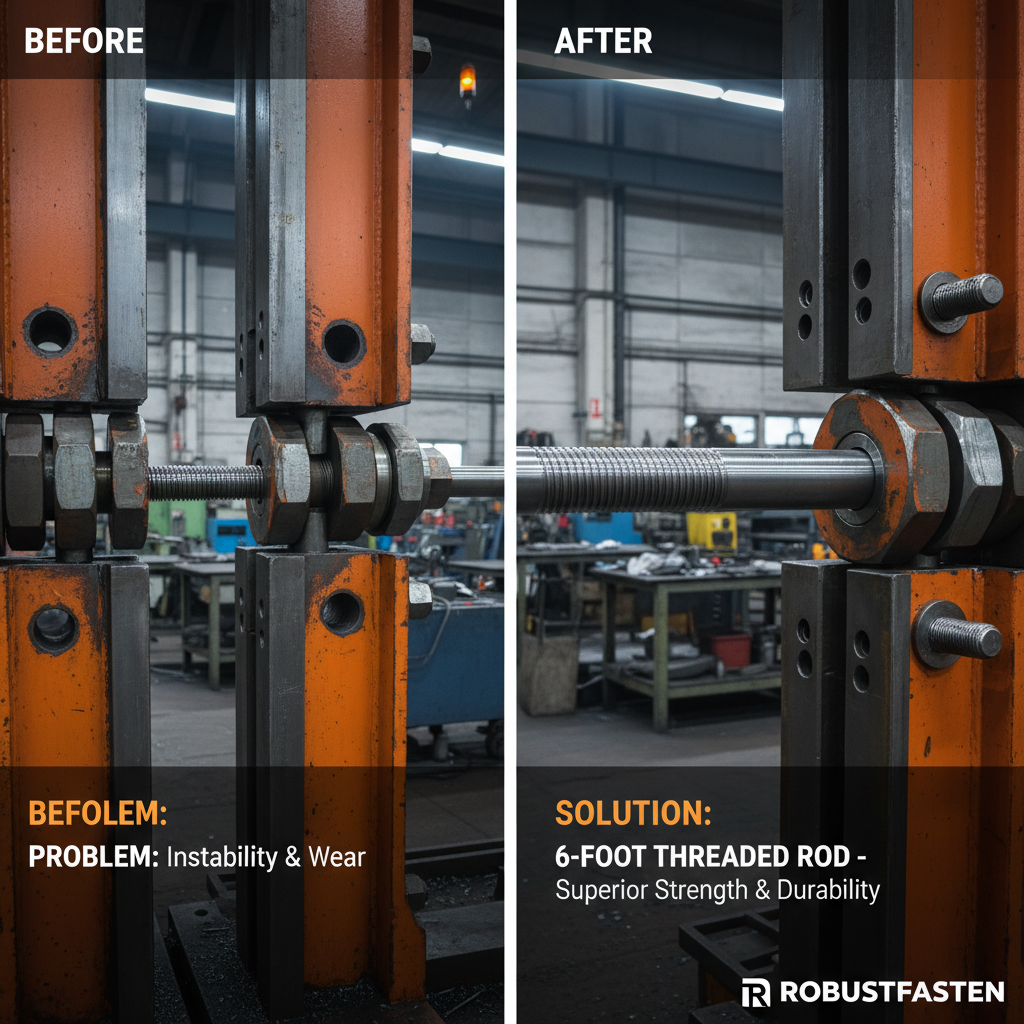
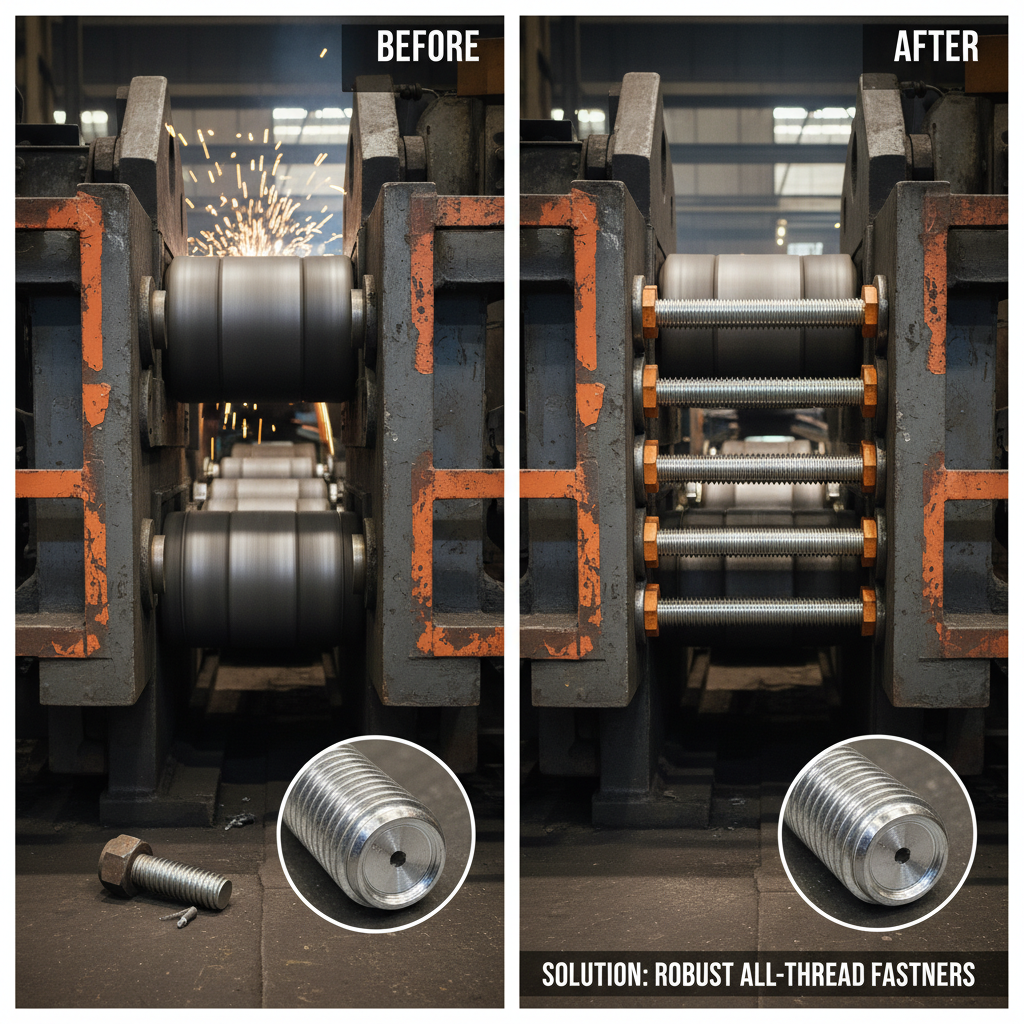
What problems do they often solve? Simply put: stability, scalability, and speed of assembly. In a world where time is money, having a robust yet versatile part like this reduces bottlenecks and increases productivity.
Defining the 9 16 Threaded Rod: More Than Just a Metal Bar
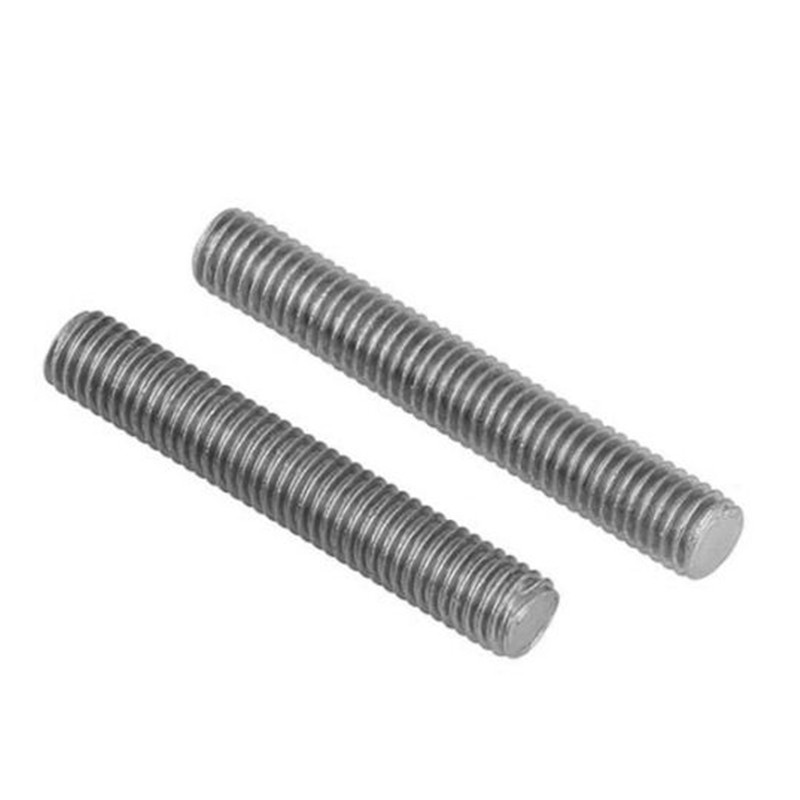
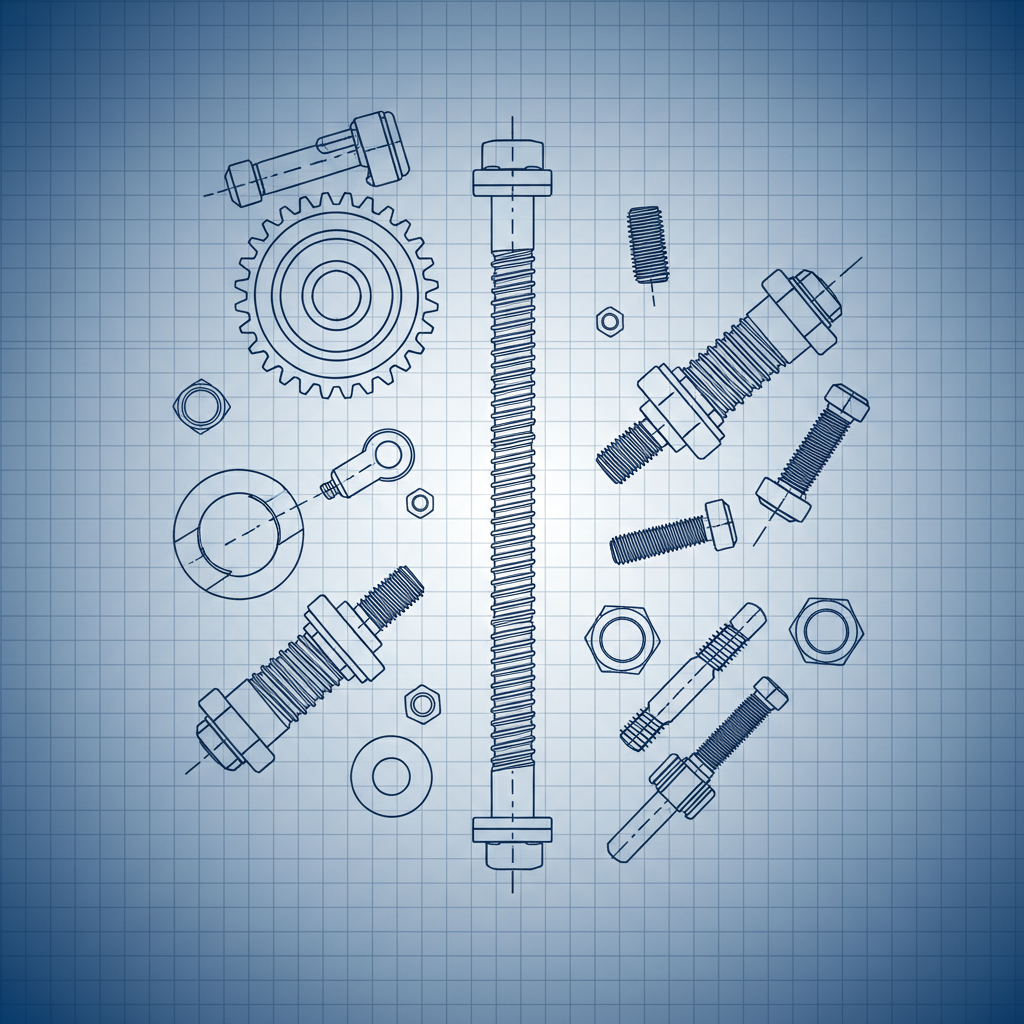
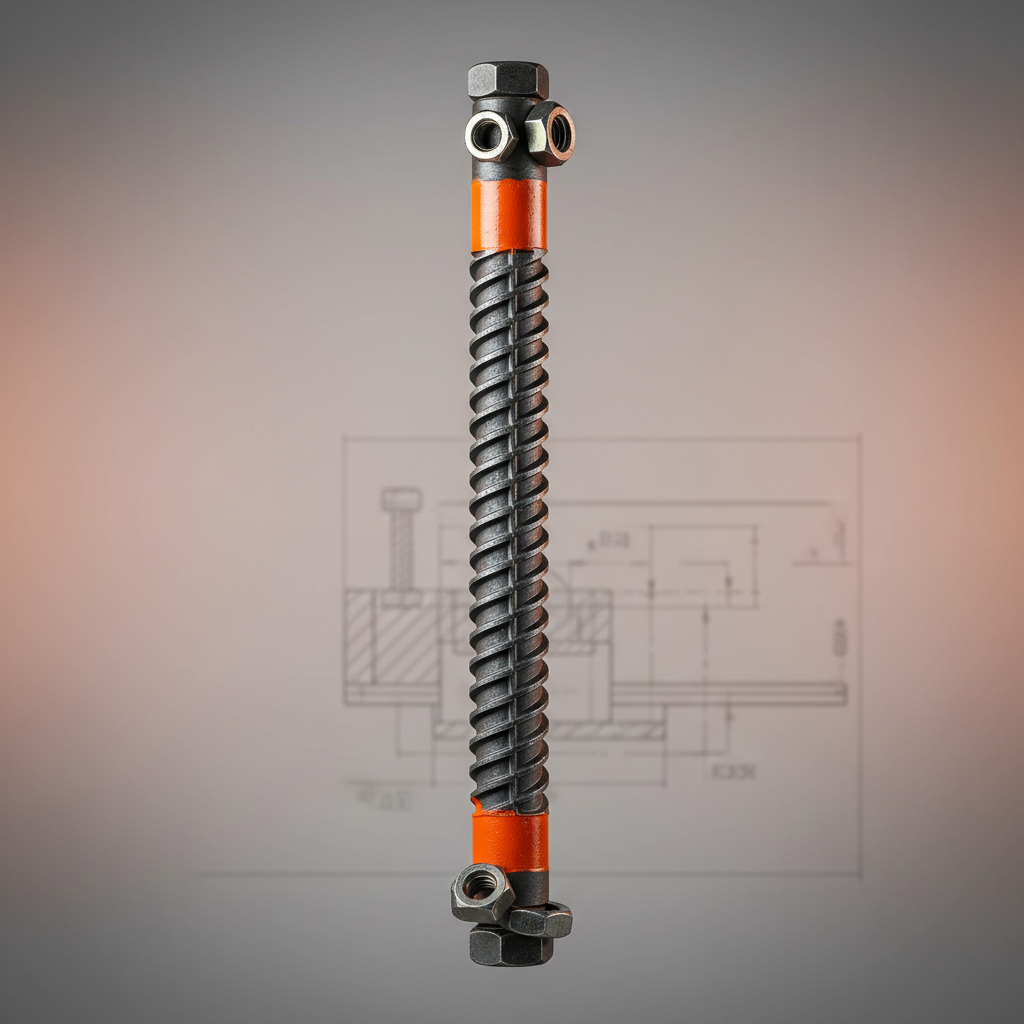
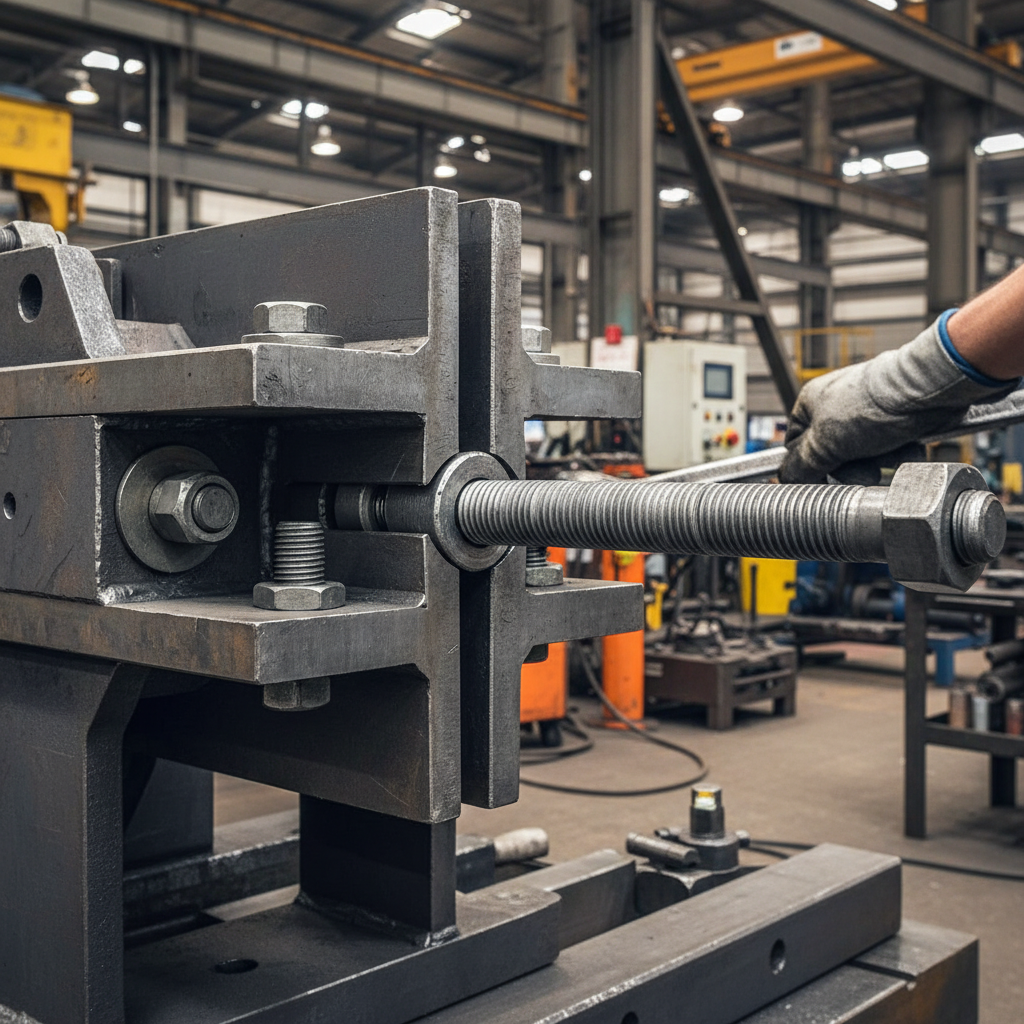
Let’s break it down. The “9 16” refers to the diameter of the rod — nine sixteenths of an inch thick (about 14.3 mm if you prefer metric). Threaded rods are long, slender bars with helical threads cut along their length, designed to be fastened with nuts or embedded in concrete.
The beauty of a 9 16 threaded rod comes from its balance of strength and flexibility, suitable for medium to heavy-duty applications. It’s not a delicate part — but it’s also not massive steel bar stock. You’ll find them in HVAC systems, machinery anchors, and concrete formworks.
Oddly enough, this simple hardware has humanitarian implications, too. Many NGOs involved in rapid shelter construction use threaded rods to anchor temporary housing, allowing quick setup and teardown without sacrificing safety.
Key Factors That Define the 9 16 Threaded Rod's Performance
1. Durability and Material Composition
Most 9 16 threaded rods come in stainless steel, carbon steel, or galvanized steel. That’s not just fancy talk about metals: selecting the right material means resistance to corrosion, temperature extremes, and mechanical wear — essential for long-term reliability.
2. Thread Pitch and Precision
The “thread pitch” defines how closely the threads are spaced. While 9 16 rods often have coarse threads to allow faster assembly, precision threading is key in machinery applications — ensuring tight, vibration-resistant joints.
3. Scalability and Custom Lengths
Available in a range of lengths — from a few inches to several feet — 9 16 threaded rods are customizable. This flexibility makes them versatile across industries, from small appliance assembly to large civil engineering projects.
4. Cost Efficiency
Compared to bespoke fasteners, standard-sized rods like the 9 16 are available in bulk and pre-tested for quality, making procurement and inventory management much simpler, while still offering excellent strength.
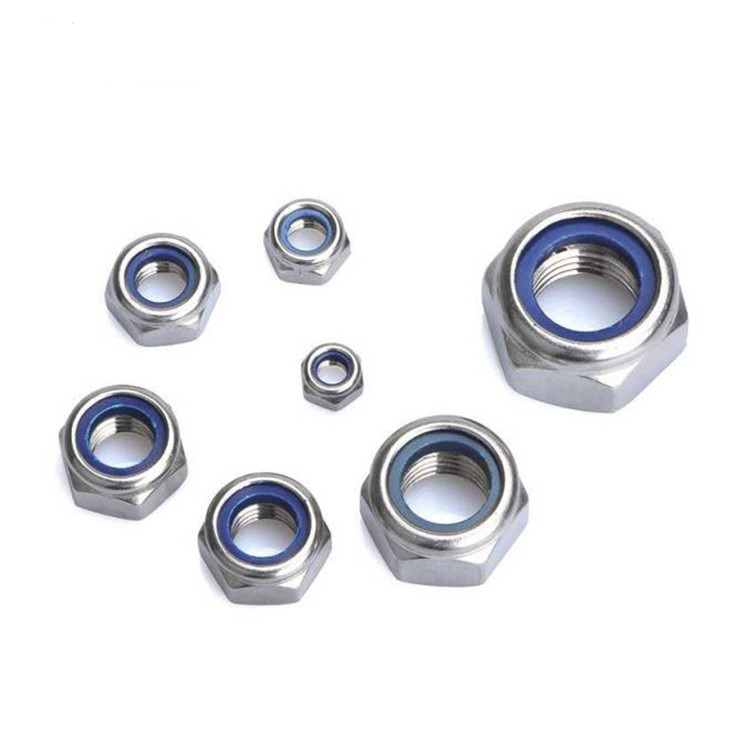
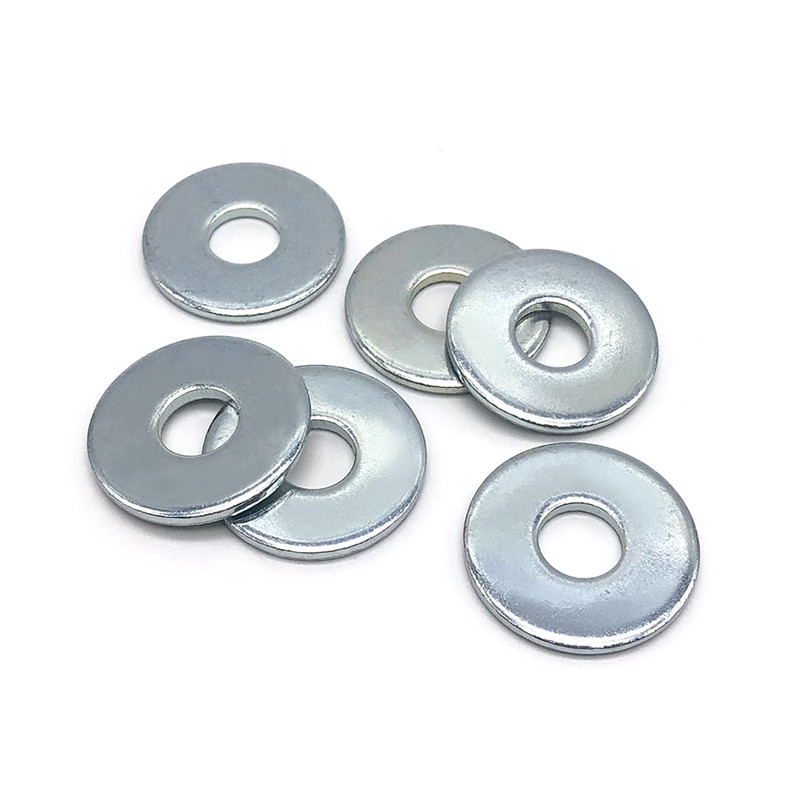
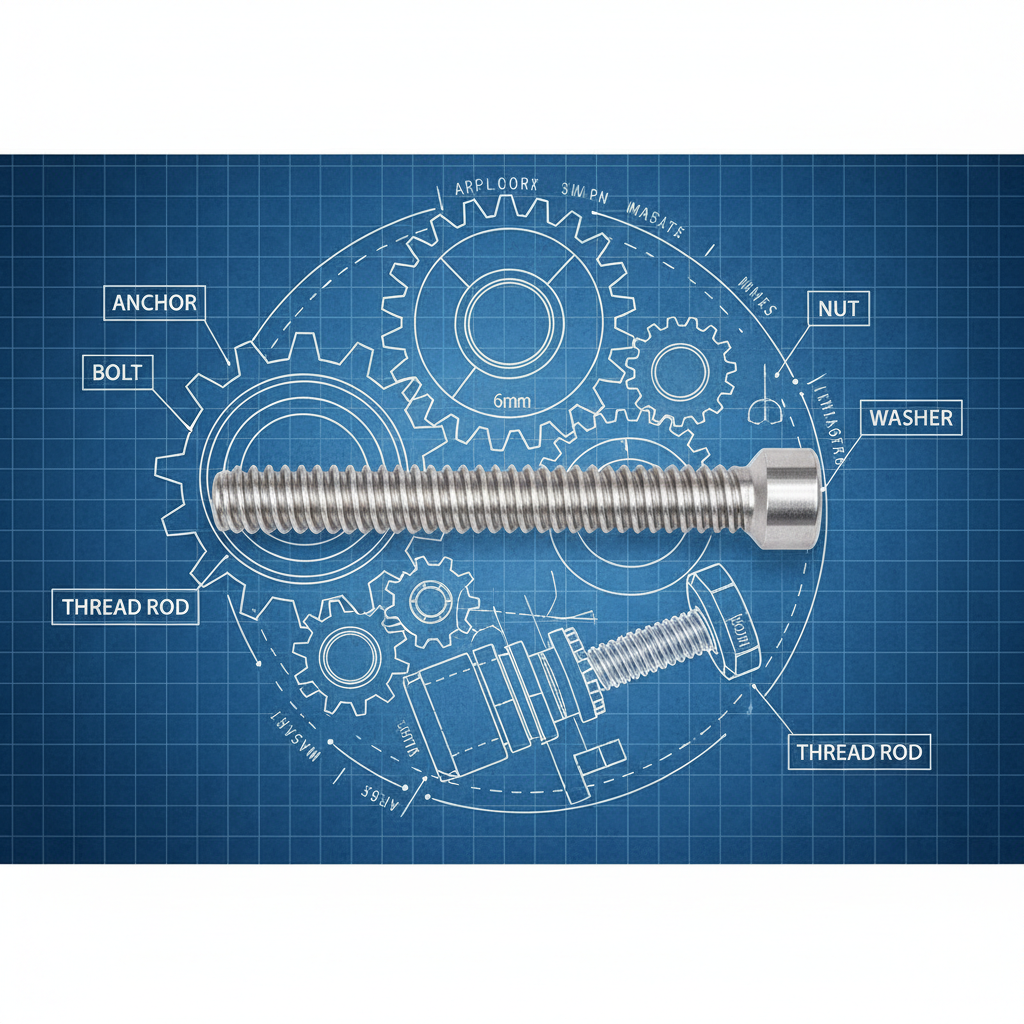
5. Compatibility with Nuts and Washers
Another practical factor often overlooked: compatibility. Since these rods match standard nut sizes, replacement parts are easier to find worldwide — meaning less downtime and logistical hassle.
Mini Takeaway:
The 9 16 threaded rod is a perfect storm of strength, affordability, and accessibility — making it a favorite among engineers and field technicians alike.
Global Applications & Use Cases
When you think of engineers in Asia putting together bridges or contractors in South America setting up power plants, 9 16 threaded rods are often the unsung heroes physically holding it all together. Here are some concrete — literally — examples:
- Post-Disaster Relief: Rapid housing frameworks use these rods for their ability to be quickly assembled and disassembled.
- Oil & Gas Industry: The 9 16 diameter strikes a sweet spot for anchoring pipes and heavy equipment on offshore platforms.
- HVAC Systems: Support suspensions and mounts routinely rely on threaded rods of this size for strength and corrosion resistance.
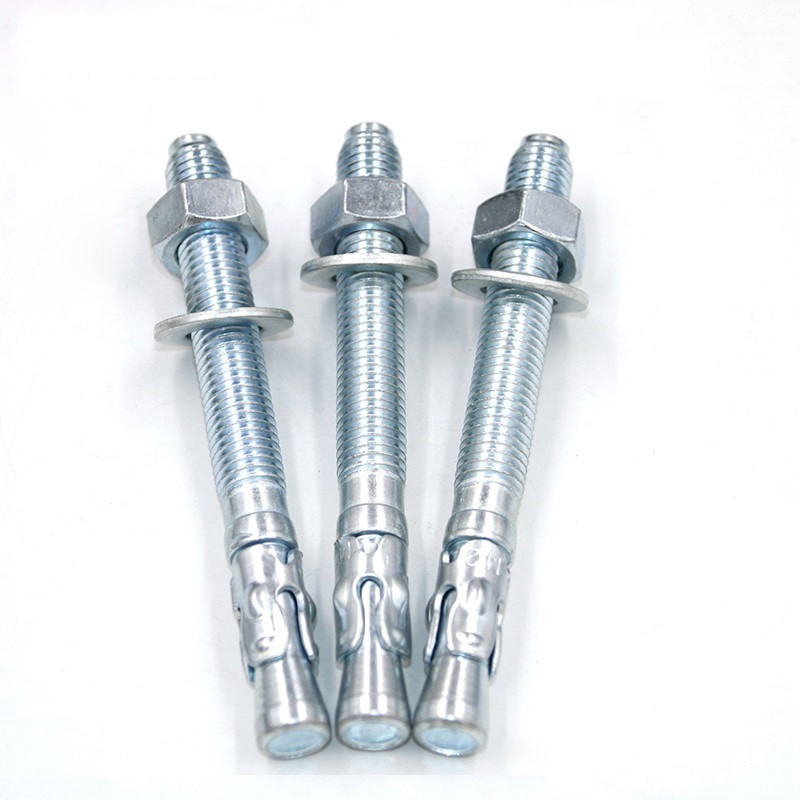
- Construction: Used daily on rebar couplings or as anchor bolts embedded in concrete slabs.
Regions with fast-growing infrastructure needs — think Southeast Asia, Middle East, and parts of Africa — increasingly depend on this standardized rod for cost-effective projects without compromising safety.
Advantages and Long-Term Value:
When durability meets affordability, you get a solution that keeps giving over time. The 9 16 threaded rod offers:
- Reliability: Less worry about fastener failure, which is critical for safety.
- Sustainability: Many rods are recyclable, contributing to green construction goals.
- Cost-savings: Bulk purchasing and reduced project delays save budgets — a win for investors and end-users.
- Emotional assurance: Knowing your building or equipment is anchored with trusted components brings peace of mind on the job.
Product Specifications
| Specification | Details |
|---|---|
| Diameter | 9/16 inch (14.29 mm) |
| Material | Carbon Steel, Stainless Steel, Galvanized Steel |
| Thread Pitch | Coarse (Typically 11 threads per inch) |
| Length | Varies from 6 inches up to 12 feet |
| Tensile Strength | Grade 5: min. 85,000 psi; Grade 8: min. 120,000 psi |
Vendor Comparison for 9 16 Threaded Rods
| Vendor | Material Options | Price Range (per foot) | Custom Lengths | Ship Worldwide |
|---|---|---|---|---|
| Global Fasteners Inc. | Carbon Steel, Galvanized | $2.50 - $3.00 | Yes | Yes |
| SteelThread Solutions | Stainless Steel, Heat-treated | $3.50 - $4.20 | Yes | Limited |
| AnchorPro Supplies | Galvanized, Zinc Plated | $2.80 - $3.10 | No (standard lengths only) | Yes |
Looking Ahead: Future Trends in Threaded Rod Technology
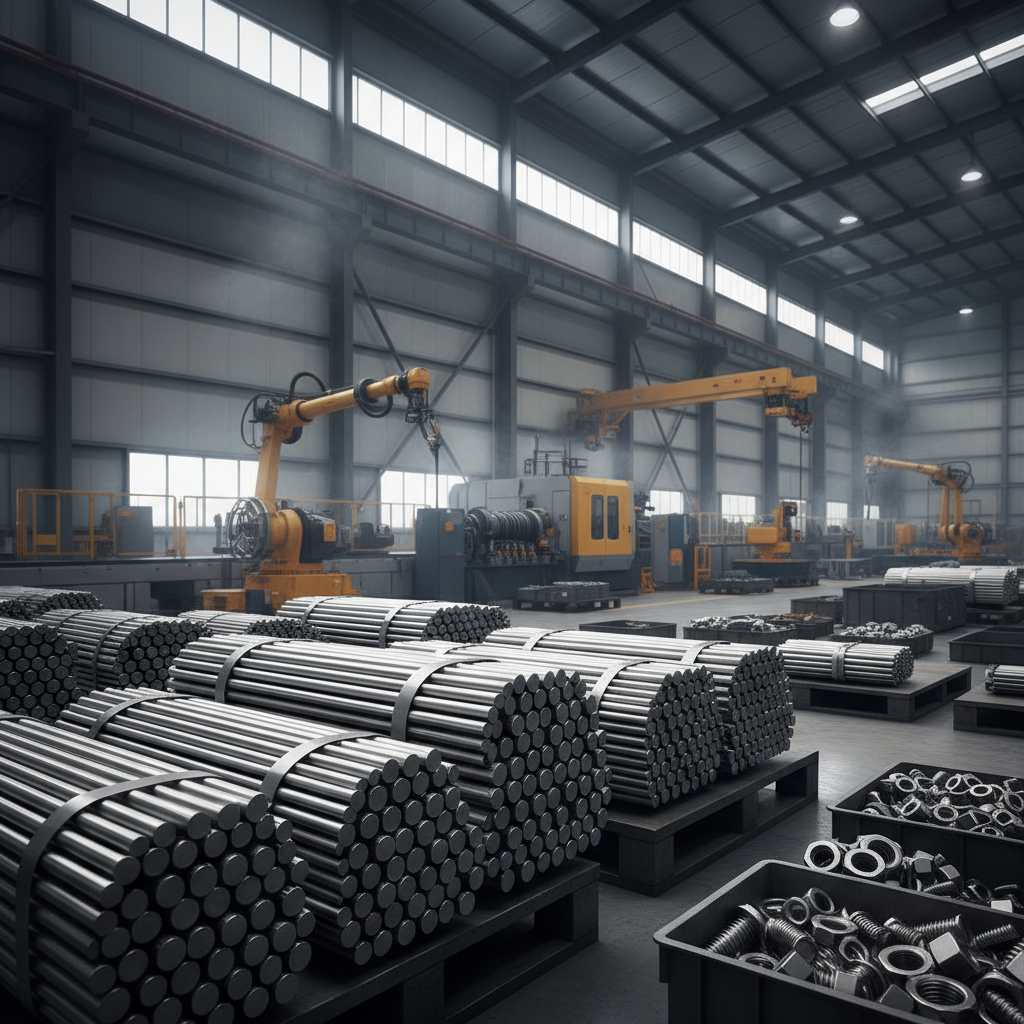
The world is not standing still, and neither is the humble threaded rod. Innovations are moving towards greener materials — bioplastics and composite metal alternatives — aiming to reduce the environmental footprint. Meanwhile, automation in manufacturing ensures higher precision and fewer defects.
The integration of digital tracking (think “smart fasteners”) might feel futuristic, but engineers are already exploring ways to include RFID tags to monitor stress and performance remotely — a potential game-changer for infrastructure health monitoring.
Challenges in the Supply and Usage of 9 16 Threaded Rods
Of course, the 9 16 threaded rod isn’t without its quirks. Supply chain disruptions can lead to delays — especially when specific materials like stainless steel are in high demand. Corrosion in highly aggressive environments remains a challenge despite coatings.
Experts recommend choosing rods with appropriate grades and applying protective finishes. I noticed some companies pair threaded rods with anti-corrosion sleeves or plastic coatings to extend lifespan in marine settings. It’s often the small details that matter.
FAQ: Frequently Asked Questions About the 9 16 Threaded Rod
Q1. What applications are best suited for a 9 16 threaded rod instead of other sizes?
The 9 16 rod is often preferred for medium to heavy-duty fastening where space constraints and load requirements align. For example, machinery anchoring, concrete formwork, and small-scale structural projects where a ½-inch rod would be insufficient but a ¾-inch would be overkill. It strikes a perfect balance between strength and manageability.
Q2. How can I ensure the corrosion resistance of my threaded rods in outdoor projects?
Selecting galvanized or stainless steel rods is essential for outdoor durability. Additionally, consider supplementary coatings or protective sleeves. Regular inspections and maintenance will further prolong performance, especially in marine or highly humid environments.
Q3. Can 9 16 threaded rods be custom cut to length, and how does that affect strength?
Yes, many suppliers offer custom lengths, but cutting on-site should be followed by thread chasing or re-cutting to maintain thread integrity. Improper cutting can cause stress risers, reducing strength. Always consult with your vendor for best practices.
Q4. Are 9 16 threaded rods compatible with standard nuts and washers?
Yes, this size corresponds with standard 9/16 nuts and washers available widely, making replacements and assembly straightforward. However, check thread pitch to ensure full compatibility.
Q5. Where can I purchase reliable 9 16 threaded rods for international projects?
Many vendors ship globally and offer certifications ensuring ISO compliance. 9 16 threaded rod specialists provide customization and logistics support — ideal for cross-border projects with demanding schedules.
Wrapping Up: Why the 9 16 Threaded Rod Is Here to Stay
To sum it all up, the 9 16 threaded rod may seem like a small piece of hardware, but it’s foundational to modern industry and infrastructure. Its blend of strength, affordability, and global accessibility makes it indispensable. If you’re sourcing for your next project, don’t overlook this trusty fastener.
Curious to see options or get custom specs? Visit our website: 9 16 threaded rod for details, pricing, and expert advice.
References:
Post time: Dec . 01, 2025 15:50


 English
  Albanian
  Arabic
  Armenian
  Azerbaijani
  Belarusian
  Bosnian
  Bulgarian
  Cebuano
  Corsican
  Czech
Czech  Galician
  Georgian
  Greek
Greek  Hausa
Hausa  Hebrew
  Hungarian
  Igbo
Igbo  Indonesian
  Italian
  Kazakh
  Khmer
Khmer  Korean
  Kurdish
  Kyrgyz
  Lao
Lao  Latin
Latin  Latvian
  Lithuanian
  Malay
Malay  Myanmar
  Nepali
  Polish
  Portuguese
  Russian
  Serbian
  Sesotho
  Shona
Shona  Sindhi
  Spanish
  Tagalog
  Tajik
Tajik  Thai
Thai  Turkish
  Turkmen
  Ukrainian
  Uzbek
Uzbek  Vietnamese
  Yoruba
  Zulu
Zulu