
Understanding the 2 Threaded Rod: Why It Matters Globally
At first glance, a 2 threaded rod might seem like just another fastener in the world of construction or manufacturing. But, if you pause and think about it, these unassuming rods quietly hold together everything from towering skyscrapers to simple household fixtures. Their relevance isn’t just local or industry-specific — it’s global, underpinning countless applications where strength, reliability, and precision matter.
Why does it matter to understand them? Because they’re the unsung heroes in structures where failure is not an option. Knowing the ins and outs of a 2 threaded rod helps engineers and procurement teams select the right option, reducing costs and increasing safety worldwide.
The Global Importance of 2 Threaded Rods
Globally, the construction and manufacturing sectors rely heavily on threaded rods — with projections estimating the global market for threaded fasteners to reach over $15 billion by 2026 (Statista). The 2 threaded rod fits in uniquely here, favored for its versatility and sturdy performance.
In developing countries, where infrastructure growth races against time and budgets, these rods form the backbone of many quick-to-assemble frameworks. Even disaster-prone zones use standardized threaded rods for rapid reassembly of damaged buildings.
However, challenges arise around material quality, corrosion resistance, and compatibility with modern modular construction techniques, demanding smarter solutions going forward.
What Exactly Is a 2 Threaded Rod?
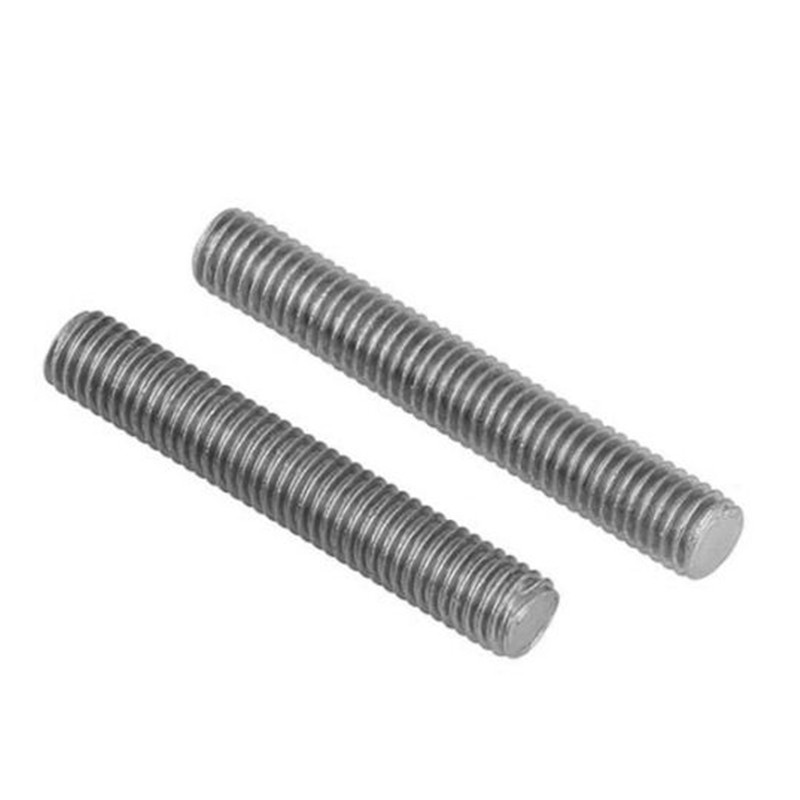
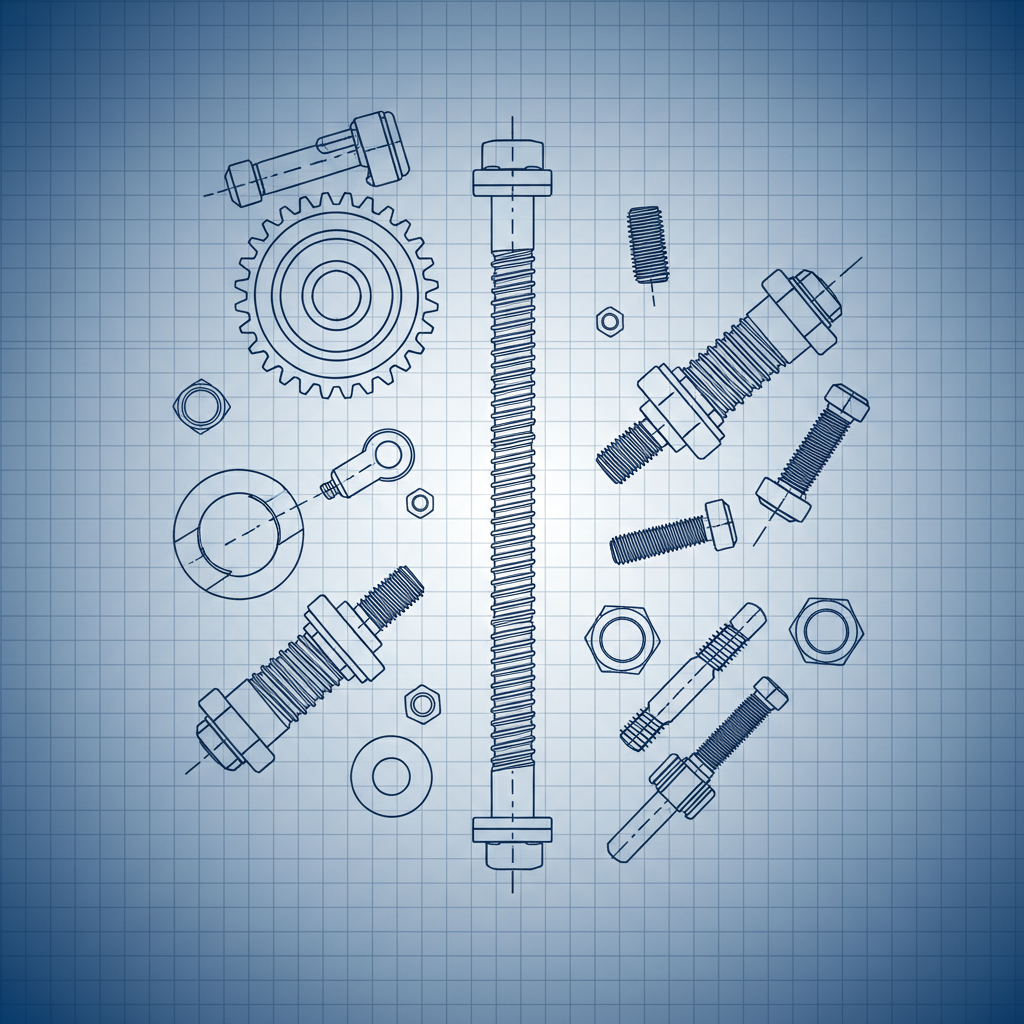
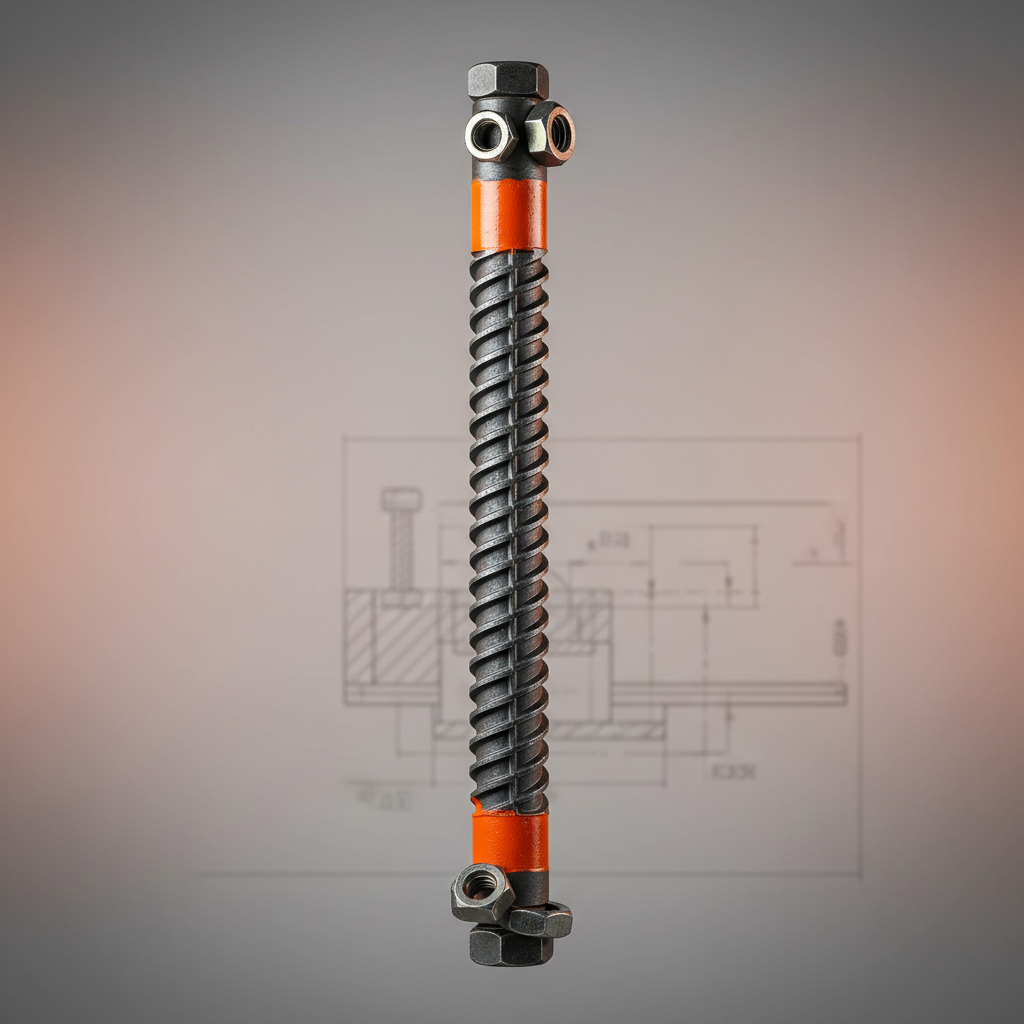
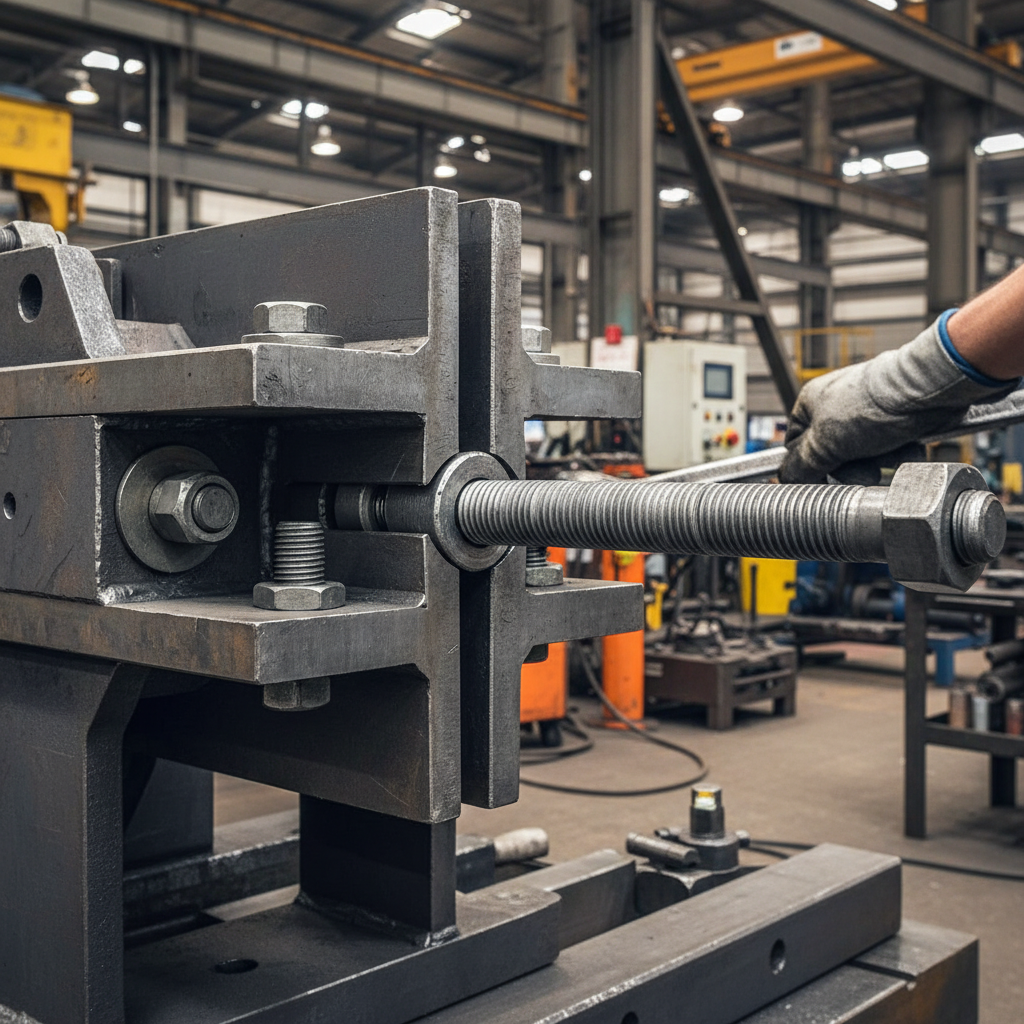
Put simply, a 2 threaded rod is a long, slender metal bar uniformly threaded along its length, typically measuring about 2 inches in diameter (though sizes vary). Unlike bolts, these rods don’t have heads and are cut to length on demand, allowing for versatile use in bolting together components where longer reach or higher strength is required.
Industrially, their role is pivotal in joining structural elements, machinery assembling, and even in humanitarian infrastructure setups where speed and stability are vital. They represent a fascinating intersection of simplicity and engineering ingenuity.
Mini Takeaway:
The 2 threaded rod is more than a metal stick—it’s a critical connector across many sectors, enabling custom fastening with robustness and adaptability.
Key Factors that Define 2 Threaded Rods
Durability
High tensile strength and corrosion resistance make these rods reliable, especially in outdoor or industrial environments. Many rods are coated with zinc, galvanization, or made of stainless steel to endure harsh conditions.
Customization & Scalability
Because they come in varying lengths and diameters, and can be cut or joined easily, 2 threaded rods offer extreme flexibility — helpful in projects ranging from small-scale manufacturing to massive structural assemblies.
Cost Efficiency
They’re generally affordable and available globally with minimal lead times. This cost-effective nature paired with longevity makes them attractive budgeting choices.
Compatibility
Thread pitch standards (like UNC, UNF) make them compatible with various nuts, washers, and fasteners, minimizing complexity when sourcing parts worldwide.
Safety & Reliability
Standardized testing ensures that the rods meet mechanical and safety requirements, essential for structural integrity — especially in earthquake-prone or industrial zones.
Table: Typical Specification of a 2 Threaded Rod
| Specification | Details |
|---|---|
| Diameter | 2 inches (approx. 50.8 mm) |
| Material | Carbon Steel, Stainless Steel, Alloy Steel |
| Thread Type | UNC, UNF, Metric Threads |
| Coating | Zinc Plated, Hot-Dip Galvanized, Black Oxide |
| Tensile Strength | Up to 120 ksi (kilopounds per square inch) |
| Standard Compliance | ASTM A193, ISO 898-1 |
Mini Takeaway:
The strength, flexibility, and standardization of 2 threaded rods allow them to adapt to practically any fastening need globally.
Global Applications & Use Cases
In real terms, these rods appear almost everywhere industrially:
- Construction: Used in concrete formwork, steel frameworks, and bridge assemblies, particularly where extended length bolts are necessary.
- Manufacturing: Equipment assembly lines utilize threaded rods for machine frames and heavy machinery components.
- Infrastructure Recovery: NGOs and governments often leverage threaded rods for rapid structural rebuilds post-disasters — especially in Southeast Asia and Latin America.
- Oil & Gas: Offshore rigs depend on corrosion-resistant threaded rods engineered to take extreme pressure while remaining durable against saltwater corrosion.
- Renewable Energy: Solar farms and wind turbines depend heavily on threaded rod support systems to maintain structural integrity in variable weather.
Oddly enough, even in remote, resource-strapped industrial zones of Sub-Saharan Africa, 2 threaded rods form the backbone to support modular factories and water treatment infrastructure — a testament to their versatility.
Mini Takeaway:
The global footprint of 2 threaded rods spans developed and developing regions, industries, and emergency recovery efforts alike.
Why Invest in 2 Threaded Rods? Advantages & Long-Term Value
When considering the long haul, these rods stand out for a handful of reasons:
- Cost savings: Durable materials reduce replacement frequency – less downtime, fewer interruptions.
- Safety: Tested standards lower failure risks in critical structures, ensuring worker and public safety.
- Sustainability: With corrosion-resistant coatings, fewer resources go into maintenance or early disposal.
- Trust & Innovation: Industries that adopt these rods often find integration with digital fabrication and modular design smoother – improving speed and precision.
On a human note, using reliable fastening like 2 threaded rods means peace of mind for engineers and end-users — knowing their infrastructure won’t crumble under strain.
Emerging Trends & Innovations in Threaded Rods
The future looks fascinating. The industry is embracing:
- Advanced Materials: Composite rods and hybrid metal alloys enhancing strength-to-weight ratios.
- Green Coatings: Eco-friendly, non-toxic galvanization alternatives aiming to reduce environmental impact.
- Automation & Digital Twin Technologies: Where threaded rod specifications are digitally modeled to ensure perfect fits, minimizing manual errors.
- Smart Fasteners: Embedded sensors providing real-time data on stress and corrosion status.
All this feels like the rod is stepping out of anonymity into a smarter infrastructural future.
Challenges & Solutions Associated with 2 Threaded Rods
No solution is without its quirks:
- Corrosion in Extreme Environments: It’s a persistent problem. Coatings can wear off. Solution? New materials like stainless alloys and protective wraps.
- Supply Chain Delays: Bulk orders of specific diameters sometimes lag. Mitigation involves diversified vendor sourcing and local manufacturing partnerships.
- Installation Issues: Misalignment or improper torque can compromise safety. Training, use of torque wrenches, and digital guidance apps help tackle this.
Vendor Comparison: Leading 2 Threaded Rod Suppliers
| Vendor | Material Options | Lead Time | Pricing | Global Reach |
|---|---|---|---|---|
| SteelFix Inc. | Carbon Steel, Stainless | 1-2 weeks | $$ | North America, Asia |
| Global Rods Ltd. | Alloy & Coated Steel | 3-4 weeks | $$$ | Europe, Africa, Americas |
| QuickBolt | Stainless, Zinc Plated | 1 week | $ | Global |
FAQs: Your Common Questions About 2 Threaded Rods
Q1: What is the main difference between a threaded rod and a bolt?
A threaded rod is typically longer, without heads, and fully threaded along the shaft, which allows it to be cut to size and used in applications where extended reach or continuous threading is needed. Bolts usually have a head and partially threaded shaft, intended for fastening with a nut on one side.
Q2: Can 2 threaded rods be used outdoors?
Yes, especially when made from stainless steel or with protective coatings like galvanization to resist rust. Proper material selection is crucial for outdoor longevity.
Q3: How do I ensure the correct size and thread pitch?
Check your project specifications first — thread standards vary (UNC, UNF, Metric). Using a thread gauge or consulting suppliers who provide detailed product specs (like the table above) helps avoid mismatch.
Q4: Are 2 threaded rods reusable?
They can be reused if undamaged and not corroded. However, industrial best practice recommends replacing rods if any signs of wear, deformation, or corrosion are present to maintain safety.
Q5: Where can I buy certified 2 threaded rods internationally?
Reputable suppliers like those in the vendor table offer certified rods compliant with ASTM or ISO standards and provide documentation for international shipment and use.
Final Thoughts
In the grand scheme, the humble 2 threaded rod holds a surprisingly crucial place across industries worldwide. Its blend of strength, flexibility, and cost-effectiveness makes it an enduring choice for engineers, builders, and emergency responders alike. Investing time in understanding the right specifications, applications, and innovations around these rods can mean safer, smarter constructions and machines in the long run.
Curious to dive deeper? Visit our website at https://www.hbtbls.com for extensive product info, expert advice, and the latest in threaded rod technology.
References
Post time: Dec . 01, 2025 18:20


 English
  Albanian
  Arabic
  Armenian
  Azerbaijani
  Belarusian
  Bosnian
  Bulgarian
  Cebuano
  Corsican
  Czech
Czech  Galician
  Georgian
  Greek
Greek  Hausa
Hausa  Hebrew
  Hungarian
  Igbo
Igbo  Indonesian
  Italian
  Kazakh
  Khmer
Khmer  Korean
  Kurdish
  Kyrgyz
  Lao
Lao  Latin
Latin  Latvian
  Lithuanian
  Malay
Malay  Myanmar
  Nepali
  Polish
  Portuguese
  Russian
  Serbian
  Sesotho
  Shona
Shona  Sindhi
  Spanish
  Tagalog
  Tajik
Tajik  Thai
Thai  Turkish
  Turkmen
  Ukrainian
  Uzbek
Uzbek  Vietnamese
  Yoruba
  Zulu
Zulu