
Understanding the 7 8 Galvanized Threaded Rod: A Backbone of Modern Construction
When you think about the everyday marvels that keep buildings standing, machines running, and infrastructure secure, the humble 7 8 galvanized threaded rod might not be the first thing that comes to mind. But globally, these rods form an uncelebrated yet critical backbone in numerous industries—from construction sites in bustling cities to remote humanitarian projects. Learning about this threaded rod means appreciating a silent hero that ensures structural integrity, longevity, and safety in countless applications.
In fact, the galvanized variant plays an especially crucial role worldwide due to its corrosion resistance, which is vital in the face of harsh weather or industrial environments. From rapid infrastructure builds to long-term projects, the 7 8 galvanized threaded rod offers dependable performance and cost efficiency, helping industries meet global demands sustainably.
Global Context: Why Does the 7 8 Galvanized Threaded Rod Matter?
According to the International Organization for Standardization (ISO), galvanized threaded rods are standardized and hold critical specifications ensuring quality and uniformity globally. Construction contributes roughly 6% to global GDP —a fact cited by the World Bank—making every little component vital for safe, scalable growth. Urbanization rates continuously rise, especially in Asia and Africa, where infrastructure development requires reliable materials that withstand environmental stresses.
Oddly enough, corrosion and material fatigue remain major challenges in infrastructure – problems galvanized rods directly address by reducing maintenance cycles and increasing safety margins. Without proper fasteners like the 7 8 galvanized threaded rod, buildings risk failure, costing billions in repairs and endangering lives. So, this threaded rod is more than just a steel bar with threads: it’s a crucial element in global risk mitigation.
Mini takeaway: The 7 8 galvanized threaded rod underpins much of the world's construction and machinery, ensuring durability and trustworthiness in environments that demand toughness.
What Is a 7 8 Galvanized Threaded Rod?
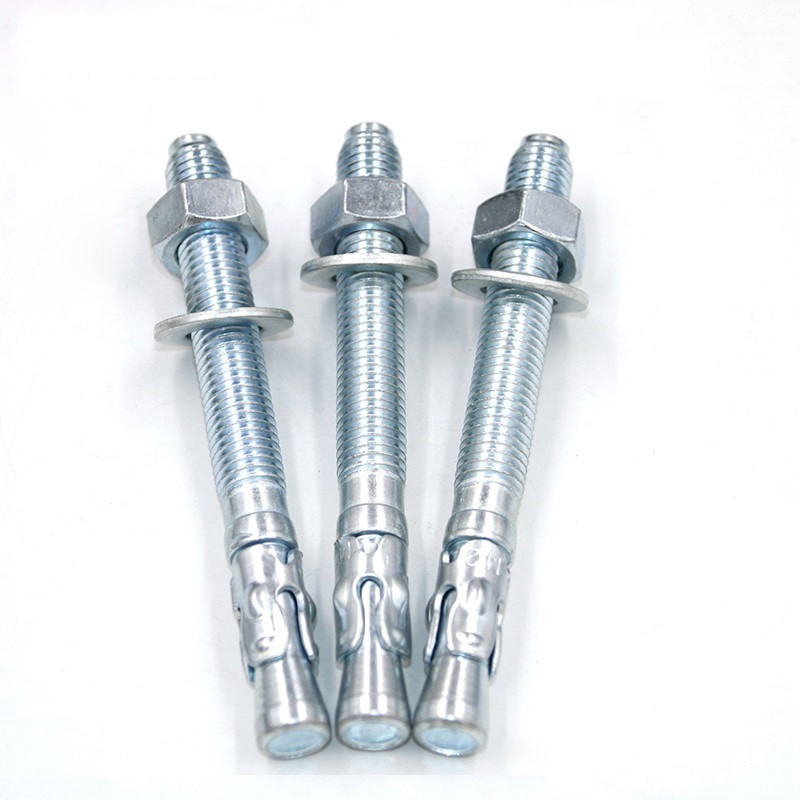
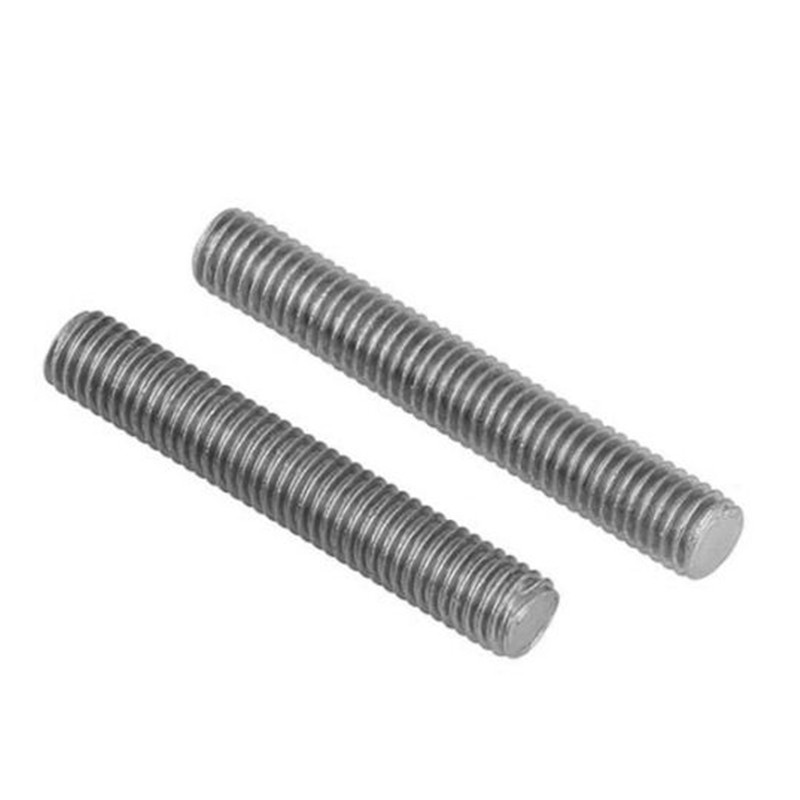
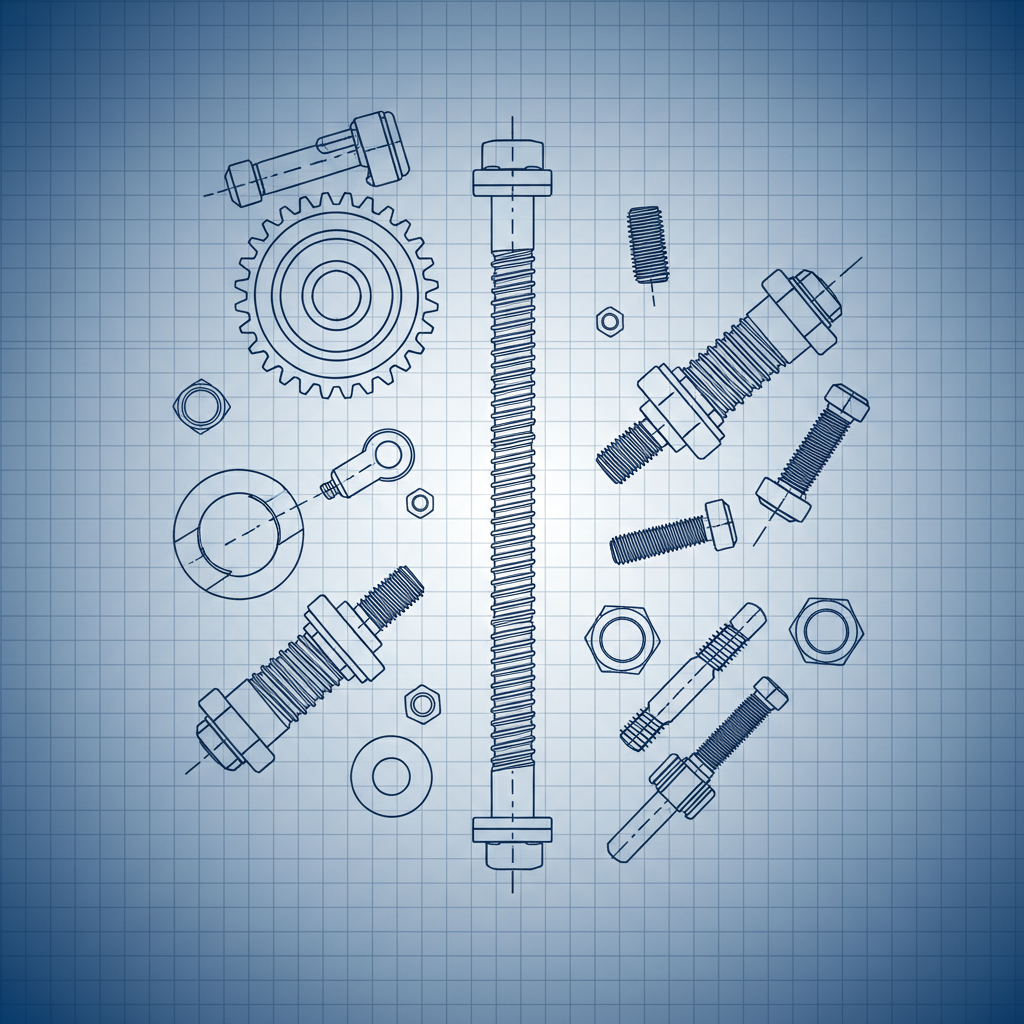
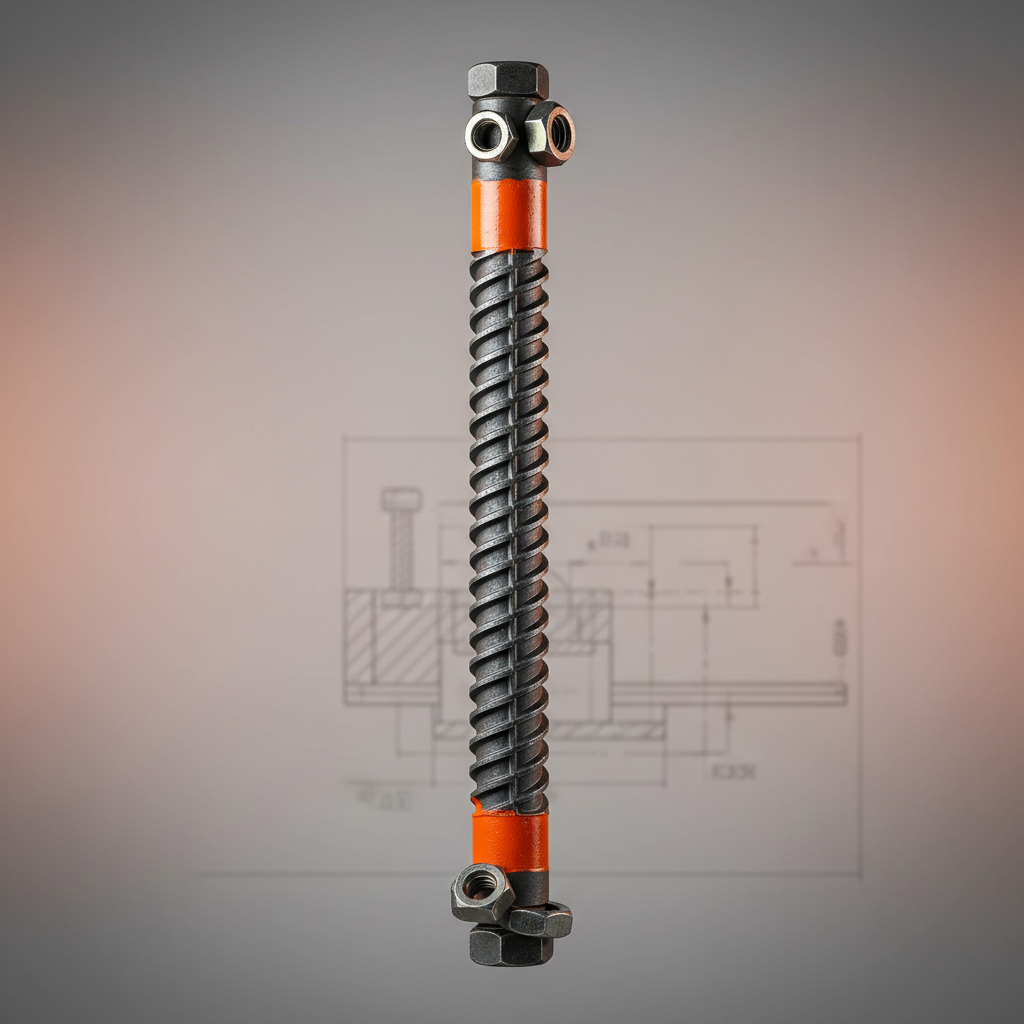
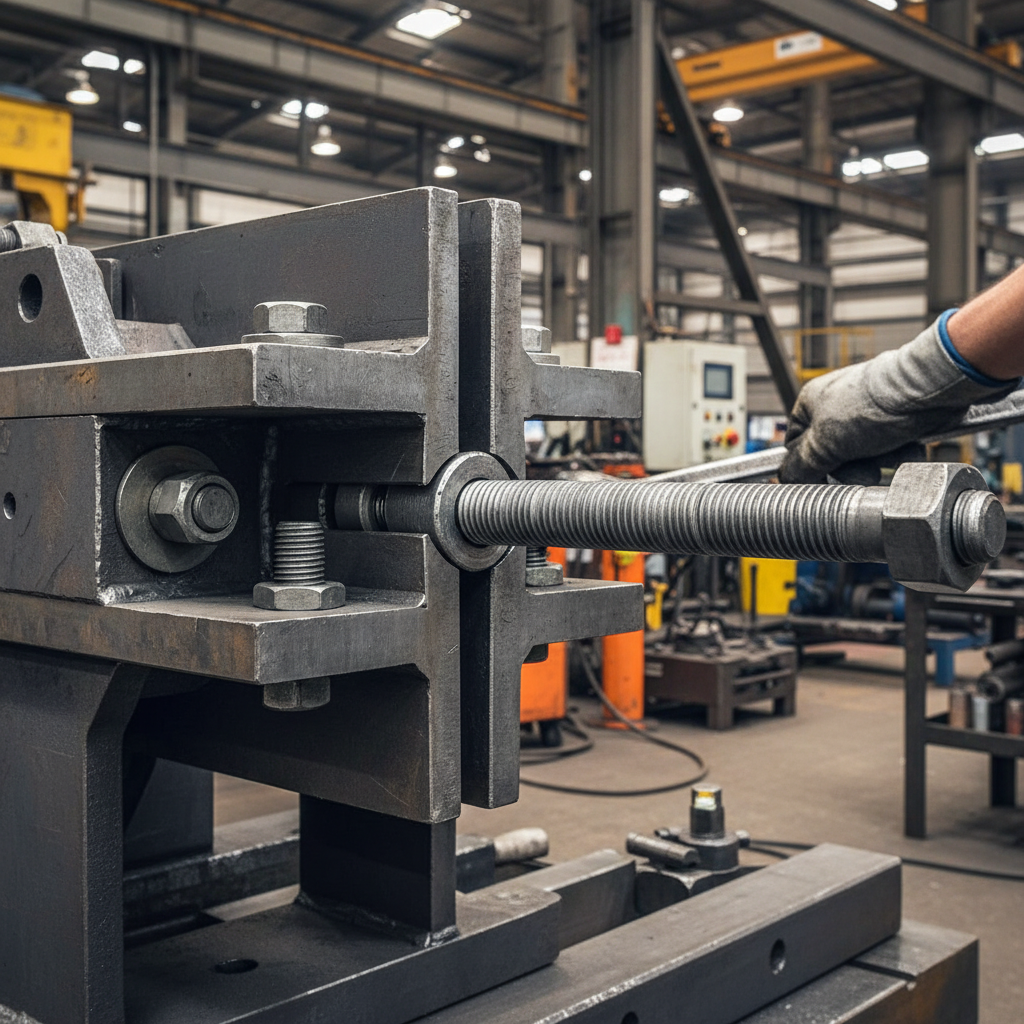
Simply put, this threaded rod is a long metal shaft with uniform threads around its entire length, measuring 7/8 inch in diameter. “Galvanized” means it’s coated with zinc for resistance against rust and corrosion. It connects, supports, or anchors components in construction, machinery, and infrastructure projects.
These rods come from raw steel that’s rolled or cold-forged, then treated by hot-dip galvanization. This zinc coating helps the rod survive corrosive environments — think coastal areas, chemical plants, or even outdoor bridges where moisture intrudes constantly. The thread pattern ensures compatibility with nuts and fittings for secure fastening.
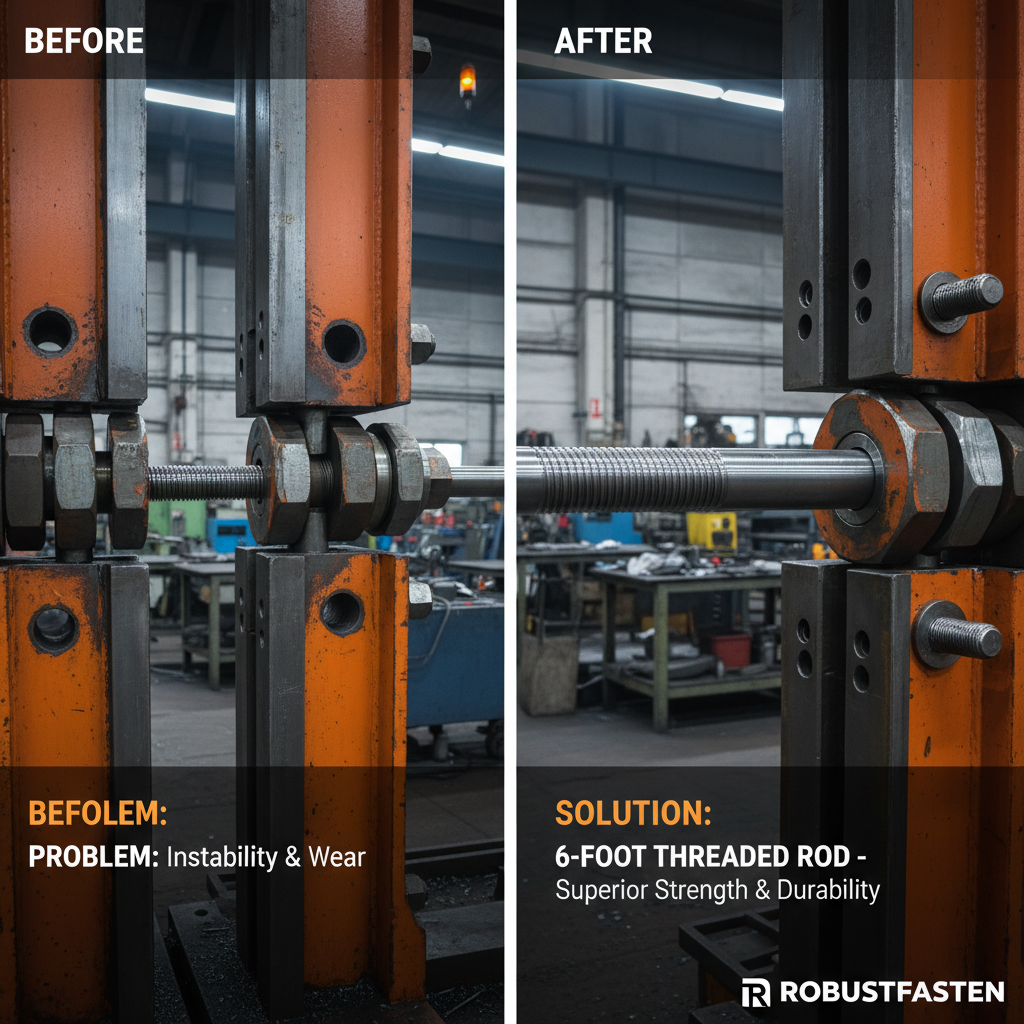
Think of it like the tough, grippy spine inside skyscrapers, power plants, or even large-scale humanitarian logistics setups—holding things together firmly under stress and weathering time.
Mini takeaway: A 7 8 galvanized threaded rod is a corrosion-resistant steel rod with uniform threads, fundamental for secure attachments in tough conditions.
Key Factors: What Makes the 7 8 Galvanized Threaded Rod So Vital?
1. Durability
Galvanized coating protects against rust, multiplying its lifespan dramatically compared to plain steel. This means fewer replacements, less downtime, and lower maintenance costs.
2. Strength & Load Capacity
At 7/8 inch thickness, these rods withstand heavy tensile and shear forces, making them suitable for demanding construction and industrial applications.
3. Versatility
They come in various lengths, thread pitches, and finishes—making them adaptable whether anchoring steel beams, securing heavy equipment, or assembling modular construction elements.
4. Cost Efficiency
Galvanization adds upfront cost but saves money over time by preventing corrosion-related failures, which can be costly and dangerous.
5. Compliance & Standardization
Compliant rods follow ASTM A193/A307 standards (among others), which assures engineers and builders of quality and safety on site.
| Attribute | Specification |
|---|---|
| Diameter | 7/8 inch (22.225 mm) |
| Length | Typically 1 ft to 12 ft |
| Material | Carbon steel, Hot-dip galvanized zinc coating |
| Thread type | Full thread, UNC or UNF standards |
| Tensile strength | 70,000 psi (approx.) |
Global Applications & Use Cases
The 7 8 galvanized threaded rod finds widespread use across continents—from the high-rise developments in North America to massive infrastructure projects in Asia. For example:
- Post-disaster relief: In earthquake-hit or hurricane-affected regions, galvanized threaded rods are vital for quickly assembling durable relief shelters and repairing infrastructure.
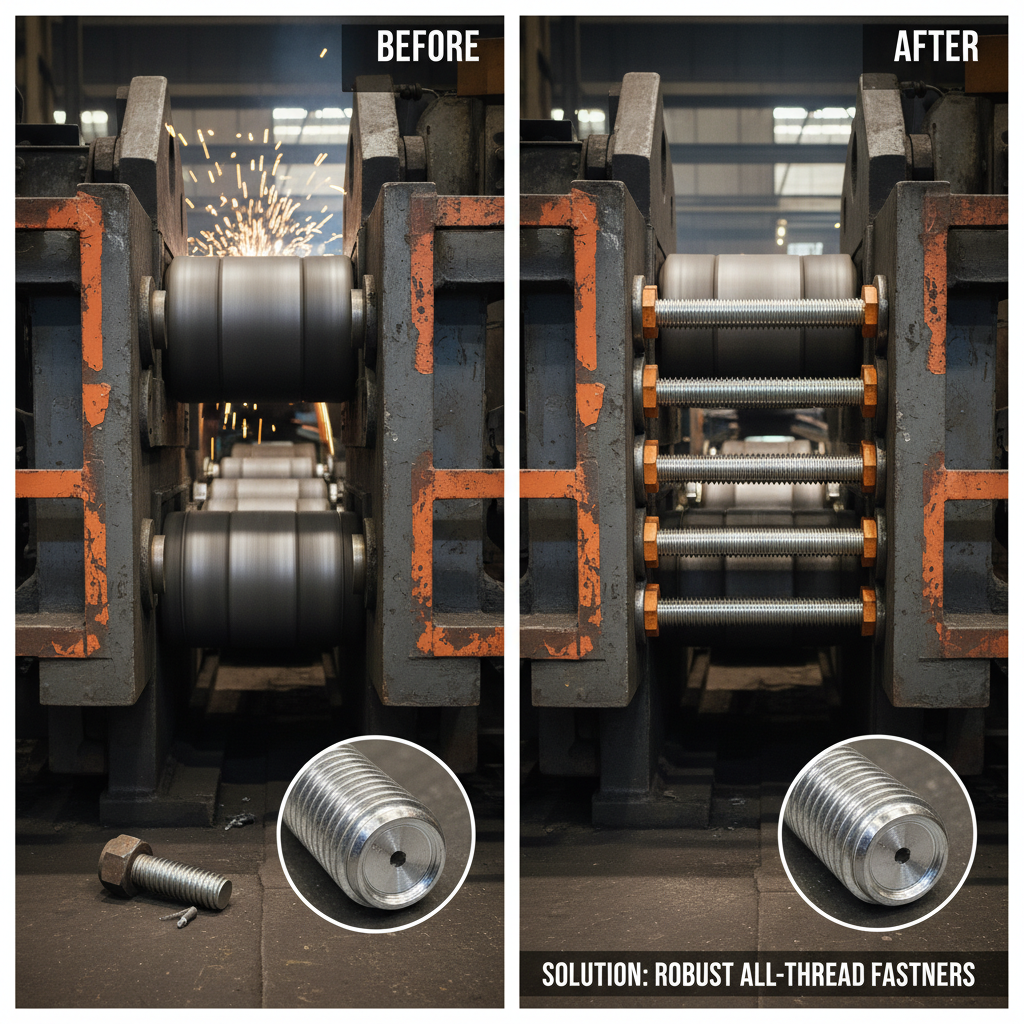
- Industrial zones: Remote mining operations in Africa depend on galvanized rods to build resilient scaffolding and machinery mounts, where corrosion is a constant threat.
- Energy sector: Solar farms and wind turbines use these rods extensively for mounting panels and structural equipment, enduring exposure to weather elements.
- Transportation: Bridges, tunnels, and rail infrastructure regularly incorporate galvanized threaded rods for load-bearing anchors.
It’s fascinating how a seemingly small component scales across use cases critical to safety and progress worldwide.
Mini takeaway: Their corrosion resistance and robust design make these rods indispensable in everything from disaster relief to green energy projects.
Advantages & Long-Term Value
Cost savings come from longevity—fewer replacements and less maintenance. Socially, stronger and safer buildings foster trust and stability in communities. Environmentally, corrosion resistance supports sustainability by reducing waste. There’s also an emotional element: construction teams and engineers often talk about peace of mind knowing structures won’t fail because of hardware weaknesses. It’s truly a blend of logic and emotion that makes these rods so valued.
Future Trends & Innovations
Looking ahead, galvanized threaded rods may evolve with enhanced coatings or alternative metals tailored for extreme environments. There’s ongoing research into eco-friendlier galvanization processes using less zinc waste. The rise of digital construction and automation demands parts that can integrate with sensor technologies to monitor stress in real time. Oddly enough, even something so “traditional” can be part of a digital transformation in industry.
Common Challenges & Expert Solutions
One challenge is ensuring consistent galvanization thickness—too thin and corrosion sets in early, too thick and thread fit becomes tricky. Experts recommend strict quality control and engaging reliable vendors to mitigate this. Also, mechanical stress concentrations at thread roots can cause fatigue failures; precision manufacturing and post-coating inspections help prevent this risk. Frankly, understanding these limits leads to smarter procurement and successful deployment.
| Feature | Vendor A | Vendor B | Vendor C |
|---|---|---|---|
| Galvanization Quality | Hot-Dip, ASTM-certified | Electro-galvanized, thinner coat | Hot-Dip, ISO-certified |
| Thread Precision | High, tight tolerance | Medium | High |
| Customization Options | Yes, length & threads | Limited | Yes, certifications & sizes |
| Typical Lead Time | 2 weeks | 1 week | 3 weeks |
Frequently Asked Questions About 7 8 Galvanized Threaded Rod
- Q: What environments benefit most from 7 8 galvanized threaded rods?
- A: Environments exposed to moisture, salt, or chemicals, like coastal construction or industrial plants, gain the most from galvanized rods due to their corrosion resistance.
- Q: How do I choose between hot-dip galvanization and electro-galvanization?
- Hot-dip galvanization offers thicker, longer-lasting protection suitable for harsh environments. Electro-galvanization is thinner and more suitable for indoor or mild conditions.
- Q: Can the rods be custom cut or threaded on-site?
- Yes, they can be cut and threaded, but pre-fabricated rods with factory threads ensure better precision and corrosion protection at the cut ends.
- Q: How long does a 7 8 galvanized threaded rod typically last outdoors?
- Depending on climate, typically 10-25 years or more, especially with proper maintenance and quality galvanization.
- Q: Are these rods recyclable?
- Absolutely. Steel is one of the most recycled materials worldwide, and both the rods and zinc coating can be processed responsibly.
Conclusion: Why the 7 8 Galvanized Threaded Rod Still Matters
In real terms, the 7 8 galvanized threaded rod is one of those unsung heroes that quietly guarantees the safety, durability, and success of countless projects around the world. Its corrosion resistance, strength, and versatility make it indispensable—whether you’re bolting together skyscrapers, reinforcing bridges, or building temporary shelters in disaster zones.
If you want to learn more or explore high-quality options, I recommend visiting our website at https://www.hbtbls.com where you’ll find detailed specs and expert guidance.
So next time you see a structure standing tall or equipment running smoothly, remember that somewhere inside, a galvanized threaded rod like this is doing its quiet job. It’s pretty remarkable when you think about it.
- An experienced engineer & industry writer
Brief References
Post time: Dec . 02, 2025 03:50


 English
  Albanian
  Arabic
  Armenian
  Azerbaijani
  Belarusian
  Bosnian
  Bulgarian
  Cebuano
  Corsican
  Czech
Czech  Galician
  Georgian
  Greek
Greek  Hausa
Hausa  Hebrew
  Hungarian
  Igbo
Igbo  Indonesian
  Italian
  Kazakh
  Khmer
Khmer  Korean
  Kurdish
  Kyrgyz
  Lao
Lao  Latin
Latin  Latvian
  Lithuanian
  Malay
Malay  Myanmar
  Nepali
  Polish
  Portuguese
  Russian
  Serbian
  Sesotho
  Shona
Shona  Sindhi
  Spanish
  Tagalog
  Tajik
Tajik  Thai
Thai  Turkish
  Turkmen
  Ukrainian
  Uzbek
Uzbek  Vietnamese
  Yoruba
  Zulu
Zulu