
Understanding 3 8 stainless all thread and Its Industrial Importance
In the world of construction and industrial engineering, the 3 8 stainless all thread stands out as a relatively small but absolutely critical component. You might wonder—what’s so special about a piece of threaded rod just three-eighths of an inch in diameter? Frankly, it matters more than you’d think. Globally, industries from infrastructure to humanitarian relief depend on such versatile fasteners for both durability and flexibility in design. Getting familiar with this item reveals not only its practical benefits but also its broader significance in sustainability, safety, and innovation.
Introduction: The Global Scope of 3 8 Stainless All Thread
Worldwide, manufacturing and construction sectors consume millions of stainless steel fasteners each year. According to industry data (ISO 898-1 and ASTM standards), stainless steel threaded rods like the 3 8 stainless all thread are preferred for their corrosion resistance and mechanical strength—key when durability is non-negotiable. In coastal and tropical regions where corrosion can quickly damage infrastructure, these rods help projects stand the test of time. This small component addresses a major challenge: how to maintain structural integrity under harsh environmental conditions without constantly replacing expensive parts.
Curiously, the demand for stainless all thread rods is even rising in humanitarian sectors. Whether developing modular shelters or emergency bridges after natural disasters, having reliable fasteners that won’t rust or fail is lifesaving. The global construction market’s expected CAGR of ~5% through 2030 only underlines the ongoing relevance of materials like stainless steel all thread rods.
What Exactly Is 3 8 Stainless All Thread?
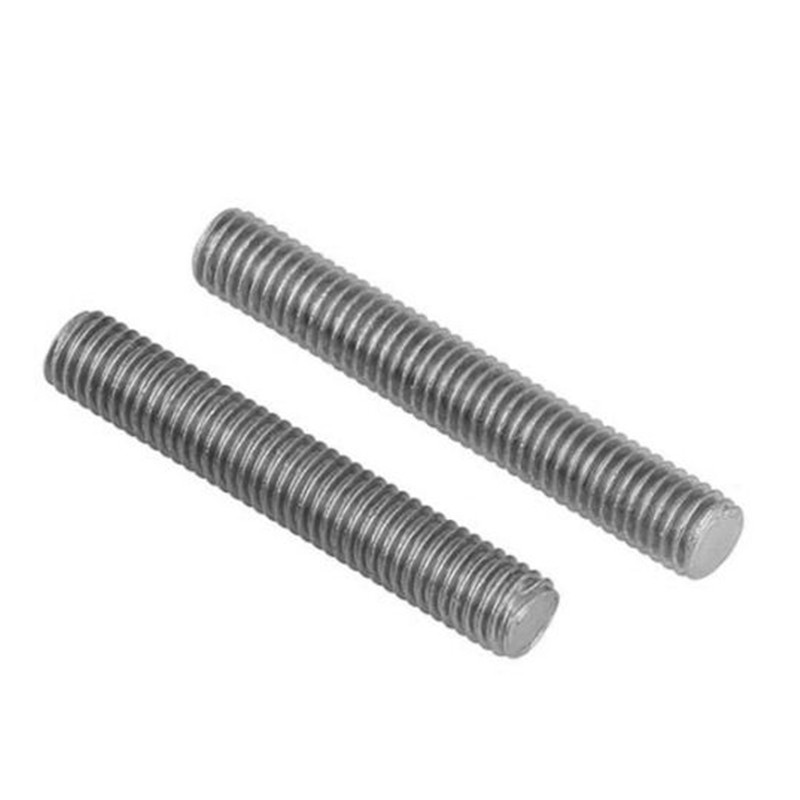
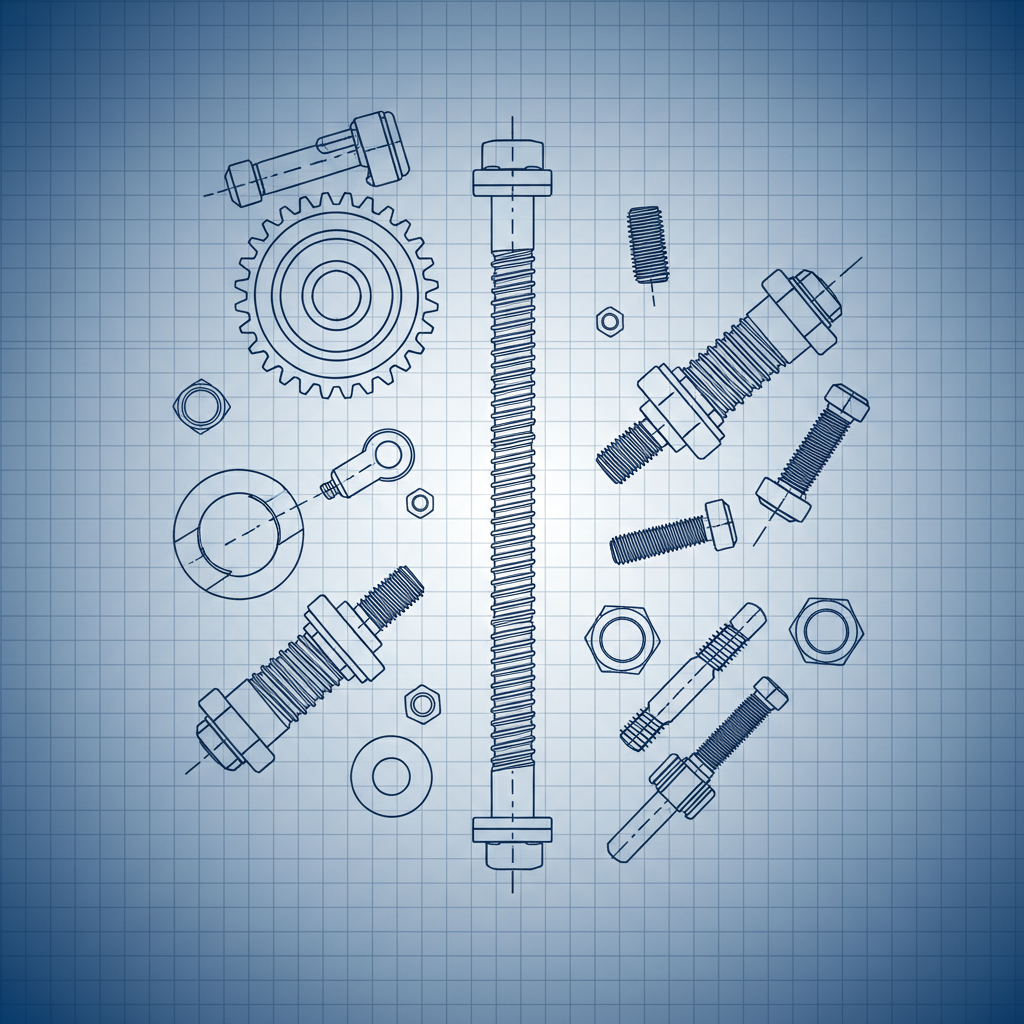
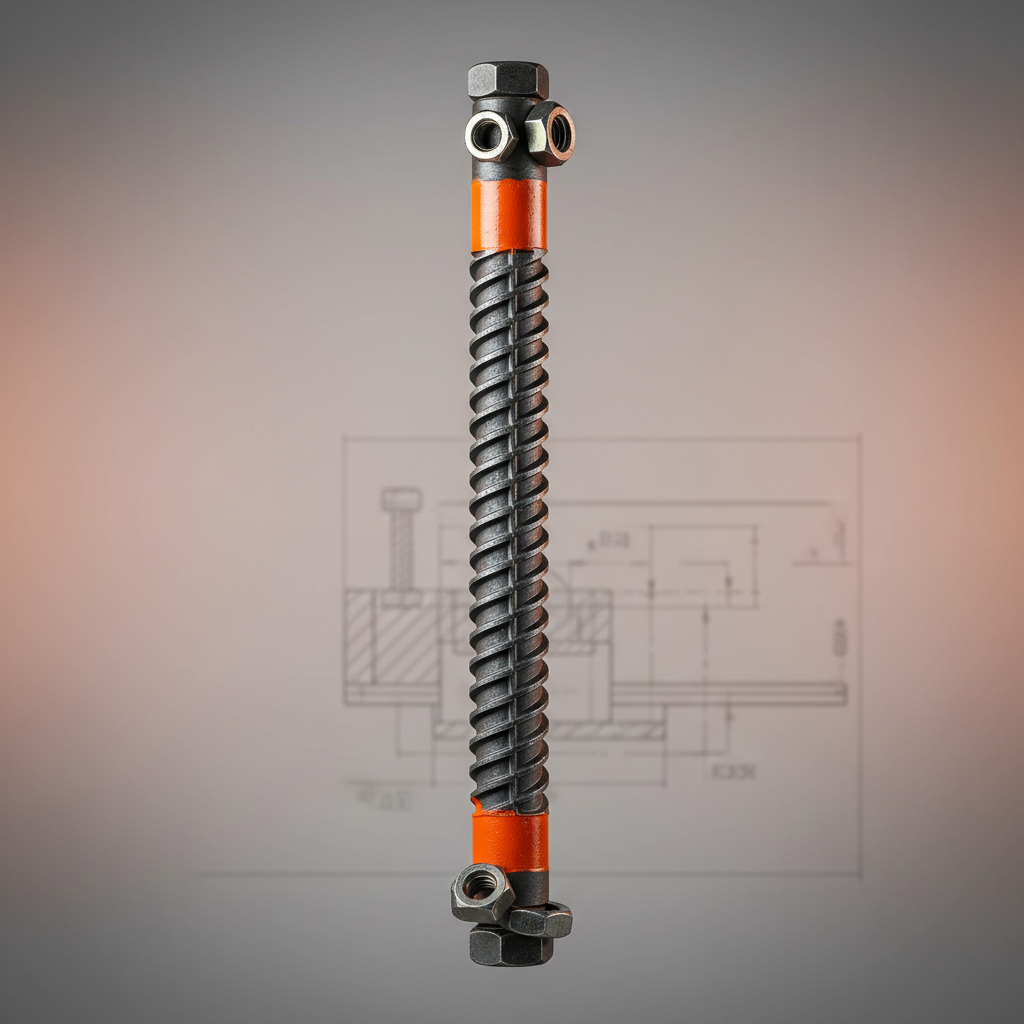
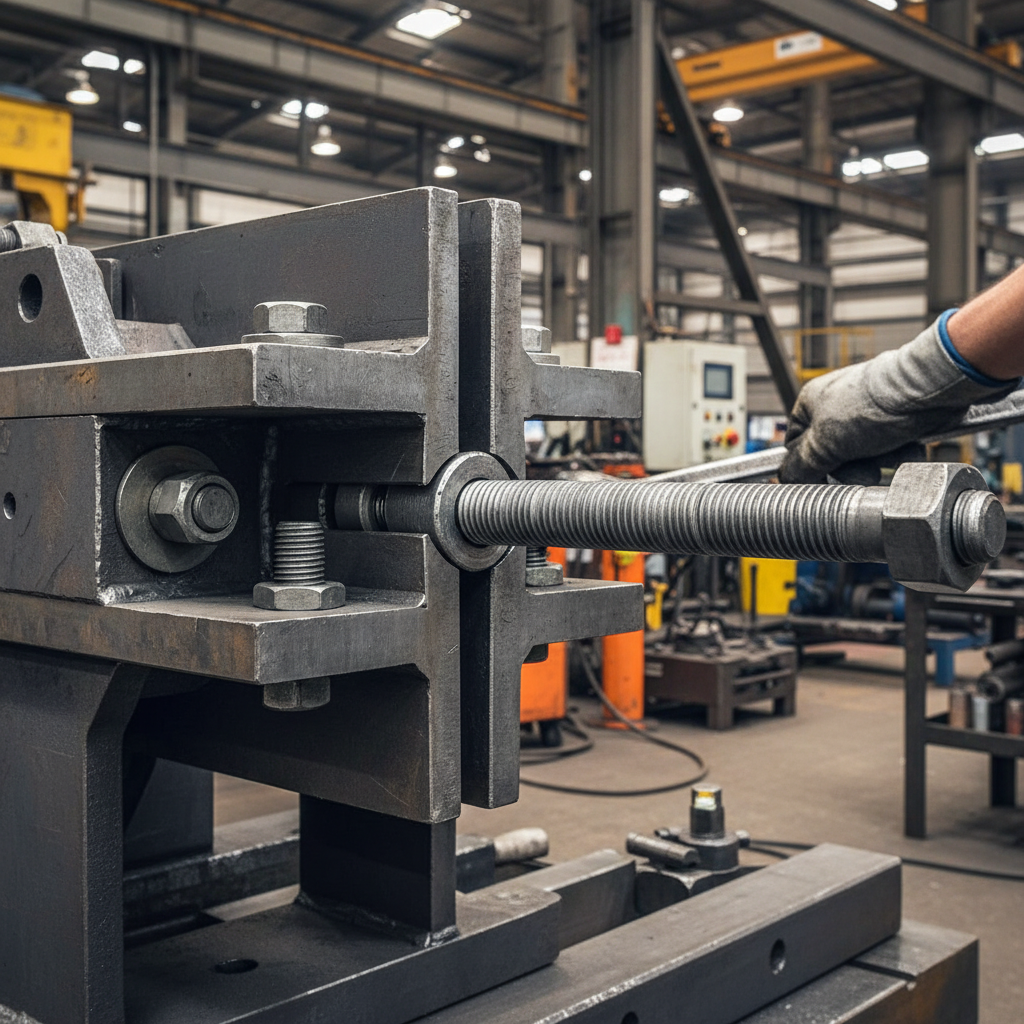
To put it simply: 3 8 stainless all thread is a continuous threaded rod made of stainless steel, with a diameter of three-eighths of an inch. Unlike bolts, these rods don't have a head and can be cut to length or used in longer assemblies with nuts at both ends. This means they are incredibly versatile, perfect for applications requiring adjustable and segmented fastenings.
In terms of industry importance, these rods support everything—from scaffolding frames to electrical groundings—and even non-industrial contexts like DIY projects. Stainless steel’s corrosion-resistant qualities make these rods indispensable where weather, moisture, or chemicals threaten ordinary metal parts.
Key Factors Behind the Effectiveness of 3 8 Stainless All Thread
1. Durability
Stainless steel (often 304 or 316 grades) endows these rods with resistance to rust, oxidation, and many chemicals. This ensures long service life, even in marine, chemical plants, or outdoor environments.
2. Versatility and Scalability
Available in various lengths and finishes, 3 8 stainless all thread can be cut or joined to meet specific project needs. This scalability is key for custom applications, from tiny brackets to giant structural connections.
3. Cost Efficiency
While stainless steel rods cost more upfront than carbon steel, their longevity and reduced maintenance drastically lower lifecycle costs, a factor many engineers highlight when choosing materials.
4. Mechanical Strength
These rods offer excellent tensile strength and load-bearing capacity, capable of withstanding heavy stresses, vibrations, and dynamic forces without failure.
5. Compatibility
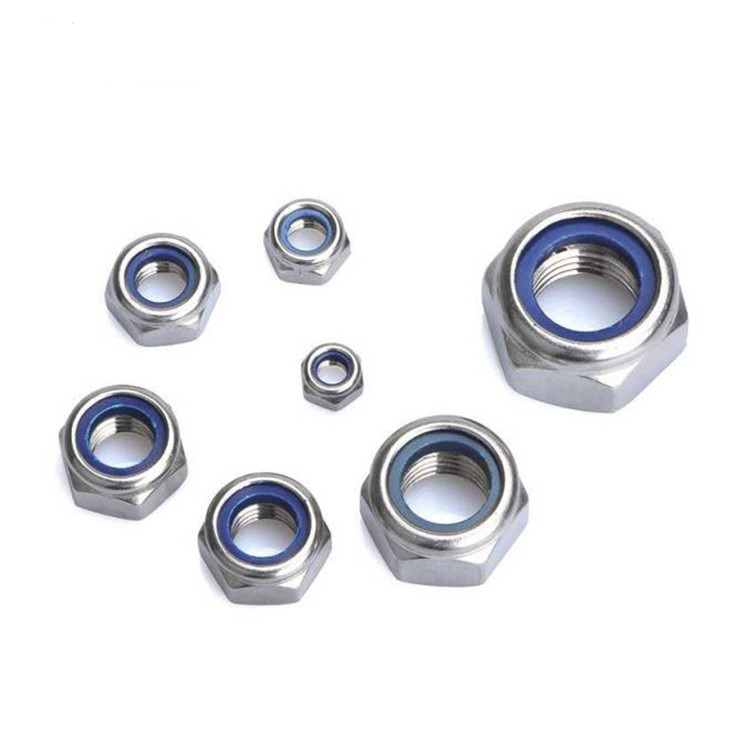
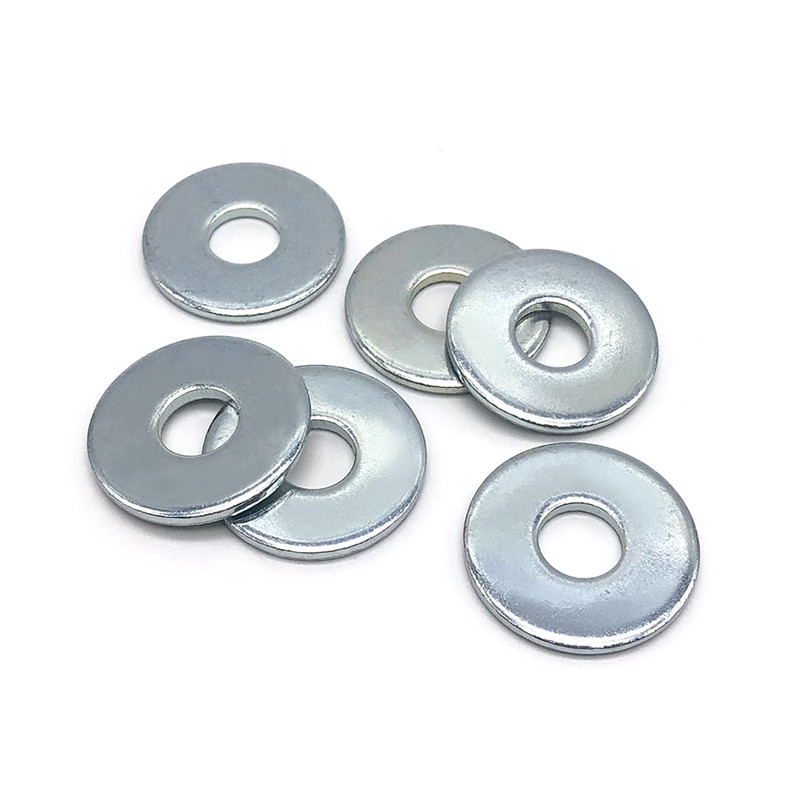
The standardized 3 8-inch diameter fits with common nuts, washers, and fasteners, easing integration with existing components.
Mini takeaway: The 3 8 stainless all thread’s blend of strength, flexibility, and corrosion resistance makes it a staple for modern industry and infrastructure.
Specifications of Typical 3 8 Stainless All Thread Rods
| Specification | Detail |
|---|---|
| Diameter | 3/8 inch (9.525 mm) |
| Material Grade | 304 or 316 stainless steel |
| Length Range | 1 ft to 12 ft or custom cut |
| Thread Type | Uniform, machine threads (UNC/UNF) |
| Surface Finish | Bright rolled, passivated, or polished |
Global Applications & Use Cases
Industries worldwide rely heavily on 3 8 stainless all thread rods. For example:
- Construction & Infrastructure: Used extensively in seismic bracing, lighting fixtures, and mechanical supports, especially in regions like Japan and California where earthquake resistance matters.
- Maritime & Offshore: The oil rigs of the North Sea demand corrosion-resistant fasteners to sustain harsh oceanic conditions.
- Disaster Relief Operations: NGOs erect temporary shelters and bridges using these rods as they offer quick assembly and long-term durability.
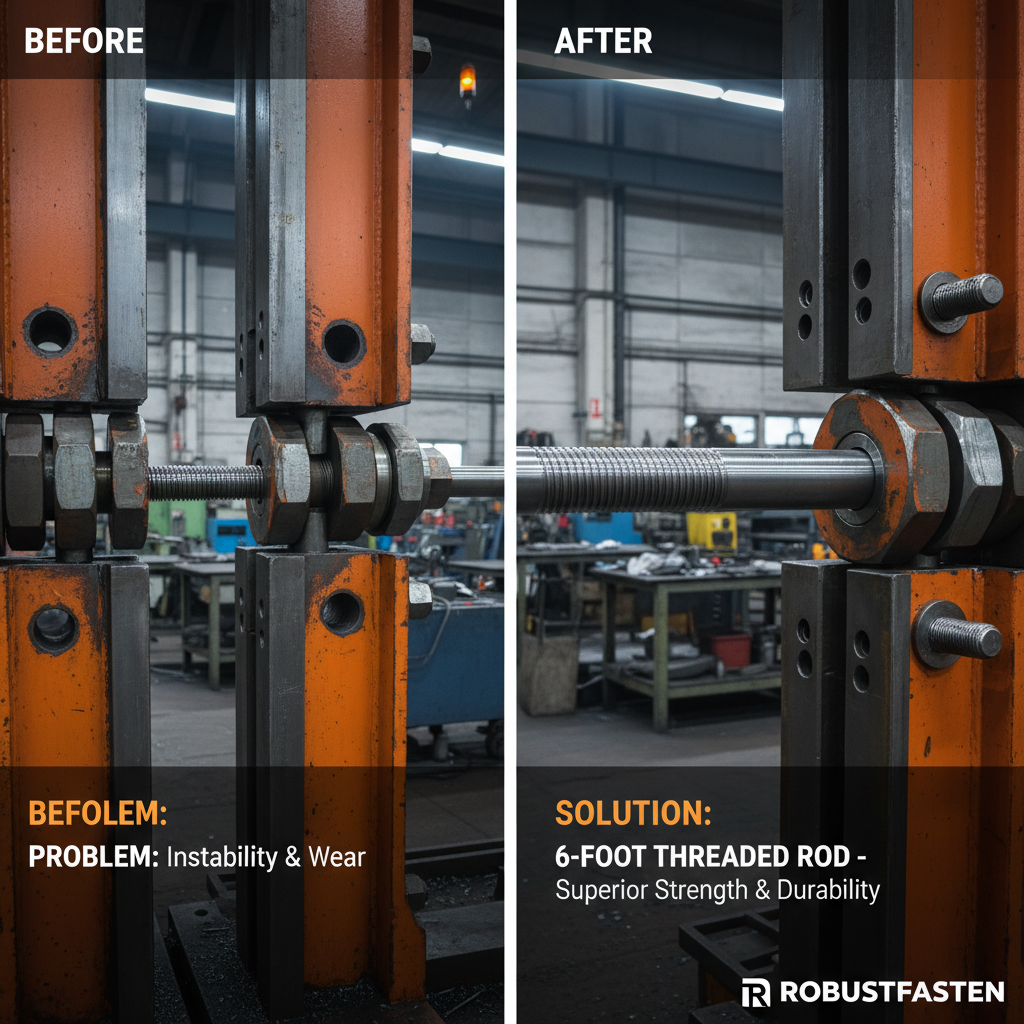
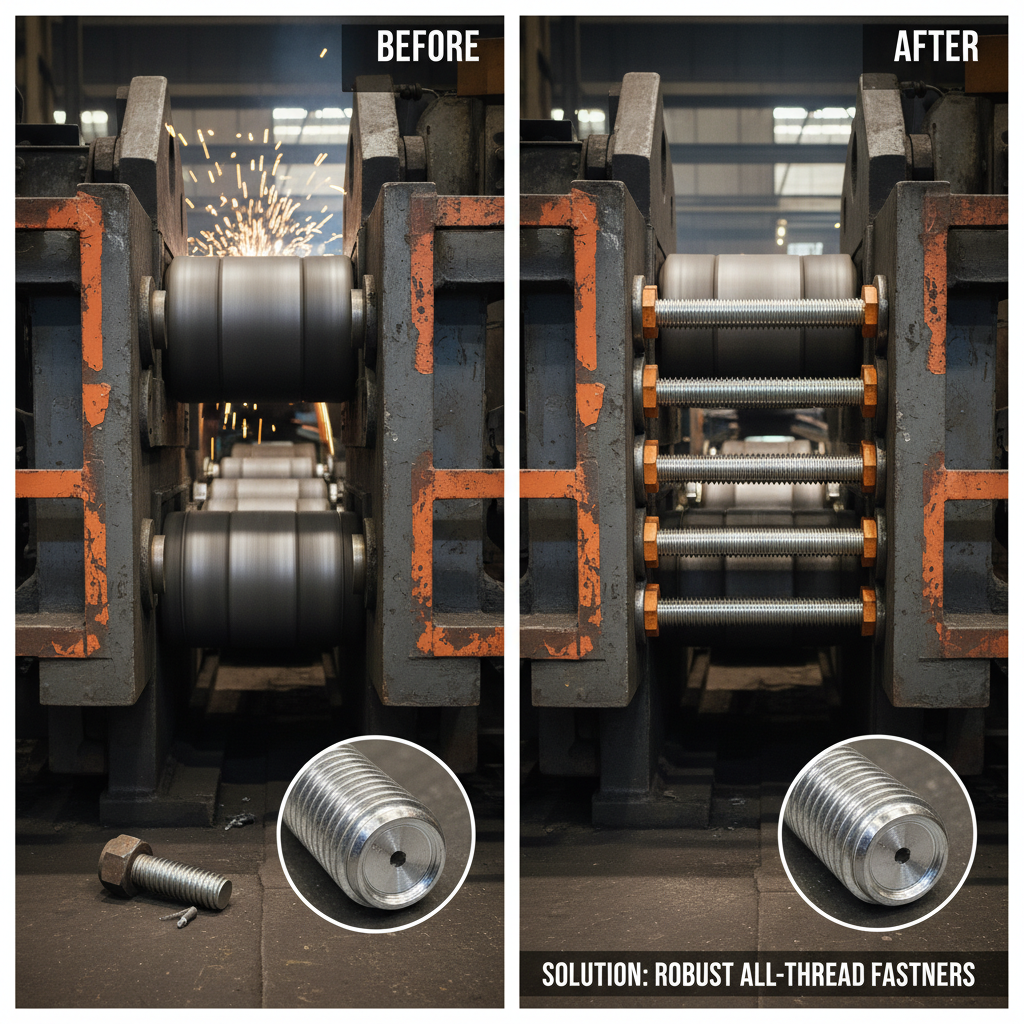
- Industrial Automation: Robotics and machinery frameworks use threaded rods for custom adjustable assemblies.
Oddly enough, smaller-scale projects in remote industrial zones also appreciate the simplicity and reliability offered by these rods, often without access to complex fabrication facilities.
Vendor Comparison: Popular Manufacturers of 3 8 Stainless All Thread
| Vendor | Material Grade | Price Range (per ft) | Typical Lead Time | Certifications |
|---|---|---|---|---|
| StainlessSteel Co. | 304 & 316 | $4.50 - $6.00 | 5–7 days | ISO 9001, ASTM F593 |
| Global Fasteners Ltd. | 316 (marine grade) | $5.00 - $6.50 | 7–10 days | ISO 9001, RoHS Compliant |
| EcoThread Inc. | Recycled 304 SS | $4.00 - $5.50 | 10–14 days | LEED, ISO 14001 |
Advantages & Long-Term Value
Choosing 3 8 stainless all thread rods is a long-term investment in quality and security. Besides tangible benefits like reduced corrosion and superior mechanical properties, there’s a subtle but powerful impact on safety and innovation. Projects built with these components tend to require less maintenance, meaning fewer interruptions—and frankly, that peace of mind is priceless.
The emotional reassurance of knowing critical infrastructure won’t fail is often overlooked. It supports the dignity of communities depending on these structures and the trust engineers place in their materials. On the environmental front, durability equals sustainability: fewer replacements and discarded materials.
Future Trends & Innovations
Unsurprisingly, the future is bright for stainless steel all thread rods. Industry insiders talk about integrating smart coatings that signal wear or corrosion before failure occurs—kind of like a health monitor for metal parts. Also, advances in additive manufacturing might allow creating custom-threaded rods with embedded sensors.
Sustainability is another big trend, with recycled stainless steel and green supply chain certifications becoming more important. And as automation and Industry 4.0 evolve, standardized components like the 3 8 stainless all thread remain essential building blocks—just smarter and more traceable.
Challenges & Practical Solutions
That said, challenges persist. For instance, stainless steel rods tend to gall or “stick” during installation, frustrating workers. Solutions include improved surface finishes and lubricants. Cost remains a barrier for some, but bulk purchasing and reuse strategies help mitigate this.
Ensuring consistent high quality across global suppliers is also crucial; many firms now insist on documented certifications and batch traceability. Finally, installing these rods in extreme environments requires rigorous on-site inspection protocols—another reason experience matters.
FAQ: Frequently Asked Questions About 3 8 Stainless All Thread
- Q: What is the typical tensile strength of 3 8 stainless all thread rods?
A: Generally, stainless steel rods of 3 8 diameter have tensile strengths ranging from 75,000 to 85,000 psi depending on grade; 316 stainless is usually on the higher end due to added molybdenum. - Q: Can these rods be used outdoors in coastal environments?
A: Yes, especially 316-grade stainless steel rods are ideal for coastal settings, resisting saltwater corrosion effectively. - Q: Are there standard thread types available?
A: Most are manufactured with UNC (Unified Coarse) or UNF (Unified Fine) threads depending on application requirements. - Q: How do I cut and thread these rods on-site?
A: You can cut with a hacksaw or power saw and cleanly thread using a die designed for stainless steel; pre-lubrication helps reduce galling. - Q: Where can I buy quality 3 8 stainless all thread rods?
A: Reputable suppliers include 3 8 stainless all thread providers like StainlessSteel Co. or Global Fasteners Ltd., both offering certifications and customization.
Conclusion
At first glance, a 3 8 stainless all thread rod might seem like just another piece of metal—but it’s really a tiny hero underpinning global industry, infrastructure, and humanitarian efforts. Anyone involved in engineering or construction who values durability, adaptability, and long-term savings should know about these rods. Oddly enough, investing a moment to understand such small parts often leads to big gains.
If you want to explore supply options or technical details, don’t hesitate to visit our website: https://www.hbtbls.com.
Final takeaway: When strength and resilience matter, 3 8 stainless all thread rods quietly hold the line.
References
Post time: Dec . 02, 2025 03:15


 English
  Albanian
  Arabic
  Armenian
  Azerbaijani
  Belarusian
  Bosnian
  Bulgarian
  Cebuano
  Corsican
  Czech
Czech  Galician
  Georgian
  Greek
Greek  Hausa
Hausa  Hebrew
  Hungarian
  Igbo
Igbo  Indonesian
  Italian
  Kazakh
  Khmer
Khmer  Korean
  Kurdish
  Kyrgyz
  Lao
Lao  Latin
Latin  Latvian
  Lithuanian
  Malay
Malay  Myanmar
  Nepali
  Polish
  Portuguese
  Russian
  Serbian
  Sesotho
  Shona
Shona  Sindhi
  Spanish
  Tagalog
  Tajik
Tajik  Thai
Thai  Turkish
  Turkmen
  Ukrainian
  Uzbek
Uzbek  Vietnamese
  Yoruba
  Zulu
Zulu