
What Is a 7 16 Threaded Rod and Why Does It Matter?
If you've ever dabbled in construction or industrial projects, you’ve probably come across threaded rods—and among them, the stalwart 7 16 threaded rod. This simple, yet incredibly versatile fastener is the unsung hero in everything from heavy machinery to global infrastructure projects. Understanding it might seem mundane, but the reality is that the 7 16 threaded rod plays a surprisingly global role, found in applications spanning disaster relief shelters to high-tech assembly lines.
The importance? Threaded rods, especially the sturdy 7 16 variant, provide a reliable backbone for mechanical joins and structural supports. Their design lets engineers and builders quickly assemble, adjust, and sometimes even repaint their constructions without compromising strength. On a larger scale, this means safer buildings, quicker repairs, and adaptability — things critical in places with fast-changing needs or fragile infrastructure.
The Global Context: Why Threaded Rods Are Core to Industrial and Humanitarian Efforts
Globally, the construction and manufacturing sectors represent a massive slice of the GDP. According to the International Organization for Standardization (ISO), threaded fasteners must meet exacting standards to ensure global compatibility and safety. The 7 16 threaded rod meets these demands, striking a balance between size, strength, and versatility.
Think about it: The UN estimates that over 150 million people worldwide are affected by natural disasters annually. Fast, reliable assembly components, like the 7 16 threaded rod, become crucial in assembling temporary shelters, machinery, and utilities. But beyond humanitarian relief, they're also pivotal in industrial zones—from Southeast Asia’s booming factories to oil rigs in the North Sea.
However, challenges remain: traditional fasteners sometimes fall short in corrosion resistance or ease of use under harsh conditions, which forces engineers to innovate continuously.
Mini Takeaway
Threaded rods like the 7 16 variant fulfill critical roles in global industry and humanitarian contexts, yet their effectiveness depends on design, material, and real-world conditions.
What Exactly Is a 7 16 Threaded Rod?
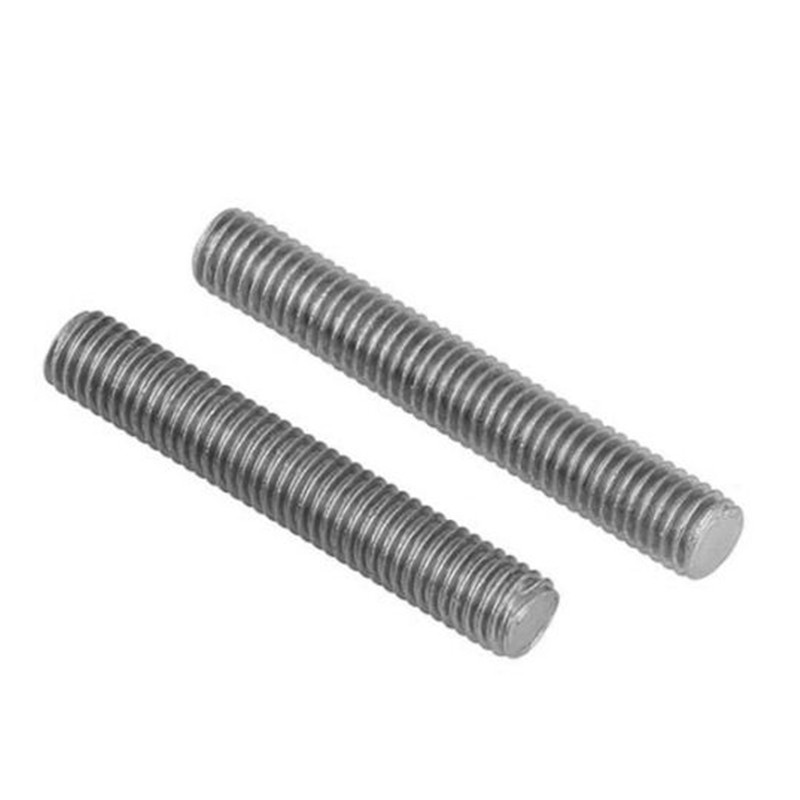
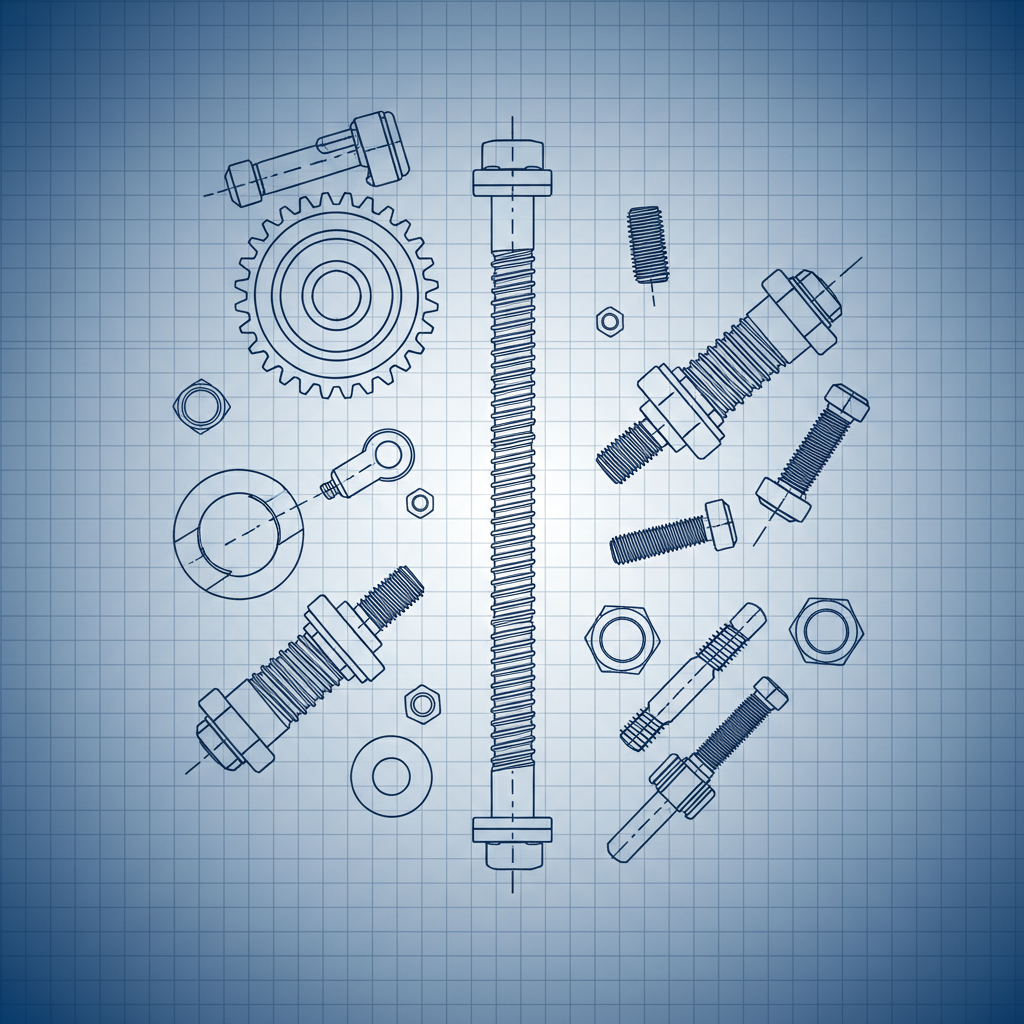
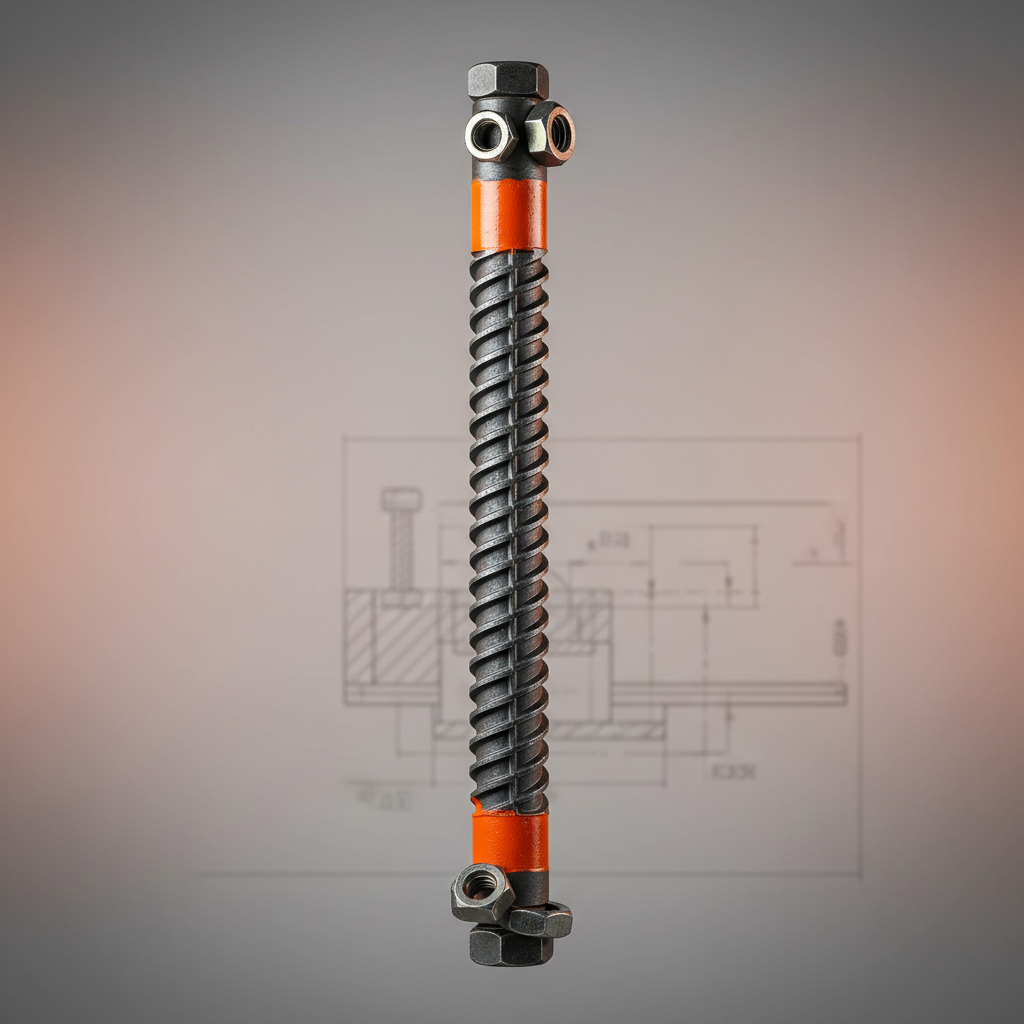
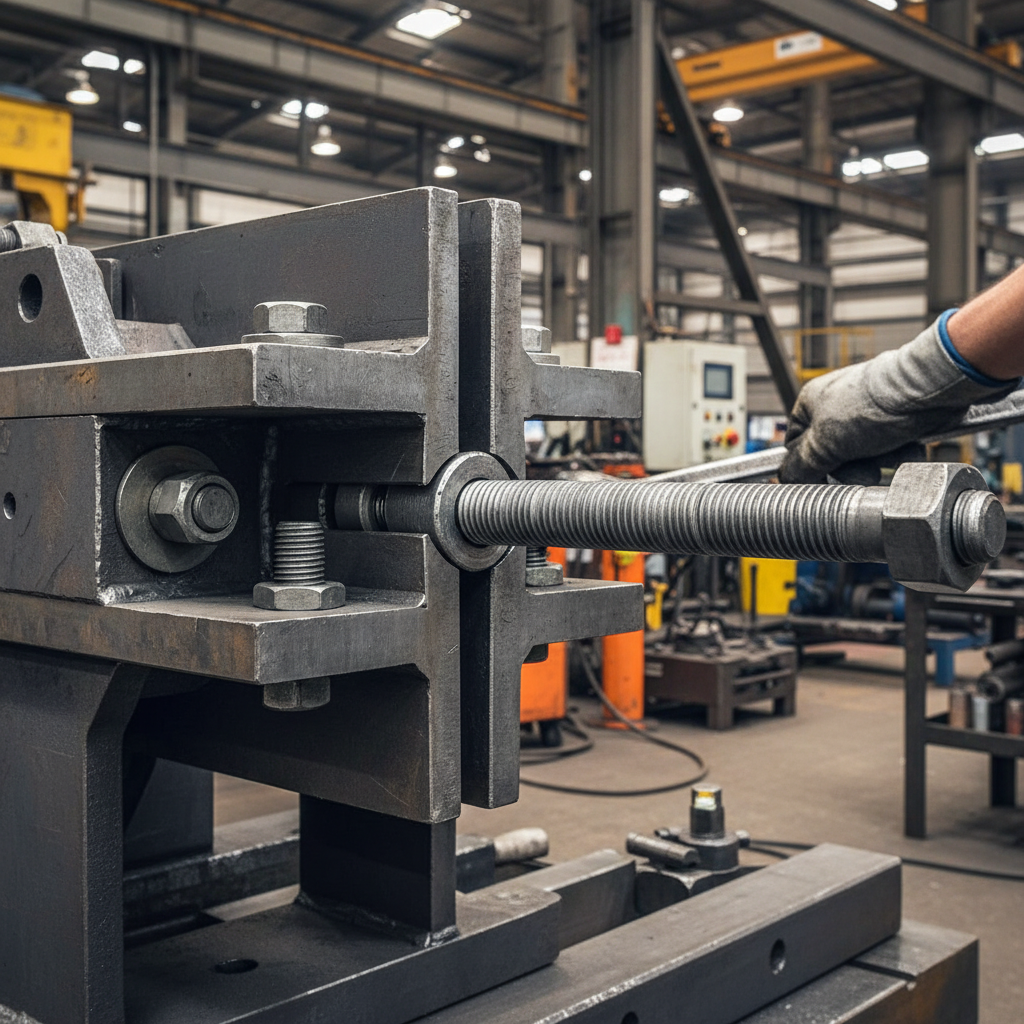
Put simply, a 7 16 threaded rod is a long, cylindrical piece of metal, threaded continuously along its length. The "7 16" refers to the nominal diameter—7/16 of an inch—making it a medium-heavy duty size. Threaded rods come in different materials (stainless steel, carbon steel, etc.), grades, and thread patterns, which impact their applications and strength.
They’re like the skeleton key of fasteners—usable for mounting, joining parts, or even adjusting tension in cables and beams.
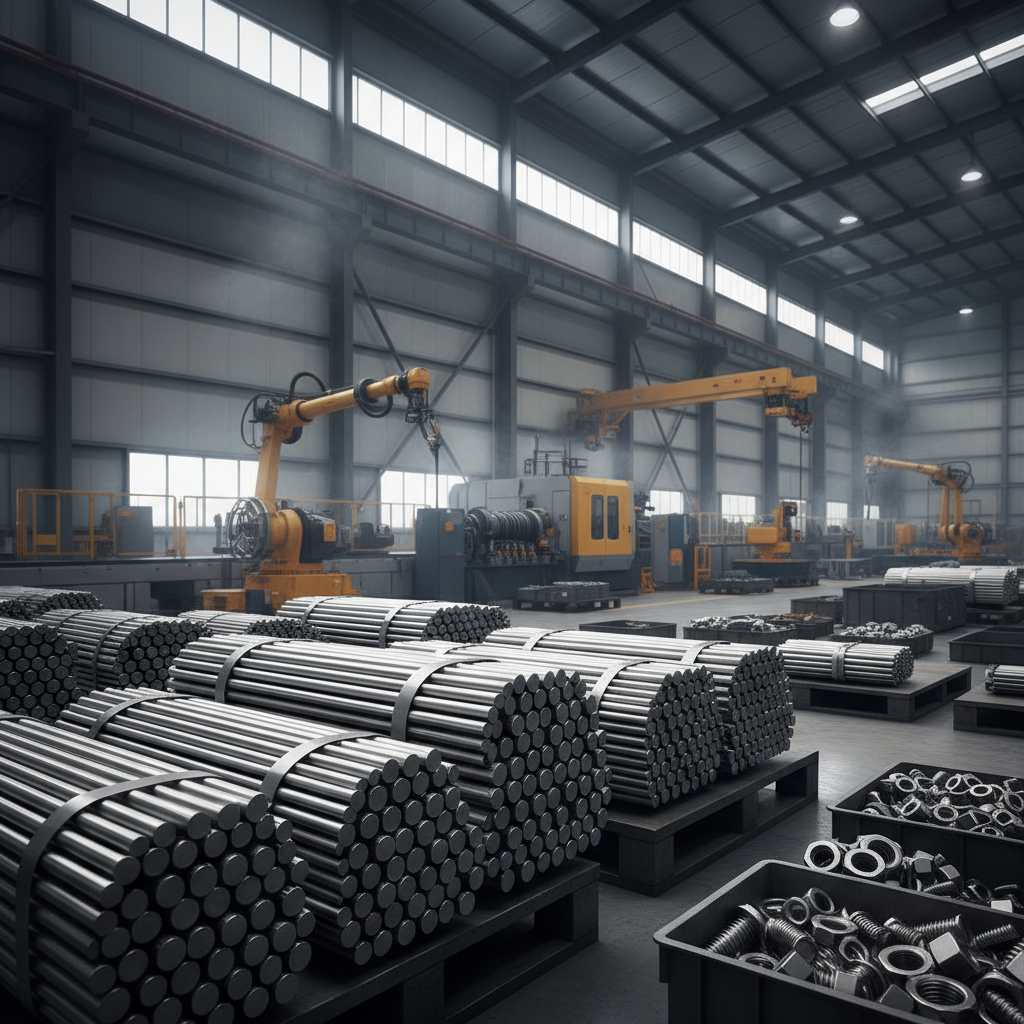
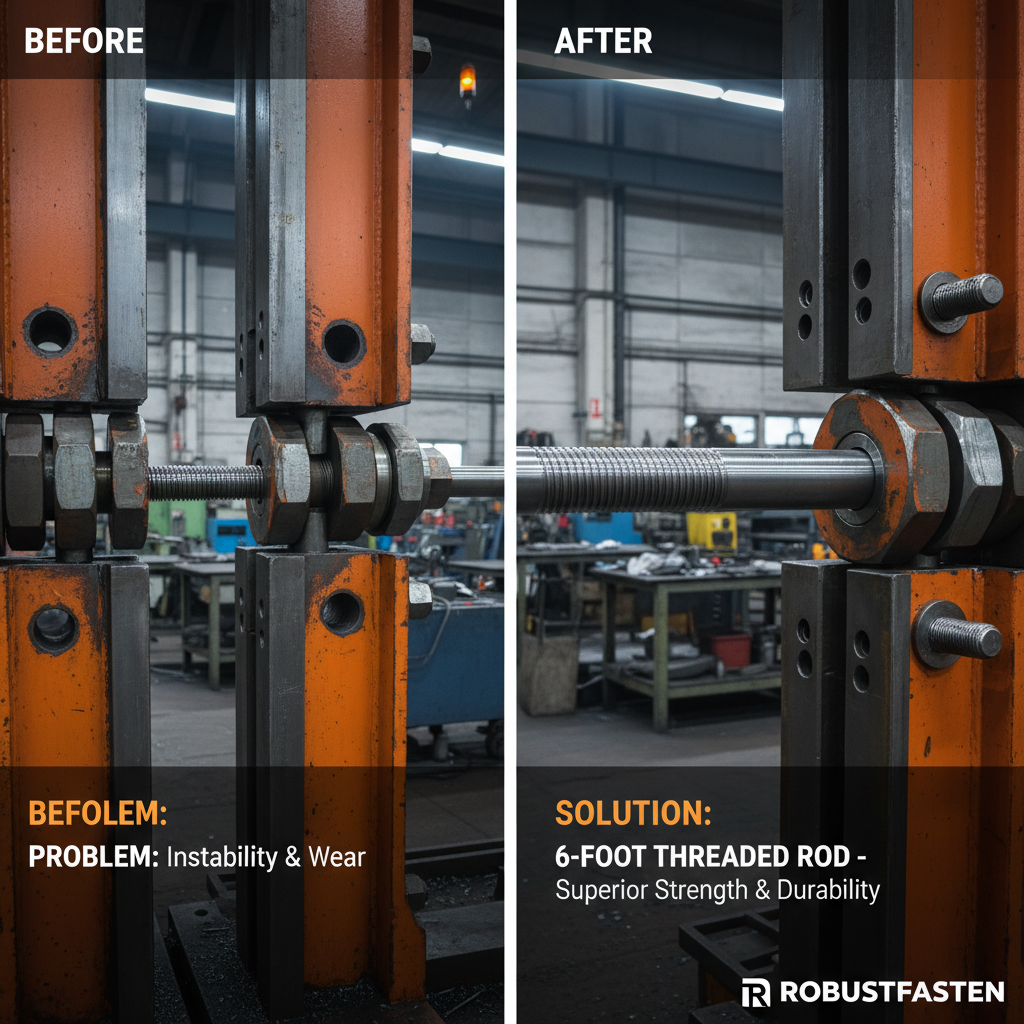
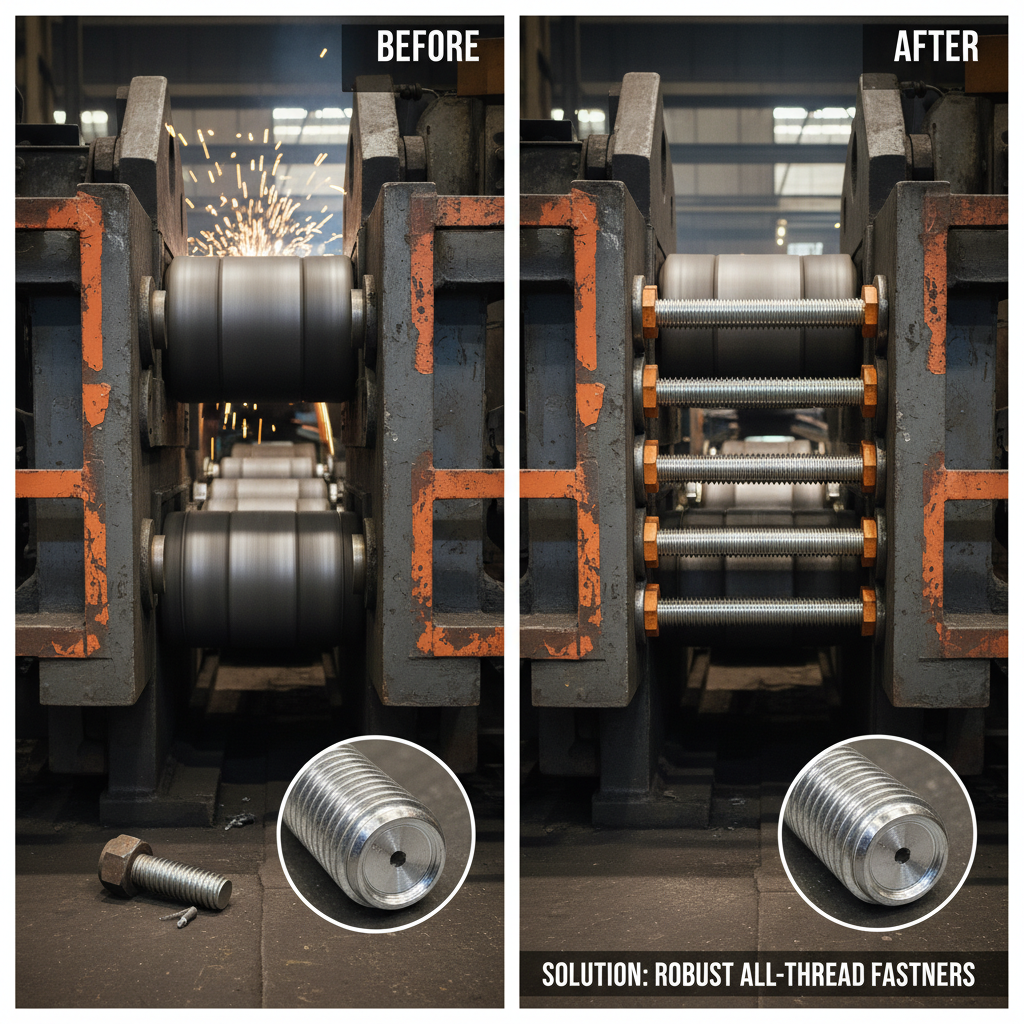
In humanitarian supply chains, these rods help rapidly build modular structures, which is vital where speed and durability are both essential. They’re also extensively used in industrial maintenance, where equipment might frequently be dismantled and reassembled.
Core Characteristics of 7 16 Threaded Rods
Durability
Many engineers swear by the durability of high-grade 7 16 threaded rods. Made from alloys with zinc, chromium, or even galvanized coatings, their corrosion resistance determines longevity, especially in marine or highly humid environments.
Versatility
Threaded rods come in coarse and fine threads, enabling precise adjustments or faster assembly. The 7 16 size walks the line—big enough for heavy loads, yet small enough to be used in tight spaces.
Cost Efficiency
Compared with custom fittings or welds, threaded rods represent a cost-saving solution; they require less labor skill and are reusable, which is great for budget-conscious projects, especially in emerging markets.
Load Capacity
A typical 7 16 threaded rod supports loads up to roughly 3,000 pounds in tensile strength (depending on material grade). This makes them optimal for light to medium structural needs.
Customizability
Suppliers can cut threaded rods to exact lengths or provide pre-cut kits, which helps reduce waste and speeds assembly on-site.
Product Specifications of a Typical 7 16 Threaded Rod
| Specification | Details |
|---|---|
| Diameter | 7/16 inch (11.11 mm) |
| Thread Type | UNC (Coarse) / UNF (Fine) |
| Material | Stainless Steel, Carbon Steel, Galvanized Steel |
| Length | Custom-cut (Typically 1 ft to 12 ft) |
| Tensile Strength | Up to 120,000 PSI (Depending on grade) |
| Coating | Zinc Plated or Hot-Dip Galvanized |
Global Uses and Real-World Examples
The 7 16 threaded rod is a wanderer—it finds its way into numerous industries worldwide.
- Construction: Used extensively in securing steel beams and reinforcing structures.
- Disaster Relief: NGOs assemble quick shelters and water towers anchored by these rods in places like Bangladesh and the Caribbean.
- Automotive: Assembly line machinery and vehicle parts sometimes rely on 7 16 rods for framing and adjustments.
- Marine and Offshore: Platforms off Norway and Texas use galvanized versions to withstand saltwater corrosion.
Oddly enough, you’ll also spot these rods in DIY enthusiasts’ garages—there's just something satisfying about having a length of threaded rod ready to fix or create.
Advantages & Why They Keep Being Chosen
It’s tempting to overlook such a basic component, but the benefits are undeniable:
- Cost-Effectiveness: They’re inexpensive yet durable, saving money on replacements and labor.
- Safety: High-grade rods ensure structural integrity, crucial in safety-sensitive projects like bridges or shelters.
- Sustainability: Reusable and recyclable materials support greener industries, especially when galvanized or stainless steel is used.
- Modularity: They allow for design flexibility. Teams can disassemble and reuse parts with little hassle.
On a more emotional level, it’s comforting to know that a tiny metal rod is quietly holding up major components—not glamorous, but utterly reliable.
Future Trends: Innovations in Threaded Rods
Materials science isn’t slowing down. Today, we see rods made from advanced composites and coated with nanomaterials to enhance corrosion resistance beyond traditional galvanization. Digital manufacturing and IoT are also creeping in—imagine smart rods that monitor stress and report potential failures before they happen. The 7 16 threaded rod, I suspect, will be part of this automation wave, quietly adapting to smarter infrastructure needs.
Challenges and How Experts Overcome Them
Even the humble 7 16 threaded rod has its limitations:
- Corrosion: Despite coatings, harsh environments can still erode them over time.
- Thread Stripping: Poor quality rods or over-tightening cause damage.
- Supply Chain Constraints: Global disruptions sometimes delay availability.
Innovative solutions? Engineers recommend specifying rod grades carefully, using stainless steel where appropriate, and employing torque tools to prevent overtightening. Just recently, a manufacturer I know began offering traceability codes on rods for quality assurance, which helps in critical builds.
Vendor Comparison: Popular 7 16 Threaded Rod Suppliers
| Vendor | Material Options | Lead Time | Price Range (per unit ft) | Special Features |
|---|---|---|---|---|
| SteelPro Fasteners | Carbon, Zinc Plated, Stainless | 5-7 days | $2.50 - $3.50 | Custom cuts, bulk discounts |
| Global Rod Supplies | Galvanized, Stainless | 7-10 days | $3.00 - $4.00 | Traceability certification |
| RapidFix Components | Carbon Steel only | 3-5 days | $2.00 - $2.75 | Fast shipping, standard sizes |
FAQ: Your 7 16 Threaded Rod Questions Answered
Q1: Can I use a 7 16 threaded rod outdoors without special coating?
A1: It's not recommended. Unless the rod is stainless steel or galvanized, exposure to moisture will cause rust and weaken it over time. For outdoor applications, always choose coated rods or stainless steel versions to ensure durability.
Q2: How do I determine the right length of 7 16 threaded rod for my project?
A2: Measure the total distance your rod must span, including any overlap for nuts or washers. Suppliers often offer custom cutting; consider ordering slightly longer rods to allow for on-site adjustments.
Q3: Are 7 16 threaded rods reusable after dismantling machinery?
A3: Generally, yes—but only if the threads are undamaged and the rod has not been bent or fatigued. Inspect for any stripped threads or corrosion before reuse to maintain safety.
Q4: Where can I find high-quality 7 16 threaded rods that meet international standards?
A4: Trusted suppliers, often certified by ISO standards, ensure quality. Checking for product certifications and traceability, like those offered by 7 16 threaded rod vendors, helps guarantee compliance.
Conclusion
In the grand scheme, the 7 16 threaded rod might seem like a minor character. Yet it quietly supports major frameworks and systems around the world, providing durability, flexibility, and cost-effectiveness. As industries evolve, so too do these rods—blending traditional robustness with emerging materials and technologies.
For anyone serious about engineering or construction, factoring in the right kind of threaded rod isn’t just a minor decision; it can affect safety, timelines, and budgets. Curious to learn more or ready to source your own? Visit our website at 7 16 threaded rod to explore options and get expert guidance.
References
Post time: Nov . 30, 2025 02:40


 English
  Albanian
  Arabic
  Armenian
  Azerbaijani
  Belarusian
  Bosnian
  Bulgarian
  Cebuano
  Corsican
  Czech
Czech  Galician
  Georgian
  Greek
Greek  Hausa
Hausa  Hebrew
  Hungarian
  Igbo
Igbo  Indonesian
  Italian
  Kazakh
  Khmer
Khmer  Korean
  Kurdish
  Kyrgyz
  Lao
Lao  Latin
Latin  Latvian
  Lithuanian
  Malay
Malay  Myanmar
  Nepali
  Polish
  Portuguese
  Russian
  Serbian
  Sesotho
  Shona
Shona  Sindhi
  Spanish
  Tagalog
  Tajik
Tajik  Thai
Thai  Turkish
  Turkmen
  Ukrainian
  Uzbek
Uzbek  Vietnamese
  Yoruba
  Zulu
Zulu