
Understanding 3 8 Stainless Steel All Thread: Strength and Versatility in Global Construction
If you’ve ever ventured into construction, engineering, or industrial manufacturing, you’ve probably come across fasteners that keep everything solid. Among those, the 3 8 stainless steel all thread stands out—not just as a humble piece of hardware but as a vital link in countless applications worldwide. Frankly, it might sound niche, but its impact is pretty global and quietly vast. Knowing about this product helps engineers, builders, and procurement teams ensure projects last longer, resist harsh environments, and save money in the long run.
Why It Matters Globally
3 8 stainless steel all thread rods have become indispensable in many sectors—from construction to renewable energy. ISO standards highlight stainless steel fasteners as critical for safety and durability (ISO 3506 for corrosion resistance, for instance). According to the latest industry reports, stainless steel fasteners market growth continues at a steady clip, fueled by infrastructure expansion in Asia and sustainability efforts in Europe and North America. For example, the World Steel Association notes that stainless steel products, including fasteners, are significant for green building initiatives, especially as they prevent corrosion and reduce maintenance costs. The real challenge that these all-thread rods help tackle is the demand for resilient, cost-effective fastening solutions that resist environmental wear and provide flexible assembly options.
Defining the 3 8 Stainless Steel All Thread
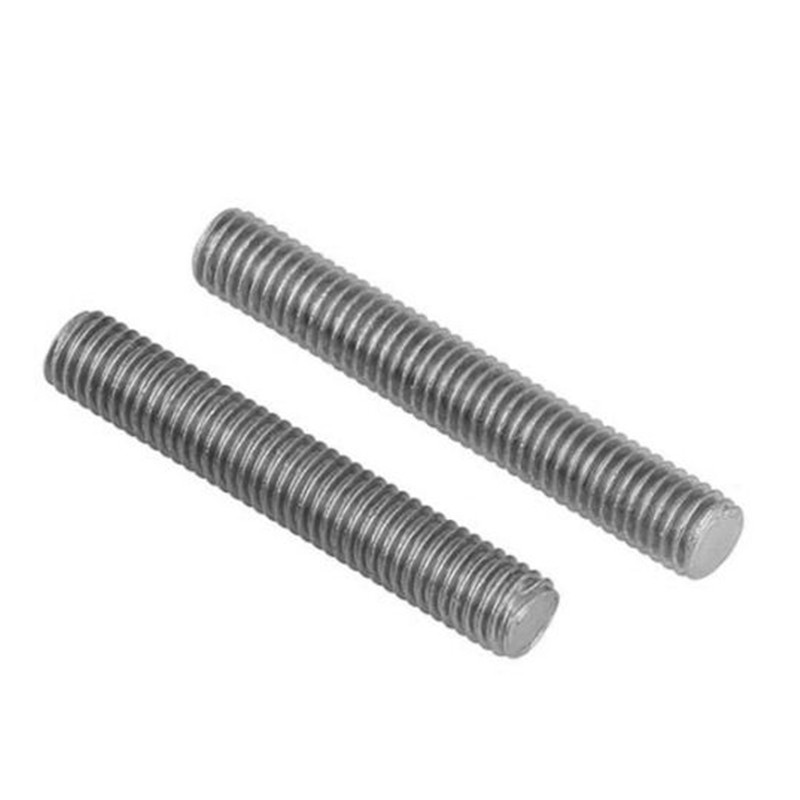
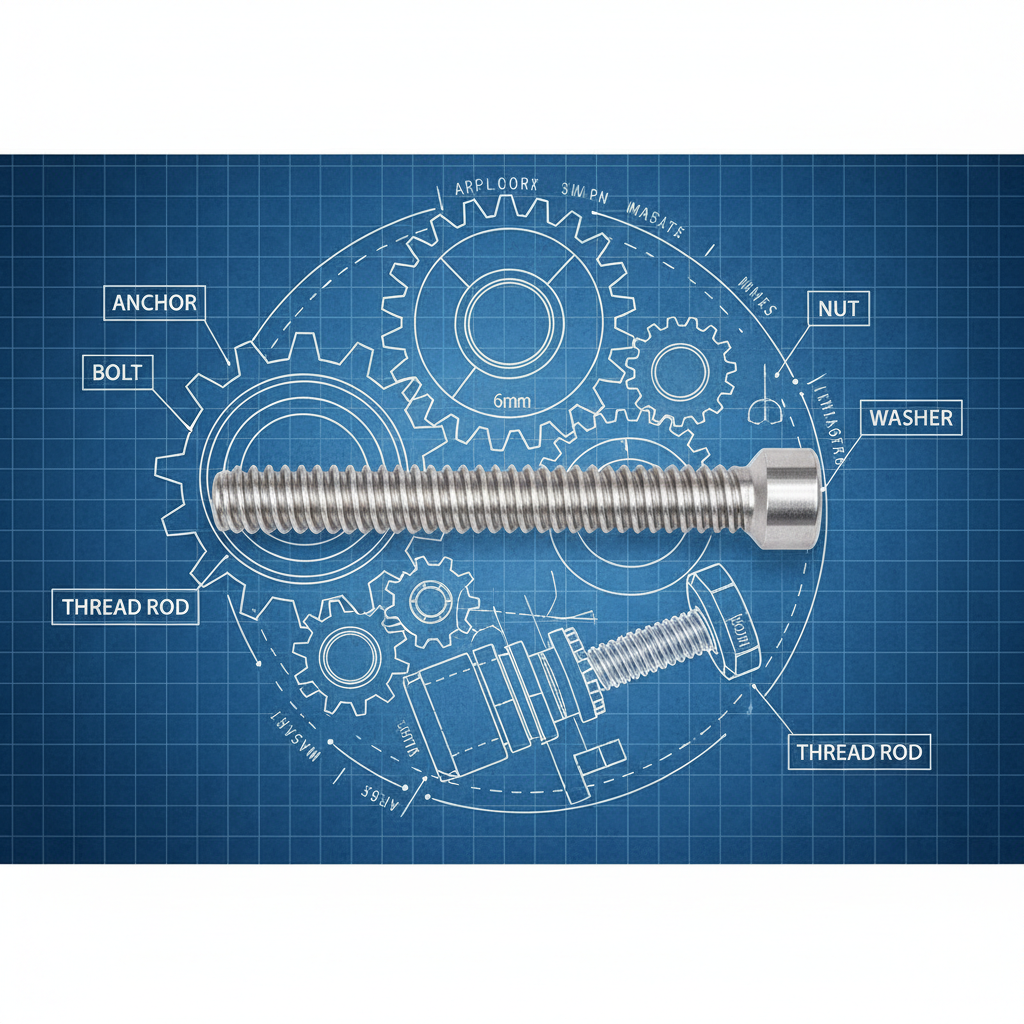
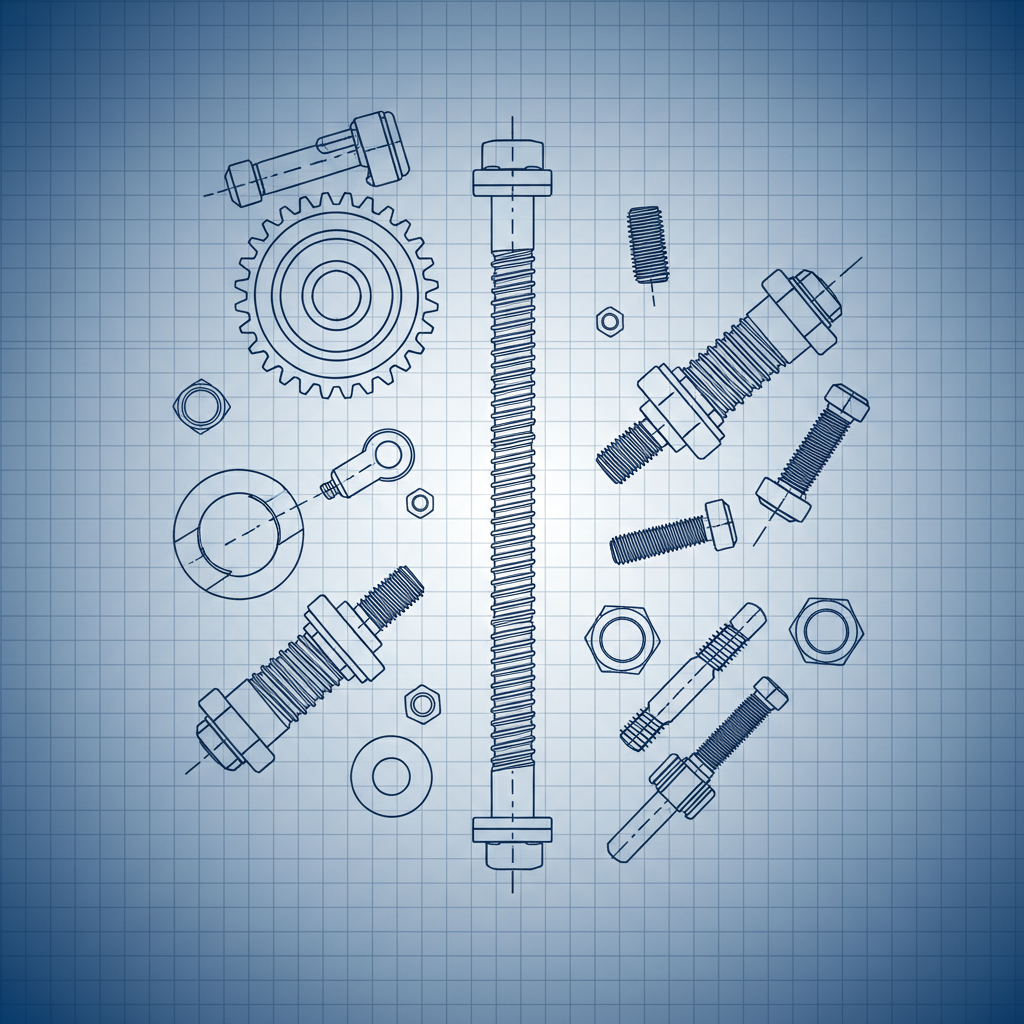
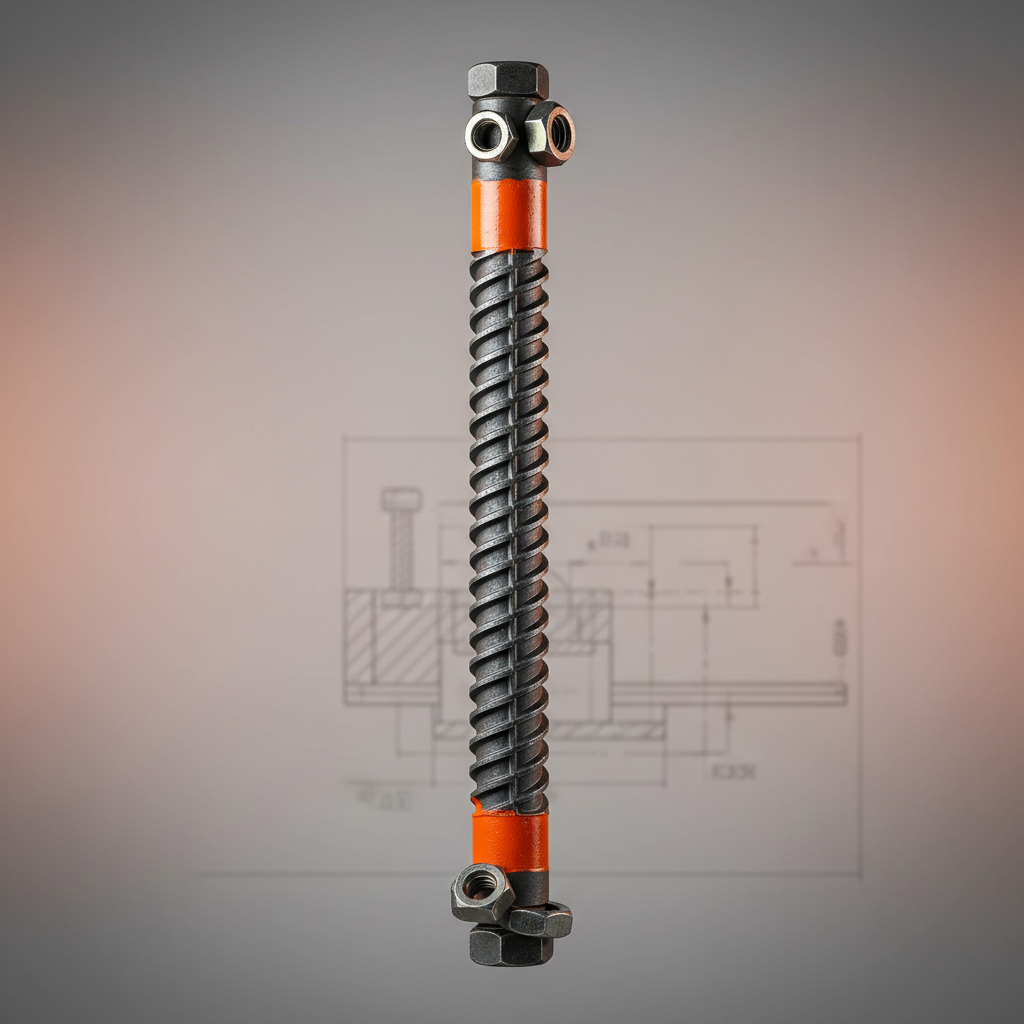
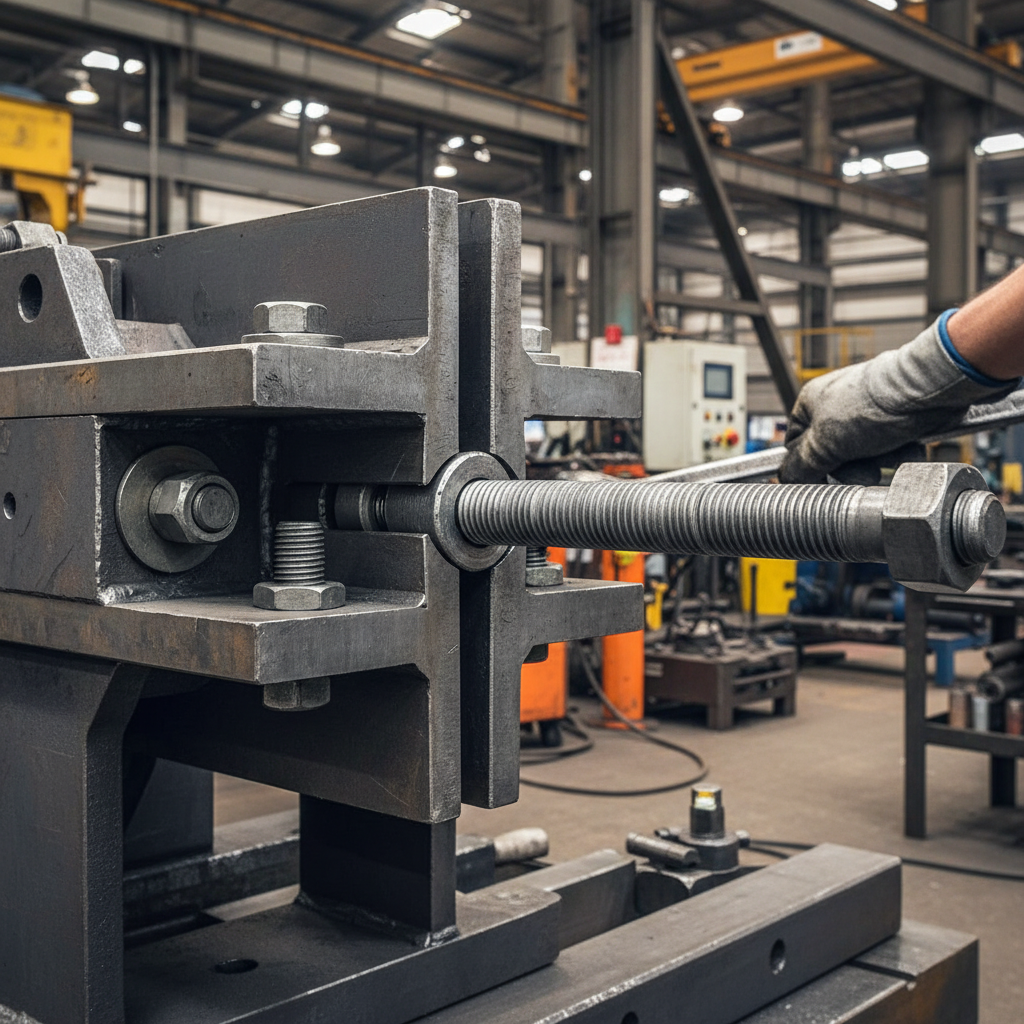
In simple terms, the "3 8 stainless steel all thread" refers to a rod made of stainless steel, threaded continuously along its length with a nominal diameter of 3/8 inch (roughly 9.5 mm). Unlike bolts or screws with heads, “all thread” rods are uniform threads that you can cut to length or pair with nuts and washers as needed. This flexibility makes them wildly popular for construction, mechanical assemblies, and repair works.
Oddly enough, their role is connected to everything from high-rise skyscrapers to humanitarian deployment shelters. Stainless steel’s inherent corrosion resistance means these rods stay useful and safe under weather stress or chemical exposure—qualities that matter for durability and even human safety.
Key Features to Know
Durability and Corrosion Resistance
Made mainly from grades like 304 or 316 stainless steel, these all thread rods resist oxidation, rust, and marine salt spray effects. Grade 316 is especially valuable in coastal or industrial zones because of its molybdenum content, which boosts corrosion resistance.
Scalability and Customization
Because the entire length is threaded, you can cut these rods to suit varied project sizes. Need a custom fit for a modular building? Just trim and bolt together. It’s a really practical advantage, especially in repair or specialized fabrication.
Cost Efficiency
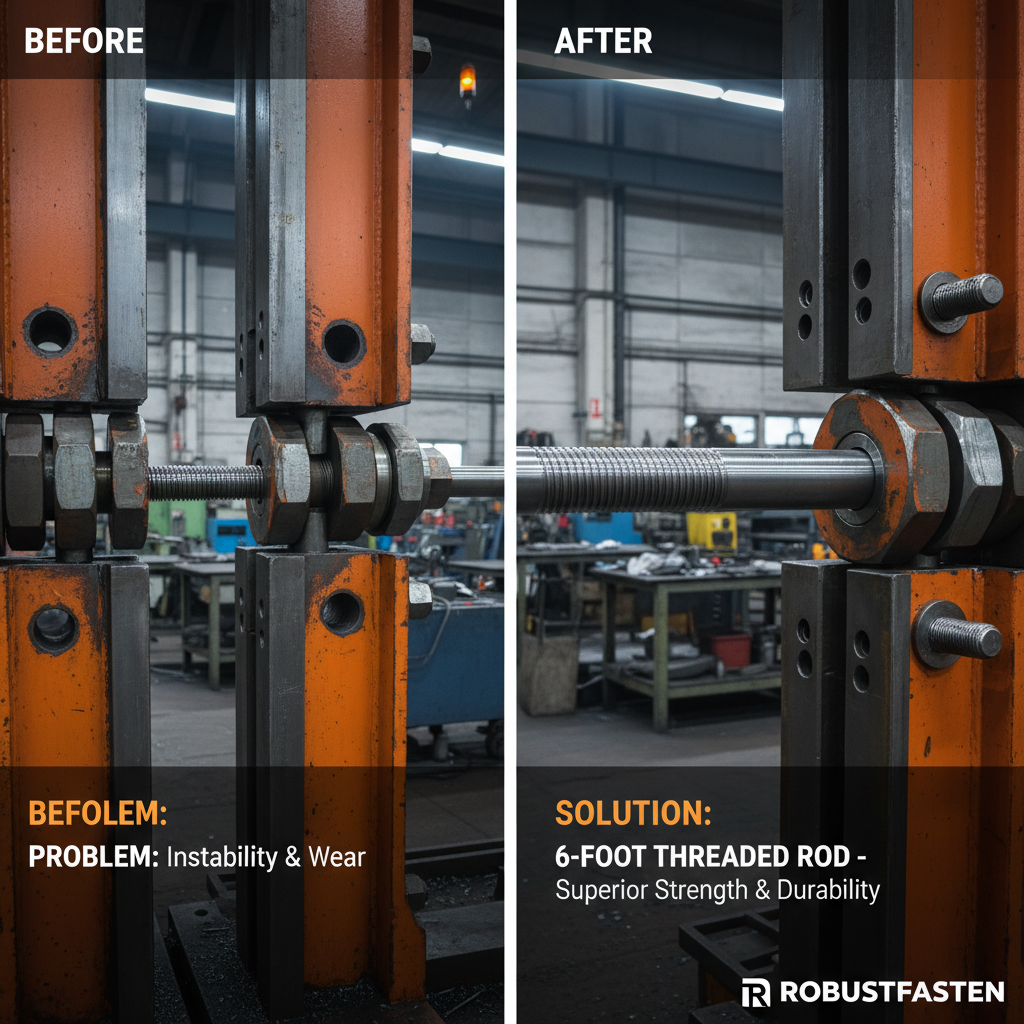
Though stainless steel is pricier than regular steel, the lifecycle costs are lower since these rods need less maintenance or replacement. When you weigh that against downtime or repair expenses, 3 8 stainless steel all thread often wins in real terms.
Load Bearing Capacity
Despite their size, these rods are designed to bear significant tensile loads. Structural engineers rely on their precise mechanical properties—specified by ASTM A193 or A276 standards—to ensure safety in load-bearing applications.
Ease of Use
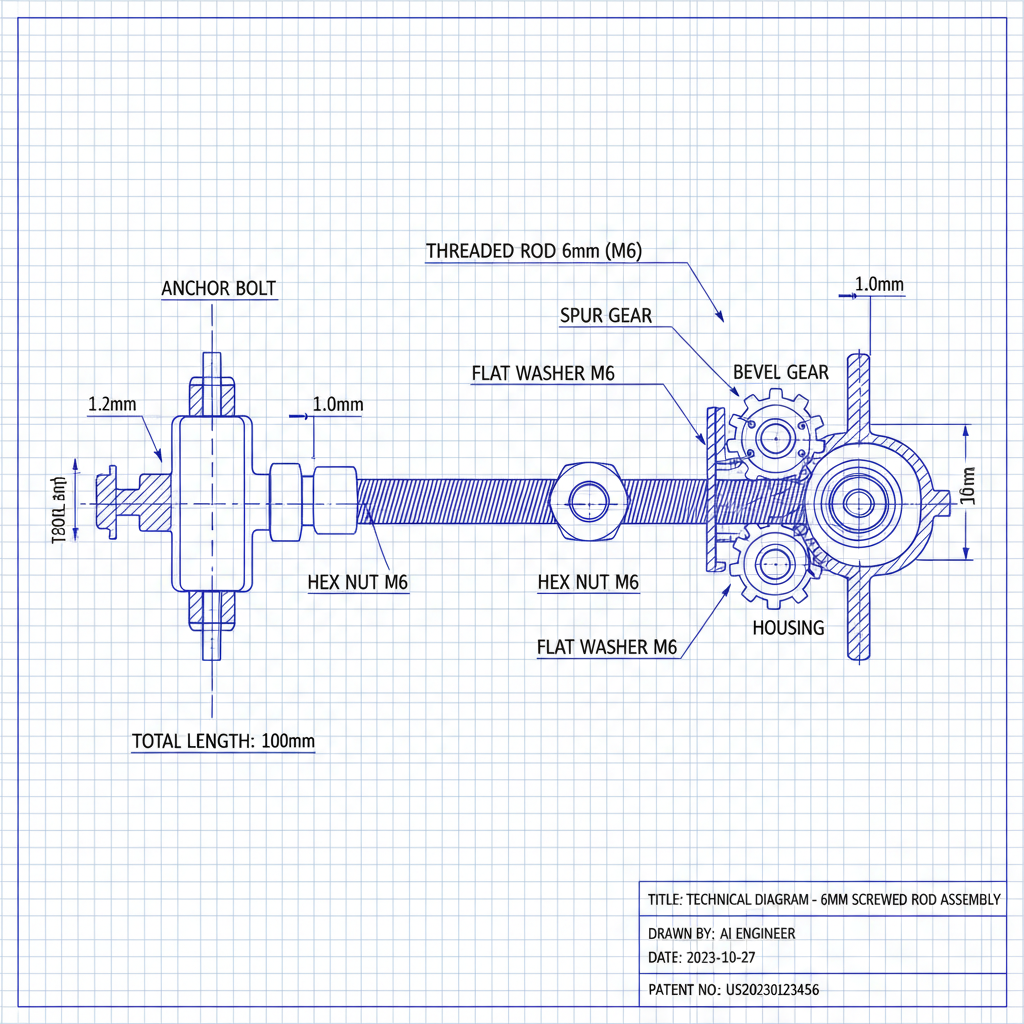
Apart from scalability, the uniform threading means fast and secure assembly with compatible nuts and washers, speeding up construction without sacrificing strength.
Quick Product Specs
| Specification | 3/8 Stainless Steel All Thread |
|---|---|
| Diameter | 3/8 Inch (9.525 mm) |
| Material Grades | 304, 316 Stainless Steel |
| Thread Type | Unified National Thread (UNC/UNF) |
| Length Options | 1 to 12 feet (custom lengths available) |
| Tensile Strength | Approx. 75,000 PSI (varies by grade) |
| Corrosion Resistance | High (especially grade 316) |
Mini takeaway: The 3 8 stainless steel all thread combines flexibility, strength, and environmental resistance — making it a top pick for demanding construction and industrial needs.
Global Applications & Real-World Uses
Simply put, these rods are everywhere. In North America, they’re staples in structural steel framing and HVAC installations. In Asia-Pacific, you’ll find them binding large infrastructure projects together, from bridges to transit centers—thanks to their corrosion resistance in humid climates.
Oddly enough, they also play a quiet but critical role in humanitarian projects. 3 8 stainless steel all thread rods are commonly used in fast-deploy shelters after disasters: the corrosion resistance helps these structures withstand the elements without rapid deterioration. For instance, UN relief efforts in Southeast Asia rely on modular buildings fastened with stainless steel rods for durability and ease of reassembly.
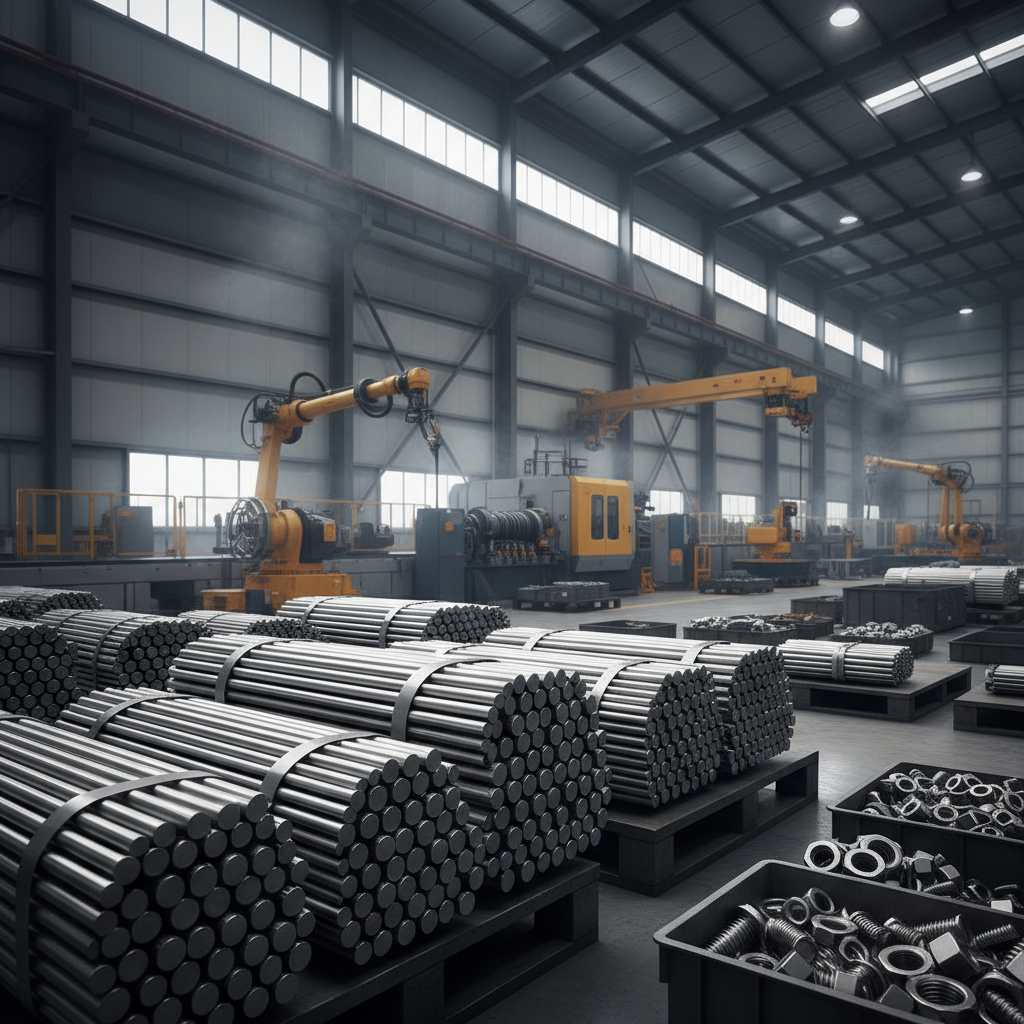
Industrial zones, especially chemical plants and offshore oil rigs, use these rods extensively because they resist damage caused by chemicals or saltwater. Even renewable energy projects—solar panel mounts or wind turbine assemblies—depend on corrosion-resistant fasteners to maintain long-term efficiency.
Vendor Comparison: Leading Suppliers of 3 8 Stainless Steel All Thread
| Supplier | Grades Offered | Delivery Flexibility | International Shipping | Price Range |
|---|---|---|---|---|
| HBTBLS Fasteners | 304, 316 | Custom lengths & bulk orders | Available worldwide | Mid-range |
| Global Stainless Solutions | 304 only | Standard 6/12 feet rods | Limited international | Budget |
| Premier Metal Supplies | 316, 317 L | Custom cut & express delivery | Yes, global | Premium |
Mini takeaway: Choosing your supplier hinges on grade requirements, delivery needs, and budget — with options ranging from budget-friendly to premium quality specialty fasteners.
Advantages & Long-Term Benefits
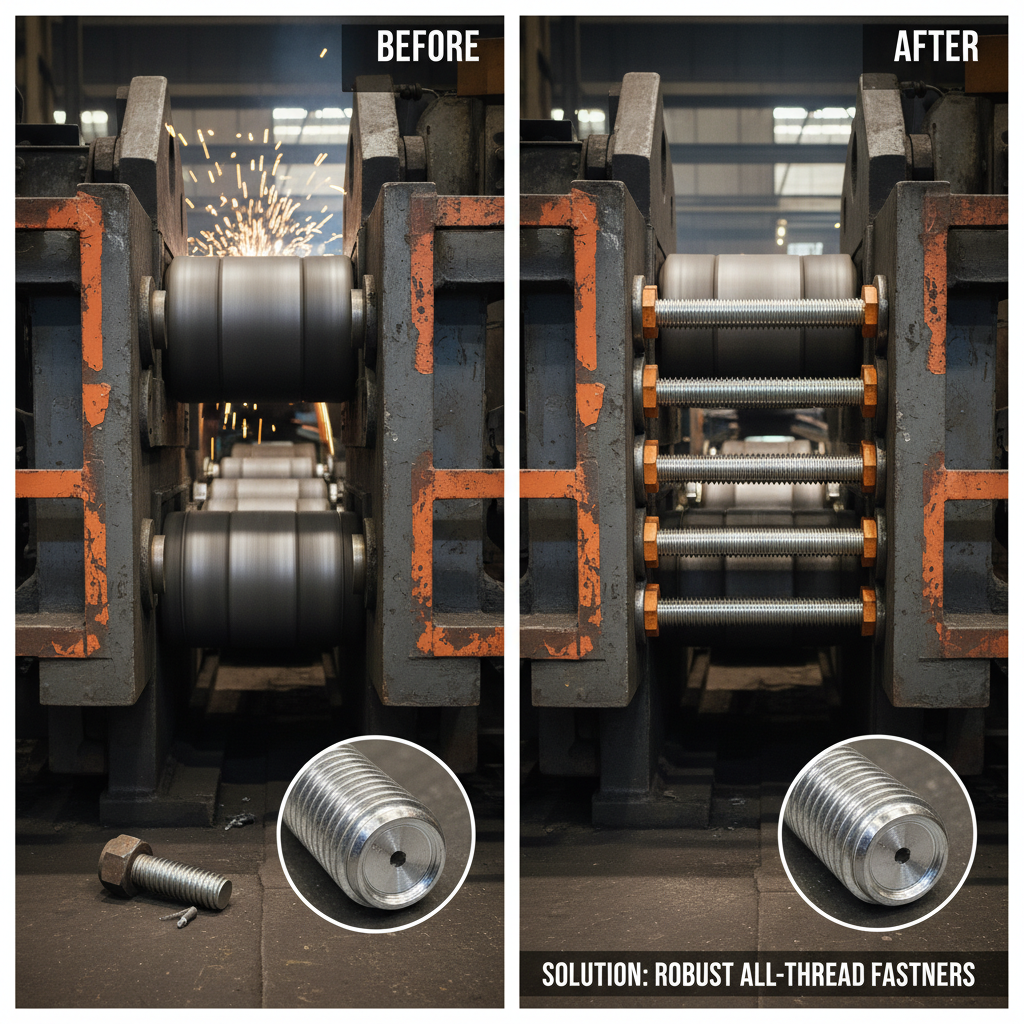
Investing in 3 8 stainless steel all thread rods means choosing reliability. From a practical point of view, they reduce downtime by resisting rust and mechanical failure. Sustainability wise, the longer lifespan means fewer replacements and less waste. Socially, the safety ensured by quality fasteners enhances worker confidence and project integrity. Emotionally, it feels good knowing your structures won’t fail after a rainstorm or years in harsh conditions.
Emerging Trends & Innovations
Looking ahead, the stainless steel fastener market is embracing greener manufacturing processes, such as environmentally friendly electropolishing to further enhance corrosion resistance without chemicals. Plus, there’s growing integration with digital inventory management, allowing instant tracking of parts like 3 8 stainless steel all thread rods for quicker deployment. And future materials might blend stainless steel with nanocoatings for ultra durability—even in offshore wind farms or marine construction.
Challenges & How Experts Address Them
However, it isn’t all perfect. Stainless steel’s higher upfront cost can be a barrier for small projects. Also, not all stainless is created equal: mixing incompatible grades or threads can lead to galvanic corrosion or weak joints. Experts suggest close attention to ASTM and ISO standards, using certified suppliers, and proper torque during assembly to overcome these.
FAQ: Common Questions About 3 8 Stainless Steel All Thread
- Q: How do I choose the right stainless steel grade for my all-thread rod?
A: Grade 304 is suitable for general indoor use, but if you expect exposure to chemicals or saltwater, go for grade 316 due to its enhanced corrosion resistance. - Q: Can I cut stainless steel all thread rods on-site?
A: Yes, they can be cut with proper tools like a hacksaw or power saw followed by deburring for clean threads and safe handling. - Q: Are these rods compatible with standard nuts and washers?
A: Absolutely, but make sure you use matching thread types (usually UNC or UNF) to ensure a solid fit and optimal strength. - Q: What typical lengths are available?
A: Standard lengths range from 1 foot up to 12 feet, but many suppliers offer custom cut lengths depending on your project. - Q: How do I prevent corrosion when using all-thread rods outdoors?
A: Use higher-grade stainless (like 316), consider passivation treatments, and regular maintenance inspections if possible.
Conclusion: Why 3 8 Stainless Steel All Thread Matters for Your Next Project
In the long run, using 3 8 stainless steel all thread rods equates to smart engineering — durability, flexibility, and peace of mind bundled into one component. Whether building infrastructure, assembling industrial gear, or supporting humanitarian shelters, these rods hold it together literally and figuratively. For more detailed product options, custom quotes, or technical advice, visit our website: 3 8 stainless steel all thread.
It’s often the small things that make a huge difference.
Reflection: I often notice that many professionals underestimate the importance of fastener quality until a structure shows early signs of wear. Stainless steel all-thread rods aren’t just connectors; they’re insurance for integrity and longevity — a subtle but crucial investment.
References
Post time: Dec . 02, 2025 02:35


 English
  Albanian
  Arabic
  Armenian
  Azerbaijani
  Belarusian
  Bosnian
  Bulgarian
  Cebuano
  Corsican
  Czech
Czech  Galician
  Georgian
  Greek
Greek  Hausa
Hausa  Hebrew
  Hungarian
  Igbo
Igbo  Indonesian
  Italian
  Kazakh
  Khmer
Khmer  Korean
  Kurdish
  Kyrgyz
  Lao
Lao  Latin
Latin  Latvian
  Lithuanian
  Malay
Malay  Myanmar
  Nepali
  Polish
  Portuguese
  Russian
  Serbian
  Sesotho
  Shona
Shona  Sindhi
  Spanish
  Tagalog
  Tajik
Tajik  Thai
Thai  Turkish
  Turkmen
  Ukrainian
  Uzbek
Uzbek  Vietnamese
  Yoruba
  Zulu
Zulu