
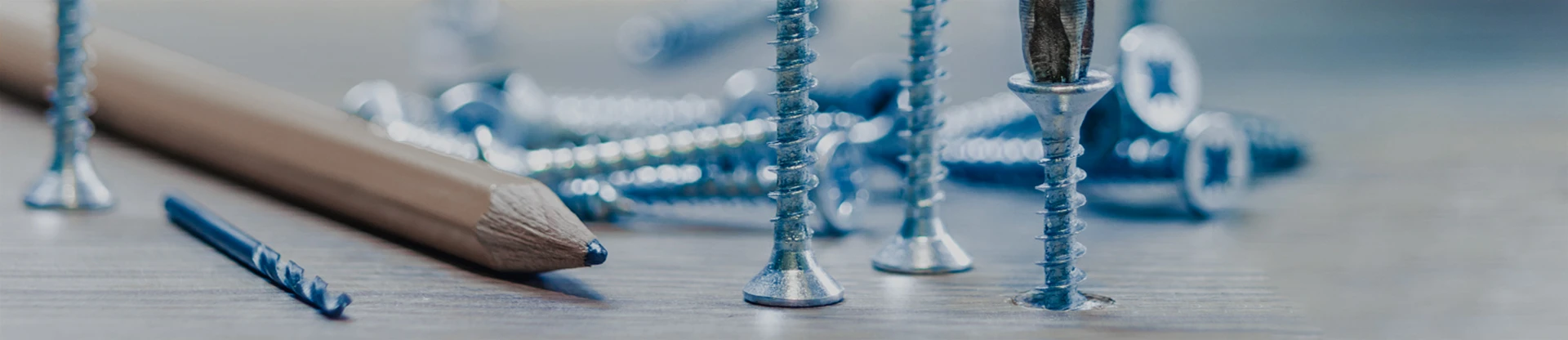
150 Ksi Threaded Rod is a key solution in the industry, specifically within the construction, infrastructure, and heavy machinery sectors. This article explores how https://www.hbtbls.com supports professionals with durable, high-performance products, and explains why this product is an ideal choice for businesses in these sectors.
Table of Contents
- 150 Ksi Threaded Rod Overview
- Benefits & Use Cases of 150 Ksi Threaded Rod
- Cost, Maintenance & User Experience
- Sustainability & Market Trends
150 Ksi Threaded Rod Overview
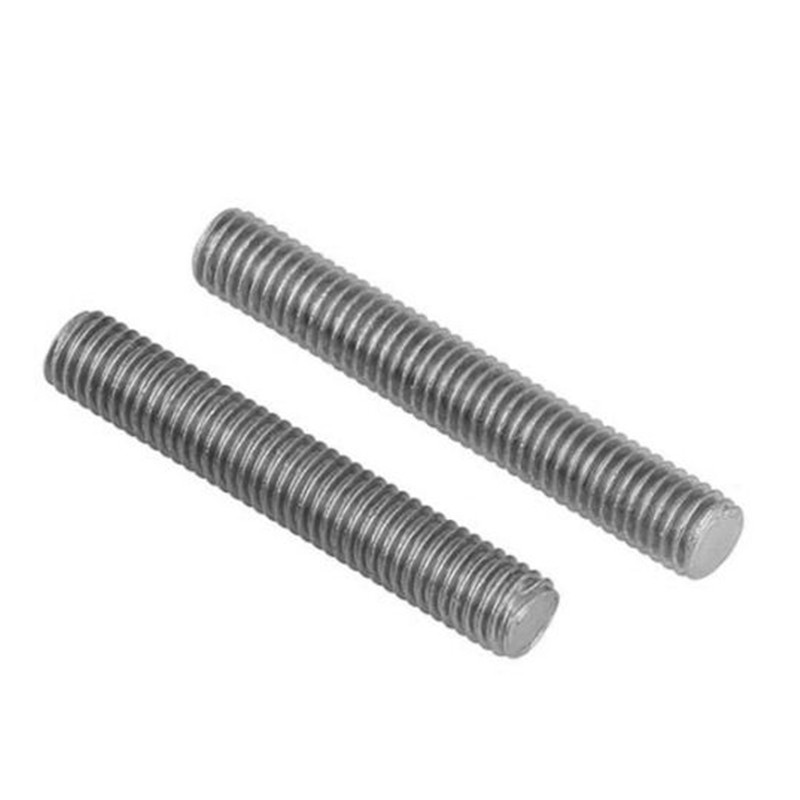
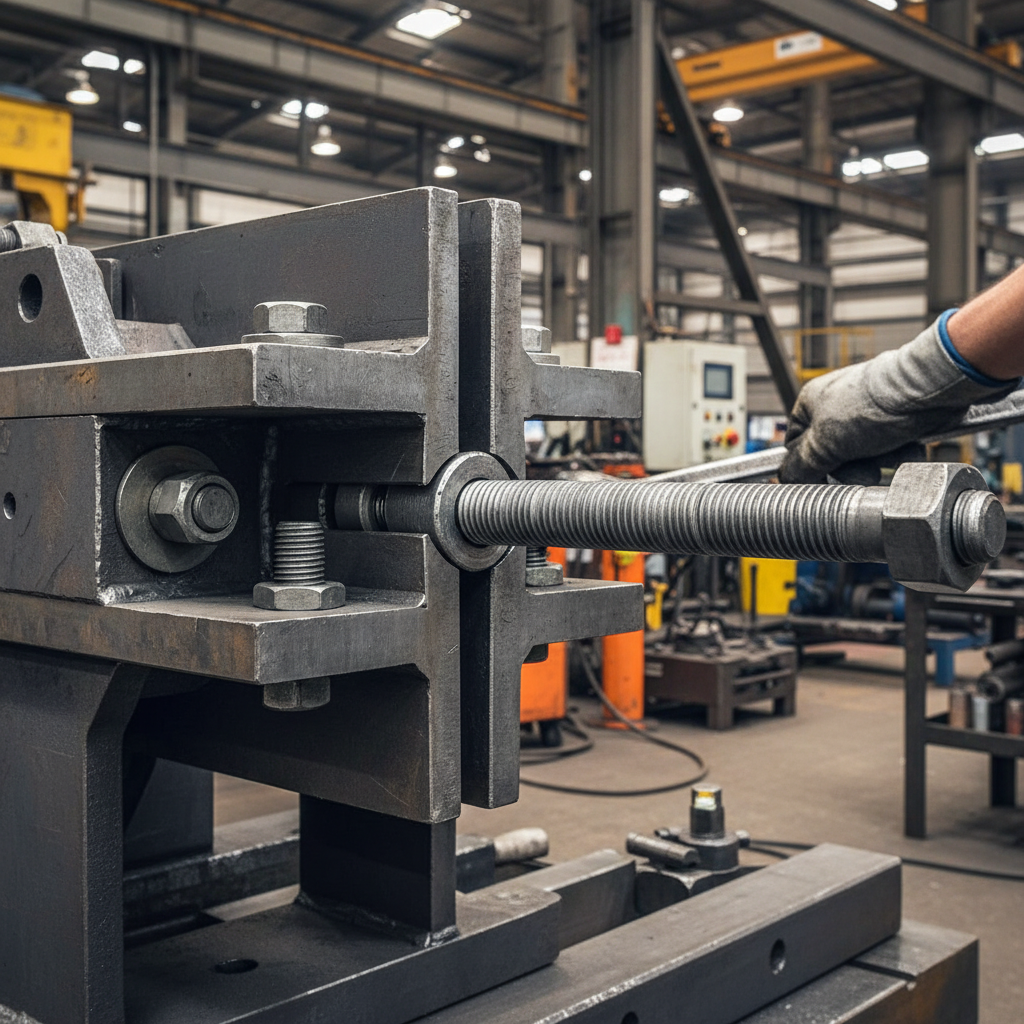
When you hear “150 Ksi Threaded Rod,” you might just think of a simple steel rod. But frankly, it’s a bit more than that. This product is a critical fastener designed for high-strength applications where durability and reliability aren’t optional. The “150 Ksi” literally means it can withstand stresses up to 150,000 pounds per square inch — quite a feat for threaded rods, which you’ll often find securing heavy structural components.
Technically speaking, these rods are made from alloy steel that’s hot-rolled and then heat-treated to achieve that remarkable tensile strength. They go through rigorous quality testing, including tensile, shear, and hardness tests, which ensure they meet the demanding ASTM F1554 Grade 105 standards. Many industries prefer this over the typical 120 Ksi rods because it offers noticeable performance improvements without a massive price jump — sort of like upgrading your car tires to something that handles just that bit better on tough terrain.
| Specification | Details |
|---|---|
| Material | Alloy Steel, Heat Treated |
| Tensile Strength | 150,000 psi |
| Diameter Range | 1/2" - 2" |
| Coating | Zinc-plated, Hot-dip Galvanized |
| Standards | ASTM F1554 Grade 105 |
Benefits & Use Cases of 150 Ksi Threaded Rod
So where does this product really shine? From experience and industry chatter, the main sectors embracing 150 Ksi Threaded Rod include heavy civil construction, oil & gas platforms, and large-scale manufacturing. Its high tensile strength means engineers can use thinner rods without sacrificing safety — which sometimes translates directly into cost savings and easier installation.
A nice bonus is the rods' adaptability; whether you’re anchoring equipment foundations or bracing steel structures exposed to seismic activity, they hold up reliably. Engineers I’ve spoken with often mention the rods’ fatigue resistance and corrosion protection (especially when paired with galvanized coatings), which is really what keeps downtime and maintenance headaches away.
Competitive Advantages Vendor Comparison
| Feature | HBTBLS | Vendor A | Vendor B |
|---|---|---|---|
| Tensile Strength | 150 Ksi | 120 Ksi | 130 Ksi |
| Supply Flexibility | Excellent | Moderate | Good |
| Customization Options | Full | Limited | Partial |
| Warranty & Support | Industry-leading | Standard | Basic |
Cost, Maintenance & User Experience
Cost-wise, 150 Ksi Threaded Rods aren’t the cheapest on the market — they shouldn’t be, given their higher strength and longer lifespan. However, when you factor in the reduced frequency of replacements and the smaller rod diameters needed, the total cost of ownership looks far more attractive. Lots of users report a solid ROI after switching from conventional steel rods, thanks largely to fewer failures and quicker installs.
From real-world feedback, clients appreciate the ease of handling these rods, even on larger projects. If you’ve ever wrestled with a brittle or inconsistent fastener, you know how much of a difference uniform quality makes. Durability and consistent specifications help avoid surprise costs down the road — which is a big deal when margins can be tight, especially in construction.
Sustainability & Market Trends
Interestingly, the sustainability angle often flies under the radar with threaded rods, yet it's becoming harder to ignore. The steel used in 150 Ksi Threaded Rods from reliable vendors like HBTBLS is frequently sourced from recycled materials. This, combined with longer product life cycles, lowers the environmental impact significantly.
Industry regulations also nudge manufacturers to improve quality and reduce waste, pushing high-strength rods to the forefront. Plus, market demand for stronger, tougher fasteners is growing steadily in line with infrastructure megaprojects worldwide. That means suppliers investing in better steel treatments and certifications tend to win more business — you could say it’s almost a survival-of-the-fittest scenario among fastener vendors.
Frequently Asked Questions about 150 Ksi Threaded Rod
- What is 150 Ksi Threaded Rod and how does it work?
- In simple terms, it’s a threaded steel rod designed to handle very high stress levels, up to 150,000 psi. It works by securely fastening components where extreme strength is required, distributing loads safely and reliably in structural assemblies.
- What are the main benefits of using 150 Ksi Threaded Rod in industrial applications?
- Key advantages include superior strength for heavy loads, smaller size for easier installation, increased fatigue resistance, and longer service life — all of which help reduce maintenance and replacement costs.
- How does 150 Ksi Threaded Rod compare to traditional alternatives?
- Compared to typical 120 Ksi rods, 150 Ksi variants offer about 25% more strength, enabling design flexibility and often reducing weight. They're produced with stricter quality controls, resulting in enhanced durability and reliability.
- What industries can benefit most from 150 Ksi Threaded Rod implementation?
- Construction, oil & gas, heavy equipment manufacturing, and infrastructure development are the primary sectors. For instance, a renewable energy company used these rods to anchor wind turbine bases, citing excellent performance in extreme weather conditions.
Conclusion on 150 Ksi Threaded Rod from china
In conclusion, the 150 Ksi Threaded Rod stands out as a high-strength, reliable fastening solution well-suited for demanding industrial applications. Its robustness, combined with competitive pricing and supply flexibility, makes it an excellent choice for B2B decision makers aiming for quality without compromise.
- Its superior tensile strength means safer, lighter designs.
- Reduced maintenance and longer lifecycle improve ROI.
- Visit our website: https://www.hbtbls.com for more details or custom solutions.
Reflecting on the nuances of material science and industrial needs, it’s evident that deciding on the right threaded rod often makes the difference between project success and unexpected setbacks—kind of an unsung hero in the engineering world.
- ASTM International - F1554 Specification
- Industrial Fastener Institute - Mechanical Properties Overview
- HBTBLS Product Datasheets & Case Studies
Post time: Dec . 11, 2025 04:25


 English
  Albanian
  Arabic
  Armenian
  Azerbaijani
  Belarusian
  Bosnian
  Bulgarian
  Cebuano
  Corsican
  Czech
Czech  Galician
  Georgian
  Greek
Greek  Hausa
Hausa  Hebrew
  Hungarian
  Igbo
Igbo  Indonesian
  Italian
  Kazakh
  Khmer
Khmer  Korean
  Kurdish
  Kyrgyz
  Lao
Lao  Latin
Latin  Latvian
  Lithuanian
  Malay
Malay  Myanmar
  Nepali
  Polish
  Portuguese
  Russian
  Serbian
  Sesotho
  Shona
Shona  Sindhi
  Spanish
  Tagalog
  Tajik
Tajik  Thai
Thai  Turkish
  Turkmen
  Ukrainian
  Uzbek
Uzbek  Vietnamese
  Yoruba
  Zulu
Zulu