
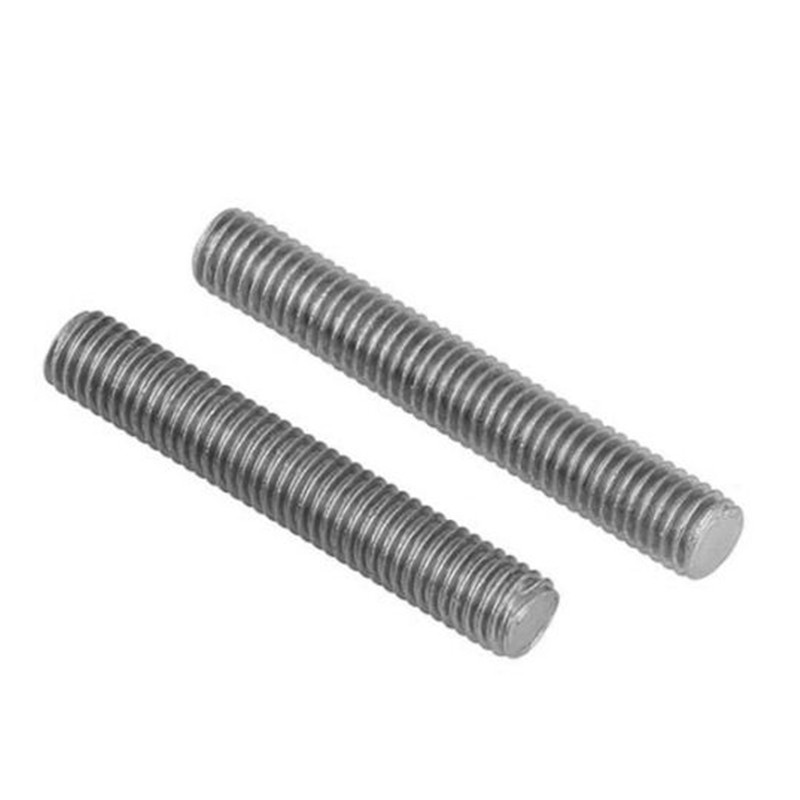
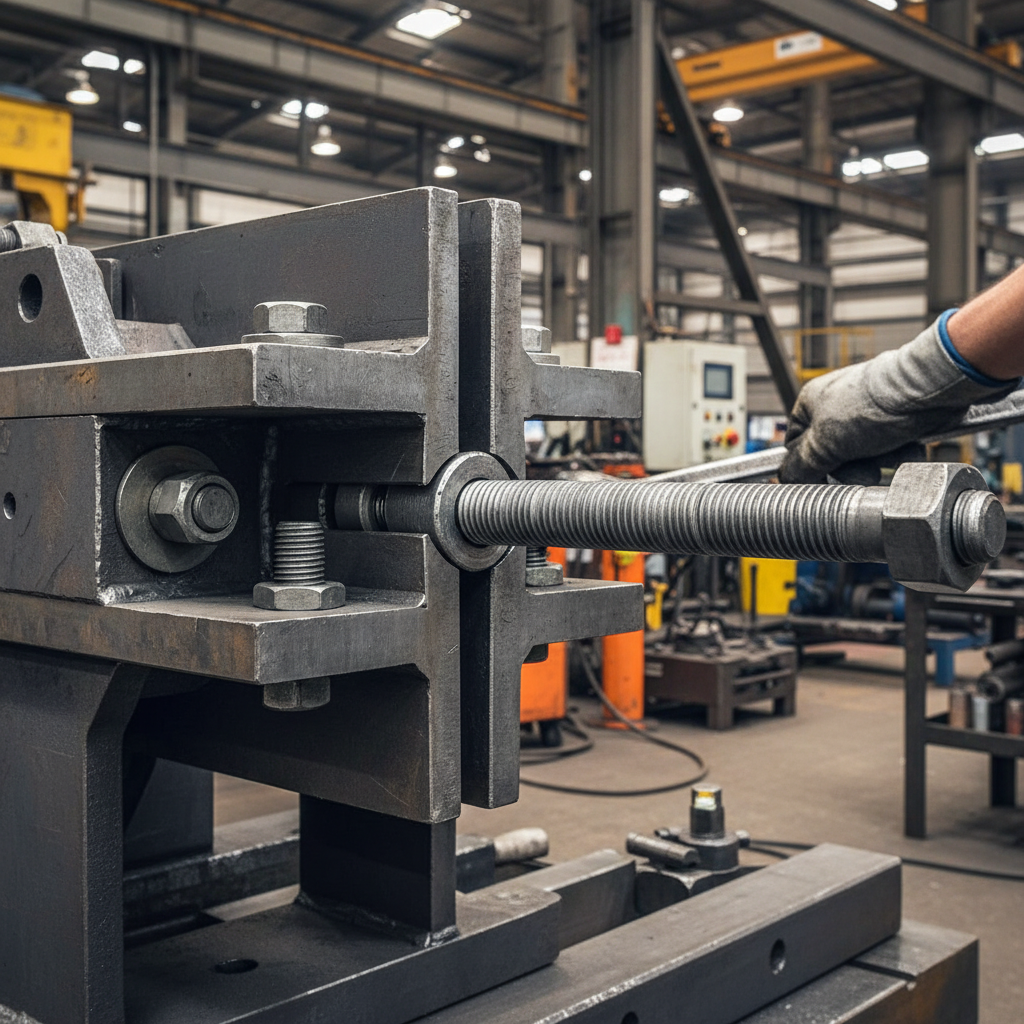
Understanding the 15mm Threaded Bar: A Staple in Industrial Equipment
Having worked in the industrial equipment sector for over a decade, I've become intimately familiar with the nuts and bolts - sometimes literally - that keep large machinery and construction projects together. The 15mm threaded bar is one such unsung hero. Frankly, it’s one of those workhorse components that engineers and technicians rarely boast about but depend on constantly.
What’s nice about the 15mm threaded bar is its versatility and reliability in various applications, from securing frameworks to supporting heavy loads. Oddly enough, despite its simplicity, choosing the right threaded bar isn’t just about picking something that fits — material grade, threading quality, and treatment methods play vital roles.
Over the years, I’ve noticed that many professionals favor a high tensile strength version, especially in structural steel applications. It tends to withstand shear forces and vibrations better, reducing the common headache of frequent maintenance. Still, others might opt for mild steel versions if corrosion resistance isn’t a big concern. It boils down to the environment and load requirements.
In real terms, the manufacturing process affects the bar's consistency. Precision-threaded bars undergo rolling or cutting processes — rolling threads, for instance, tend to provide superior strength because the metal isn't cut but displaced, improving the grain structure. You'll usually find that such bars pass rigorous mechanical testing before shipping.
| Specification | Details |
|---|---|
| Diameter | 15mm (Nominal) |
| Length | Typically 1m, 2m, or cut-to-size |
| Material | Carbon steel, stainless steel variants available |
| Thread Type | Metric Coarse (M15 x 2.0) |
| Mechanical Strength | Typically 8.8 grade or higher |
| Surface Finish | Plain, zinc-plated, hot-dip galvanized |
You might wonder about the differences between suppliers – and that’s a valid point. I’ve seen projects delayed because someone chose a lower-grade bar that either twisted during installation or didn’t meet the specs. Here’s a simple comparison of three vendors I often encounter:
| Vendor | Grade Options | Surface Treatments | Customization | Typical Lead Time |
|---|---|---|---|---|
| Vendor A | 8.8, 10.9 | Zinc-plated, hot-dip galvanized | Cut-to-length, threading options | 3-5 days |
| Vendor B | 8.8 only | Plain, zinc-plated | Standard lengths only | 1-2 weeks |
| Vendor C | 8.8, 10.9, stainless steel | Hot-dip galvanized, stainless finish | Highly customizable - cutting, threading, packaging | Depends on order size |
I remember one particular site where the team chose lower-end threaded bars for temporary scaffolding, which quickly rusted within weeks in a humid environment. We switched to galvanized, high-strength bars, and the difference was night and day — installation was smoother, inspections passed without a hitch, and everyone felt safer. It really emphasizes how even something as unassuming as a 15mm threaded bar can impact safety and project timelines.
So, if you’re in the market for 15mm threaded bar, keep in mind the material grades, threading type, and surface finish. And, of course, the reputation and customization options your supplier offers can save you a lot of headaches. Choosing wisely is part practicality, part experience — and a pinch of knowing what your project truly requires.
At the end of the day, it’s these small details that keep big machines running and projects moving forward. Kind of underrated, but absolutely essential.
References:
1. ASTM Standards on Threaded Fasteners
2. Industry Machinery Maintenance Guides
3. Personal Experience from Site Installations and Equipment Testing
Post time: Dec . 11, 2025 07:40


 English
  Albanian
  Arabic
  Armenian
  Azerbaijani
  Belarusian
  Bosnian
  Bulgarian
  Cebuano
  Corsican
  Czech
Czech  Galician
  Georgian
  Greek
Greek  Hausa
Hausa  Hebrew
  Hungarian
  Igbo
Igbo  Indonesian
  Italian
  Kazakh
  Khmer
Khmer  Korean
  Kurdish
  Kyrgyz
  Lao
Lao  Latin
Latin  Latvian
  Lithuanian
  Malay
Malay  Myanmar
  Nepali
  Polish
  Portuguese
  Russian
  Serbian
  Sesotho
  Shona
Shona  Sindhi
  Spanish
  Tagalog
  Tajik
Tajik  Thai
Thai  Turkish
  Turkmen
  Ukrainian
  Uzbek
Uzbek  Vietnamese
  Yoruba
  Zulu
Zulu