
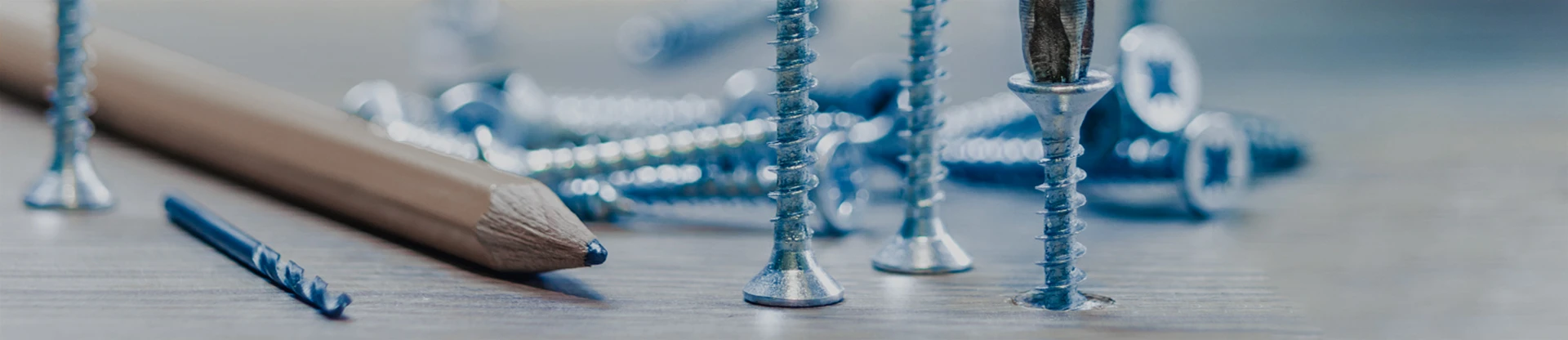
Understanding 6 40 Threaded Rod: A Comprehensive Guide
Threaded rod, particularly the 6-40 size, is a crucial fastening component used across diverse industries. From construction and manufacturing to DIY projects, its versatility is unmatched. This article provides an in-depth exploration of 6-40 threaded rod, covering its specifications, applications, materials, advantages, and where to source high-quality products. Whether you're a seasoned engineer or a hobbyist, this guide will equip you with the knowledge to confidently select and utilize 6 40 threaded rod for your next project.
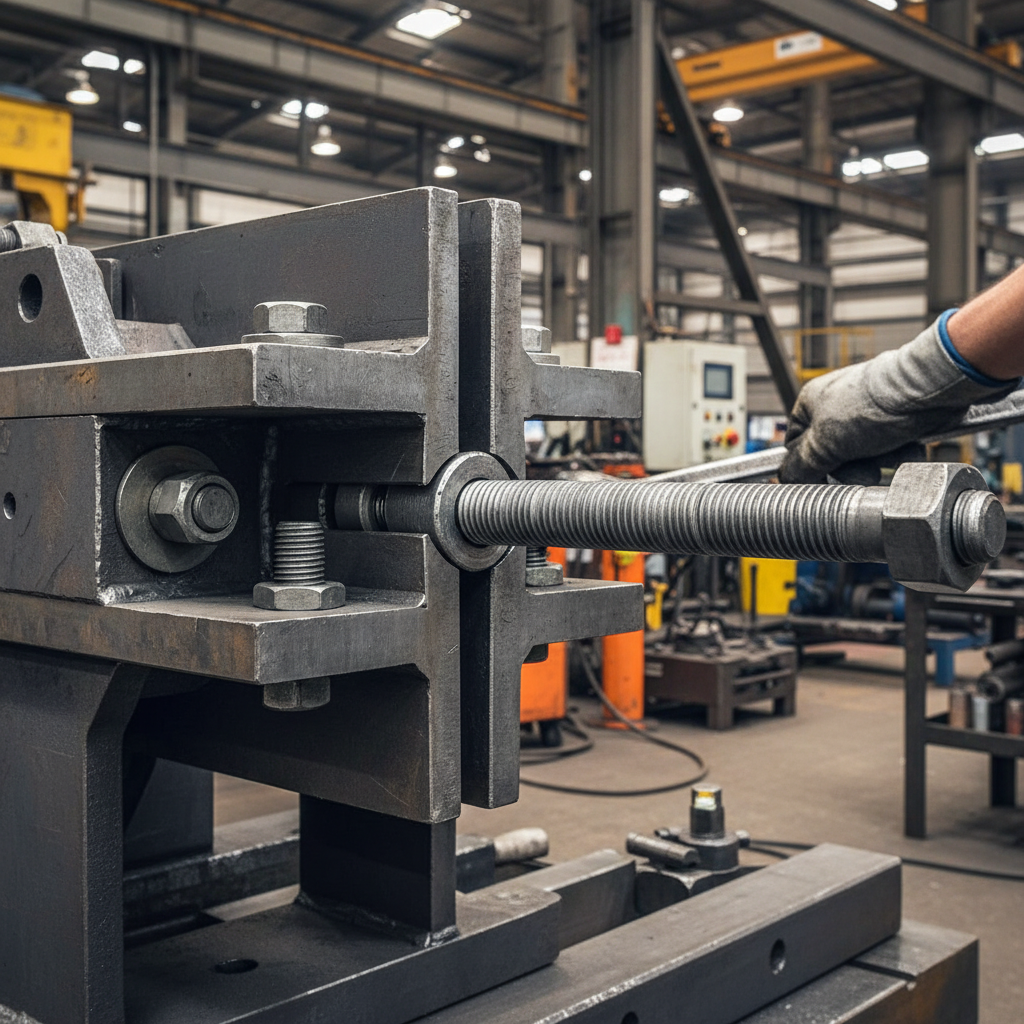
What is 6-40 Threaded Rod?
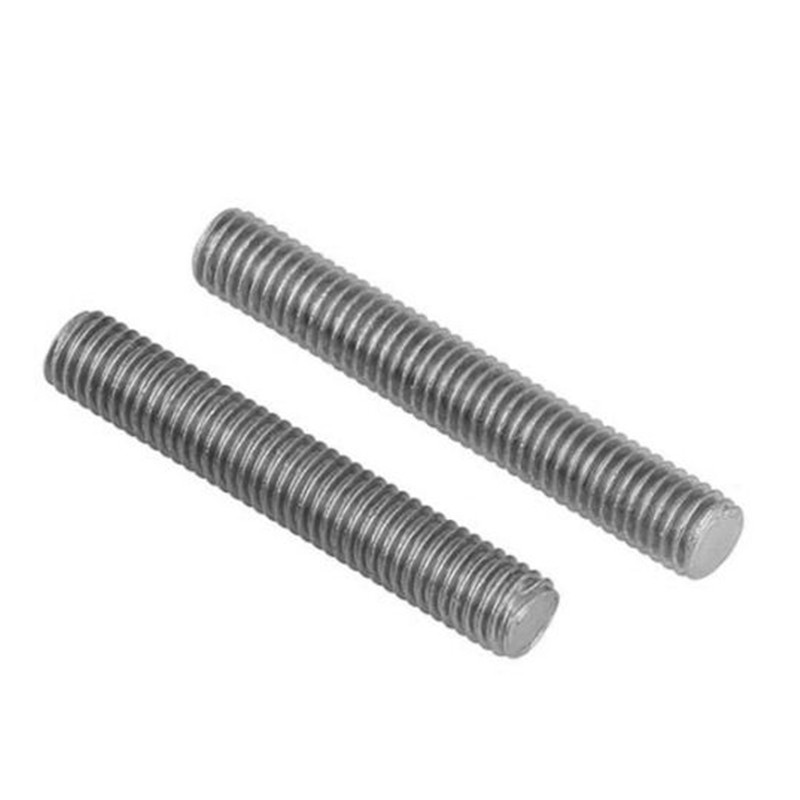
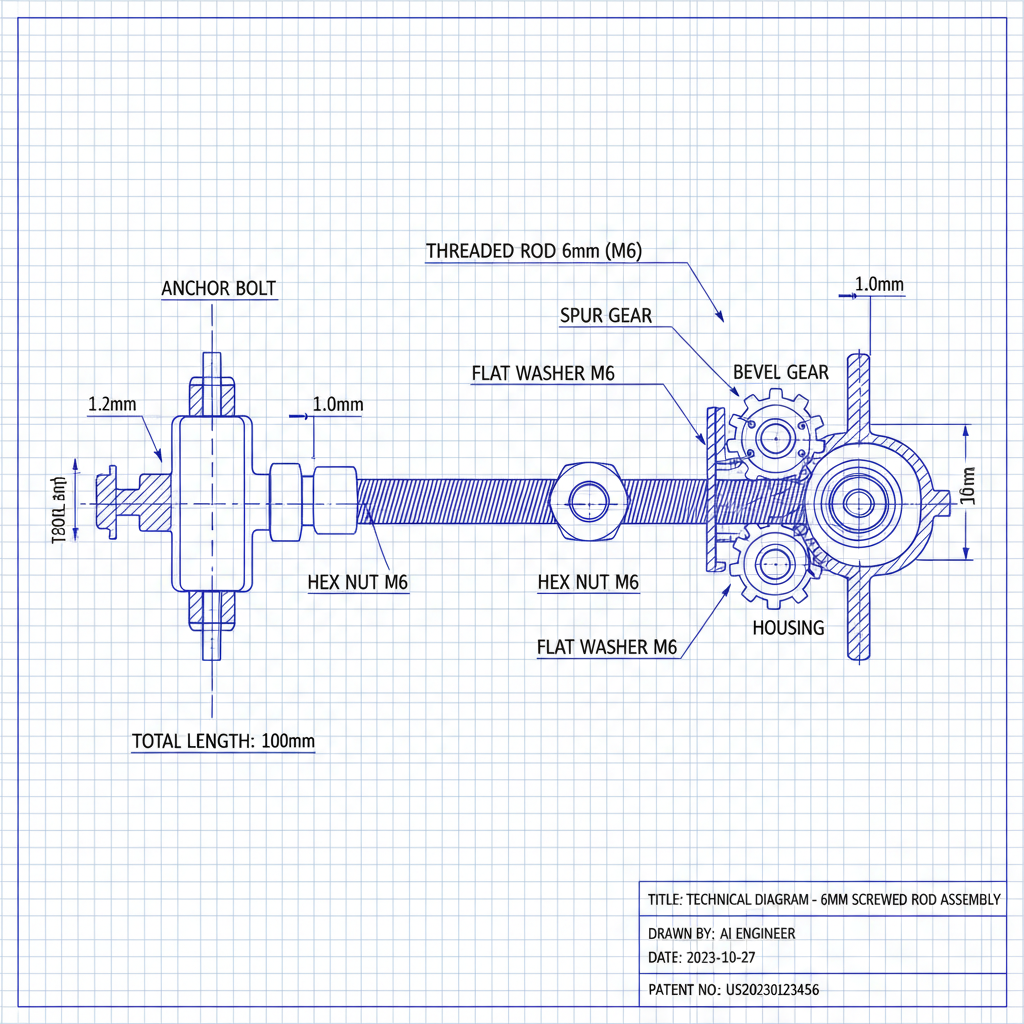
6-40 threaded rod refers to a steel rod with a uniform thread running along its length. The "6-40" designation indicates the thread's characteristics: 6 represents the diameter of the screw in 32nds of an inch (meaning 6/32 of an inch, or 3/16 inch), and 40 signifies the number of threads per inch. This combination defines the pitch of the thread – the distance between adjacent threads. Understanding these dimensions is critical for ensuring compatibility with corresponding nuts, washers, and tapped holes. It’s widely used in applications requiring strong, adjustable connections.
Common Materials Used in 6 40 Threaded Rod Production
The material of a 6-40 threaded rod significantly impacts its strength, corrosion resistance, and overall suitability for a specific application. Common materials include:
- Carbon Steel: The most common and cost-effective option, offering good strength but susceptible to corrosion.
- Stainless Steel: Provides excellent corrosion resistance, making it ideal for outdoor or marine environments. 304 and 316 stainless steel are frequently used.
- Aluminum: Lightweight and corrosion-resistant, suitable for applications where weight is a concern.
- Brass: Offers good machinability and corrosion resistance, often used in decorative or low-stress applications.
The choice of material depends on the environmental conditions and the load-bearing requirements of the application.
Key Applications of 6 40 Threaded Rod
6-40 threaded rod finds application in a wide range of projects. Some of the common uses include:
- DIY Projects & Hobbyist Work: Model building, crafts, and small repairs.
- Mechanical Assemblies: Adjustable supports, brackets, and positioning systems.
- Plumbing Applications: Connecting and securing pipes and fittings.
- Electrical Applications: Grounding rods and securing electrical components.
- Manufacturing: Jigs, fixtures, and prototyping.
Its ability to be cut to custom lengths and its compatibility with various fittings make it a versatile choice for diverse tasks.
6-40 Threaded Rod: Specifications and Dimensions
Understanding the exact specifications of 6-40 threaded rod is crucial for ensuring proper fit and function. Here’s a breakdown:
Advantages of Using 6-40 Threaded Rod
Choosing 6-40 threaded rod offers several advantages:
- Versatility: Suitable for a wide range of applications.
- Adjustability: Can be easily cut to the desired length.
- Strength: Provides a strong and reliable connection.
- Cost-Effectiveness: Generally affordable compared to other fastening methods.
- Availability: Widely available from hardware stores and online suppliers like HBTLS.
Conclusion: Selecting the Right 6-40 Threaded Rod
Choosing the right 6-40 threaded rod involves considering the material, length, and application. For demanding environments, stainless steel offers superior corrosion resistance. For less critical applications, carbon steel provides a cost-effective solution. HBTLS provides a comprehensive selection of 6-40 threaded rod to meet diverse needs. Prioritize quality and reliability for optimal performance and safety.
Frequently Asked Questions (FAQs)
What is the difference between 6-40 and other threaded rod sizes?
The difference lies in the thread diameter and pitch. 6-40 indicates a thread diameter of 6/32 inch (3/16 inch) with 40 threads per inch. Other sizes, like 8-32 or 10-24, have different diameters and pitches. Selecting the correct size is essential for compatibility with nuts and tapped holes. Using the wrong size can lead to a weak or unstable connection. The smaller the number before the dash, the thinner the rod. The bigger the number after the dash, the courser the threads.
How do I cut 6-40 threaded rod to the desired length?
You can cut 6-40 threaded rod using a hacksaw, rotary tool with a cutting disc, or a metal cutting band saw. After cutting, it's crucial to deburr the cut end with a file or deburring tool to remove any sharp edges. A die can then be used to chase the threads and ensure they are clean and undamaged. Always wear safety glasses and gloves when cutting metal.
What is the best way to prevent corrosion on carbon steel 6-40 threaded rod?
To prevent corrosion on carbon steel 6-40 threaded rod, you can apply a protective coating such as zinc plating, oil, or grease. Regularly cleaning the rod and keeping it dry also helps to minimize corrosion. For harsh environments, consider using stainless steel 6-40 threaded rod instead.
Post time: Mar . 24, 2026 02:45


 English
  Albanian
  Arabic
  Armenian
  Azerbaijani
  Belarusian
  Bosnian
  Bulgarian
  Cebuano
  Corsican
  Czech
Czech  Galician
  Georgian
  Greek
Greek  Hausa
Hausa  Hebrew
  Hungarian
  Igbo
Igbo  Indonesian
  Italian
  Kazakh
  Khmer
Khmer  Korean
  Kurdish
  Kyrgyz
  Lao
Lao  Latin
Latin  Latvian
  Lithuanian
  Malay
Malay  Myanmar
  Nepali
  Polish
  Portuguese
  Russian
  Serbian
  Sesotho
  Shona
Shona  Sindhi
  Spanish
  Tagalog
  Tajik
Tajik  Thai
Thai  Turkish
  Turkmen
  Ukrainian
  Uzbek
Uzbek  Vietnamese
  Yoruba
  Zulu
Zulu