
Understanding 500mm Threaded Rod: A Comprehensive Guide
The 500mm threaded rod is a fundamental component in a wide range of industries, prized for its versatility and strength. From construction and manufacturing to DIY projects, this robust fastener provides a reliable solution for connecting and securing materials. This article provides a detailed look at its properties, applications, material options, installation tips, and sourcing, with a focus on assisting both professionals and hobbyists. We'll explore the key considerations when selecting and utilizing a 500mm threaded rod to ensure optimal performance and safety.
What is a 500mm Threaded Rod?
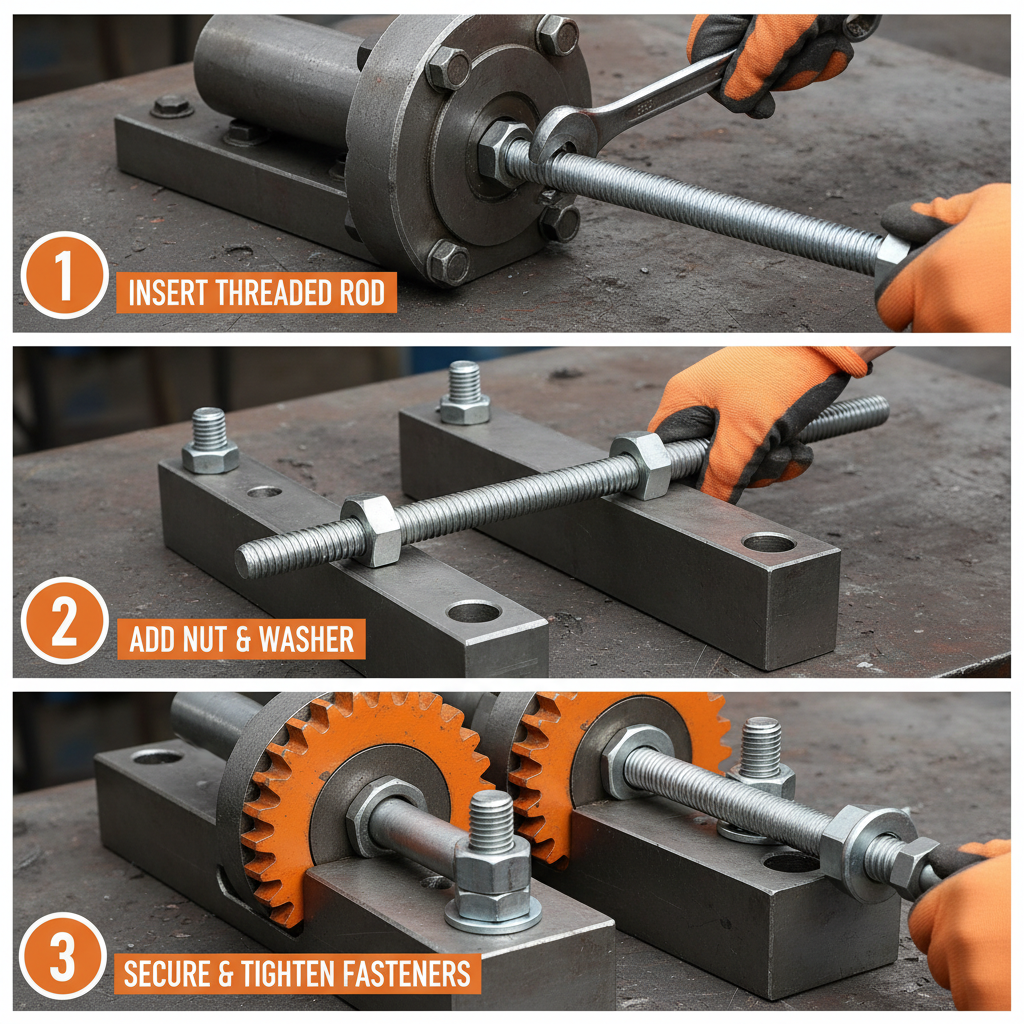
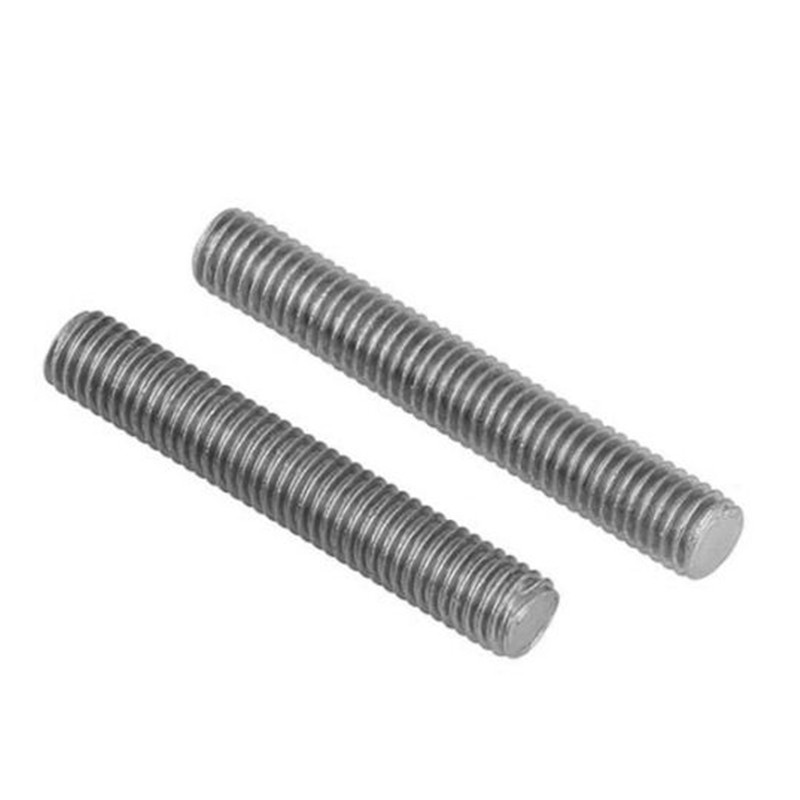
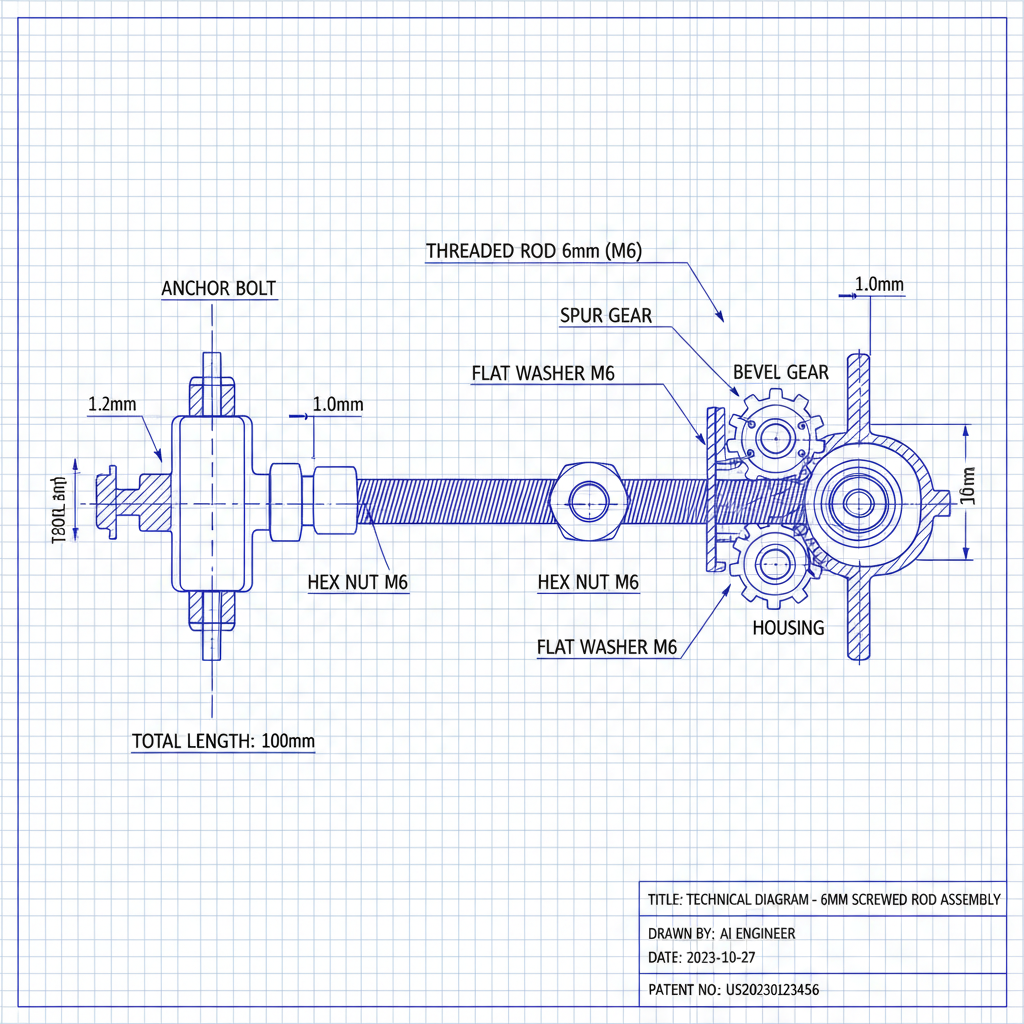
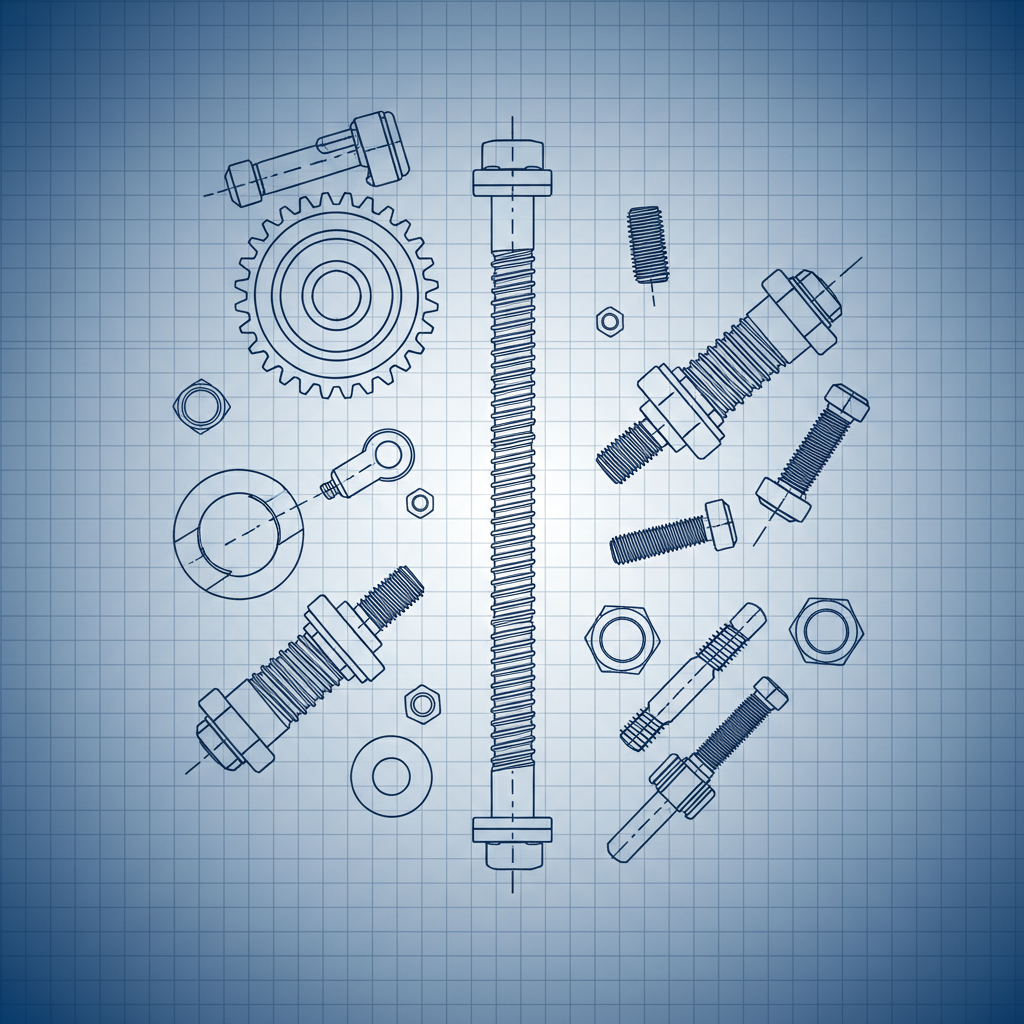
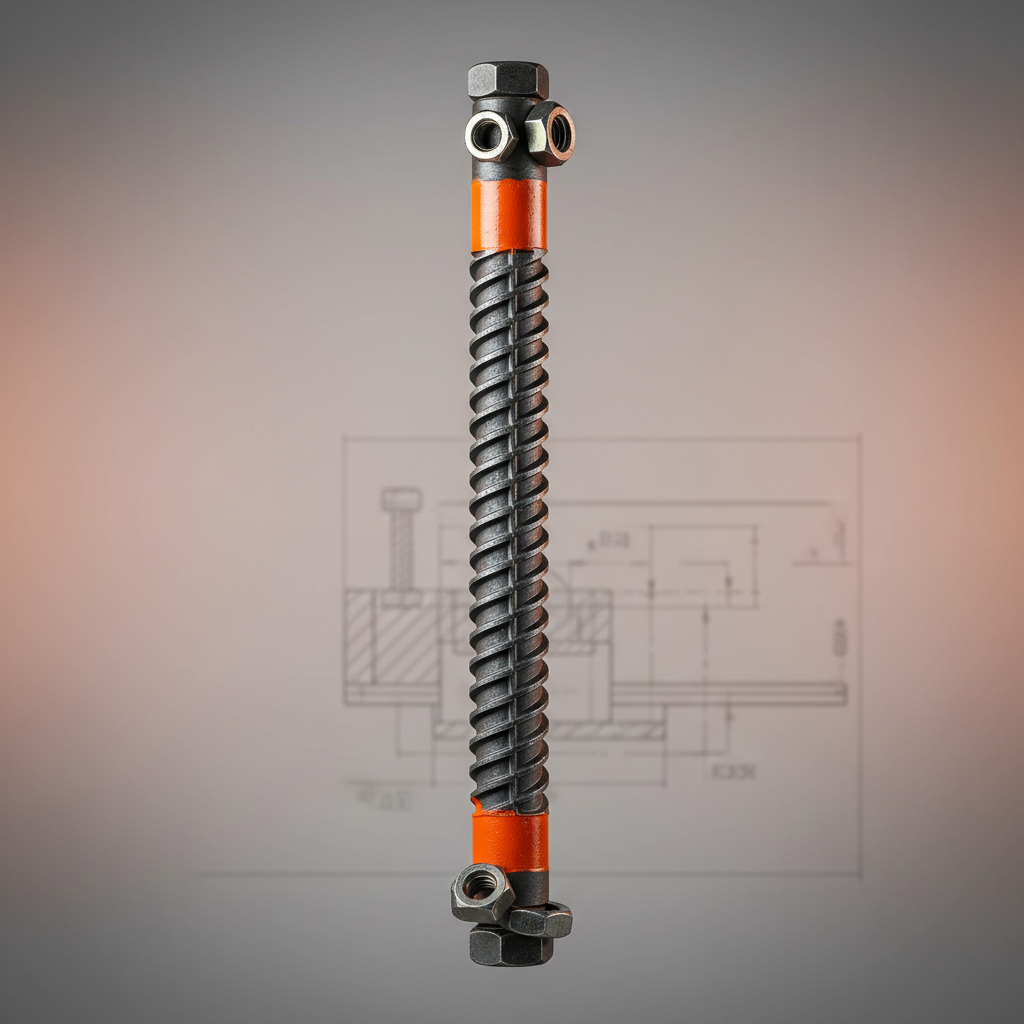
A 500mm threaded rod, also known as a stud, is a cylindrical rod with continuous threads along its entire length. The 500mm measurement refers to the overall length of the rod. These rods are designed to be inserted through pre-drilled holes in materials and secured with nuts, providing a strong and adjustable fastening solution. Unlike bolts, threaded rods typically aren't used with washers, though they can be depending on the application. Their consistent thread pitch across the entire length allows for versatile configurations, and they are commonly used in tension applications.
Key Highlights: Provides a strong, adjustable fastening solution. Consistent thread pitch for versatile configurations. Primarily used in tension applications.
Common Materials for 500mm Threaded Rods
Threaded rods are available in various materials to suit different environments and application requirements. The most common options include:
- Carbon Steel: The most frequently used material due to its strength, affordability, and machinability. Often coated for corrosion resistance.
- Stainless Steel: Ideal for corrosive environments, offering superior resistance to rust and oxidation. Common grades include 304 and 316.
- Galvanized Steel: Carbon steel coated with a layer of zinc for improved corrosion resistance. A cost-effective option for outdoor applications.
- Alloy Steel: Provides increased strength and durability compared to carbon steel, suitable for demanding applications.
Applications of 500mm Threaded Rod
The versatility of a 500mm threaded rod extends across numerous industries. Key applications include:
- Construction: Bracing, anchoring, and supporting structures.
- Manufacturing: Machinery assembly, fixture construction, and tooling.
- Plumbing: Supporting pipes and securing fixtures.
- DIY Projects: Furniture building, shelving, and general repairs.
- Automotive: Suspension systems, exhaust systems.
Comparing Thread Pitches and Diameters
Selecting the correct thread pitch and diameter is critical for ensuring a secure and reliable connection. Here’s a comparison of common sizes and their typical applications:
Sourcing Quality 500mm Threaded Rods
When purchasing a 500mm threaded rod, it is essential to choose a reputable supplier to ensure quality and compliance with industry standards. HBTLS is a trusted provider of high-quality threaded rods in various materials and sizes. Look for suppliers that offer:
- Certification of materials.
- Consistent thread quality.
- Competitive pricing.
- Fast and reliable shipping.
Conclusion: Selecting the Right 500mm Threaded Rod
Choosing the appropriate 500mm threaded rod involves considering the material, diameter, pitch, and supplier reputation. By understanding these factors, you can ensure a secure, reliable, and long-lasting fastening solution for your project. HBTLS provides a wide selection of high-quality threaded rods to meet your specific needs.
Frequently Asked Questions (FAQs)
What is the difference between a threaded rod and a bolt?
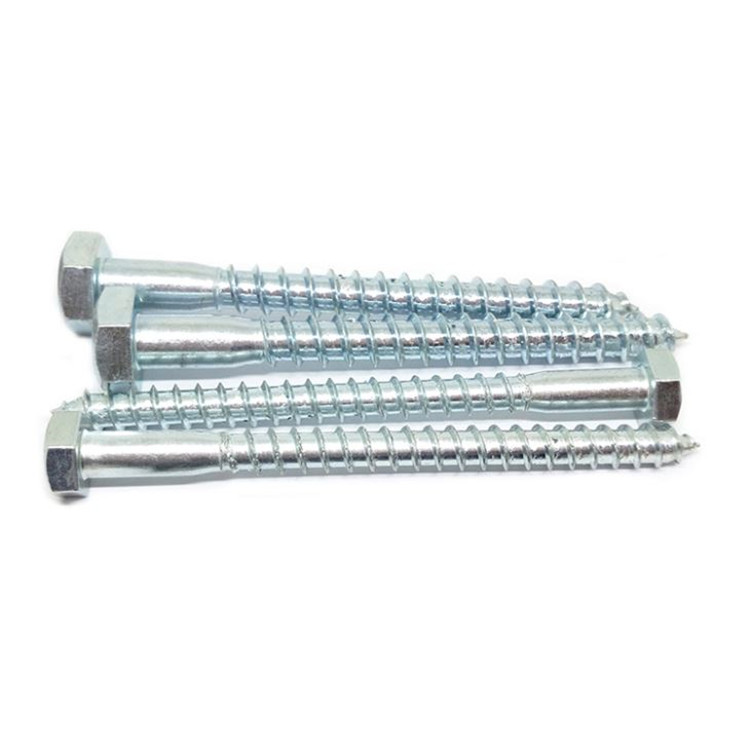
The primary difference lies in their length and intended use. Bolts typically have a head and are designed to be tightened with a wrench, while threaded rods are threaded along their entire length and are used with nuts to create adjustable connections. Threaded rods are often used in tension applications where the length and adjustability are crucial. Bolts generally have a shorter, fixed length and are used for clamping or fastening components together.
How do I determine the correct length of threaded rod needed?
Measure the total distance the rod needs to span, including the thickness of all materials it will pass through, plus the length required for the nuts and any necessary washers. It’s always a good idea to add a small amount of extra length to allow for adjustments and easier installation. Ensure you account for the thread engagement length, which is the portion of the rod that will be secured by the nuts.
Can threaded rods be cut to a shorter length?
Yes, threaded rods can be cut to a shorter length using a variety of tools, including a hacksaw, bolt cutters (for softer materials), or a metal cutting saw. After cutting, it's essential to deburr the ends to prevent injury and ensure smooth installation. A die can be used to re-chase the threads if they are damaged during the cutting process.
Post time: Mar . 09, 2026 02:35


 English
  Albanian
  Arabic
  Armenian
  Azerbaijani
  Belarusian
  Bosnian
  Bulgarian
  Cebuano
  Corsican
  Czech
Czech  Galician
  Georgian
  Greek
Greek  Hausa
Hausa  Hebrew
  Hungarian
  Igbo
Igbo  Indonesian
  Italian
  Kazakh
  Khmer
Khmer  Korean
  Kurdish
  Kyrgyz
  Lao
Lao  Latin
Latin  Latvian
  Lithuanian
  Malay
Malay  Myanmar
  Nepali
  Polish
  Portuguese
  Russian
  Serbian
  Sesotho
  Shona
Shona  Sindhi
  Spanish
  Tagalog
  Tajik
Tajik  Thai
Thai  Turkish
  Turkmen
  Ukrainian
  Uzbek
Uzbek  Vietnamese
  Yoruba
  Zulu
Zulu