
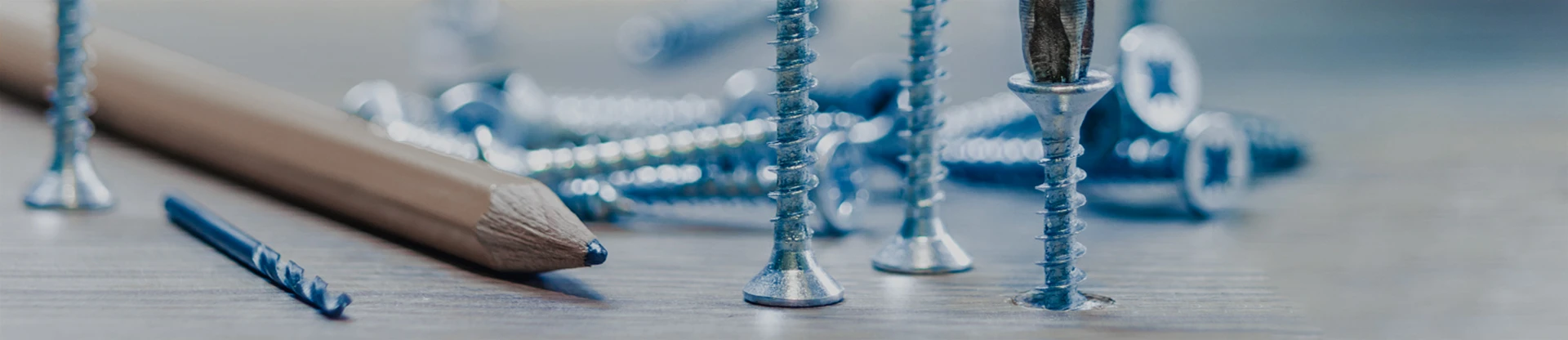
Understanding the Versatility of 6 ft Threaded Rod
When tackling construction, DIY projects, or industrial applications, a reliable fastening solution is crucial. A 6 ft threaded rod offers exceptional strength and adaptability. This article will delve into the uses, benefits, specifications, and purchasing considerations for this essential component. Whether you're a seasoned professional or a weekend enthusiast, understanding the properties of a 6 ft threaded rod can greatly enhance the success of your projects. We'll explore how to choose the right rod for your specific needs and maximize its performance.
What is a 6 ft Threaded Rod and Why Use It?
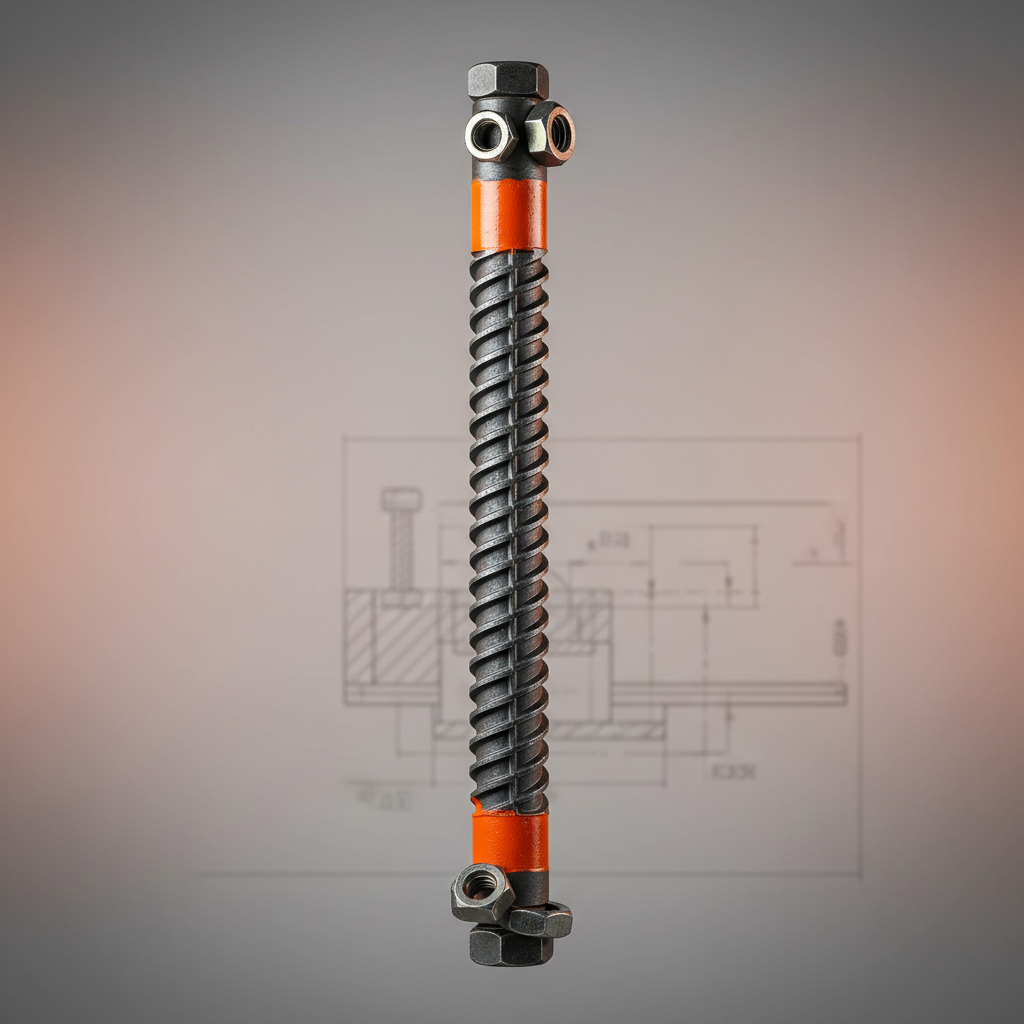
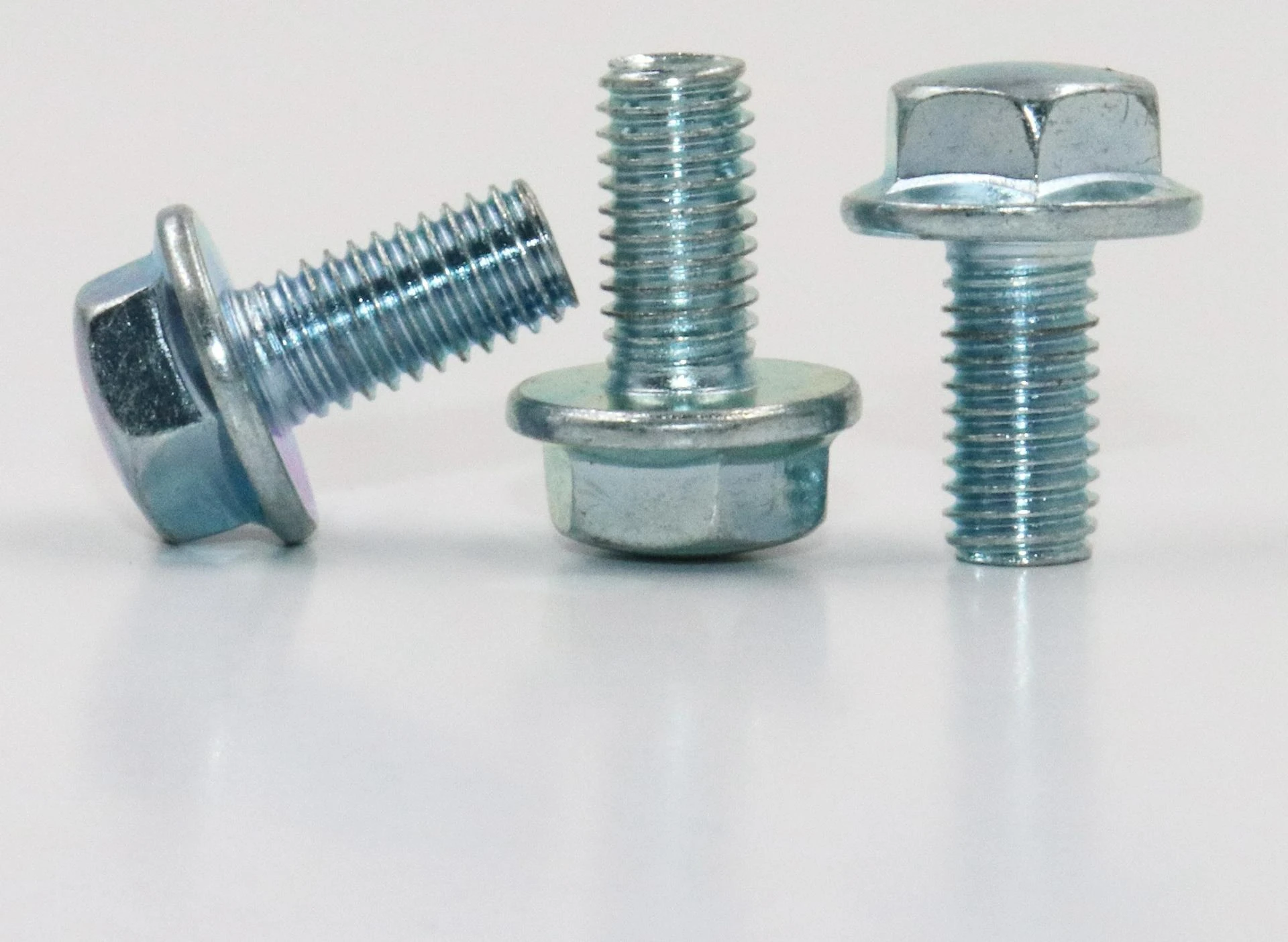
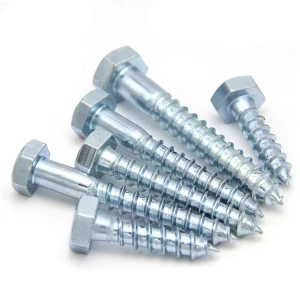
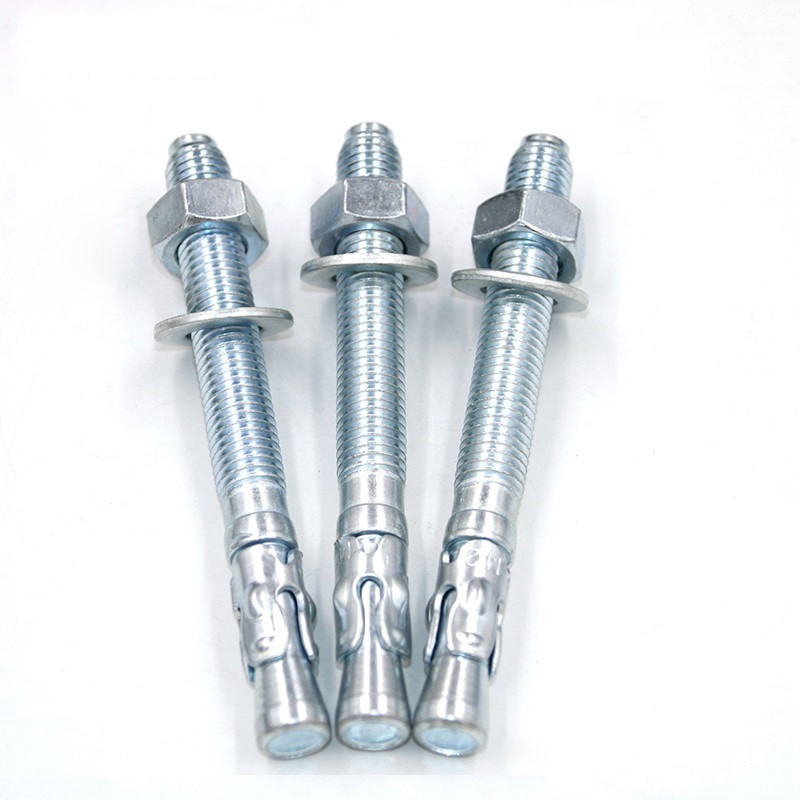
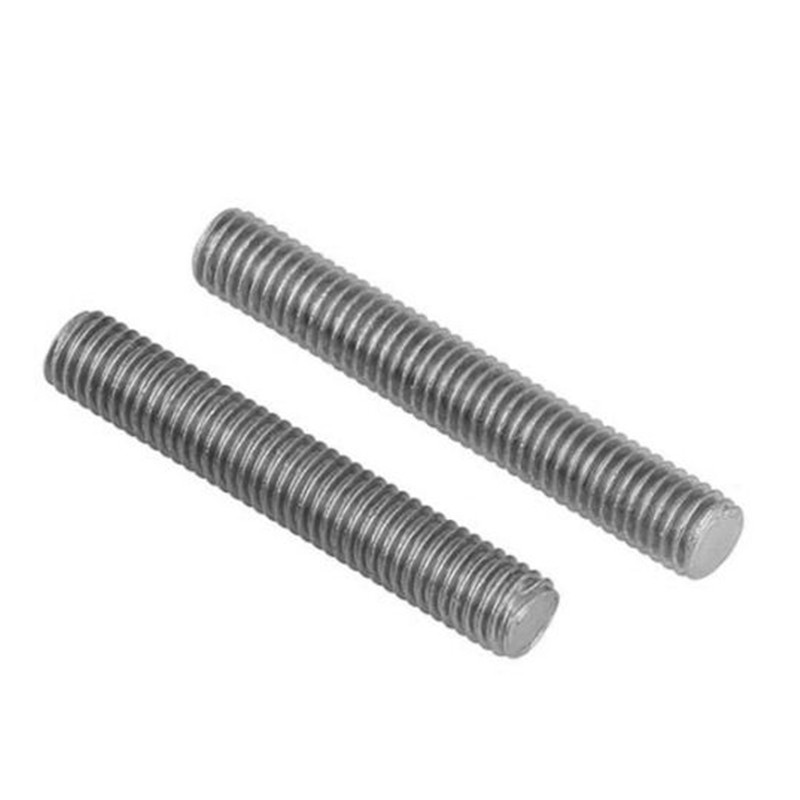
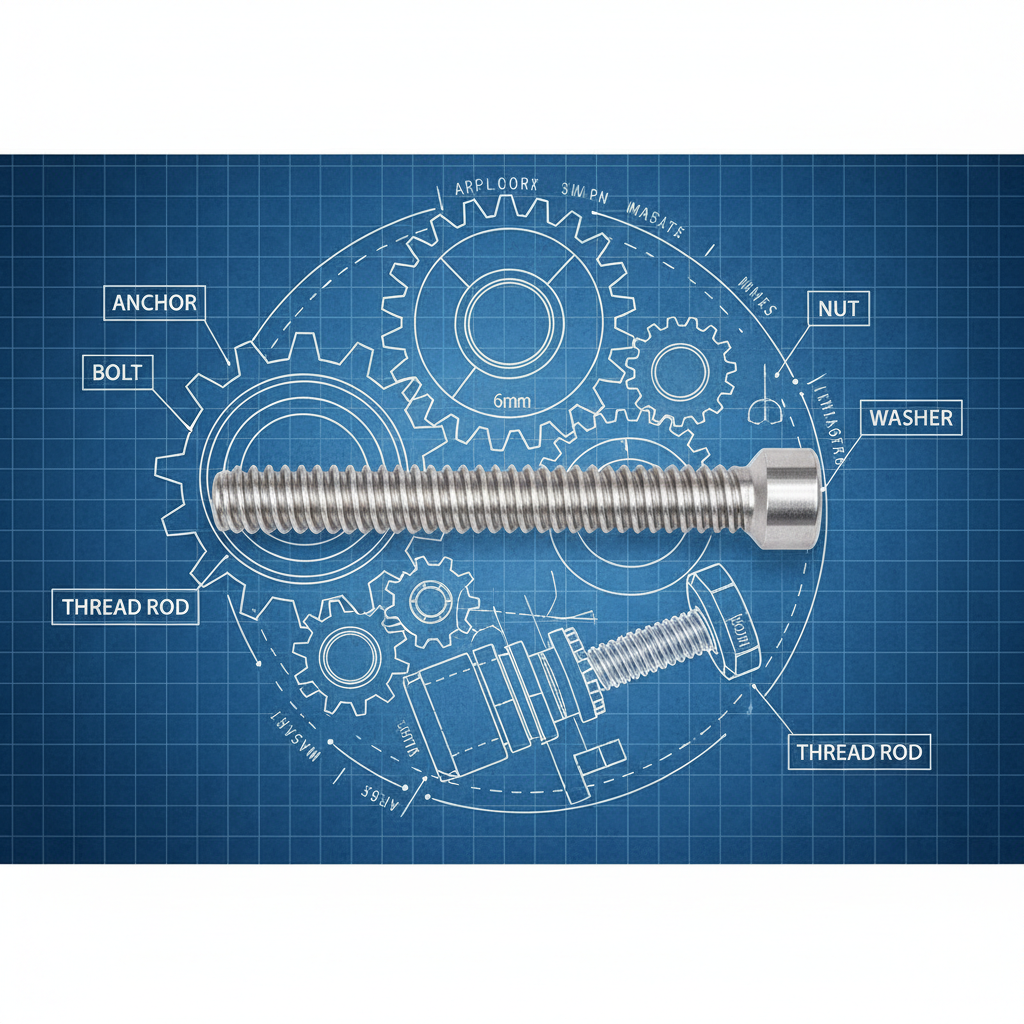
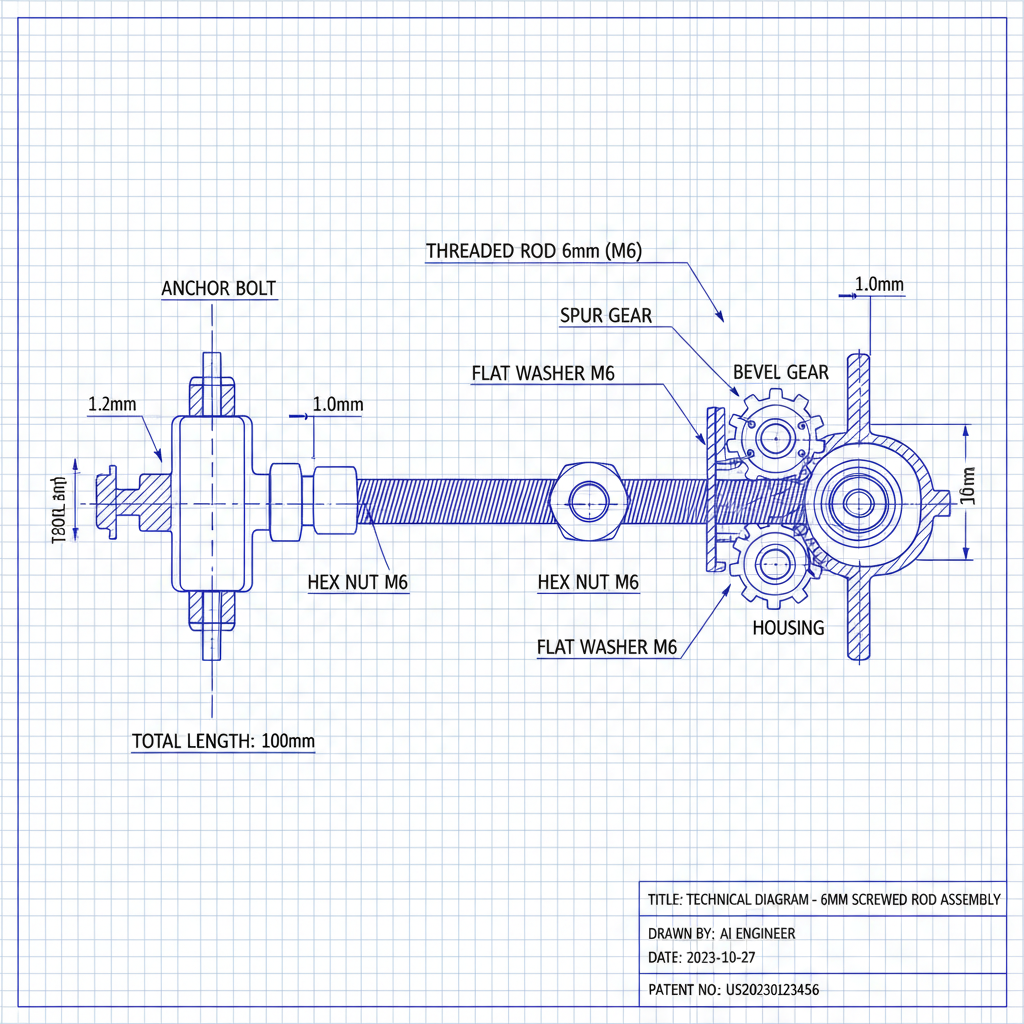
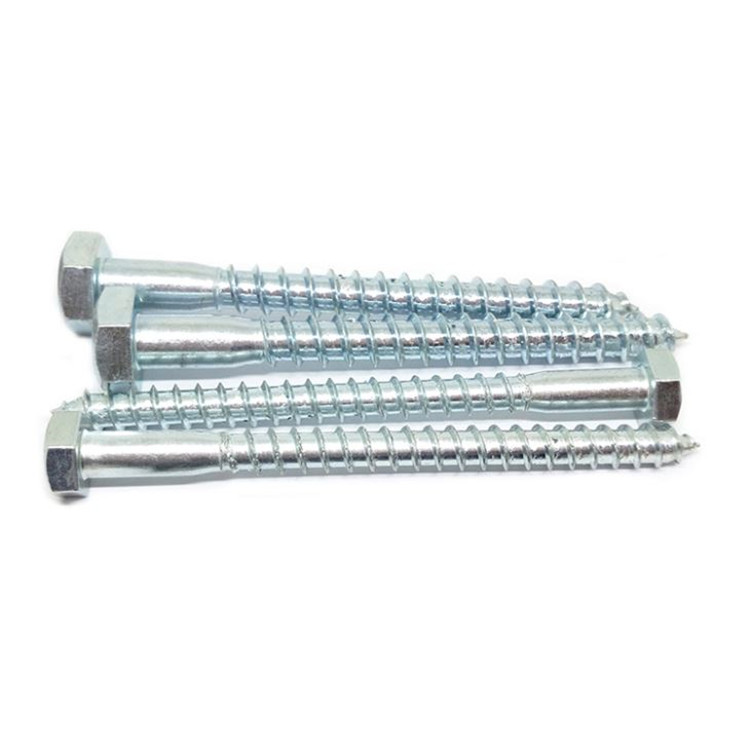
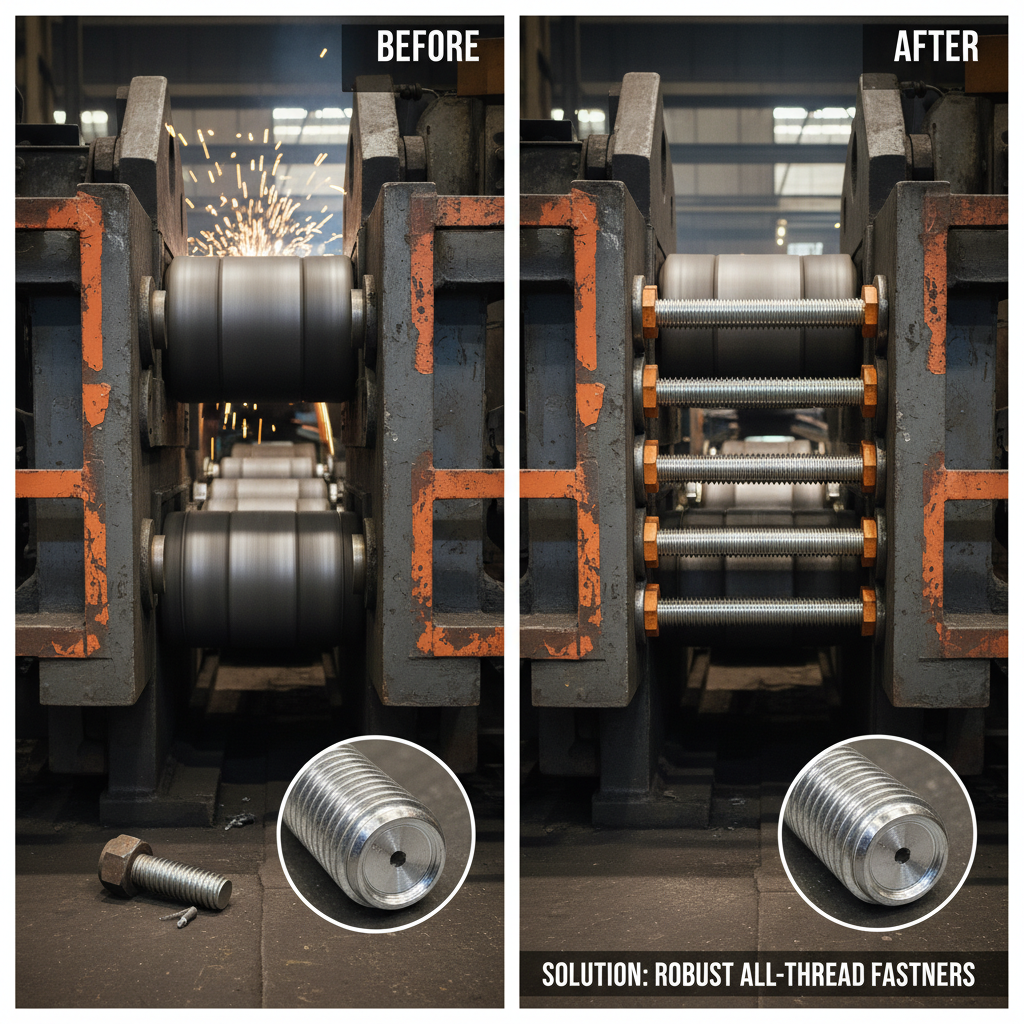
A 6 ft threaded rod, also known as a stud, is a length of metal with threads running along its entire length. Typically made from steel, stainless steel, or other alloys, it's designed to be used with nuts and washers to create a strong, adjustable fastening system. The 6-foot length provides versatility, allowing for cuts to custom sizes and providing ample material for various applications. Its primary benefit lies in its ability to withstand significant tensile forces, making it ideal for applications where high strength is paramount. HBTLS provides high-quality threaded rods to meet diverse project requirements.
Key Highlights: Provides a strong, adjustable fastening solution, available in various materials and sizes, suitable for a wide range of applications.
Common Applications for 6 ft Threaded Rod
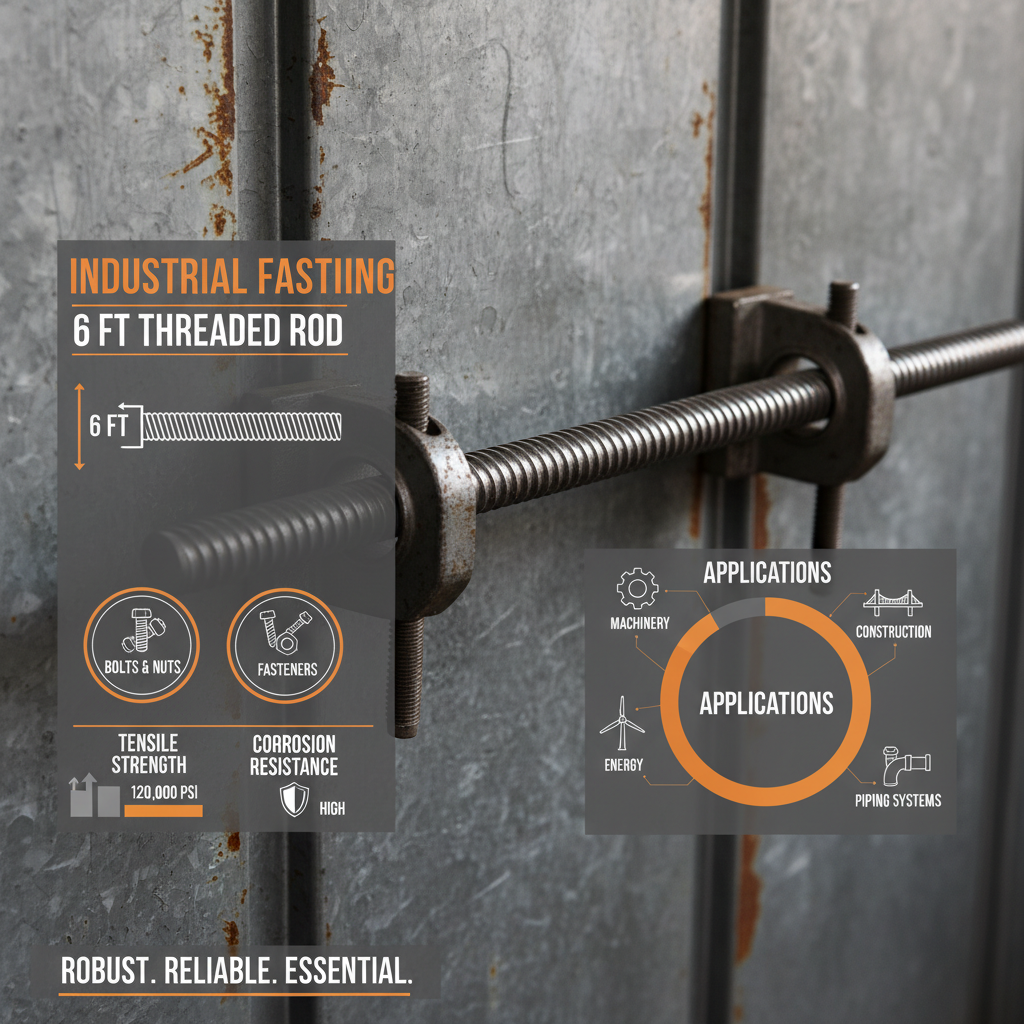
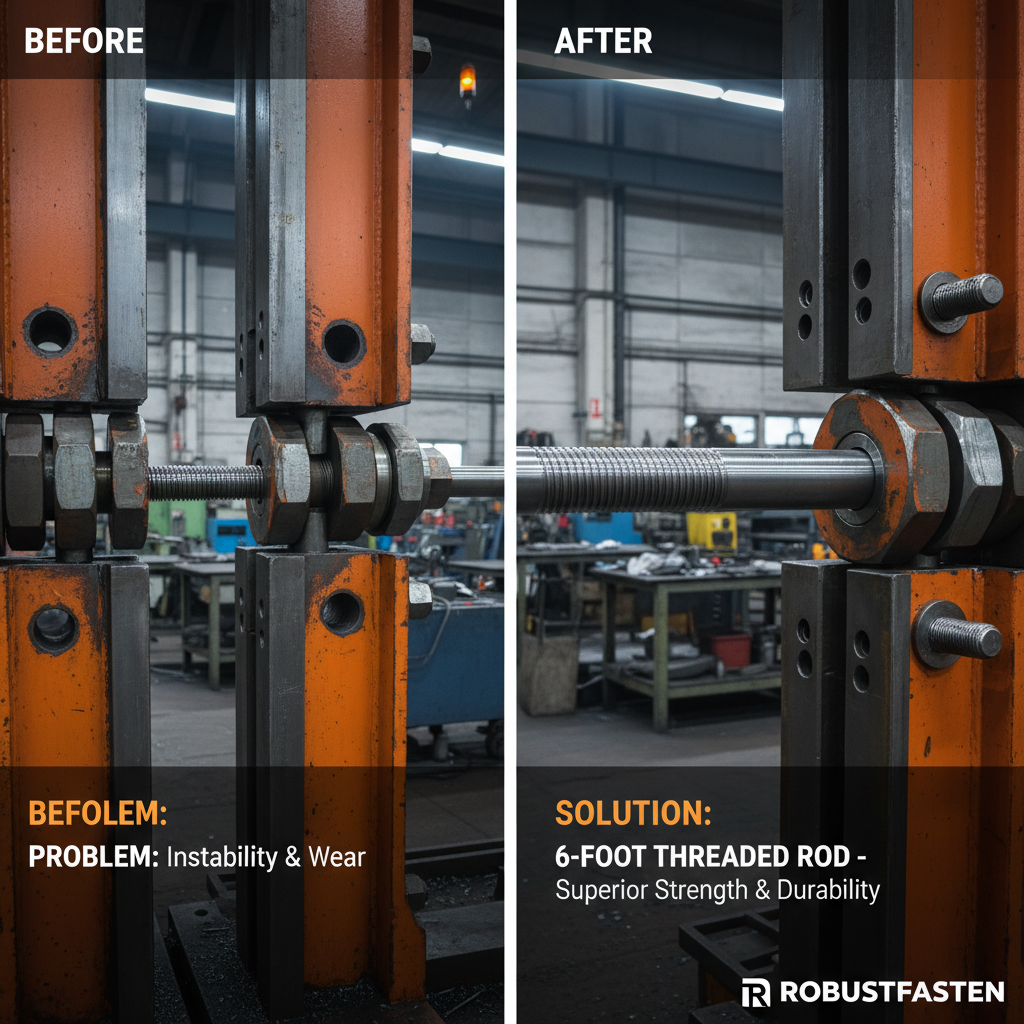
The versatility of a 6 ft threaded rod makes it suitable for numerous applications. In construction, it's frequently used for anchoring bolts, suspending pipework, and creating structural supports. DIY enthusiasts utilize it for projects like building furniture, creating shelving, and securing various components. Industrially, it finds use in machinery assembly, manufacturing processes, and equipment maintenance. Furthermore, it’s a common component in plumbing, electrical work, and automotive repairs. The length of 6 ft often minimizes the need for joining multiple shorter rods, streamlining the installation process.
Application Areas:
• Construction – anchoring and supports
• DIY Projects – furniture building, shelving
• Industrial – machinery assembly, maintenance
• Plumbing, Electrical – securing components
6 ft Threaded Rod: Material Options and Their Characteristics
Choosing the right material for your 6 ft threaded rod is crucial for ensuring durability and performance. Steel is a common and cost-effective option, offering high strength. Stainless steel provides superior corrosion resistance, making it ideal for outdoor or humid environments. Other alloys, like brass or aluminum, may be chosen for specific applications requiring particular properties like conductivity or lightweight construction. The choice depends on the load-bearing requirements, environmental factors, and budget considerations. HBTLS offers a comprehensive range of materials to suit various needs.
Selecting the Right Size and Thread Pitch
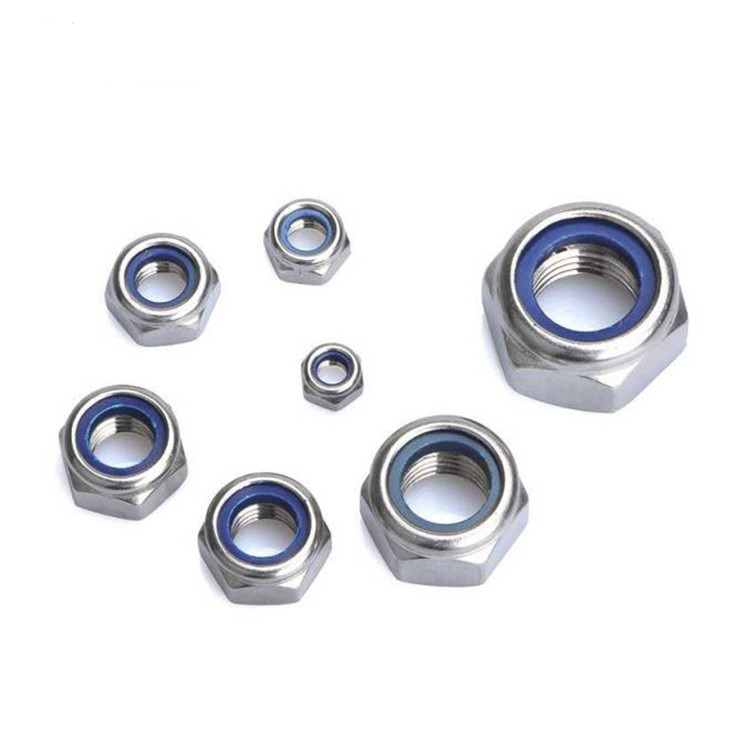
Choosing the correct diameter and thread pitch for your 6 ft threaded rod is critical for ensuring a secure and functional connection. Diameter refers to the width of the rod, and is typically measured in fractions of an inch (e.g., 1/4 inch, 3/8 inch). Thread pitch refers to the distance between adjacent threads, also usually measured in threads per inch (TPI). The size of the nut must match the diameter and thread pitch of the rod. Consult project specifications or engineering drawings to determine the appropriate size and pitch. Incorrect selection can lead to instability and potential failure.
Conclusion: A Reliable Fastening Solution with HBTLS
Investing in Quality for Lasting Results
A 6 ft threaded rod is a versatile and essential component for numerous applications. Choosing the right material, size, and thread pitch is crucial for ensuring a secure and reliable connection. HBTLS provides a wide selection of high-quality threaded rods to meet your specific needs. Invest in quality and ensure the success of your projects.
Frequently Asked Questions (FAQs)
Can a 6 ft threaded rod be cut to a shorter length?
Yes, a 6 ft threaded rod can easily be cut to a shorter length using a hacksaw, angle grinder, or pipe cutter. It’s important to deburr the cut end to prevent injury and ensure smooth engagement with nuts. A file or deburring tool can be used for this purpose. Always wear appropriate safety gear, including eye protection and gloves, when cutting threaded rod. Proper cutting ensures a clean, functional end for your application.
What is the difference between coarse and fine thread?
Coarse thread (fewer threads per inch) offers greater strength and is easier to assemble quickly, but it is more prone to loosening due to vibration. Fine thread (more threads per inch) provides a more secure hold, is less susceptible to loosening, and allows for more precise adjustments. However, it takes longer to assemble and is more easily damaged. The best choice depends on the application and the level of security required.
How do I prevent corrosion on steel threaded rods?
To prevent corrosion on steel threaded rods, consider applying a protective coating such as zinc plating, galvanization, or a corrosion-inhibiting paint. Alternatively, using stainless steel threaded rods offers inherent corrosion resistance. Regular inspection and cleaning can also help prevent corrosion. For outdoor applications, ensure the rod is protected from direct exposure to the elements as much as possible.
Post time: Mar . 31, 2026 02:35



 English
  Albanian
  Arabic
  Armenian
  Azerbaijani
  Belarusian
  Bosnian
  Bulgarian
  Cebuano
  Corsican
  Czech
Czech  Galician
  Georgian
  Greek
Greek  Hausa
Hausa  Hebrew
  Hungarian
  Igbo
Igbo  Indonesian
  Italian
  Kazakh
  Khmer
Khmer  Korean
  Kurdish
  Kyrgyz
  Lao
Lao  Latin
Latin  Latvian
  Lithuanian
  Malay
Malay  Myanmar
  Nepali
  Polish
  Portuguese
  Russian
  Serbian
  Sesotho
  Shona
Shona  Sindhi
  Spanish
  Tagalog
  Tajik
Tajik  Thai
Thai  Turkish
  Turkmen
  Ukrainian
  Uzbek
Uzbek  Vietnamese
  Yoruba
  Zulu
Zulu