
Understanding 50mm Threaded Bars: A Comprehensive Guide
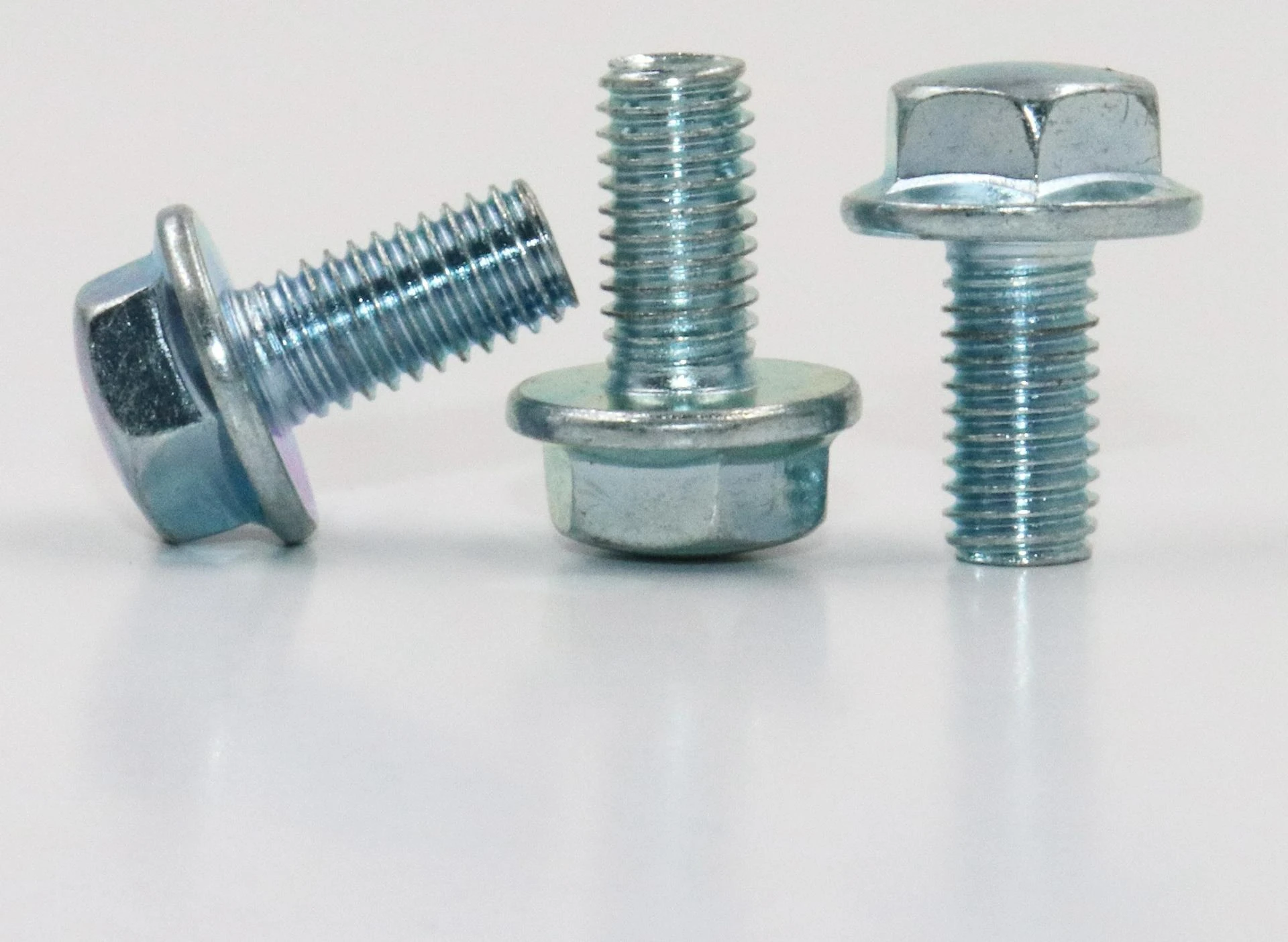
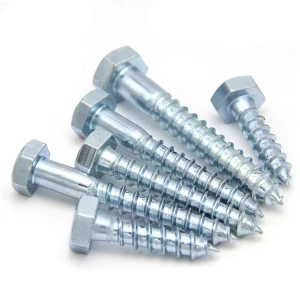
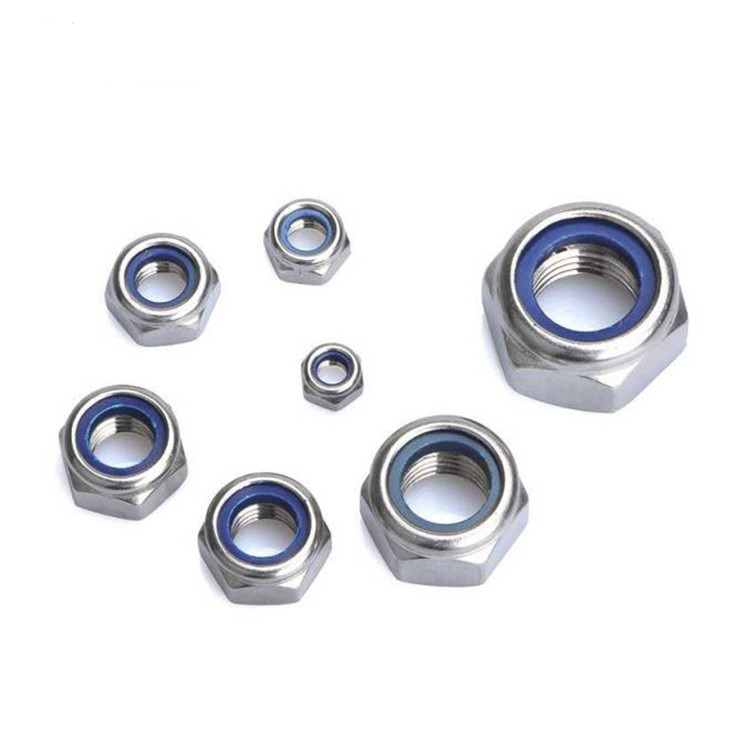
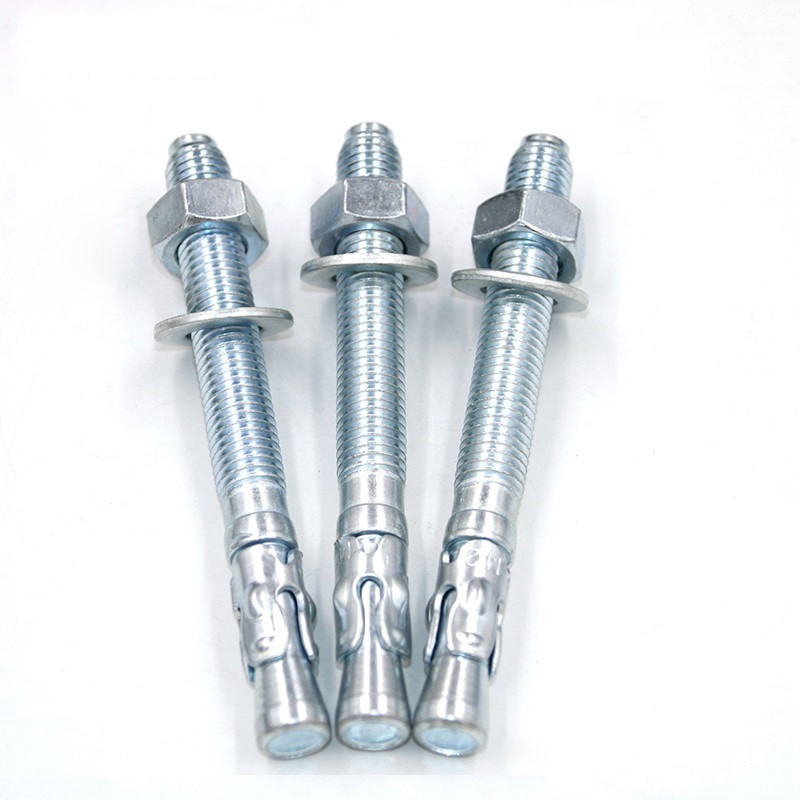
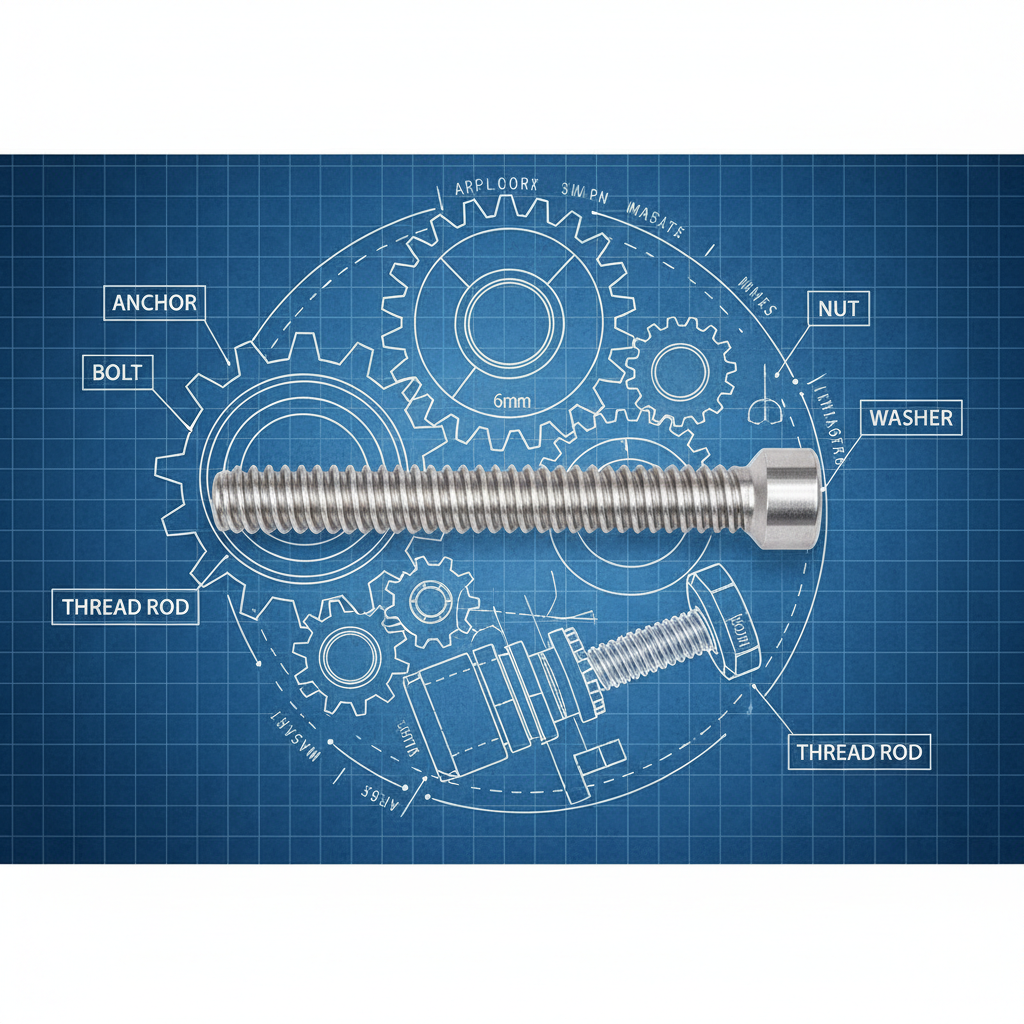
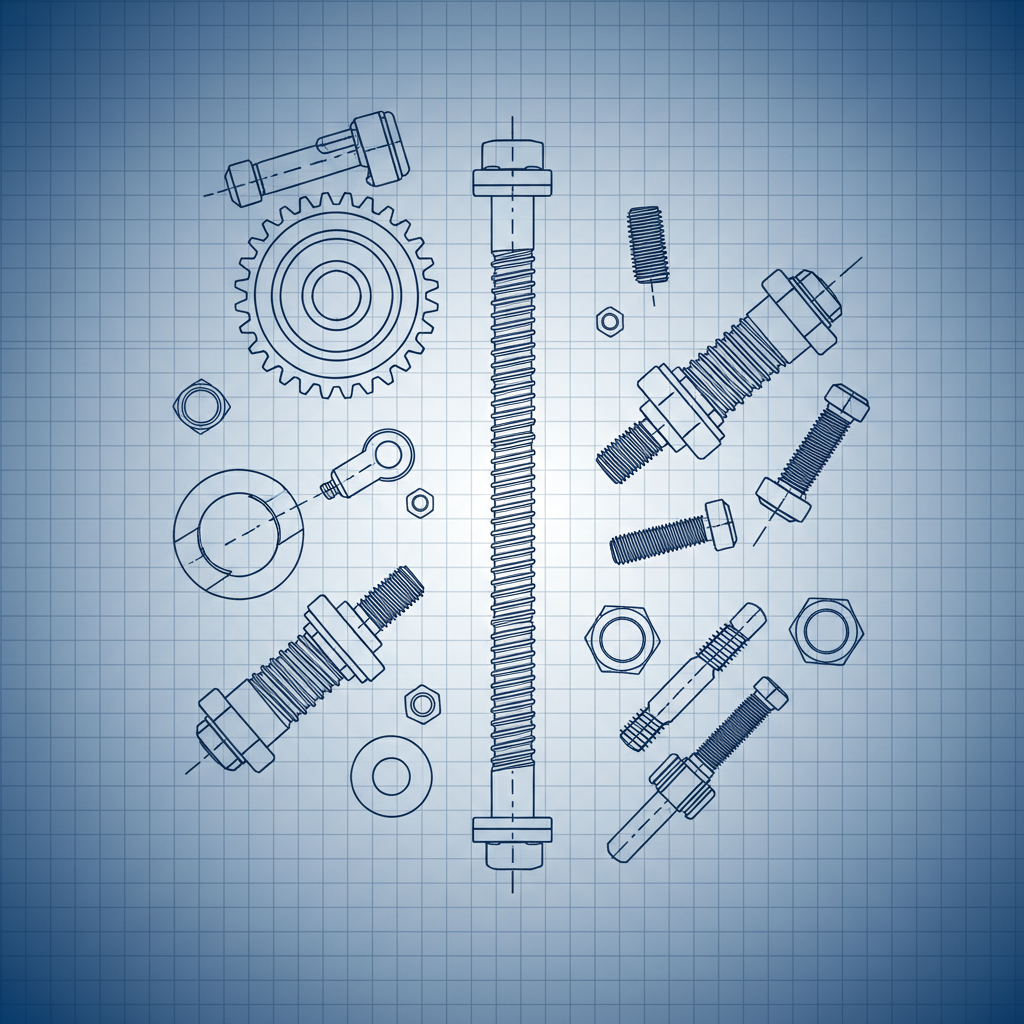
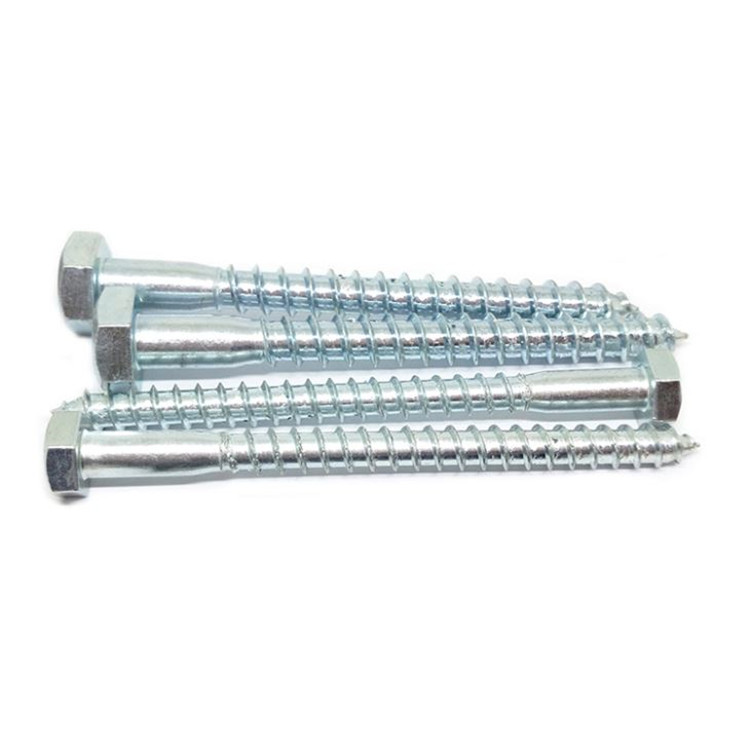
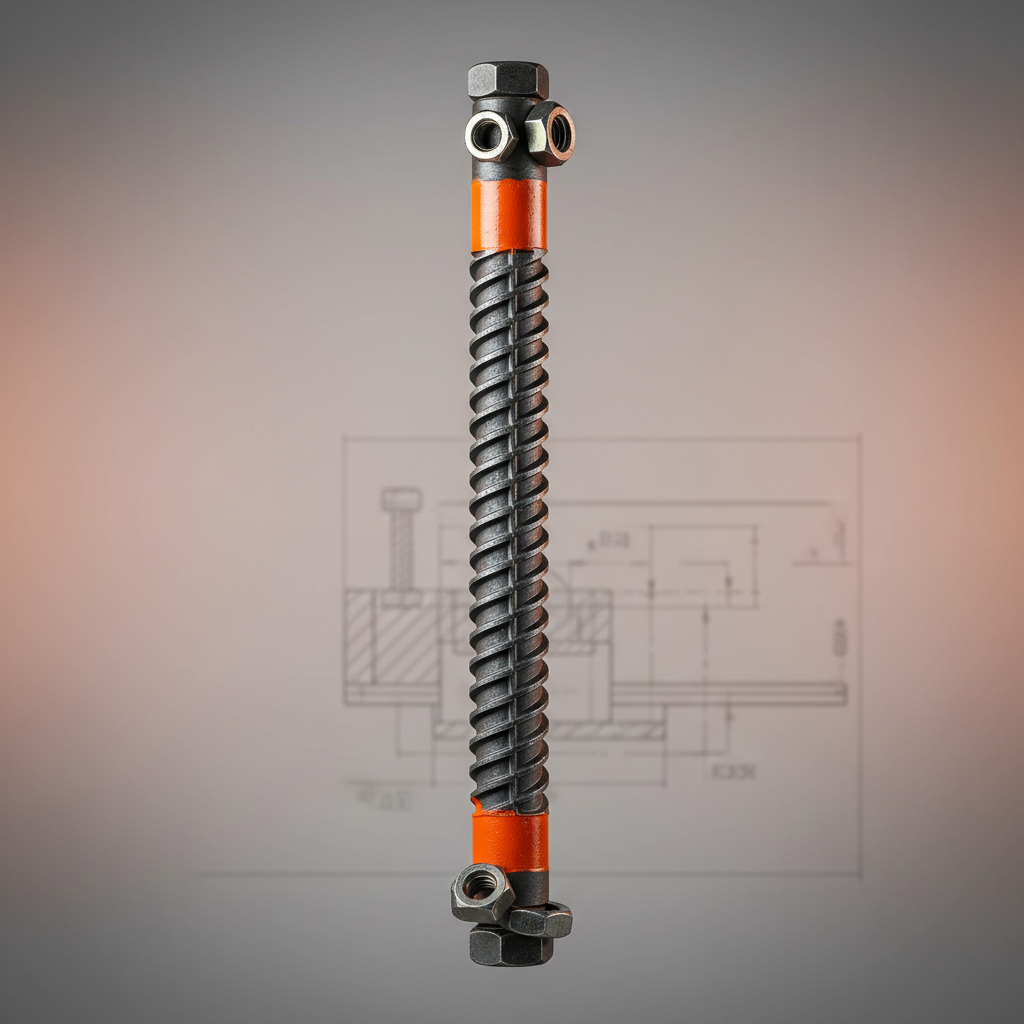
50mm threaded bars, also known as studs, are essential components in a vast array of construction, engineering, and industrial applications. They provide a strong, reliable fastening solution, offering superior strength compared to many other bolting methods. This article will delve into the specifications, applications, material options, advantages, and considerations for using 50mm threaded bars. Whether you are a seasoned engineer or new to the world of fasteners, this guide will provide valuable insights. Understanding the nuances of these bars can ensure project success and long-term structural integrity.
Key Features and Specifications of 50mm Threaded Bars
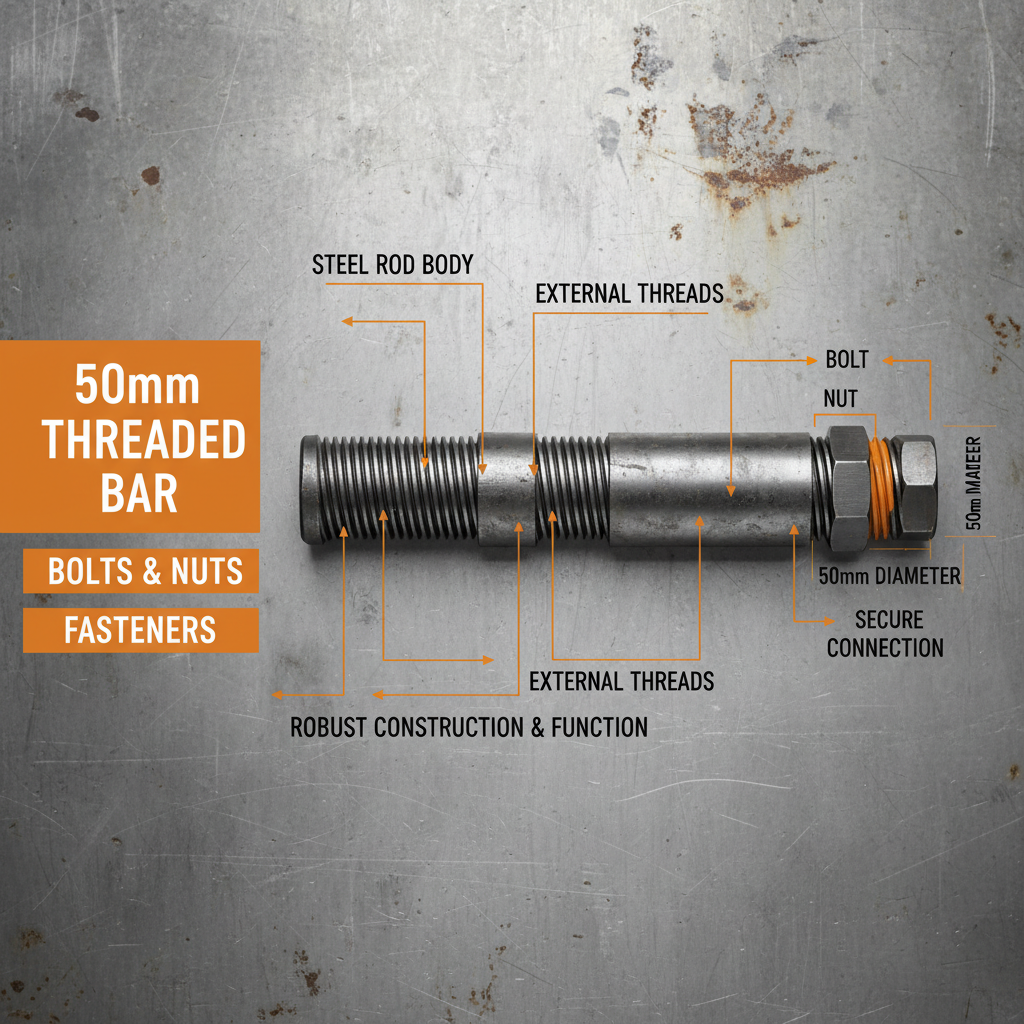
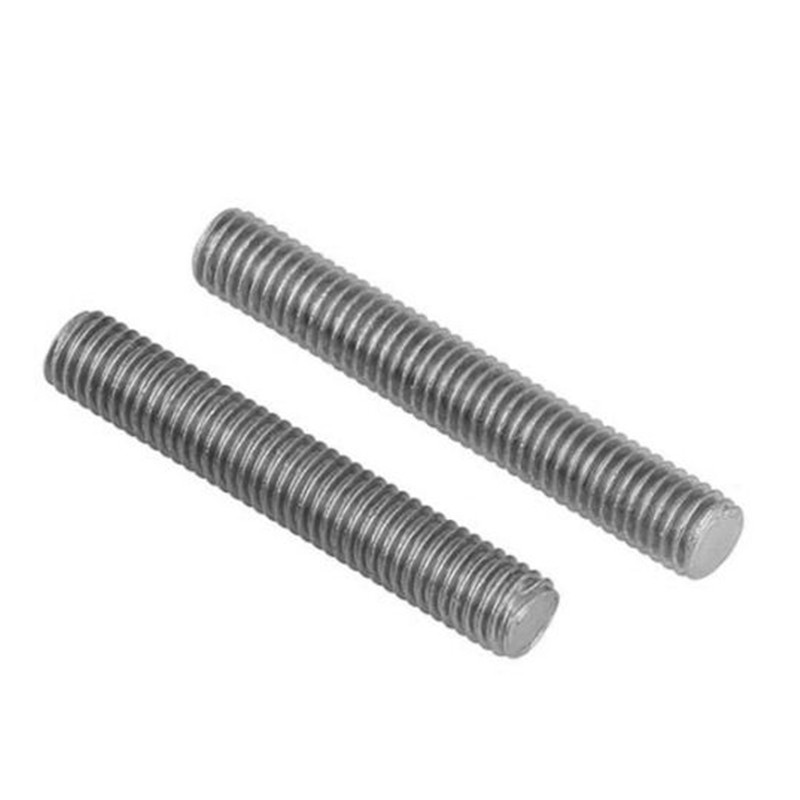
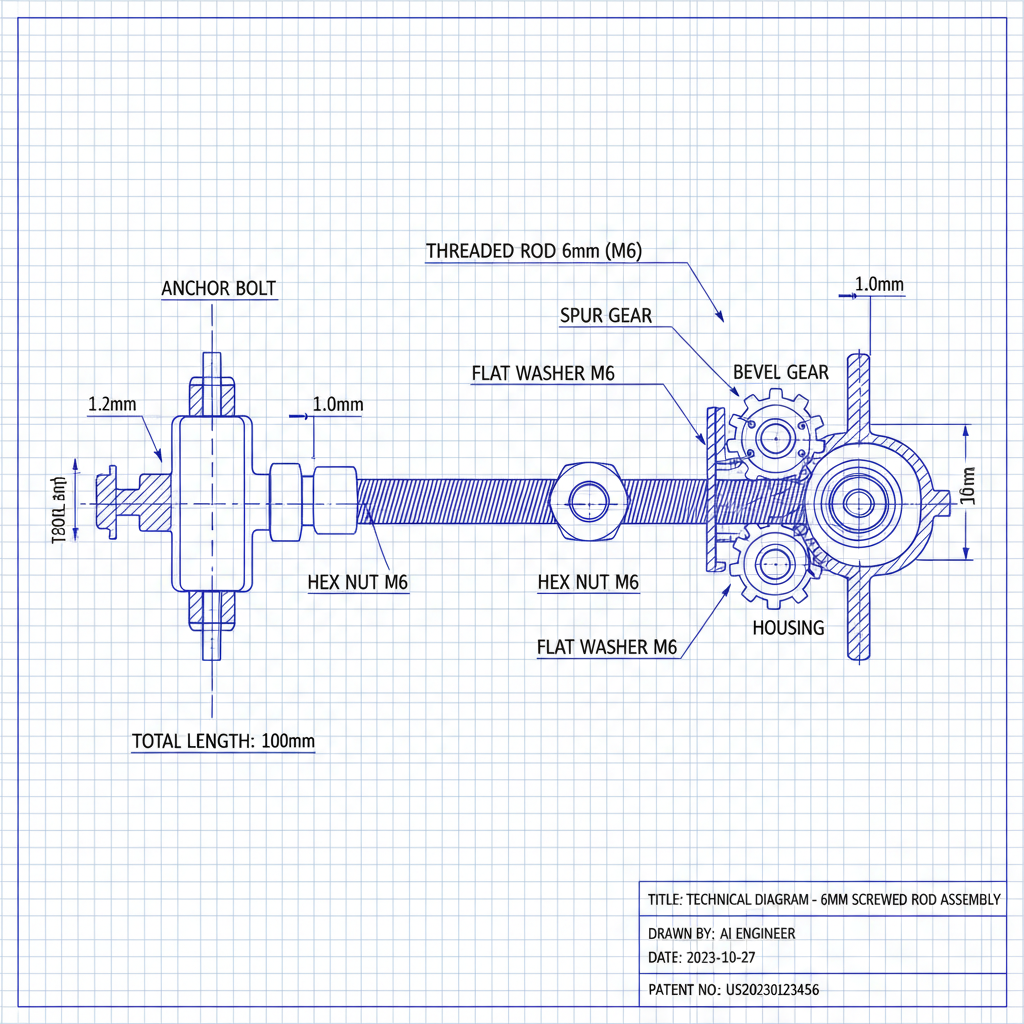
A 50mm threaded bar refers to its nominal diameter. The threads themselves are typically rolled or cut, with the most common thread type being metric coarse (ISO 6061-1). The length of the bar is variable, and can be customized to suit specific project requirements. These bars are available in various materials, each with its own unique properties, such as strength, corrosion resistance, and temperature tolerance. The pitch, or the distance between threads, is a crucial specification for ensuring compatibility with corresponding nuts and washers. Choosing the correct specifications is vital for the integrity and longevity of the connection.
Key Highlights: Available in various materials, lengths, and thread types to suit a wide range of applications. Precise specifications are crucial for ensuring compatibility and optimal performance.
Common Materials Used in 50mm Threaded Bar Manufacturing
The material selection for a 50mm threaded bar is determined by the intended application and the environmental conditions it will be exposed to. Common materials include carbon steel, stainless steel (grades 304, 316), and alloy steel. Carbon steel offers high strength at a relatively low cost, but it is susceptible to corrosion. Stainless steel provides excellent corrosion resistance, making it ideal for outdoor or marine applications. Alloy steel offers a balance of strength and corrosion resistance, and is often used in high-stress environments. HBTLS specializes in providing high-quality 50mm threaded bars in various materials.
Material Comparison:
• Carbon Steel: High strength, low cost, susceptible to corrosion.
• Stainless Steel (304/316): Excellent corrosion resistance, ideal for outdoor use.
• Alloy Steel: Balance of strength and corrosion resistance, suitable for high-stress applications.
Applications of 50mm Threaded Bars in Different Industries
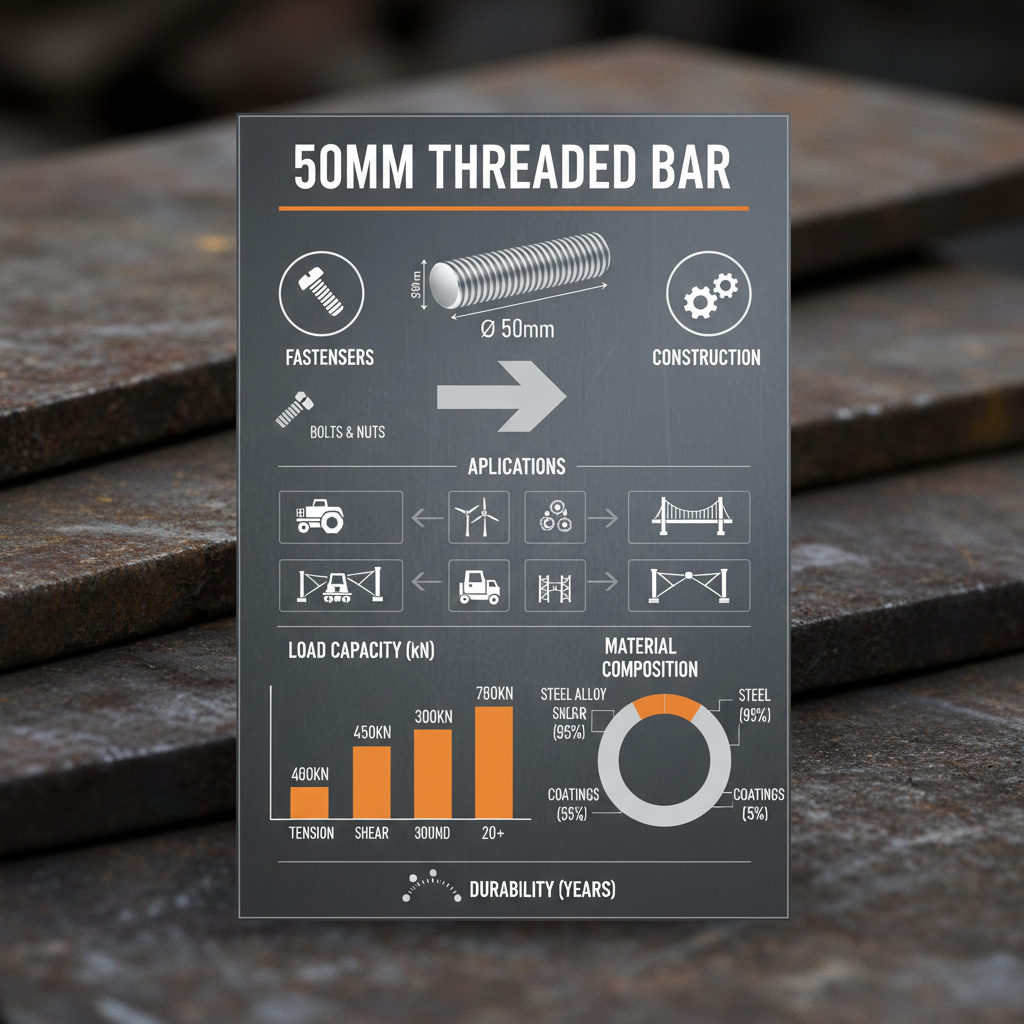
50mm threaded bars find widespread use across numerous industries. In construction, they are used for anchoring, structural connections, and reinforcing concrete. In the automotive industry, they are critical components in suspension systems and engine mounts. Manufacturing utilizes them in machinery assembly and tooling. The oil and gas sector relies on them for pipeline connections and structural supports. Furthermore, they are common in the renewable energy sector for securing wind turbine components and solar panel mounting systems. Their versatility makes them a staple fastener for many engineering projects.
Advantages of Using 50mm Threaded Bars
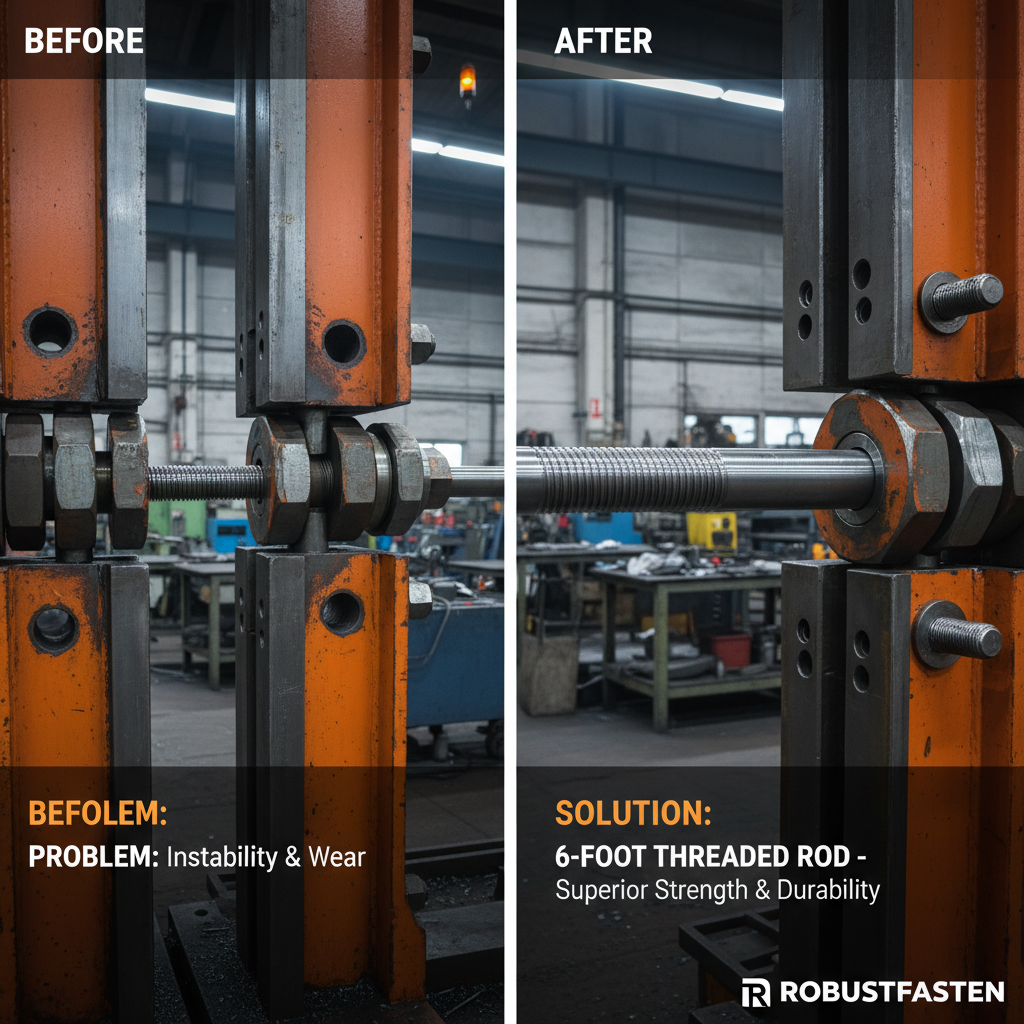
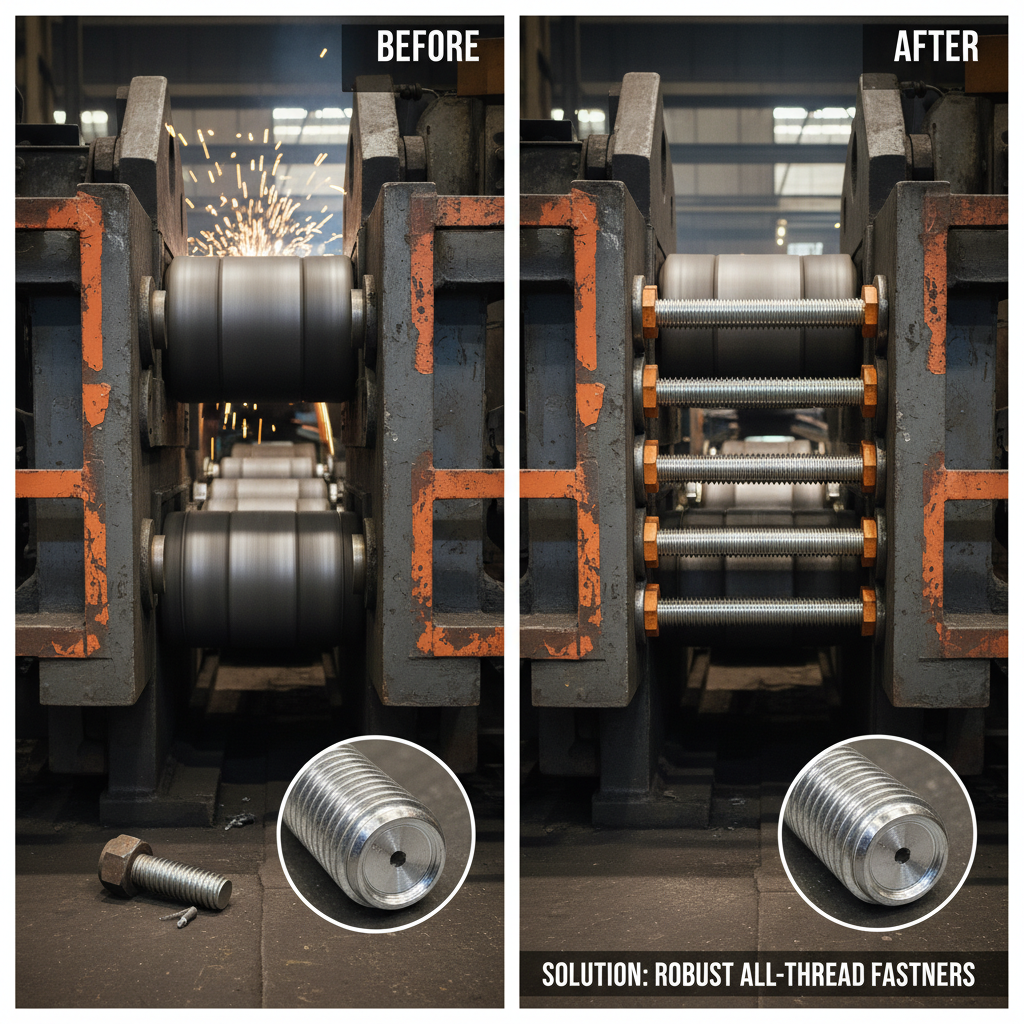
Using 50mm threaded bars offers several advantages over other fastening methods. They provide high tensile strength, making them suitable for heavy-duty applications. Their adjustability allows for precise positioning and alignment. The ability to disassemble and reassemble connections makes them ideal for maintenance and repair. Furthermore, they are relatively easy to install with the right tools and techniques. Compared to welding, they offer a non-destructive fastening solution, preserving the material properties of the connected components. Choosing a reliable supplier, like HBTLS, ensures quality and consistency.
Considerations When Selecting and Installing 50mm Threaded Bars
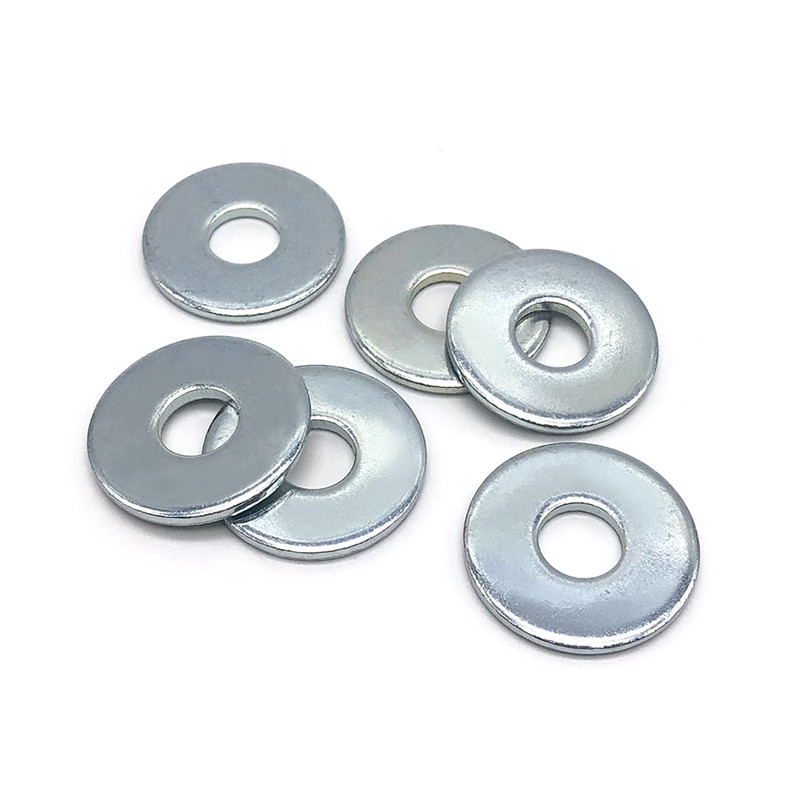
When selecting 50mm threaded bars, it's crucial to consider the load requirements, environmental conditions, and material compatibility. Ensure the chosen material is appropriate for the application to prevent corrosion or premature failure. Proper installation is equally important. Use the correct torque specifications to avoid over-tightening or under-tightening. Always use appropriate washers to distribute the load and protect the connected surfaces. Regular inspection and maintenance are essential to ensure the long-term integrity of the connections. Always consult with a qualified engineer for critical applications.
Conclusion: Reliable Fastening with 50mm Threaded Bars
50mm threaded bars are versatile and essential fasteners for a wide range of applications. By understanding their specifications, material options, and proper installation techniques, you can ensure reliable and long-lasting connections. HBTLS provides high-quality 50mm threaded bars and expert support to meet your specific needs. Investing in quality fasteners is a critical step towards project success and safety.
Frequently Asked Questions (FAQs)
What is the typical tensile strength of a 50mm threaded bar?
The tensile strength of a 50mm threaded bar varies depending on the material. For example, a Grade 8.8 carbon steel bar typically has a tensile strength of around 800 MPa. Stainless steel grades, such as 304 and 316, generally have lower tensile strengths, ranging from 500 to 700 MPa. Always refer to the manufacturer's specifications for the exact tensile strength of a particular bar. Accurate knowledge of tensile strength is critical for ensuring the structural integrity of the connection, especially in high-load applications.
How do I determine the correct length of a 50mm threaded bar for my application?
Determining the correct length involves considering the thickness of the materials being joined, the required penetration depth, and the space needed for washers and nuts. Measure the total thickness of the materials, add the thickness of the washers, and then account for the desired amount of thread engagement. A general rule of thumb is to have at least one to two thread diameters of engagement. It's always better to err on the side of slightly longer, as excess length can be trimmed, but a bar that is too short will compromise the connection's strength.
What is the difference between a rolled and a cut thread on a 50mm threaded bar?
Rolled threads are formed by pressing a hardened die against the bar, while cut threads are created by removing material with a cutting tool. Rolled threads generally have higher fatigue strength and a smoother surface finish. This is because the rolling process work hardens the material, increasing its resistance to cracking. Cut threads can be more prone to stress concentrations and corrosion. For most applications, rolled threads are preferred due to their superior performance.
Can 50mm threaded bars be used in corrosive environments?
Yes, but the appropriate material selection is crucial. Carbon steel bars are not suitable for corrosive environments as they will rust and weaken. Stainless steel (particularly grade 316) and other corrosion-resistant alloys are recommended. Additionally, applying a protective coating, such as galvanization or epoxy, can further enhance corrosion resistance. Regular inspection and maintenance are also vital to identify and address any signs of corrosion before they compromise the integrity of the connection.
Post time: Mar . 10, 2026 02:35


 English
  Albanian
  Arabic
  Armenian
  Azerbaijani
  Belarusian
  Bosnian
  Bulgarian
  Cebuano
  Corsican
  Czech
Czech  Galician
  Georgian
  Greek
Greek  Hausa
Hausa  Hebrew
  Hungarian
  Igbo
Igbo  Indonesian
  Italian
  Kazakh
  Khmer
Khmer  Korean
  Kurdish
  Kyrgyz
  Lao
Lao  Latin
Latin  Latvian
  Lithuanian
  Malay
Malay  Myanmar
  Nepali
  Polish
  Portuguese
  Russian
  Serbian
  Sesotho
  Shona
Shona  Sindhi
  Spanish
  Tagalog
  Tajik
Tajik  Thai
Thai  Turkish
  Turkmen
  Ukrainian
  Uzbek
Uzbek  Vietnamese
  Yoruba
  Zulu
Zulu