
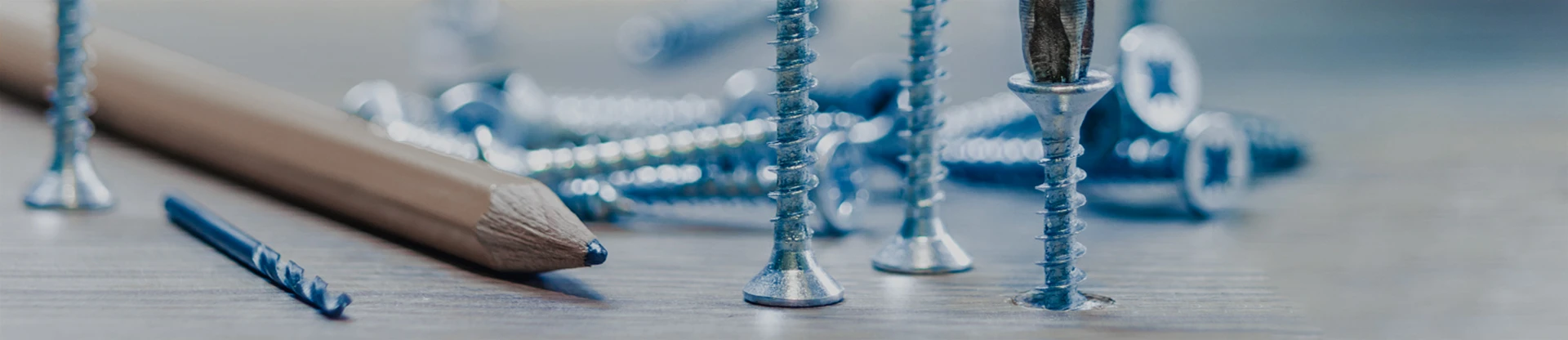
Understanding the 6 32 Rod: A Comprehensive Guide
The 6 32 rod, a threaded fastener, plays a critical role in various industries, from construction and manufacturing to DIY projects. This guide delves into its specifications, applications, material options, and benefits. Whether you're a seasoned engineer or a beginner tackling a home repair, understanding the nuances of the 6 32 rod is essential for ensuring project success and safety. This article will help you understand what a 6 32 rod is and where to find the best options. Explore our selection of high-quality rods at HBTBLS.
What Exactly is a 6 32 Rod?
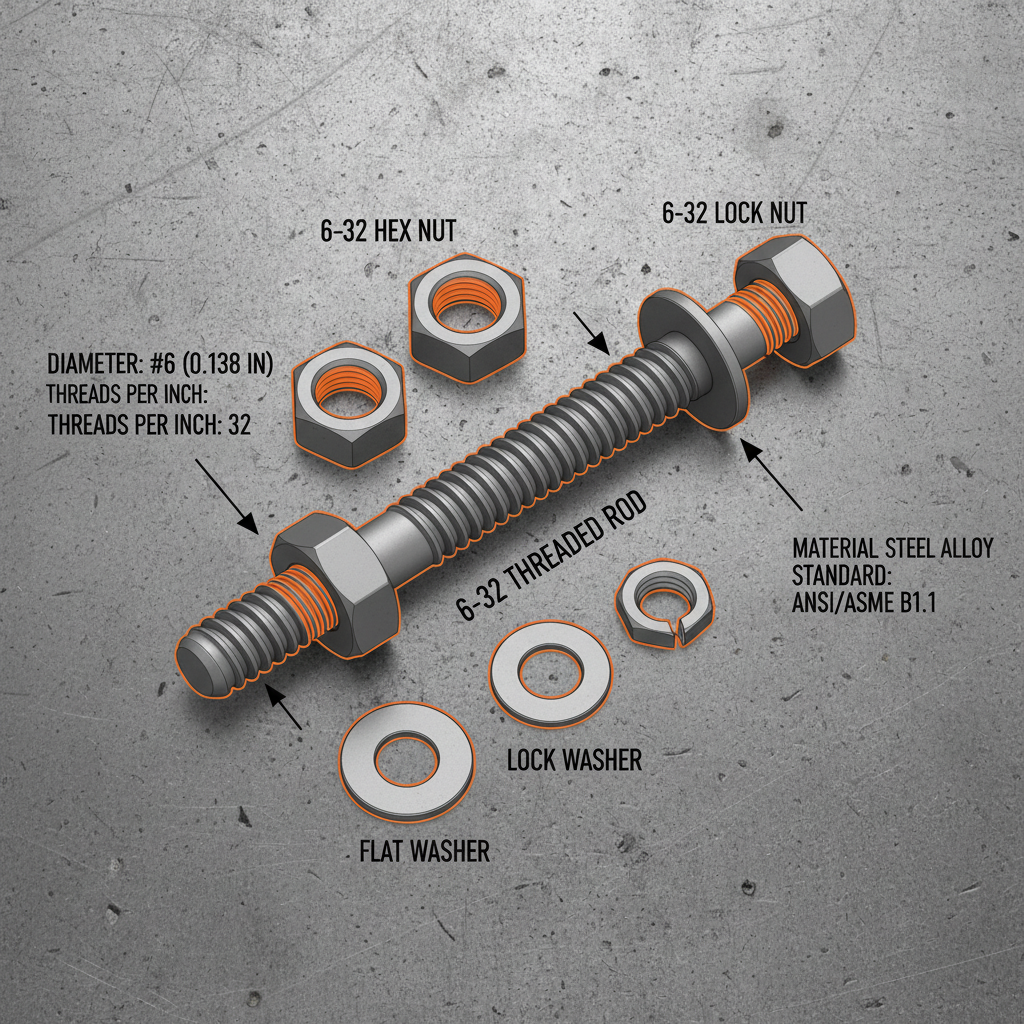
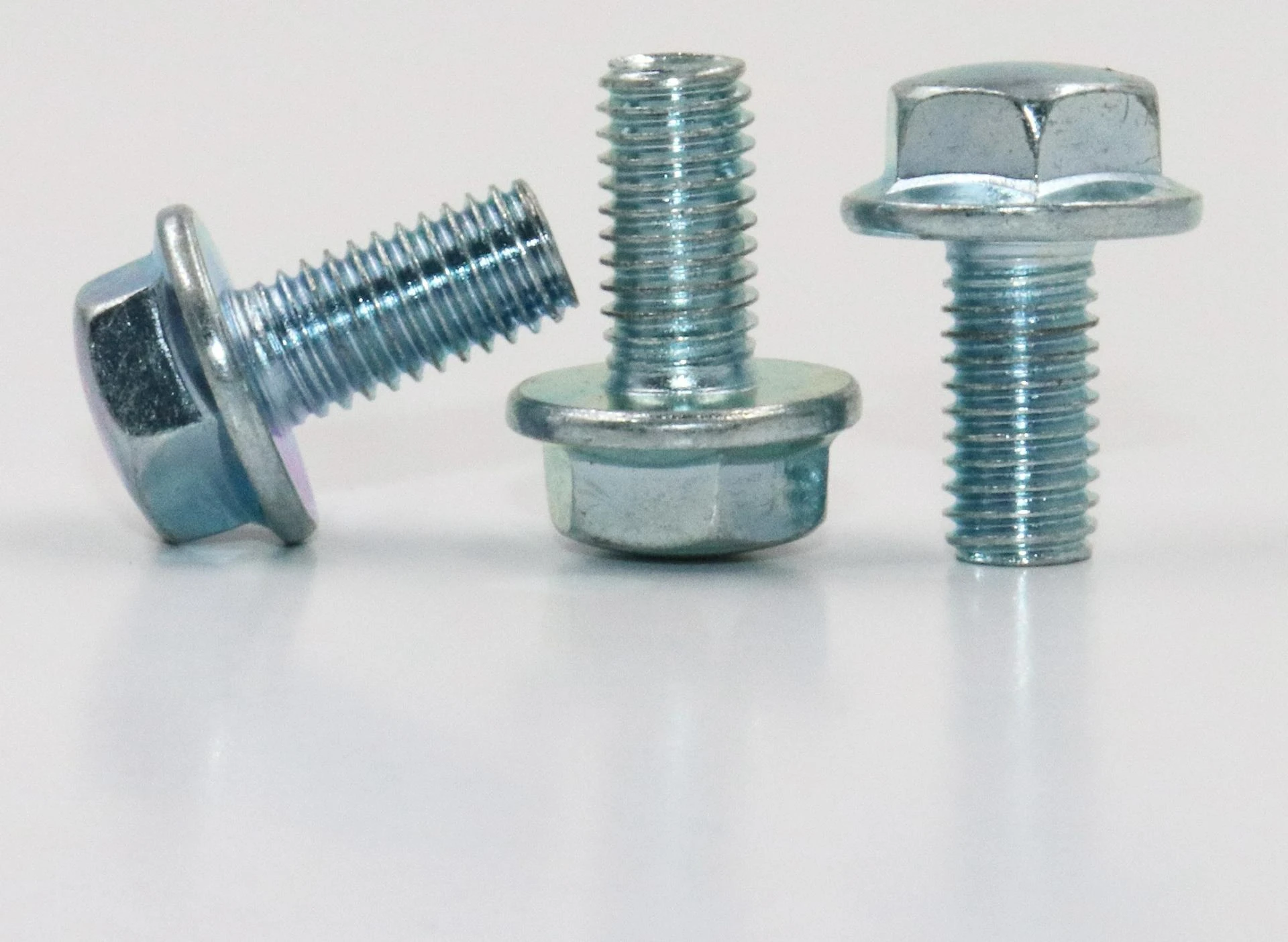
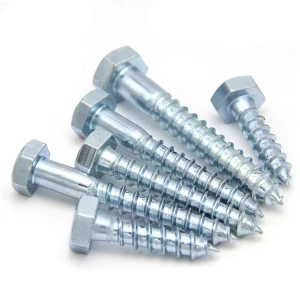
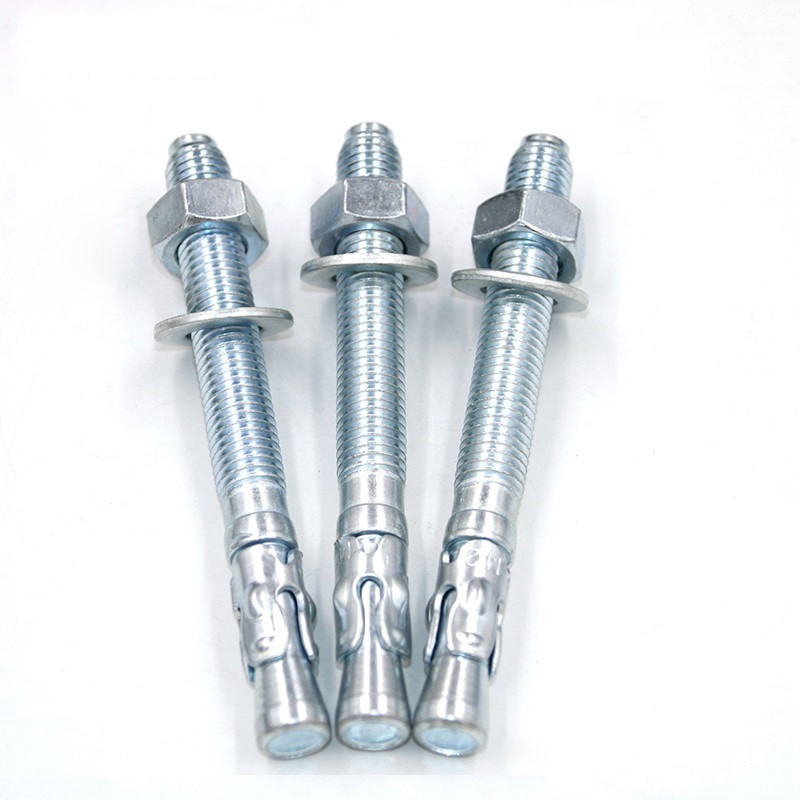
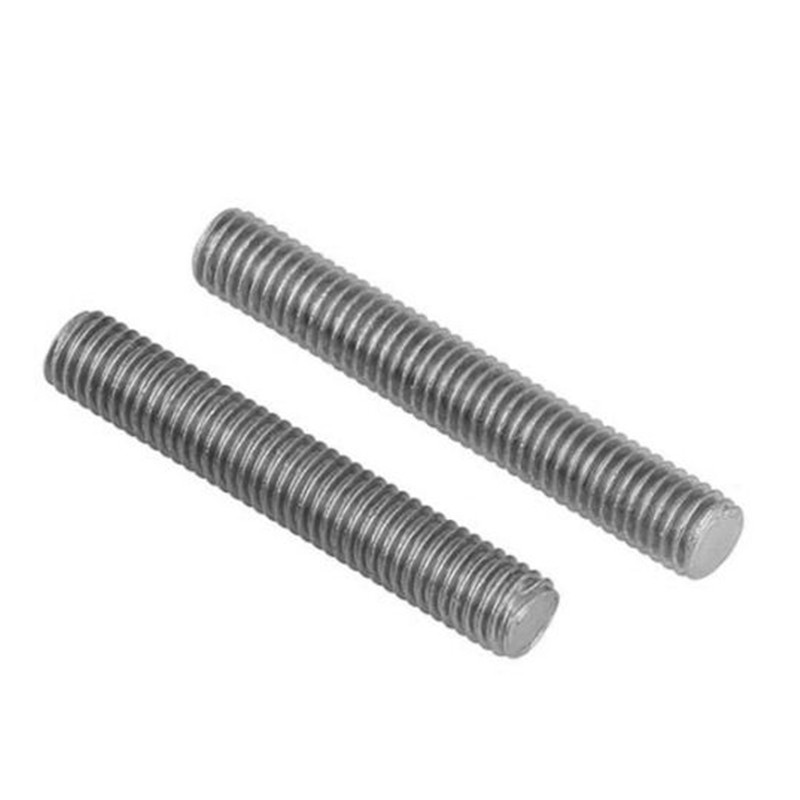
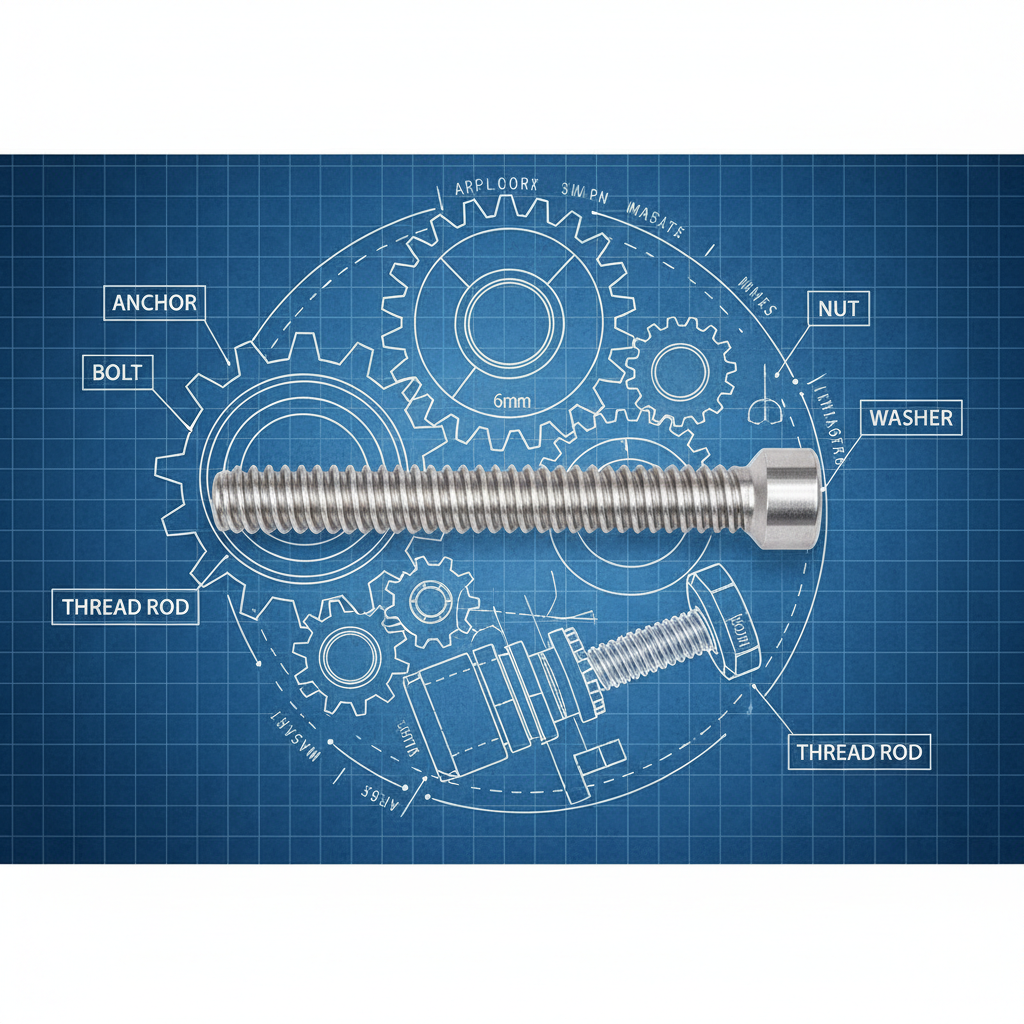
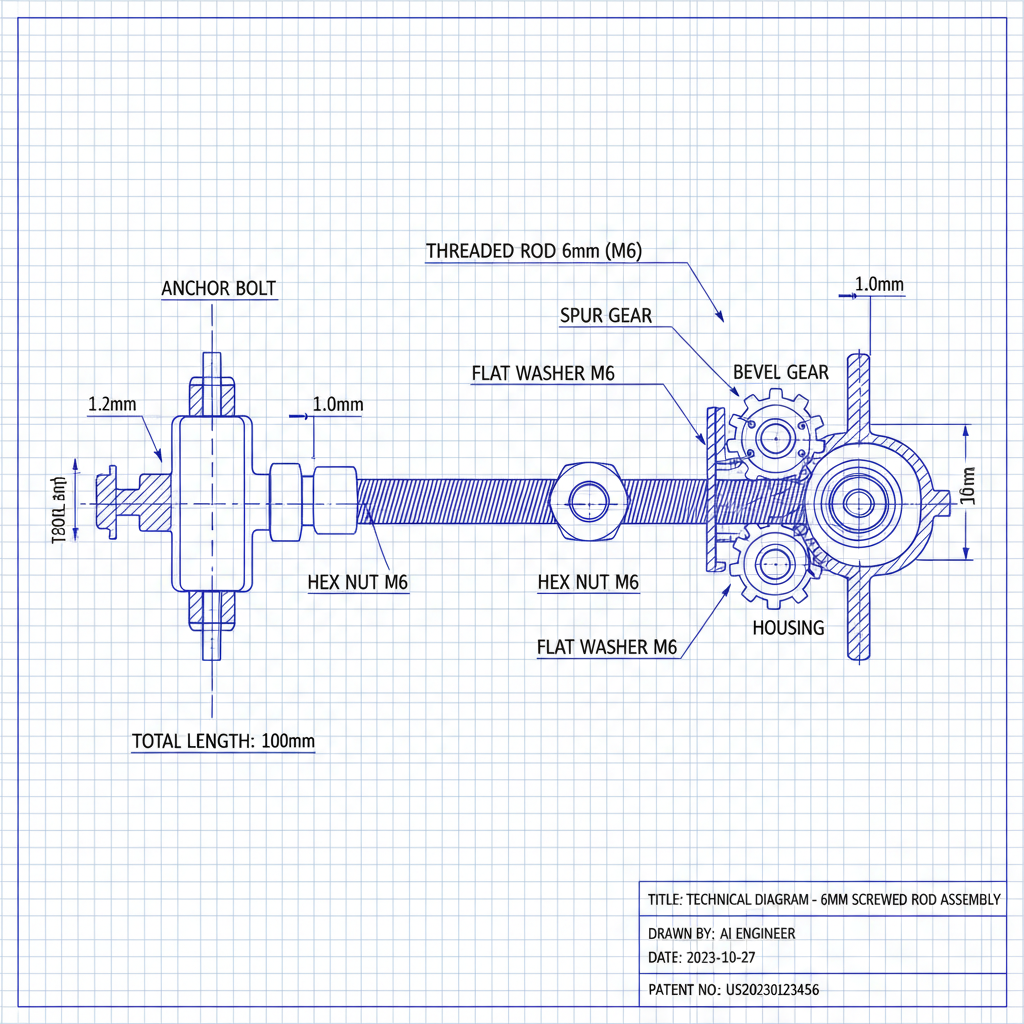
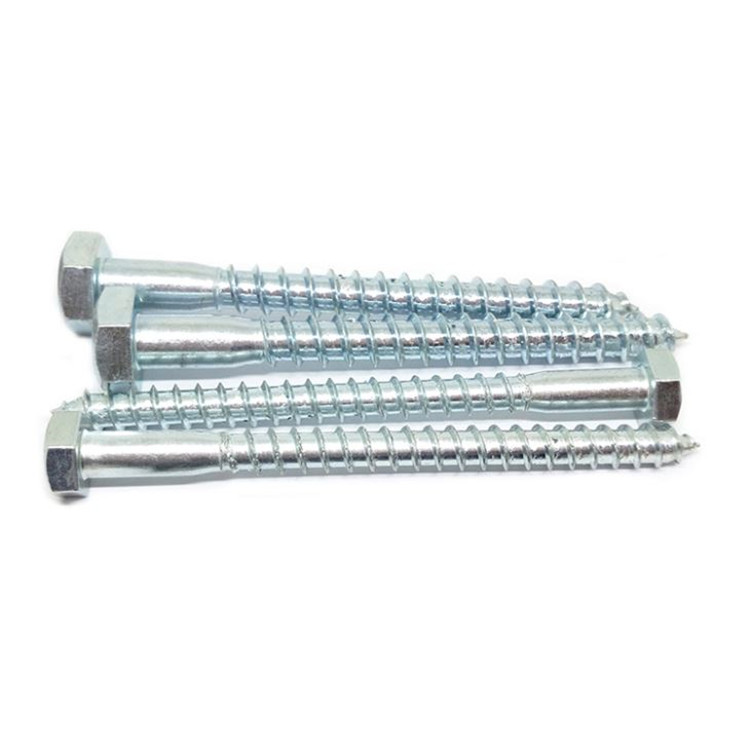
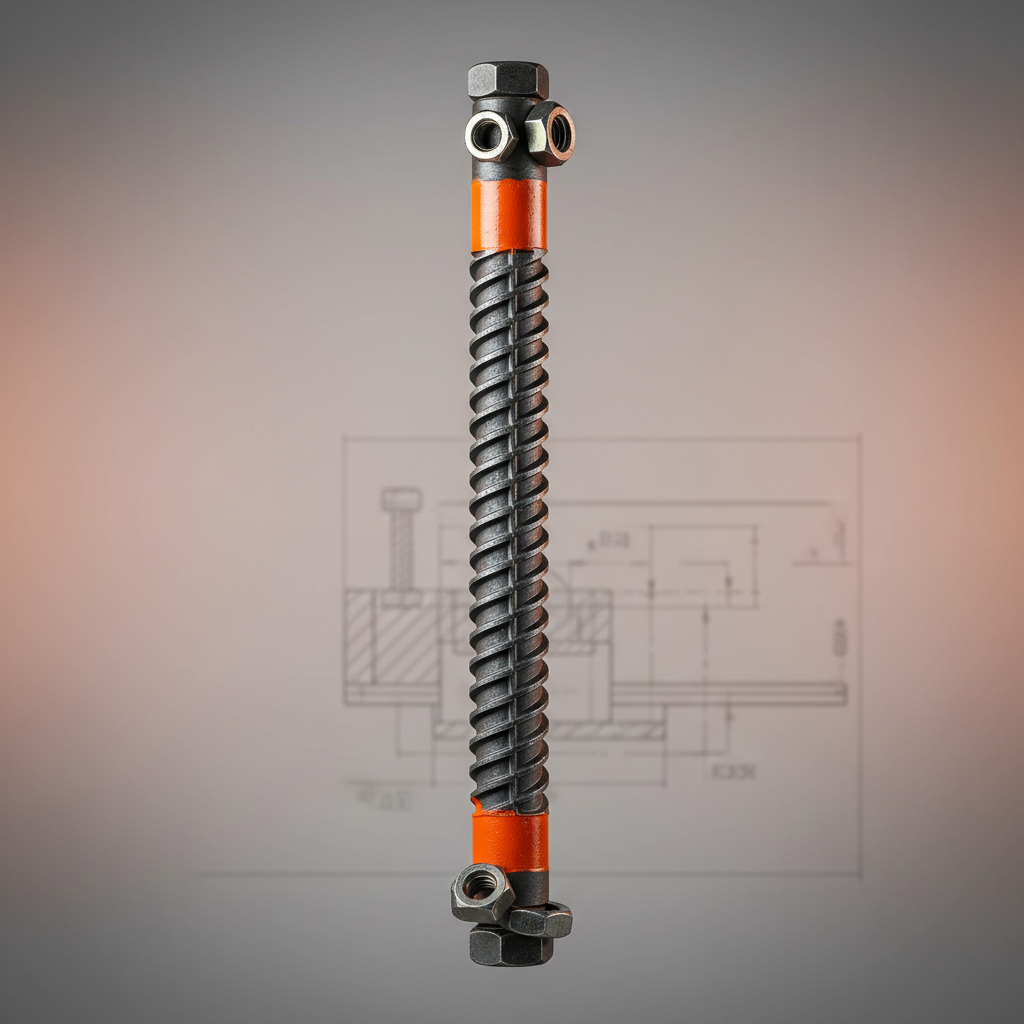
A 6 32 rod refers to a threaded fastener with a diameter of 6/32 of an inch (approximately 3/16 inch) and 32 threads per inch. This standardization allows for compatibility across various components and applications. The “6” indicates the nominal diameter, and “32” signifies the thread count. This rod is often made from steel, stainless steel, or other alloys depending on the intended use. Choosing the right material is crucial for corrosion resistance, strength, and longevity. The rods can be found in a variety of lengths, which makes them versatile for numerous applications. HBTBLS offers a comprehensive range of 6 32 rods to meet your specific needs.
Key Highlights: A 6 32 rod is a threaded fastener with a diameter of 6/32 of an inch and 32 threads per inch, known for its versatility and compatibility.
Common Materials Used in 6 32 Rods
Several materials are used in the manufacture of 6 32 rods, each with its own set of properties. Carbon steel is a common and cost-effective choice, suitable for general-purpose applications. Stainless steel offers superior corrosion resistance, making it ideal for outdoor or marine environments. Brass is known for its malleability and conductivity, while aluminum is lightweight and provides good strength-to-weight ratio. The selection of material directly impacts the rod’s performance and lifespan in specific environments. Proper selection prevents premature failure.
Material Benefits:
• Carbon Steel: Cost-effective, general purpose
• Stainless Steel: Corrosion resistant, durable
• Brass: Malleable, conductive
• Aluminum: Lightweight, strong
Applications of the 6 32 Rod Across Industries
The 6 32 rod finds widespread use in diverse applications. In woodworking, it’s used for attaching furniture components and reinforcing joints. In the electronics industry, it secures circuit boards and components. Construction utilizes these rods for various fastening tasks. Furthermore, they're common in machinery repair, serving as replacement parts. The versatility of this rod makes it an essential fastener for professionals and hobbyists alike. For reliable sourcing, visit HBTBLS.
6 32 Rod vs. Other Thread Sizes: A Comparison
Choosing the right thread size is crucial for successful fastening. While the 6 32 rod is versatile, other sizes like 8 32 and 10 32 offer different strengths and applications. The 8 32 rod, with coarser threads, is often used for softer materials, while the 10 32 rod provides greater strength for heavier-duty applications. The 6 32 offers a good balance between strength and fineness. Selecting the appropriate size depends on the materials being joined and the load-bearing requirements. HBTBLS provides a wide variety of thread sizes to meet your specific needs.
Specifications and Standards for 6 32 Rods
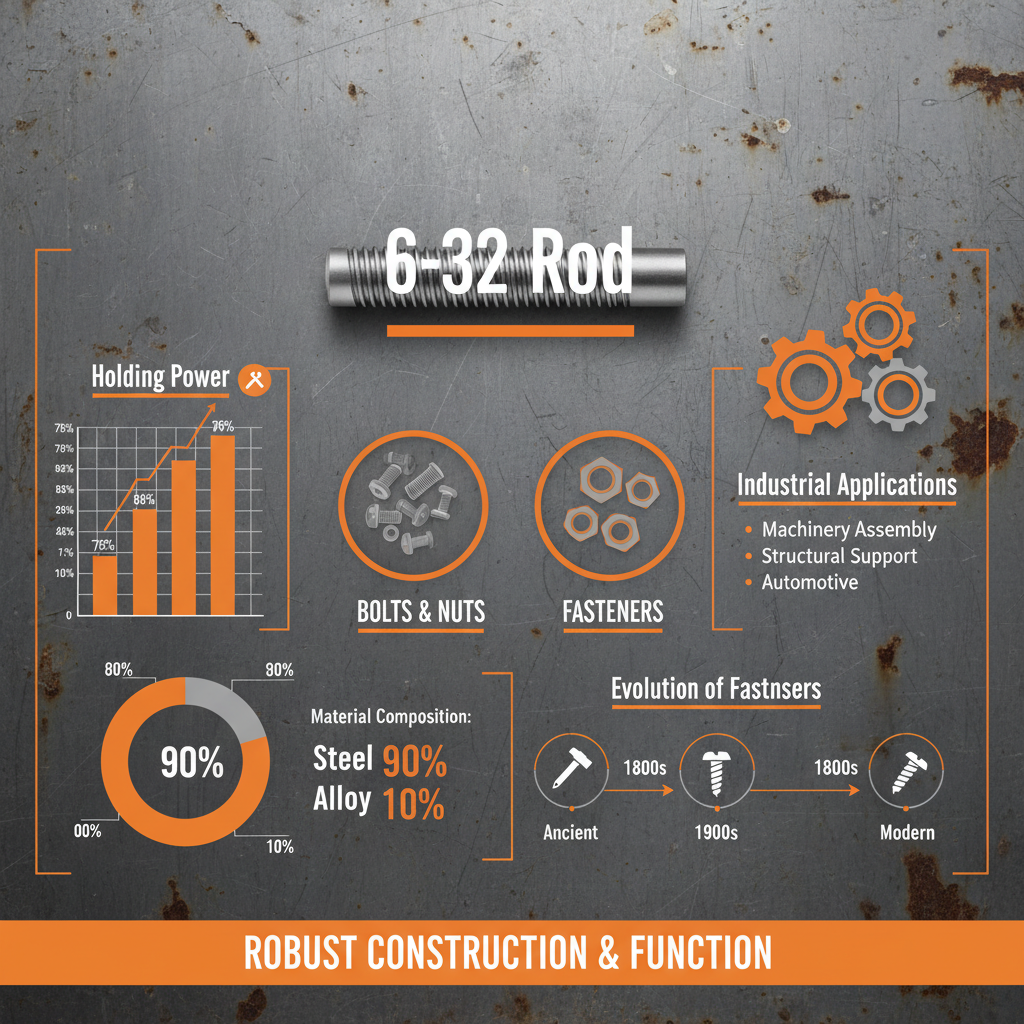
The 6 32 rod adheres to specific standards to ensure quality and consistency. These rods are typically manufactured to meet ASTM (American Society for Testing and Materials) standards, guaranteeing dimensional accuracy and material properties. Common standards include ASTM A36 for carbon steel rods and ASTM A304/A305 for stainless steel. Understanding these standards is vital for engineers and professionals ensuring compliance in critical applications.
Conclusion: Choosing the Right 6 32 Rod for Your Project
Selecting the correct 6 32 rod involves considering the material, application, and relevant industry standards. HBTBLS offers a diverse inventory of high-quality rods to cater to your unique needs. By understanding these factors, you can ensure a secure, reliable, and long-lasting fastening solution. Don't compromise on quality – choose HBTBLS for all your fastener requirements.
Frequently Asked Questions (FAQs)
What are the typical applications for a 6 32 rod in woodworking?
A 6 32 rod is frequently used in woodworking for tasks such as attaching furniture legs, reinforcing joints in chair construction, and securing drawer slides. Its relatively small diameter makes it suitable for projects where a subtle fastener is desired, while its 32 threads per inch provide a secure hold in softer woods. When choosing a 6 32 rod for woodworking, consider using brass or stainless steel for enhanced corrosion resistance, especially if the furniture will be exposed to moisture.
What material is best for a 6 32 rod used in a marine environment?
For marine environments, stainless steel is the most recommended material for a 6 32 rod. The high chloride content in saltwater causes corrosion in most other metals. Stainless steel provides excellent resistance to saltwater corrosion, ensuring the longevity and reliability of the fastener. Specifically, 316 stainless steel offers superior corrosion resistance compared to 304, making it ideal for harsh marine conditions. You can find premium stainless steel 6 32 rods at HBTBLS.
How do I determine the correct length of a 6 32 rod for my application?
Determining the correct length involves measuring the total thickness of the materials being joined, and adding sufficient length for the nut to fully engage the threads. It’s always recommended to add a slight margin, approximately ¼ to ½ inch, to ensure a secure connection. If you're using washers, include their thickness in your measurement as well. Having a slightly longer rod is preferable to a rod that is too short, as it allows for proper tightening and a more reliable fastening solution.
Are 6 32 rods readily available in different finishes?
Yes, 6 32 rods are available in various finishes, including plain, zinc plated, black oxide, and stainless steel. Zinc plating provides a moderate level of corrosion resistance for indoor applications, while black oxide offers a decorative finish and minimal corrosion protection. Stainless steel provides the highest level of corrosion resistance. The choice of finish depends on the application and the desired aesthetic. HBTBLS carries a variety of finishes for our 6 32 rods.
Post time: Mar . 19, 2026 02:45



 English
  Albanian
  Arabic
  Armenian
  Azerbaijani
  Belarusian
  Bosnian
  Bulgarian
  Cebuano
  Corsican
  Czech
Czech  Galician
  Georgian
  Greek
Greek  Hausa
Hausa  Hebrew
  Hungarian
  Igbo
Igbo  Indonesian
  Italian
  Kazakh
  Khmer
Khmer  Korean
  Kurdish
  Kyrgyz
  Lao
Lao  Latin
Latin  Latvian
  Lithuanian
  Malay
Malay  Myanmar
  Nepali
  Polish
  Portuguese
  Russian
  Serbian
  Sesotho
  Shona
Shona  Sindhi
  Spanish
  Tagalog
  Tajik
Tajik  Thai
Thai  Turkish
  Turkmen
  Ukrainian
  Uzbek
Uzbek  Vietnamese
  Yoruba
  Zulu
Zulu