
Understanding 6 32 Die Rod Size for Optimal Threading
In the world of precision manufacturing and metalworking, selecting the right tools is critical for achieving high-quality results. A crucial element in thread forming is the die rod, and understanding 6 32 die rod size specifications is paramount. This article provides a comprehensive overview of this specific size, its applications, material considerations, and how to choose the best option for your threading needs. Whether you’re a seasoned professional or new to the field, this guide will equip you with the knowledge to make informed decisions.
What Does 6 32 Die Rod Size Mean?
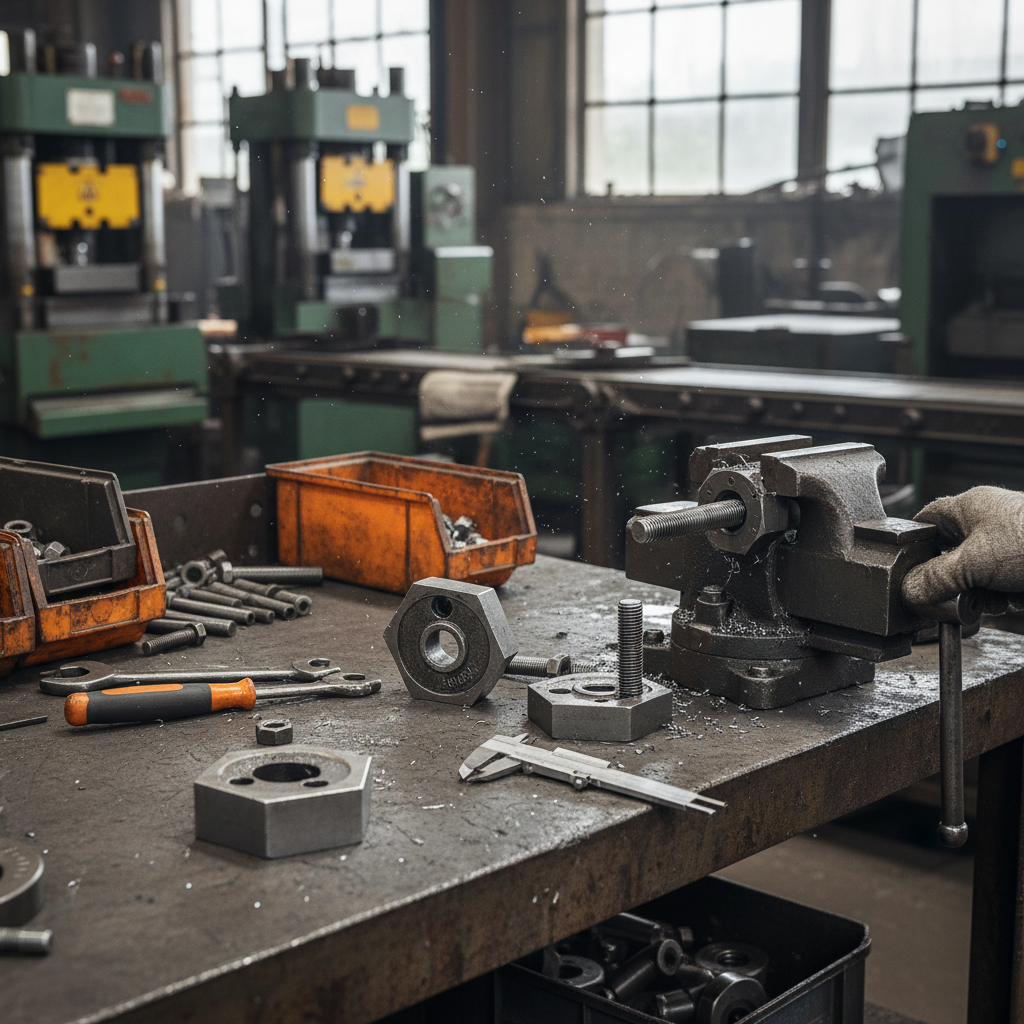
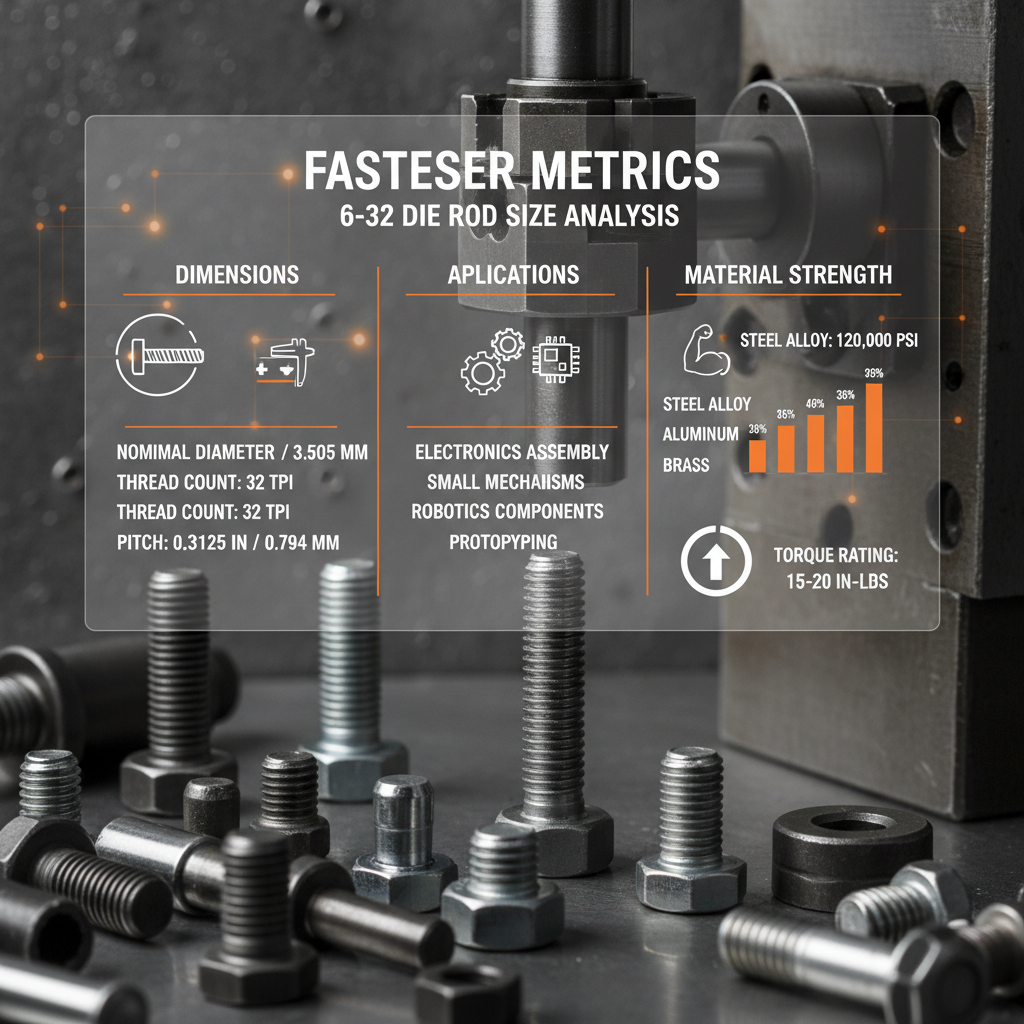
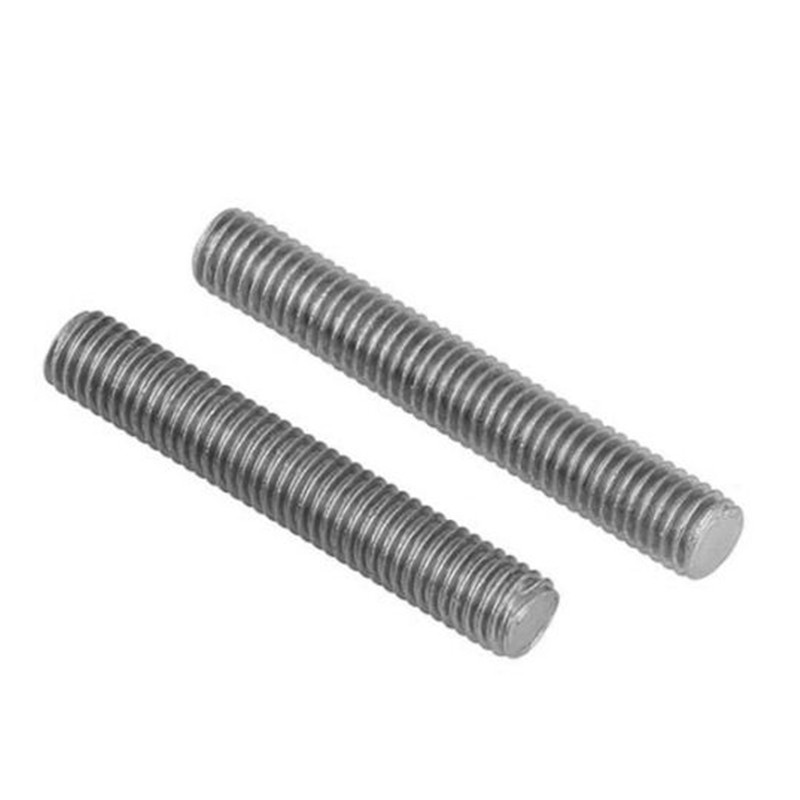
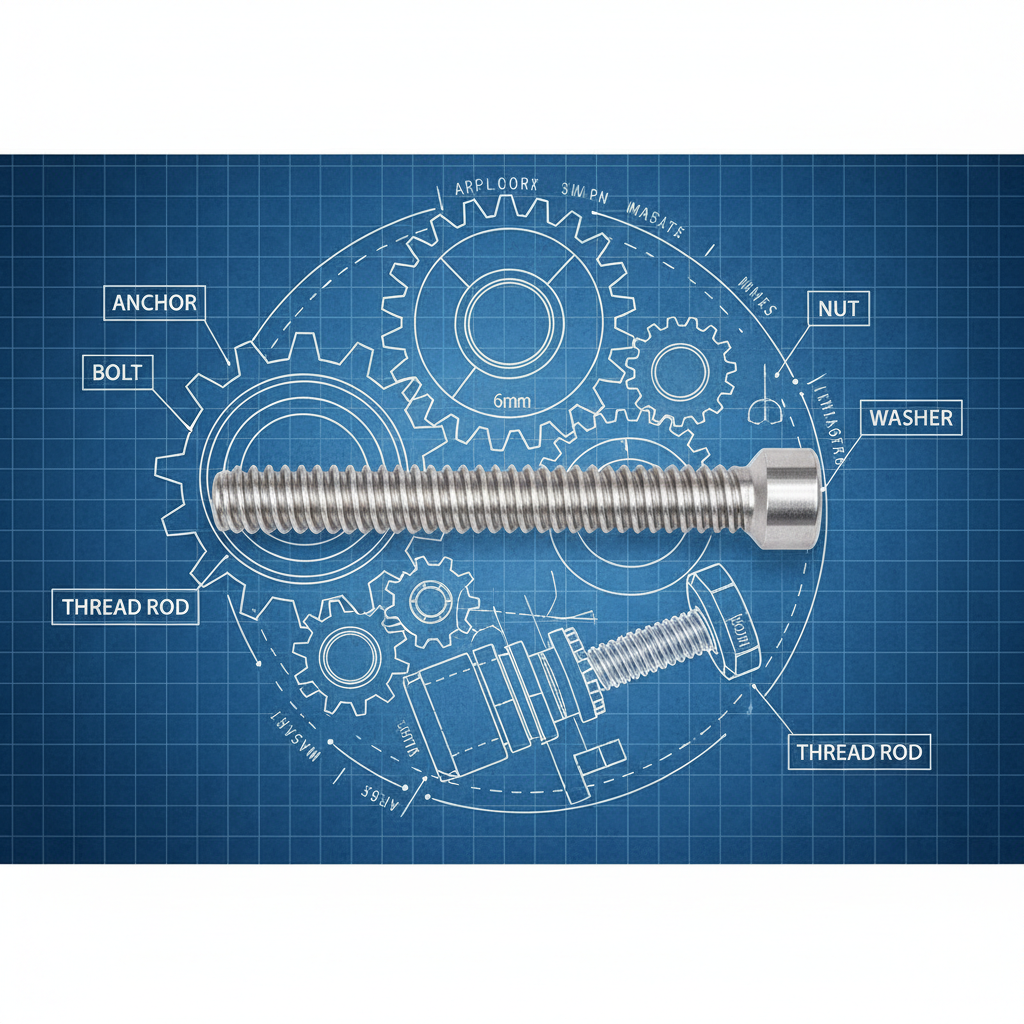
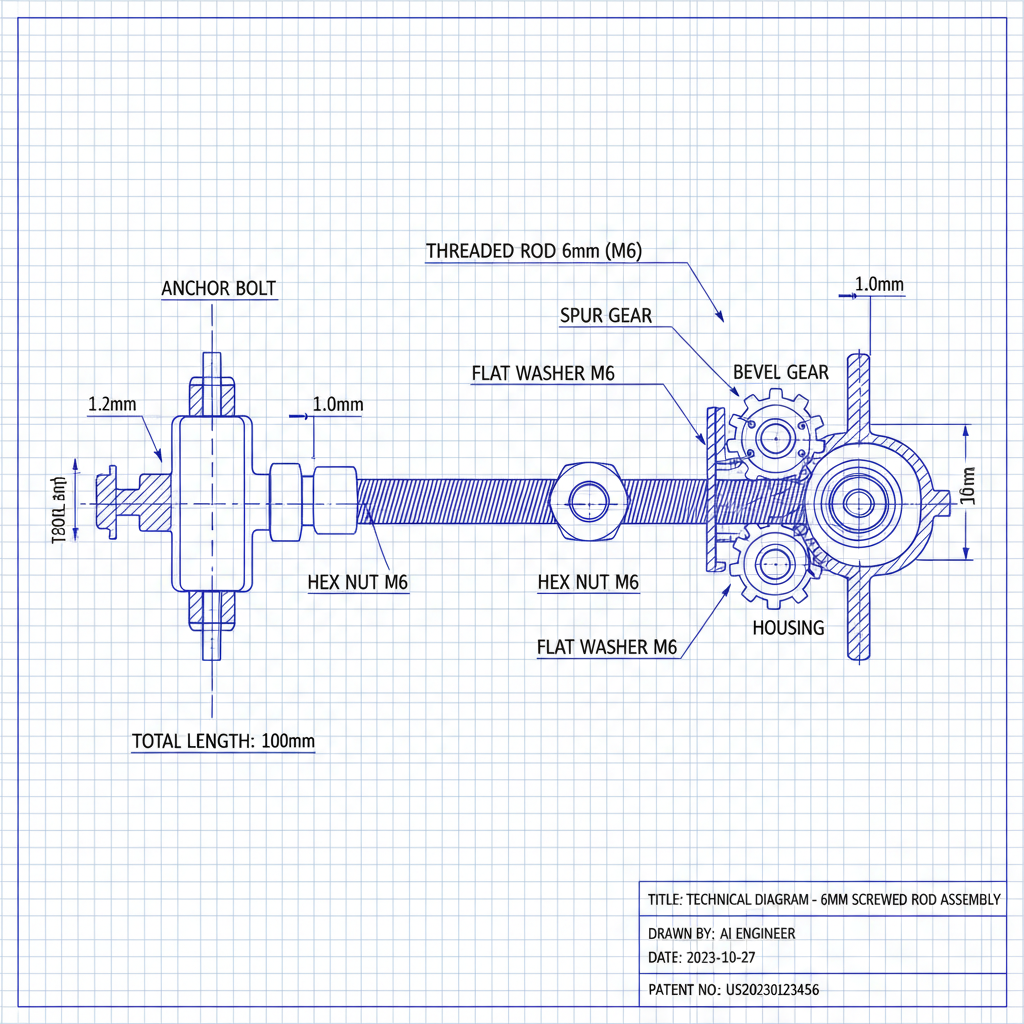
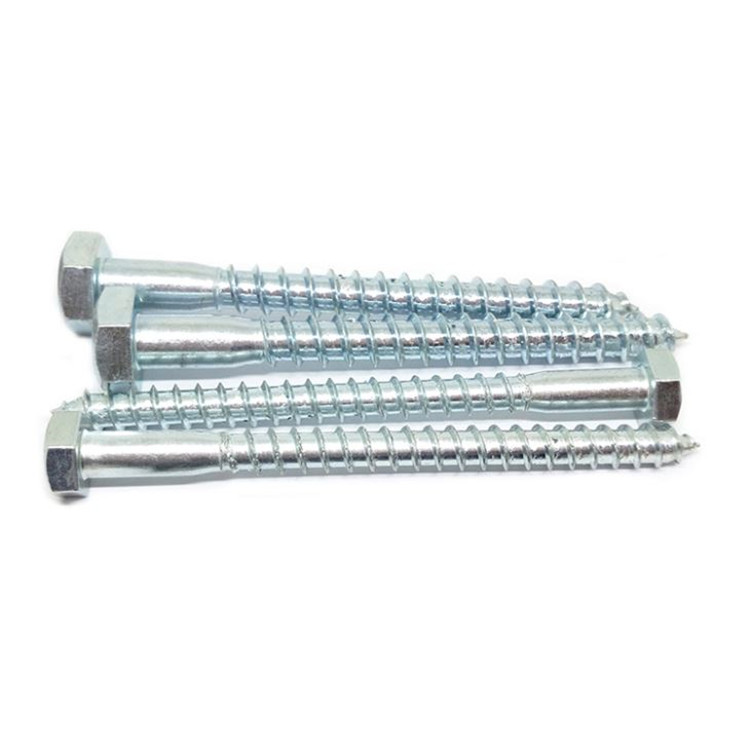
The designation "6 32" refers to the Unified National Coarse (UNC) thread standard. This means the die rod is designed to create threads with 32 threads per inch on a 6mm (approximately ¼ inch) diameter bolt or rod. It’s important to note that this is a coarse thread, ideal for applications where speed of assembly is preferred over ultimate strength. The 'die rod' itself is the component that holds the die, which does the actual cutting and forming of the threads. Understanding the distinction between the thread size (6 32) and the die rod size ensures accurate tool selection. A mismatched die rod can lead to damaged threads and compromised performance. You can explore a wider range of die rod options at HBTBLS.
Key Takeaway: 6 32 signifies 32 threads per inch on a 6mm diameter. It’s a coarse thread commonly used in various assembly applications.
Applications of 6 32 Die Rods
6 32 die rods are incredibly versatile and find applications in numerous industries. Common uses include:
- Automotive: Securing components like interior trim, brackets, and housings.
- Electronics: Assembling enclosures and mounting circuit boards.
- Machinery: Fastening covers, panels, and smaller parts.
- Furniture Assembly: Joining wood and metal components.
- DIY Projects: Ideal for home repairs and custom builds.
The ability to quickly and easily create 6 32 threads makes these die rods a favorite among both professionals and hobbyists. Choosing the right material for the die rod is also essential, and we'll discuss that in the next section.
Material Considerations for 6 32 Die Rods
Die rods are typically made from several different materials, each with its own advantages and disadvantages. Here's a breakdown of common choices:
Choosing the Right 6 32 Die Rod Size and Type
Selecting the correct 6 32 die rod isn’t simply about matching the thread size. Consider the material of the workpiece you’re threading. Softer materials like aluminum require a different die rod than harder materials like steel. Also, the volume of work influences the best choice. For high-volume production, a more durable alloy steel or stainless steel die rod is a worthwhile investment. Finally, ensure the die rod is compatible with your threading machine or tool. The shank size and thread form must align correctly for optimal performance. HBTBLS offers a wide selection of 6 32 die rods and expert advice to help you find the perfect solution.
Maintaining Your 6 32 Die Rod
Proper maintenance extends the life of your 6 32 die rod and ensures consistent thread quality. Regularly clean the die rod with a brush and appropriate solvent to remove chips and debris. Apply a cutting fluid or lubricant during threading to reduce friction and heat. Store the die rod in a dry environment to prevent rust and corrosion. Inspect the die threads periodically for wear or damage. Replacing a worn die rod is crucial to avoid creating defective threads.
Conclusion: Precision Threading with the Right 6 32 Die Rod
Choosing the right 6 32 die rod is critical for achieving accurate, reliable threads. Understanding thread specifications, material options, and maintenance practices will ensure optimal performance and longevity. For high-quality 6 32 die rods and expert support, visit HBTBLS today.
Frequently Asked Questions (FAQs)
What is the difference between UNC and UNF threads for 6 32?
UNC (Unified National Coarse) and UNF (Unified National Fine) are different thread standards. 6 32 refers to a UNC thread, meaning it has fewer threads per inch (32) and a wider thread pitch. UNC threads are generally stronger and easier to assemble quickly, making them suitable for general-purpose applications. UNF threads have more threads per inch, resulting in a finer pitch. They offer greater tensile strength and are often used in applications where vibration resistance is important. Choosing between UNC and UNF depends on the specific requirements of your project.
Can I use a 6 32 die rod on a metric thread?
No, you cannot. 6 32 is an inch-based thread size, while metric threads use millimeters. The thread profiles are completely different, and attempting to use an inch die rod on a metric thread will damage both the die rod and the workpiece. It's crucial to use the correct die rod for the specific thread standard. Always double-check the thread specification before starting any threading operation.
How often should I replace my 6 32 die rod?
The frequency of replacement depends on usage and material. Regularly inspect the die threads for wear, chipping, or dullness. If you notice any damage, replace the die rod immediately. As a general guideline, a die rod used frequently on harder materials may need to be replaced more often than one used occasionally on softer materials. With proper care and maintenance, a quality die rod can last a significant time.
Where can I find high-quality 6 32 die rods?
You can find a comprehensive selection of high-quality 6 32 die rods at HBTBLS. We offer a variety of materials and sizes to meet your specific needs, along with expert advice to ensure you choose the right tool for the job.
Post time: Mar . 17, 2026 02:35


 English
  Albanian
  Arabic
  Armenian
  Azerbaijani
  Belarusian
  Bosnian
  Bulgarian
  Cebuano
  Corsican
  Czech
Czech  Galician
  Georgian
  Greek
Greek  Hausa
Hausa  Hebrew
  Hungarian
  Igbo
Igbo  Indonesian
  Italian
  Kazakh
  Khmer
Khmer  Korean
  Kurdish
  Kyrgyz
  Lao
Lao  Latin
Latin  Latvian
  Lithuanian
  Malay
Malay  Myanmar
  Nepali
  Polish
  Portuguese
  Russian
  Serbian
  Sesotho
  Shona
Shona  Sindhi
  Spanish
  Tagalog
  Tajik
Tajik  Thai
Thai  Turkish
  Turkmen
  Ukrainian
  Uzbek
Uzbek  Vietnamese
  Yoruba
  Zulu
Zulu